

Rug & Kilim Returns from the United Nations Sustainable Development Goals Forum in Maldives
December 27, 2023
The Importance of Rug Padding and its Benefits to Rug Longevity
January 26, 2024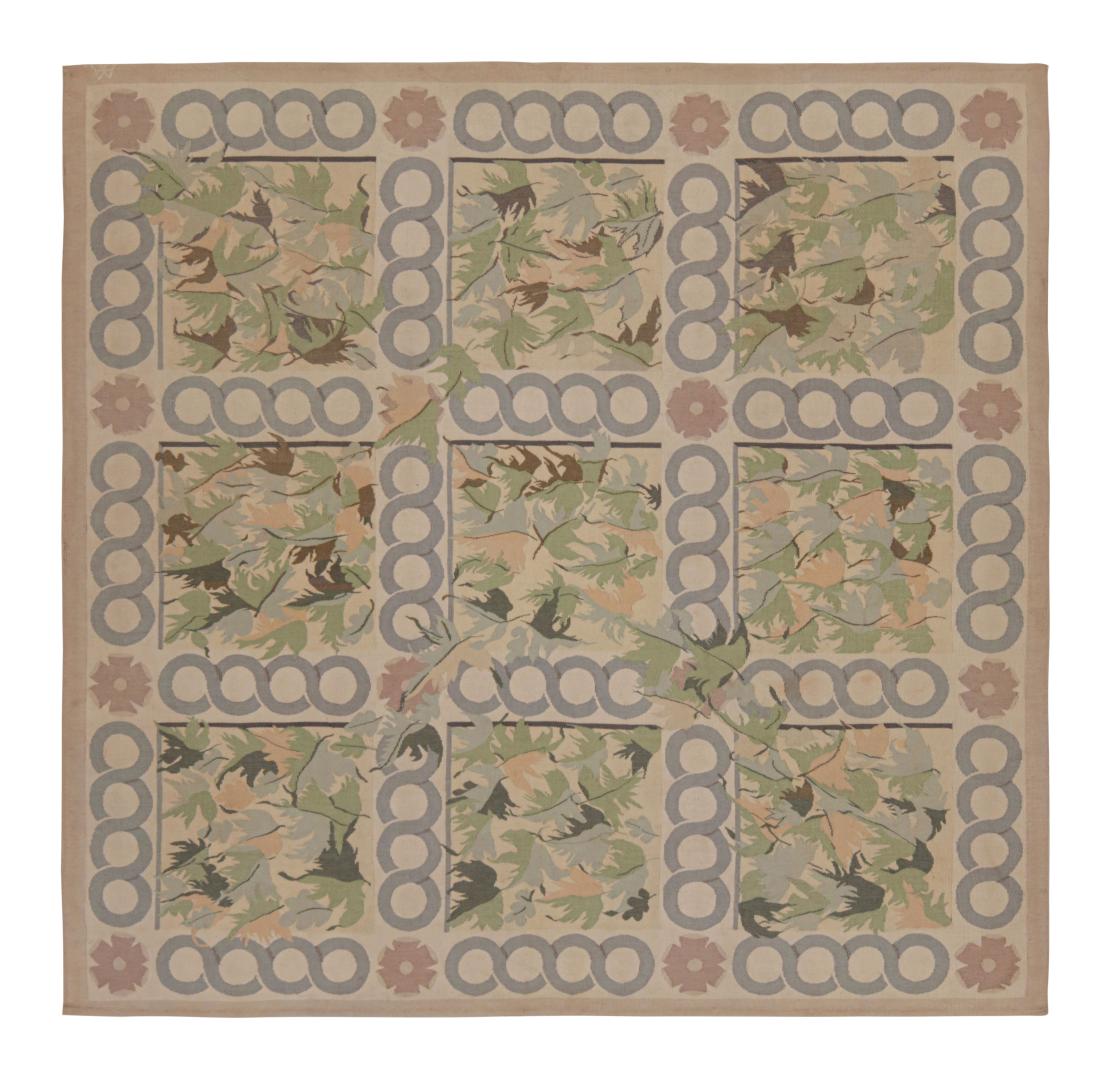
“I come from an old family of cabinetmakers. From father to son for a very long time. In other words, I was born in a cabinet-making workshop.” – André Arbus

A portrait of André Arbus, undated. Photo courtesy of Galerie Bianco-Goldmann Paris.
Above this quote by the same artist is a new, equally celebrated acquisition for the Rug & Kilim Vintage Collection — a signed 7×8 mid-century tapestry by André Arbus. Handwoven in wool circa 1940-1950, its design is one of a kind among Arbus’s works, which are some of the most famous rugs, tapestries and textiles of the Art Deco movement admirers of the craft know today.
Andre Arbus was born on 17 November 1903 in Toulouse, France. Belonging to a family of furniture designers, he was fated to establish himself amongst the best furniture makers. In his formative years, he studied at the Lycée Pierre-de-Fermat in Toulouse and simultaneously worked with his father – selling furniture that was inspired by the 18th century French style. Later, he graduated at the École des Beaux-Arts in Toulouse.
Following his graduation, he again joined his father’s business and started making his own designs that featured a unison of neoclassicism and art deco sensibilities with very modern attributes. Andre Arbus showcased his work at many shows like Salon des Artistes Décorateurs, Exposition des Arts Décoratifs, Salon d’Automne, the Gallery L’Epoque in 1925. He won a silver medal at the International Exhibition of Modern Decorative and Industrial Arts that brought the world’s attention to the art deco style.
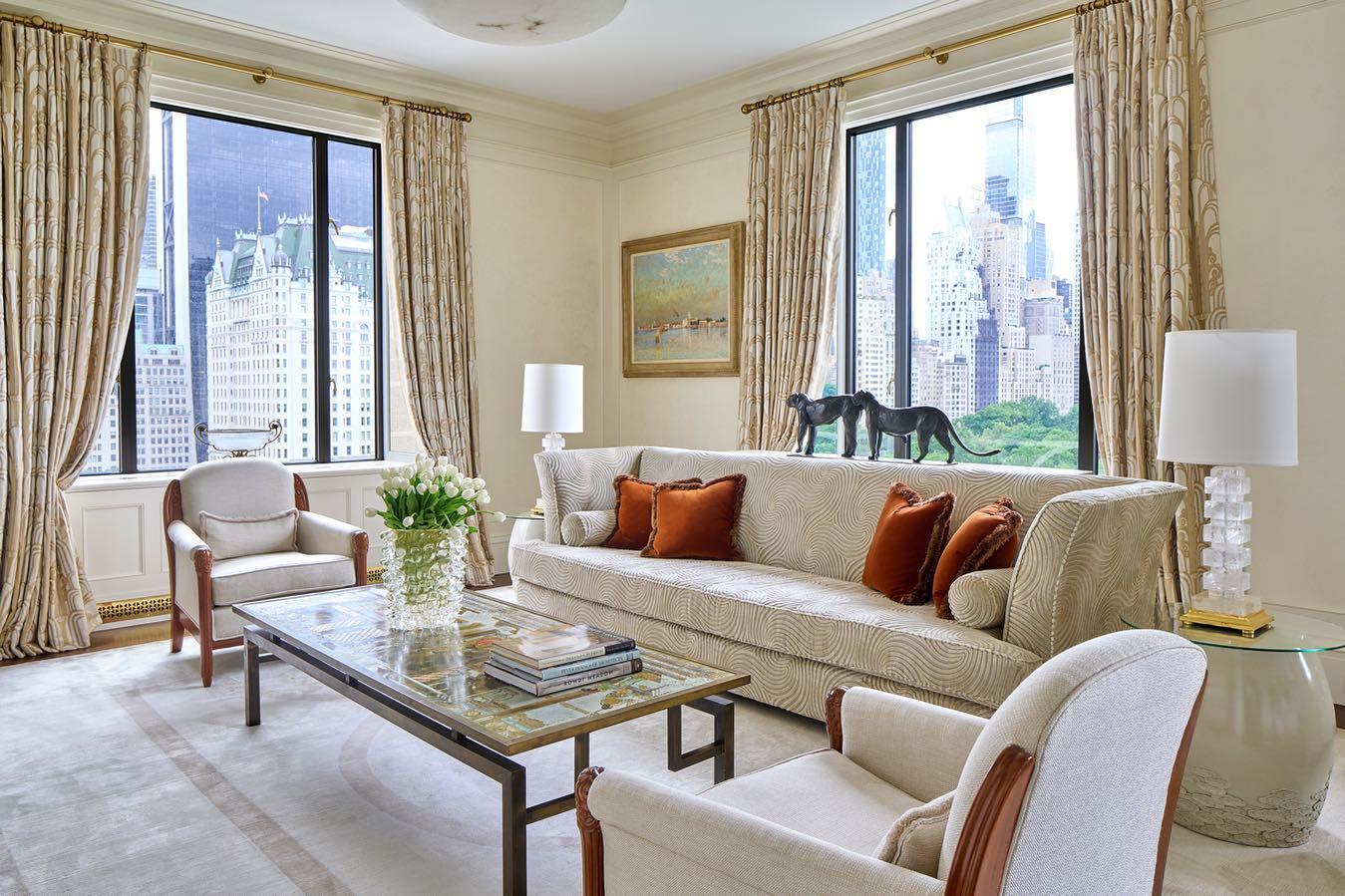
An NYC sitting room by Venfield Interiors features our custom rug, inspired by Arbus’s Art Deco sensibility. Photo courtesy of Venfield Interiors.
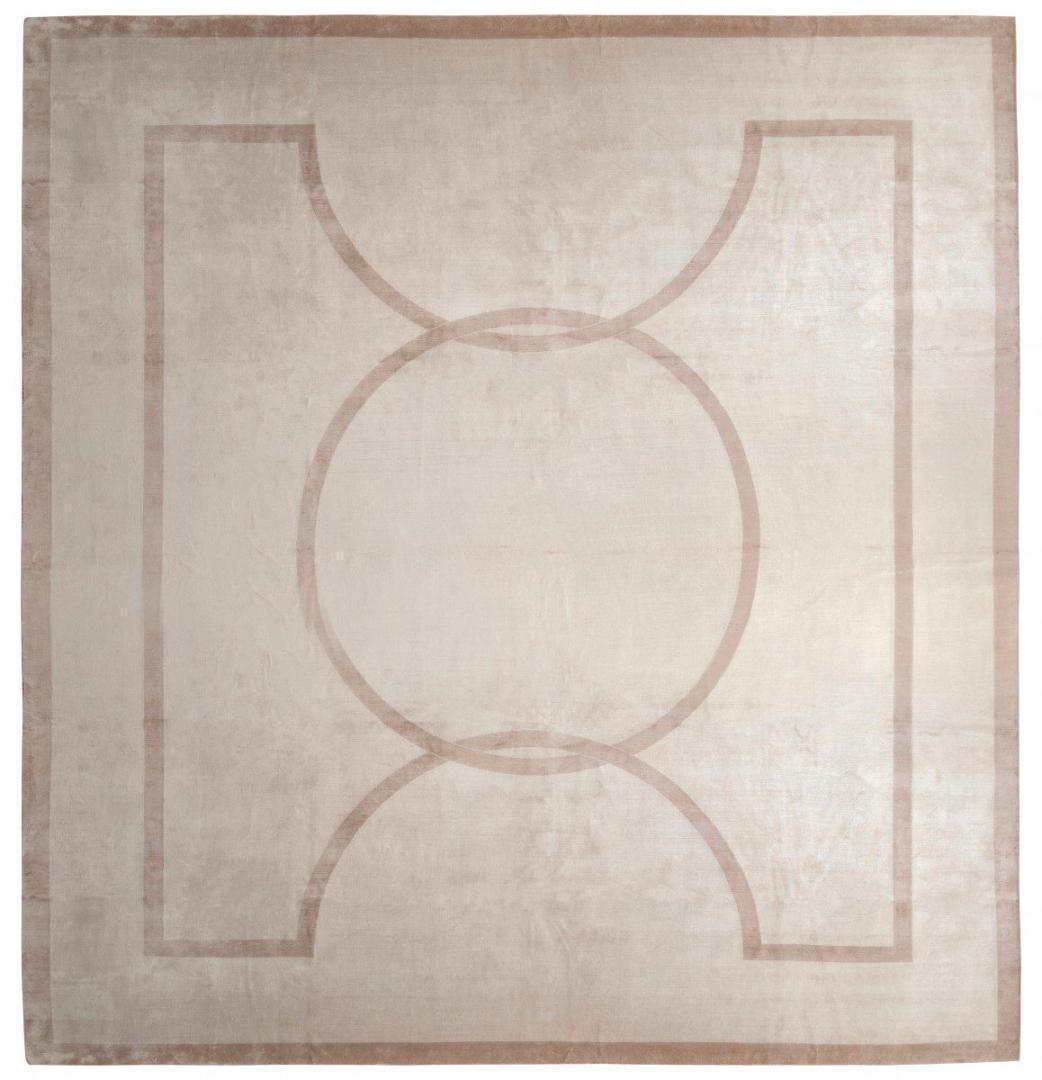
SKU 24014 – 15×17
Arbus moved to Paris in 1932. This was a major step in his career following which he won the reputed Premier Prix Blumenthal in 1934. In the following year, he opened his own gallery in 1935 which soon began to be frequented by the wealthy. During this tenure, he worked with a myriad artists – the most significant collaboration being the one with the Russian sculptor Vadim Androussov.
A breakthrough in his career came in the later part of the 1930s. Felix Maecilhac, a renowned expert in 20th century arts called Arbus “one of the most inventive designers of the era.” This was the era that rekindled the inclination towards the NeoclassicalNeo-classical style of which Arbus was a master. His acumen bagged him reputed commissions. Around 1936, he designed the space for the French Ministry of Agriculture. This project helped Andre Arbus to establish a lasting relationship with the French government that stayed for a major part of his career. Andre Arbus exhibited his craft at the World’s Fair in New York in 1939 and also participated in the World’s Fair in the US.
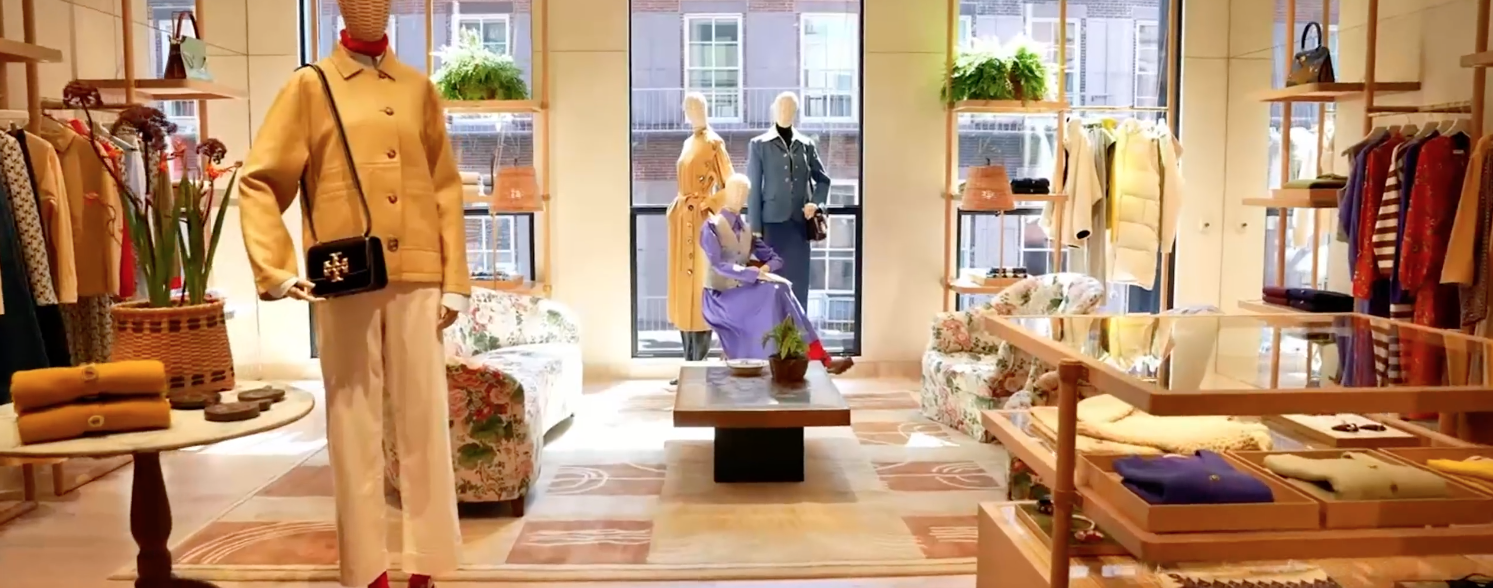
Another 9×12 Art Deco rug, inspired by Arbus’s works, in the Tory Burch NYC flagship store on Mercer Street. Photo courtesy of Tory Burch.
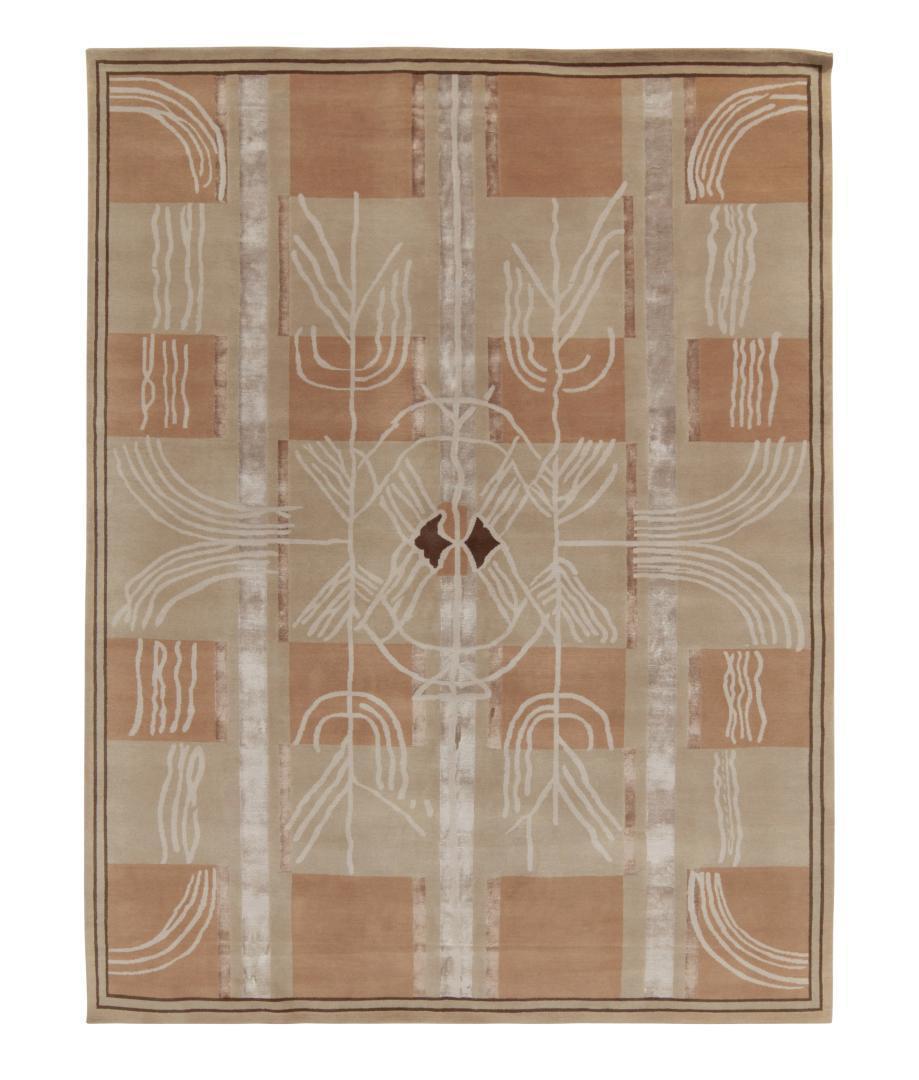
24822 – 9×12
During the course of his career, he received many prestigious awards and was also elected as the École Nationale Supérieure des Arts Décoratifs in 1951. He also joined the Académie des Beaux-Arts in 1965. A huge part of his fame came from his keen focus on form and accurate design. He aimed to create what is comfortable and effortless. Arbus’s approach redirected his father’s business. His style favored Classicism of the French Empire as opposed to his father’s style (which was, then, considered to be more conventional).
Arbus’s work always had a strong and impactful visual impact. Majorly his work was inspired by famous sculptors like Vadim Androusov and Sylva Bernt. Besides what meets the eye, he always ensured that his craft celebrates French art. His emphasis on quality, comfort further complemented his impeccable taste – making his pieces all the more collectible.
An architect, a furniture designer, a sculptor who redefined art, Andre Arbus died on 12 December 1969 in Paris. Today, his works can be seen in museums globally.
Comment below or reach out with your thoughts on Arbus, and enjoy more works from Rug & Kilim’s Art Deco rug collection inspired by his designs below.
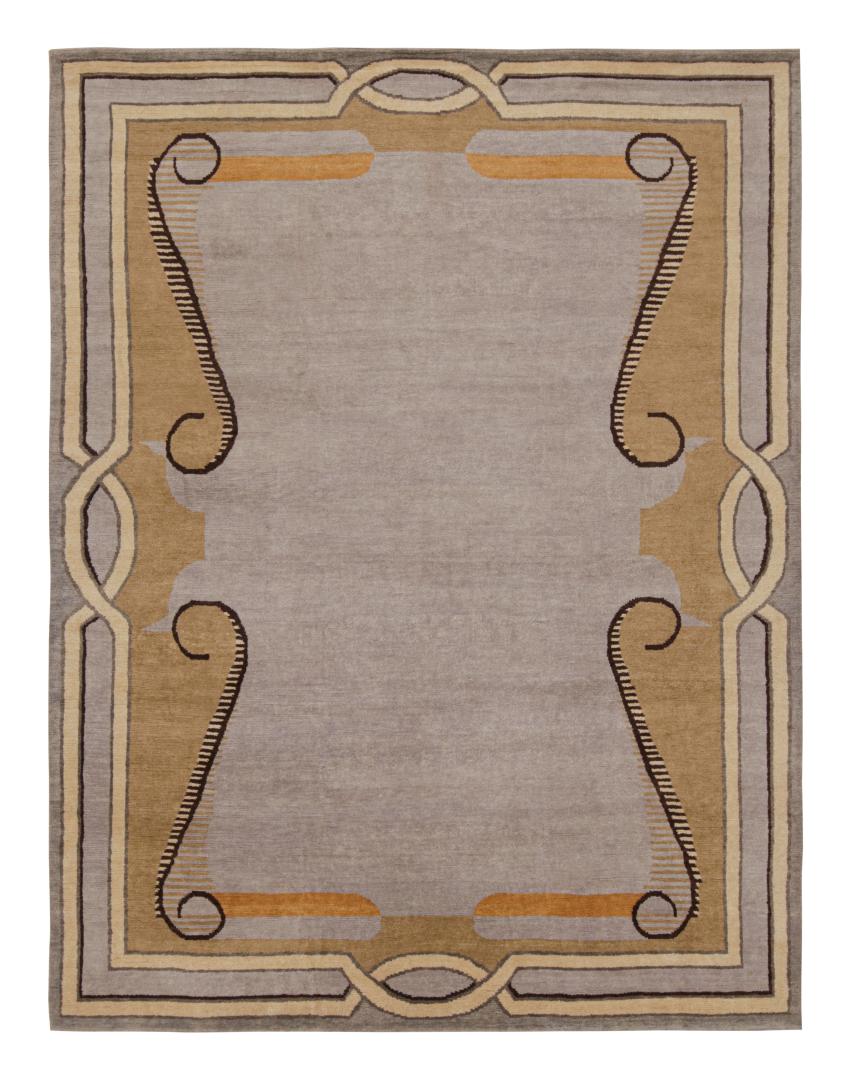
30004 – 9×12
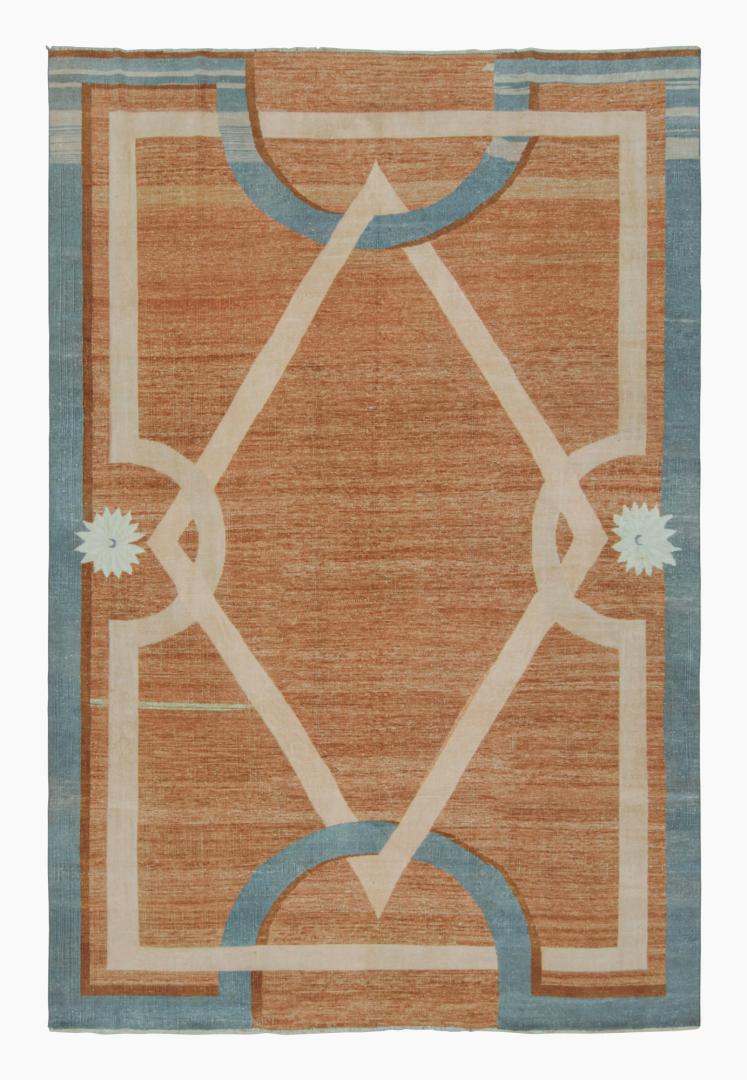
13530 – 10×14
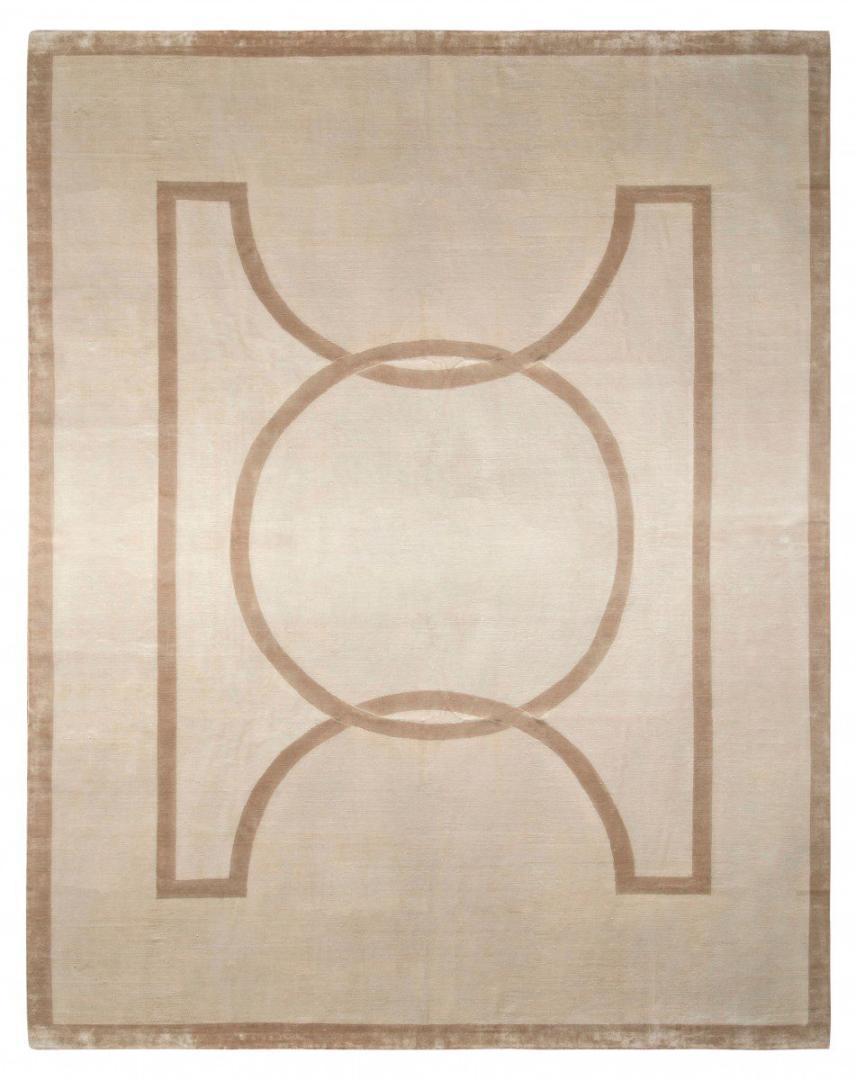
24012 – 12×15