
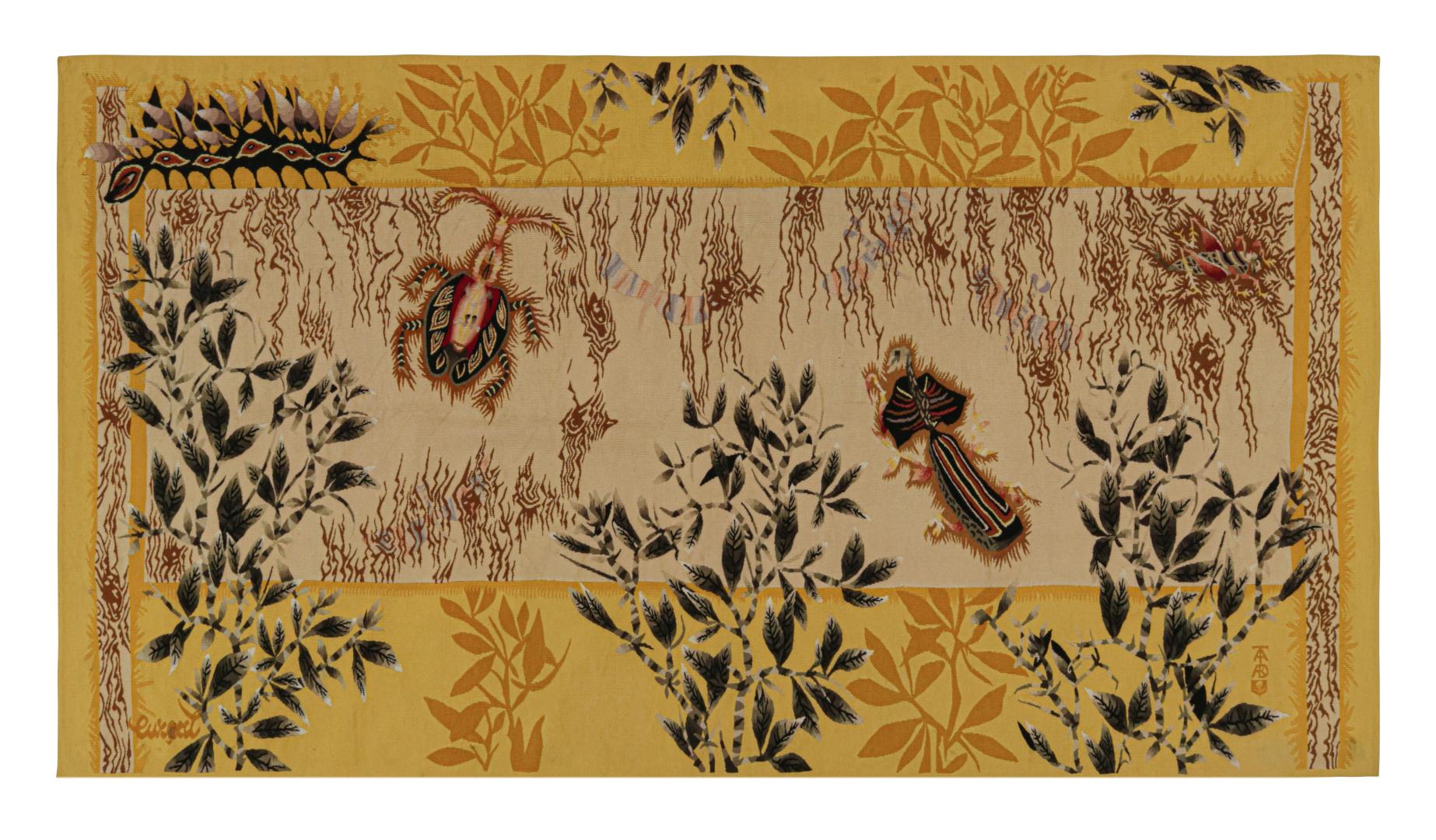
A Guide to Jean Lurçat: Pioneer of the Mid-20th Century Tapestry Renaissance
December 20, 2023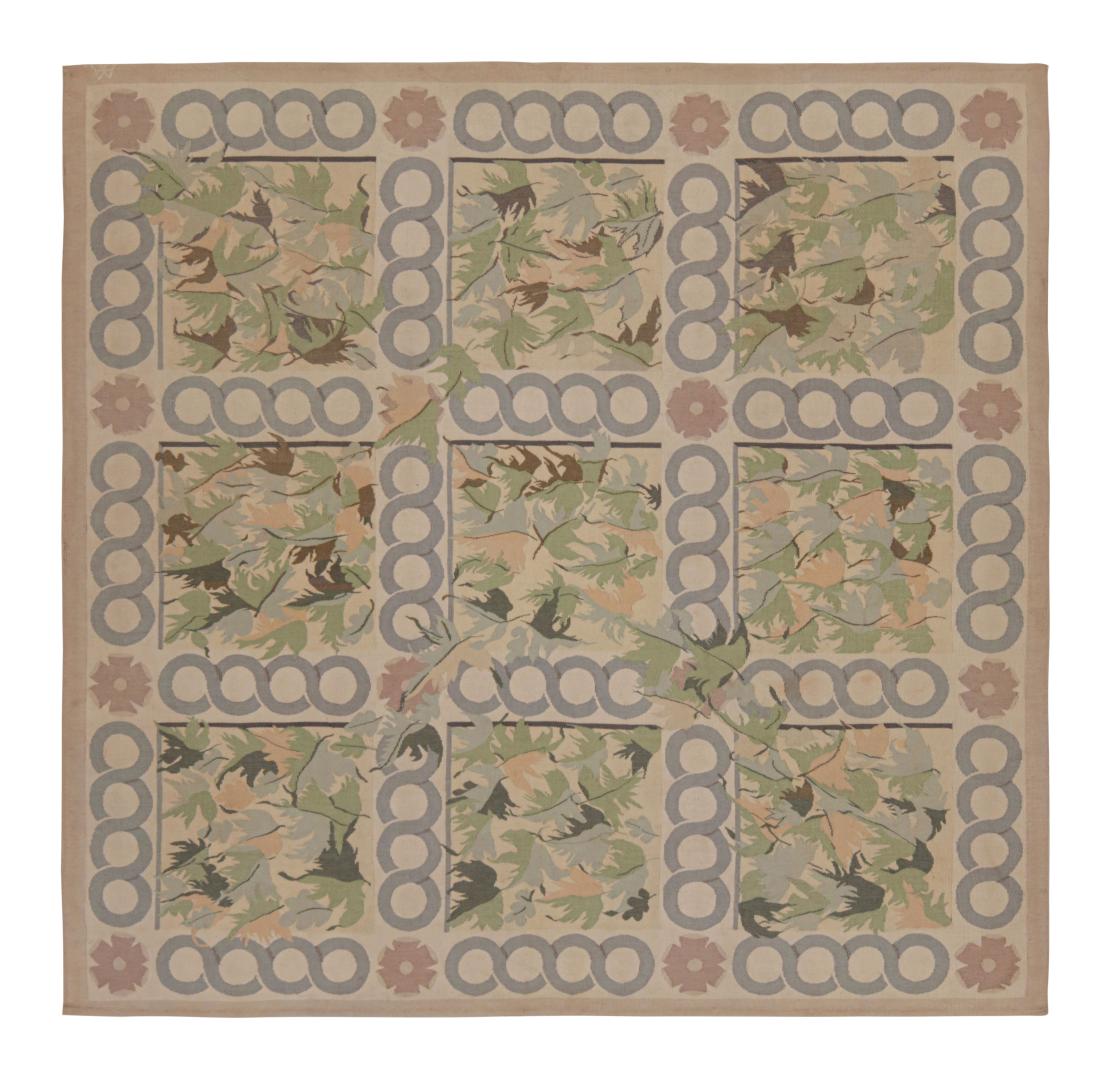
André Arbus: A Brief Intro to a Father of French Art Deco
January 2, 2024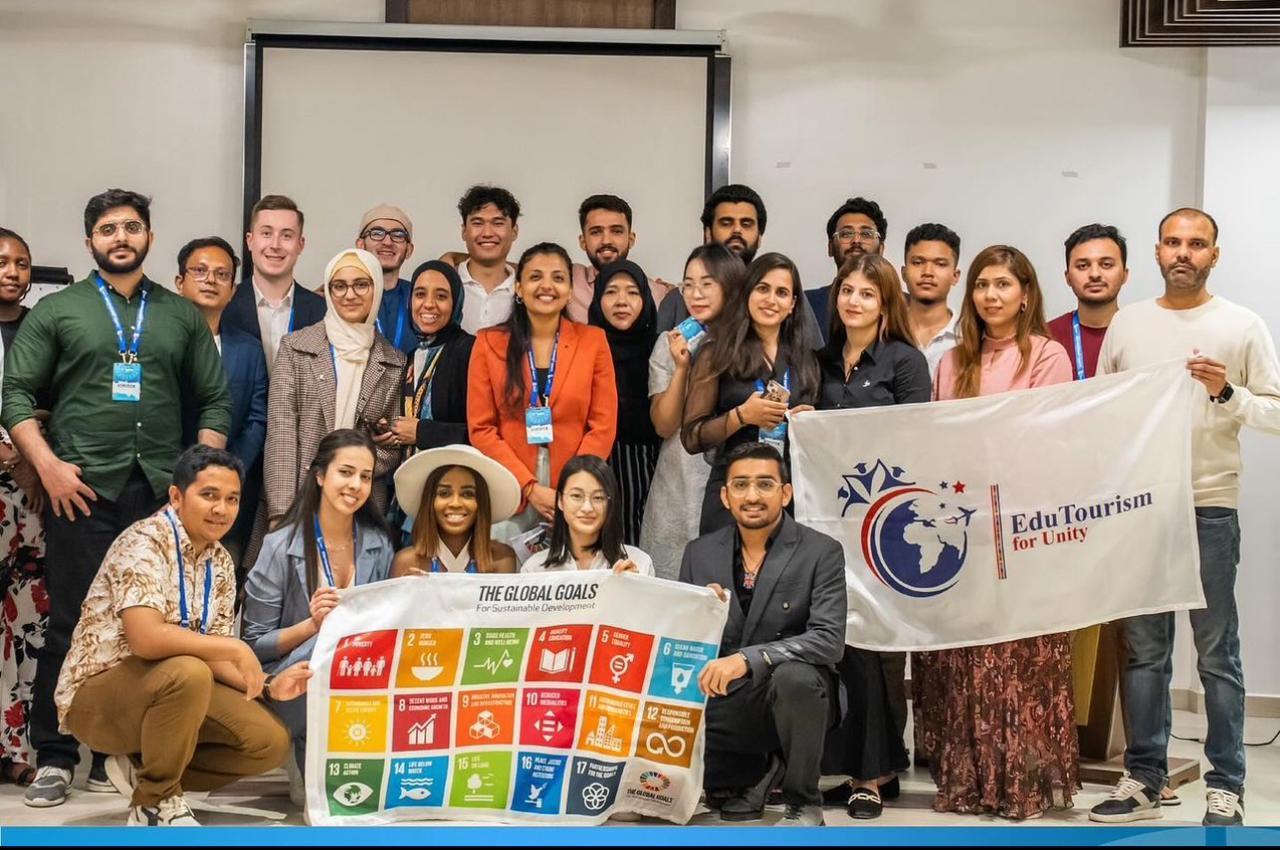
At the confluence of art, culture and sustainability, the Maldives Pavilion at the Venice Biennale 2023 emerges as a beacon of climate-conscious creative expression for all high-end designers, interior decorators and professionals in the fashion, furniture, art and design industry. Established in 2013, every year this Pavilion has become a catalyst for the renaissance of Maldivian art, and an insight to where traditional and contemporary attitudes in art and sustainability come together. Many remarkable artists — including but not limited to Mohamed Ali, Sama Alshaibi and Ursula Biemann — have graced its exhibitions in support of its commitment to diversity and pushing the boundaries of artistic expression.
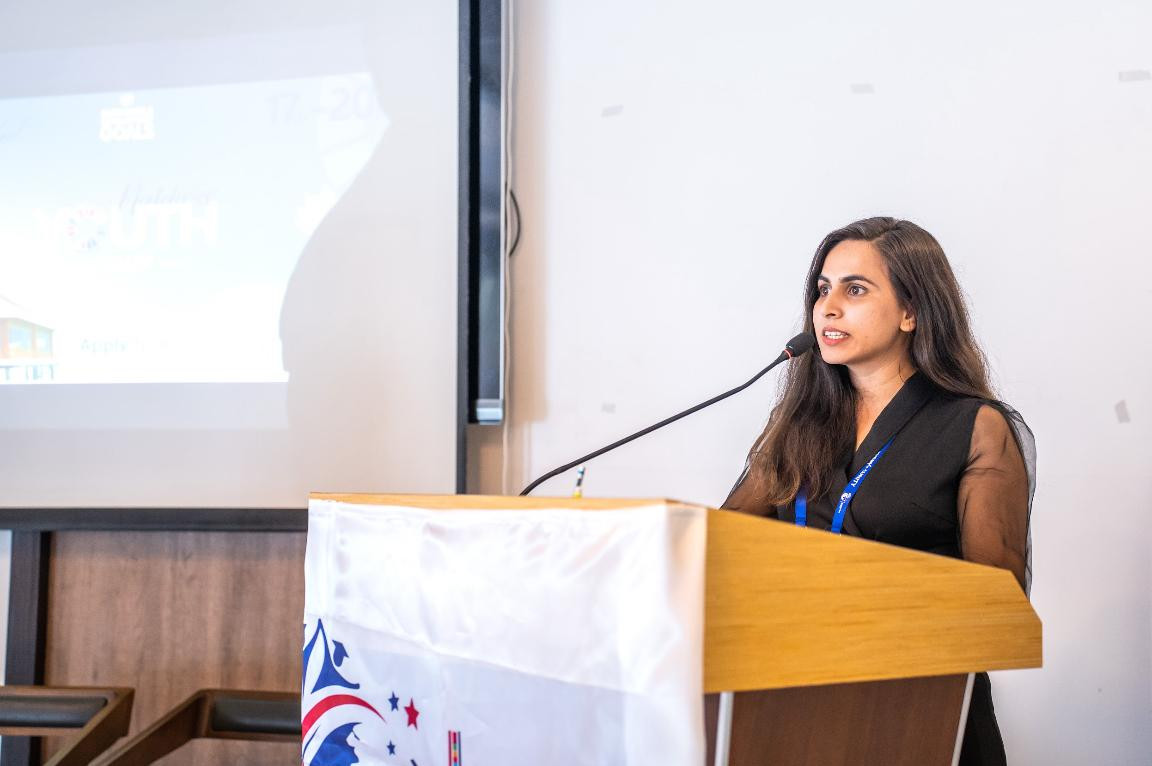
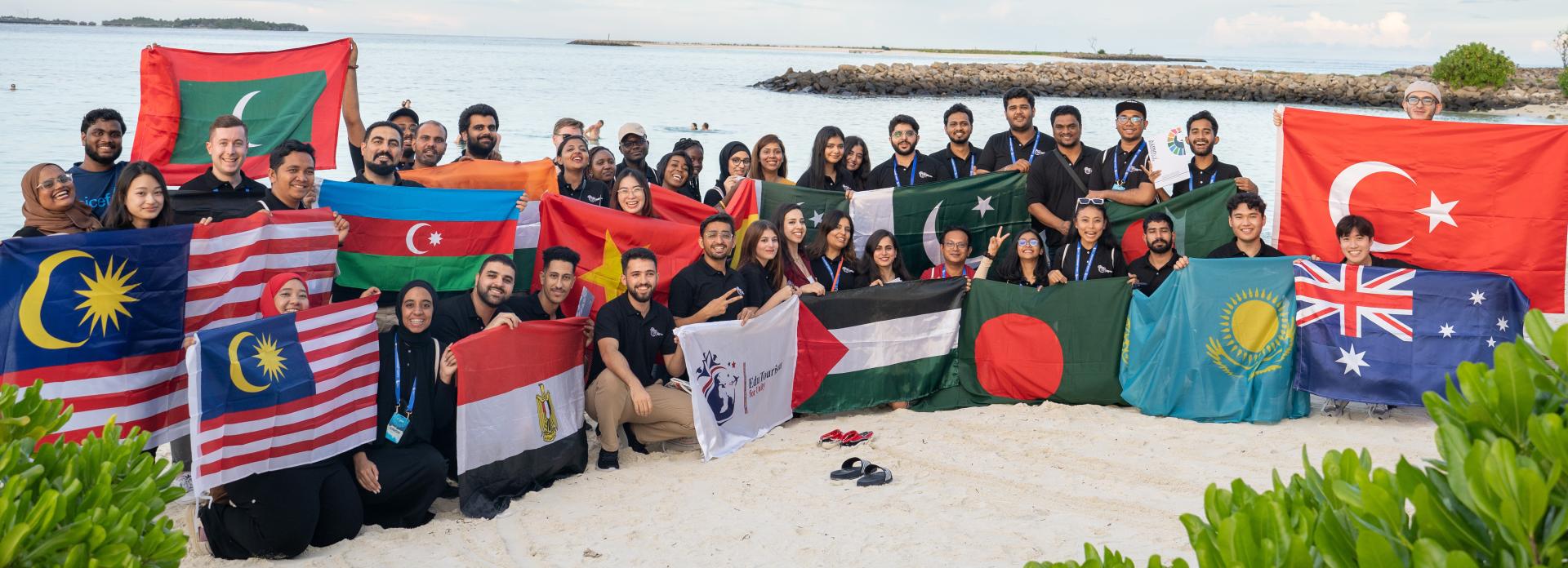
This is the second International conference of a series where our very own Bhavna Dahiya was invited as an official delegate representing India. Given her extensive research in sustainability and climate-displaced communities, this was an extension of the honor bestowed upon her by her government by first appointing her as the official high-level delegate in China, then inviting her for bilateral discussions with Ambassadors of Chile and Malta, and to now representing her country in Maldives. This conference which witnessed delegations from over 50 countries aimed at addressing the UN Sustainable Development Goals, was a partnership between the UK-based organization “EduTourism for Unity”, the Maldivian government and the UN Office at Geneva. Her presentation on addressing the intersection of sustainability, climate politics and human rights of climate-displaced communities at this event became a pivotal contribution to the dialogue on preserving the fragile beauty of the Maldives and the broader global ecosystem. Her proposal was further submitted to the UK EduTourism for Unity office and the UN Geneva office, thereby initiating a revolution of sustainability. It was a new opportunity for Rug & Kilim, both to continue a larger conversation with those on its cutting edge and to meet others interested in honoring several rug making traditions and cultural expressions in the form of “art that one can move on.”
The Pavilion represents the Maldivian commitment to cultural evolution, where tradition and innovation have a symbiotic relationship in several ways. Over the last decade, this Pavilion has not only become an anticipated yearly event in Maldives, but has also propelled Maldivian art onto the global stage. 2023’s Faruma International Youth Art Festival was organized by the youth ministry in conjunction with the Maldivian Artist Community (MAC), a distinguished NGO dedicated to fostering artistic endeavors since its inception in 2016, which heralds a new chapter in the narrative of Maldivian artistry.
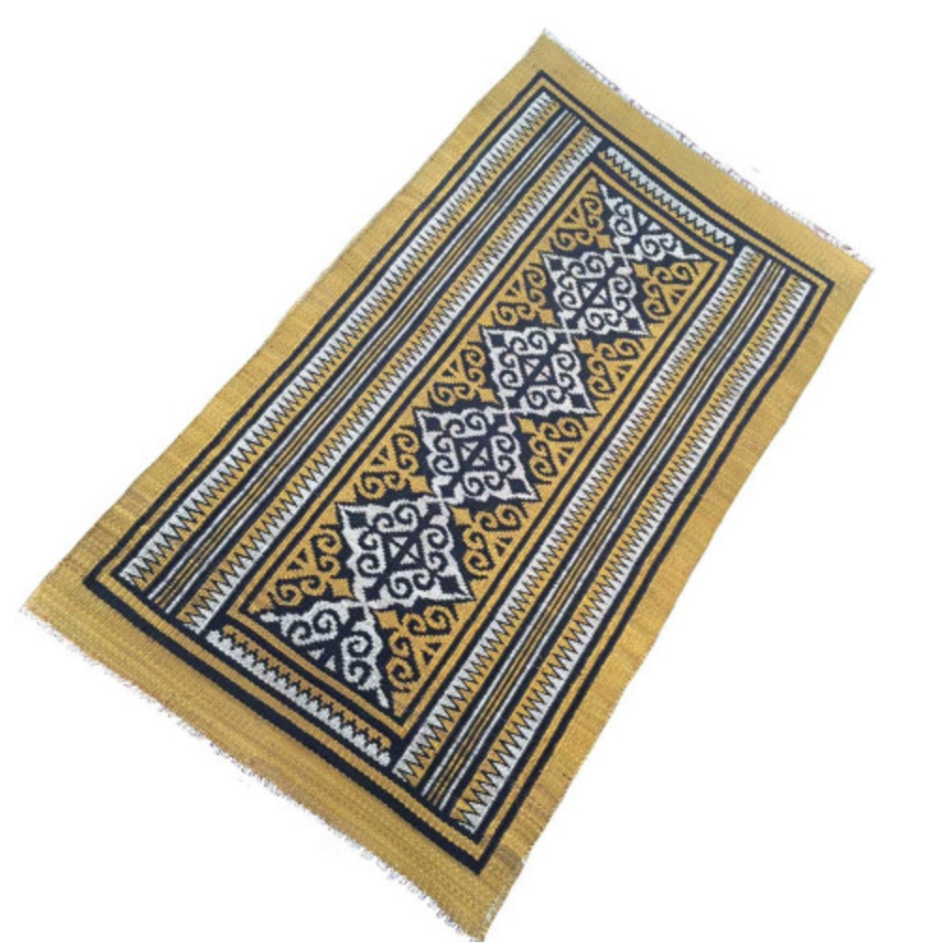 Thundu kunaa (thundukuna), a distinctive mat woven from reeds indigenous to the marshlands of the Maldives ,represents a rich cultural heritage dating back more than two centuries. Crafted from the locally known “hau” reed, the intricate weaving process is deeply entwined with the southernmost atolls’ traditions. Every element of thundu kunaa production is a genuine Maldivian endeavor, utilizing materials sourced exclusively from the natural habitat. Even the most basic components, such as the threads securing the reeds, are meticulously fashioned from the sea hibiscus bark. These environmentally friendly mats, renowned for their enduring vibrancy and resistance to fading, derive their allure from the indigenous “ora’s bark and roots.” Prior to the influx of cheap, factory-made nylon mats in the early 1970s, Thundu kunaa held a cherished place in Maldivian households, gracing coir rope-strung beds and swings.
Particularly prized were the Gadhdhoo kuna— superior-quality mats handwoven by Gadhdhoo islanders, favored in high-end textiles. Characterized by triangular or square designs with occasional variations, these mats employ a color scheme dominated by the three primary colors, each tailored for specific uses. However, the industry faced a transformative challenge in the 1970s with the inundation of cheap plastic mats, sidelining the eco-friendly yet more expensive home-produced counterparts. This shift resulted in a significant decline, bringing the once-thriving home-based mat weaving industry to a near standstill by the late 1980s.
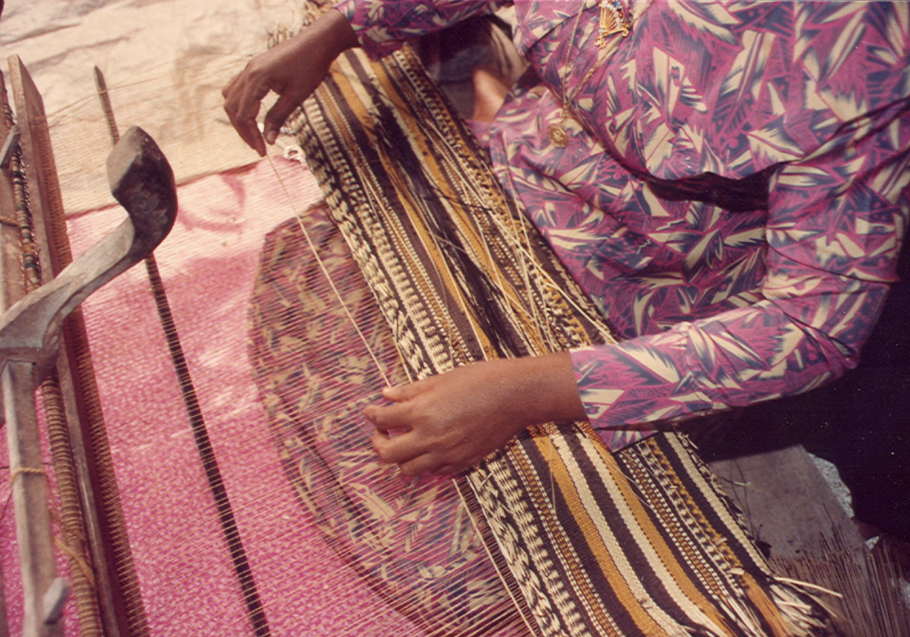
Observing the intricate craft passed down through generations — primarily by the women in the family — rugs became not just functional items but cultural artifacts, integral to family gatherings and social events. Traditionally more common in certain regions, the Maldivian rug gained prominence as a symbol of the country’s unique artistic prowess and design sensibility with the growth of the carpet industry in the late 20th century. In the aftermath of natural disasters like the 2004 Indian Ocean earthquake in Maldives especially, the International Design community witnessed the value of rugs in creating familiar social spaces within temporary shelters and tents, offering a sense of belonging and safety during times of uncertainty.
According to assessments by NASA and the US Geological Survey, 80 percent of Maldives is in danger of potential uninhabitability by 2050; one of many nations at the epicenter of the global warming crisis. In a world where sustainability has become a focal point across various luxury sectors – from haute cuisine, interior design and high fashion to upscale travel – Maldivian geographical reality positions it at the forefront of the climate crisis, demanding innovative and urgent eco-conscious solutions. This urgent need for sustainable initiatives is not merely an environmental concern but a call to action, aligning seamlessly with the ethos of global changemakers from over 30 countries attending the UN SDG Forum, Maldives 2023.
As the interest in eco-conscious weaving and sustainable rug making persists, the fusion of practicality and environmental responsibility may redefine the landscape of luxury rug preferences. The shift towards eschewing chemically treated materials and embracing sustainability as the new standard in luxury rugs not only aligns with our values but also presents a practical and enriching choice for homes.
As students of our craft, our hope is that our continued presence at these exhibitions through activists like Dahiya will teach us so that we may teach others. We welcome you to comment or reach out with your thoughts on this new exhibition or the topic of sustainability at large, as well as to enjoy some of our favorite eco-conscious rugs below from varied collections.
Read about the author’s previous visit to China in the same series here, and explore some of our favorite rugs and Kilims with sustainable materials below.
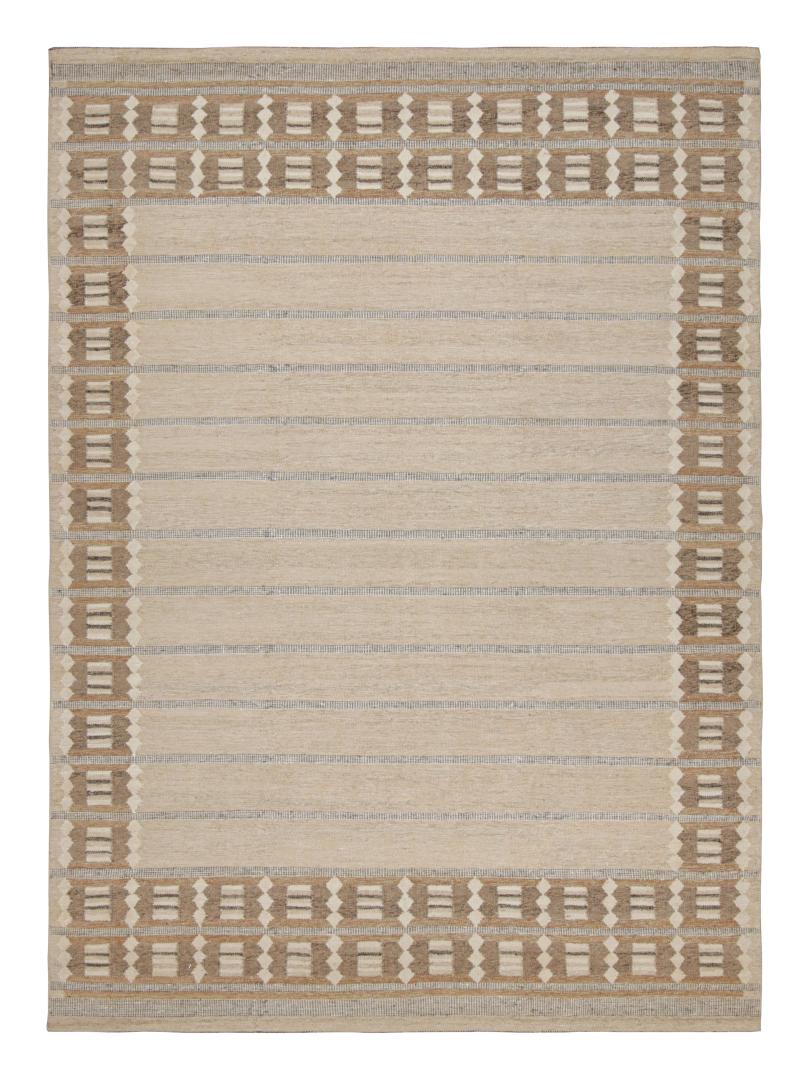
SKU 30032 – 11×15
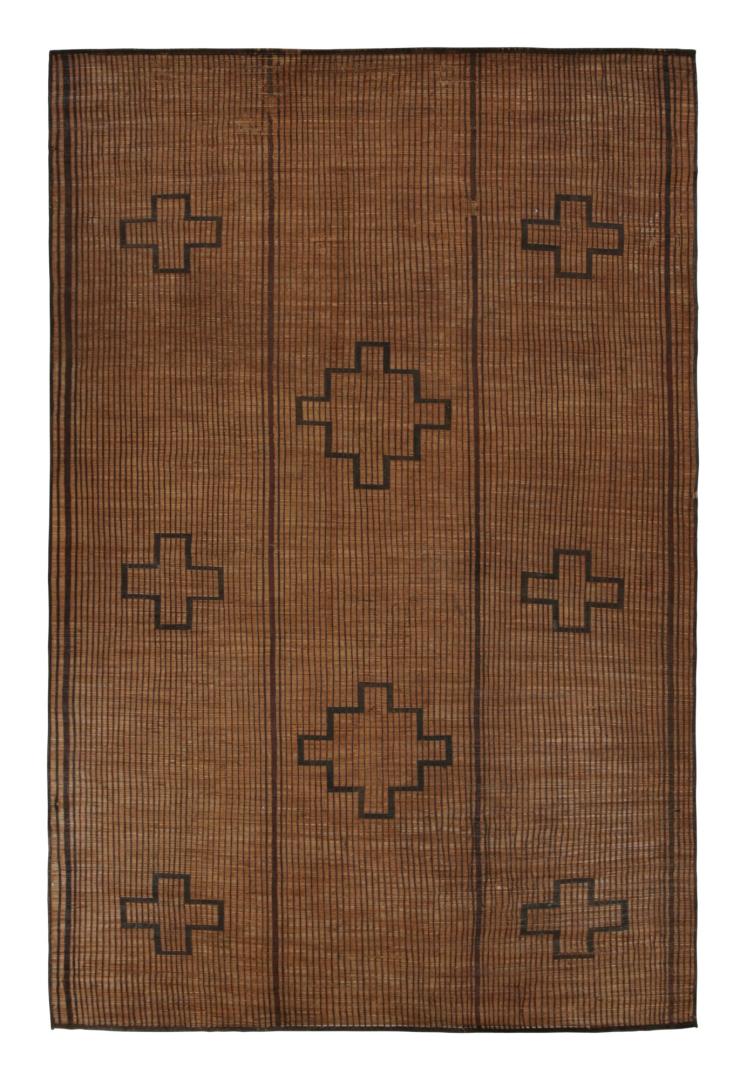
SKU 29186 – 10×13
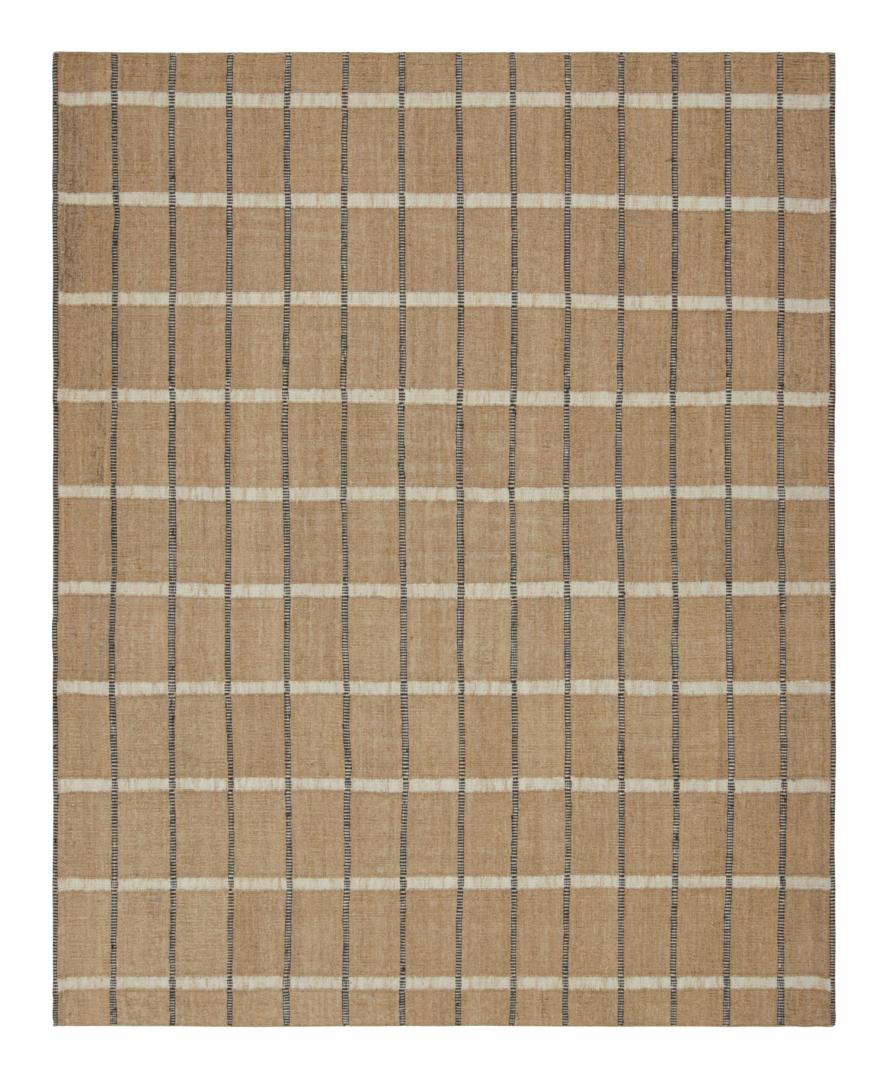
SKU 29190 – 12×10
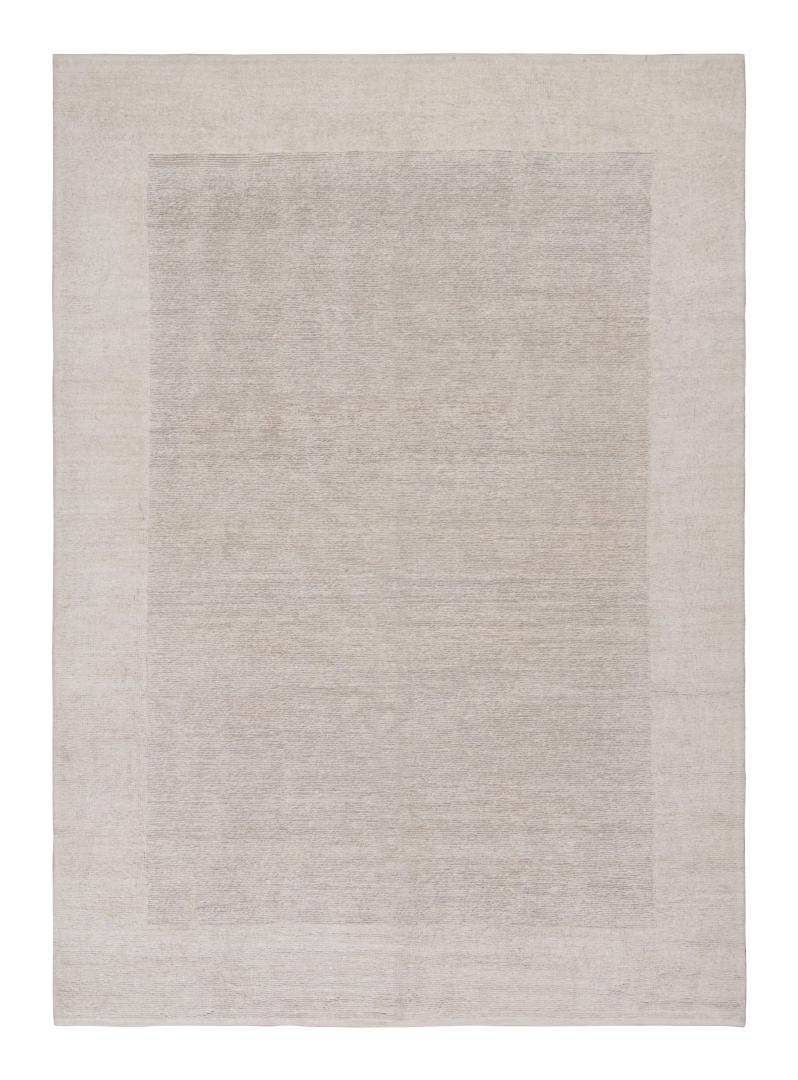
SKU 28165 – 9×12
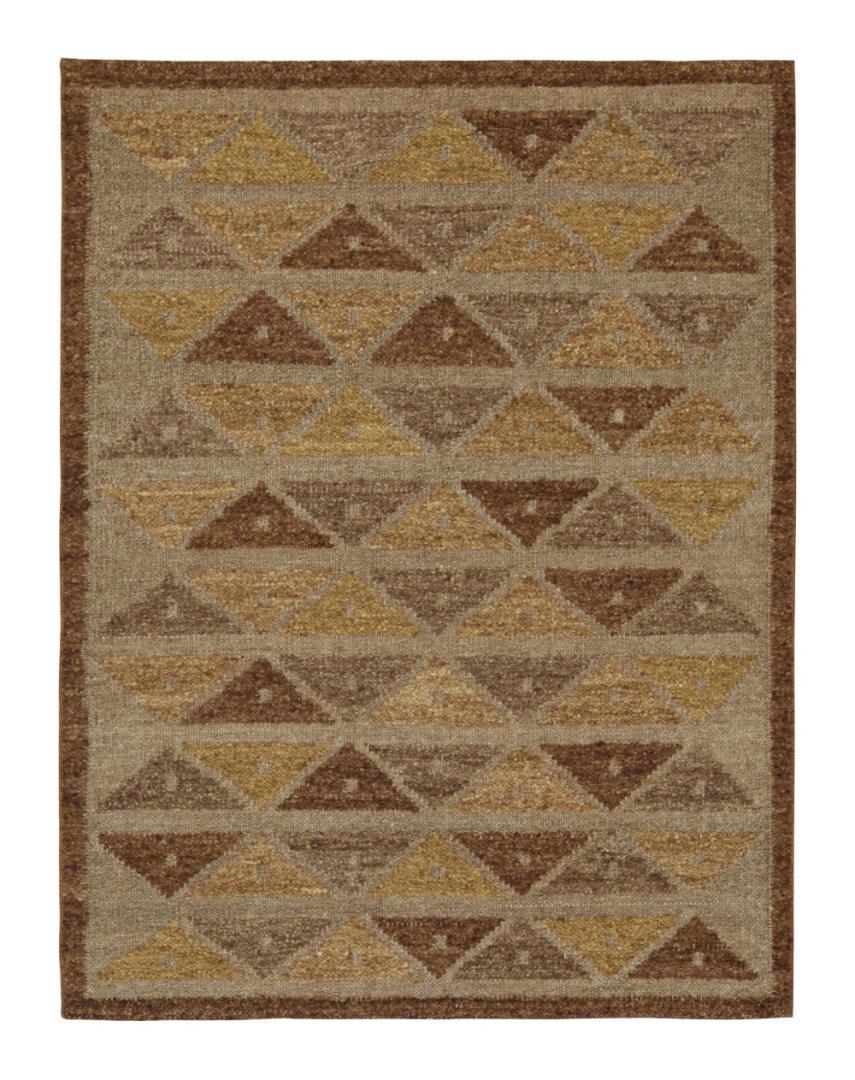
SKU 27977 – 6×8
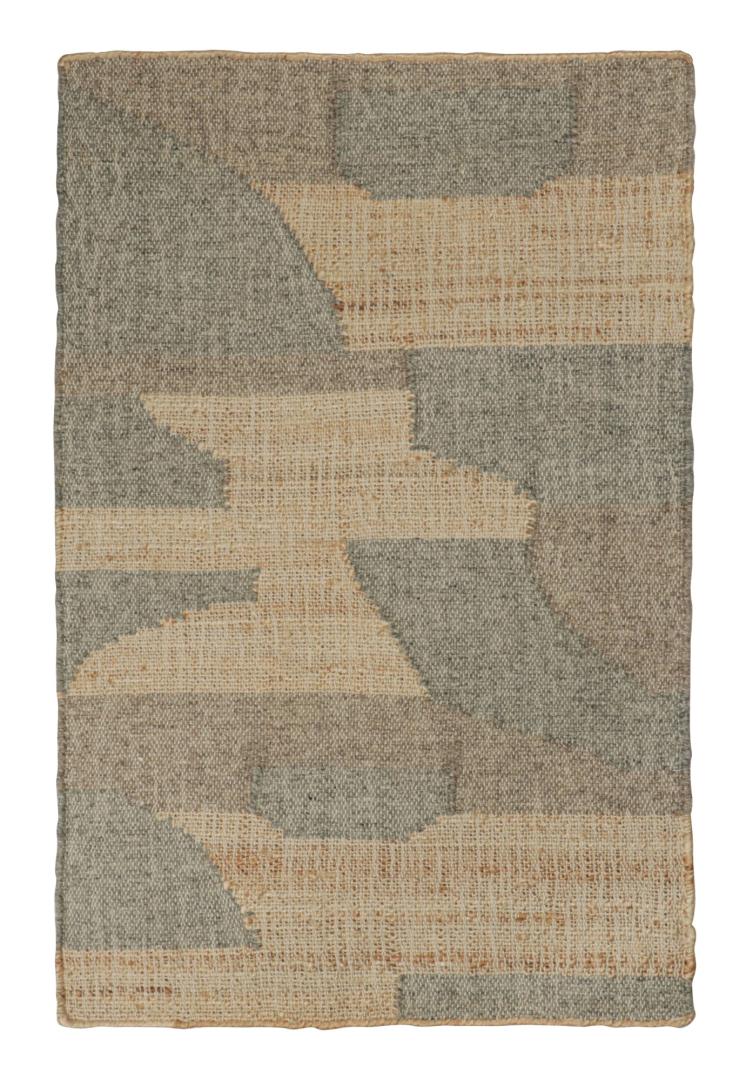
SKU 28190 – 2×3
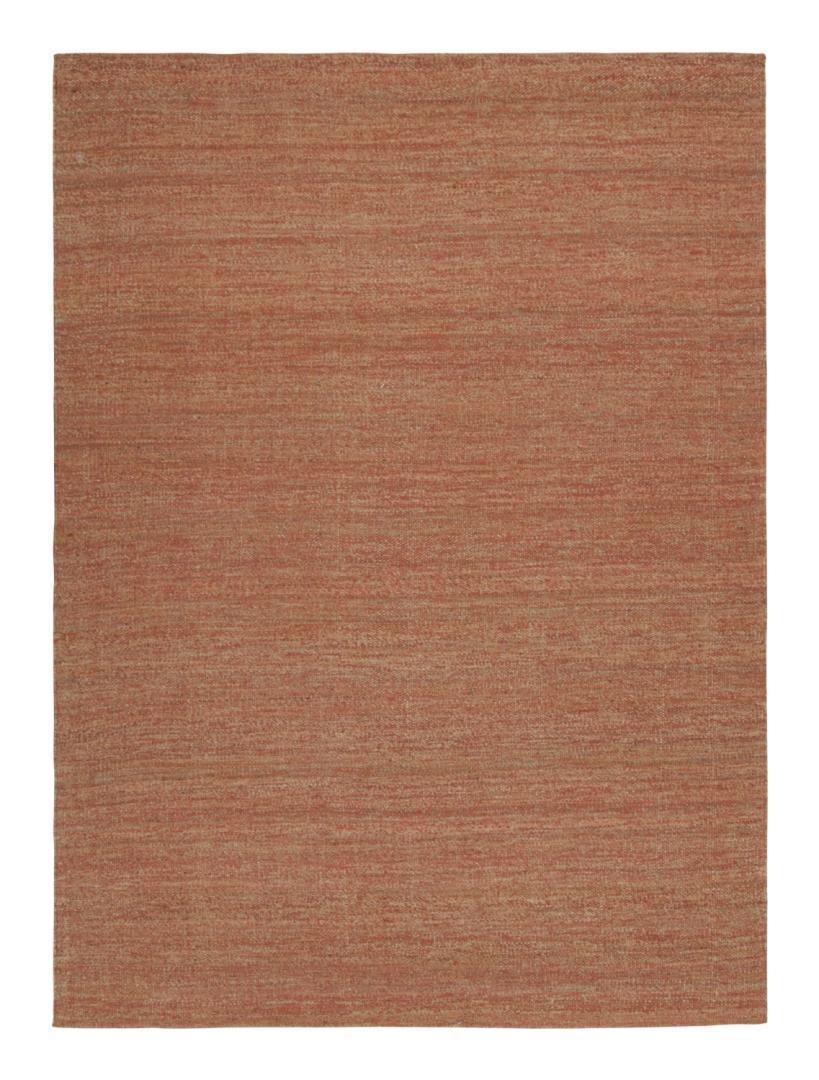
SKU 27852 – 10×14
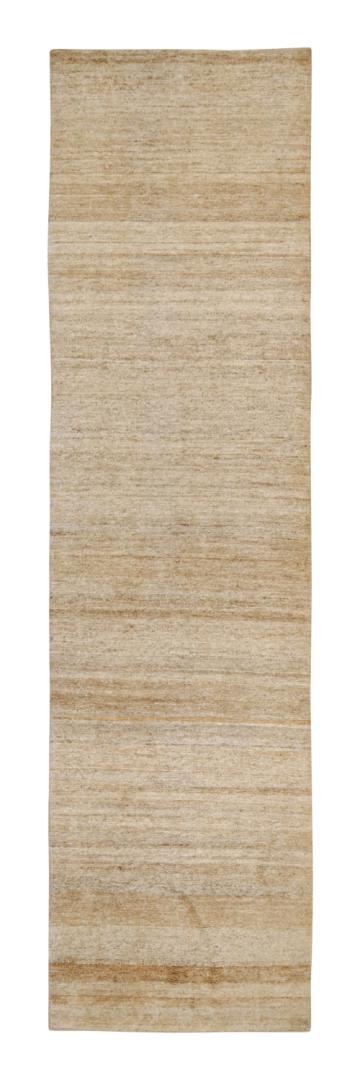
SKU 27749 – 3×11
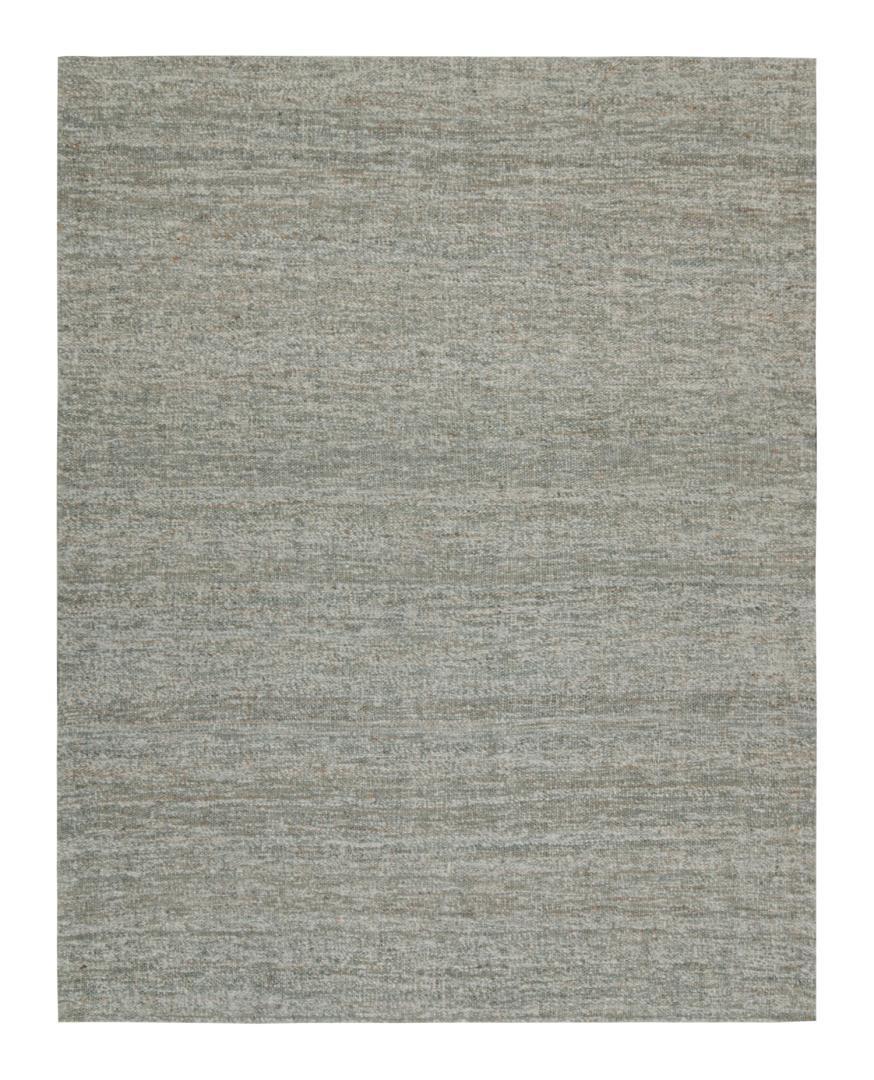
SKU 27847 – 9×12
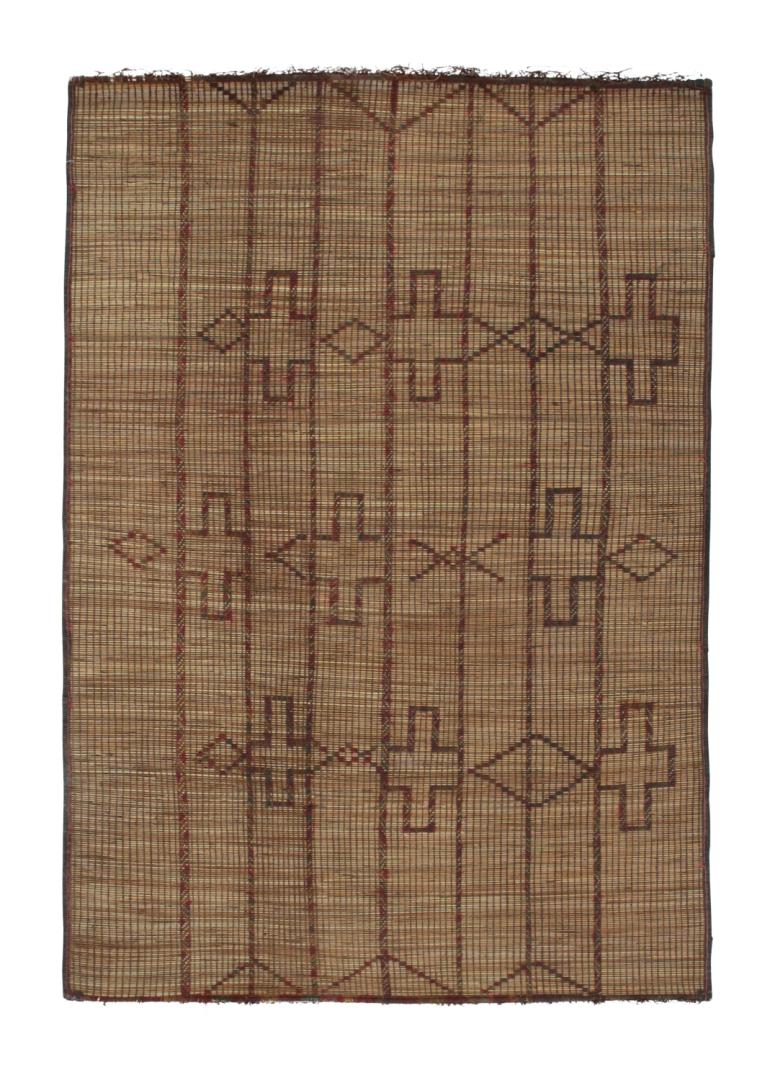
SKU 27754 – 4×6
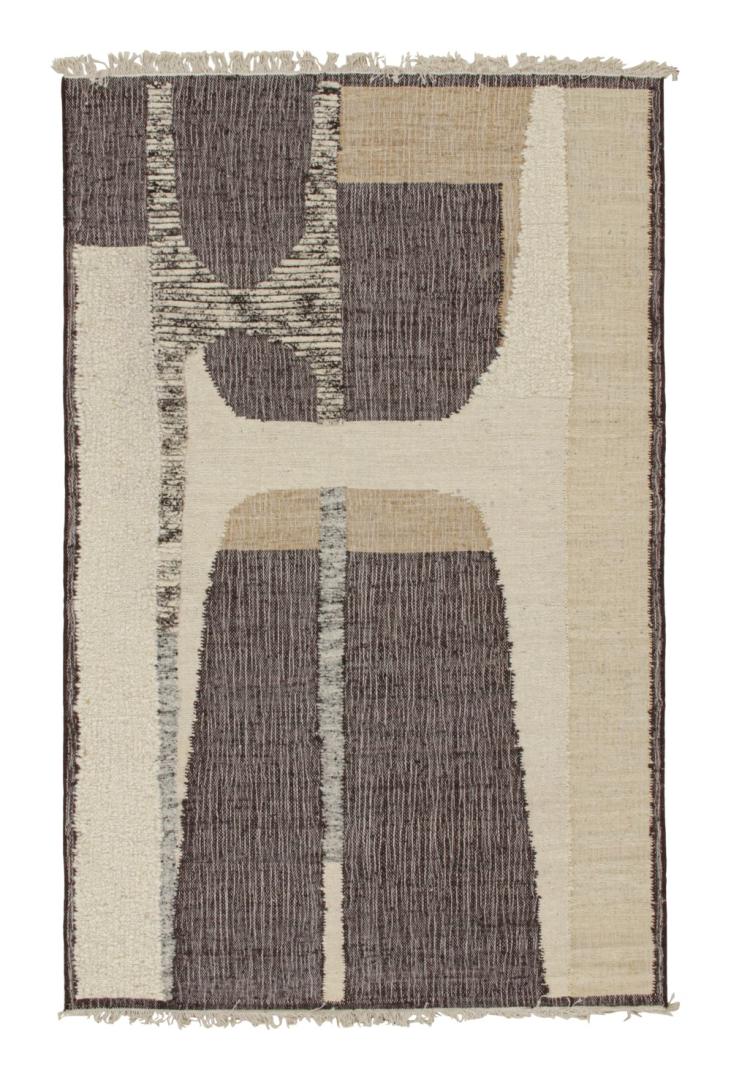
SKU 28179 – 5×8

SKU 26214 – 10×14
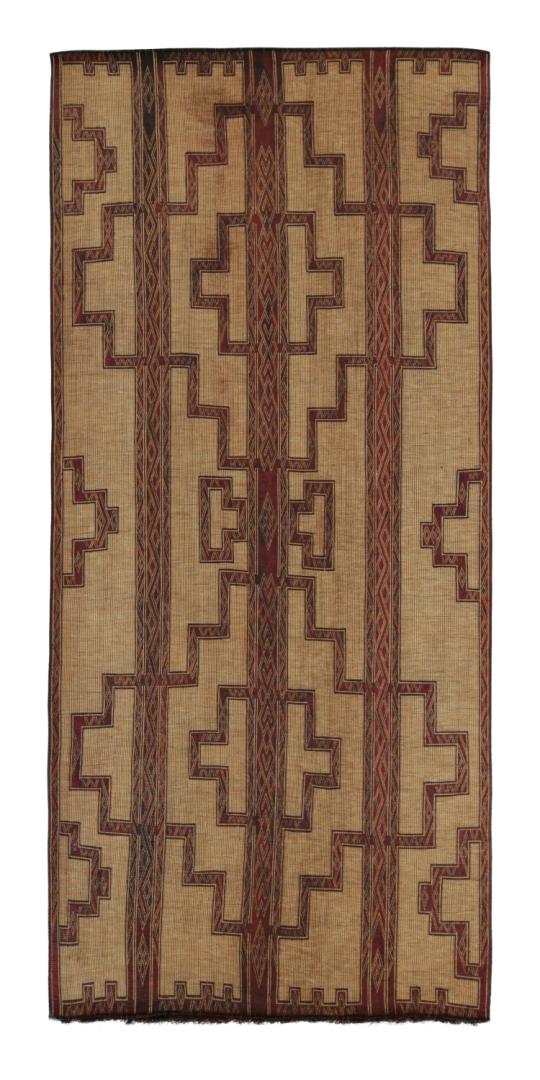
SKU 27758 – 7×13
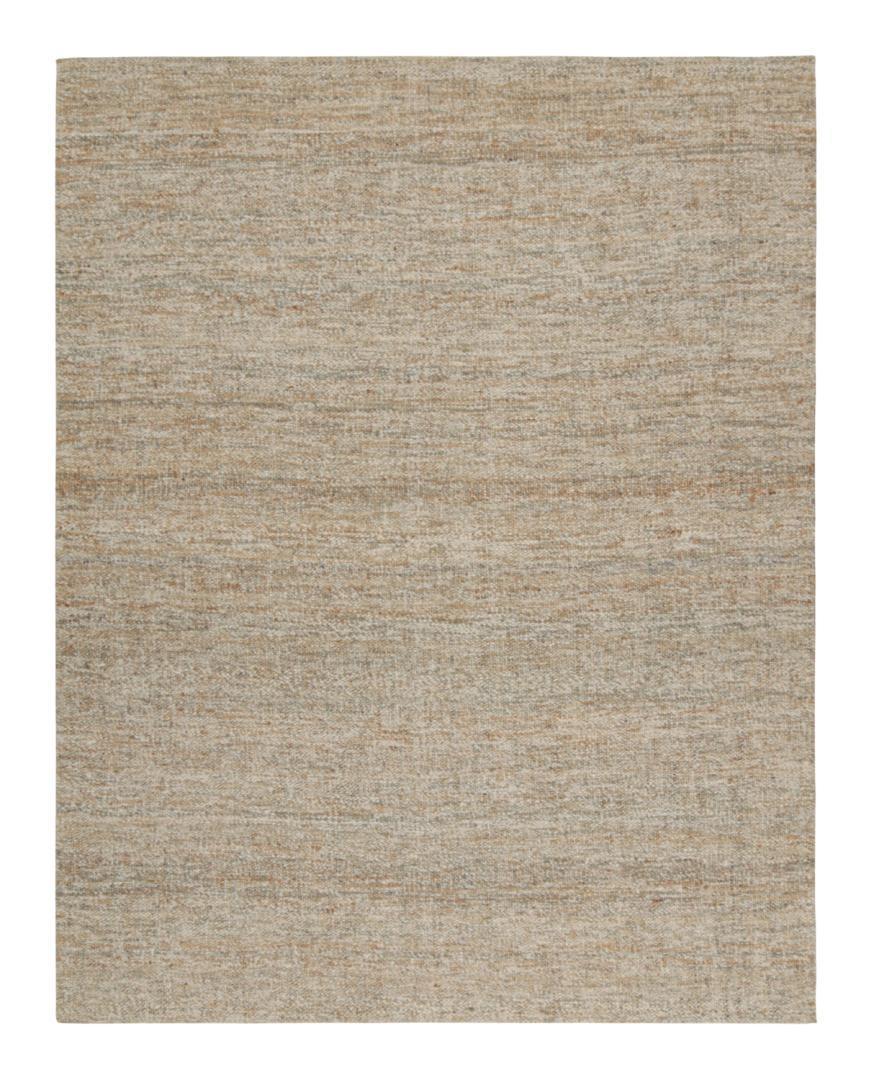
SKU 27846 – 9×12
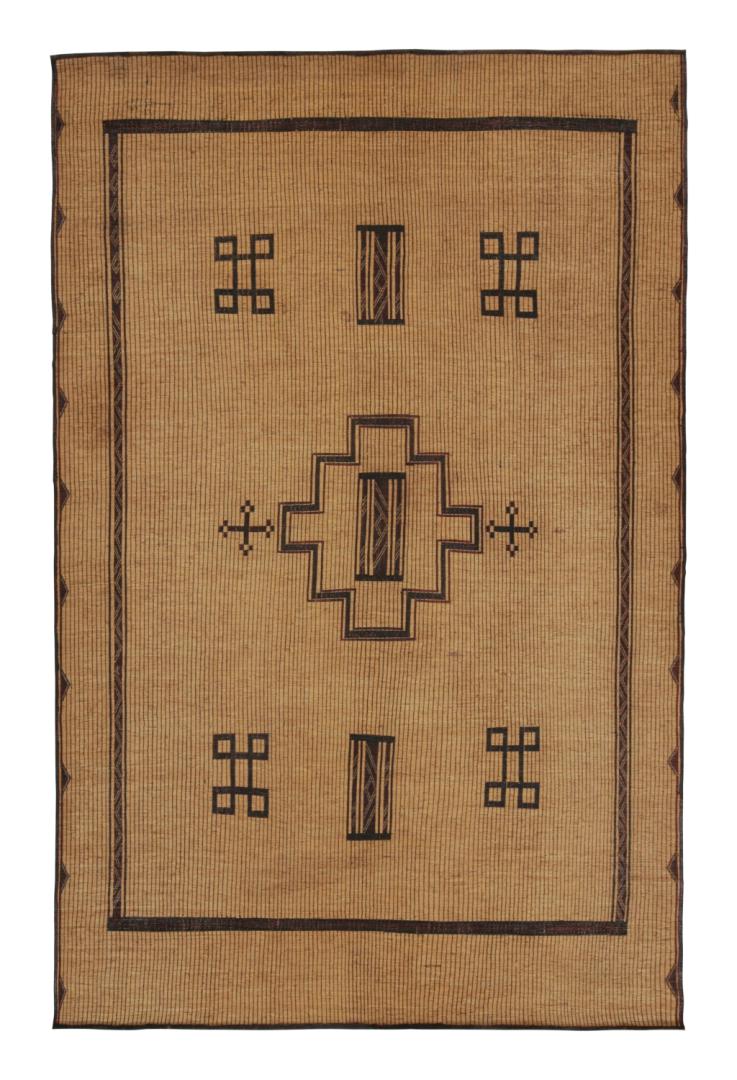
SKU 27759 – 9×13