Wool
India
9'1" X 11'10" (2.77 m x 3.61 m)
Out of Stock: Made to Order 16‑20 Weeks
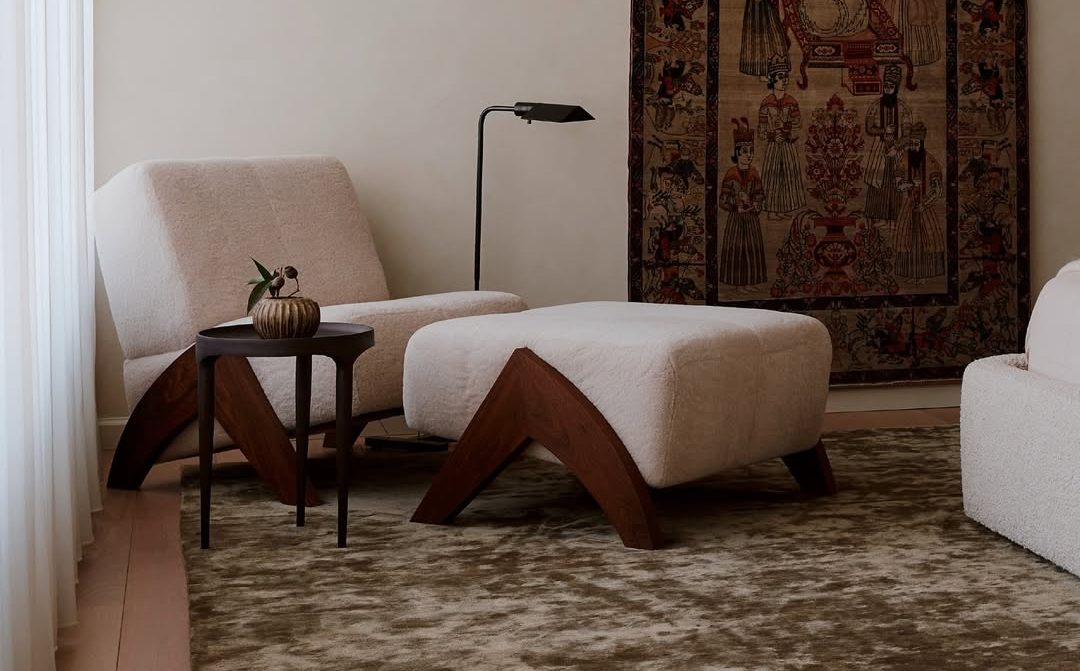
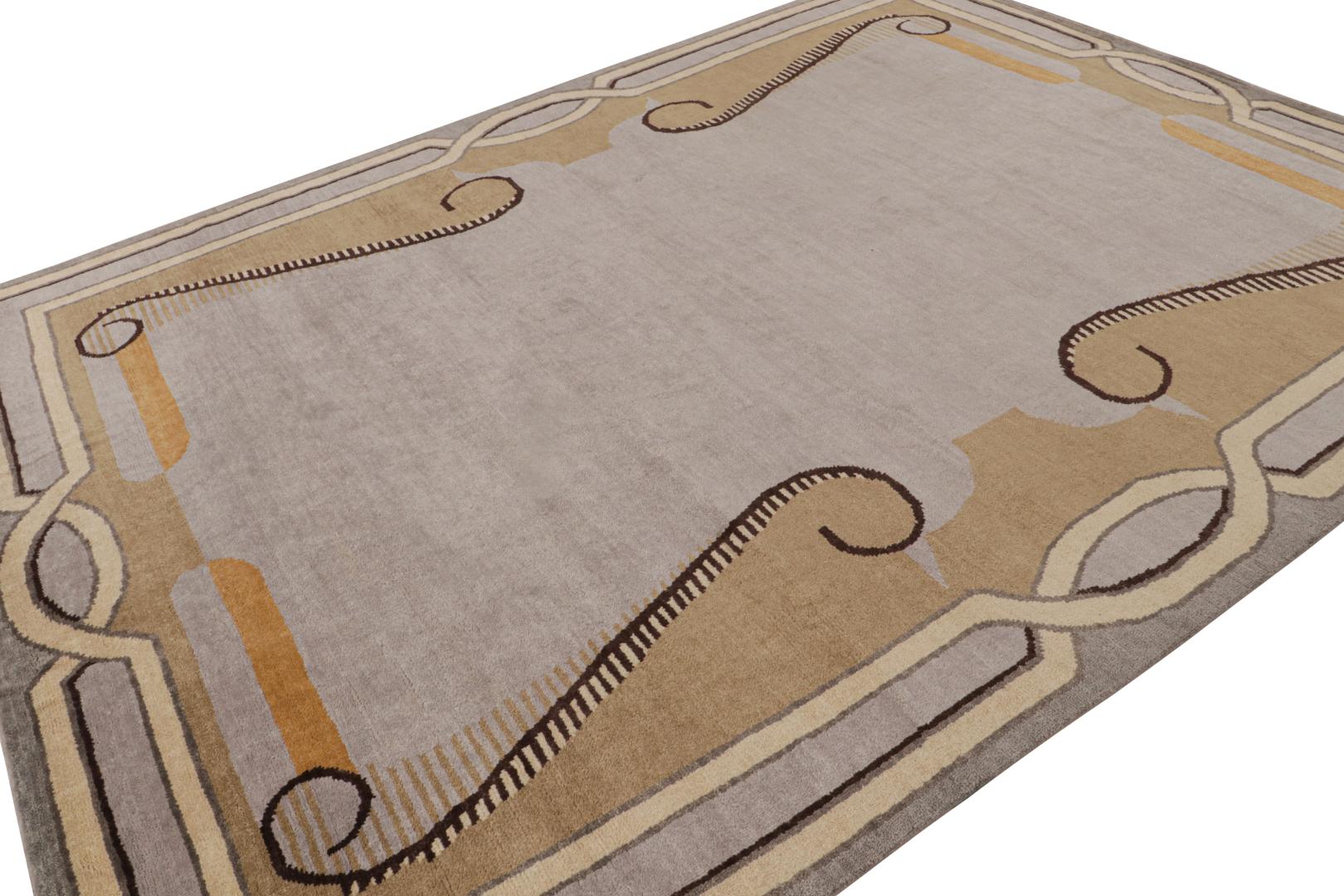
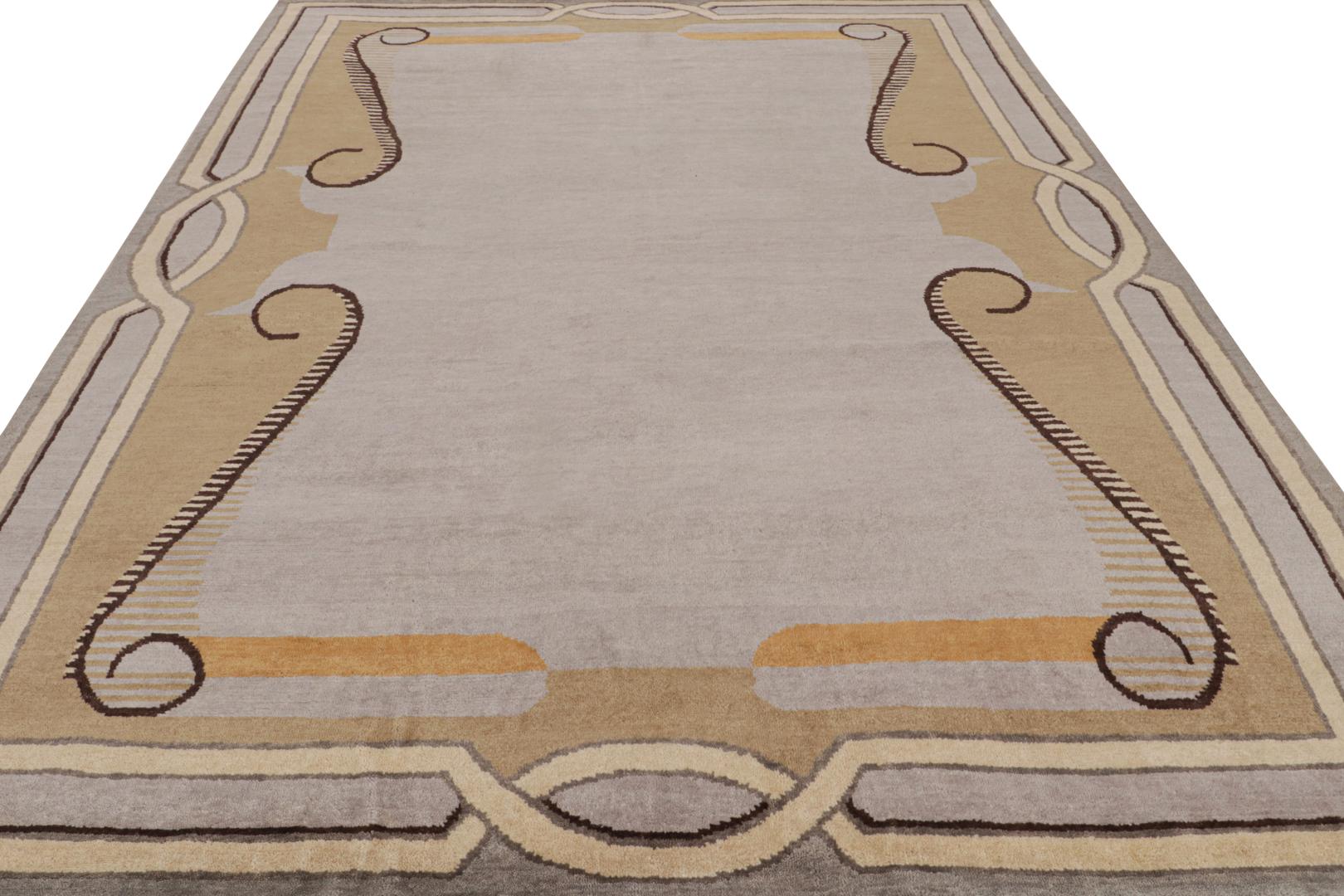
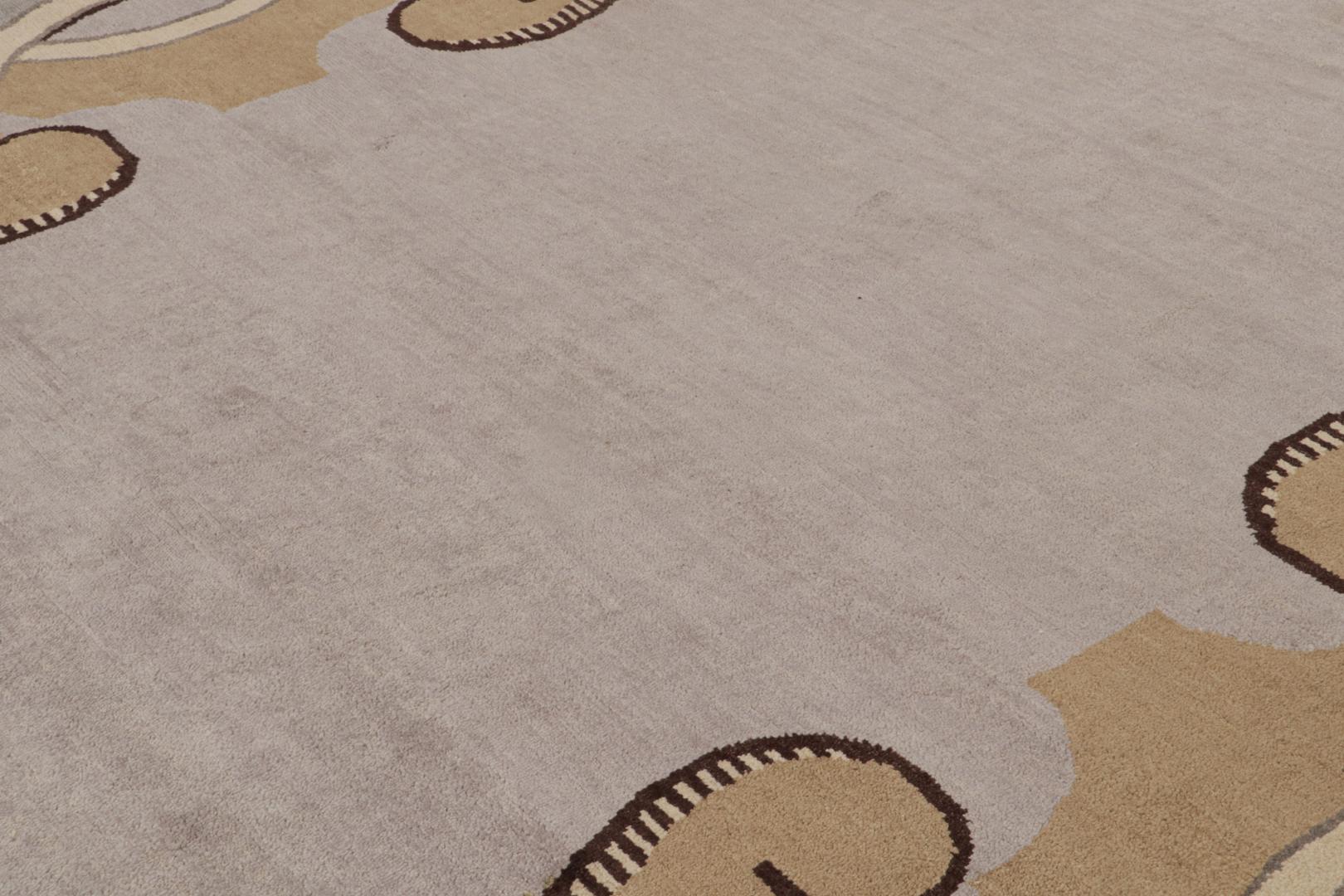
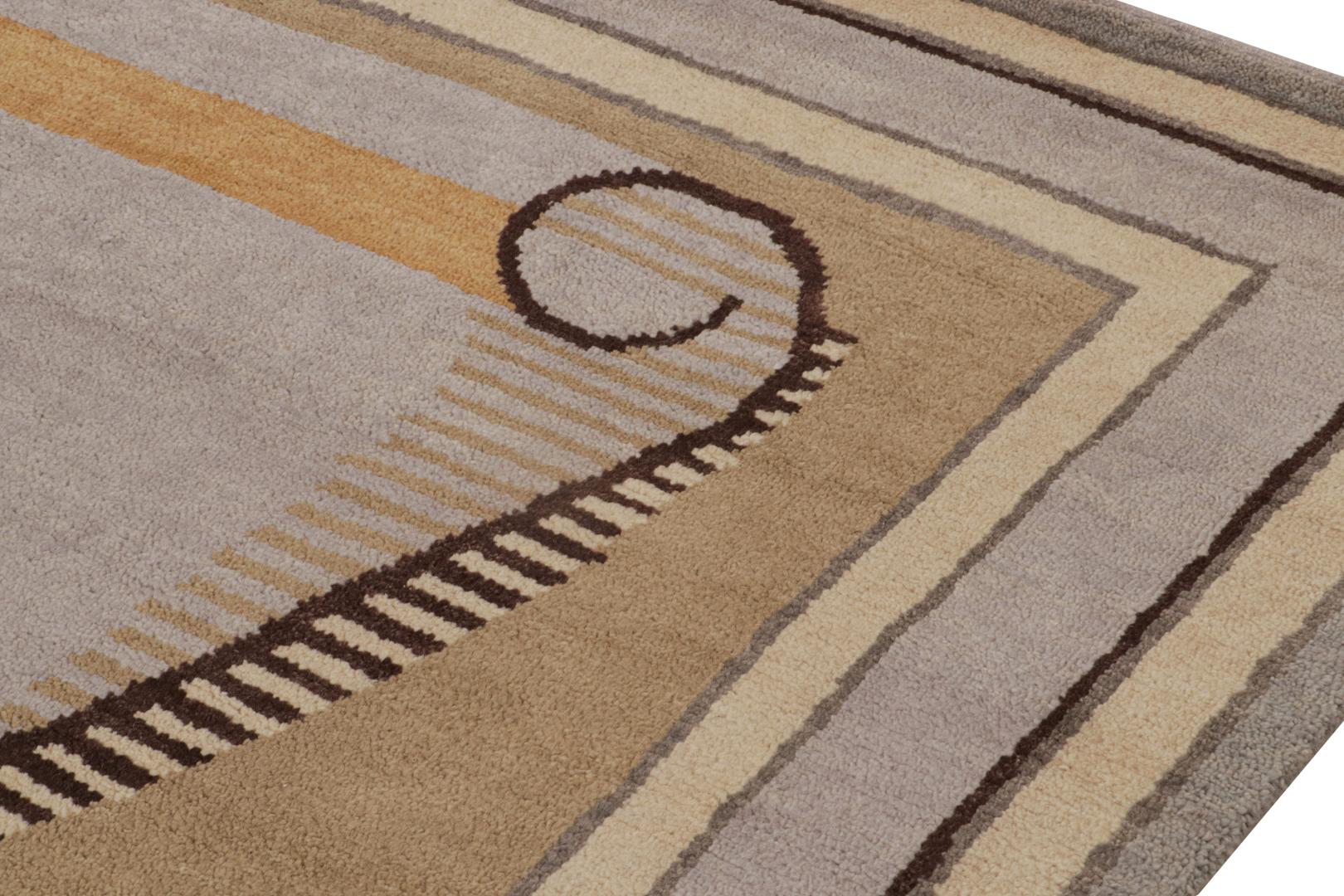
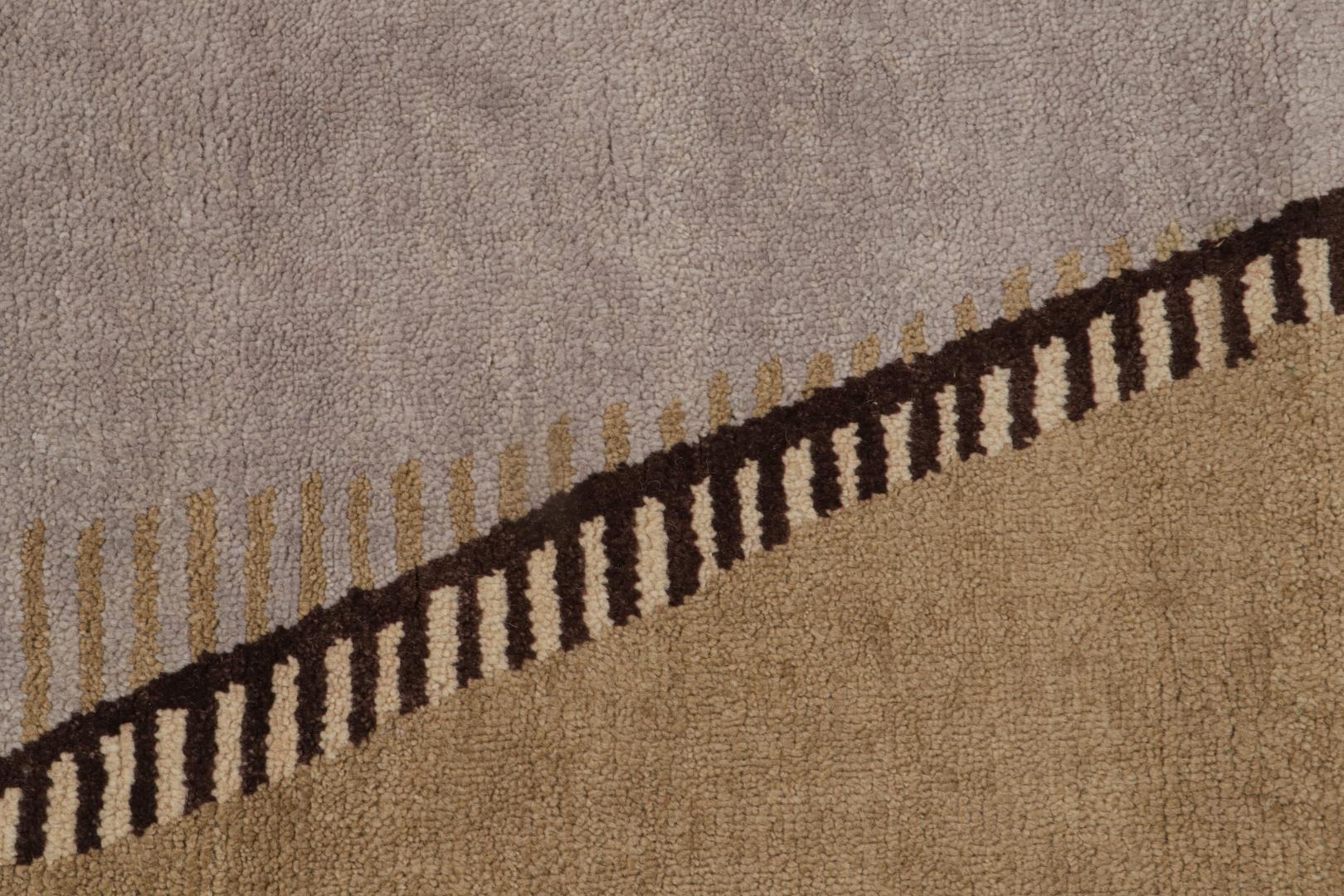
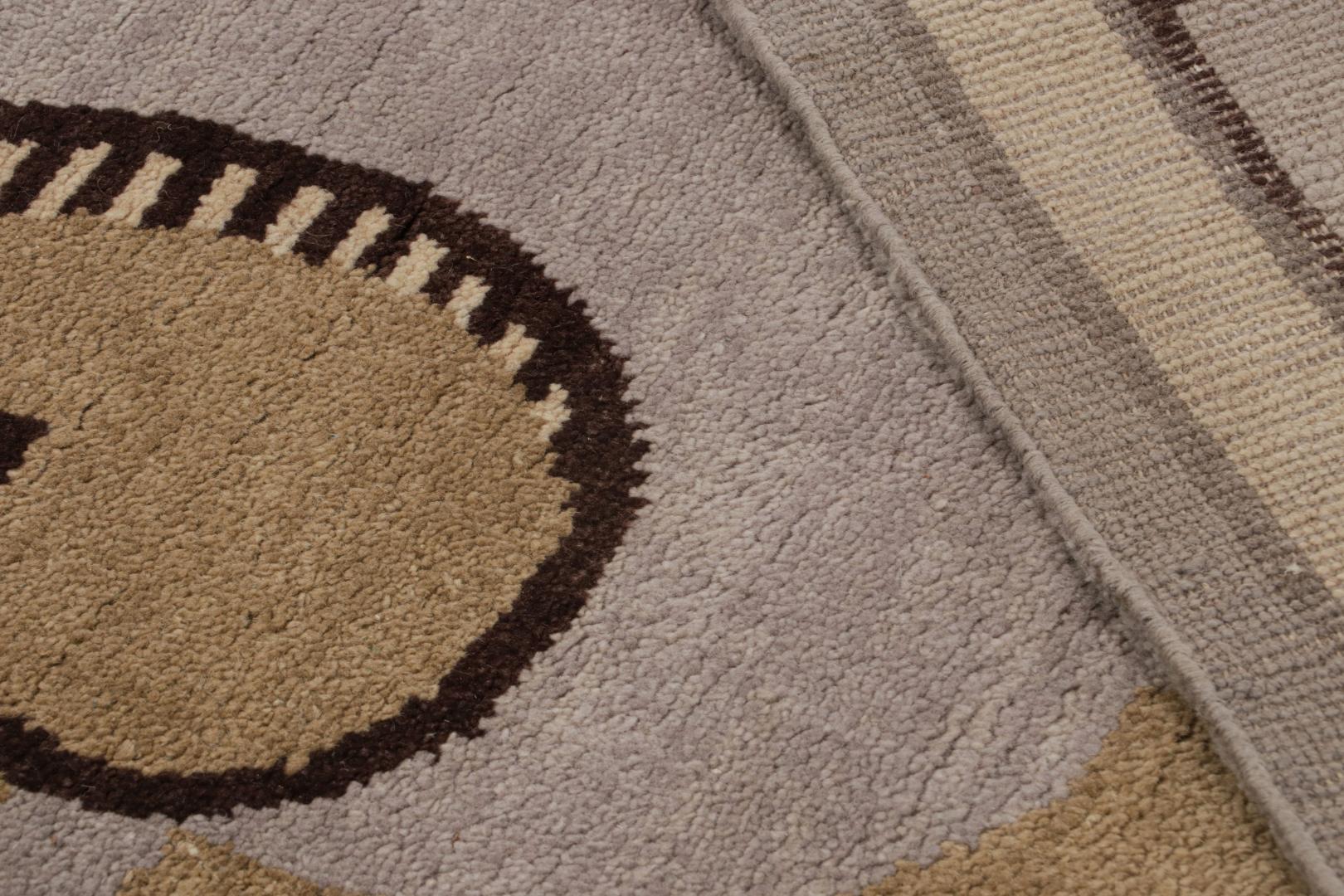
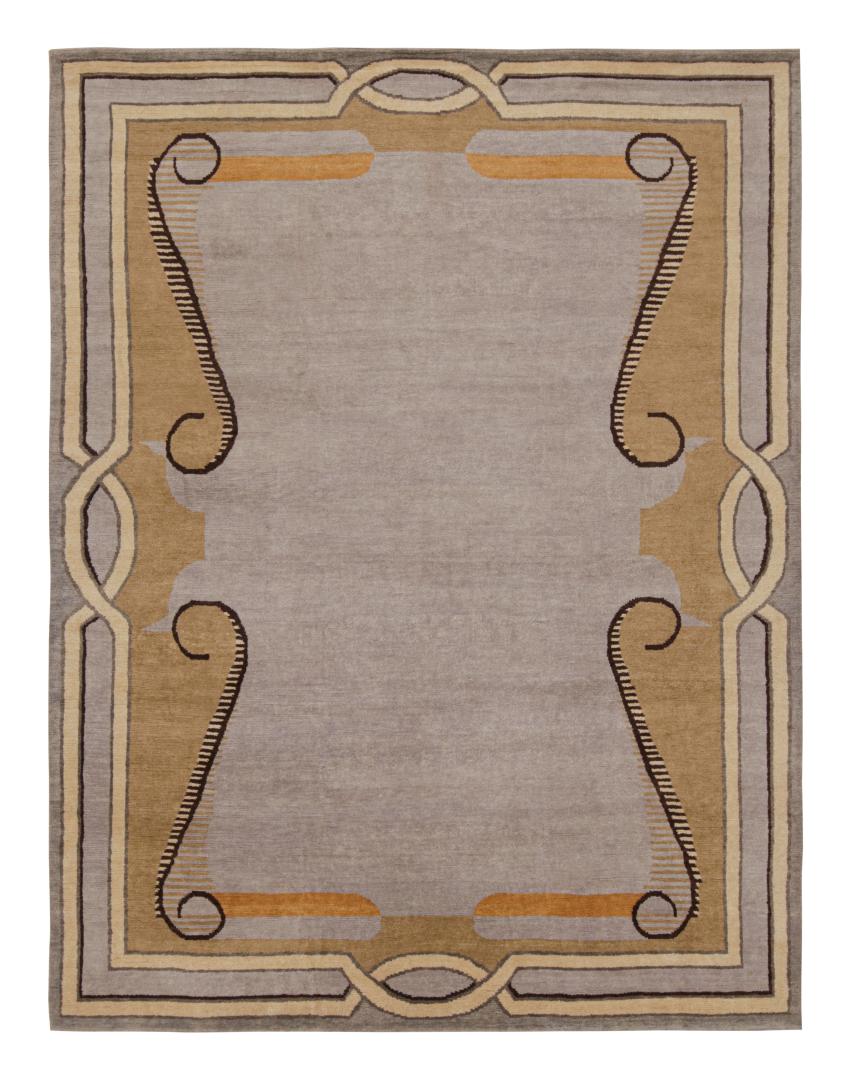
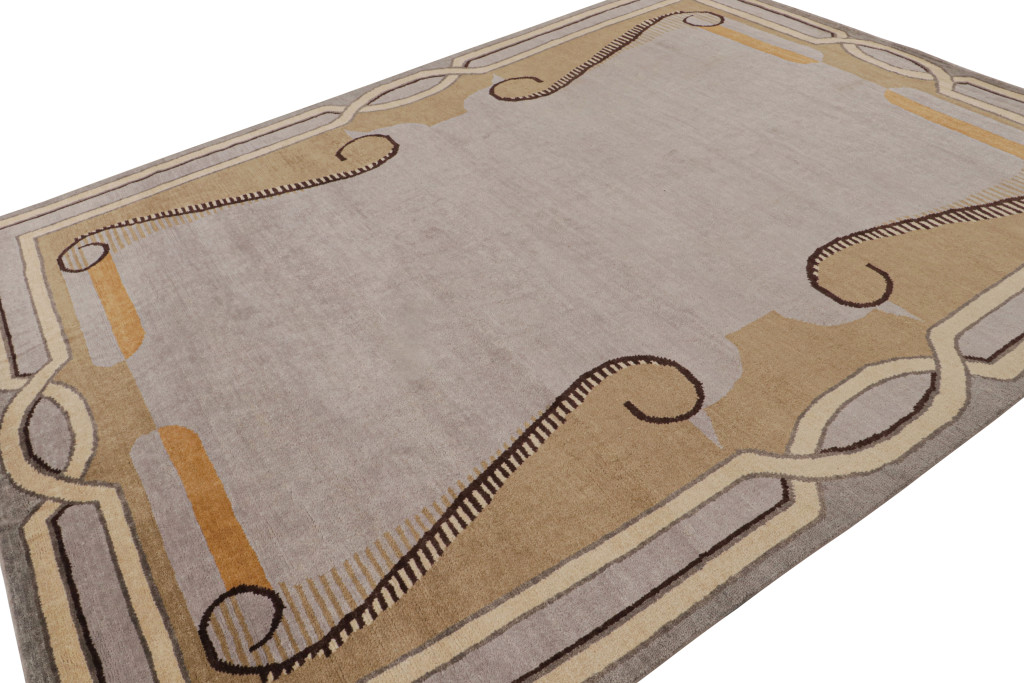
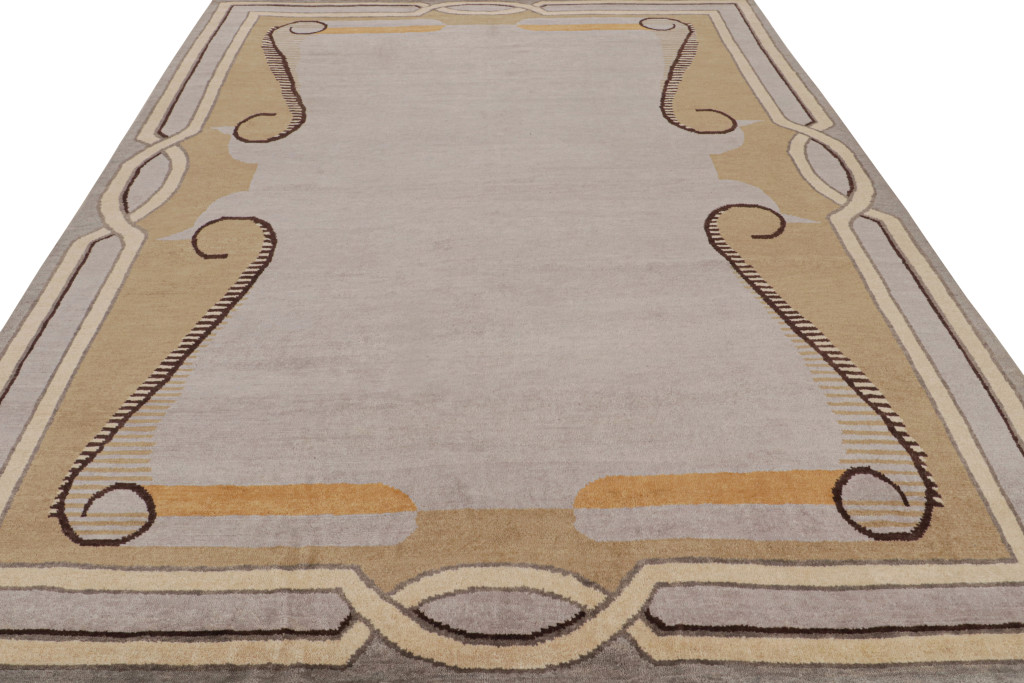
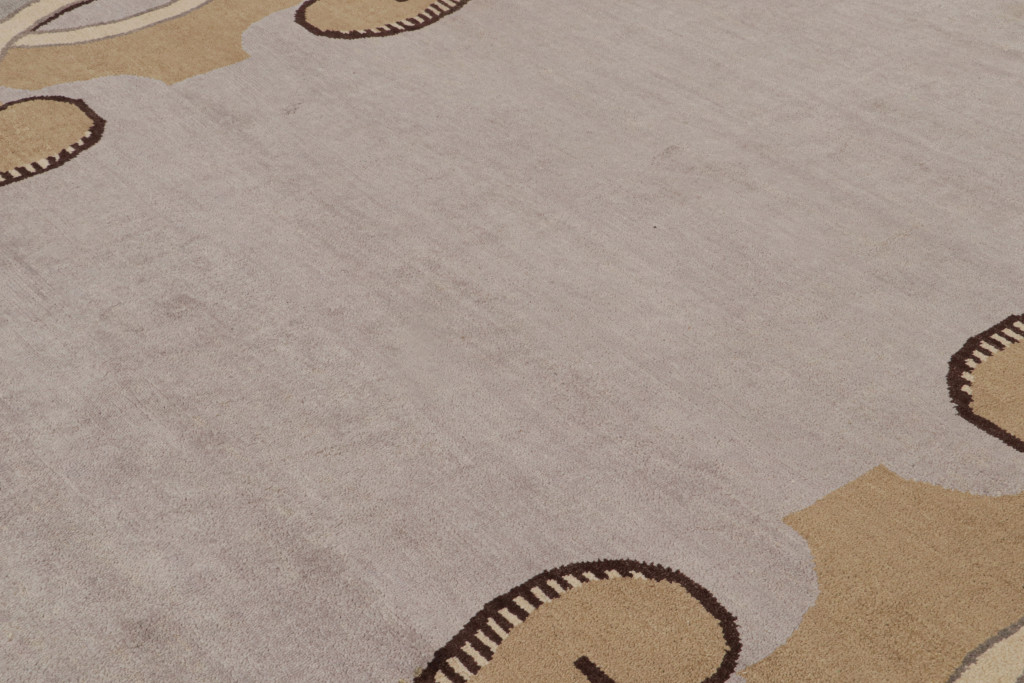
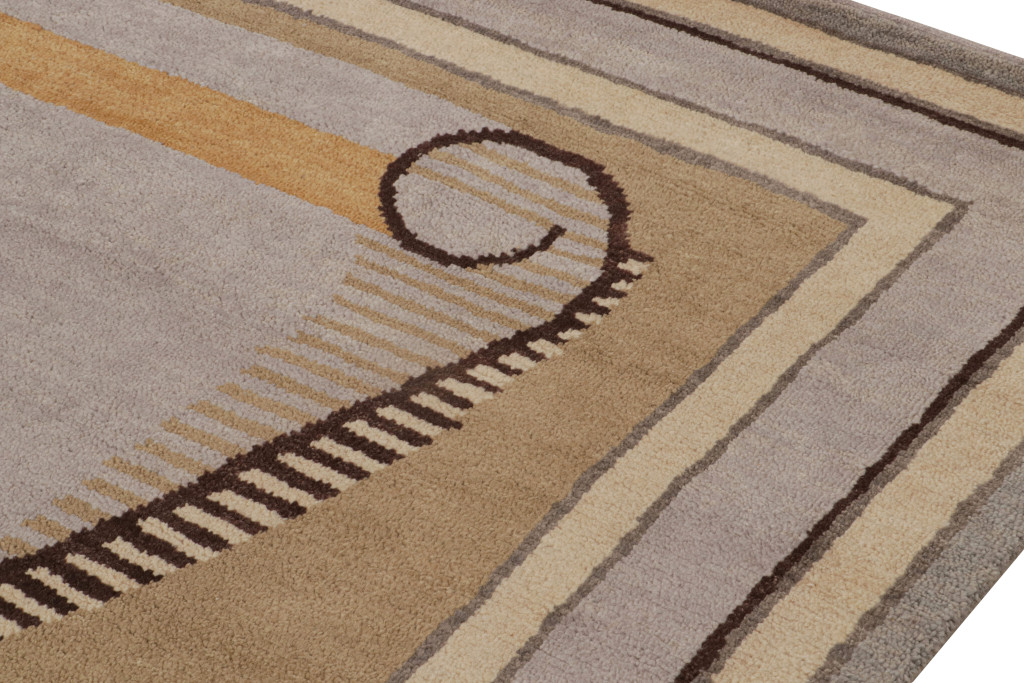
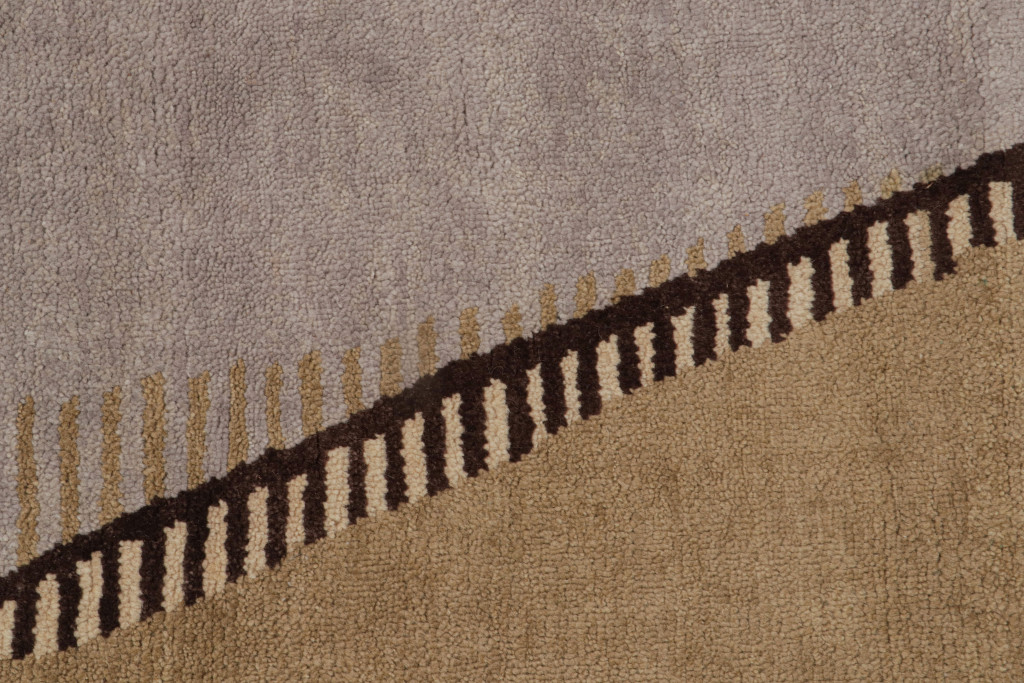
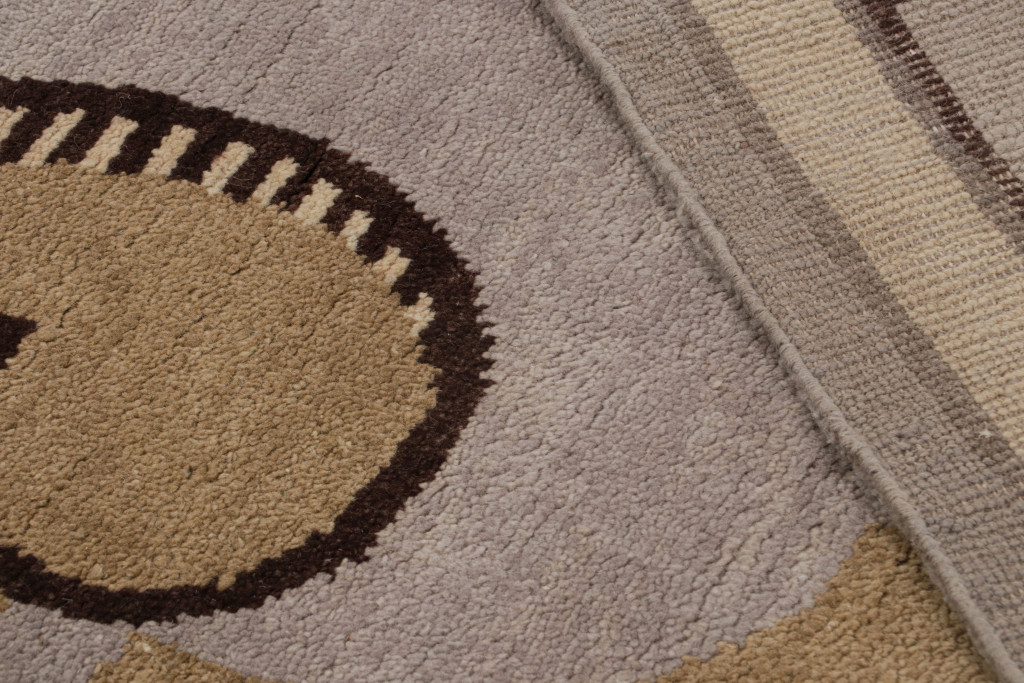
Rug & Kilim’s Modern French Art Deco Rug in Gray with Geometric Pattern
"Rug & Kilim is one of our favorite sources when looking for quality handmade rugs. Their team go above and beyond to find &/or make the rugs that fit our clients needs as well as their dreams."
— Becca Ford, Emily Lindberg Design
A standard since our inception upheld across every acquisition,
transaction, and delivery.
45+ Year Old Institution
More than four decades of expertise and stewardship, under the leadership of our Principal, Jahanshah "Josh" Nazmiyal.
Favorable Return Policy
Our return policy is 48 hours upon receipt allowing you to confirm the purchase in your space with confidence.
Product Warranty
Each rug is hand selected or produced through the most reputable sources under the direct supervision of our Principal.
Trusted Global Delivery
Reliable worldwide delivery handled with care, precision and constant communication.
Exceptional Support
Attentive, knowledgeable guidance before and after purchase from our dedicated team of specialists.
Long Term Care
We stand behind every piece we place and remain a resource to our clients for the lifetime of their collection.
- Measurements: 9'1" x 11'10" ( 2.77 m x 3.61 m )
- Categories: Art Deco
- Classification: Art Deco, Classic/Traditional, European, Geometric, Open Field
- Material: Wool
- Origin: India
- SKU: 30004
Specifications:
Stories from the Art Deco Collection
Essays, artist dialogues, and provenance notes drawn from Rug & Kilim’s editorial desk.
Every Great Collector Owns a Library: On Books, Rugs, and the Knowledge That Connects Them
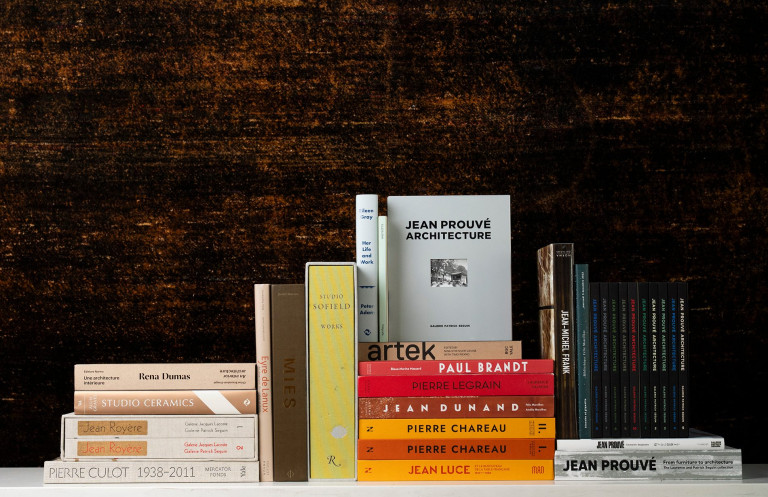
There has always been a quiet kinship between the rug and the book. Both are objects one lives with rather than merely owns. Both reward the patient return, disclosing more on the tenth encounter than the first. Both are, at their finest, repositories of a civilization's memory; the one held in language, the other in wool. It should surprise no one that the greatest collectors of carpets have almost always been, in the same breath, collectors of the books that explain them. J. Paul Getty kept a scholar's library beside his objects. The Rothschilds, whose carpets now rest in Doha and whose names still move a saleroom, understood a collection as a thing to be studied as much as displayed. To acquire seriously has always meant to read seriously.
Read the Feature
On the Changing Nature of Money, and a Quiet Shift in How the World’s Great Collections Are Built
As seen in Milieu Magazine’s Summer 2025 Issue, designed by Studio Meghan Eisenbergh, features an antique Amritsar rug from Rug & Kilim’s collection.View More >> Something has changed in the psychology of collecting, and it has changed quietly. For most of the modern era, the serious collector acquired for love, for scholarship, for the pleasure of living with beautiful things, and the question of value, while never absent, sat politely in the background. That arrangement has quietly inverted. Across the last two years, industry surveys have recorded a striking figure: the share of high-net-worth collectors intending to sell from their holdings has fallen from more than half to roughly a quarter. The collector of this moment is not looking to liquidate. They are looking to hold. And they are increasingly treating the objects they acquire not as expenditures but as architecture, as a considered, diversified structure of wealth that also happens to be beautiful.
Read the Feature
The Total Art: Vienna’s Century, From the Gold Frieze to the Contemporary Era
In the dining room of a banker's house in Brussels there is a wall of gold. Klimt designed it; the Stoclet Frieze, a tree of life branching across marble and enamel and coral, a dancer on one side and an embracing couple on the other, the couple a direct rehearsal for the painting the whole world would later know as The Kiss. But to stand in that room, were one ever permitted to, is to understand that the frieze is not the point of it. The point is that the frieze, the marble, the cutlery, the door handles, and the carpet underfoot were all conceived as a single object by a single mind. The Palais Stoclet, built by Josef Hoffmann between 1905 and 1911 and now sealed as a UNESCO World Heritage Site, is the most complete surviving statement of the idea that organised an entire Viennese century: the Gesamtkunstwerk, the total work of art, in which nothing; not the spoon, not the dress, not the floor, ranks below the painting on the wall.
Read the Feature
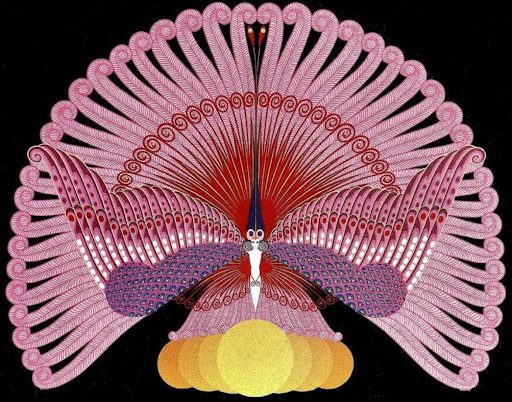
Rug & Kilim’s Art Deco Rugs as Inspired by Romain de Tirtoff “Erte’s” Artworks
Art Deco, often referred to as Streamline Moderne or Style Paquebot ('ocean liner style'), amalgamates a variety of emerging styles from the early 20th century, including Cubism, Expressionism, Futurism, and Vorticism. Rug & Kilim's Art Deco Collection - View More The period saw artists drawing heavily from African art and ancient cultural motifs, especially Egyptian influences, which surged in popularity after the discovery of Tutankhamun's tomb in 1922. The Ballets Russes also played a significant role in shaping the imaginative aesthetic of the Art Deco movement. Born into a distinguished family in St. Petersburg, Romain de Tirtoff “Father of Art Deco” chose a different path from his aristocratic relatives who pursued military careers. At the age of 18, he left Russia for Paris and began a long, illustrious career as an illustrator and costume and set designer under the name Erté, derived from the French pronunciation of his initials, "RT." Erté is particularly renowned for the stunning covers he created for Harper’s Bazaar between 1915 and 1936. Shortly after his first cover design, he secured an exclusive 10-year contract with the magazine. Over the years, he contributed more than 240 covers, each featuring his signature Art Deco style.
Read the Feature
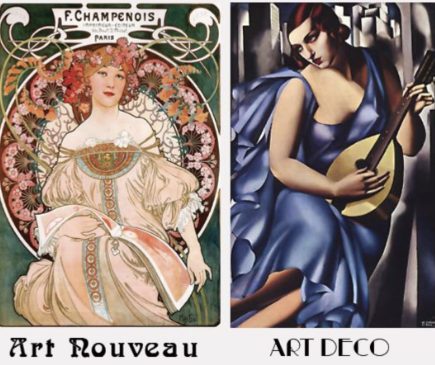
Art Deco And Art Nouveau Movements: A Comparative Analysis
Art Nouveau and Art Deco, two influential art movements of the 20th century, showcase distinct visual languages and philosophies that have left a lasting impact on various facets of artistic expression. While Art Nouveau is characterized by its celebration of elegant curves and long lines, emphasizing organic and natural forms, Art Deco, in contrast, is defined by sharp angles and geometrical shapes, embodying a more streamlined and symmetrical aesthetic. These two movements, though sometimes confused, represent divergent directions in the evolution of modern art. Art Nouveau, with its flowing, nature-inspired motifs, emerged in the late 19th century and reached its peak around 1900. It sought to break free from historical styles and embrace a new, modern visual language. On the other hand, Art Deco, which rose to prominence in the 1920s and 1930s, responded to the changing socio-cultural landscape with a style that emphasized boldness, symmetry, and a sleek, modern look. Despite their differences, both Art Nouveau and Art Deco have significantly influenced the realms of fine art, design, architecture, and graphic arts, shaping the visual landscape and contributing to the evolution of modern art.
Read the Feature
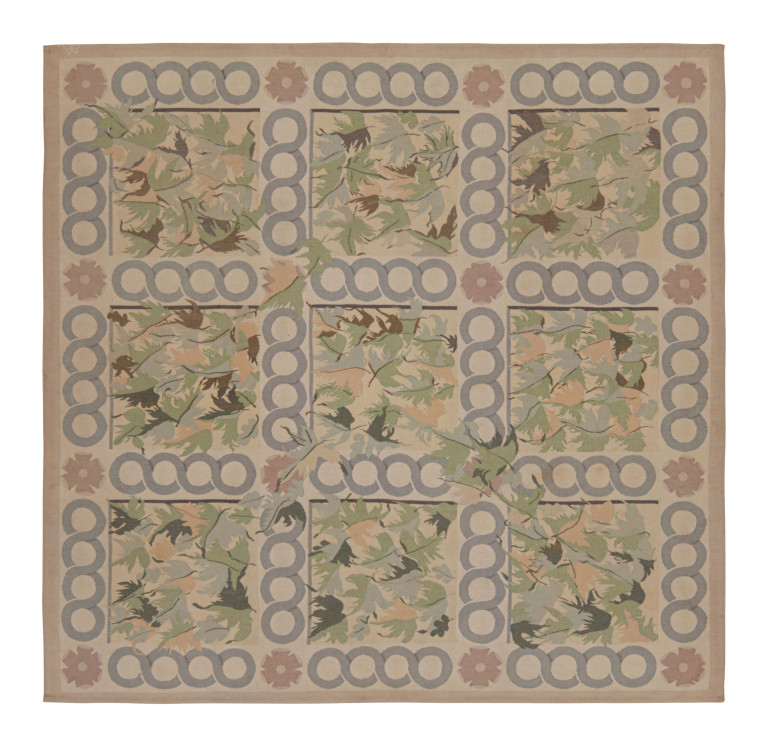
André Arbus: A Brief Intro to a Father of French Art Deco
A portrait of André Arbus, undated. Photo courtesy of Galerie Bianco-Goldmann Paris. Above this quote by the same artist is a new, equally celebrated acquisition for the Rug & Kilim Vintage Collection — a signed 7x8 mid-century tapestry by André Arbus. Handwoven in wool circa 1940-1950, its design is one of a kind among Arbus's works, which are some of the most famous rugs, tapestries and textiles of the Art Deco movement admirers of the craft know today. Andre Arbus was born on 17 November 1903 in Toulouse, France. Belonging to a family of furniture designers, he was fated to establish himself amongst the best furniture makers. In his formative years, he studied at the Lycée Pierre-de-Fermat in Toulouse and simultaneously worked with his father - selling furniture that was inspired by the 18th century French style. Later, he graduated at the École des Beaux-Arts in Toulouse.
Read the Feature


R&K Image Studio
NEWThe R&K Image Studio is a new visual workspace designed to present the Rug & Kilim collection with clarity, restraint, and precision — in your space or any space you imagine.
This tool allows you to view, refine, and prepare imagery drawn directly from the pieces in our archive. They can be visualized cleanly, isolated thoughtfully, and adjusted for presentations, proposals, and private viewings, without altering the integrity of the original work.
Art Deco
Wool
India
9'1" X 11'10" (2.77 m x 3.61 m)
Out of Stock: Made to Order 16‑20 Weeks
Rug & Kilim’s Modern French Art Deco Rug in Gray with Geometric Pattern
"Rug & Kilim is my go to resource for rugs. Their selection is wide and deep, and Josh’s eye for antique pieces is extraordinary. I always walk away with great pieces, and they are a pleasure to collaborate with. They’ve been my trusted partner on projects for years."
— Ann Wolf, Wolf Holden Design Studio
- Measurements: 9'1" x 11'10" ( 2.77 m x 3.61 m )
- Categories: Art Deco
- Classification: Art Deco, Classic/Traditional, European, Geometric, Open Field
- Material: Wool
- Origin: India
- SKU: 30004