
A Comprehensive Collectors’ Guide to Antique and Vintage Persian Rugs
July 17, 2024
Robert Motherwell and MidCentury Modern Expressionist Art
July 25, 2024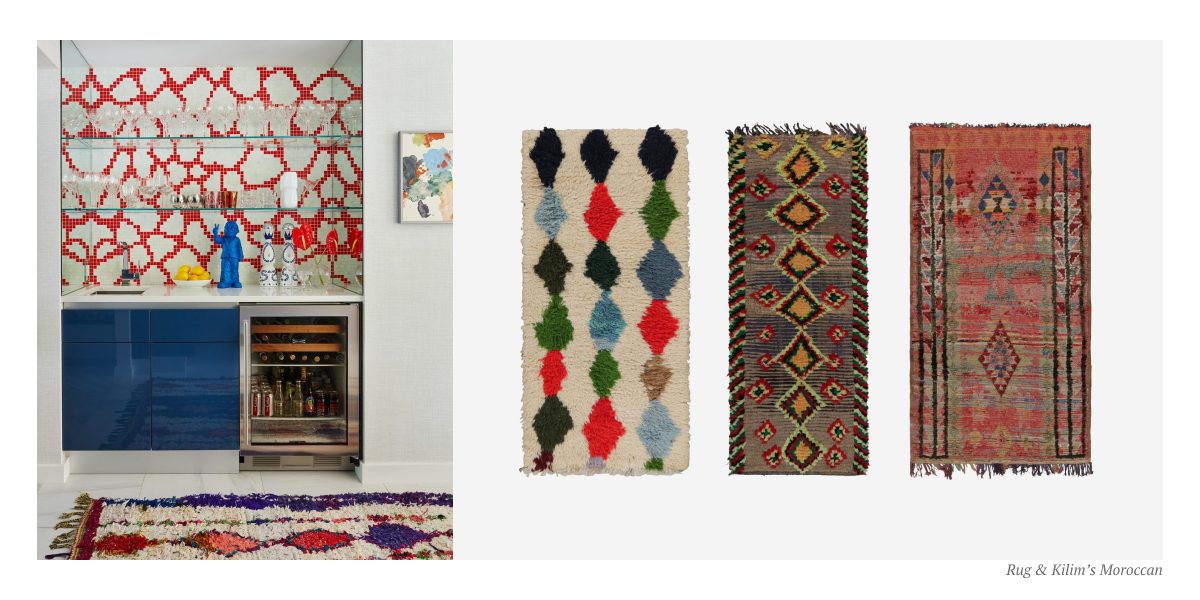
Moroccan rugs, particularly those from the Azilal region, represent a pinnacle of textile craftsmanship. These woven masterpieces encapsulate centuries of Berber tradition, serving not merely as floor coverings but as tangible embodiments of cultural narrative.
Rug & Kilim’s dedication to the Azilal tradition extends beyond mere curation. We actively engage in the ongoing dialogue between historical craft and contemporary design, positioning these rugs as bridges between past and present.
Origin and Historical Context
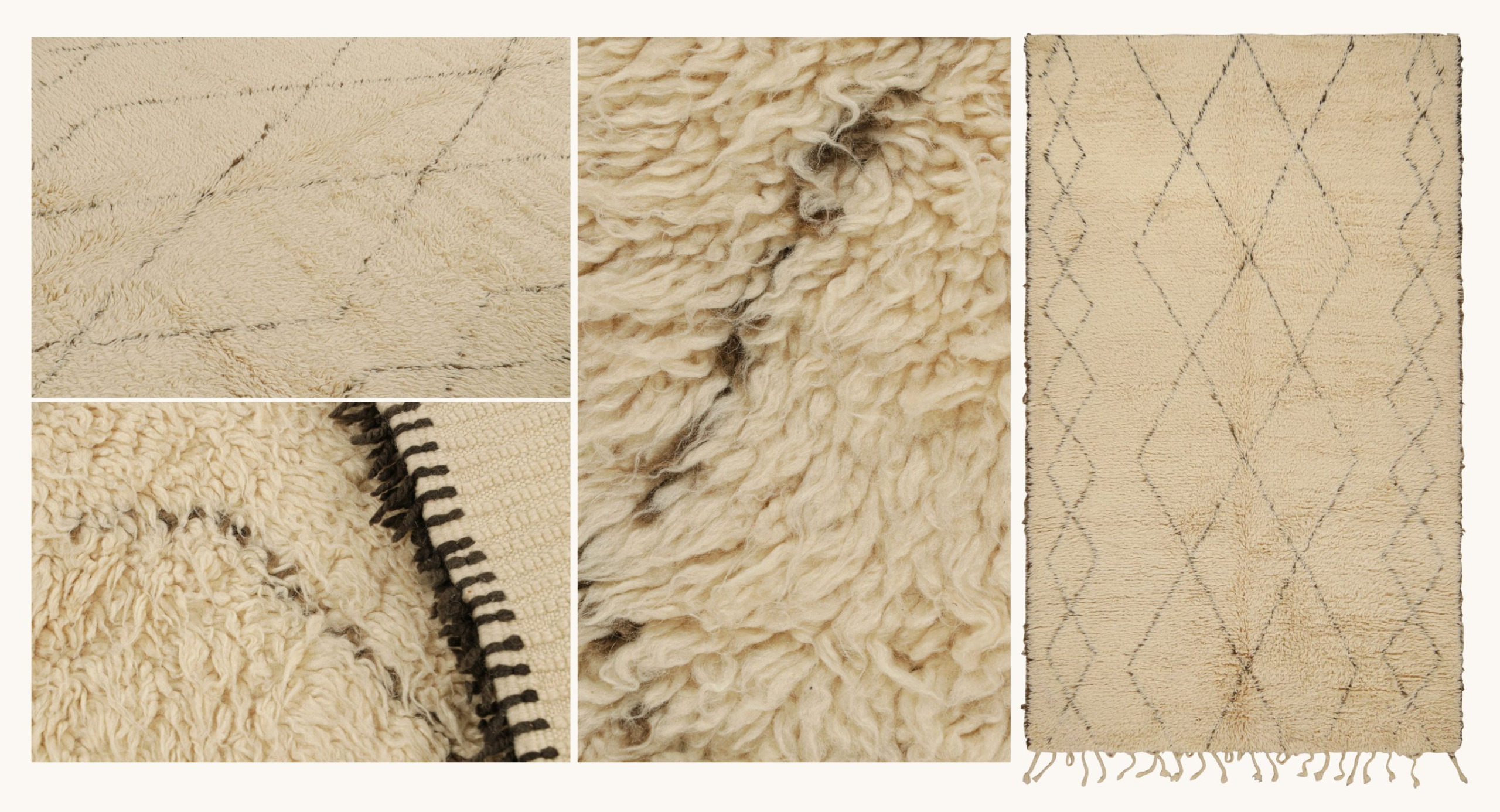
The genesis of Azilal rugs can be traced to the 16th century in Morocco’s Middle Atlas Mountains. The Azilal small town province, characterized by its rugged terrain and isolated communities, fostered a distinct rug-making tradition that remained largely unknown to the outside world until the late 20th century. This isolation preserved the authenticity and unique characteristics of Azilal rugs, distinguishing them from other Moroccan textile traditions such as the more widely recognized Beni Ourain rugs.
Distinctive Characteristics of Azilal Rugs
Through our extensive collection and research, we have identified several key features that define Azilal rugs:
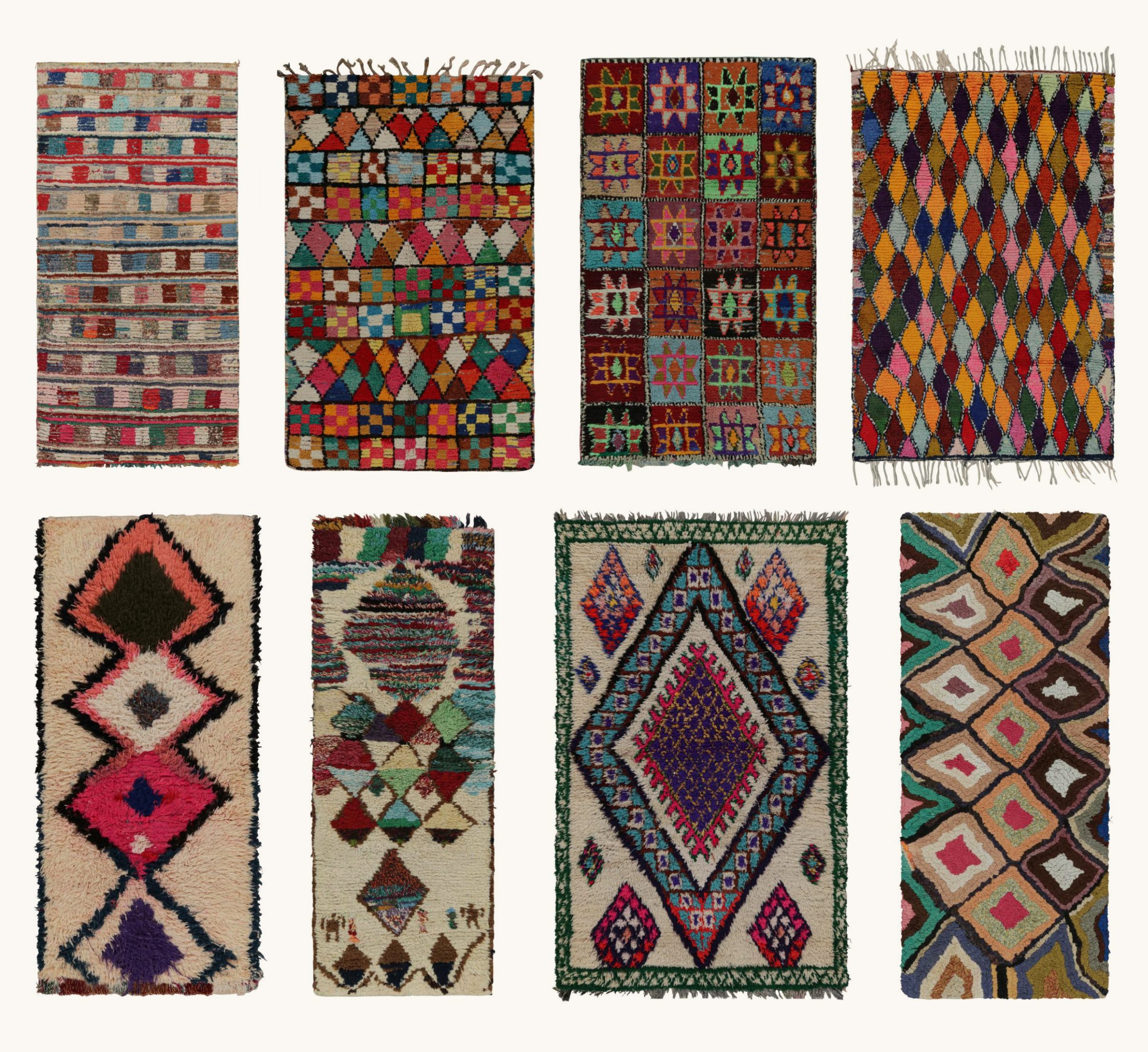
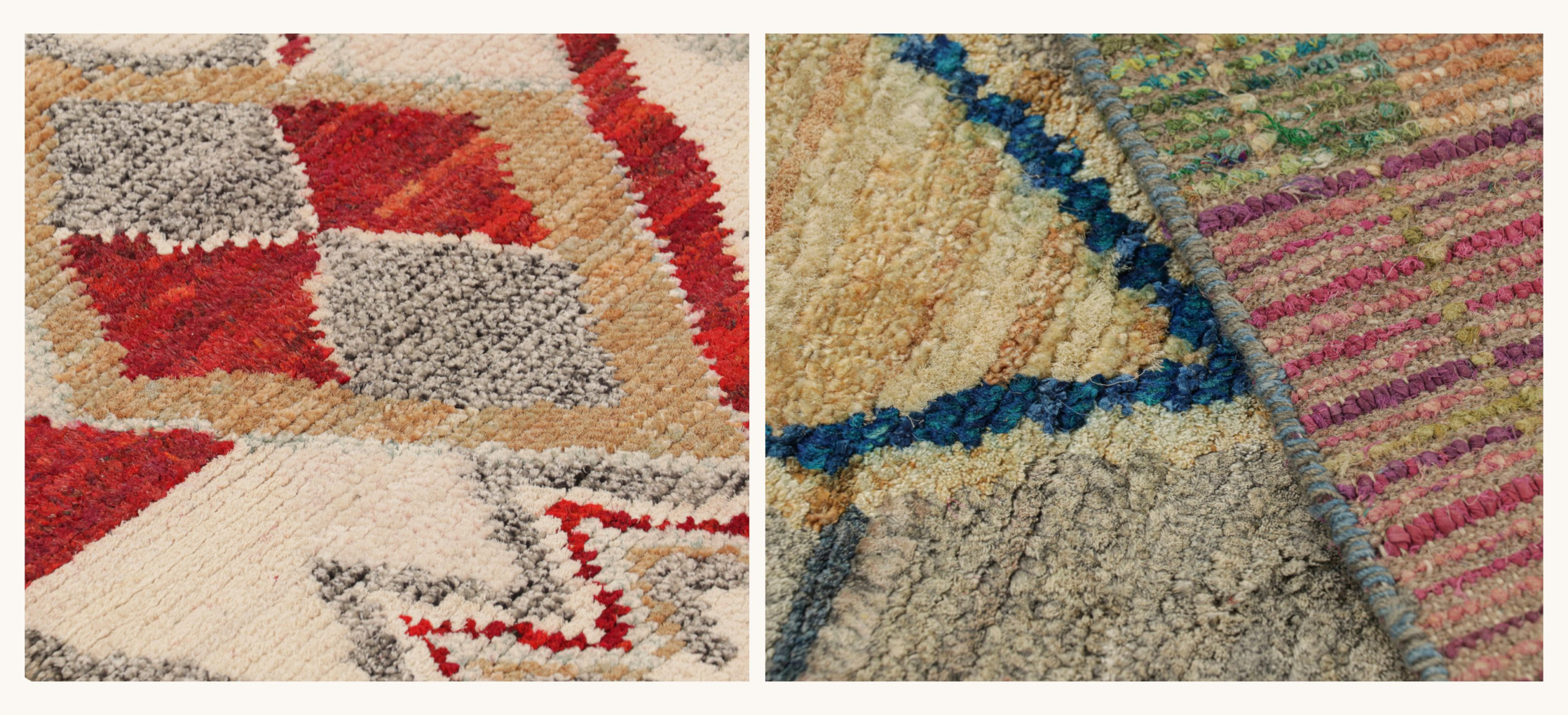
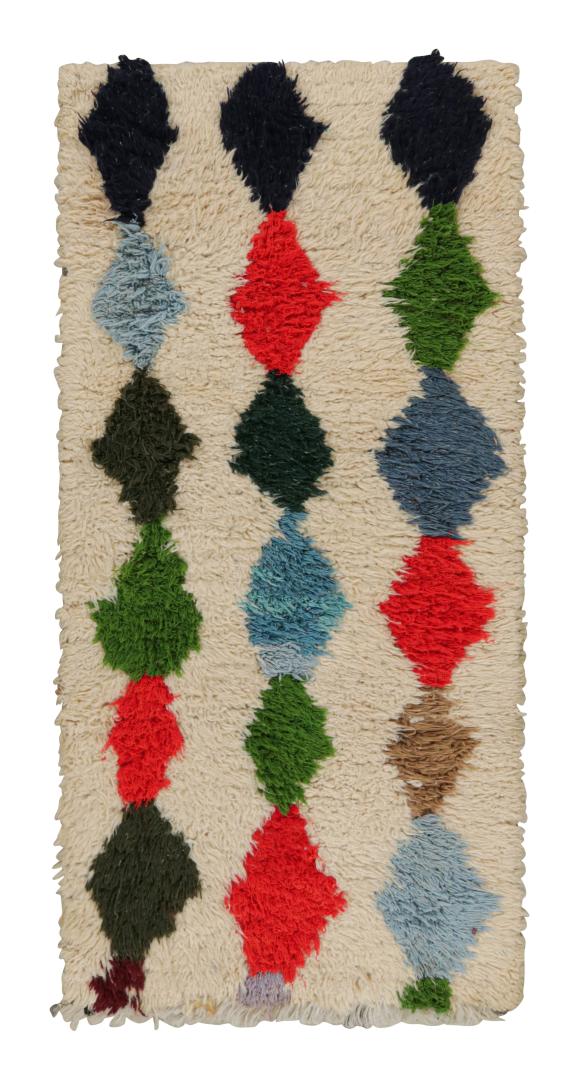
Vibrant Chromatic Palette: Azilal rugs are renowned for their bold use of color, achieved through natural dyes extracted from local flora and minerals. This vibrant spectrum stands in stark contrast to the monochromatic schemes often seen in Beni Ourain rugs.
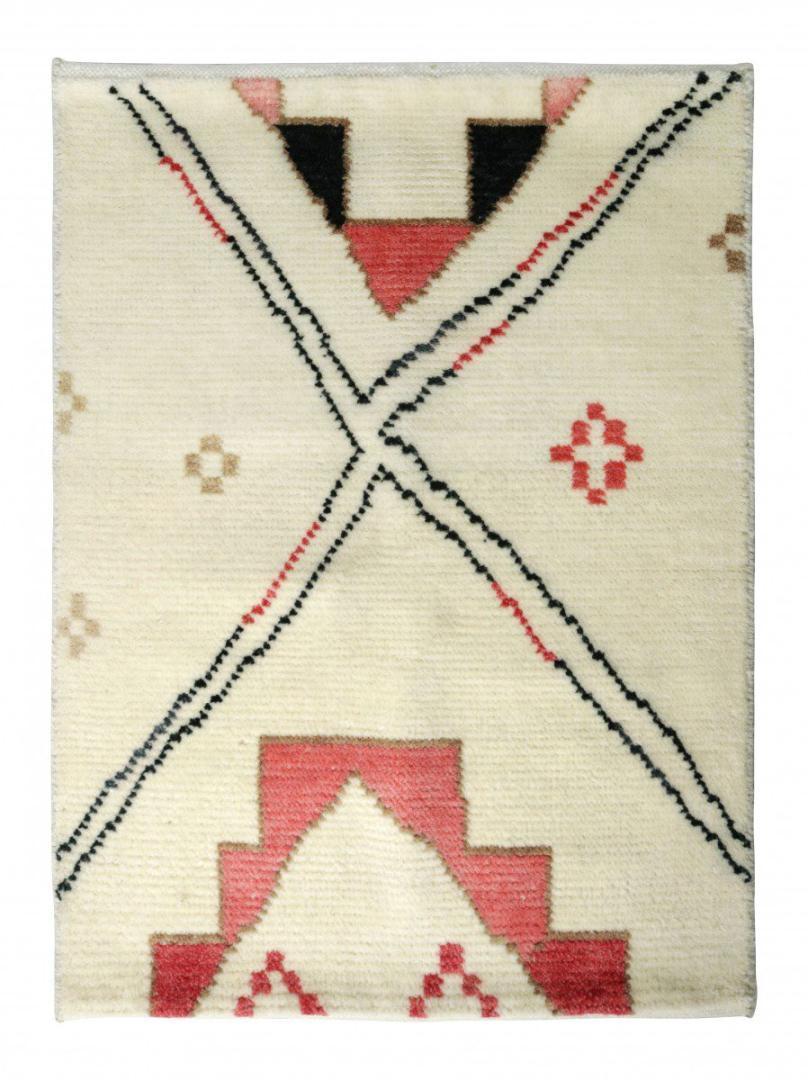
Abstract Geometric Patterns: The designs of Azilal rugs are characterized by their abstract, often asymmetrical compositions. These patterns frequently incorporate diamonds, triangles, and zigzag motifs, each laden with symbolic significance.
Superior Wool Quality: Crafted primarily from high-grade wool sourced from local sheep, Azilal rugs often incorporate cotton elements, resulting in a plush, durable texture.
Unique Weaving Technique: Our analysis reveals a distinctive horizontal weaving method employing a grid-like knot structure, which results in a shorter pile compared to other Moroccan rug styles.
Symbolism and Cultural Narrative
The iconography present in Azilal rugs serves as a form of non-verbal communication, preserving Berber myths, personal histories, and cultural wisdom.
Common symbolic elements include:
Diamond shapes representing feminine energy and fertility
Zigzag patterns symbolizing flowing water or serpentine wisdom
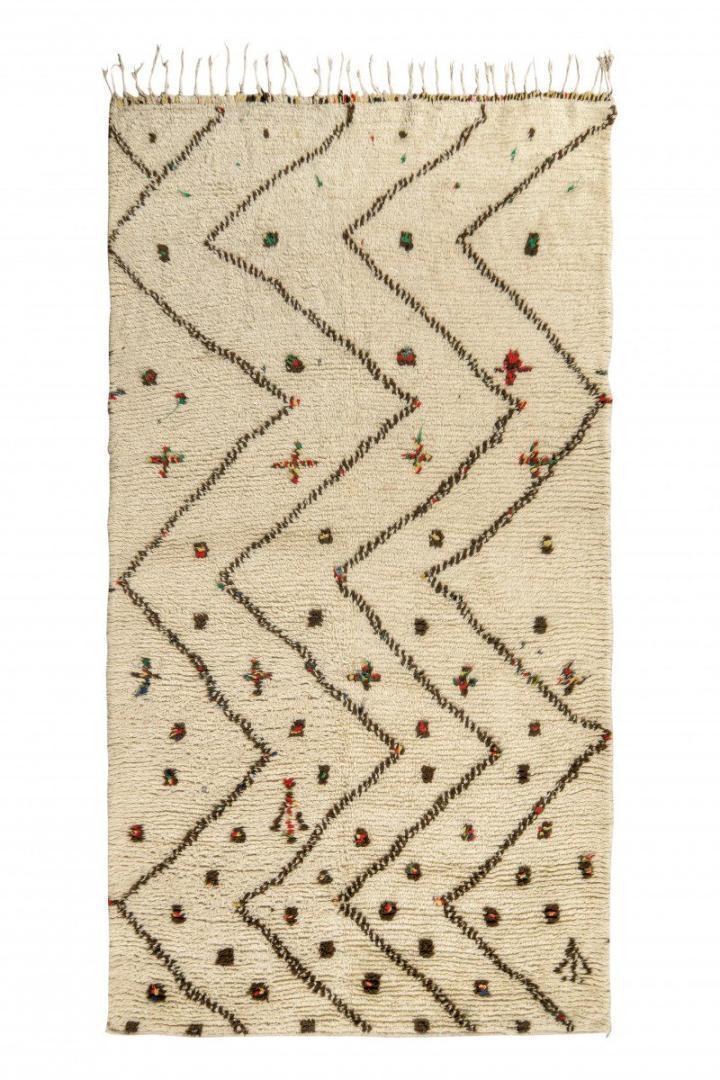
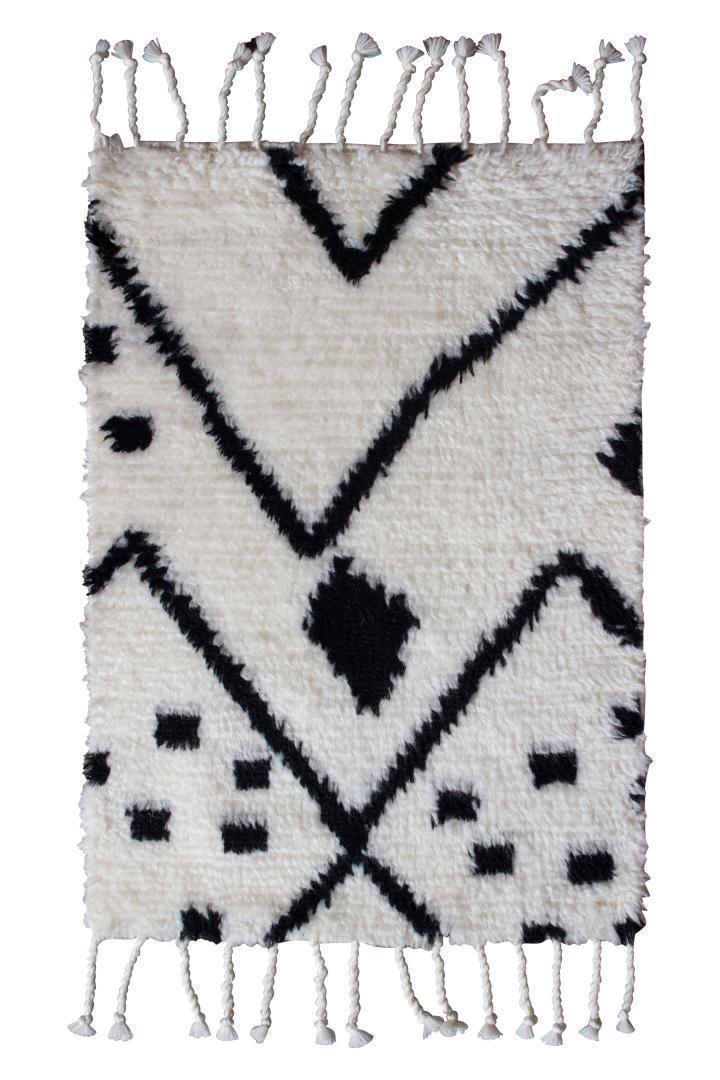
Geometric forms believed to offer protection against malevolent forces
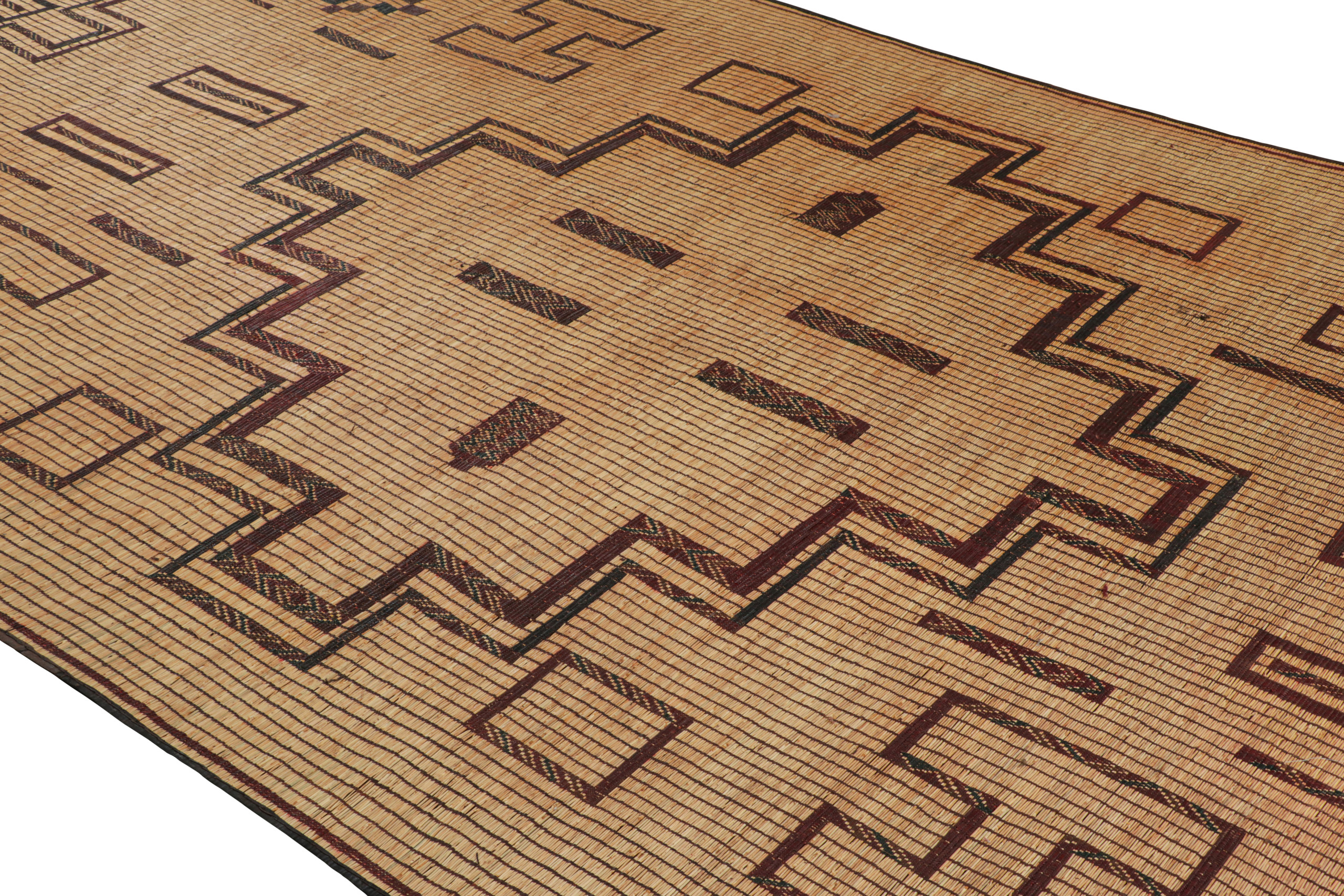
This rich symbolism transforms each rug into a unique narrative, reflecting the weaver’s individual experiences and the collective cultural heritage of the Azilal region.
The creation of an Azilal rug is a labor-intensive process that has remained largely unchanged for centuries:
Wool Selection: Artisans carefully choose high-quality wool from local sheep breeds.
Cleaning and Preparation: The wool undergoes a traditional cleaning process using saponaria plants, often followed by a night of exposure to starlight, believed to imbue the fibers with protective qualities.
Dyeing: Natural pigments derived from local plants, insects, and minerals are used to create the rug’s vibrant color palette.
Weaving: Skilled female artisans employ hereditary techniques, often taking months or even years to complete a single rug.
As these rugs gain recognition in the global market, their value extends beyond mere floor coverings. Azilal rugs are now appreciated as authentic expressions of Berber culture and craftsmanship, finding homes in prestigious museums, private collections, and luxury interiors worldwide.
The Musée Yves Saint Laurent in Marrakech, a testament to the designer’s love for Moroccan culture, prominently features Azilal rugs in its collection. This inclusion not only showcases the artistic merit of these textiles but also highlights their influence on high fashion and global design trends.
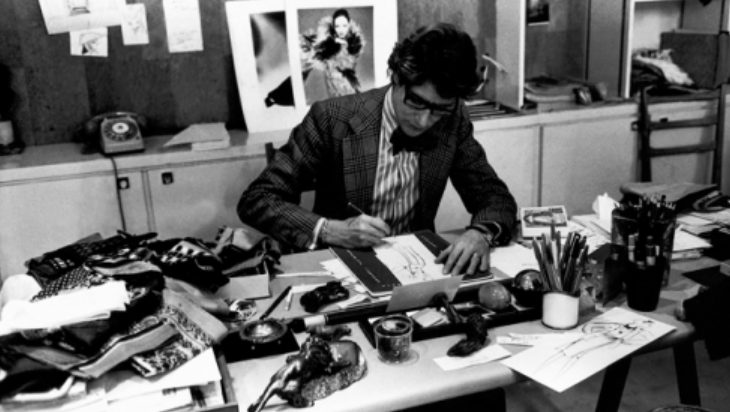
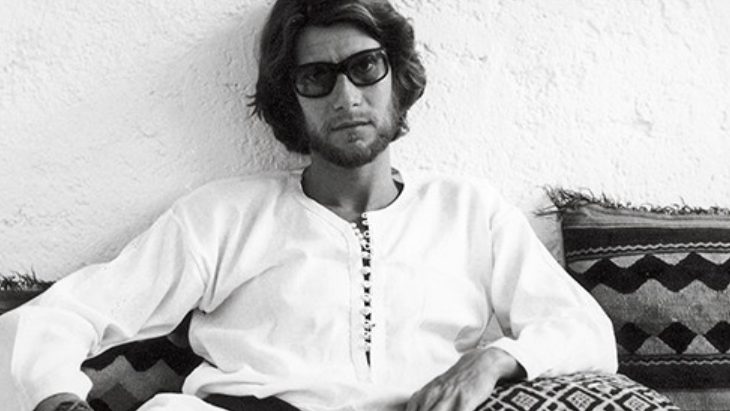
The museum’s dedication to preserving and presenting Moroccan craftsmanship alongside haute couture creates a unique dialogue between traditional artistry and modern design. These institutional endorsements have significantly elevated the status of Azilal rugs in the art world, transitioning them from utilitarian objects to recognized works of art.
The luxury design market has embraced Azilal rugs with enthusiasm, recognizing their unique ability to bring warmth, texture, and artistic flair to contemporary interiors. High-end interior designers frequently incorporate these rugs into their projects, using them as statement pieces in living rooms, bedrooms, and even as wall hangings in modern office spaces. The fashion industry has also taken note, with renowned designers drawing inspiration from the bold patterns and vibrant colors of Azilal rugs. This influence can be seen in textile designs for clothing, accessories, and even in the staging of fashion shows and retail spaces.
Azilal rugs represent more than just a category within our collection; they embody a living tradition.
Here, we present our tips and approaches to styling these exceptional Moroccan textiles in contemporary interiors and spaces:
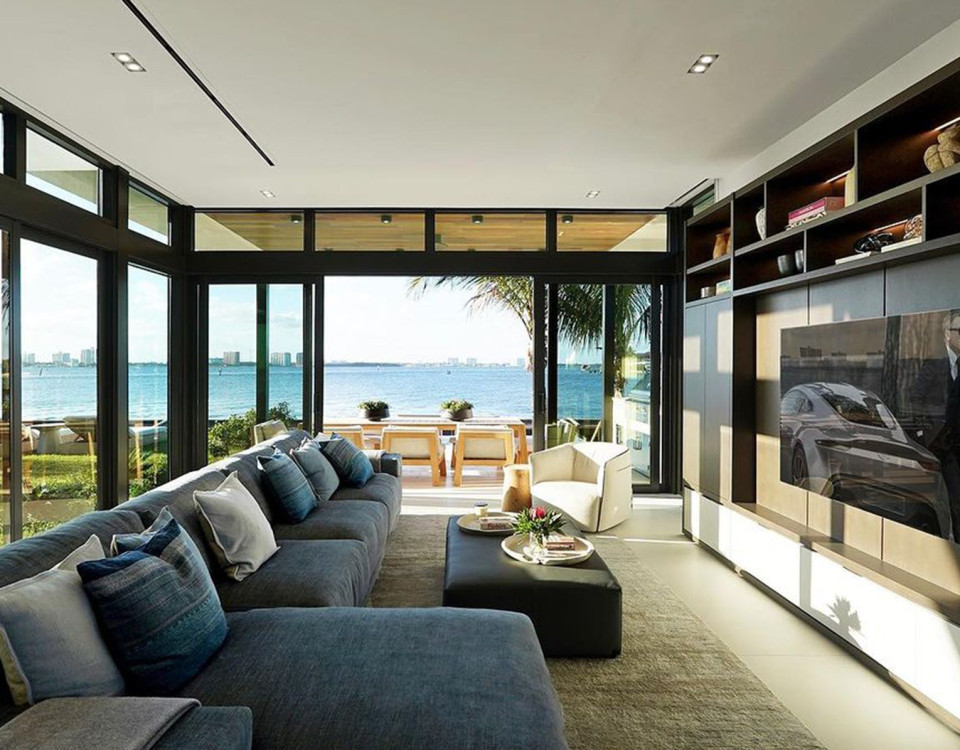
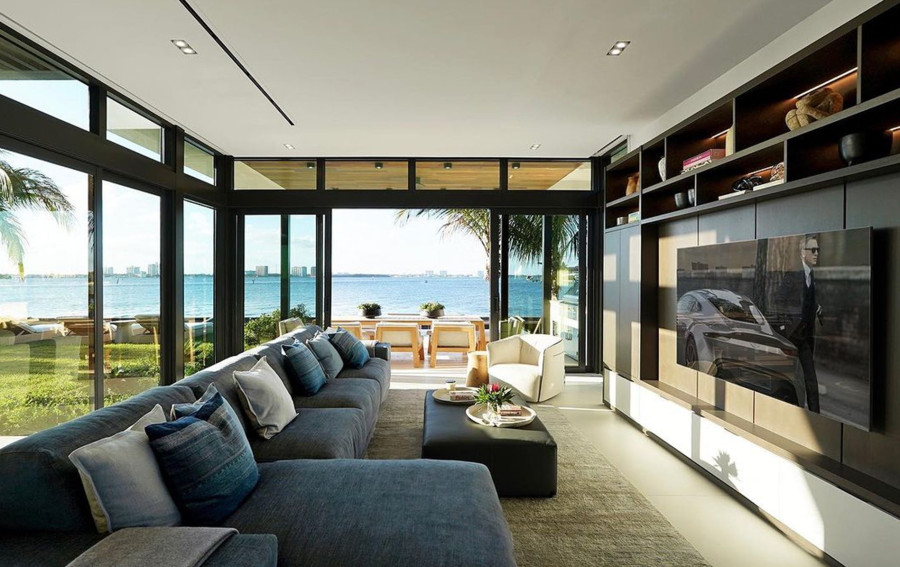
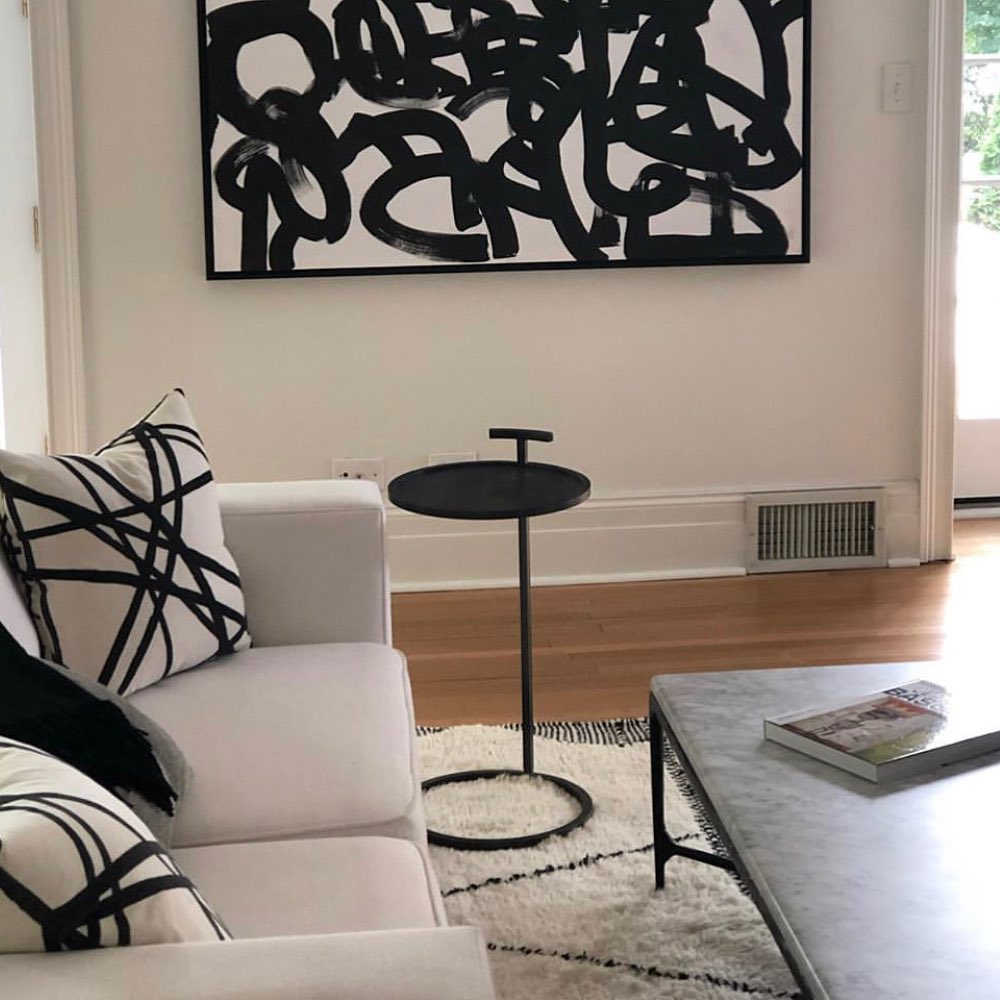
Focal Point in Minimalist Spaces: In rooms dominated by clean lines and neutral tones, an Azilal rug serves as a captivating centerpiece. Place it centrally in a living room, allowing its vibrant patterns to contrast with and enliven the surrounding simplicity. Complement with understated furniture in natural materials like leather and wood to balance the rug’s exuberance.
Layered Luxury: For a sophisticated, textured look, layer an Azilal rug over a larger, neutral-toned carpet. This technique adds depth and visual interest to expansive rooms. In bedrooms, position the Azilal rug partially under the bed, extending it outward to create a warm, inviting area for bare feet.
Wall Art Installation: Elevate an Azilal rug to the status of fine art by displaying it as a wall hanging. This approach is particularly effective in spaces with high ceilings or long hallways. Use minimalist mounting techniques to preserve the rug’s organic character while showcasing its intricate patterns.
Color Palette Foundation: Let the Azilal rug guide your room’s color scheme. Extract complementary hues from the rug’s design for paint colors, upholstery, and accessories. This creates a cohesive look while highlighting the rug’s rich tones.
Eclecticism: In eclectic interiors, use an Azilal rug to tie diverse elements together. Its multi-hued patterns can bridge disparate styles and eras, creating a harmonious whole. Pair with a mix of modern and vintage furniture for a curated, collected look.
Outdoor-Indoor Transition: For homes with indoor-outdoor living spaces, use an Azilal rug to soften the transition. Place it in a covered patio or sunroom, where its earthy tones and natural materials complement the surrounding landscape.
Home Office: Transform a home office or study into an inspiring workspace by centering an Azilal rug under the desk. Its vibrant patterns stimulate creativity, while its soft texture provides comfort underfoot during long work sessions.
Dining Rooms: In formal dining rooms, an Azilal rug under the table adds warmth and interest without overwhelming the space. Choose a rug large enough to accommodate all chairs, even when pulled out.
When incorporating Azilal rugs into modern interiors, it’s crucial to balance their bold presence with complementary elements. Our decades of experience has taught us that these extraordinary textiles shine brightest when given room to breathe, surrounded by carefully curated furnishings that enhance rather than compete with their unique character.
Rug & Kilim’s Moroccan Collection >>
Rug & Kilim’s Moroccan Samples >>