

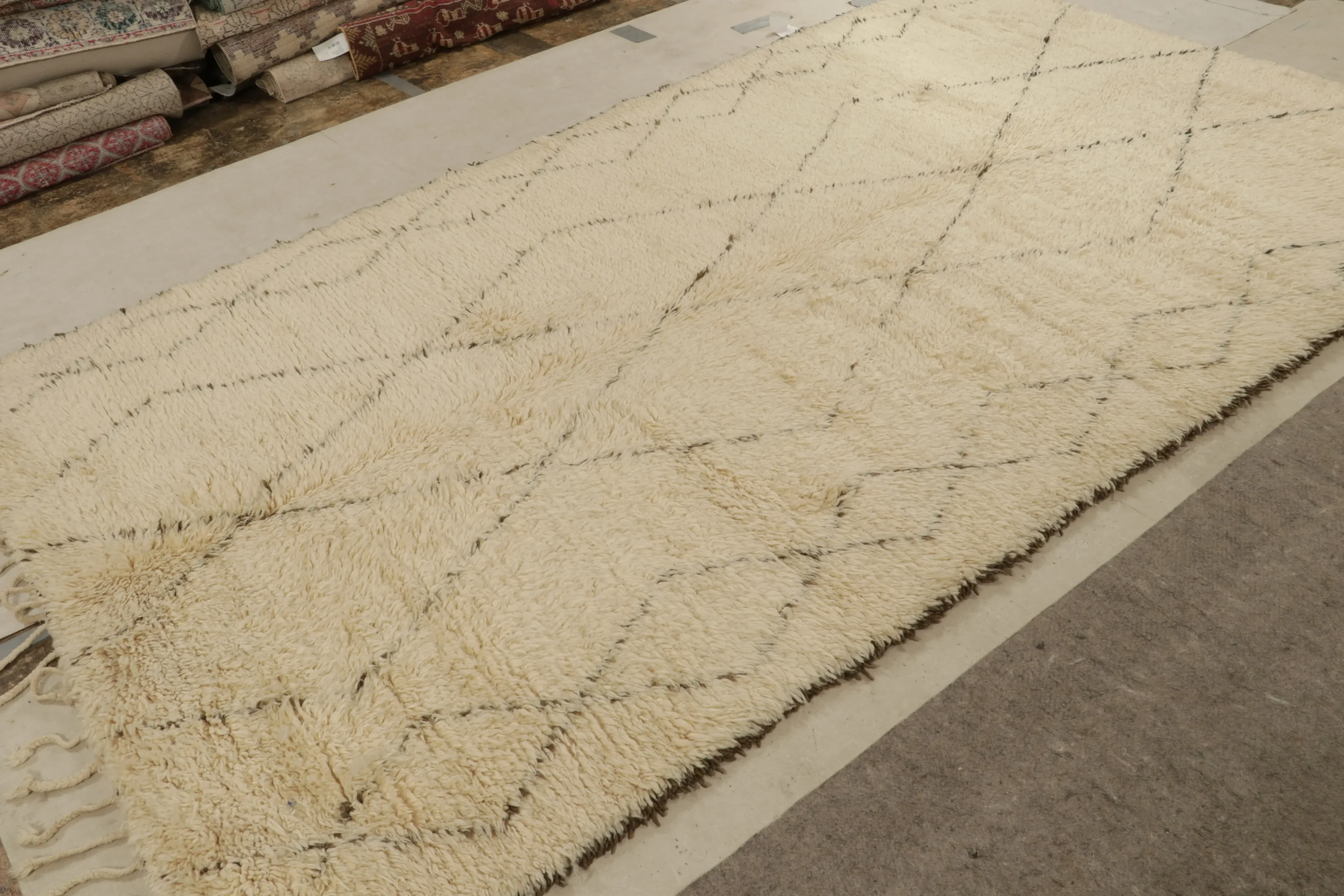
Wool
Morocco
6'3" X 10'7" (1.91 m x 3.23 m)
Available: Shipping As Soon As Tomorrow
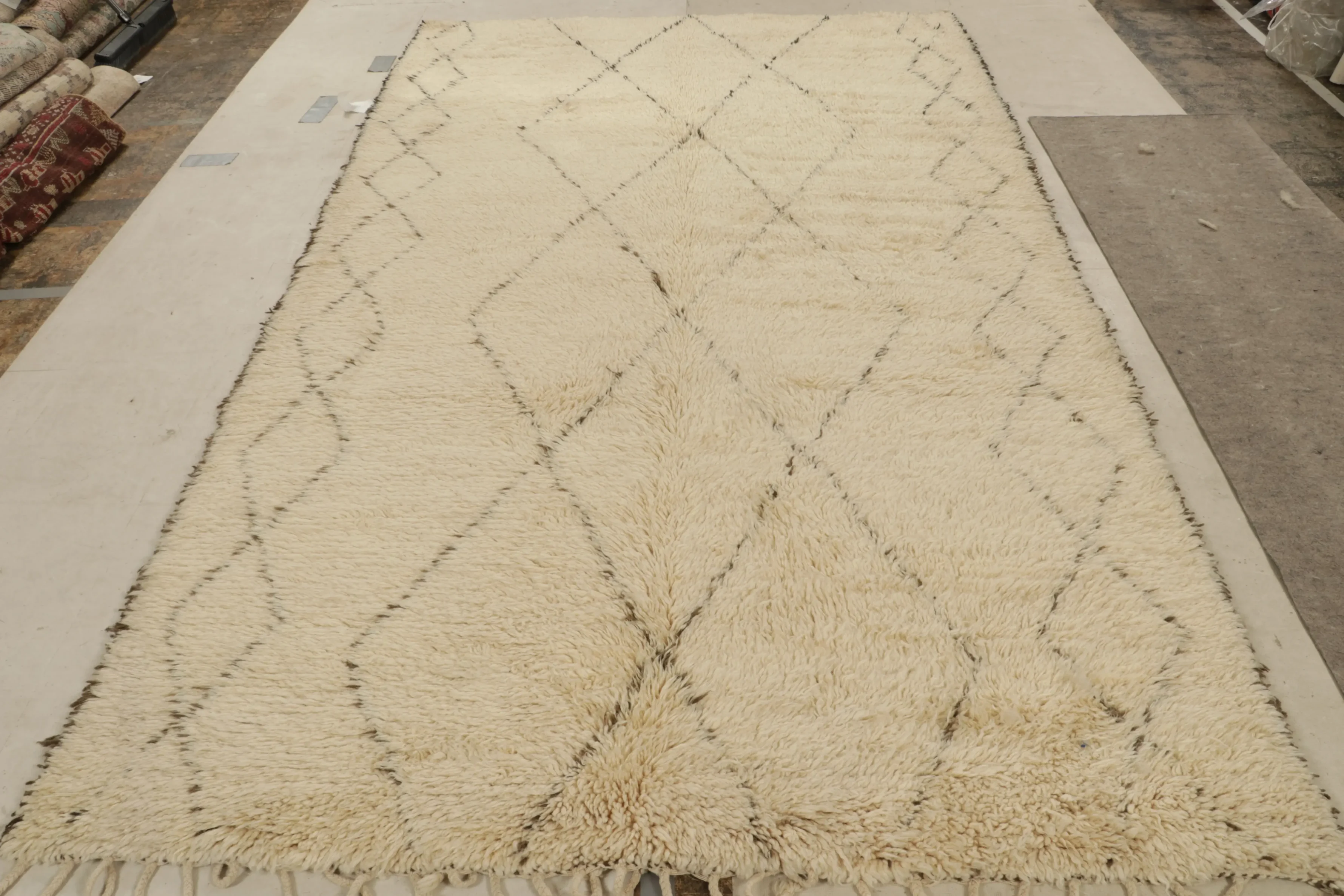
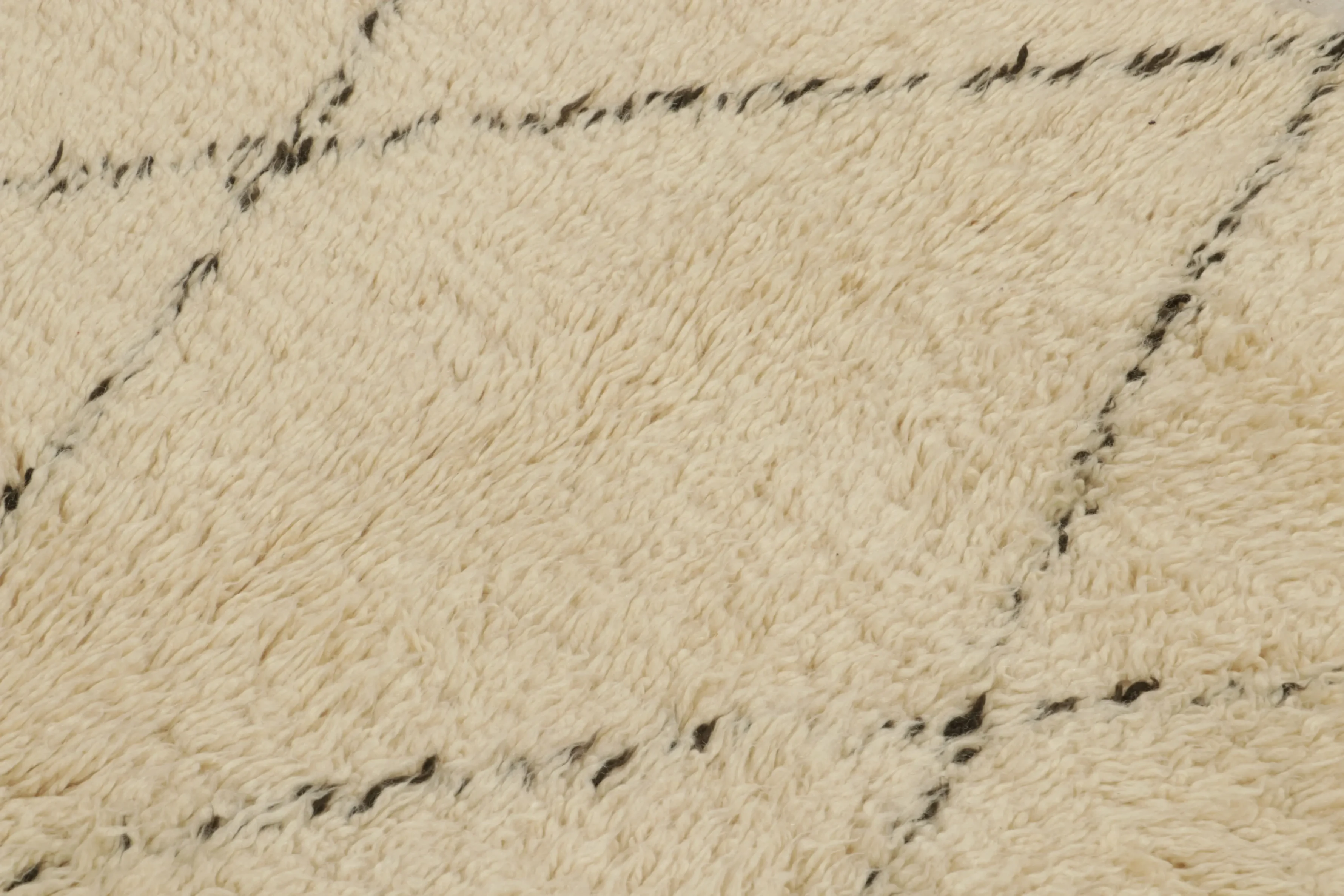
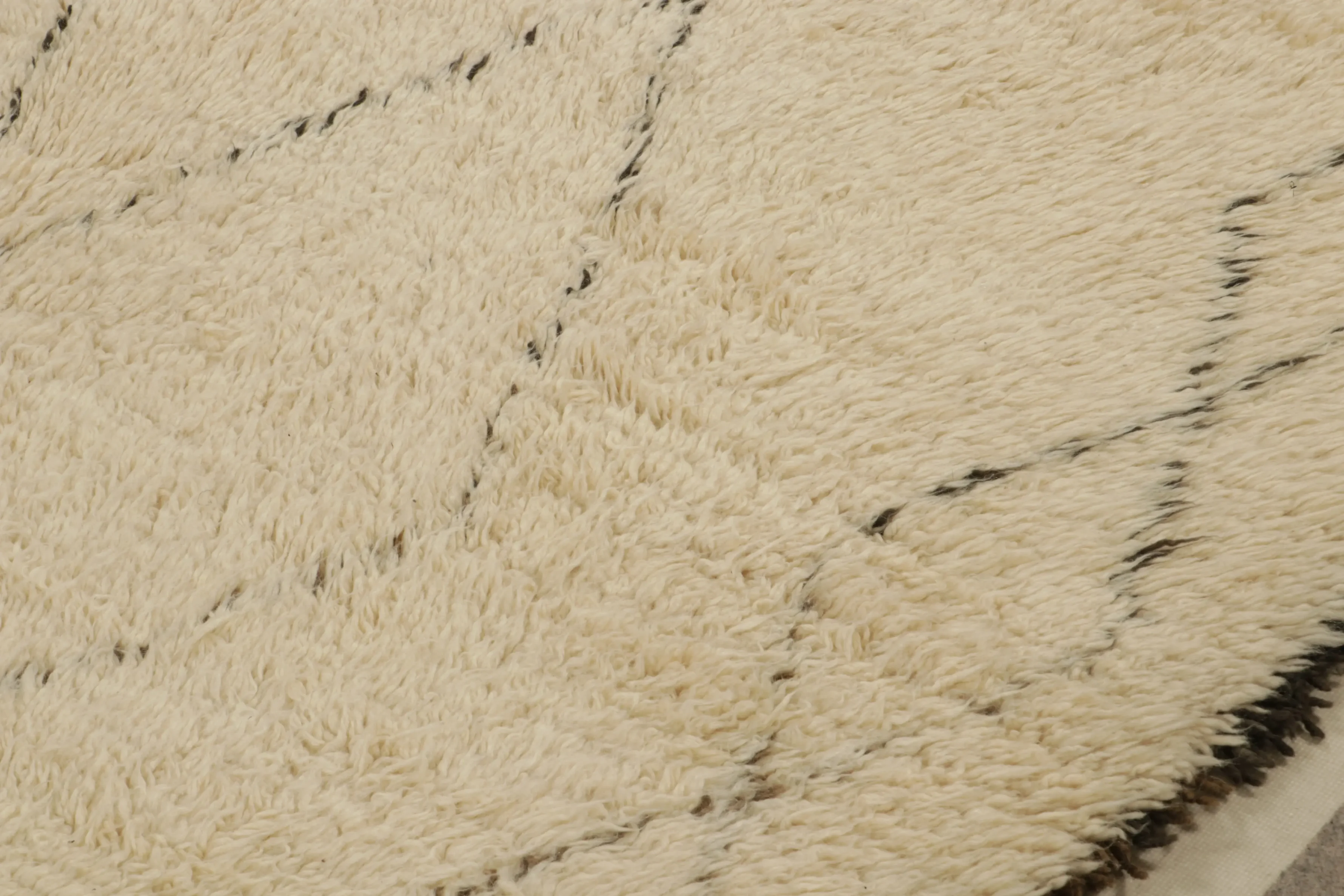
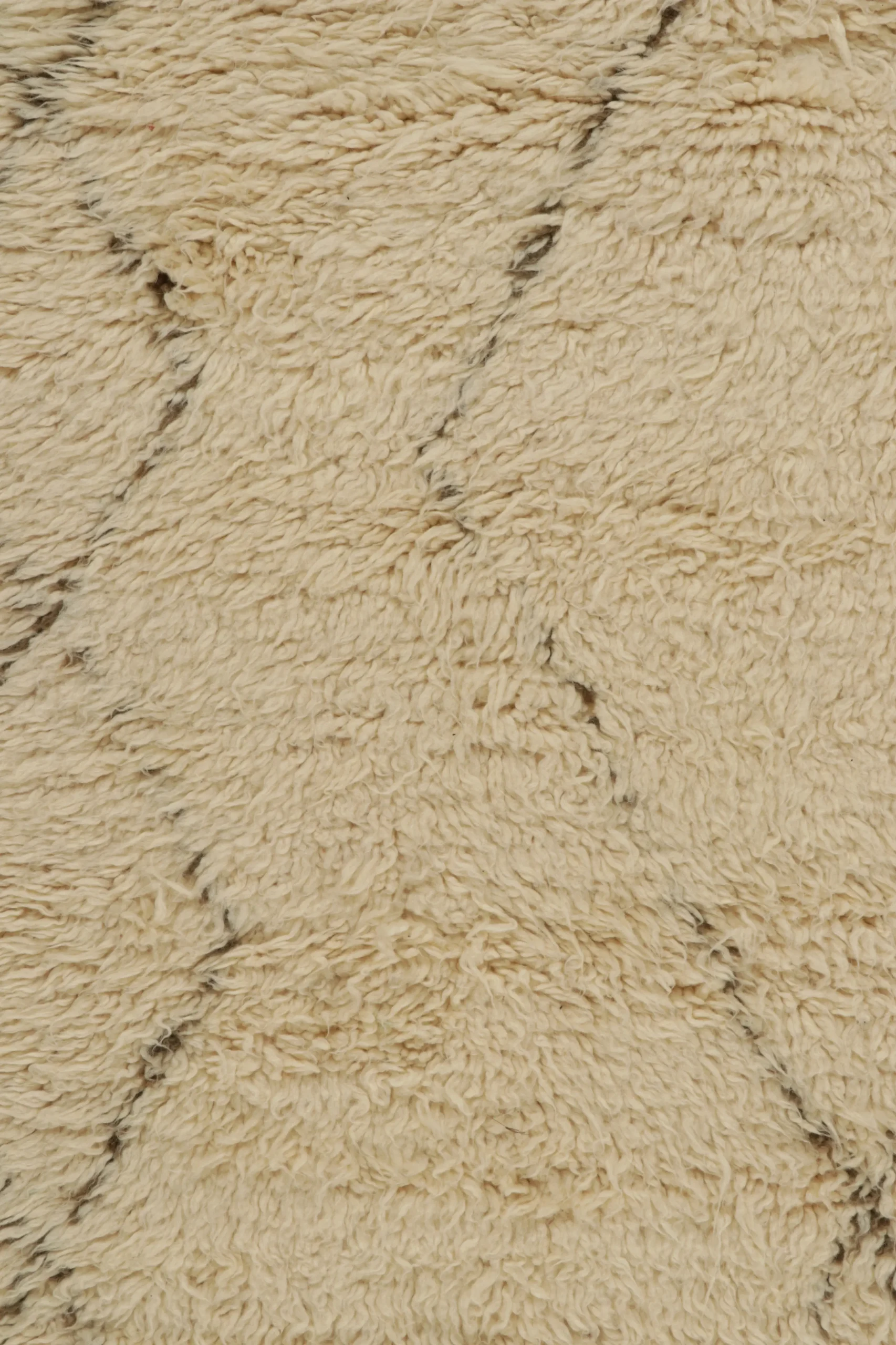
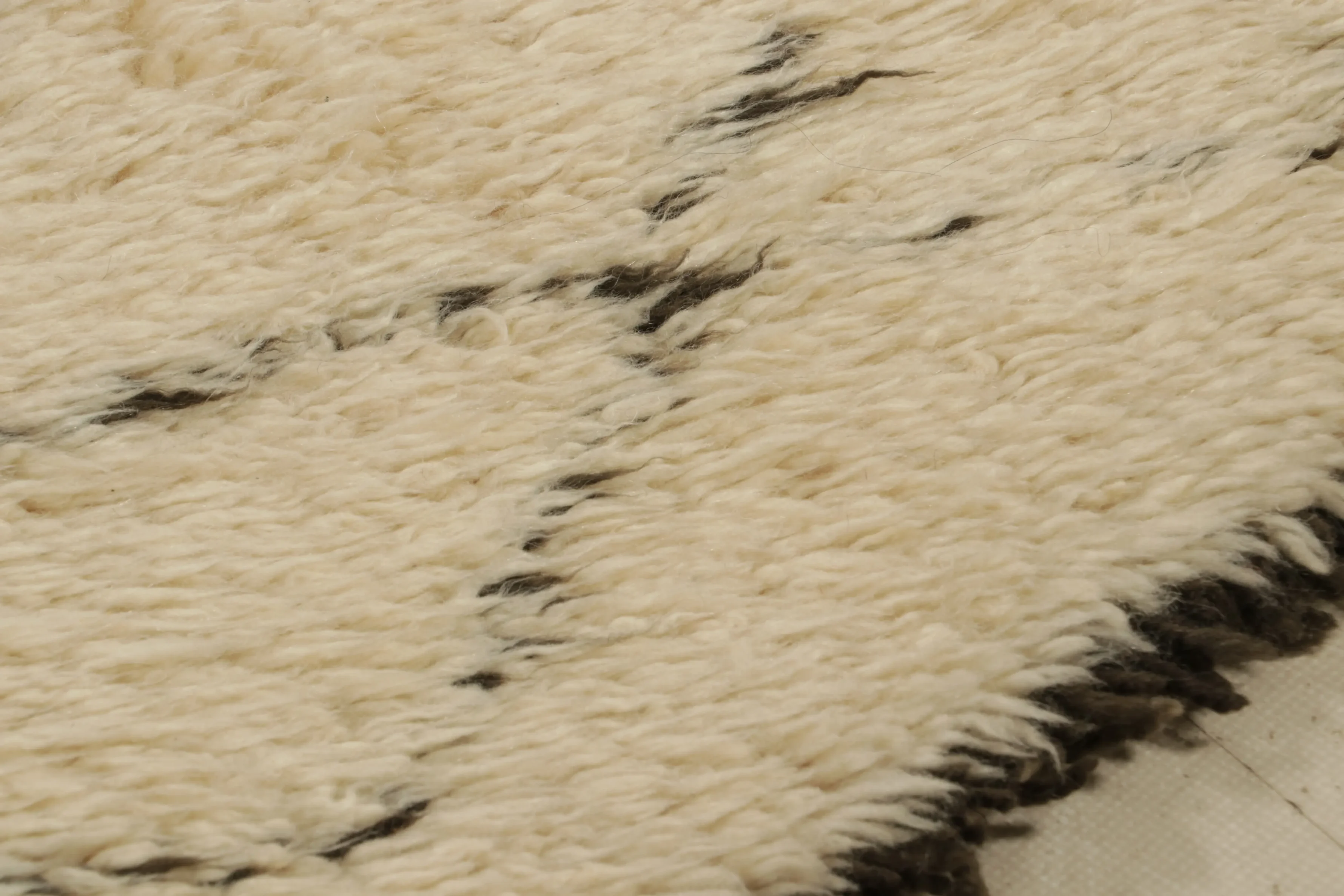
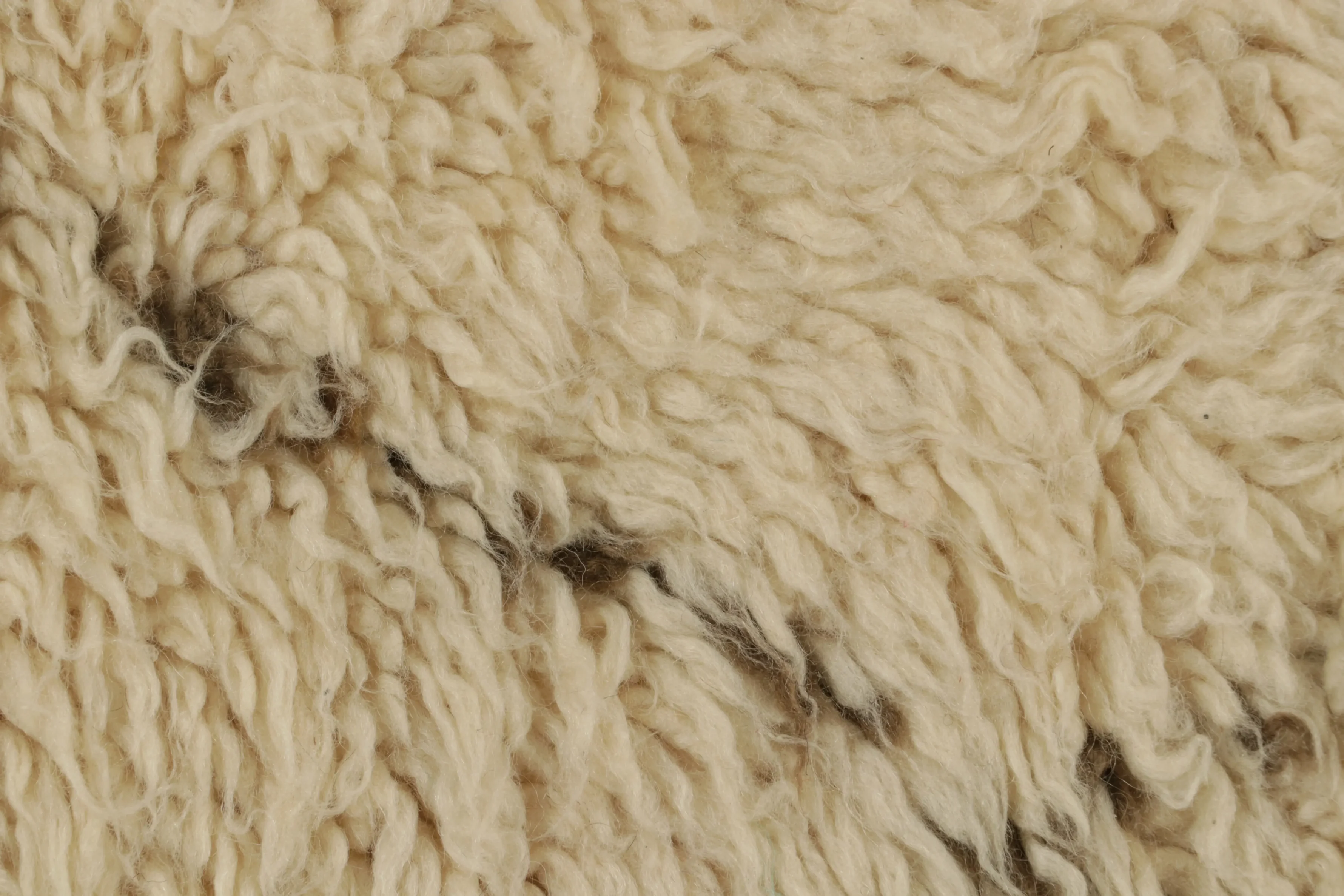
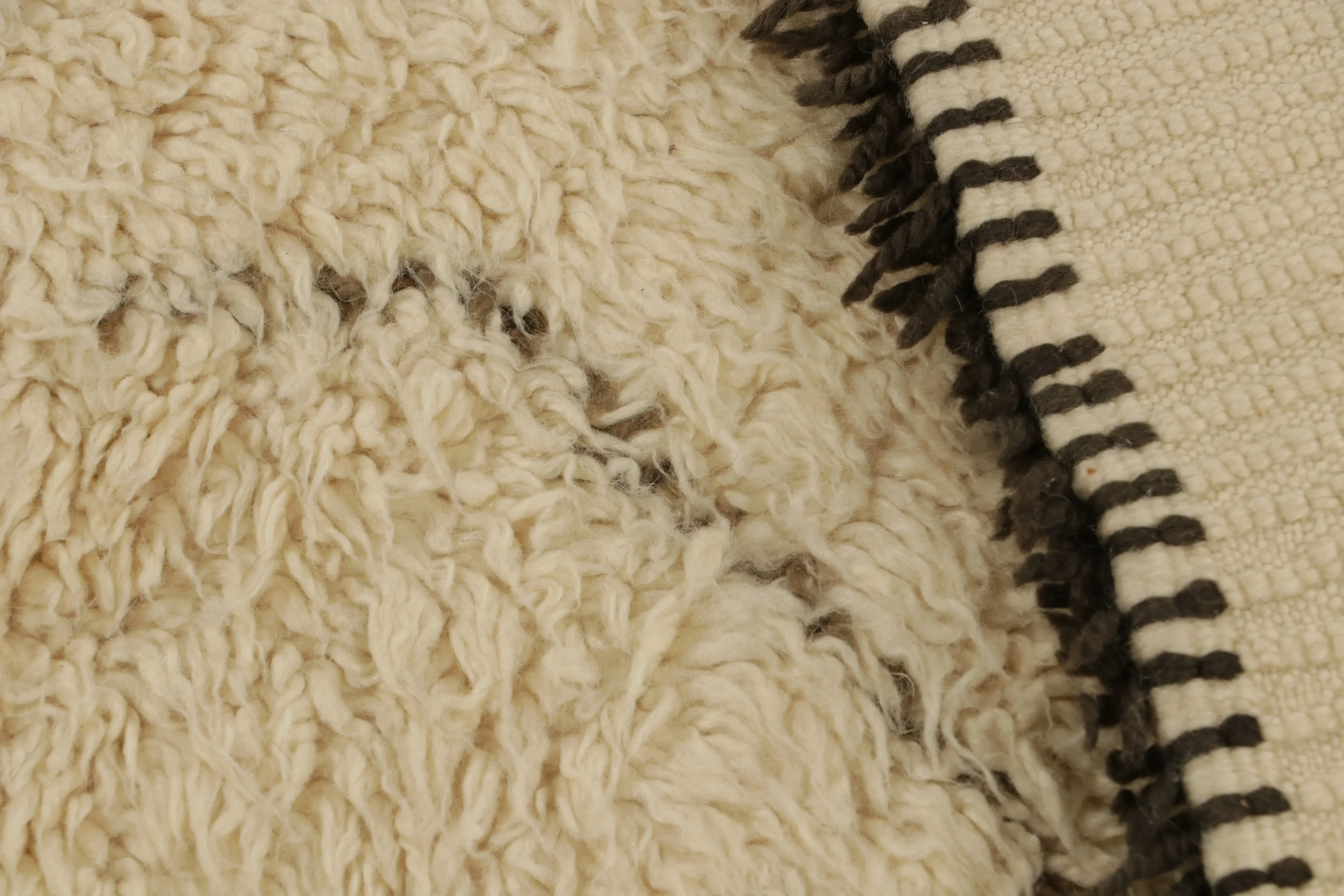
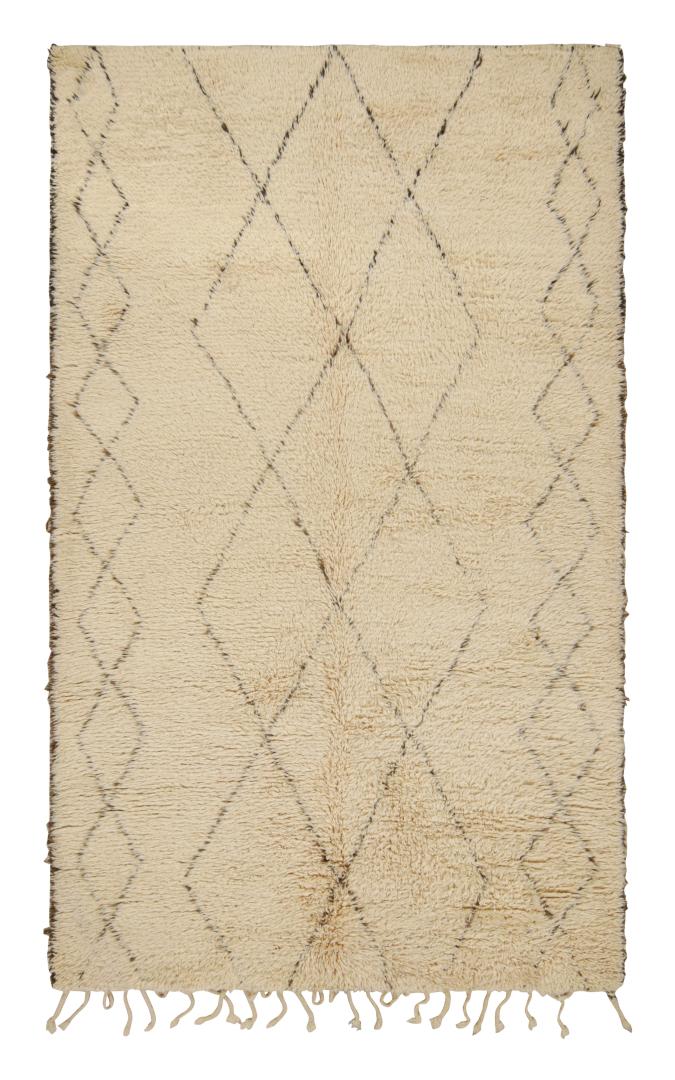
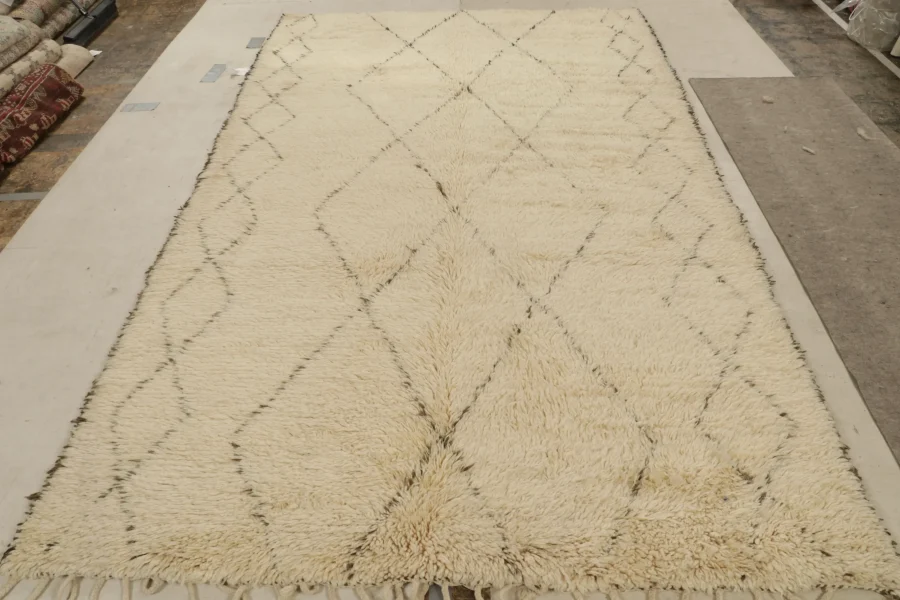
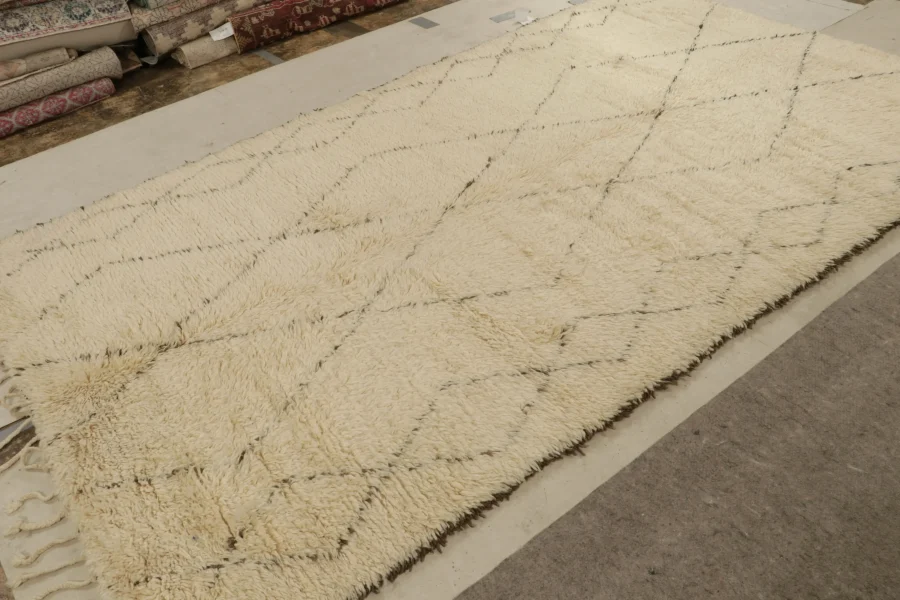
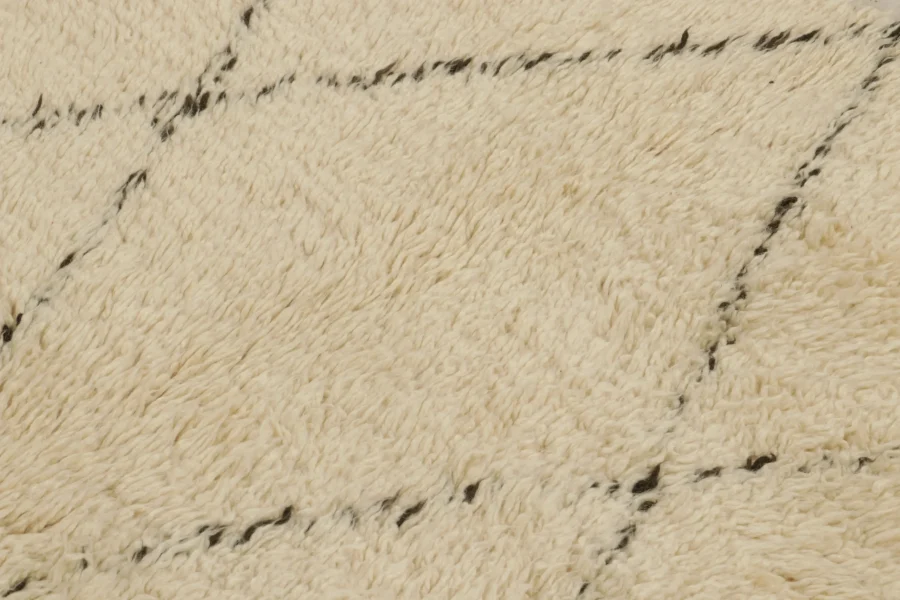
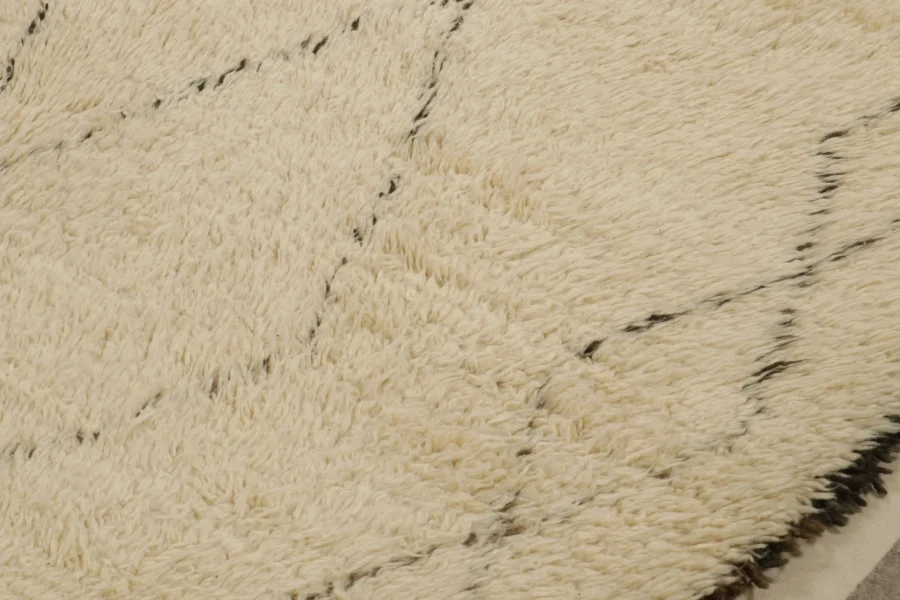
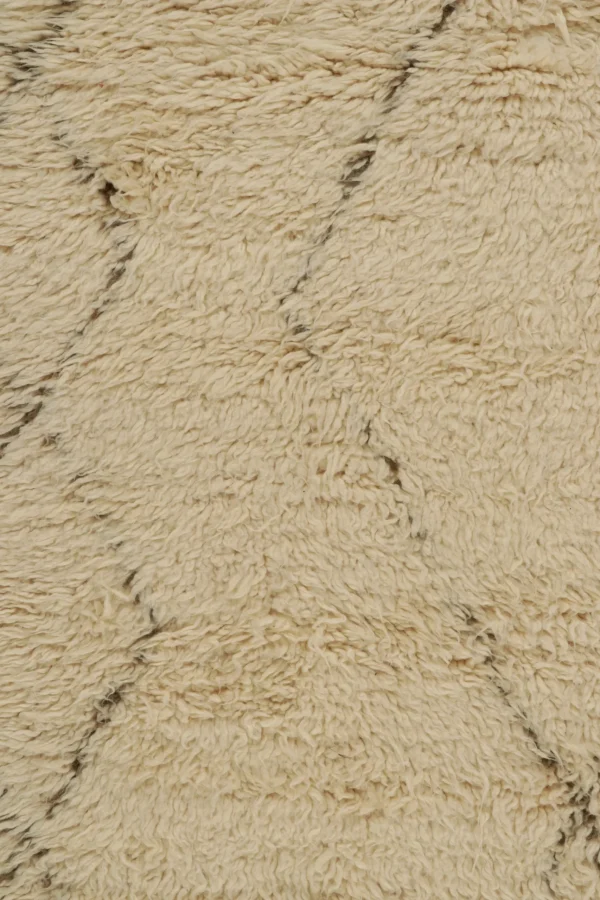
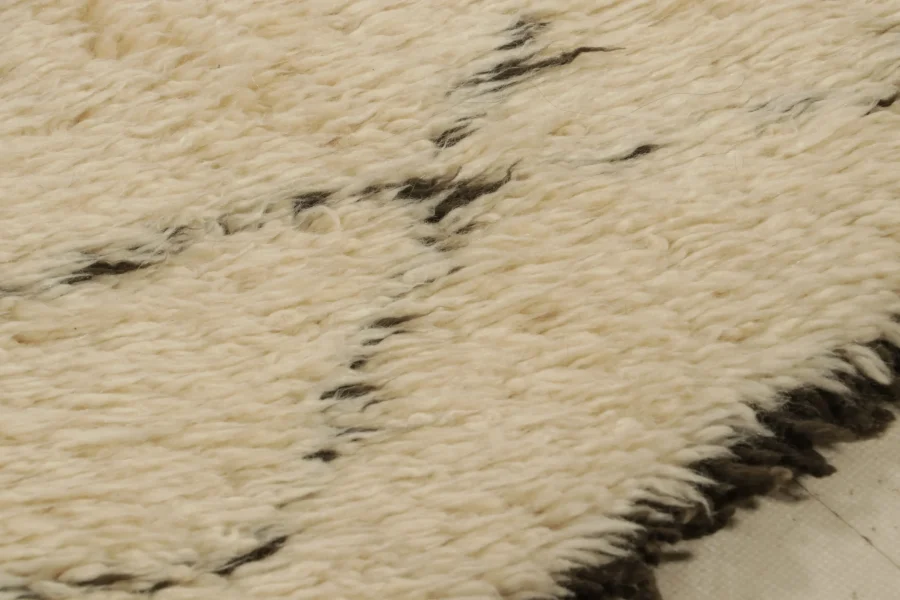
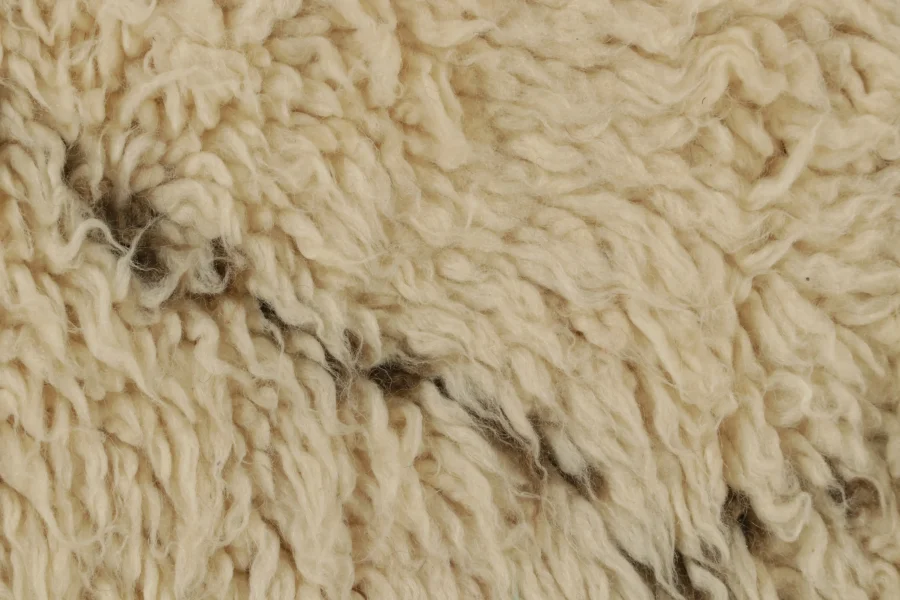
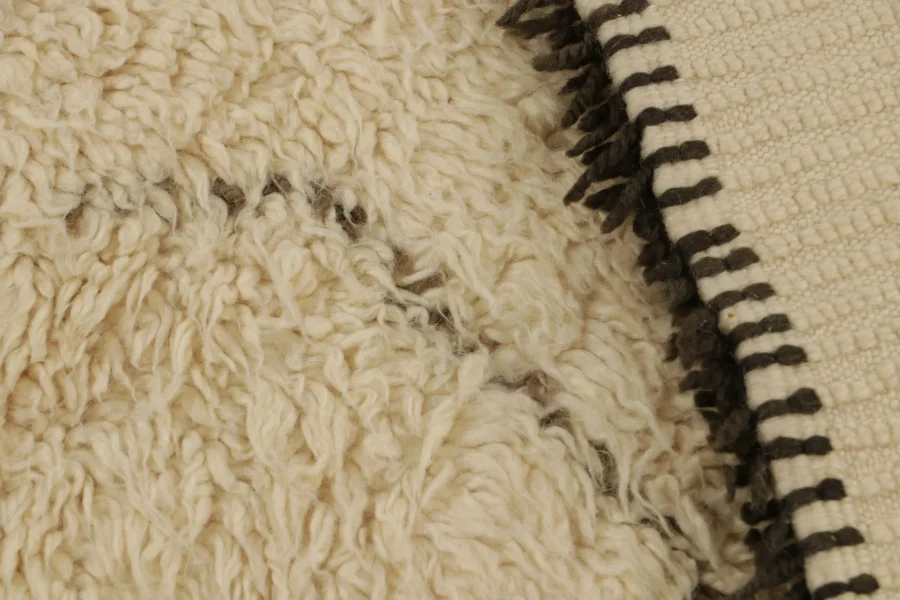
Vintage Moroccan Rug in White with Brown Geometric Patterns, from Rug & Kilim
"For years, R&K has been a favorite source for Kemble Interiors when we need antique, vintage, and custom designed rugs. Their inventory is deep and well displayed online and working in person is always such a pleasure too!"
— Celerie Kemble, Kemble Interiors
A standard since our inception upheld across every acquisition,
transaction, and delivery.
45+ Year Old Institution
More than four decades of expertise and stewardship, under the leadership of our Principal, Jahanshah "Josh" Nazmiyal.
Favorable Return Policy
Our return policy is 48 hours upon receipt allowing you to confirm the purchase in your space with confidence.
Product Warranty
Each rug is hand selected or produced through the most reputable sources under the direct supervision of our Principal.
Trusted Global Delivery
Reliable worldwide delivery handled with care, precision and constant communication.
Exceptional Support
Attentive, knowledgeable guidance before and after purchase from our dedicated team of specialists.
Long Term Care
We stand behind every piece we place and remain a resource to our clients for the lifetime of their collection.
Stories from the Vintage Collection
Essays, artist dialogues, and provenance notes drawn from Rug & Kilim’s editorial desk.
Bokhara Rugs: Traditional Weaving and Global Influence
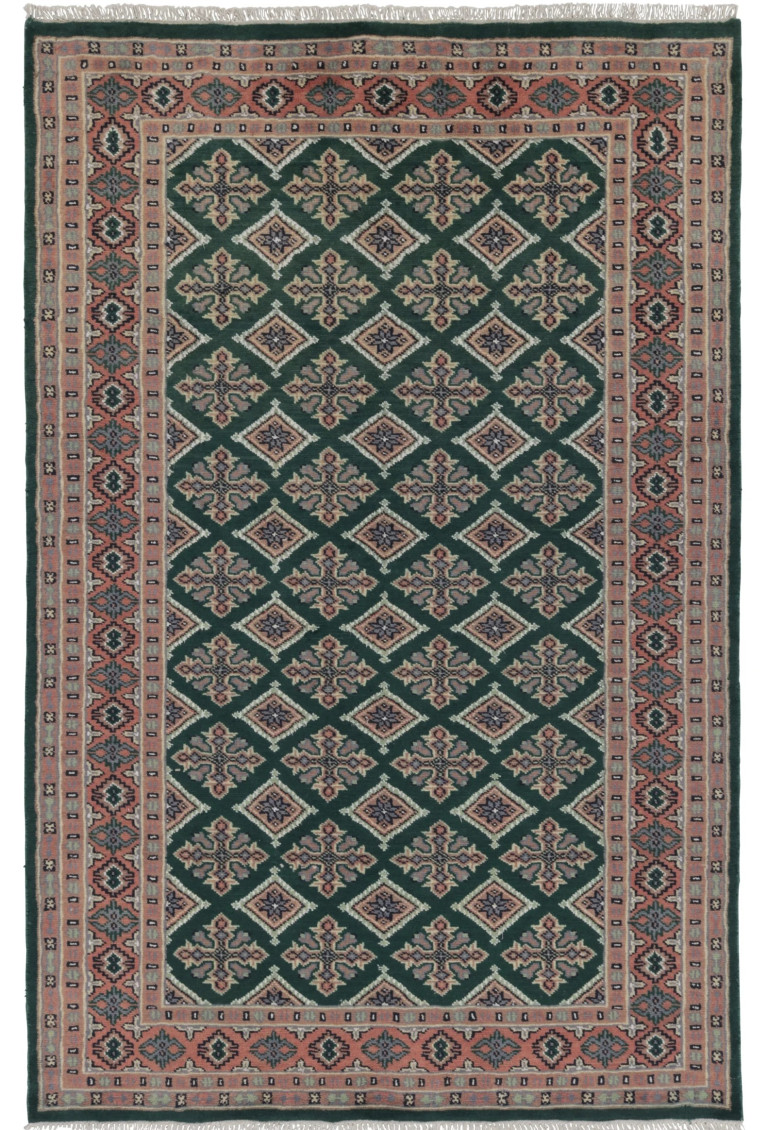
Among the most recognizable and influential traditions in the history of oriental carpets, Bokhara rugs represent a remarkable fusion of tribal heritage, geometric precision, and centuries-old weaving expertise. Known worldwide for their iconic repeating motifs, deep colors, and refined craftsmanship, Bokhara rugs have become enduring symbols of Central Asian textile artistry. Although the name “Bokhara” is commonly associated with the historic city of Bukhara in present-day Uzbekistan, many rugs classified as Bokhara originate from Turkmen weaving communities across regions including Turkmenistan, Afghanistan, and surrounding areas. The name reflects the historical trade routes through which these carpets traveled and became known internationally.
Read the Feature
Bidjar Rugs: Persian Weaving Mastery and Historic Design
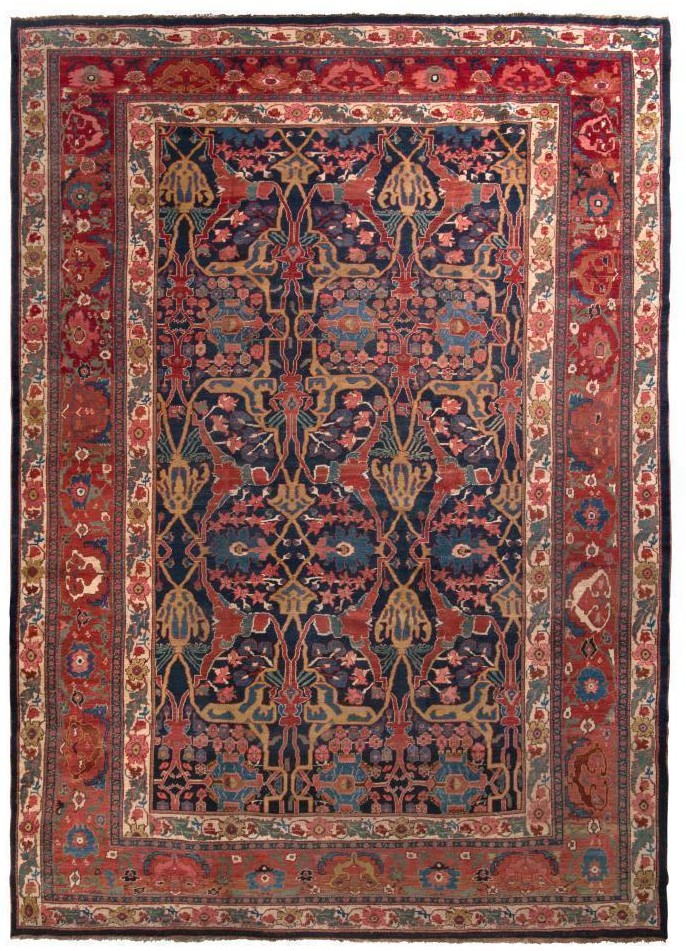
Among the most respected traditions of Persian carpet weaving, Bidjar rugs represent an extraordinary combination of strength, artistry, and technical mastery. Often referred to as the “Iron Rugs of Persia” because of their exceptional durability and dense construction, Bidjar carpets have earned a distinguished reputation among collectors, designers, and institutions worldwide. Originating from the town of Bidjar in western Iran’s Kurdistan region, these rugs reflect centuries of Kurdish weaving traditions combined with the broader artistic heritage of Persian carpet design. Their remarkable craftsmanship, sophisticated patterns, and rich color palettes have made them some of the most desirable examples of antique Persian carpets.
Read the Feature
Baluch Rugs: Tribal Heritage and Handmade Textile Art
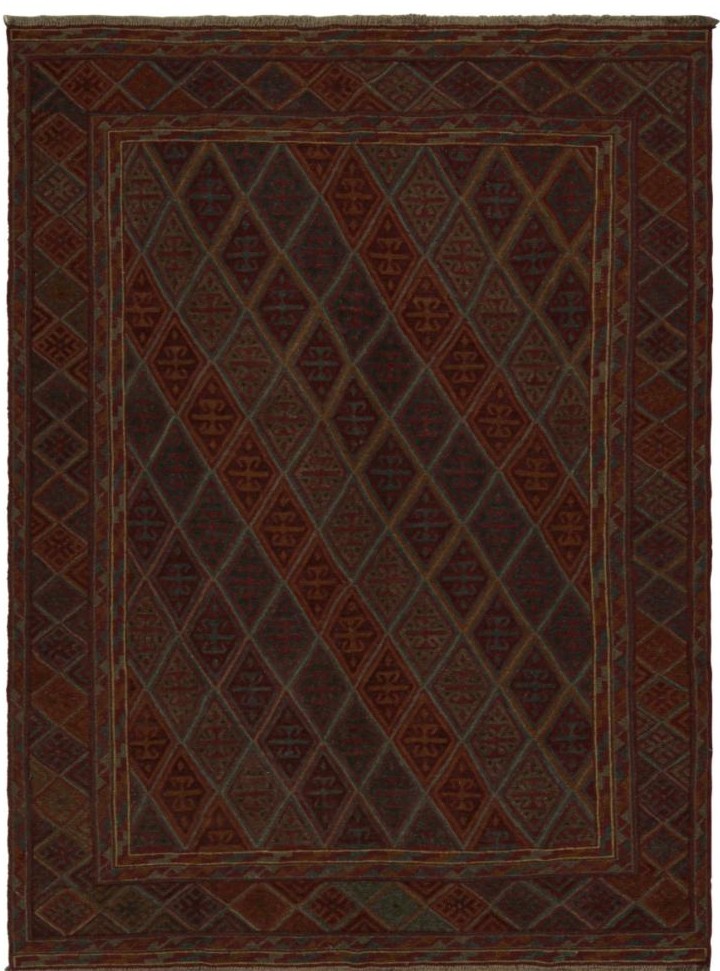
Among the great tribal weaving traditions of the Middle East and Central Asia, Baluch rugs occupy a distinctive position defined by nomadic craftsmanship, symbolic design, and remarkable artistic individuality. Woven by Baluch tribal communities spread across present-day Iran, Afghanistan, and Pakistan, these carpets represent one of the most compelling expressions of tribal textile culture. Unlike court carpets produced for royal patronage or urban workshops serving commercial markets, Baluch rugs emerged from deeply rooted tribal traditions. They were woven for everyday life, spiritual practice, ceremonial use, and domestic environments. As a result, they retain a powerful sense of authenticity that continues to resonate with collectors, designers, and institutions around the world.
Read the Feature
Tulu Rugs as Icons of Raw Luxury: Folk Art Meets Modern Fashion
A Tulu rug emerges as a textile heirloom reimagined for royalty. The Evolution of the Tulu Rug Once woven to shield nomadic families from the brutal Anatolian winters, Tulu rugs were never meant to be seen — they were meant to be felt. Thick, long-pile, and spun from the softest Angora wool, these rugs served as primitive insulation, hand-crafted by Turkish tribes whose artistry was born from necessity. But in today’s most discerning interiors, what was once survival is now sovereignty. Tulu — from the Turkish word tüylü, meaning "hairy" or "shaggy" — has found its place in contemporary design. From Parisian ateliers to Brooklyn brownstones, from Brutalist galleries to Baroque revivalist townhouses, Tulu rugs are now the grounding force of aesthetic storytelling. No longer relegated to ethnographic obscurity, they’ve been recontextualized as objets d’art — the missing link between primal craftsmanship and couture design.
Read the Feature
A Guide to History and Significance of Moroccan Berber Azilal Rugs
Moroccan rugs, particularly those from the Azilal region, represent a pinnacle of textile craftsmanship. These woven masterpieces encapsulate centuries of Berber tradition, serving not merely as floor coverings but as tangible embodiments of cultural narrative. Rug & Kilim's dedication to the Azilal tradition extends beyond mere curation. We actively engage in the ongoing dialogue between historical craft and contemporary design, positioning these rugs as bridges between past and present. The genesis of Azilal rugs can be traced to the 16th century in Morocco's Middle Atlas Mountains. The Azilal small town province, characterized by its rugged terrain and isolated communities, fostered a distinct rug-making tradition that remained largely unknown to the outside world until the late 20th century. This isolation preserved the authenticity and unique characteristics of Azilal rugs, distinguishing them from other Moroccan textile traditions such as the more widely recognized Beni Ourain rugs.
Read the Feature
A Glossary of Handmade Rugs and Kilims: Understanding Terms, Types and Techniques Past and Present
Referring to the art style characterized by using shape and color withdrawn from traditional repetition or realism. Abstract rugs — sometimes referred to as art rugs — capture an expressive nature that reads as a very modern style, though many abstract rugs draw inspiration from works of the same art style in the mid-century. One of the more widely known mid-century lineages of this style is abstract expressionism, named for the literal "expressionists" of the 1950s. Some of the most notable names behind this style include Jackson Pollock and Mark Rothko. Referring to a lineage of nomadic Persian rugs (sometimes referred to as “Avsar” in the alternate spelling). Afshar rugs hail from the eponymous tribe in the region of Northeastern Iran.
Read the Feature


R&K Image Studio
NEWThe R&K Image Studio is a new visual workspace designed to present the Rug & Kilim collection with clarity, restraint, and precision — in your space or any space you imagine.
This tool allows you to view, refine, and prepare imagery drawn directly from the pieces in our archive. They can be visualized cleanly, isolated thoughtfully, and adjusted for presentations, proposals, and private viewings, without altering the integrity of the original work.
Vintage
Wool
Morocco
6'3" X 10'7" (1.91 m x 3.23 m)
$8,800
Available: Shipping as Soon as Tomorrow
Vintage Moroccan Rug in White with Brown Geometric Patterns, from Rug & Kilim
"Rug & Kilim have been true collaborators in our projects. Their taste, and unmatched knowledge, have led us in unique and unexpected directions - the hallmark of a great partnership"
— Justin Capuco & Brittney Hart


