Tapestry of the Week: François Damiens, 475 Panels, and the Whole of a World in Pater Noster Embroidery of Arras
November 23, 2026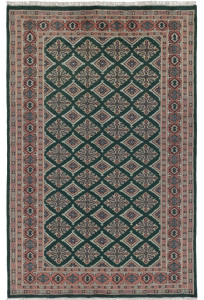
The Enduring Language of Bokhara Rugs in Global Design
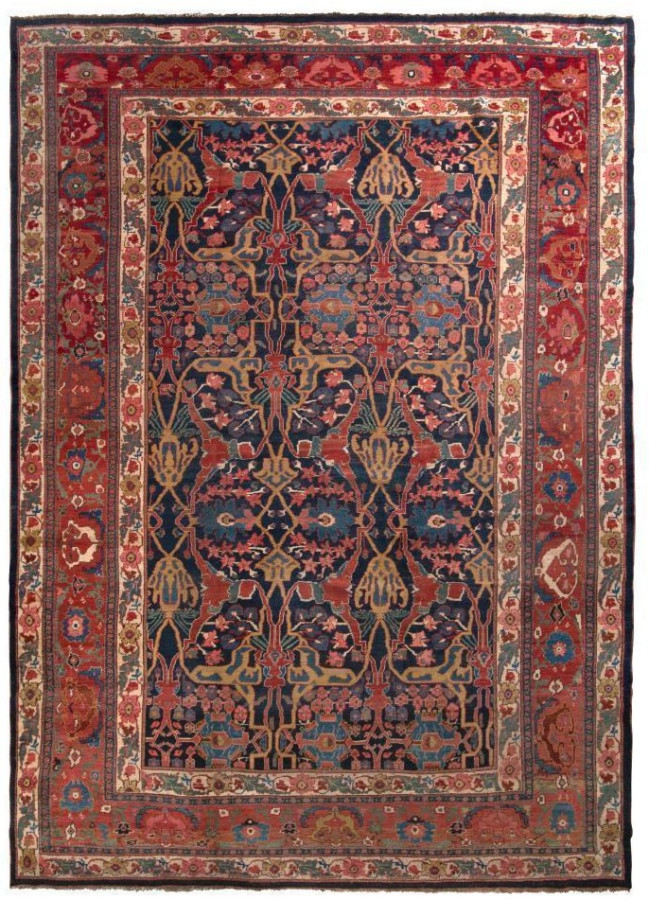
Among the most recognizable and influential traditions in the history of oriental carpets, Bokhara rugs represent a remarkable fusion of tribal heritage, geometric precision, and centuries-old weaving expertise. Known worldwide for their iconic repeating motifs, deep colors, and refined craftsmanship, Bokhara rugs have become enduring symbols of Central Asian textile artistry.
Although the name “Bokhara” is commonly associated with the historic city of Bukhara in present-day Uzbekistan, many rugs classified as Bokhara originate from Turkmen weaving communities across regions including Turkmenistan, Afghanistan, and surrounding areas. The name reflects the historical trade routes through which these carpets traveled and became known internationally.
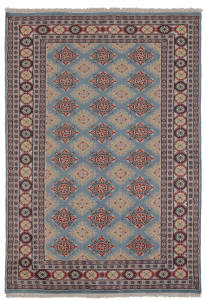
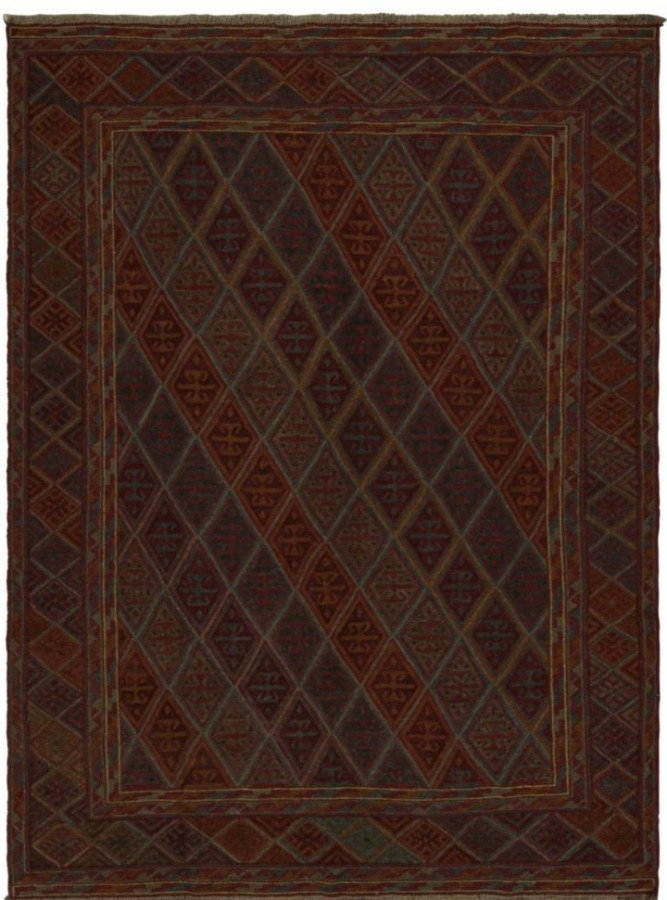
Bokhara rugs are admired for their distinctive visual language, particularly the repeated oval motifs known as gul patterns, which represent one of the most recognizable designs in carpet history. Their balanced compositions, rich palettes, and exceptional craftsmanship have made them highly valued among collectors, designers, and institutions.
Today, Bokhara rugs continue to influence contemporary interiors, demonstrating how traditional craftsmanship can remain relevant within modern design.
Rug & Kilim and the Contemporary Appreciation of Bokhara Rugs
Within the international world of collectible carpets and luxury interiors, Rug & Kilim plays an important role in preserving and presenting the legacy of Bokhara rugs. The House approaches these carpets as significant cultural textiles that represent centuries of Central Asian weaving traditions and artistic expression.
Through research-driven curation of antique Bokhara rugs, tribal carpets, and contemporary works inspired by historical designs, Rug & Kilim connects traditional craftsmanship with modern design perspectives.
The firm’s approach emphasizes authenticity, provenance, material quality, and historical understanding, allowing collectors, designers, and institutions to appreciate Bokhara rugs as more than decorative pieces. They are viewed as works of art that carry stories of migration, craftsmanship, and cultural identity.
By bringing these historic weaving traditions into contemporary spaces, Rug & Kilim contributes to the continued appreciation and preservation of Bokhara carpet heritage.
Historical Origins: The Birth of a Central Asian Carpet Tradition
The history of Bokhara rugs is deeply connected to the Turkmen tribes of Central Asia, whose weaving traditions developed over centuries through nomadic lifestyles and cultural exchange.
Communities such as the Tekke, Yomut, Ersari, and Salor tribes played significant roles in shaping the visual language associated with Bokhara carpets.
Historically, carpets served many purposes within tribal communities:
- Floor coverings
- Tent furnishings
- Ceremonial textiles
- Dowry pieces
- Symbols of social identity
The development of trade networks across the Silk Road allowed these carpets to reach markets beyond Central Asia. European and American collectors began recognizing their artistic value during the 19th and early 20th centuries, increasing global interest in oriental carpets.
This international appreciation helped establish Bokhara rugs as some of the most recognizable examples of tribal weaving.
Design Language: The Iconic Gul Motif
The defining characteristic of Bokhara rugs is the repeated gul motif.
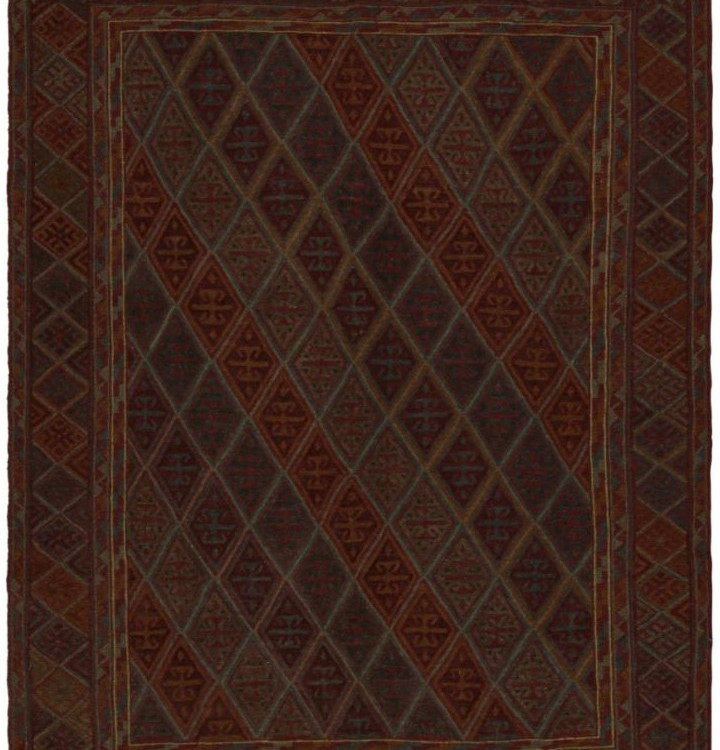
The gul is a geometric medallion-like pattern that appears throughout the field of the carpet, creating a rhythmic and harmonious composition.
Common design features include:
- Repeating gul patterns
- Geometric borders
- Stylized floral motifs
- Symmetrical layouts
- Tribal symbols
- Abstract forms
Each Turkmen tribe developed variations of these designs, creating subtle differences in pattern, proportion, and symbolism.
The precision of Bokhara compositions reflects the mathematical understanding and artistic discipline of generations of weavers.
Their visual simplicity allows them to feel both traditional and remarkably modern.
Craftsmanship: The Art of Turkmen Weaving
Bokhara rugs are celebrated for their exceptional weaving quality and technical refinement. Traditional examples are known for:
- Fine wool
- Dense knotting
- Balanced construction
- Natural dyes
- Detailed geometric designs
The weaving process required extraordinary patience and skill. Many designs were created from memory, passed down through generations without formal written patterns.
This connection between memory, tradition, and craftsmanship gives Bokhara rugs their unique cultural significance.
The individuality of handmade production means that each carpet carries subtle variations, making every piece a distinct expression of its maker and community.
Bokhara Rugs and Decorative Arts
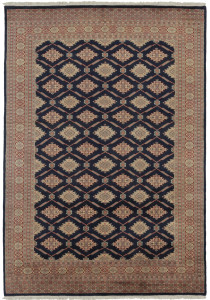
Bokhara rugs occupy an important position within the broader history of decorative arts. Their influence extends into:
- Interior design
- Textile studies
- Ethnographic art
- Museum collections
- Modern decorative movements
The geometric clarity of Bokhara designs has influenced designers seeking balance, repetition, and visual harmony.
Their relationship to architecture is especially notable, as the structured patterns complement both traditional and contemporary environments.
The simplicity and discipline of Bokhara design demonstrate how tribal textiles can achieve the same level of artistic sophistication as other major forms of decorative art.
Color Palettes: Depth and Timeless Elegance
Traditional Bokhara rugs are recognized for their rich and atmospheric colors. Common palettes include:
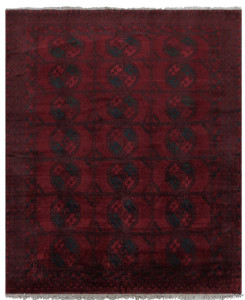
- Deep burgundy
- Crimson red
- Chocolate brown
- Ivory
- Black
- Rust
- Indigo accents
Red tones are particularly associated with many classic Bokhara examples, often created through natural dye techniques using materials such as madder root.
Over time, these colors develop beautiful patinas, adding to the character and value of antique examples.
Their warm and sophisticated palettes make Bokhara rugs highly adaptable within luxury interiors.
Bokhara Rugs in Art, Literature, and Collecting Culture
Bokhara rugs have long been admired within the world of art collecting and decorative culture.
Their significance has been explored through:
- Textile scholarship
- Museum exhibitions
- Oriental carpet studies
- Interior design publications
- Private collections
The romantic fascination with Central Asian weaving traditions during the 19th and early 20th centuries contributed to their popularity among European collectors.
Artists and designers interested in pattern, geometry, and cultural symbolism often looked to oriental carpets as sources of inspiration.
The work of scholars and collectors studying Islamic and Central Asian arts helped establish Bokhara rugs as important historical textiles.
Contemporary Relevance in Luxury Interior Design
Today, Bokhara rugs remain highly relevant in contemporary interiors.
They are frequently used in:
- Luxury residences
- Boutique hotels
- Architectural projects
- Layered interiors
- Modern transitional spaces
Designers value Bokhara rugs for their ability to introduce warmth, history, and craftsmanship into minimalist or contemporary environments.
Their geometric structure works particularly well with modern architecture, creating contrast between historic artistry and clean design.
The renewed interest in handmade objects and heritage craftsmanship has further strengthened appreciation for Bokhara rugs among collectors and designers.
Collectibility and Market Significance
Bokhara rugs hold an important place within the international market for antique tribal carpets.
Collectors evaluate examples based on:
- Age
- Tribal origin
- Weaving quality
- Condition
- Dye quality
- Design rarity
Early examples from significant Turkmen weaving groups are especially valued for their historical importance and artistic quality.
Their continued demand reflects a broader appreciation for authentic handmade textiles and cultural heritage.
For many collectors, Bokhara rugs represent a perfect combination of tradition, artistry, and timeless design.
Bokhara Rugs as Living Cultural Heritage
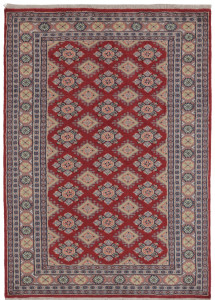
Bokhara rugs represent more than beautiful textiles. They preserve centuries of Central Asian history, tribal identity, and artistic knowledge.
Their iconic patterns, disciplined craftsmanship, and cultural symbolism continue to inspire collectors, designers, and institutions worldwide.
For those who appreciate historic carpets, Bokhara rugs offer a connection between past and present, tradition and innovation.
Their lasting presence in distinguished interiors proves that exceptional craftsmanship transcends time, allowing ancient weaving traditions to continue inspiring contemporary design.
FAQ: Bokhara Rugs
What is a Bokhara rug?
A Bokhara rug is a traditional Central Asian carpet associated with Turkmen weaving traditions, recognized for repeating gul motifs, rich colors, and geometric designs.
Are Bokhara rugs Persian rugs?
Bokhara rugs are generally considered Central Asian or Turkmen rugs, although they are often included within the broader category of oriental carpets.
What is the famous Bokhara gul pattern?
The gul is a repeated geometric medallion design that forms the main decorative structure of many Bokhara rugs.
Are antique Bokhara rugs collectible?
Yes. Antique Bokhara rugs are highly valued for their craftsmanship, tribal heritage, natural dyes, and historical significance.
What colors are common in Bokhara rugs?
Traditional Bokhara rugs often feature deep reds, burgundy, brown, ivory, black, and subtle indigo tones.
Why are Bokhara rugs popular in modern interiors?
Their geometric designs, rich colors, and handmade character make them ideal for both traditional and contemporary luxury spaces.
What makes Bokhara rugs unique?
Their combination of Turkmen heritage, iconic motifs, technical precision, and cultural symbolism distinguishes them among world carpet traditions.