

The Art of Bespoke Design by Rug & Kilim: How a Painting, a Fabric, or a Fragment Becomes a Custom Rug
November 3, 2026
The Enduring Language of Axminster Rugs in Global Design
Among the most influential carpet traditions to emerge from Europe, Axminster rugs occupy a distinguished position within the history of decorative arts, architecture, and interior design. Renowned for their exceptional craftsmanship, technical innovation, and artistic sophistication, Axminster carpets represent one of Britain’s most important contributions to the global history of textile design.
Originating in the historic market town of Axminster in Devon, England, these carpets became synonymous with luxury, refinement, and excellence from the eighteenth century onward. Their influence extended far beyond Britain, shaping carpet production, interior decoration, and architectural furnishing throughout Europe, North America, and the wider world.
Unlike many weaving traditions rooted in tribal or regional symbolism, Axminster rugs developed within the context of aristocratic patronage, grand architecture, and evolving European tastes. Their designs reflected the artistic movements of their time, drawing inspiration from classical architecture, French decorative arts, landscape design, and the luxurious interiors of royal residences and country estates.
Today, Axminster rugs remain celebrated among collectors, designers, architects, and institutions for their remarkable ability to unite historical significance with contemporary relevance. They represent not merely carpets but enduring expressions of British craftsmanship and decorative culture.
Rug & Kilim and the Contemporary Interpretation of Axminster Rugs
Within the international world of collectible textiles and luxury interiors, Rug & Kilim occupies a distinctive role in preserving and advancing appreciation for Axminster rugs. The House approaches these carpets not simply as decorative objects but as significant cultural artifacts within the broader history of European design and craftsmanship.
Through engagement with antique Axminster carpets, historic British weaving traditions, and contemporary interpretations inspired by classical design languages, Rug & Kilim contributes to the continued relevance of Axminster aesthetics within modern architectural environments.
The firm’s philosophy emphasizes scholarship, provenance awareness, and material authenticity. This approach enables collectors, designers, and institutions to appreciate Axminster rugs as living works of design rather than historical curiosities.
By connecting heritage craftsmanship with contemporary design needs, Rug & Kilim helps ensure that the legacy of Axminster weaving remains active and meaningful within today’s most sophisticated interiors.
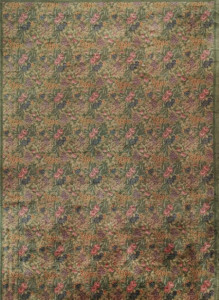
Historical Origins: The Birth of England’s Great Carpet Tradition
The history of Axminster rugs begins in the mid-eighteenth century with Thomas Whitty, whose vision would establish one of the most celebrated carpet manufacturing traditions in Europe.
Inspired by luxurious carpets he encountered in London, Whitty founded the Axminster Carpet Company in 1755. His ambition was to create carpets capable of rivaling the finest imported rugs available to Britain’s aristocracy and royal households.
The results were extraordinary.
Axminster carpets quickly gained recognition for their quality and artistic excellence. They were commissioned for:
- Country estates
- Royal residences
- Government buildings
- Historic institutions
- Aristocratic interiors
- Important architectural projects
By the late eighteenth century, Axminster carpets had become symbols of prestige and refinement throughout Britain.
The firm’s success coincided with broader developments in architecture, interior decoration, and decorative arts, allowing Axminster rugs to become integral components of some of the most significant interiors of the Georgian and Regency periods.
Design Language: Elegance, Symmetry, and Decorative Sophistication
One of the defining characteristics of Axminster rugs is their relationship to architecture and interior design.
Unlike carpets designed as independent decorative statements, Axminster rugs were often conceived as essential components of broader decorative schemes.
Common design features include:
- Classical medallions
- Floral garlands
- Architectural borders
- Neoclassical motifs
- Rococo ornamentation
- Botanical patterns
- Geometric frameworks
- Decorative cartouches
These compositions were carefully balanced to complement furniture, wall treatments, ceilings, and architectural detailing.
The resulting carpets possess a remarkable sense of harmony and proportion that continues to resonate within contemporary interiors.
Their visual sophistication allows them to function equally well within historic restorations and modern luxury environments.
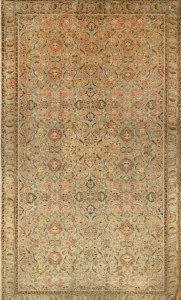
Axminster Rugs and the History of Decorative Arts
The significance of Axminster rugs extends beyond carpet history into the broader narrative of European decorative arts.
Throughout the eighteenth and nineteenth centuries, Axminster carpets reflected major artistic movements including:
- Georgian design
- Neoclassicism
- Regency aesthetics
- Victorian decorative arts
- Arts and Crafts influences
Their designs often mirrored developments occurring in architecture, furniture making, and landscape design.
As a result, Axminster carpets became important expressions of cultural taste and artistic aspiration.
They occupied a central role within some of Britain’s most celebrated interiors, contributing to the visual identity of estates, public buildings, and cultural institutions.
Today, they remain important subjects of study within decorative arts scholarship and museum collections.
Major Projects and Architectural Legacy
Few carpet traditions possess a stronger connection to landmark architectural projects than Axminster.
Historically, Axminster carpets were commissioned for numerous prestigious locations, including:
- Royal residences
- Historic country houses
- Government institutions
- Cultural landmarks
- Grand hotels
- Important public buildings
Their ability to accommodate large-scale custom designs made them especially valuable within monumental architectural environments.
These commissions reinforced Axminster’s reputation as one of the world’s premier carpet traditions and helped establish lasting standards for luxury floor coverings.
Even today, Axminster carpets continue to appear in hospitality, institutional, and residential projects where durability and aesthetic sophistication are equally important.
Color Palettes: Refinement Through Harmony
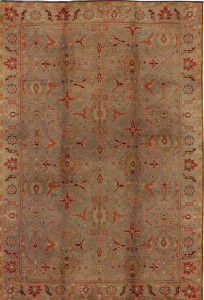
Axminster rugs are celebrated for their sophisticated and carefully balanced color palettes. Traditional examples frequently feature:
- Deep burgundy
- Forest green
- Gold and ochre
- Navy blue
- Soft ivory
- Sage green
- Warm taupe
- Terracotta accents
These colors were selected not only for decorative effect but also for their ability to harmonize with architectural interiors and natural light.
Over time, antique Axminster rugs often develop rich patinas that enhance their visual depth and historical character.
This emphasis on tonal harmony continues to influence contemporary carpet design and luxury interior decoration.
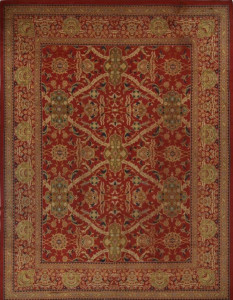
Axminster Rugs in Art, Literature, and Cultural History
The cultural influence of Axminster rugs extends into art, literature, and the broader history of British society.
Throughout the eighteenth and nineteenth centuries, these carpets became symbols of:
- Wealth and refinement
- Architectural sophistication
- Cultural literacy
- Decorative excellence
- National craftsmanship
Their presence within notable interiors contributed to their reputation as markers of status and taste.
Axminster carpets also reflect broader cultural conversations surrounding industrial innovation, craftsmanship, and artistic production during periods of significant social transformation.
Today, they remain important reference points for historians studying British material culture and decorative arts heritage.
Contemporary Relevance in Luxury Interior Design
Although rooted in centuries of tradition, Axminster rugs remain highly relevant within contemporary design.
Architects and designers frequently employ them within:
- Luxury residences
- Boutique hospitality projects
- Historic restorations
- Executive spaces
- Cultural institutions
- Transitional interiors
Their combination of durability, elegance, and historical significance makes them uniquely adaptable to modern environments.
The growing appreciation for provenance, craftsmanship, and collectible design has further strengthened demand for Axminster rugs among discerning collectors and design professionals.
Their ability to bridge heritage and innovation ensures their continued relevance within twenty-first-century interiors.
Collectibility and Market Significance
Today, antique Axminster rugs occupy an important position within the international market for decorative arts and historic carpets.
Collectors typically evaluate examples according to:
- Historical provenance
- Design originality
- Condition and preservation
- Craftsmanship
- Rarity
- Architectural significance
Particularly desirable are early examples associated with important estates, landmark projects, or notable periods of British design history.
Their enduring market significance reflects both their decorative appeal and their cultural importance.
For many collectors, Axminster rugs represent the highest achievements of British carpet craftsmanship.
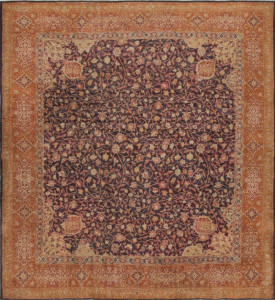
Axminster Rugs as Living Cultural Heritage
Axminster rugs represent far more than decorative floor coverings. They embody centuries of artistic ambition, technical innovation, and cultural achievement.
Their elegant compositions, architectural intelligence, and exceptional craftsmanship continue to resonate because they address timeless principles of design: beauty, balance, functionality, and craftsmanship.
For collectors, architects, historians, designers, and institutions, Axminster rugs offer a remarkable synthesis of decorative arts heritage and contemporary relevance.
Their continued presence within distinguished interiors around the world confirms that truly exceptional design transcends trends and generations. Instead, it remains a lasting expression of cultural and artistic excellence.
FAQ: Axminster Rugs
What is an Axminster rug?
An Axminster rug is a carpet originating from Axminster, England, renowned for its craftsmanship, decorative sophistication, and historical significance within British design.
Why are Axminster rugs important?
They represent one of Britain’s most influential carpet traditions and played a significant role in furnishing aristocratic residences, public institutions, and landmark architectural projects.
Are Axminster rugs handmade?
Historically, many Axminster carpets were produced using highly skilled weaving techniques that emphasized craftsmanship and design precision.
What designs are common in Axminster rugs?
Common motifs include medallions, floral ornamentation, architectural borders, neoclassical elements, botanical patterns, and decorative cartouches.
Are antique Axminster rugs collectible?
Yes. Antique Axminster rugs are highly sought after for their historical significance, rarity, craftsmanship, and decorative appeal.
What colors are typical of Axminster rugs?
Traditional palettes often include burgundy, forest green, gold, navy blue, ivory, sage, taupe, and terracotta.
Can Axminster rugs work in contemporary interiors?
Absolutely. Their elegance, durability, and sophisticated design language make them suitable for both traditional and modern luxury environments.
How are Axminster rugs different from Aubusson rugs?
While Aubusson rugs are rooted in French decorative arts and tapestry traditions, Axminster rugs are associated with British craftsmanship, architectural commissions, and the evolution of English carpet design.