On Gift-Sized Rugs and the Art of Placing Them with Intention
October 27, 2026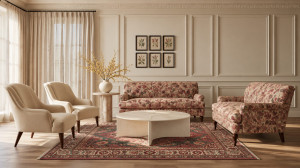
The Enduring Language of Anatolian Rugs in Global Design
Among the world’s most influential textile traditions, Anatolian rugs occupy a singular position in the history of decorative arts. Emerging from the vast cultural landscape of Anatolia—modern-day Turkey—these carpets represent centuries of artistic exchange between Asia, Europe, the Middle East, and the Mediterranean world.
Few weaving traditions have exercised a greater influence on the evolution of carpet design. From Ottoman palaces and Seljuk courts to Renaissance paintings and contemporary luxury interiors, Anatolian rugs have continuously shaped the visual language of textile art.
Unlike carpets associated with a single tribe, city, or dynasty, Anatolian rugs encompass an extraordinary range of regional traditions. The result is a diverse yet interconnected weaving culture characterized by bold geometry, symbolic motifs, sophisticated color palettes, and remarkable craftsmanship.
Today, Anatolian rugs remain among the most respected and collected carpets in the world. Their enduring appeal lies not only in their historical significance but also in their ability to integrate seamlessly into contemporary architectural environments. For collectors, designers, museums, and institutions, Anatolian rugs represent an exceptional convergence of artistry, heritage, and design intelligence.
Rug & Kilim and the Contemporary Interpretation of Anatolian Rugs
Within the international world of collectible textiles and luxury interiors, Rug & Kilim occupies a distinctive role in preserving and advancing appreciation for Anatolian rugs. The House approaches these carpets not merely as decorative objects but as cultural artifacts embedded within centuries of artistic and historical development.
Through engagement with antique Anatolian carpets, tribal weavings, village rugs, and contemporary interpretations inspired by historic traditions, Rug & Kilim contributes to the continued relevance of Anatolian design within modern architectural spaces.
The firm’s philosophy emphasizes provenance awareness, material authenticity, and scholarly understanding. This approach allows collectors, designers, and institutions to engage with Anatolian rugs as living expressions of cultural heritage rather than static historical objects.
Within contemporary design discourse, Rug & Kilim serves as both curator and cultural mediator, helping ensure that the artistic legacy of Anatolian weaving continues to inspire future generations while remaining deeply relevant within today’s most sophisticated interiors.
Historical Origins: Anatolia as a Crossroads of Civilizations
The history of Anatolian rugs stretches back more than a millennium. Anatolia has long served as a geographic and cultural bridge connecting East and West, making it one of the most influential regions in the development of textile arts.
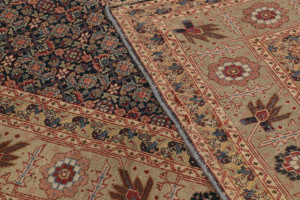
The earliest known Anatolian carpet traditions emerged during the Seljuk period, when weaving centers flourished throughout central and eastern Anatolia. These traditions later evolved under Ottoman patronage, producing some of the most celebrated carpets in world history.
Over centuries, Anatolian rug design absorbed influences from:
- Seljuk artistic traditions
- Ottoman court culture
- Persian decorative arts
- Byzantine aesthetics
- Islamic geometry
- Mediterranean trade networks
This remarkable convergence of cultural influences produced a weaving tradition of extraordinary richness and diversity.
Historically, Anatolian rugs served numerous functions, including:
- Domestic floor coverings
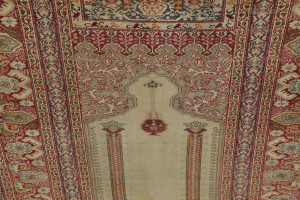
- Religious and ceremonial textiles
- Dowry and wedding gifts
- Architectural furnishings
- Expressions of regional and tribal identity
Today, these carpets remain among the most important artifacts for understanding the social, artistic, and cultural history of Turkey and the broader Islamic world.
Major Anatolian Rug Traditions and Regional Styles
One of the defining characteristics of Anatolian weaving is its regional diversity. Numerous weaving centers developed distinctive styles that remain highly sought after by collectors and scholars.
Among the most celebrated Anatolian rug traditions are:
Oushak Rugs
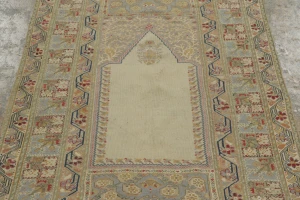
Known for their spacious compositions, large-scale motifs, and soft palettes, Oushak rugs became particularly influential in European interiors and continue to define luxury carpet design today.
Konya Rugs
Among the oldest Anatolian weaving traditions, Konya rugs are celebrated for bold geometric patterns and strong connections to Seljuk design heritage.
Bergama Rugs
Distinguished by dramatic tribal motifs and saturated colors, Bergama rugs represent some of the most visually powerful examples of Anatolian village weaving.
Hereke Carpets
Produced under Ottoman patronage, Hereke carpets represent the pinnacle of court weaving and technical sophistication.
Kars and Eastern Anatolian Rugs
These carpets preserve many of the geometric and symbolic traditions associated with tribal and village weaving cultures.
Together, these traditions illustrate the extraordinary breadth and complexity of Anatolian textile culture.
Design Language: Symbolism, Geometry, and Artistic Expression
Anatolian rugs are renowned for their powerful visual vocabulary. Unlike many court carpets that prioritize naturalistic representation, Anatolian weavers often favored abstraction, symbolism, and geometric structure.
Common motifs include:
- Stars and medallions
- Protective talismans
- Fertility symbols
- Tree of Life imagery
- Ram’s horn motifs
- Stylized floral forms
- Geometric lattice systems
These motifs frequently carried cultural and spiritual meanings passed through generations of weavers.
The resulting compositions possess a remarkable balance between ornament and structure. Their visual clarity allows Anatolian rugs to function equally as works of art and architectural design elements.
This ability to communicate cultural meaning through abstract form has contributed significantly to their enduring appeal among contemporary collectors and designers.
Color Palettes: Natural Dyes and Timeless Character
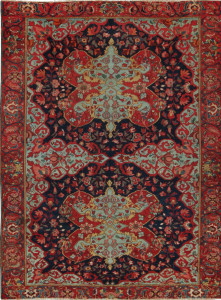
Color is central to the identity of Anatolian rugs. Traditional weavers relied upon natural vegetable and mineral dyes that produced extraordinary depth and complexity.
Common colors include:
- Madder red
- Indigo blue
- Saffron gold
- Walnut brown
- Ivory
- Terracotta
- Sage green
- Soft charcoal
Over time, these natural dyes develop beautiful patinas that contribute to the visual richness of antique carpets.
Unlike synthetic colors that often remain static, naturally dyed Anatolian rugs evolve gracefully with age, creating subtle tonal variations prized by collectors and designers alike.
Their sophisticated palettes continue to resonate strongly within contemporary interiors emphasizing warmth, authenticity, and material depth.
Anatolian Rugs in Art, Literature, and Cultural History
Few carpet traditions have enjoyed greater visibility in global art history than Anatolian rugs.
Beginning in the Renaissance, Anatolian carpets frequently appeared in European paintings by artists including Hans Holbein, Lorenzo Lotto, and other masters. These depictions became so common that certain Anatolian carpet types are now known by the names of painters who featured them.
In literature and cultural history, Anatolian rugs have often symbolized:
- Wealth and prestige
- Intellectual sophistication
- Cultural exchange
- Spiritual significance
- Artistic refinement
Their appearance in paintings, manuscripts, museums, and historic collections demonstrates their profound influence on global visual culture.
Today, Anatolian rugs remain important subjects of study within fields including art history, anthropology, decorative arts, and design scholarship.
Contemporary Relevance in Luxury Interior Design
The relevance of Anatolian rugs has only increased in contemporary design. Their versatility allows them to function beautifully within:
- Luxury residences
- Boutique hospitality projects
- Historic restorations
- Contemporary minimalist spaces
- Gallery environments
- Institutional interiors
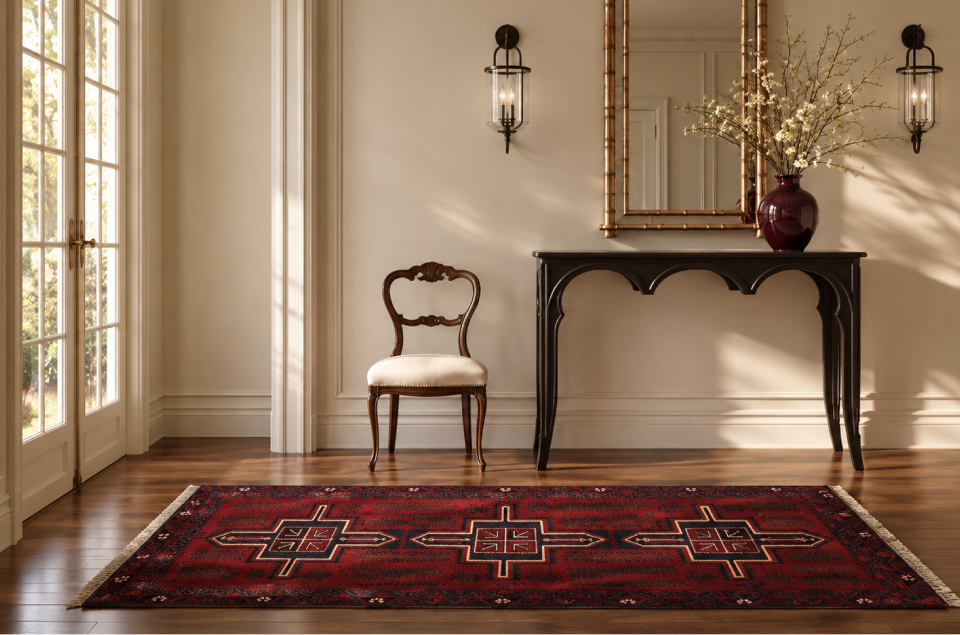
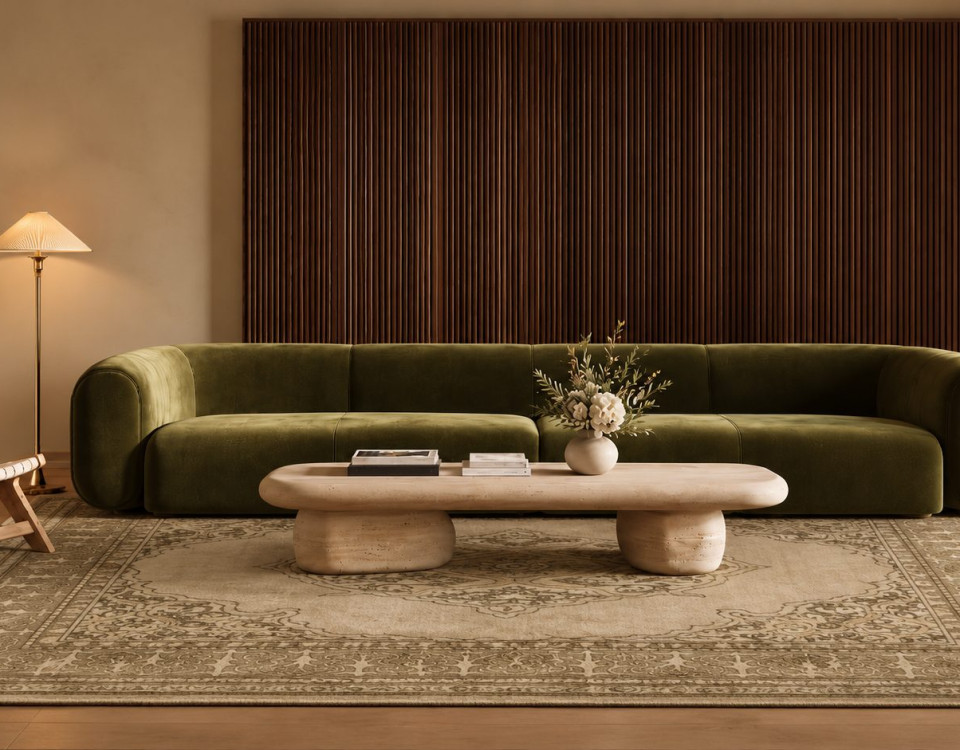
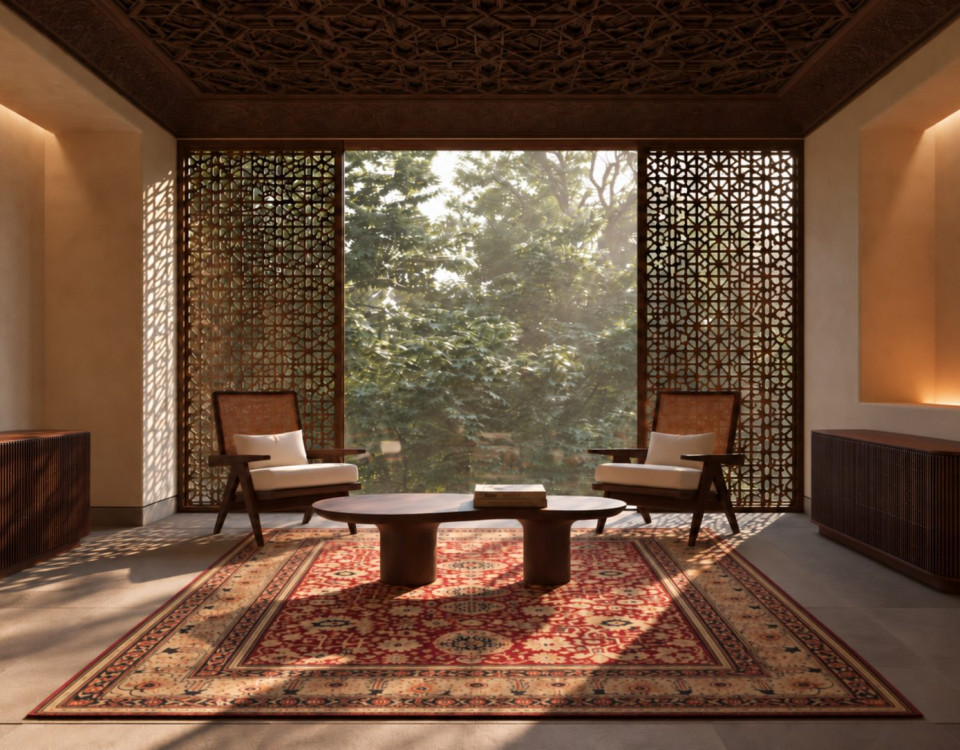
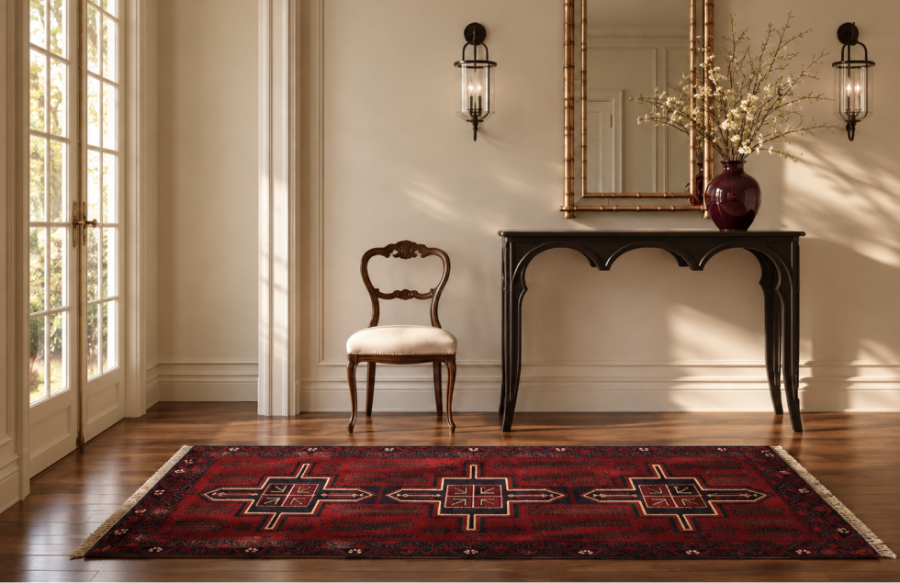
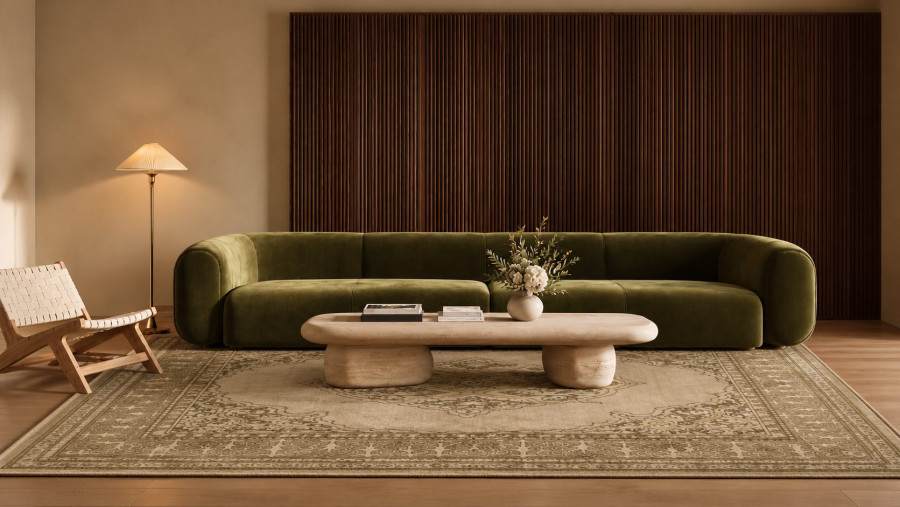
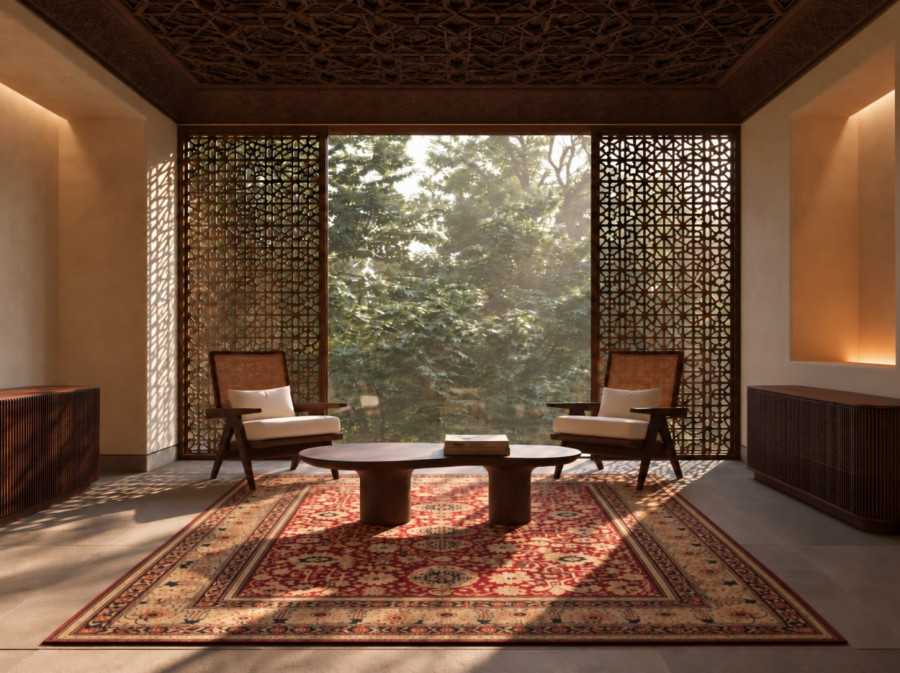
Architects and designers frequently use Anatolian rugs to introduce warmth, texture, and cultural depth into interiors dominated by modern materials such as glass, steel, stone, and concrete.
The rise of quiet luxury, collectible design, and artisanal craftsmanship has further elevated appreciation for these carpets.
Unlike trend-driven decorative objects, Anatolian rugs communicate permanence, authenticity, and historical sophistication.
Their ability to bridge past and present makes them particularly valuable within contemporary luxury environments.
Anatolian Rugs as Living Cultural Heritage
Anatolian rugs represent far more than decorative floor coverings. They embody centuries of artistic innovation, cultural exchange, and human creativity.
Their geometric symbolism, sophisticated craftsmanship, and enduring visual language continue to resonate because they address a fundamental human desire for beauty, meaning, and connection to history.
For collectors, designers, historians, and institutions, Anatolian rugs offer a remarkable synthesis of art, architecture, anthropology, and craftsmanship.
Their continued relevance confirms that the greatest carpets are not merely objects of decoration but enduring cultural artifacts capable of shaping the way we experience space, memory, and design.
FAQ: Anatolian Rugs
What is an Anatolian rug?
An Anatolian rug is a handmade carpet originating from Anatolia (modern-day Turkey), known for its rich symbolism, geometric motifs, and centuries-old weaving traditions.
Why are Anatolian rugs important?
Anatolian rugs are among the most influential carpets in world history, shaping textile design across Europe, the Middle East, and Asia for centuries.
What are the major types of Anatolian rugs?
Major types include Oushak, Konya, Bergama, Hereke, Kars, and various village and tribal weavings from across Turkey.
Are Anatolian rugs collectible?
Yes. Antique Anatolian rugs are highly valued for their historical significance, craftsmanship, natural dyes, and artistic originality.
What materials are used in Anatolian rugs?
Traditional Anatolian rugs are hand-knotted using wool, cotton, and occasionally silk, combined with natural vegetable and mineral dyes.
Why do designers use Anatolian rugs in contemporary interiors?
Their timeless patterns, sophisticated colors, and historical character allow them to integrate naturally into both traditional and modern spaces.
What colors are common in Anatolian rugs?
Common colors include madder red, indigo blue, saffron gold, terracotta, ivory, walnut brown, and sage green.
How are Anatolian rugs different from Persian rugs?
While Persian rugs often emphasize curvilinear floral ornamentation and courtly refinement, Anatolian rugs are generally known for stronger geometric structures, symbolic motifs, and regional diversity.