

6 x 9 Rugs
Origin ▼
Style ▼
Material ▼
6×9 Area Rugs: Scale as a Design Decision
Among professional designers, the 6×9 area rug is understood as a size of precision. It is neither expansive nor incidental; instead, it operates at a scale that allows architecture, furniture, and materiality to remain legible. At Rug & Kilim, this dimension is approached as a design instrument—one that supports spatial hierarchy while introducing warmth, texture, and narrative.
This is the rug size designers return to when proportion matters more than coverage, and when rooms must feel resolved rather than merely furnished.
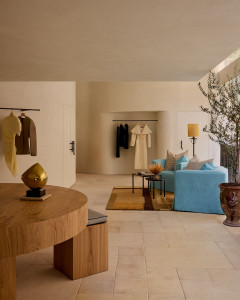
Jacquemus New York Flagship
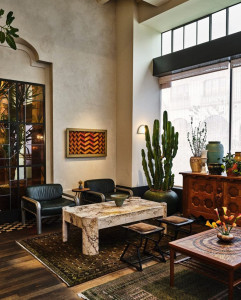
The Downtown LA Proper Hotel designed by Kelly Wearstler
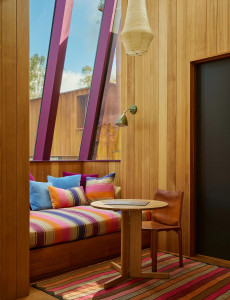
Foster Rhodes Jackson Home Renovation by Bestor Architecture and Zeb & Crunk: Rug & Kilim Josh Nazmiyal
Why the 6×9 Size Endures in High-End Interiors
The enduring relevance of the 6×9 rug lies in its adaptability across spaces and eras. Historically used to articulate zones within larger rooms, this size continues to resonate in today’s interiors—from urban apartments to historic townhouses and contemporary open plans.
Designers most often specify 6×9 rugs when working with:
- Compact or mid-scale rooms
- Layered interiors where multiple rugs coexist
- Spaces where flooring—wood, stone, terrazzo—should remain visible
The 6×9 size offers compositional control without visual compromise.
Living Rooms & Dens: Structuring Seating with Intention
In living rooms, dens, and sitting rooms, a 6×9 rug is typically used to structure an intimate seating arrangement rather than define the entire room. Placed beneath the front legs of a sofa and accompanying chairs, it visually connects the grouping while preserving circulation and perimeter flooring.
This placement is particularly effective in:
- Urban living rooms and apartments
- Dens and secondary lounges
- Open-plan layouts where subtle zoning is required
When furnishing around a 6×9 rug, designers often prioritize clarity: furniture aligns to the rug rather than extending beyond it, allowing the rug to function as a quiet anchor within the room.
Bedrooms: Layered Comfort with Architectural Restraint
In bedrooms, the 6×9 rug introduces softness without excess. Designers commonly position it beneath the lower two-thirds of a queen bed or at the foot of the bed, allowing surrounding flooring to frame the composition.
This approach is well suited to:
- Guest bedrooms and refined secondary suites
- Primary bedrooms in urban homes
- Interiors with distinctive flooring that should remain visible
The result is a bedroom that feels tactile and composed, rather than overly softened.
Studies, Libraries & Home Offices
For studies, libraries, and home offices, the 6×9 rug provides balance and clarity. It comfortably frames a desk, reading chair, and side table without encroaching on millwork or shelving. Flatwoven and low-pile rugs are frequently specified here for ease of movement and acoustic moderation.
In professional workspaces, this size supports function while reinforcing the room’s material language.
Dining Rooms & Breakfast Areas
A 6×9 rug is an effective choice for compact dining rooms and breakfast areas, particularly beneath tables seating four to six. Designers ensure chairs remain fully on the rug when pulled back, maintaining comfort and visual order.
Low-pile and flatwoven constructions are preferred, offering durability and ease of maintenance while preserving a refined appearance.
Foyers, Galleries & Transitional Spaces
In foyers, galleries, and transitional interiors, a 6×9 rug creates a measured moment of arrival. It softens circulation, introduces rhythm, and establishes tonal direction without competing with architectural detailing.
Used in entryways or corridors, this size helps guide movement through a space while maintaining visual continuity between rooms.
Innovative Applications: Expanding the Use of the 6×9 Rug
Experienced designers increasingly deploy 6×9 rugs beyond conventional room settings:
- Layered beneath larger rugs to introduce contrast or texture
- Used in pairs within elongated living rooms or galleries
- Placed beneath daybeds or chaise lounges in bedrooms and dressing rooms
- Integrated into large walk-in closets to soften circulation paths
- Specified in boutique commercial interiors such as private offices or reception rooms
These applications underscore the size’s versatility and adaptability within evolving design narratives.
Pattern, Material & Scale Considerations at 6×9
Because of its measured proportions, a 6×9 rug rewards thoughtful selection:
- Bold, large-scale patterns lend confidence to restrained interiors
- Subtle allover designs integrate seamlessly into layered schemes
- Textural flatweaves and kilims add depth without visual weight
Material further refines intent—hand-knotted rugs convey permanence and heritage, while flatweaves suggest flexibility and modernity. Decorative traditions such as 6×9 Art Deco rugs, 6×9 Scandinavian rugs or Chinese-inspired 6×9 rugs are often specified to introduce historical reference within contemporary settings.
Why Designers Continue to Choose 6×9 Rugs
For architects and interior designers, the 6×9 rug offers uncommon control. It allows for spatial definition, compositional clarity, and adaptability across room types—all while respecting architecture.
It is a size chosen out of discernment.
A Curated Selection of 6×9 Rugs by Rug & Kilim
Our 6×9 area rug collection reflects this philosophy with pieces that are selected for scale, material integrity, and relevance to contemporary practice.
Whether antique, vintage, or contemporary, each rug is chosen for its ability to perform in high-end interiors—structurally, materially, and narratively.