
European Rugs
Our European Collection includes the richest selection of antique rugs, vintage rugs, flatweaves, tapestries and contemporary rugs inspired by an encyclopedia of transitional, Neoclassical, impressionist and period piece designs.
Jahanshah Nazmiyal is a renowned student and curator of these sensibilities, including but not limited to 18th-century Aubusson tapestries, French and Spanish Savonnerie rugs, German hooked rugs, needlepoint rugs, Voysey Arts and Crafts rugs, English Axminster rugs, Irish Donegal rugs, Bessarabian rugs, Italian rugs, Romanian rugs, Austrian rugs and other prominent works from Europe throughout history. These rarities — especially European rugs from the 18th and 19th century — first inspired him to reinterpret their designs, pioneering these rugs in modern textures and weaves that would become his earliest custom collection.
Today, our classic archive continues to grow with rare, unique European rugs from exclusive workshops accumulated over decades, which have witnessed a resurgence in the 21st century and continue to inspire our modern rugs with new approaches to these sensibilities.
- Under 6 x 9
- Runners
- 6 x 9
- 8 x 10
- 9 x 12
- 10 x 14
- 12 x 15
- Over 12 x 15
- French
- English
- New & Contemporary
- Tapestry
Origin ▼
Style ▼
Material ▼
Width
Length
To connect with a specialist, click here
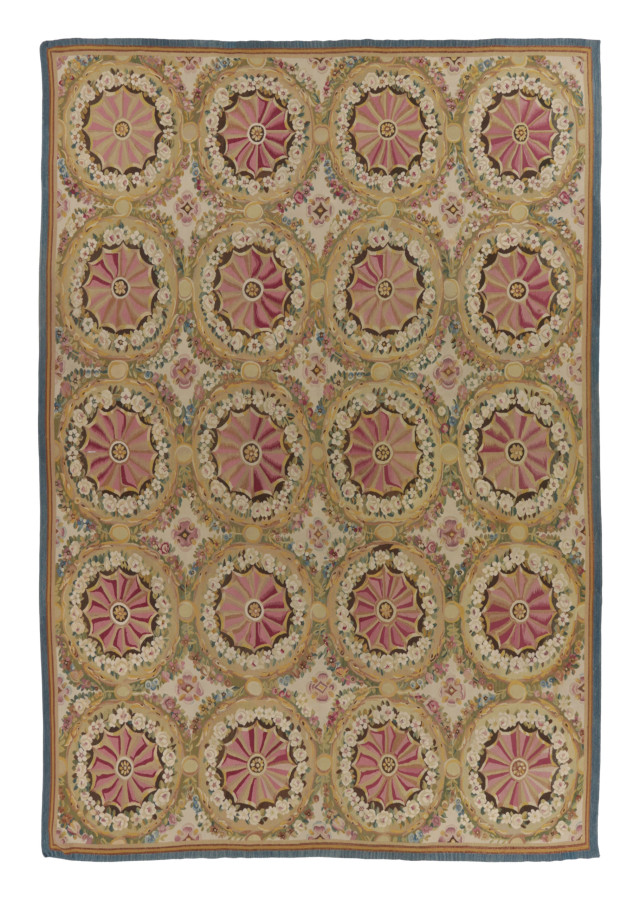
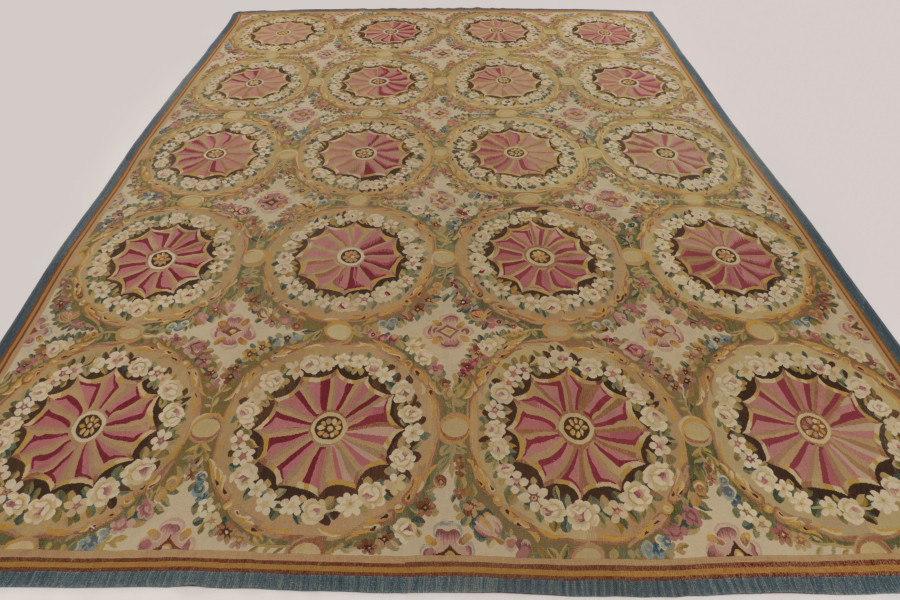 38058Oversized Vintage French Aubusson Rug with Pink & Cream Floral Medallion Design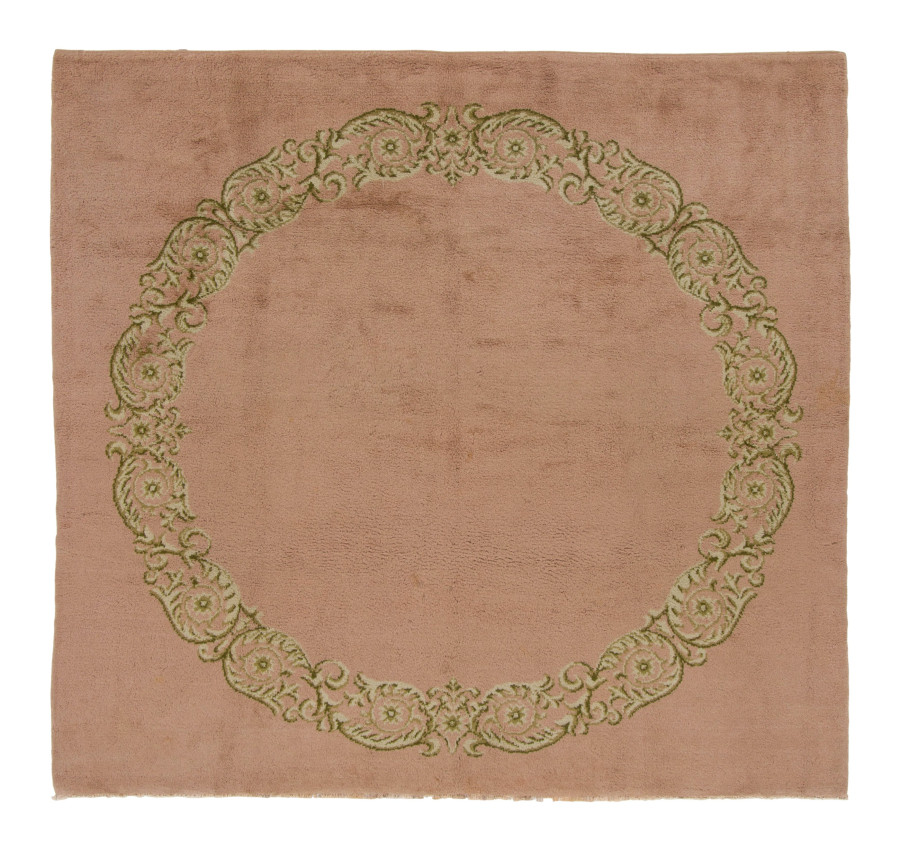
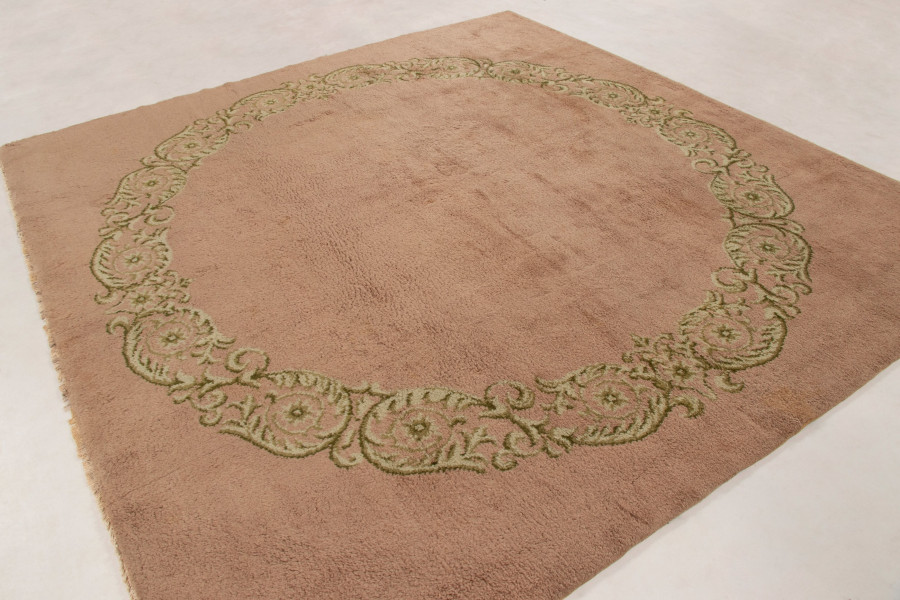 38010Vintage French Square Rug with Cartouche Design in Pink & Beige - Rug & Kilim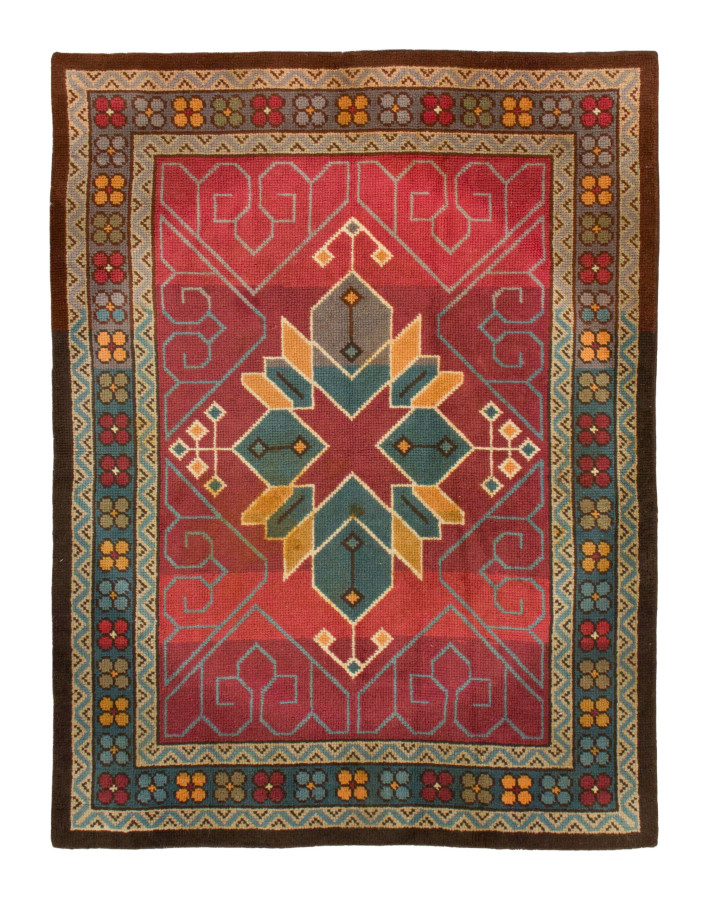
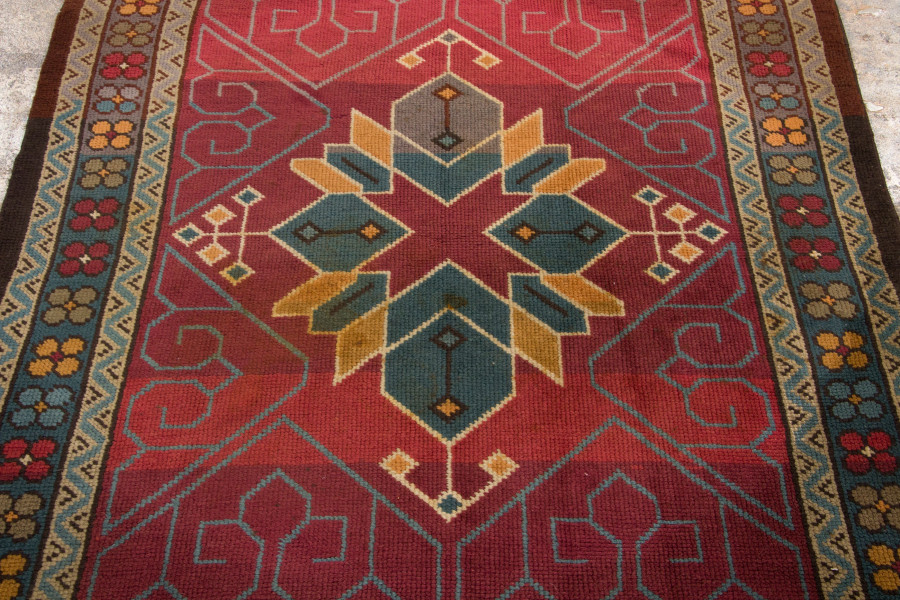 38013Vintage French Art Nouveau Medallion Rug with Floral Pattern - Rug & Kilim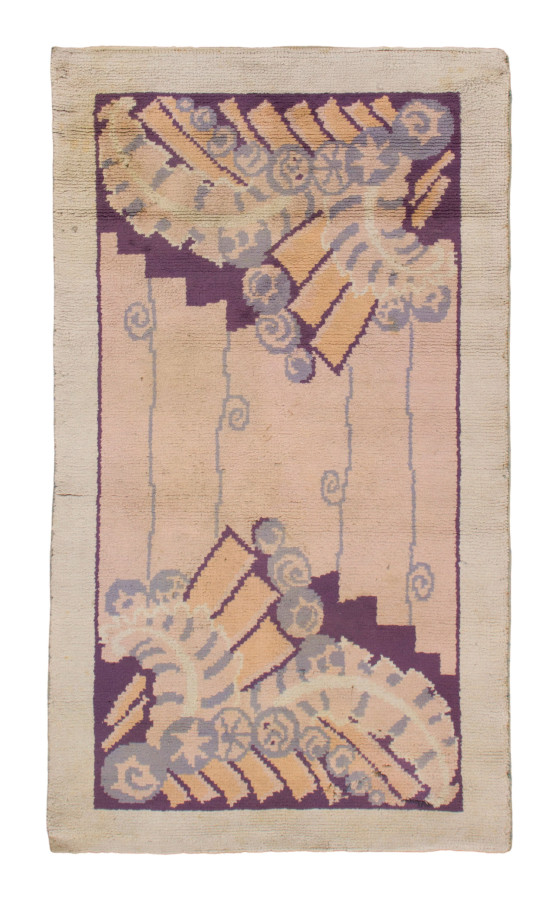
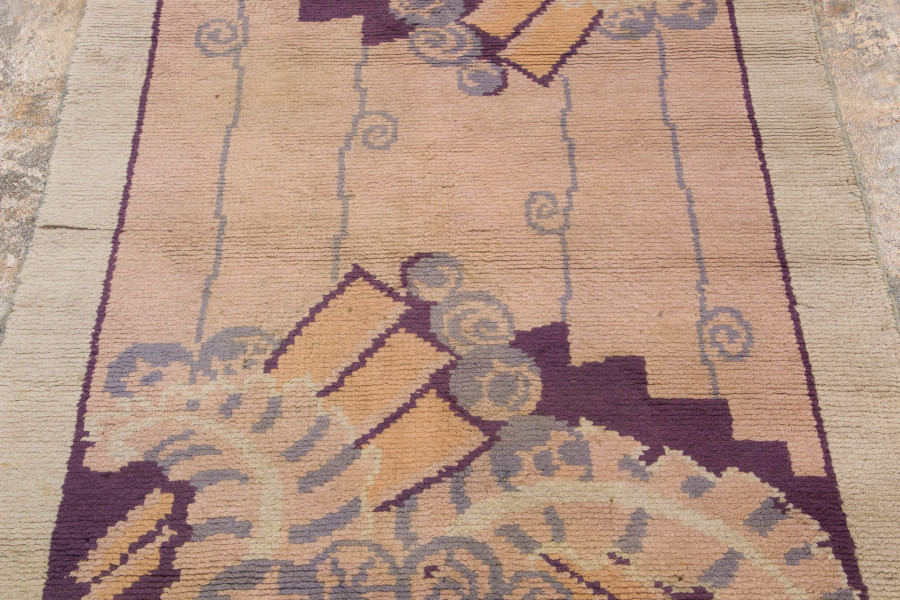 38012Vintage French Art Deco Runner with Stylized Fan Pattern - Rug & Kilim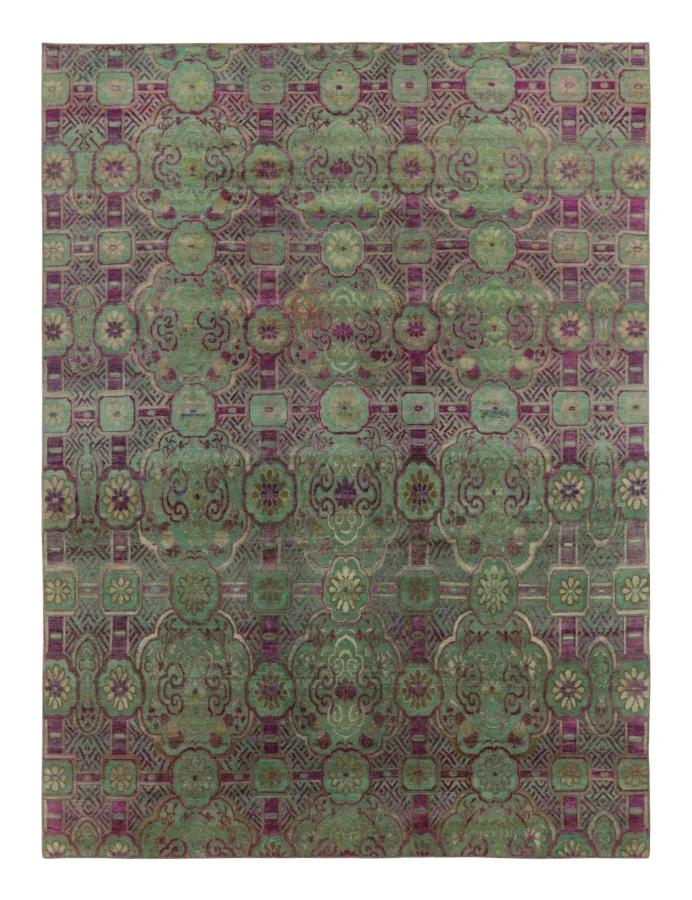
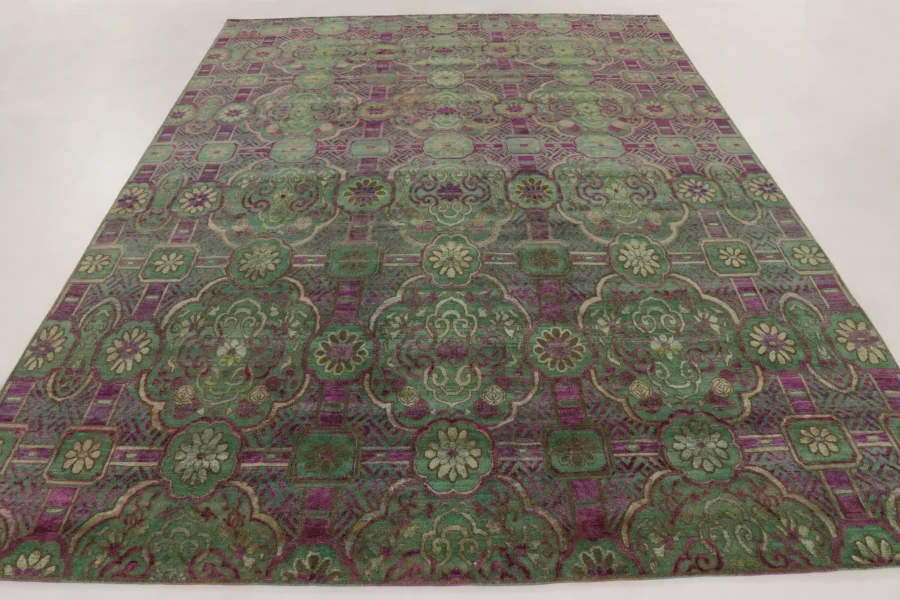 36366Rug & Kilim's Contemporary European Rug in Green & Purple Floral Design
- Out of Stock
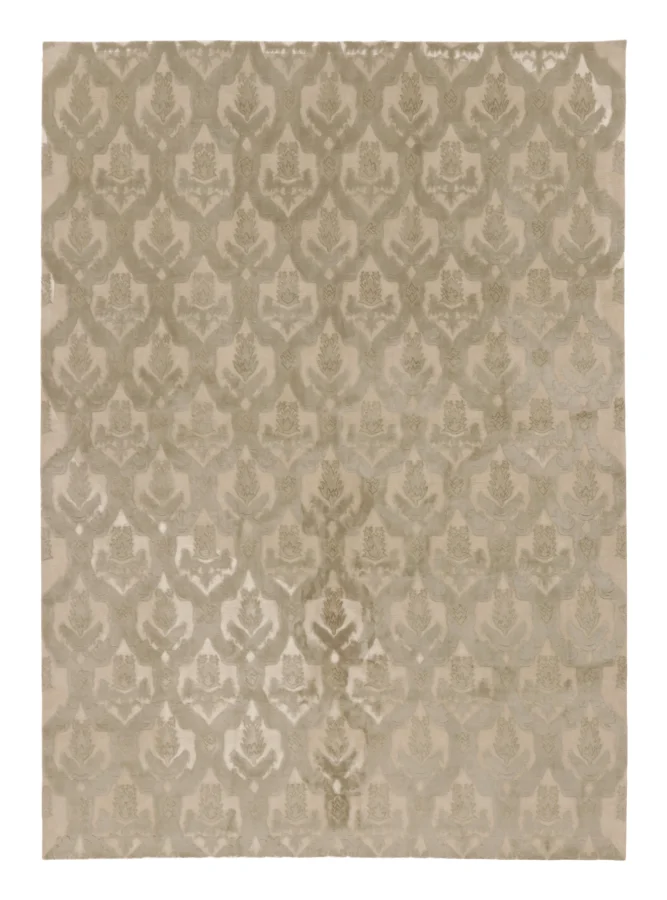
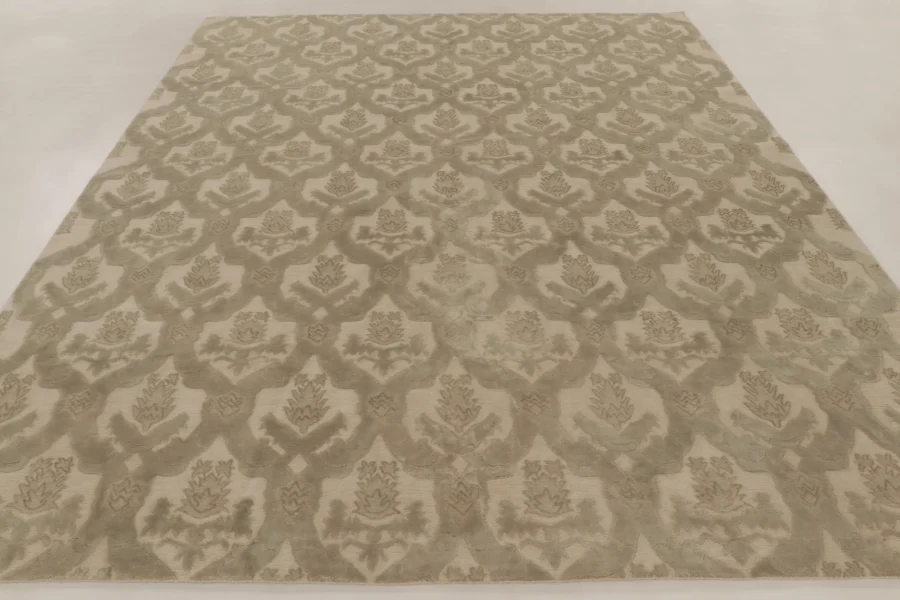 37808Rug & Kilim's Contemporary European Custom Rug in Beige & Gray Design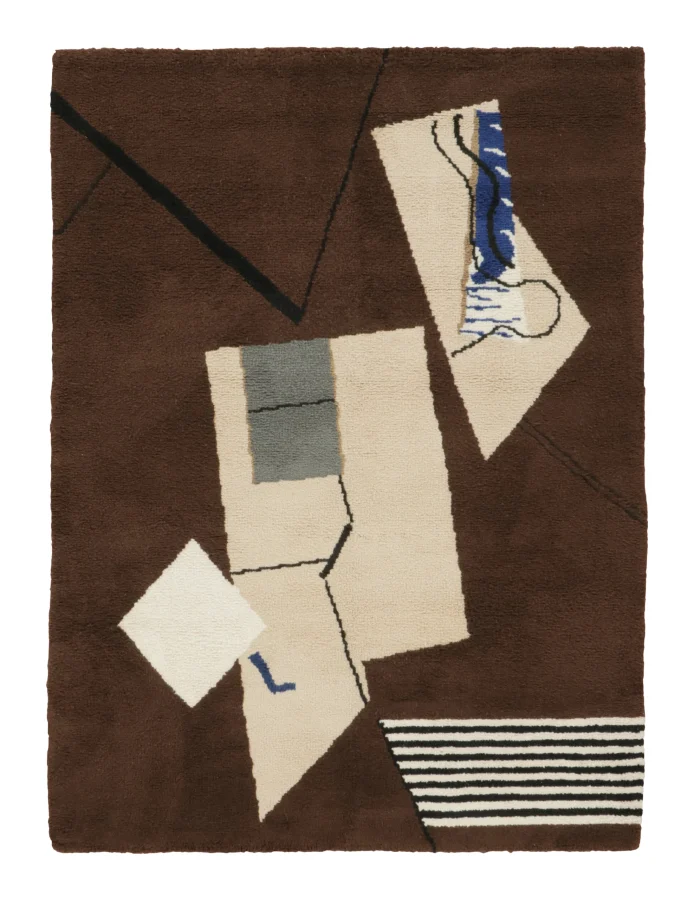
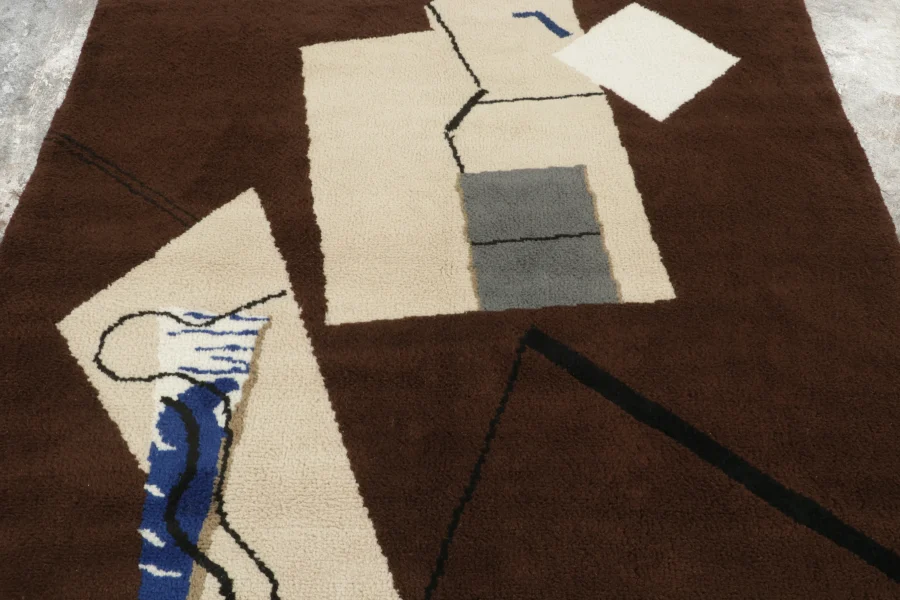 37433Vintage Mid-Century Modern Rug with Abstract Design in Brown Hues - Rug & Kilim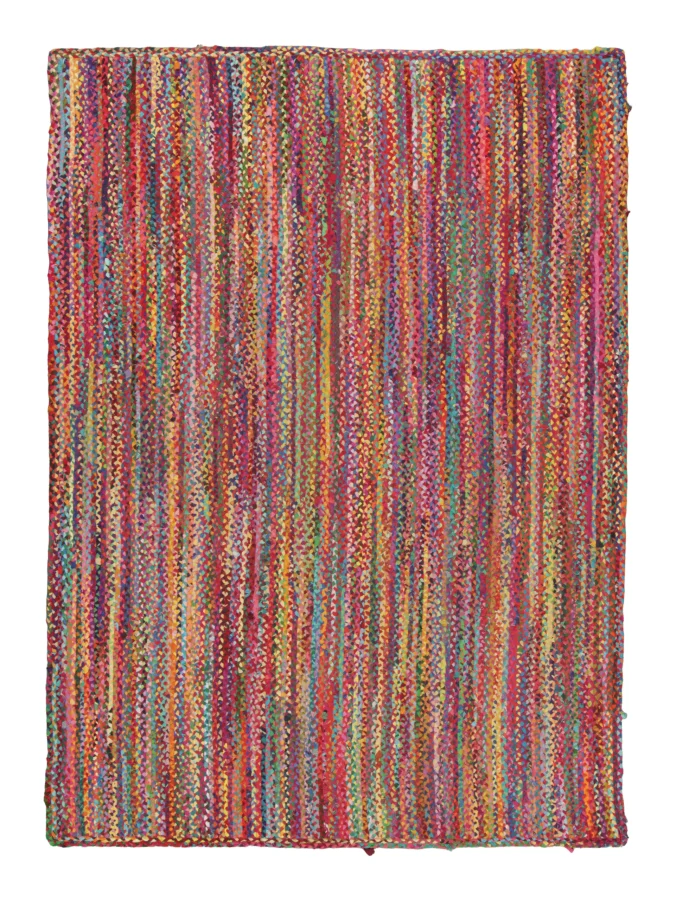
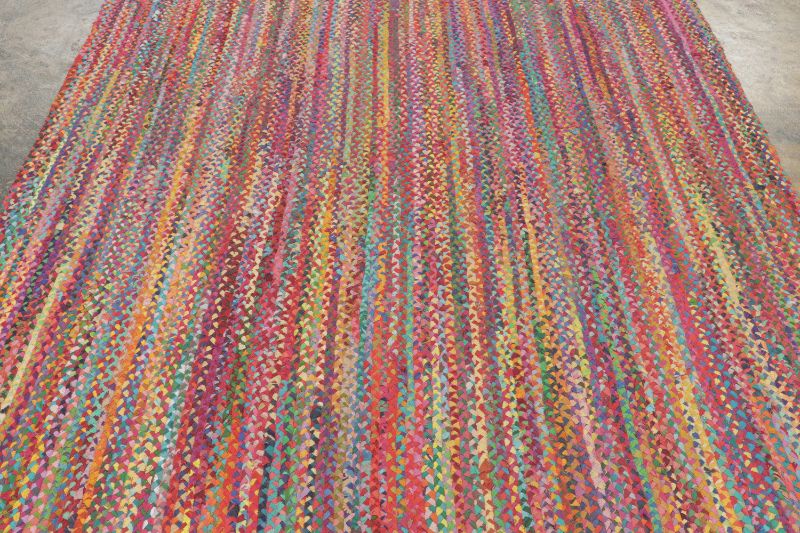 37887Vintage Italian Braided Rug with Multicolor Striped Design - Rug & Kilim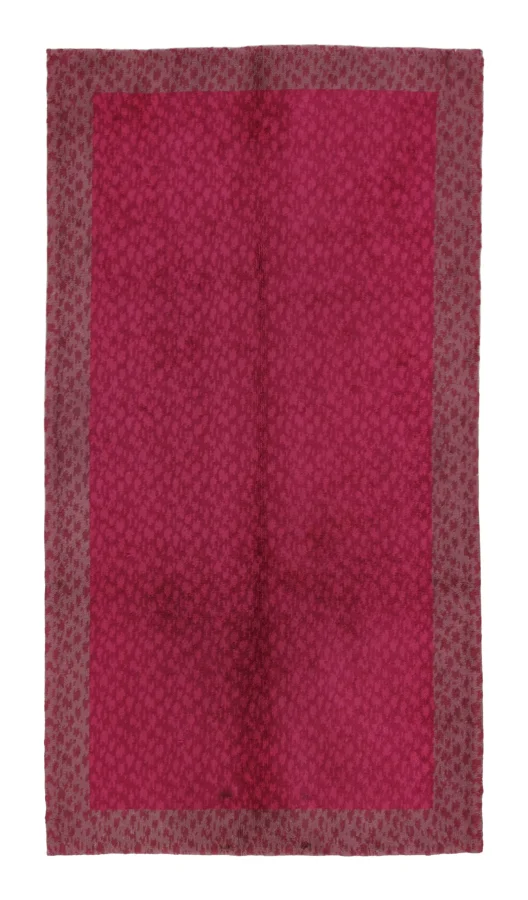
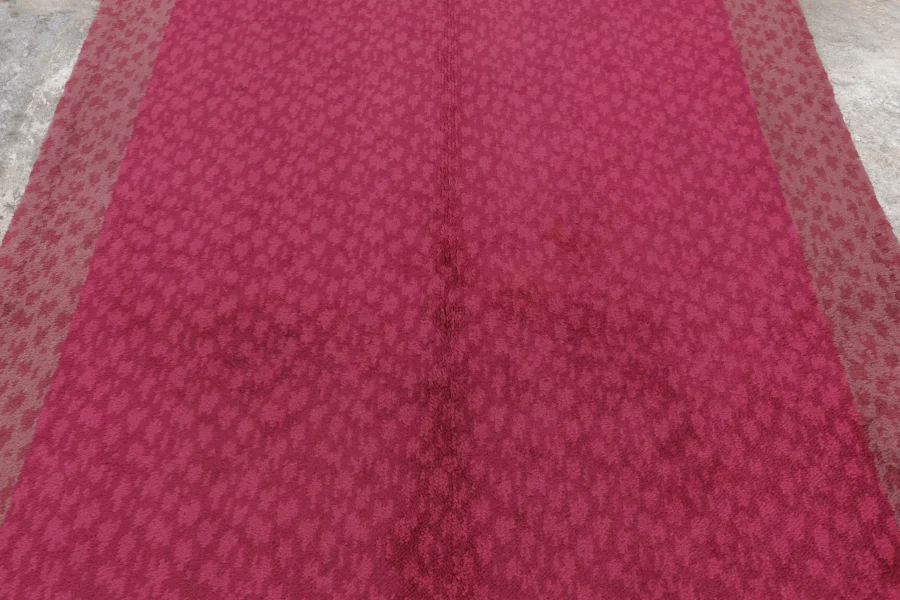 37889Vintage Dutch Runner in Raspberry with Textural Geometric Design - Rug & Kilim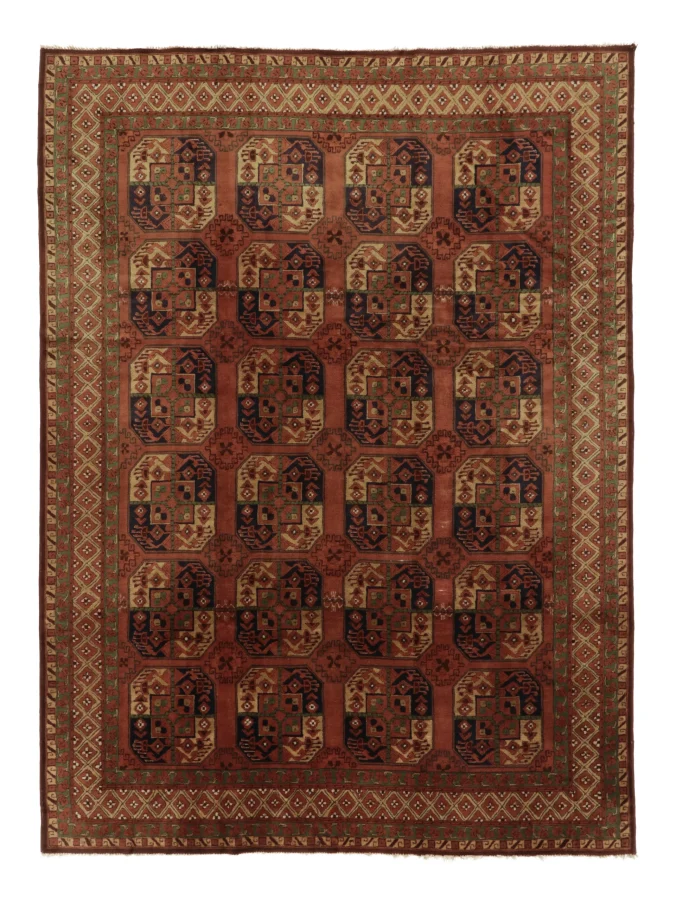
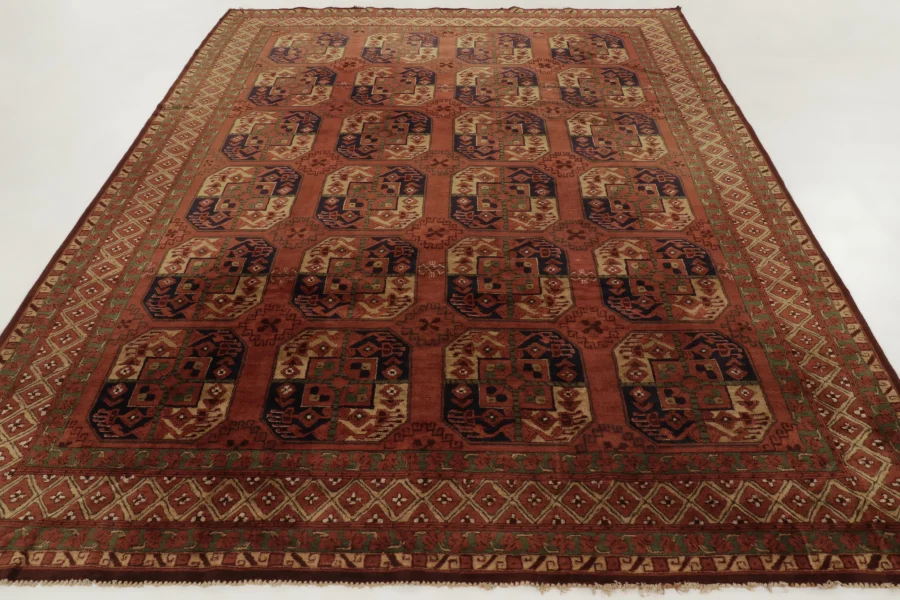 37379Antique Hooked German Tetex Rug in Terracotta with Gul Design - Rug & Kilim
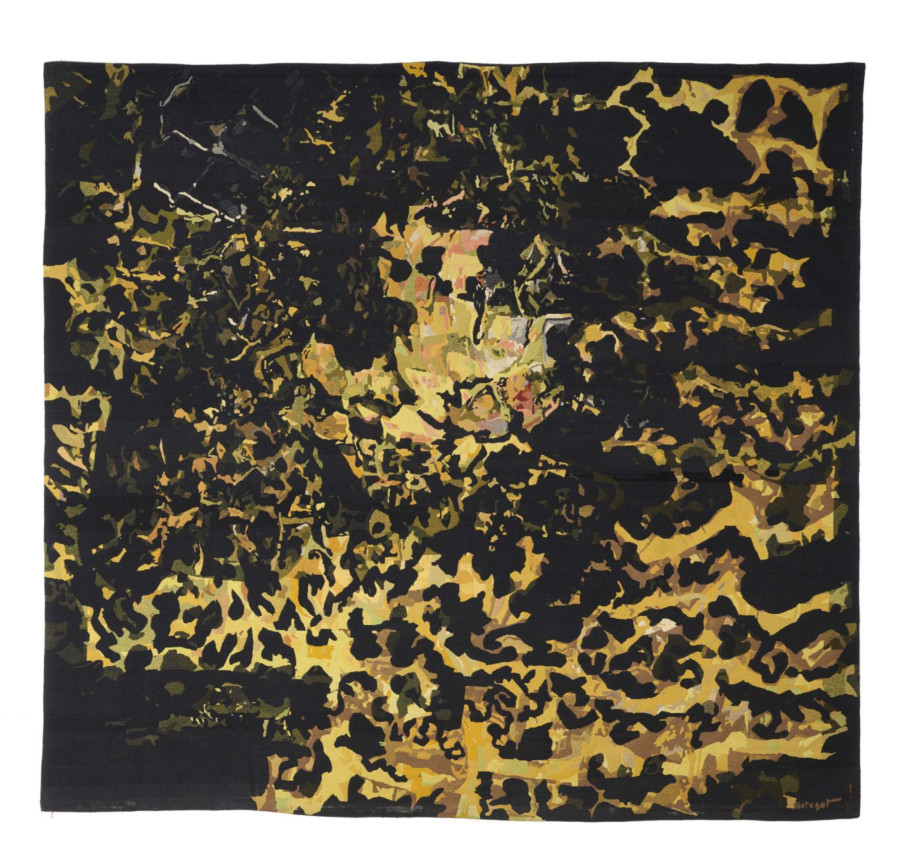 37962Signed Vintage Portuguese "Caravelle" Tapestry in Black & Gold by Mathieu Matégot - Rug & Kilim
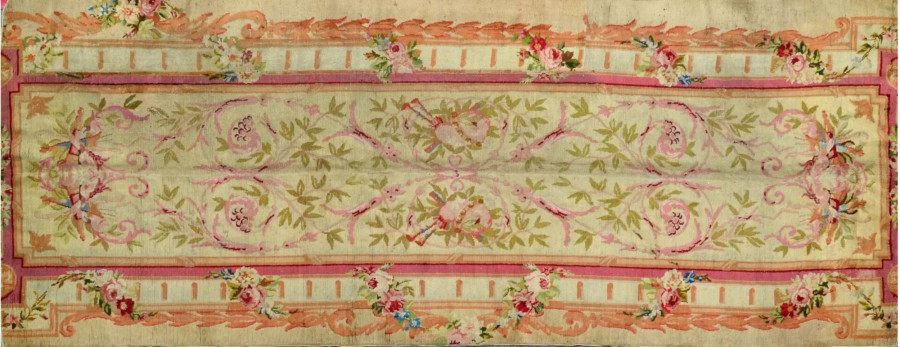 37953Antique 19th Century La Savonnerie Gallery Runner with Dense Floral - Rug & Kilim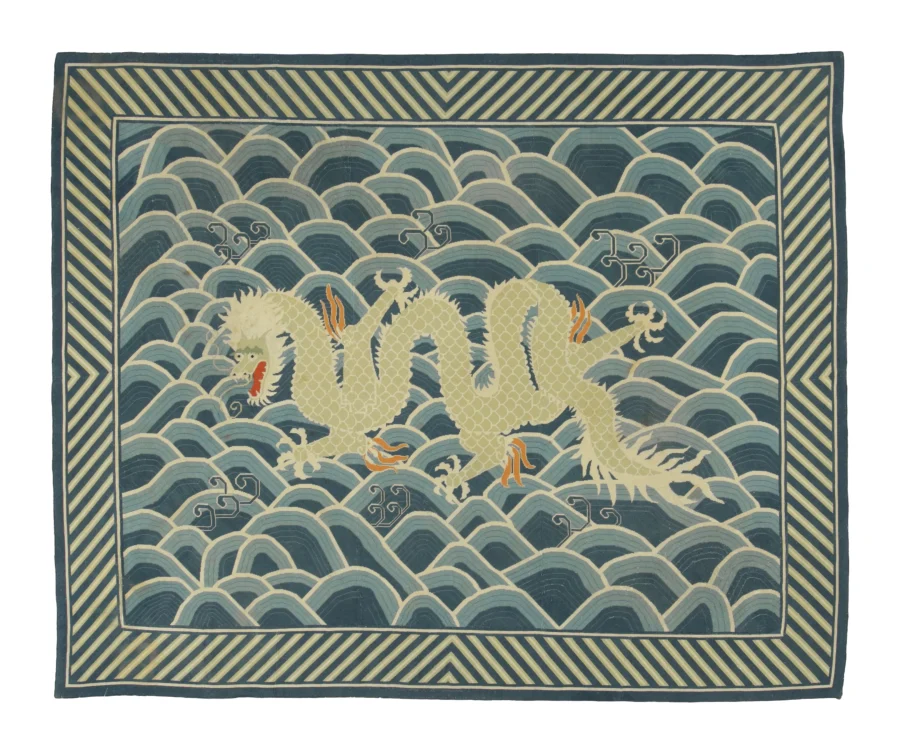
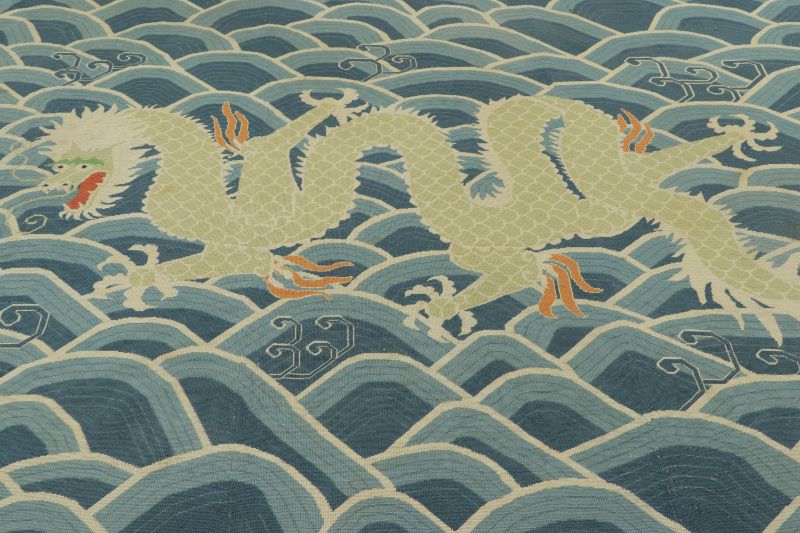 37485Antique 19th Century English Needlepoint Rug with Chinese Dragon & Waves - Rug & Kilim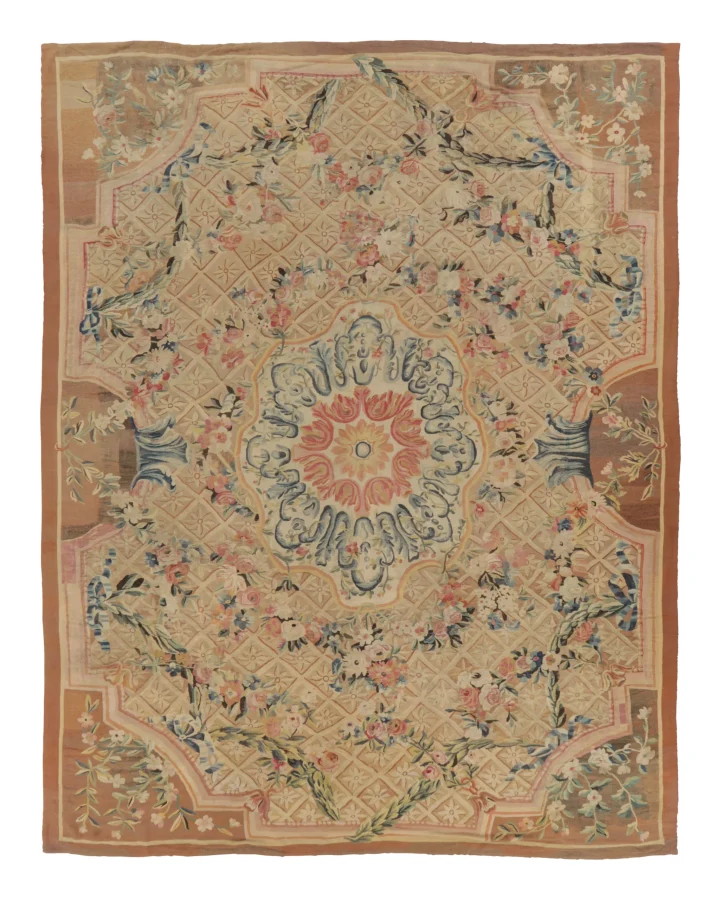
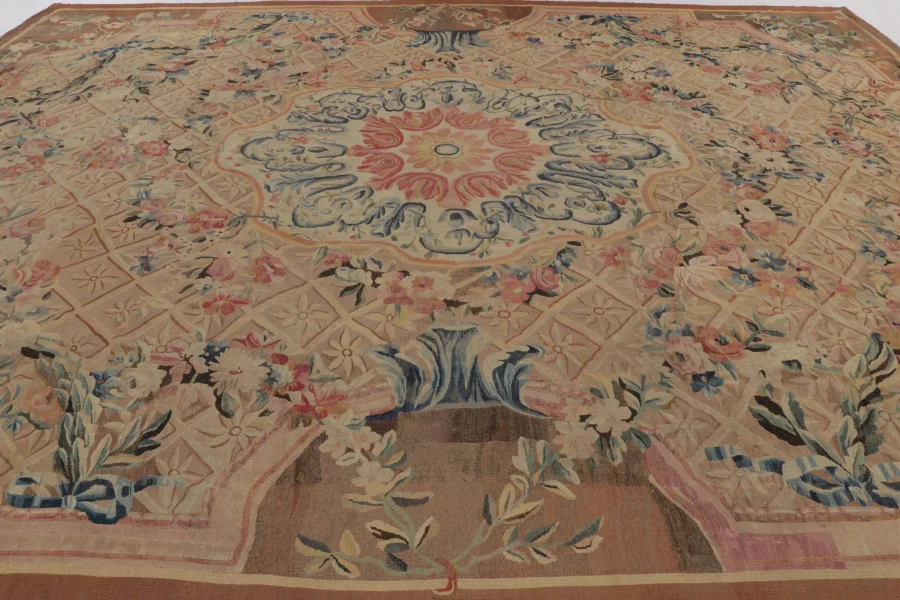 36966Oversized Antique 19th Century French Aubusson Rug in Gold with Floral Medallion - Rug & Kilim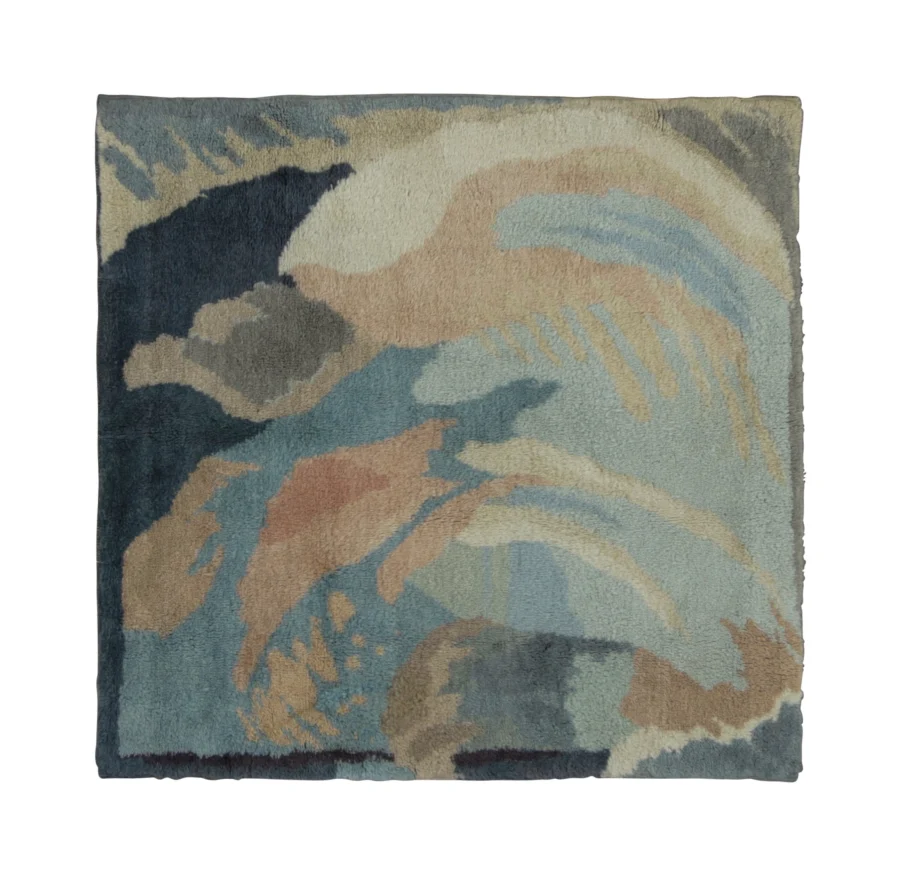
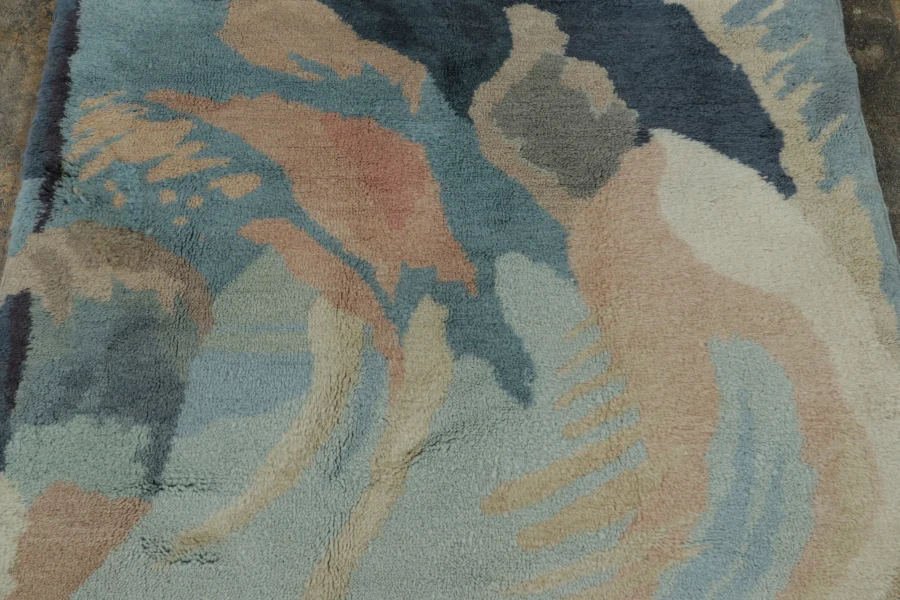 37138Antique Art Deco Rug Pair by Jean Burkhalter for Pierre Chareau - Rug & Kilim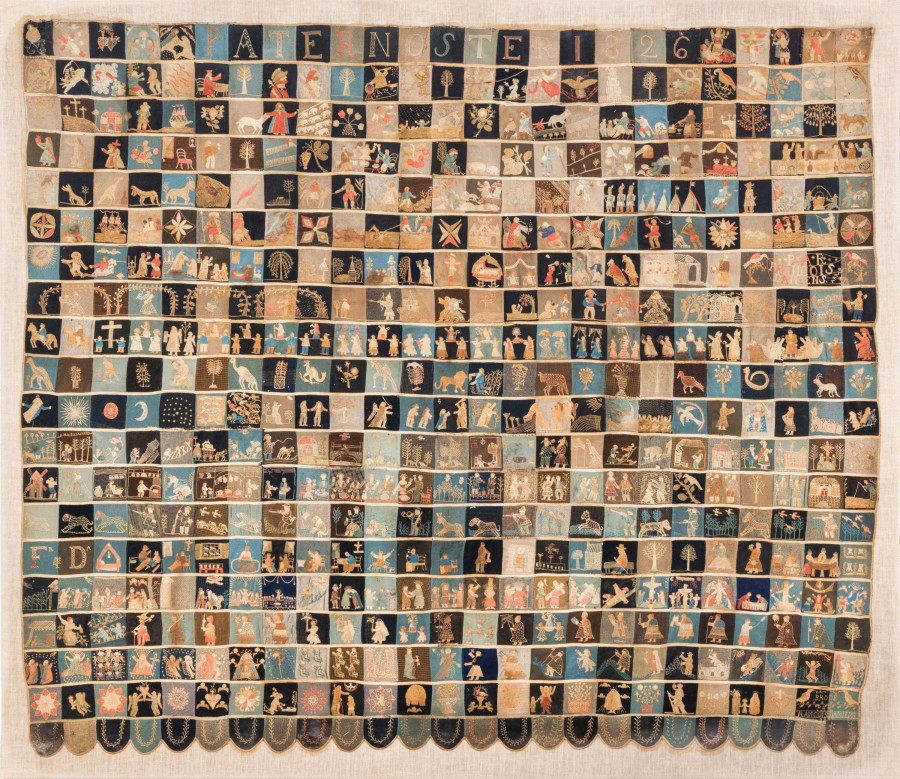
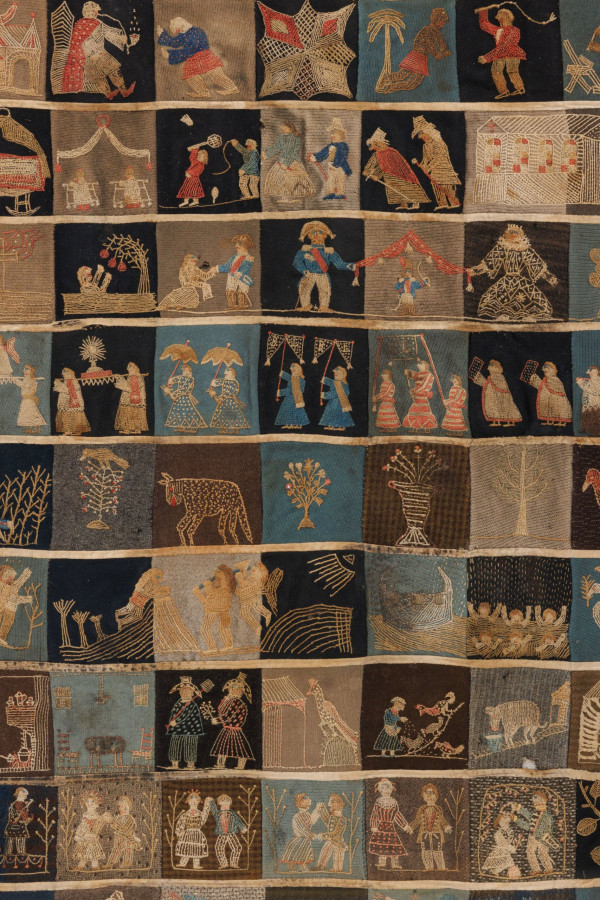 37875Antique Signed 19th Century Pater Noster Needlework Embroidery by François Damiens - Rug & Kilim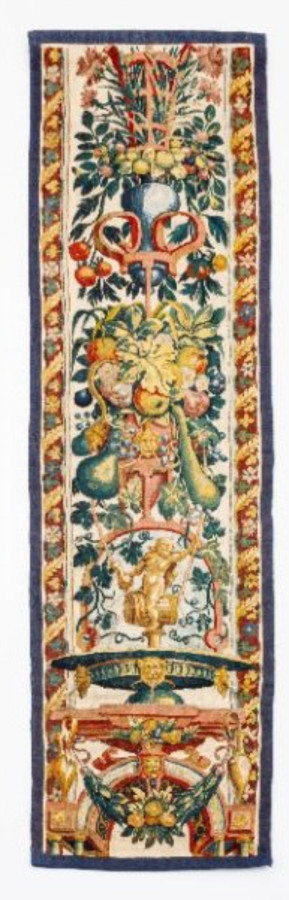
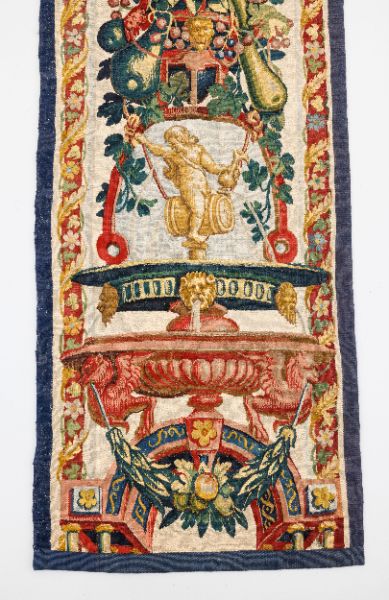 37874Antique 17th Century Flemish Brussels Tapestry Fragment Pair with Pictorials - Rug & Kilim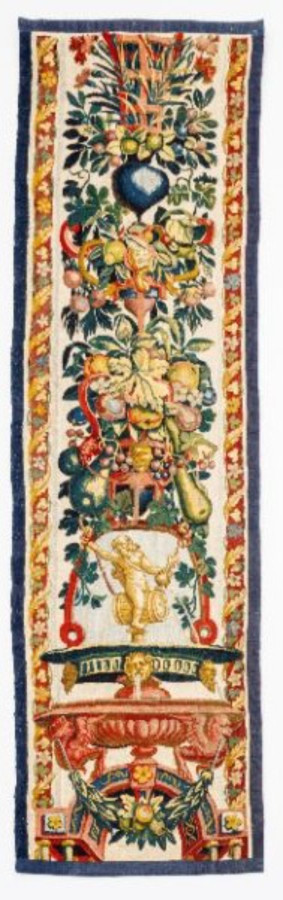
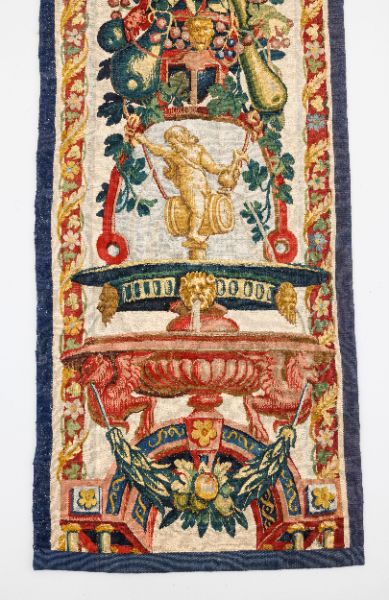 37873Antique 17th Century Flemish Brussels Tapestry Fragment Pair with Pictorials - Rug & Kilim
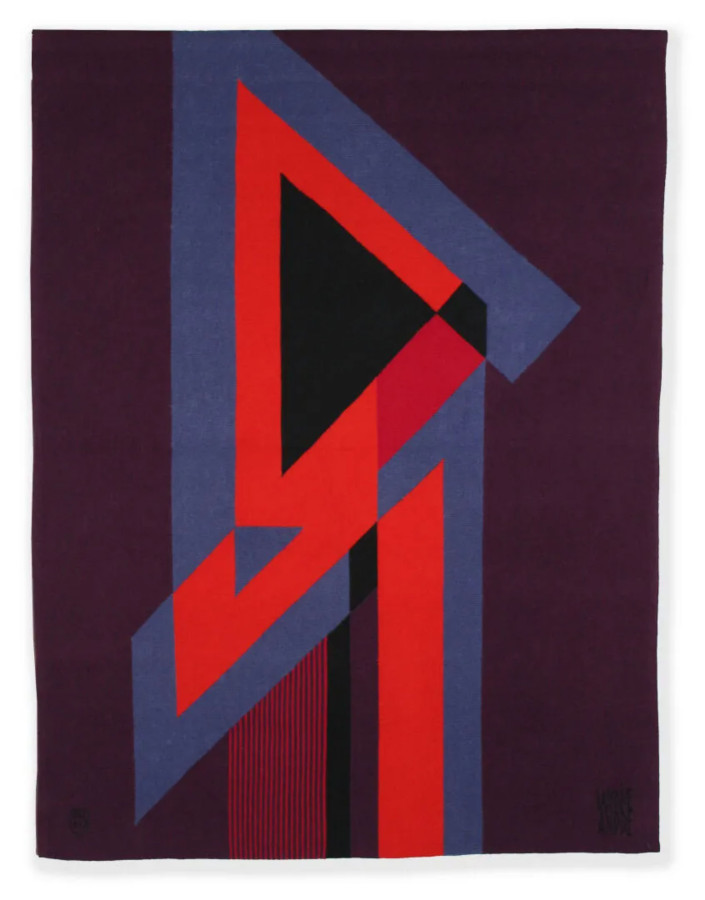 37872Signed Vintage French Aubusson Tapestry "Signal" by Maurice André - Rug & Kilim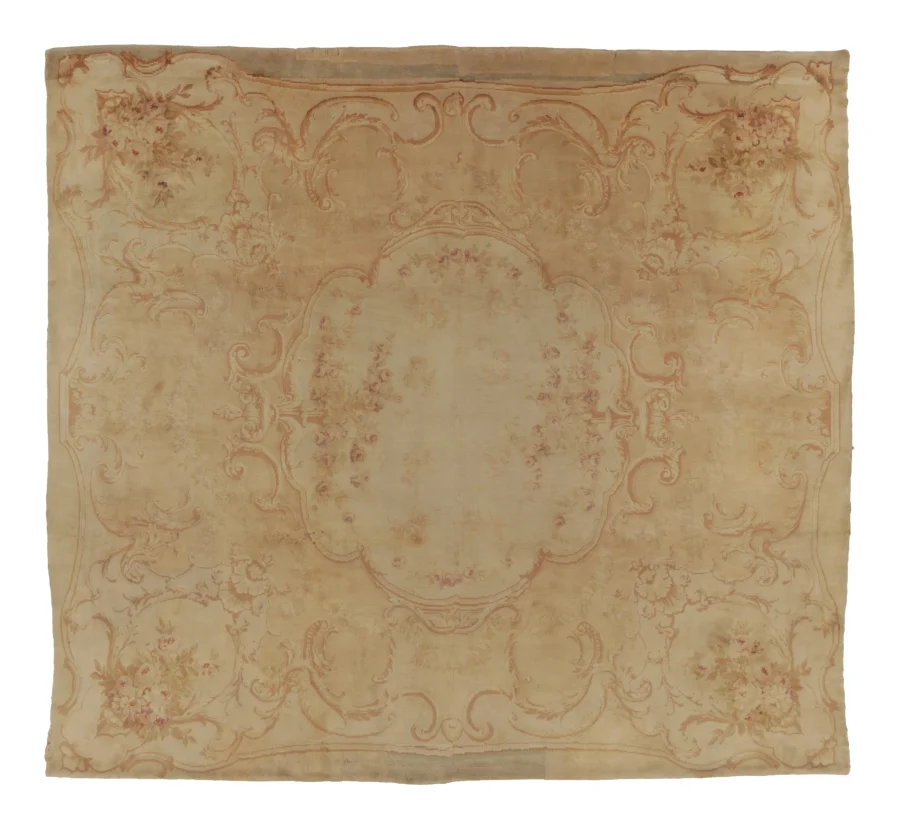
 37456Oversized Antique 19th Century Savonnerie Gold Rug with Floral Cartouche - Rug & Kilim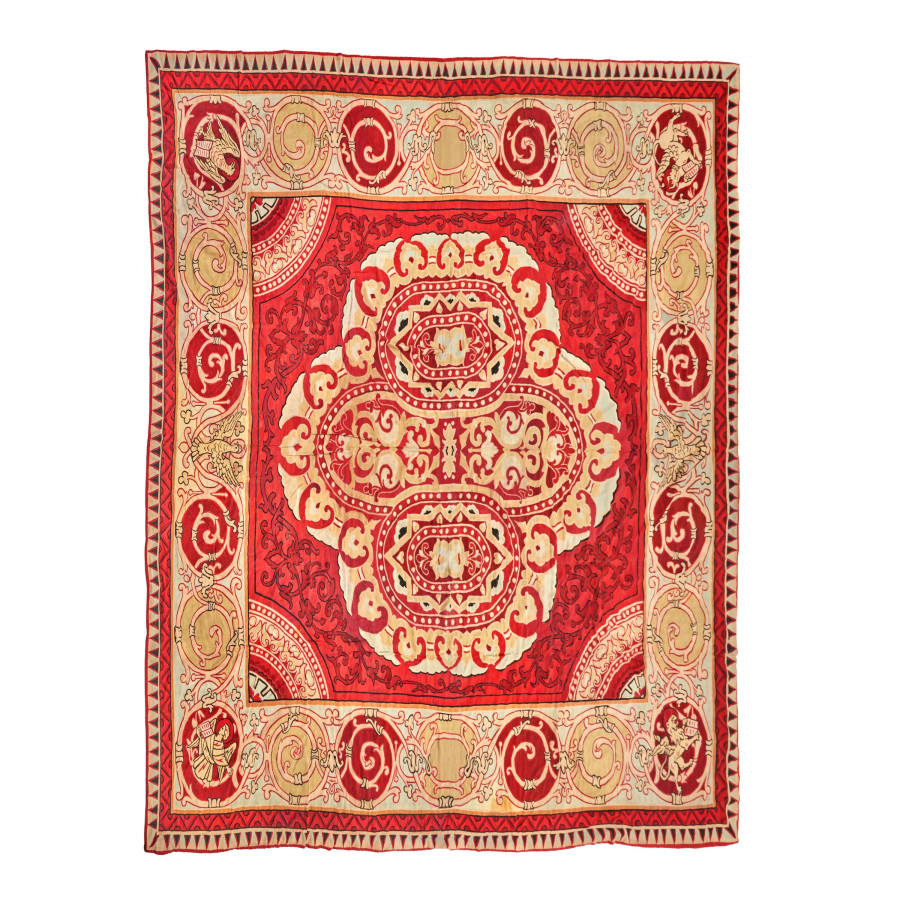
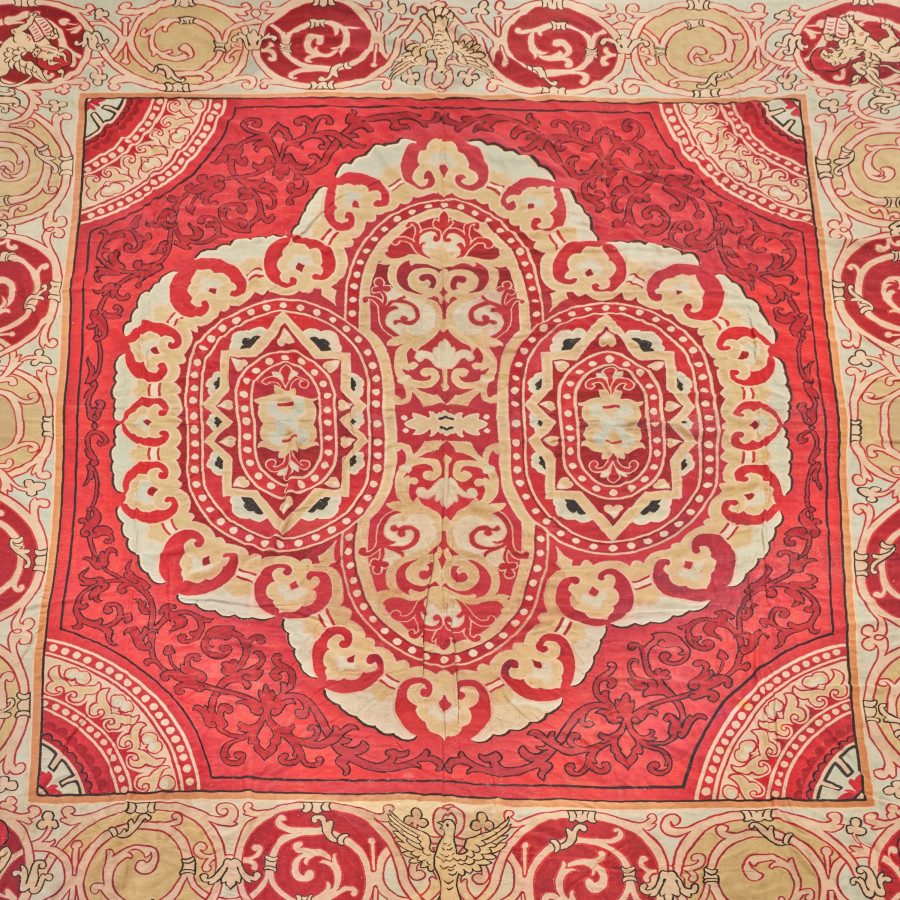 37486Oversized Antique 18th Century French Aubusson ‘Louis Philippe Rug’ - Rug & Kilim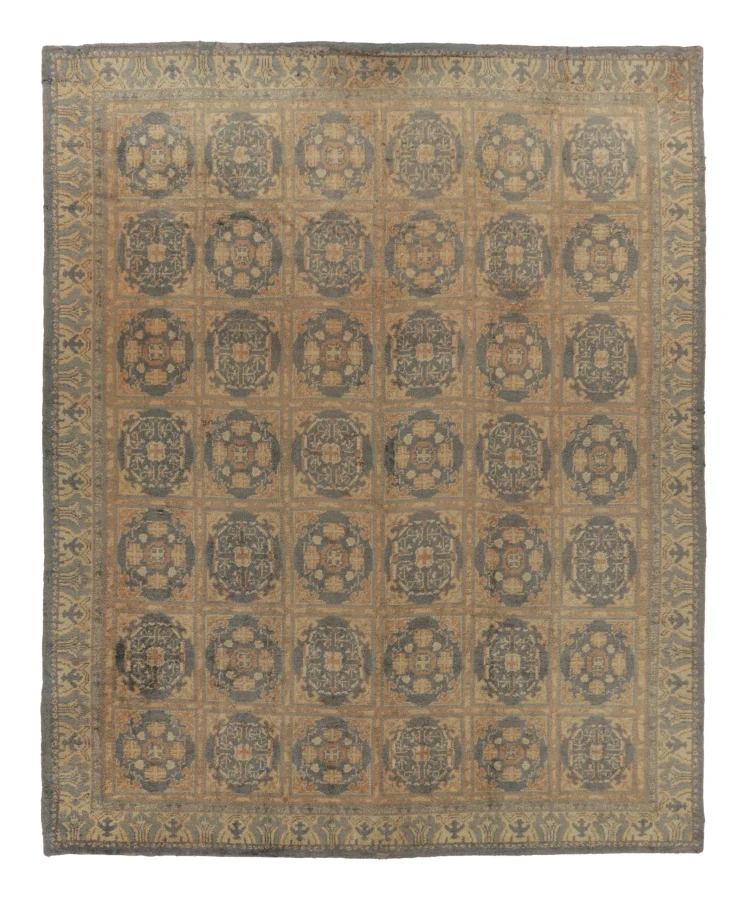
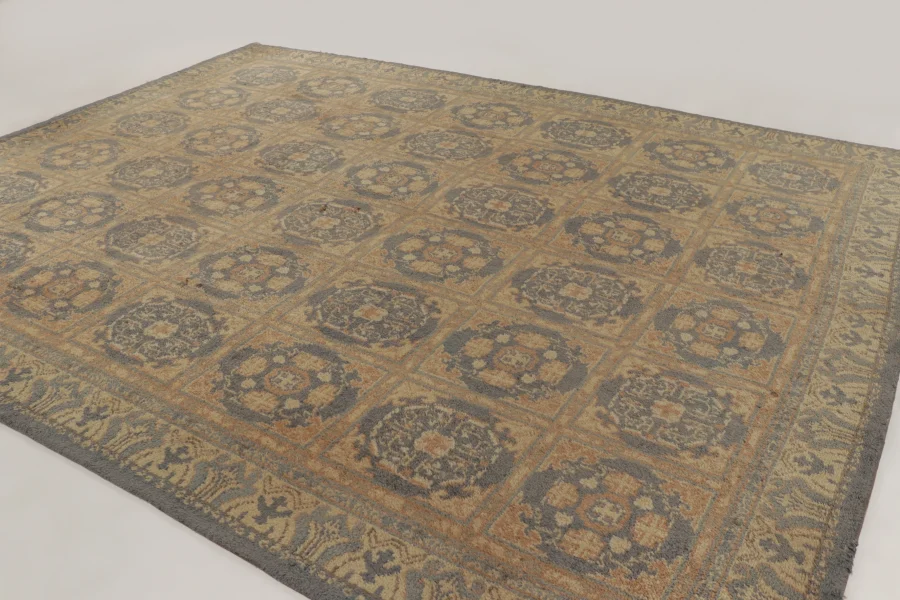 37472Oversized Antique Spanish Rug with Geometric Designs in Gold & Gray - Rug & Kilim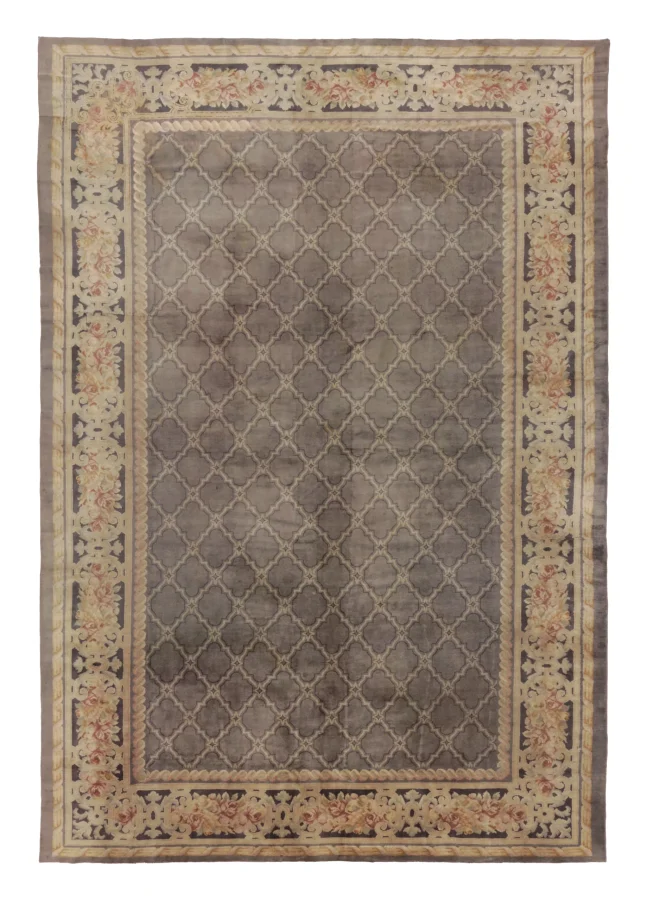
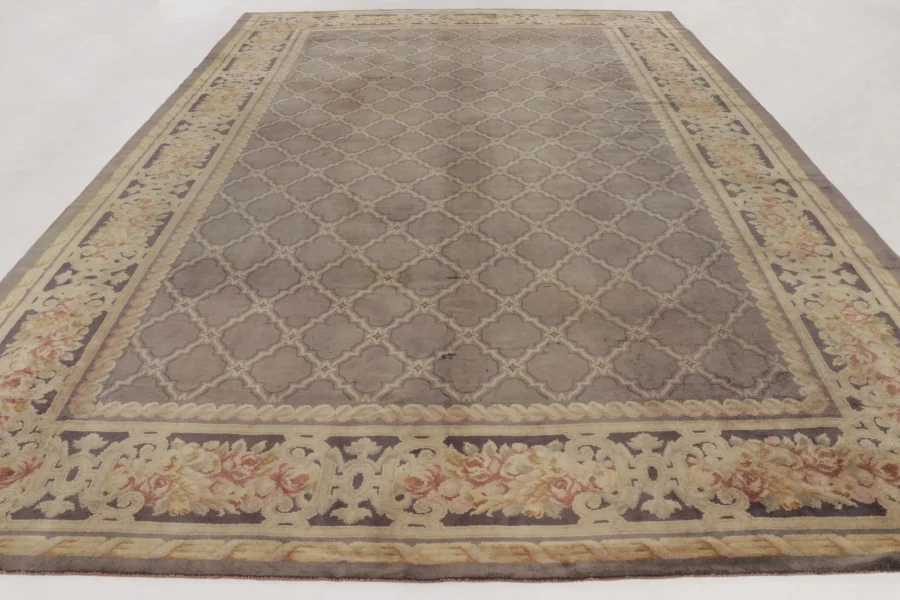 37454Oversized Antique Spanish Rug with Delicate Lattice in Gray & Beige - Rug & Kilim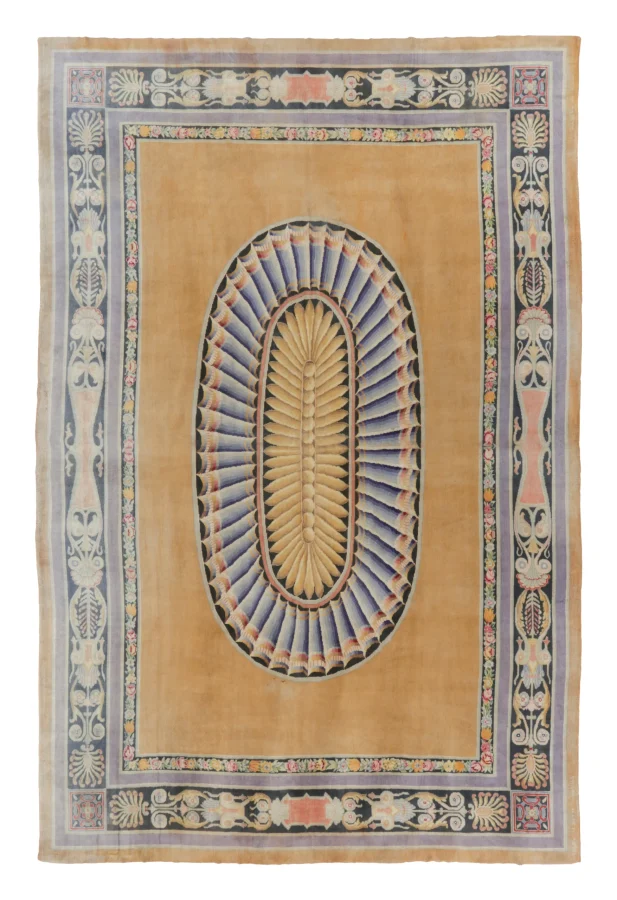
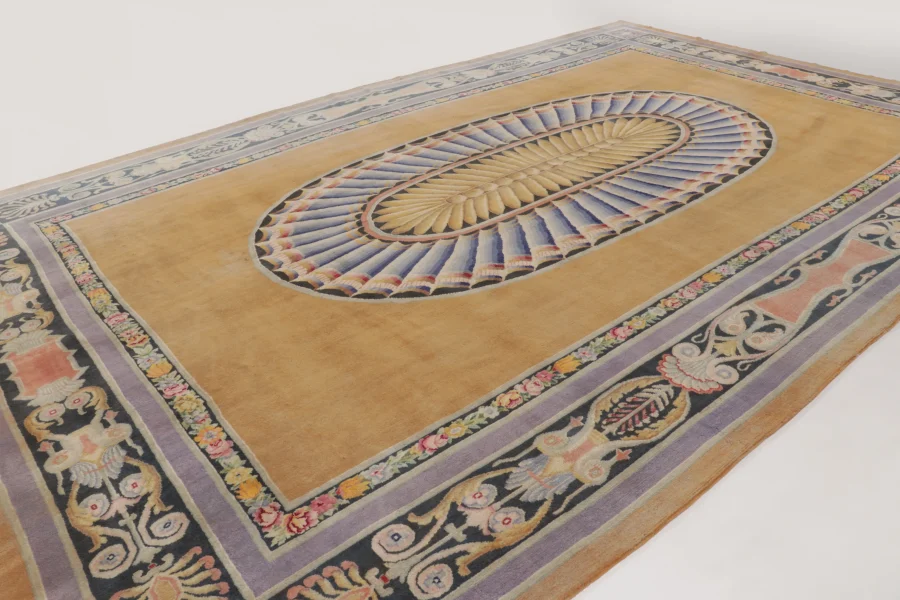 37148Oversized Antique Spanish Savonnerie Rug with Stately Medallion - Rug & Kilim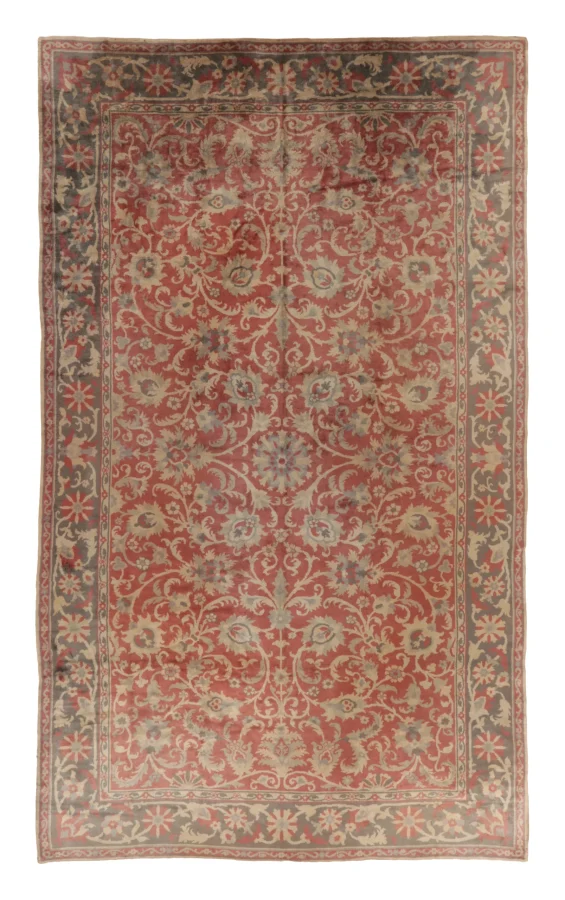
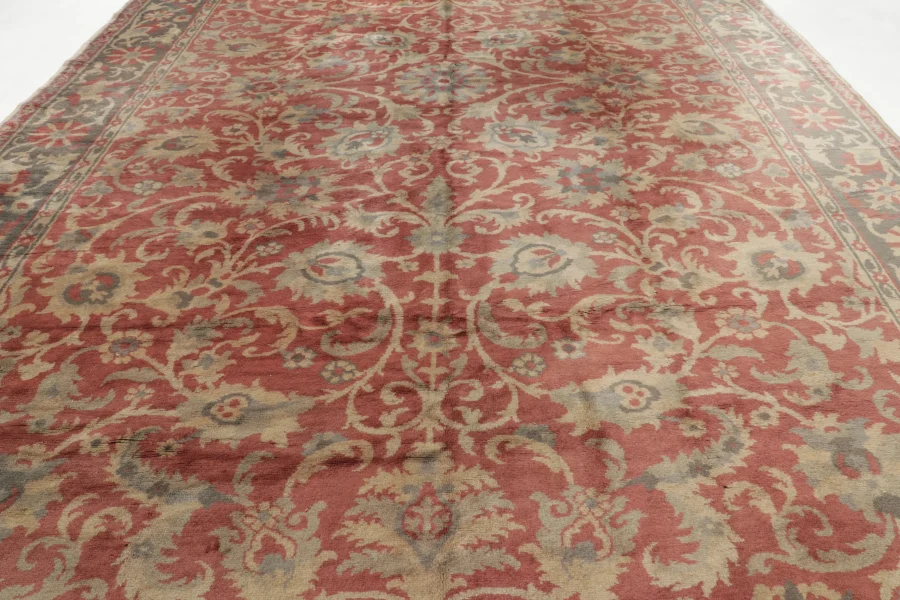 37455Oversized Antique 20th Century Spanish Rug with Rich Floral Vinery - Rug & Kilim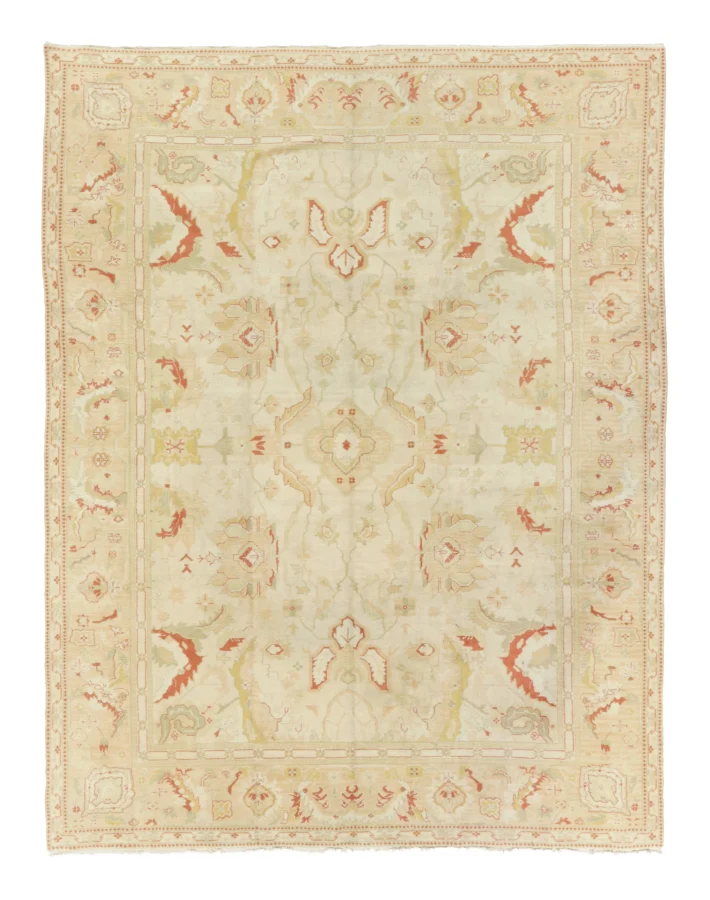
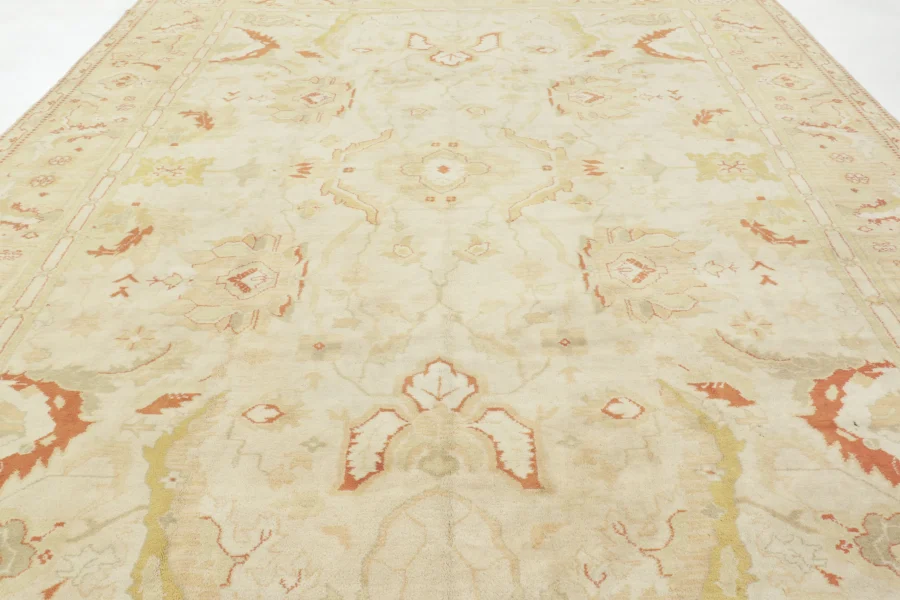 37452Oversized Antique Portuguese Rug with Floral Motifs & Medallion - Rug & Kilim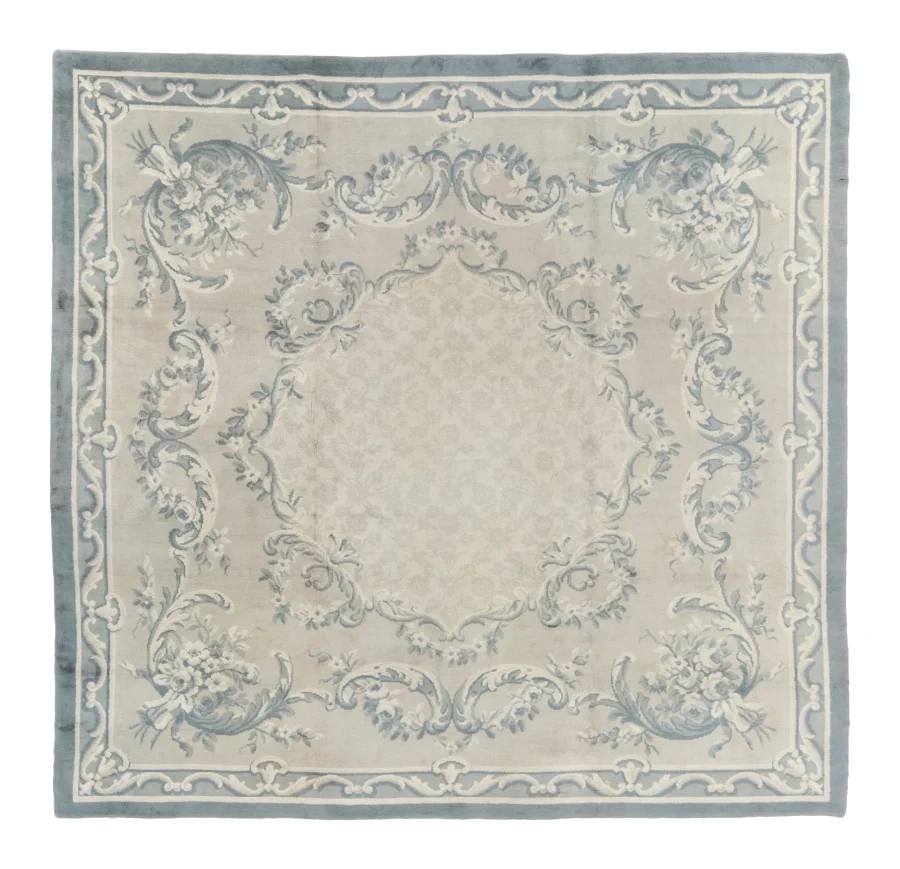
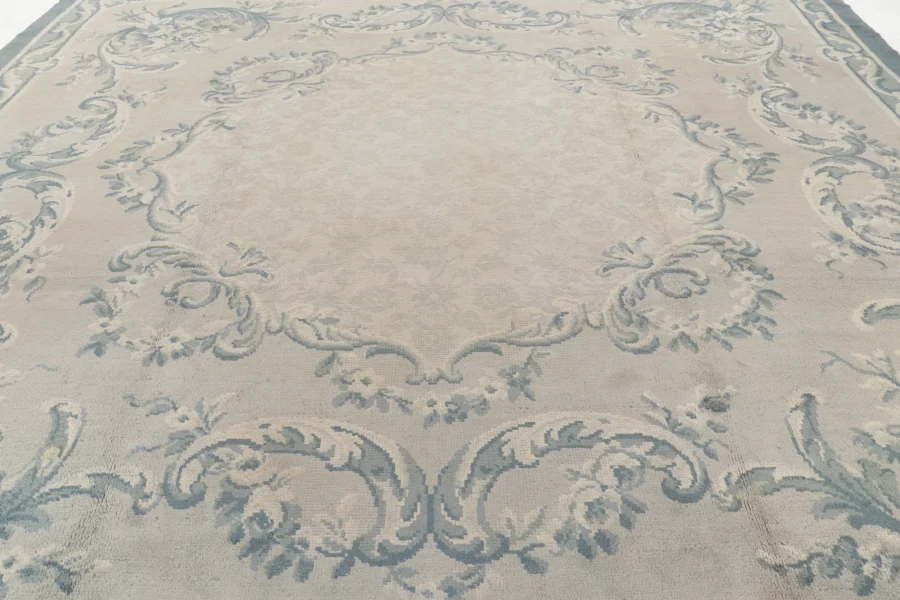 37448Oversized Antique Savonnerie Rug with Acanthus Leaf Design - Rug & Kilim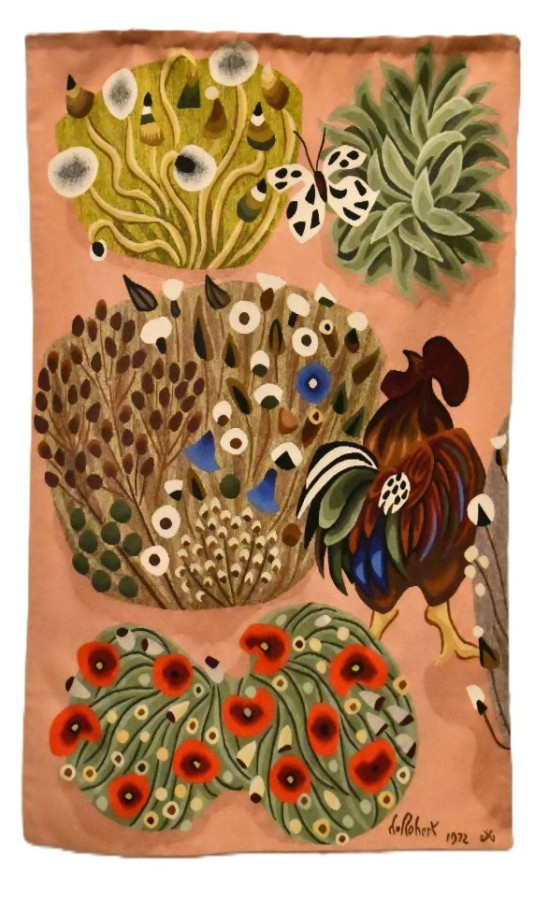
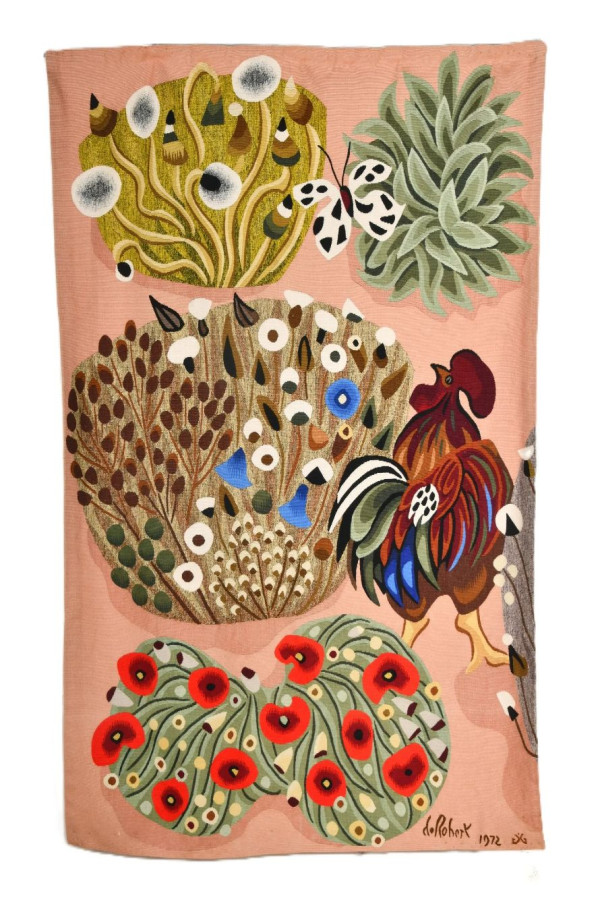 37712Signed Vintage Dom Robert Aubusson Rug with Rooster Design - Rug & Kilim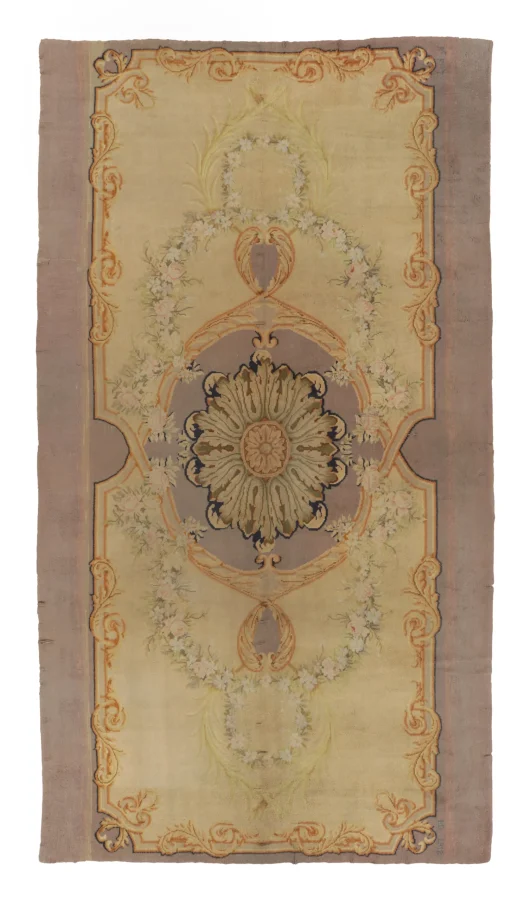
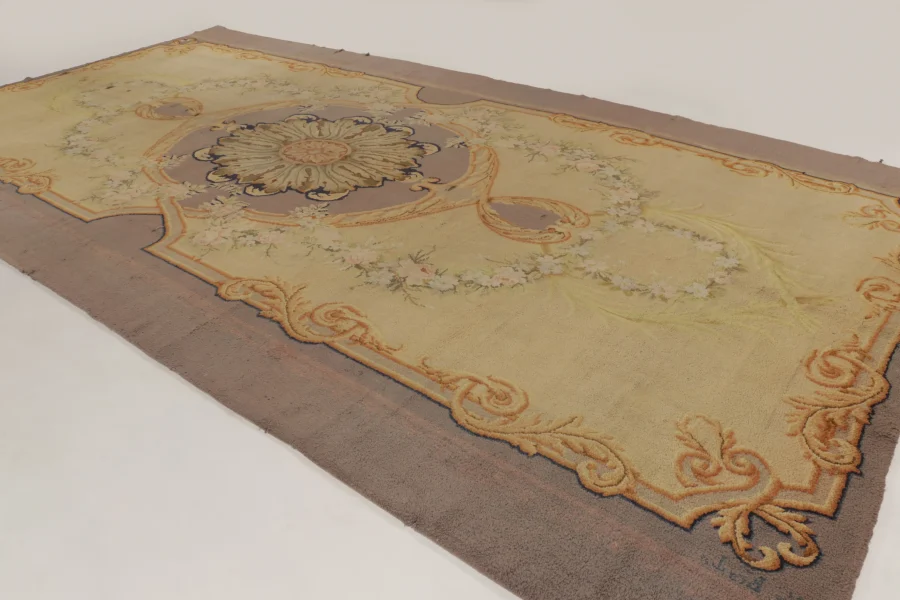 37000Oversized Antique Spanish Savonnerie Rug with Bold Floral Medallion - Rug & Kilim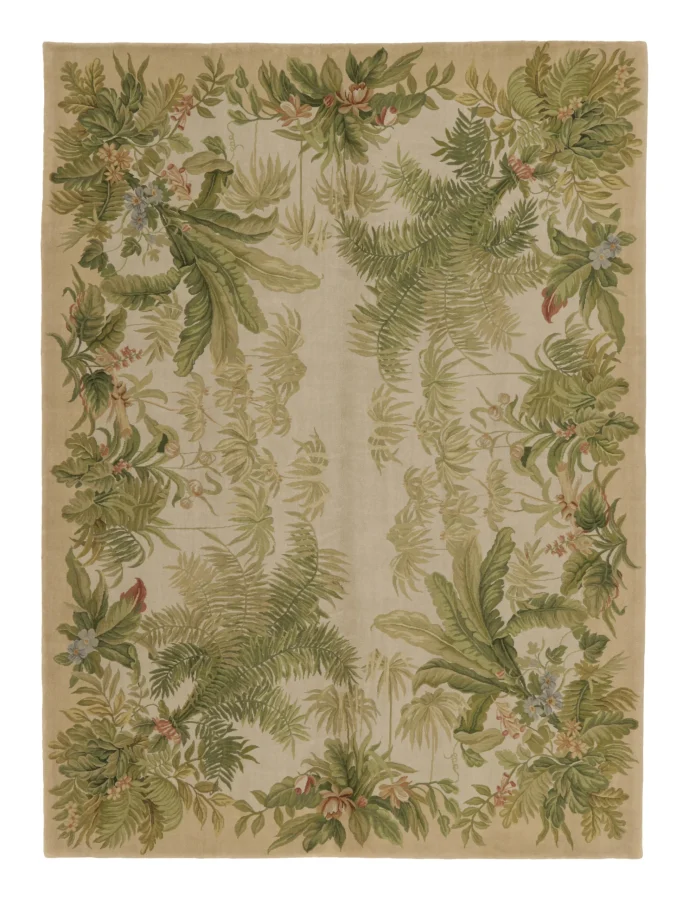
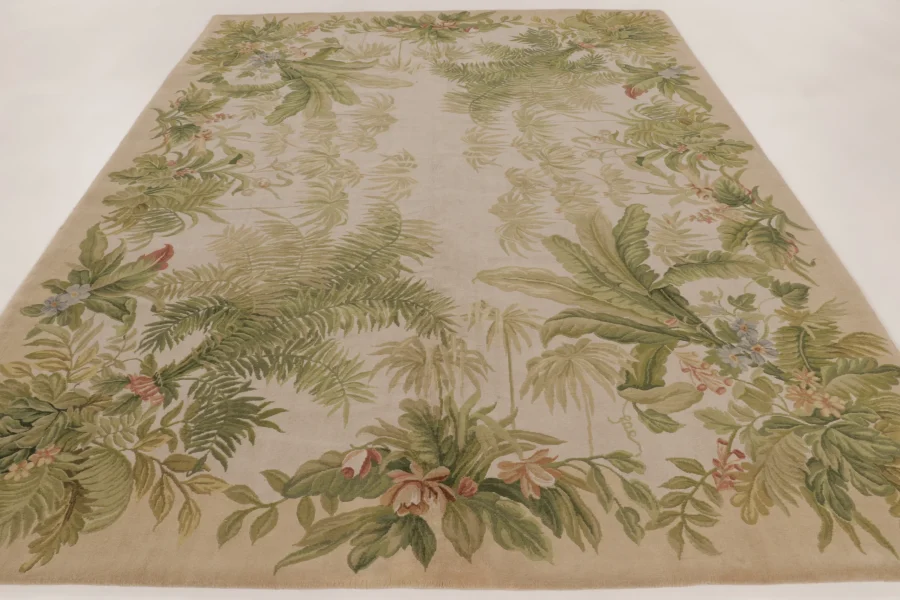 37200Antique Savonnerie Rug with Botanical Green Floral Design - Rug & Kilim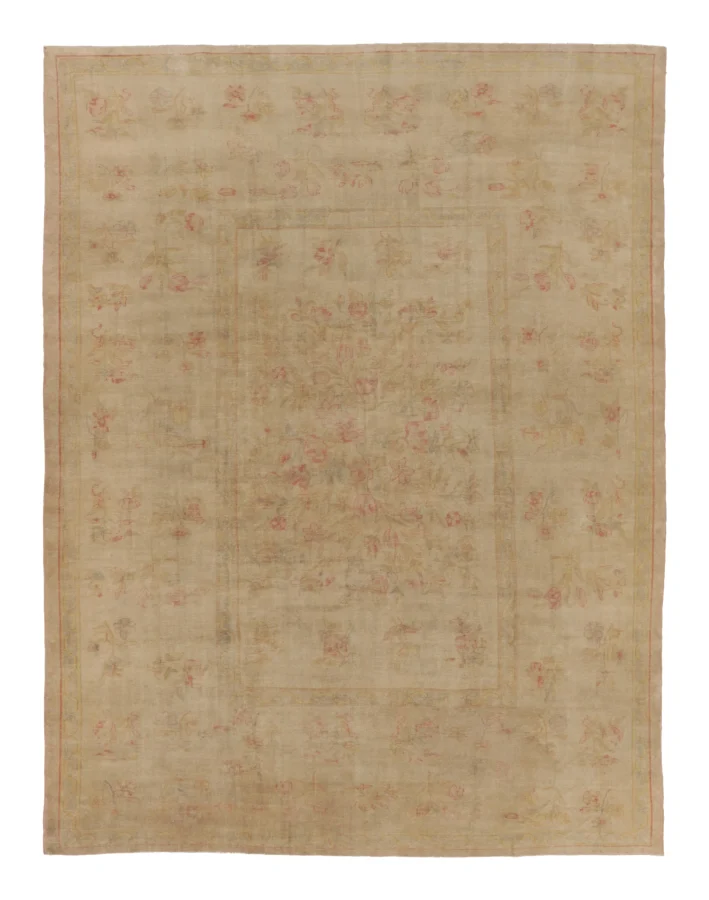
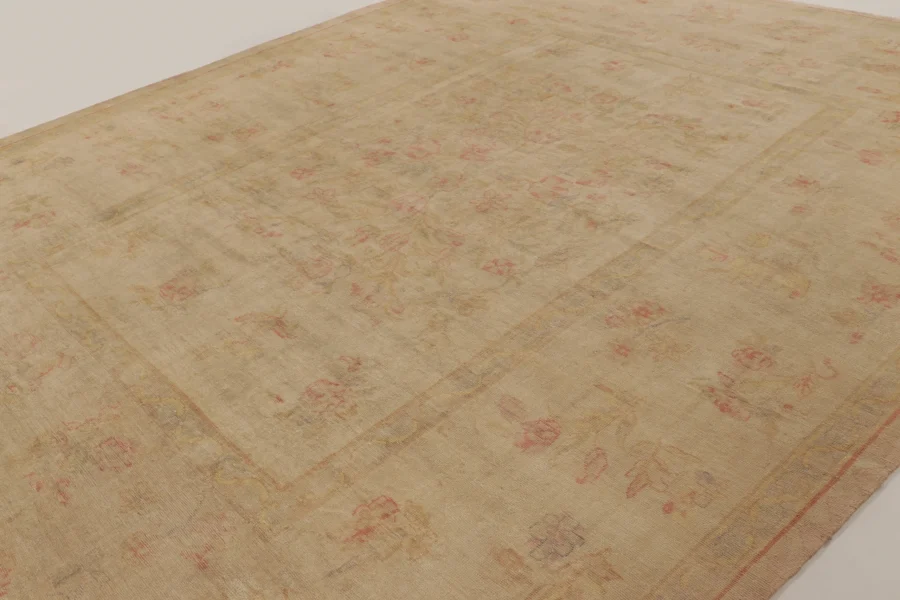 37236Oversized Vintage Aubusson Floral Rug in Beige & Pale Pink - Rug & Kilim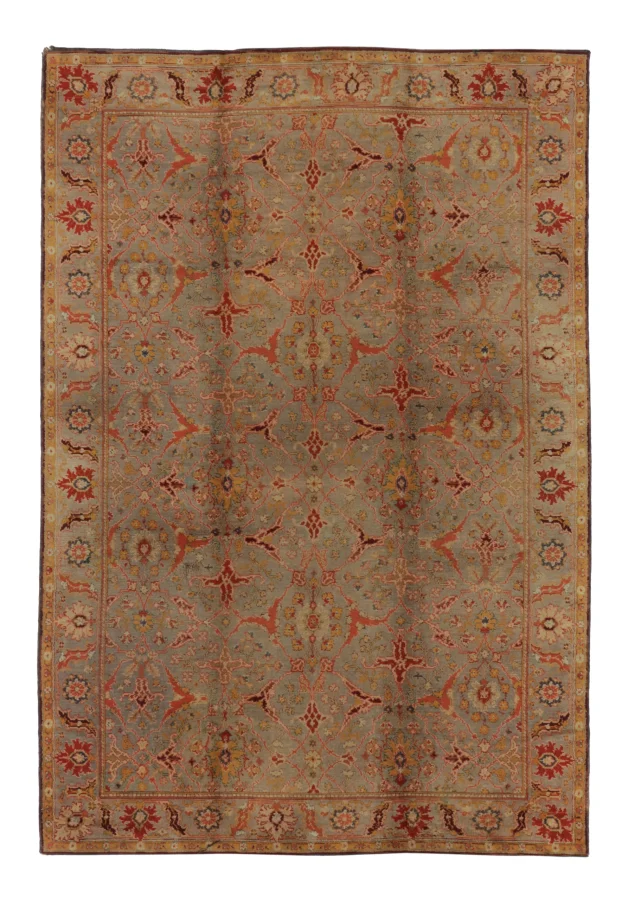
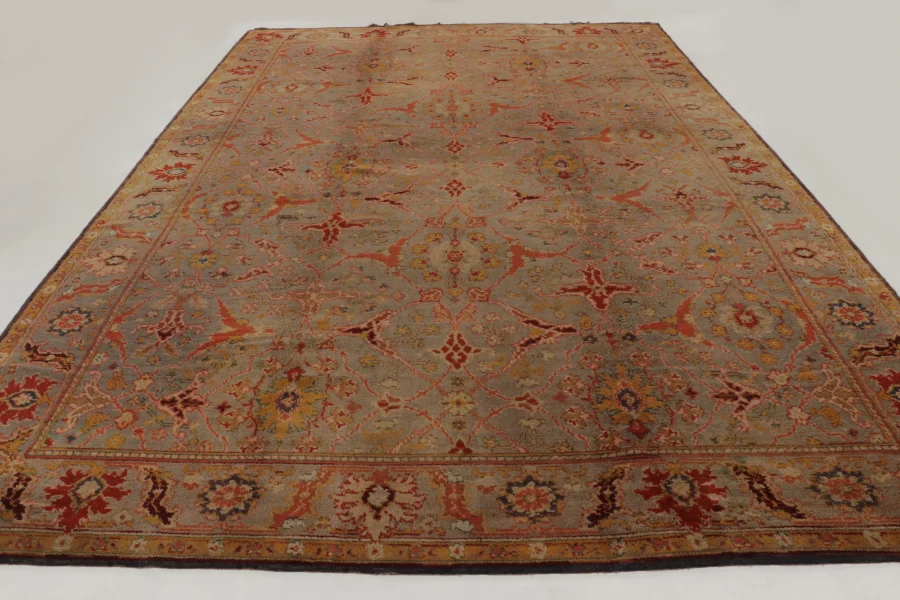 37203Antique European Axminster Rug with Colorful Intricate Floral Vines - Rug & Kilim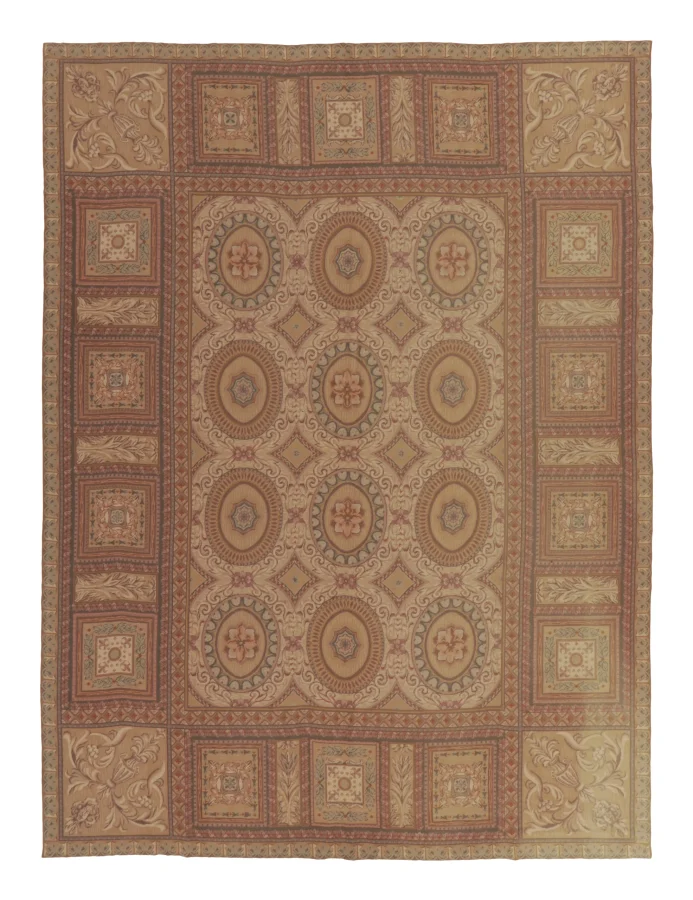
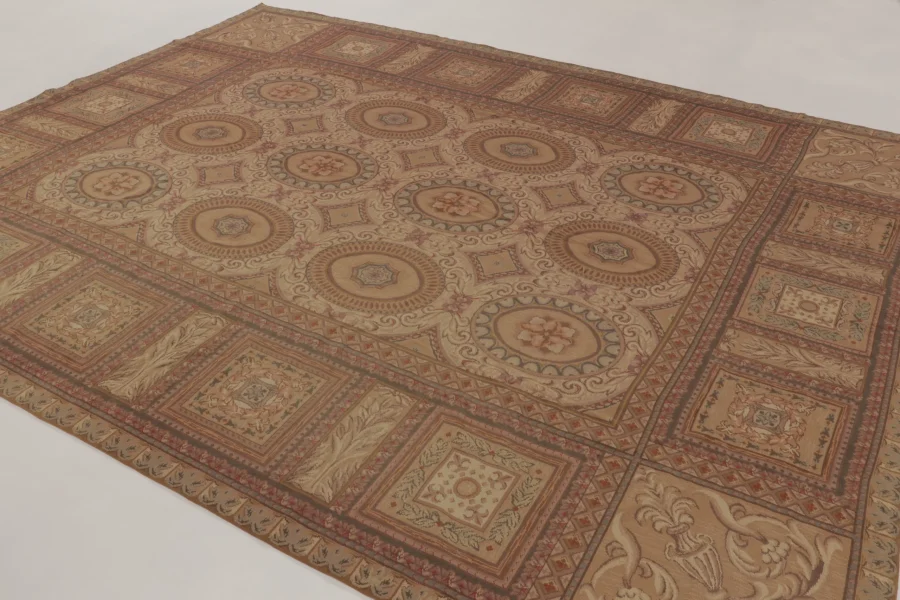 36743Vintage Aubusson Needlepoint Rug with Bold Floral Medallions - Rug & Kilim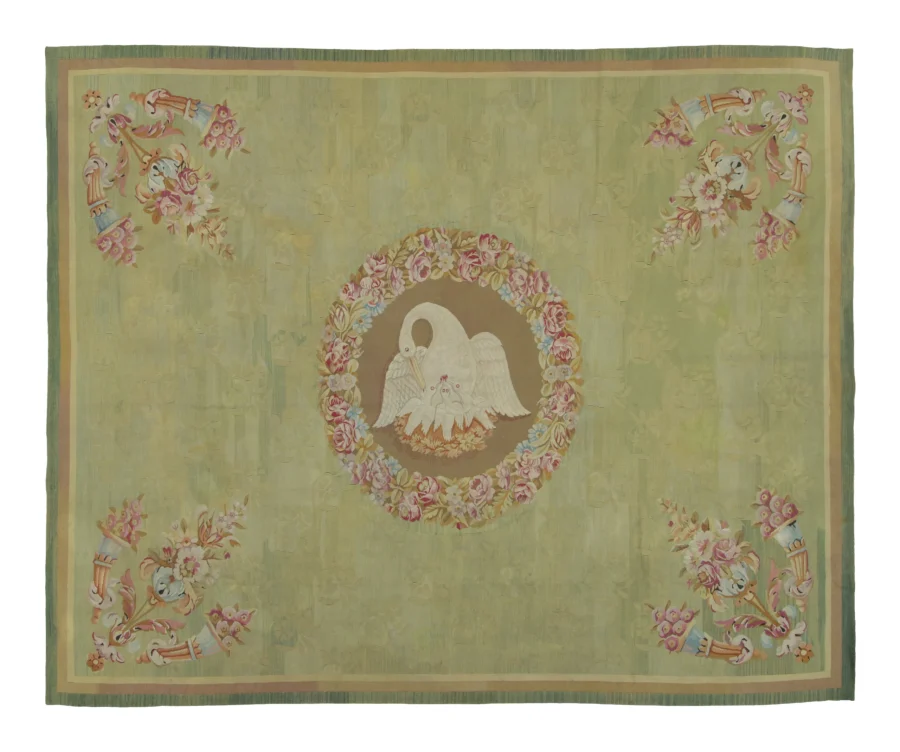
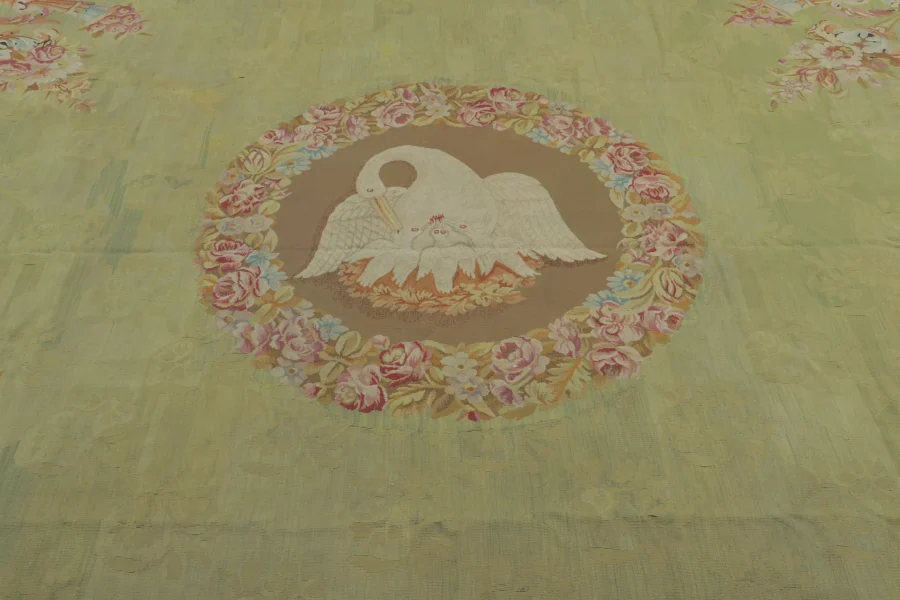 37170Antique French Aubusson with Rare Polychromatic Pictorials - Rug & Kilim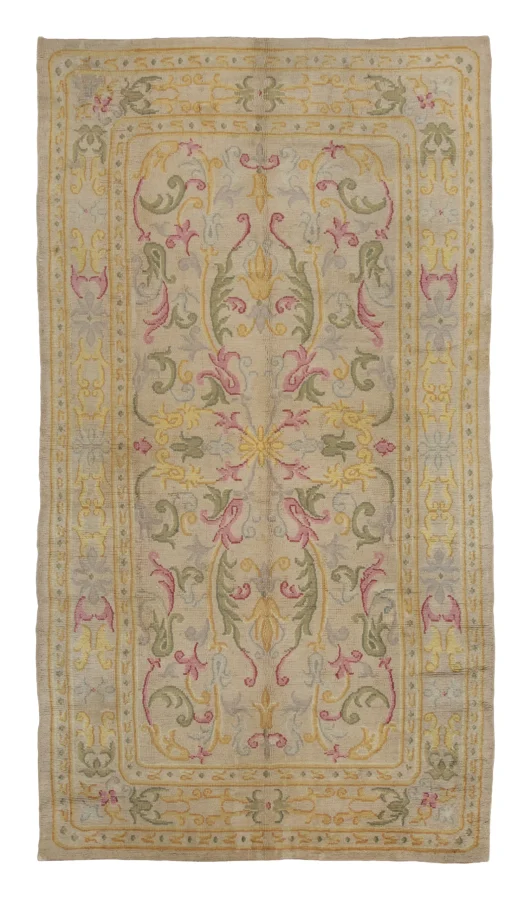
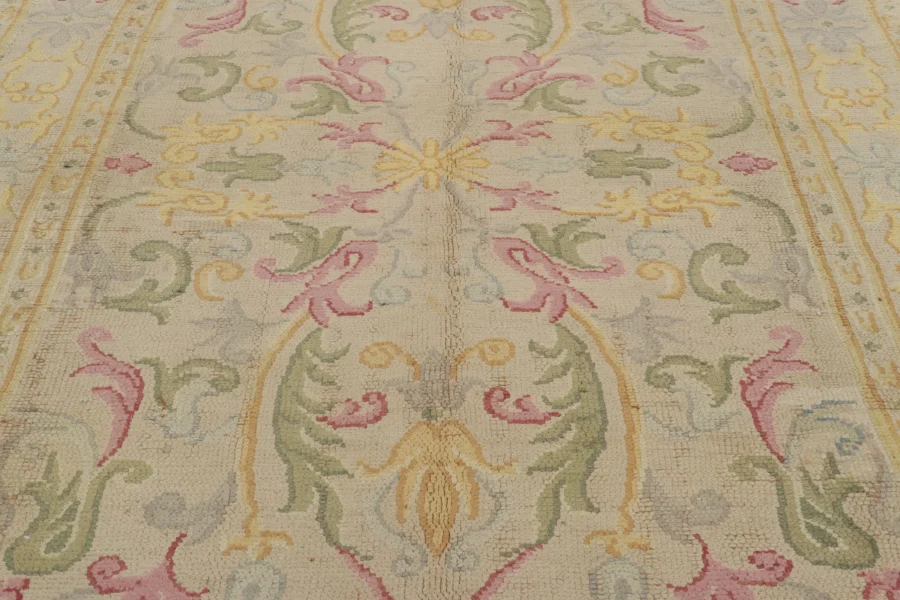 37169Antique Spanish Savonnerie Rug with Floral Design in Multicolour - Rug & Kilim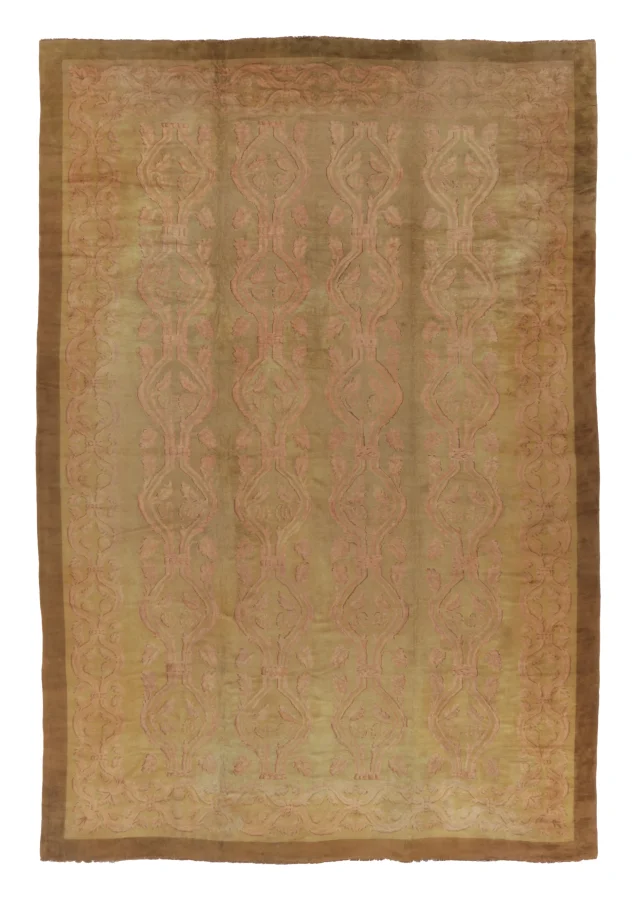
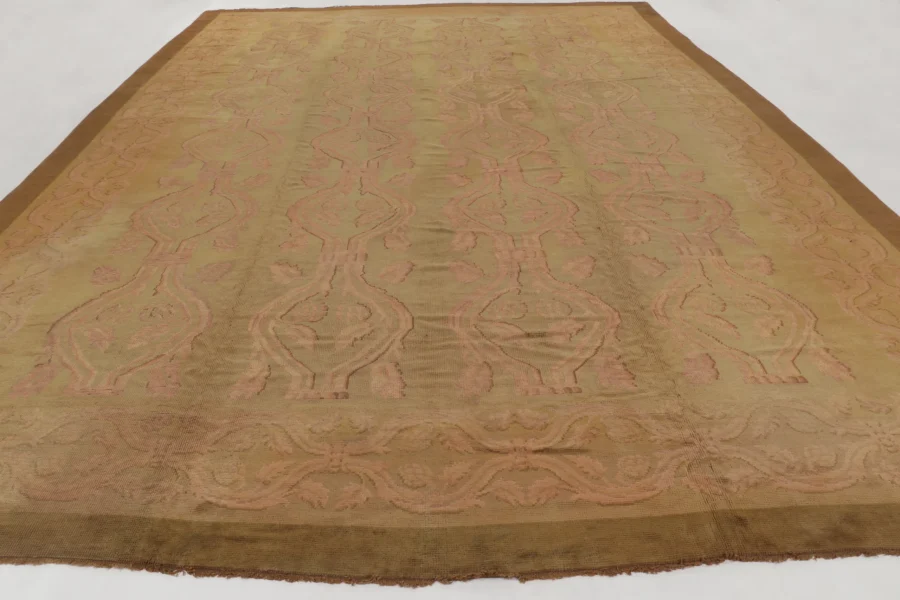 37167Oversized Antique Austrian Savonnerie Rug with Golden Florals - Rug & Kilim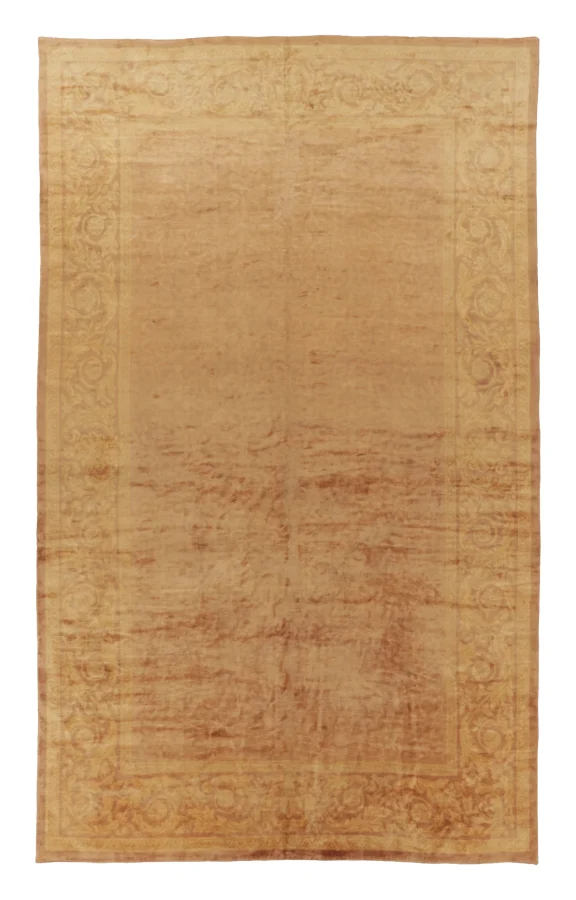
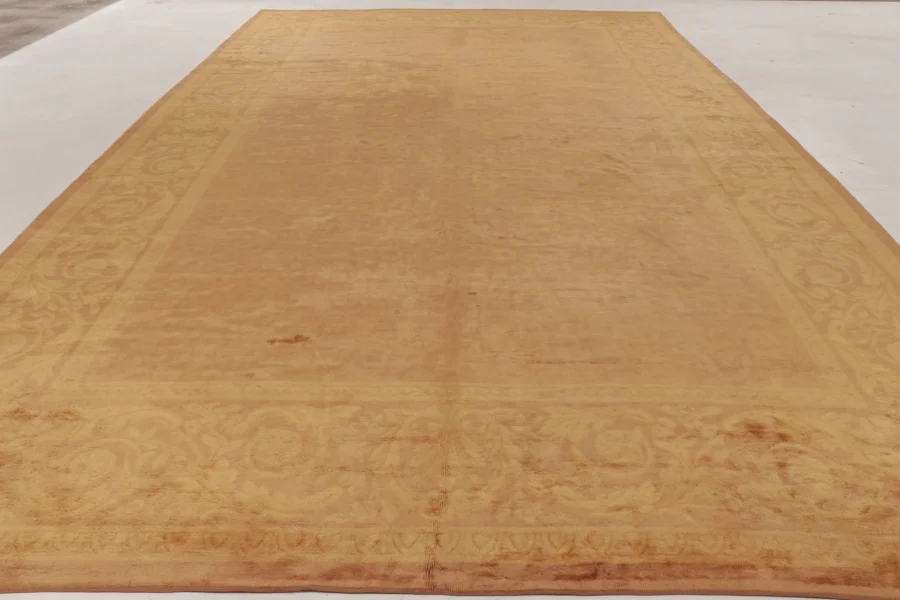 37151Oversized Antique French Savonnerie Rug with Classic Floral Borders - Rug & Kilim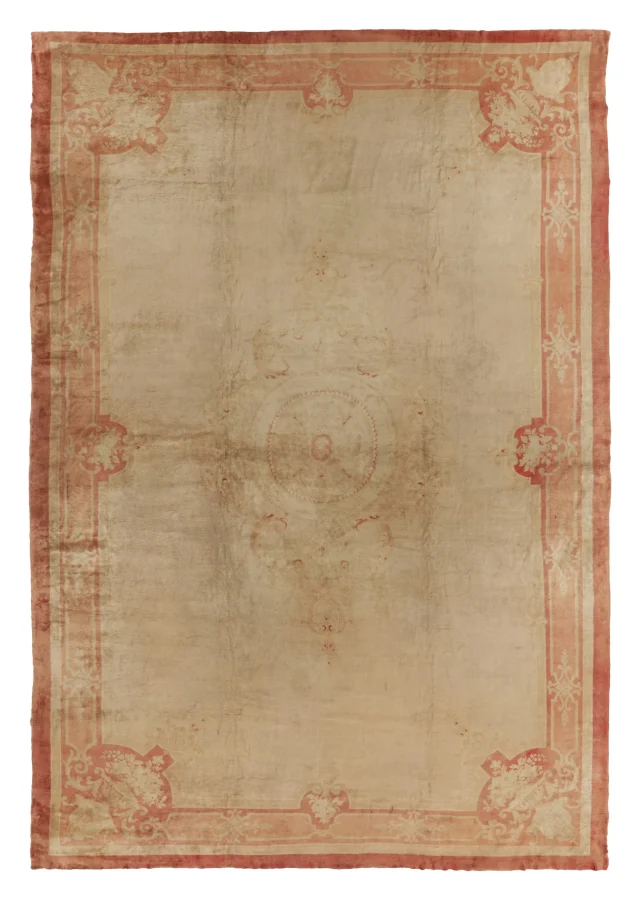
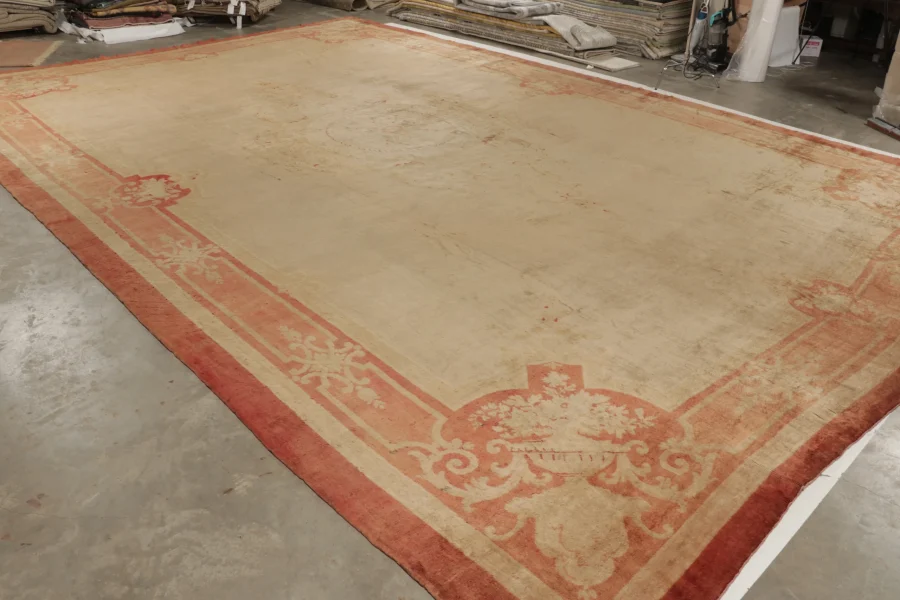 37149Oversized Antique Savonnerie Rug with Beige & Brown Stately Medallion - Rug & Kilim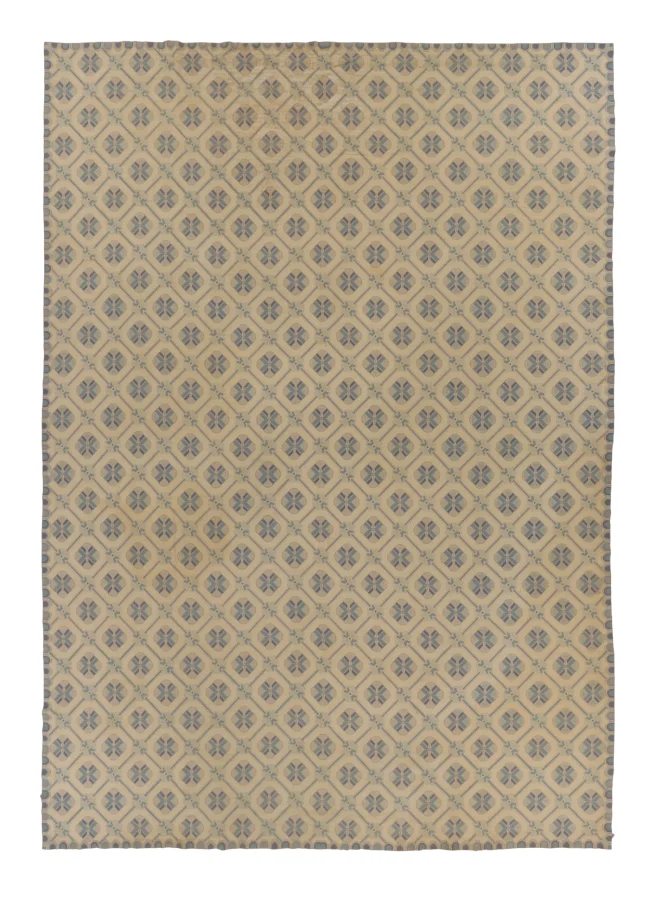
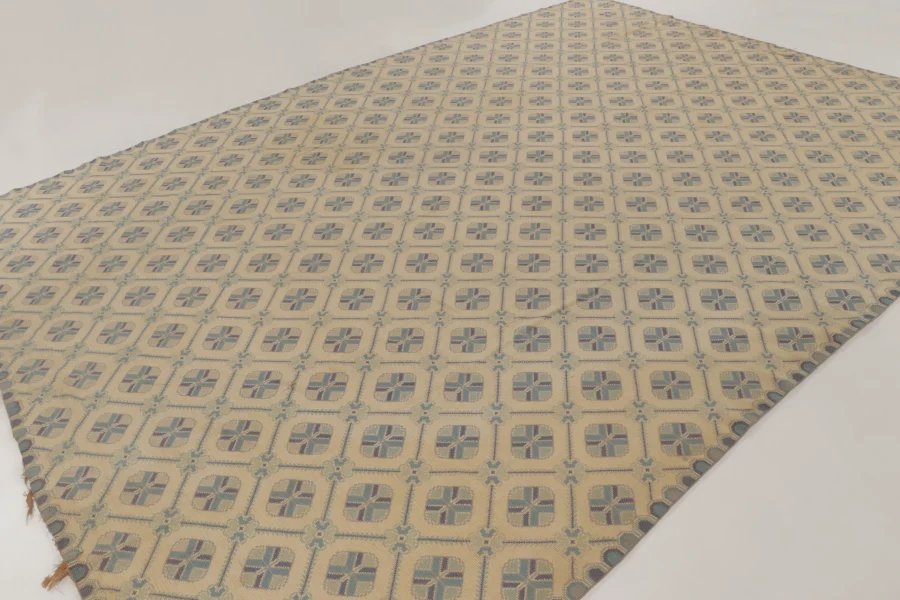 36709Oversized Vintage Portuguese Needlepoint Rug with Floral Lattice - Rug & Kilim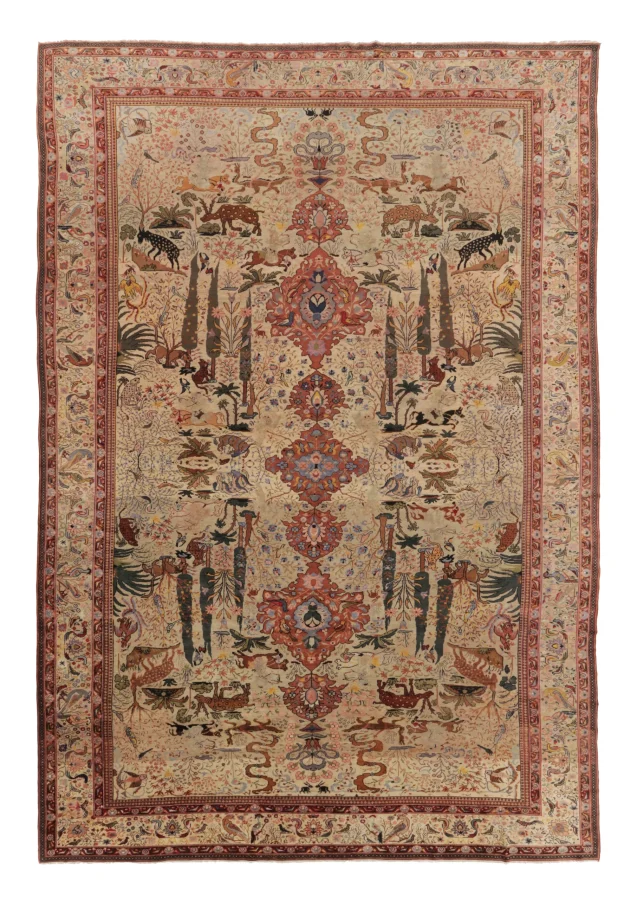
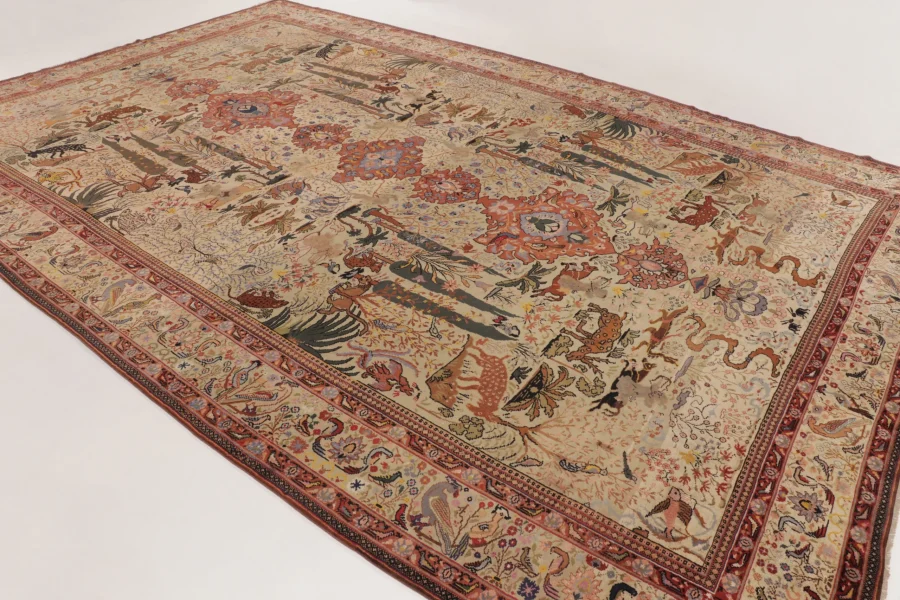 36870Rare Oversized Antique European Rug with Pictorials & Medallions - Rug & Kilim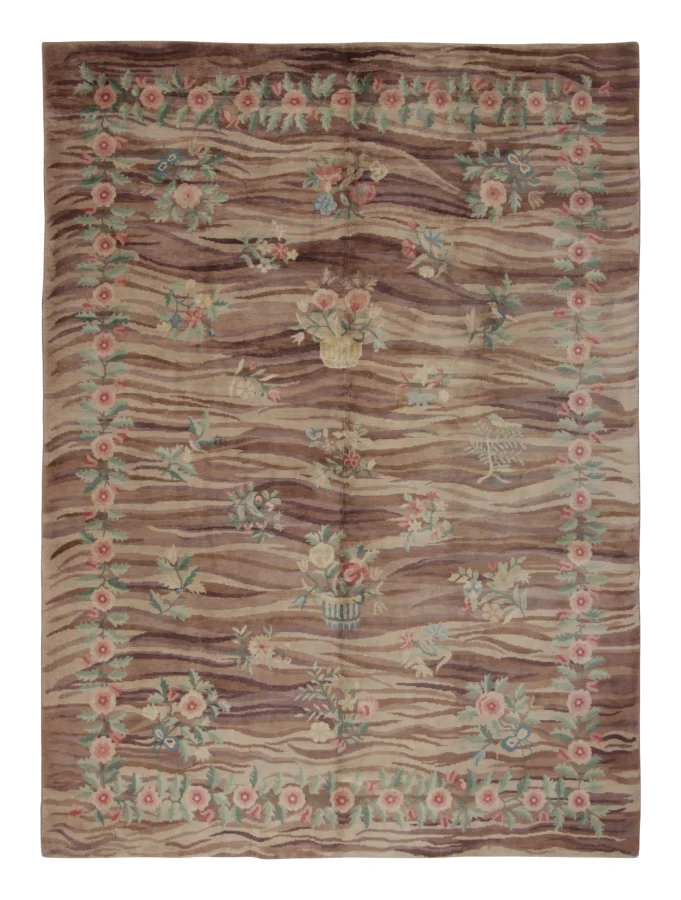
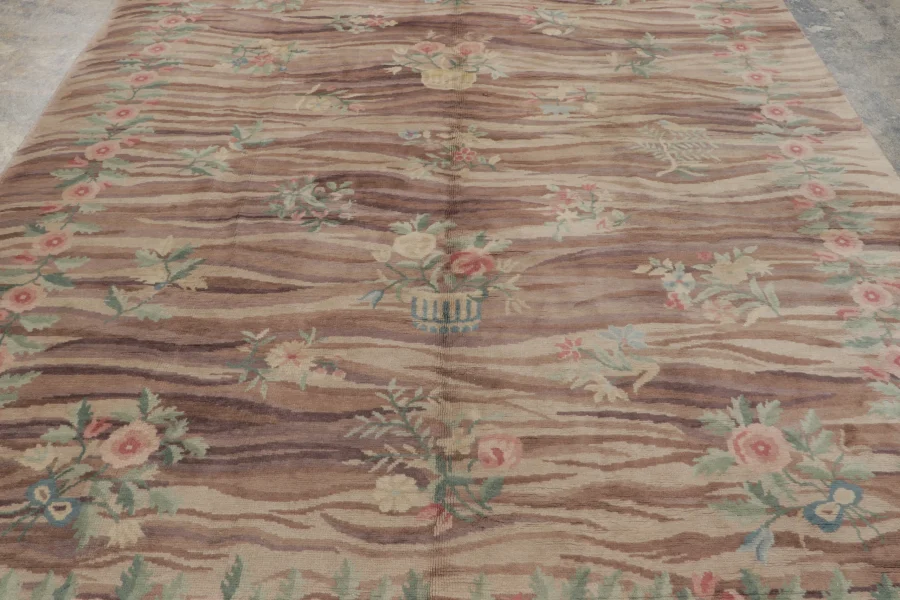 37189Rug & Kilim’s Modern Spanish European Rug in Brown with Floral Patterns “Bilbao”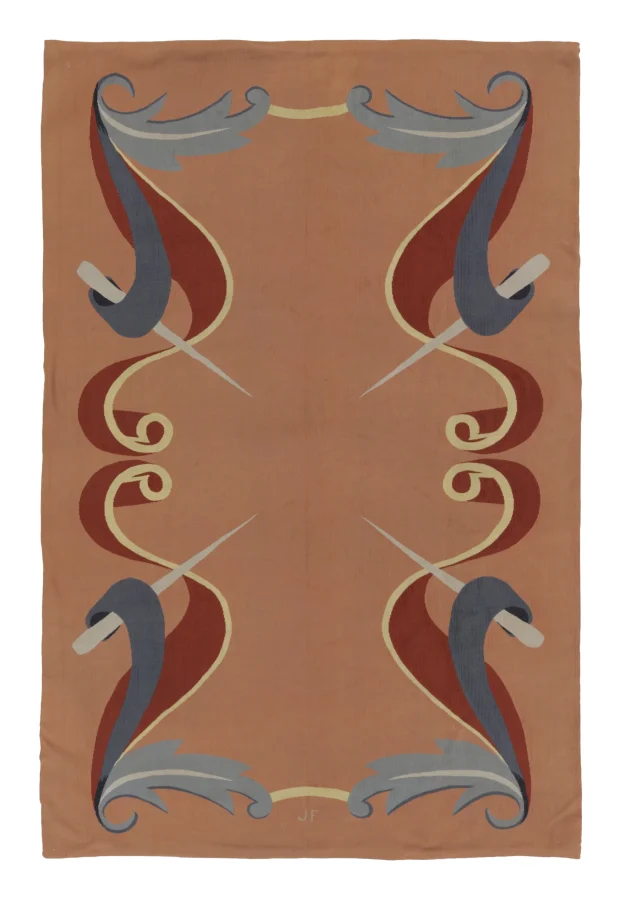
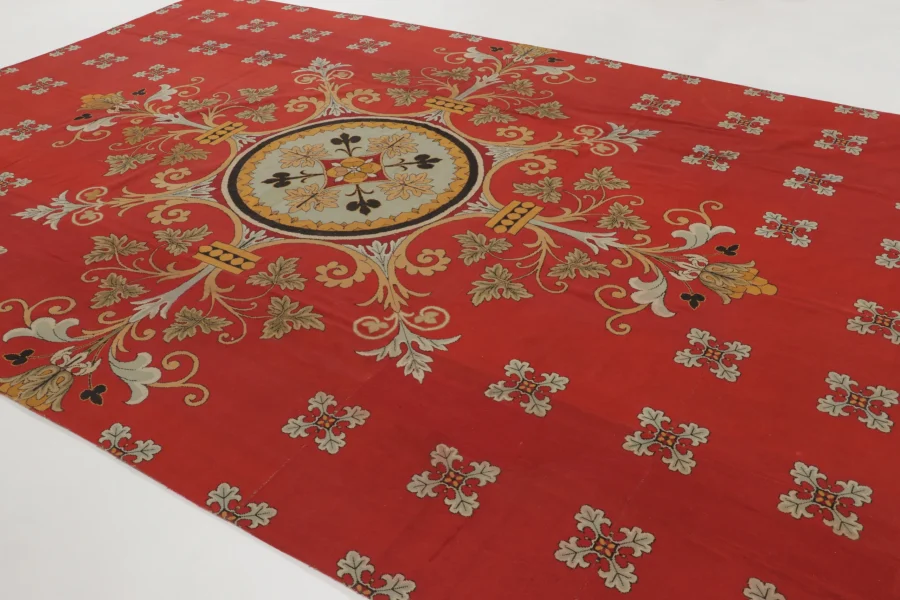
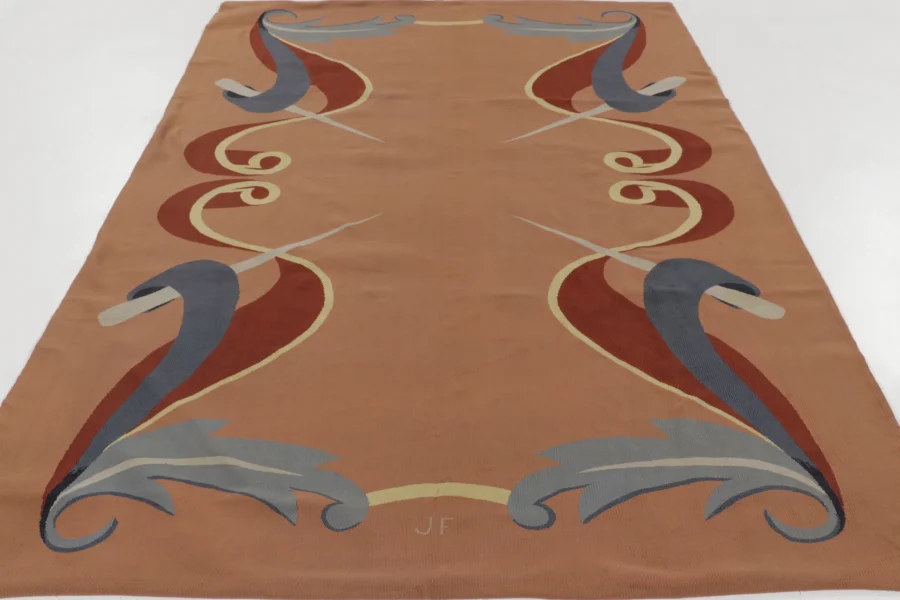 37136Signed “JF” Antique Modernist Aubusson Rug with Neo Baroque Design - Rug & Kilim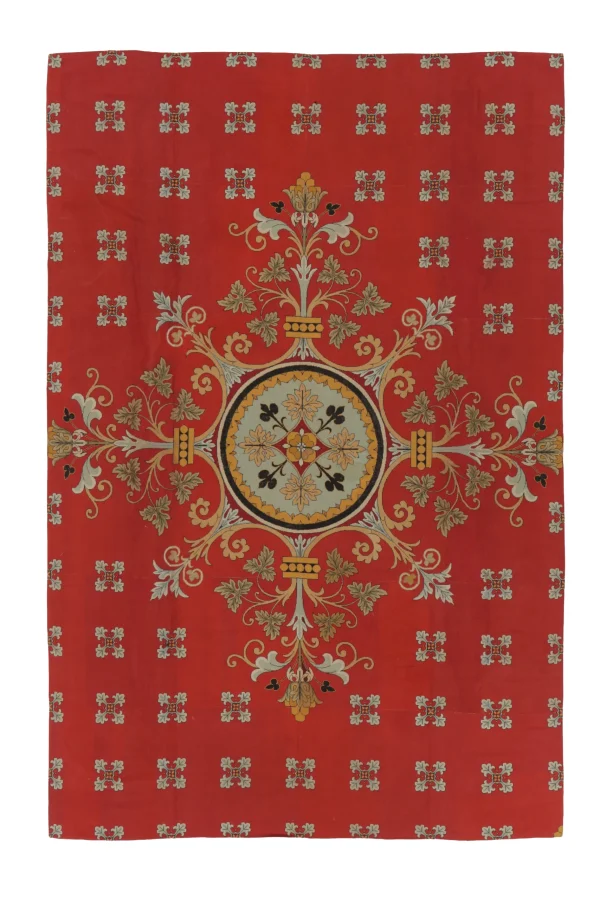
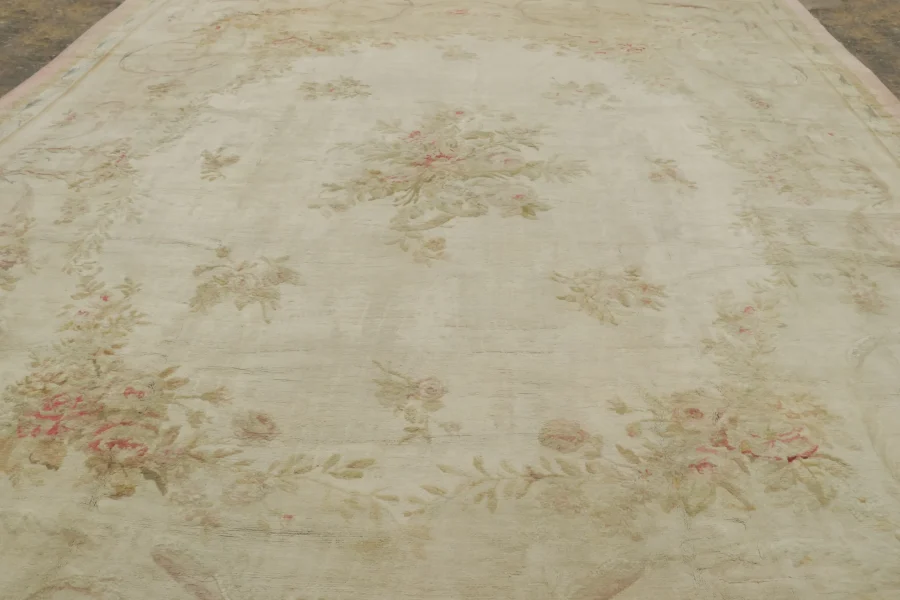
 37139Antique English Needlepoint Victorian Rug with Neoclassical Florals - Rug & Kilim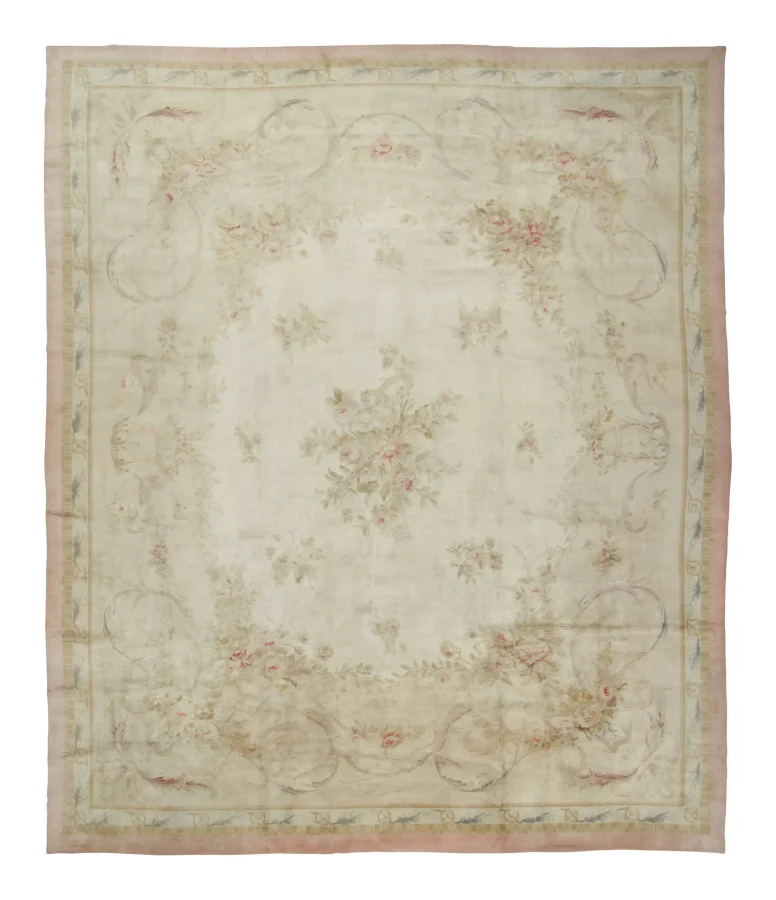
 37117Oversized Antique Savonnerie Rug in Floral Medallion Design - Rug & Kilim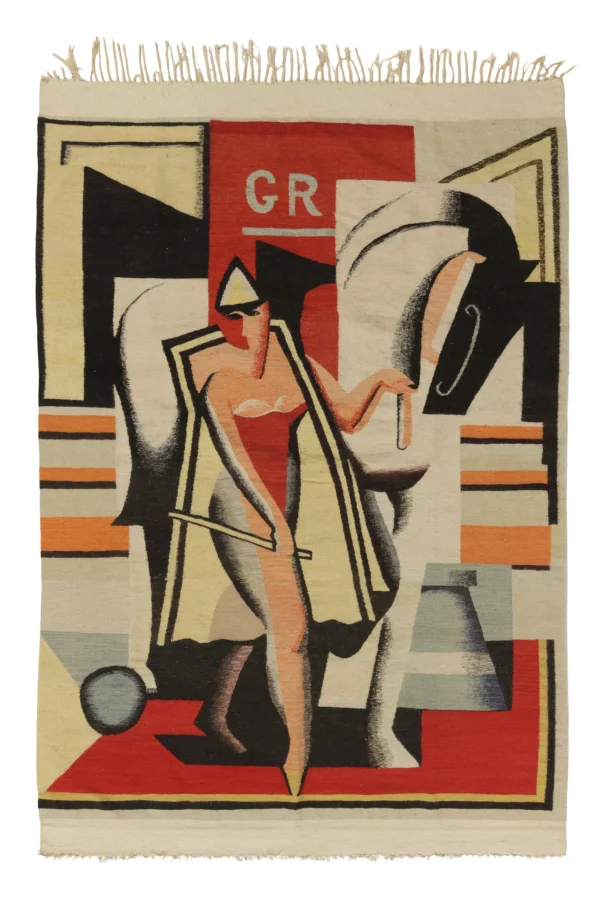
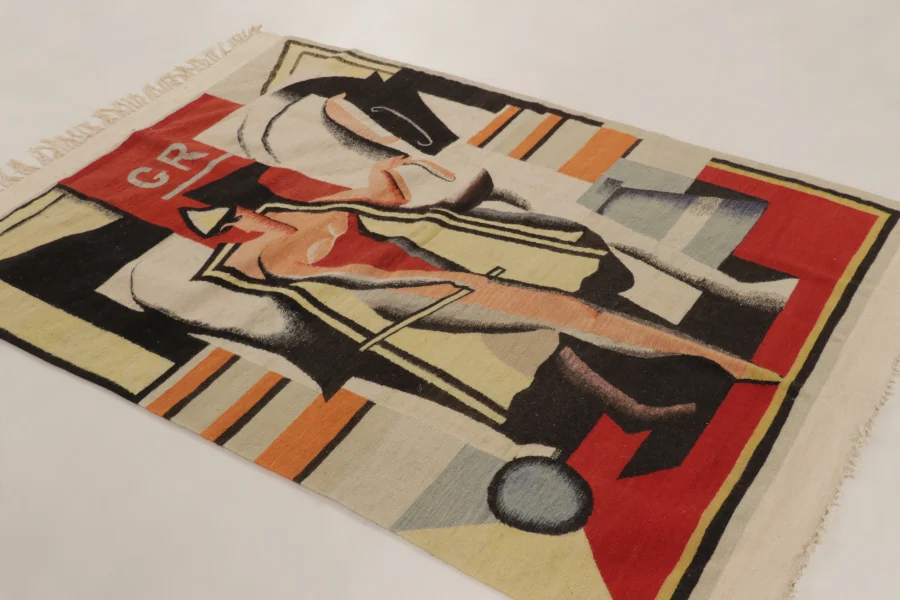 37314Signed Antique 19th Century Jean Metzinger Tapestry “Ecuyère au cirque” - Rug & Kilim
Stories from the European Archive
Essays, artist dialogues, and provenance notes drawn from Rug & Kilim’s editorial desk.
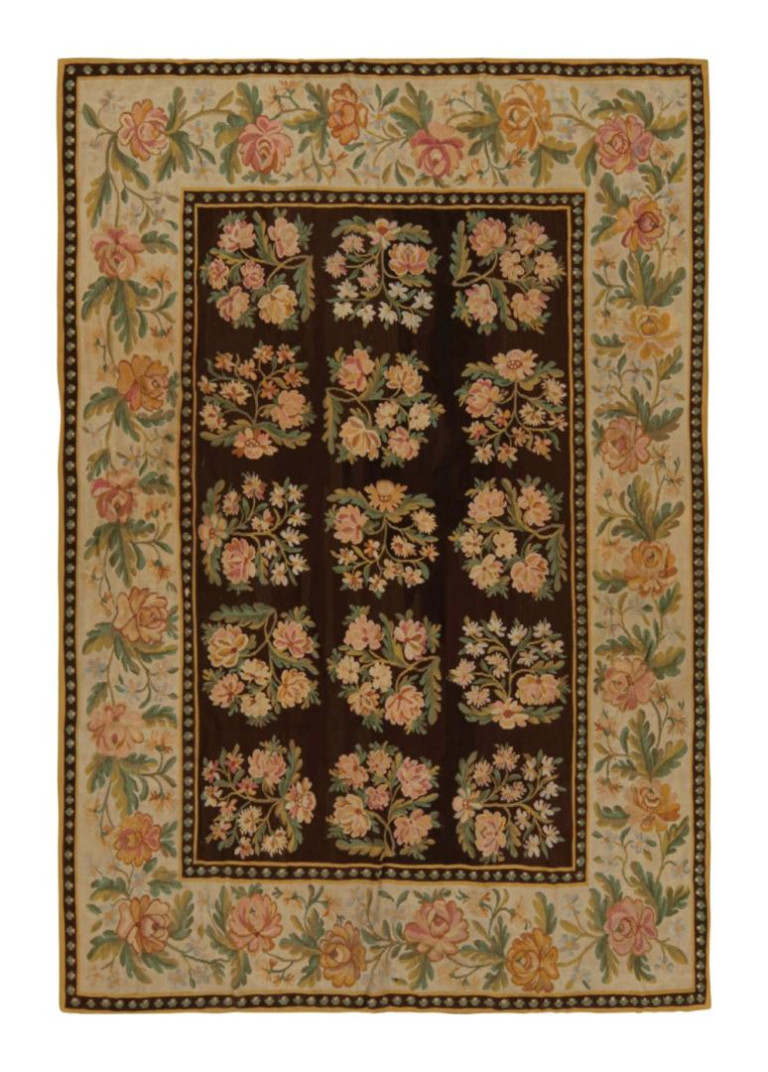
A Guide to Bessarabian Rugs: History, Design, and Modern Luxury
Within the world of collectible textiles and luxury interiors, few rug traditions possess the quiet sophistication and painterly elegance of Bessarabian rugs. Emerging from the historic region of Bessarabia—an area historically situated between present-day Moldova, Romania, and Ukraine—these rugs occupy a unique position at the crossroads of Eastern European folk tradition, Ottoman influence, Russian imperial culture, and French decorative aesthetics. Unlike the geometric tribal weavings commonly associated with Central Asia or the medallion-driven structures of Persian carpets, Bessarabian rugs developed a distinctly atmospheric and ornamental visual language. Their floral compositions, subdued tonal harmonies, and expansive decorative fields positioned them closer to European decorative arts than purely utilitarian floor coverings.
Read the Feature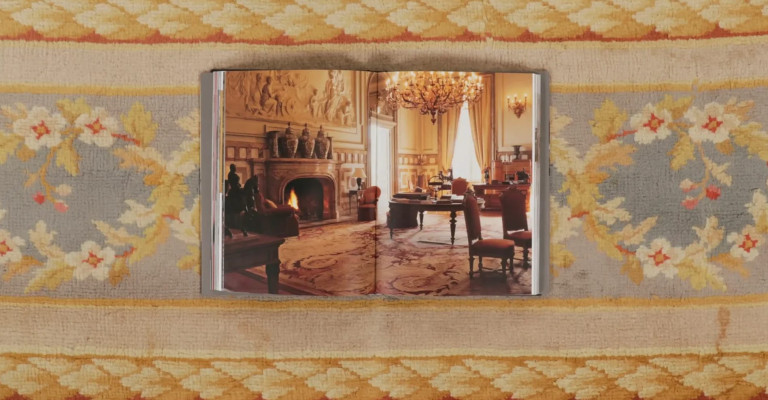
Savonnerie, Aubusson, Gobelins: The Three Ateliers That Defined What Europe Believed a Rug Could Be
In the final years of the sixteenth century, the treasury of France was hemorrhaging. Not to war alone though there had been enough of that but to the East. French silver was flowing steadily toward Persia and the Levant in exchange for knotted-pile carpets, objects of such refinement and such authority that no European workshop had yet produced anything capable of competing with them. Henri IV, who had survived the Wars of Religion and the bankruptcy of a kingdom to sit on the French throne, was not a man inclined to accept a problem he could solve. He installed Pierre Dupont — weaver, entrepreneur, and the most technically accomplished carpet-maker in France in the galleries of the Louvre itself, in workshops beneath the palace's own roof, with a single instruction: make something that does not require us to send money to Persia.
Read the Feature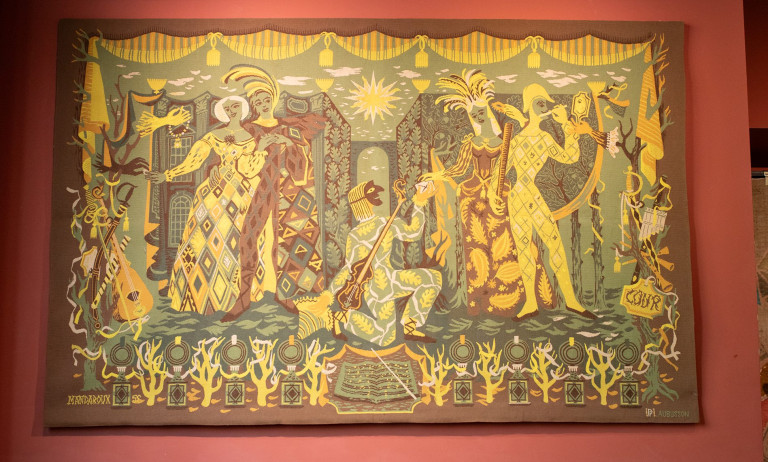
Rug of the Week IV: Mandaroux’s Le Carnaval — A Mid-Century Aubusson Tapestry in the Age of Postwar Reinvention
NO. 33873 Vintage French Aubusson Mandaroux Tapestry in Green with Pictorial | Rug & Kilim >> When the name Aubusson appears in a conversation among connoisseurs, it evokes an institution: five centuries of tapestry production that has furnished the courts of France, the grand hôtels particuliers of Paris, and the most ambitious interiors of Europe. Yet, the 20th century forced Aubusson into an existential shift. With the Second World War leaving both industry and identity fractured, the ateliers of central France were compelled to modernize. Painters, architects, and designers were invited to collaborate, transforming tapestry from historicist ornament into a modern art form.
Read the Feature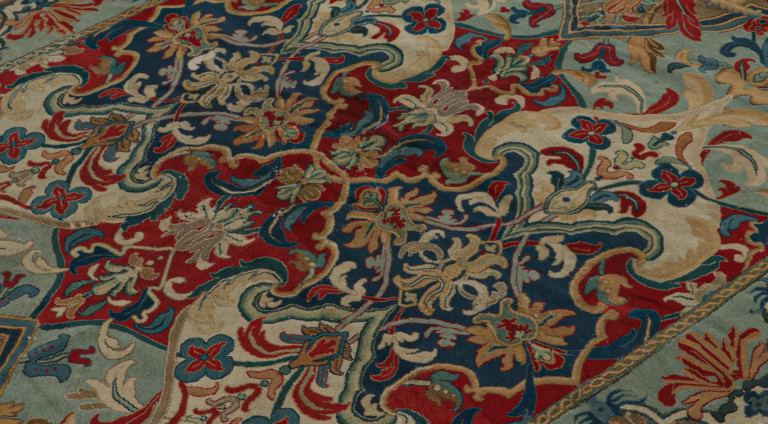
Rug of the Week Series III: Power, Pattern, and Politics in French Needlepoints of the Second Empire
There are objects that decorate, and there are objects that define. This mid-19th century French needlepoint rug—handmade in wool between 1850 and 1860—is firmly of the latter category. At first glance, its medallion-and-floral field, worked in shades of imperial blue, martial red, and softened beige-brown, reads as a refinement of ornament. Yet within its stitches lies the broader cultural program of Napoleon III’s Second Empire, when interiors were designed as orchestrated symbols of hierarchy, order, and political continuity. To understand a textile such as this is to understand the interior not as decoration but as stagecraft: a point where power, domestic life, and aesthetics converged.
Read the Feature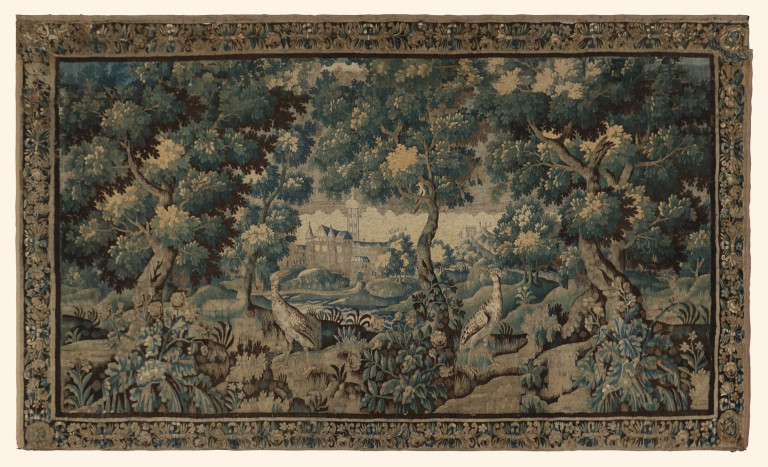
The World of Period Piece Rugs and Kilims: Provenance, Style, and Collecting Masterworks
In the world of fine art and design, the term period piece is not a casual descriptor—it is an assurance of historical integrity, stylistic authenticity, and documented provenance. To speak of period piece rugs and kilims is to speak not simply of textiles, but of time made tangible. From the opulent wool-and-silk Savonneries gracing the salons of Louis XIV, to the restrained architectural harmony of French Aubussons, the modernist clarity of a signed Leleu, or the atmospheric geometry of Chinese Art Deco and Peking carpets—these are not mere floor coverings. They are artefacts of intent, designed to speak to power, status, and the zeitgeist of their era.
Read the Feature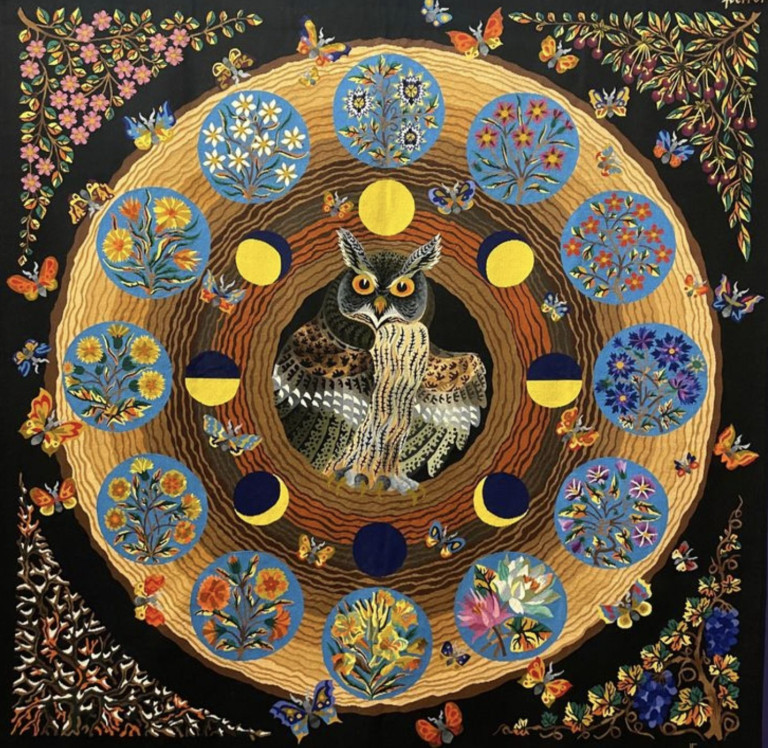
René Perrot’s Tapestries and the Post-War Revival of French Decorative Arts
The resurrection of French decorative arts after the devastation of World War II represents one of the most profound artistic revivals of the 20th century. At the center of this renaissance stands René Perrot (1912-1979), whose monumental tapestries encapsulate not merely a return to tradition, but a bold reimagining of France's artistic identity amid the rubble of conflict. When a nation's cultural heritage lies in fragments, the artist becomes both archaeologist and architect. This sentiment echoed through the corridors of post-war French ateliers, where Perrot's distinctive vision began to take shape.
Read the Feature