

Wool
England, c. 1880-1889
8'0" X 10'0" (2.44 m x 3.05 m)
Available: Shipping As Soon As Tomorrow
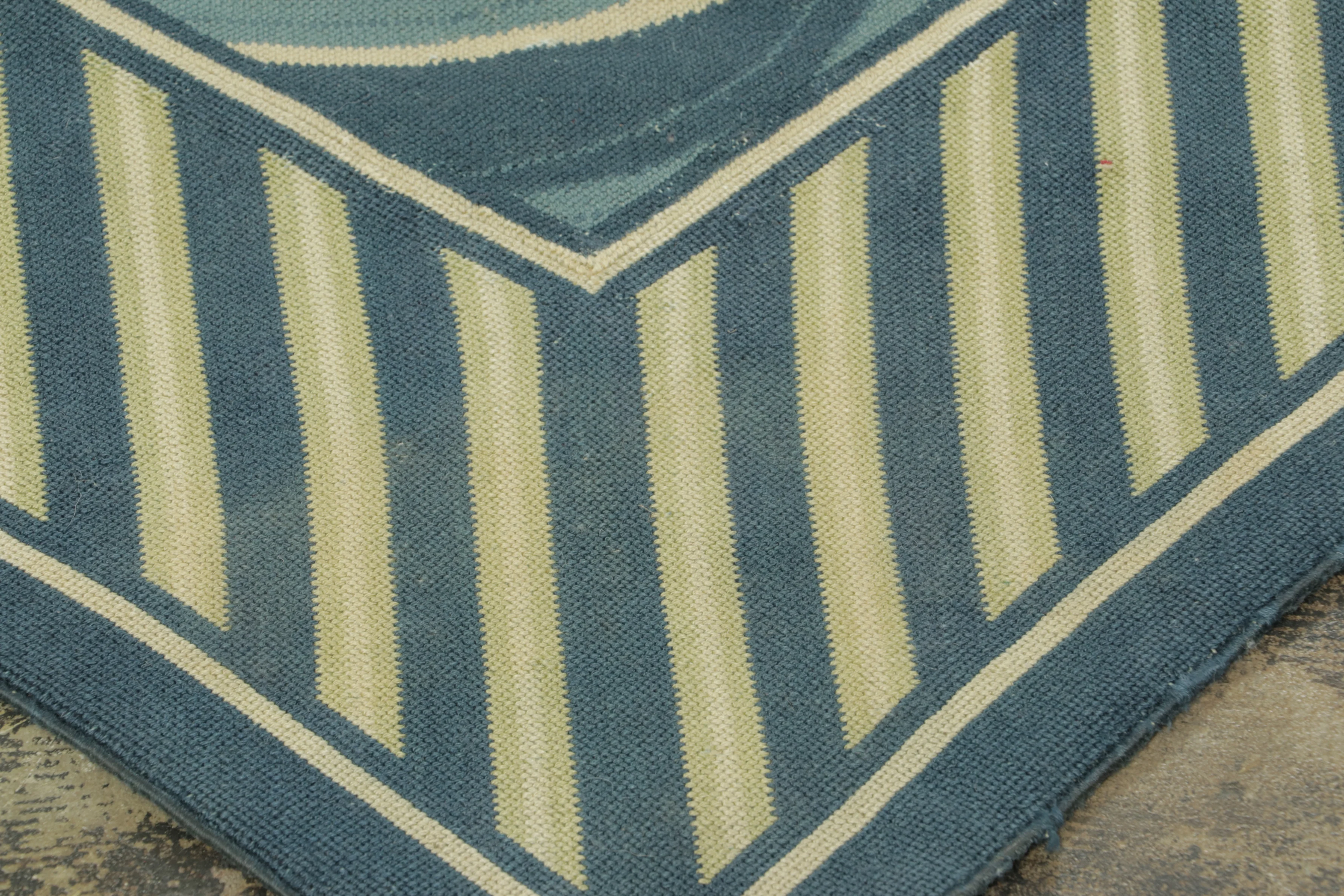
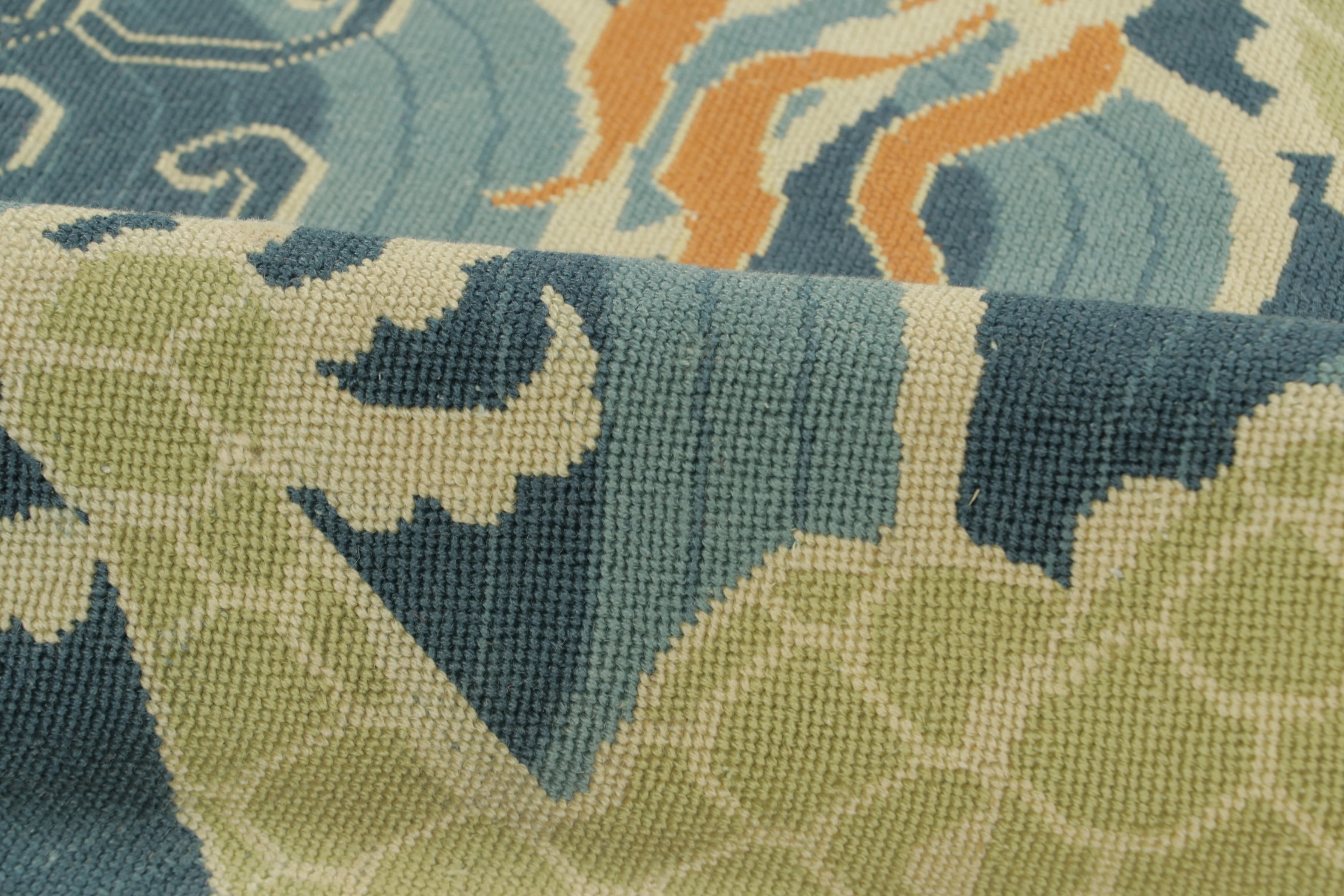
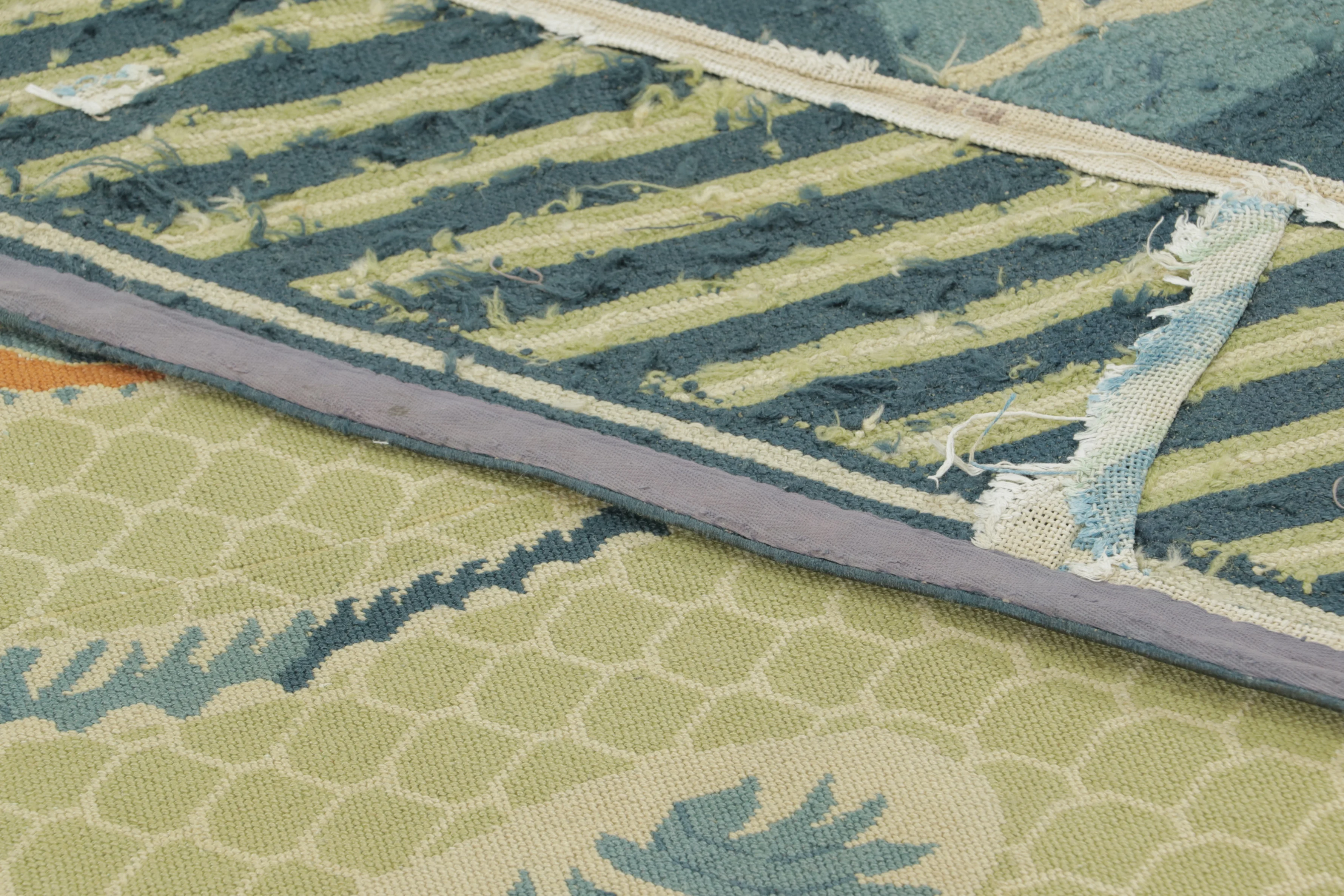
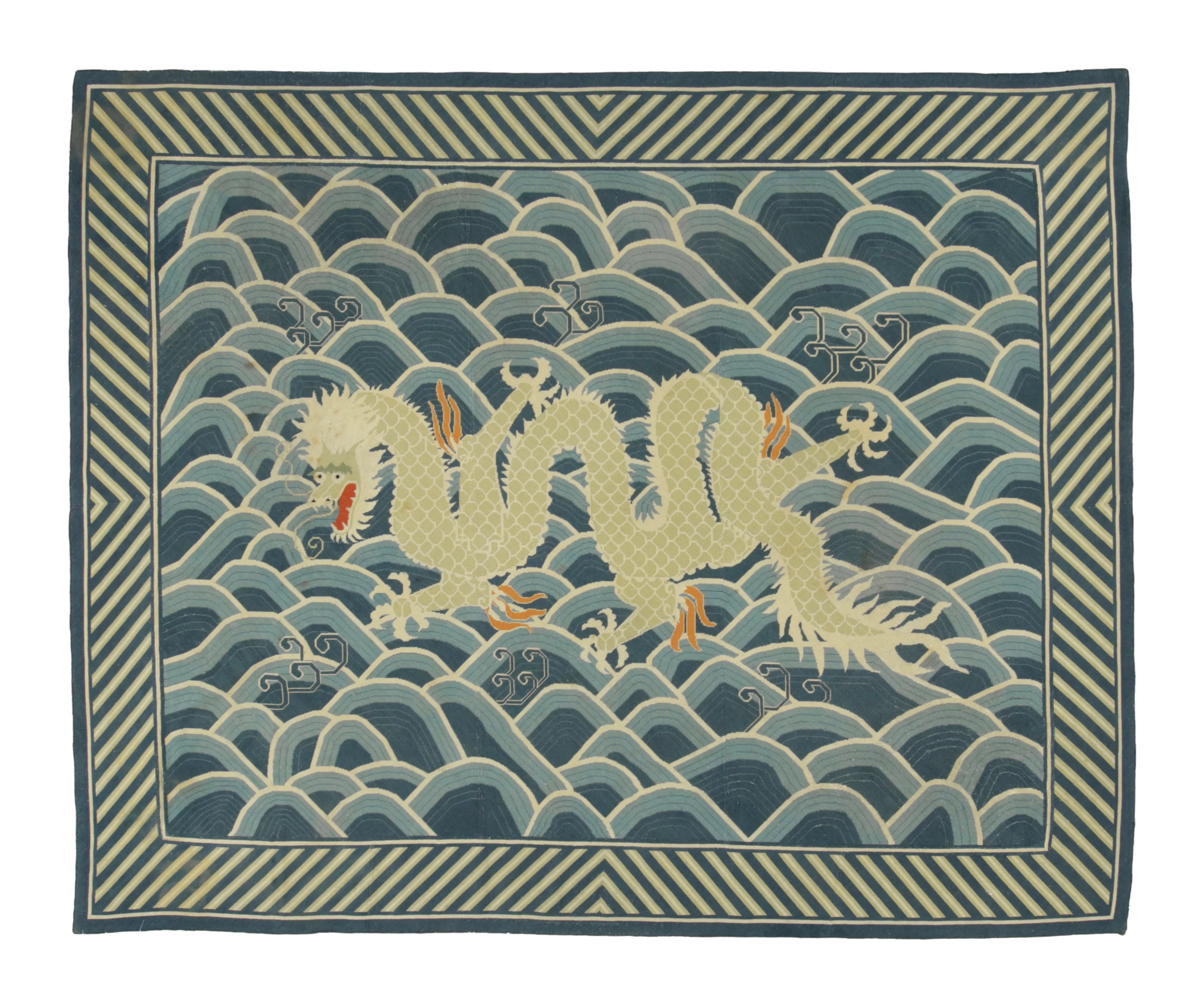
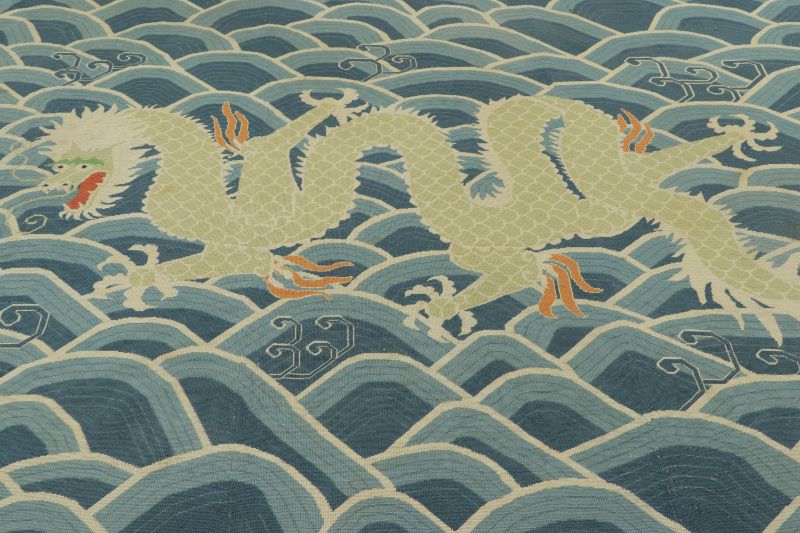
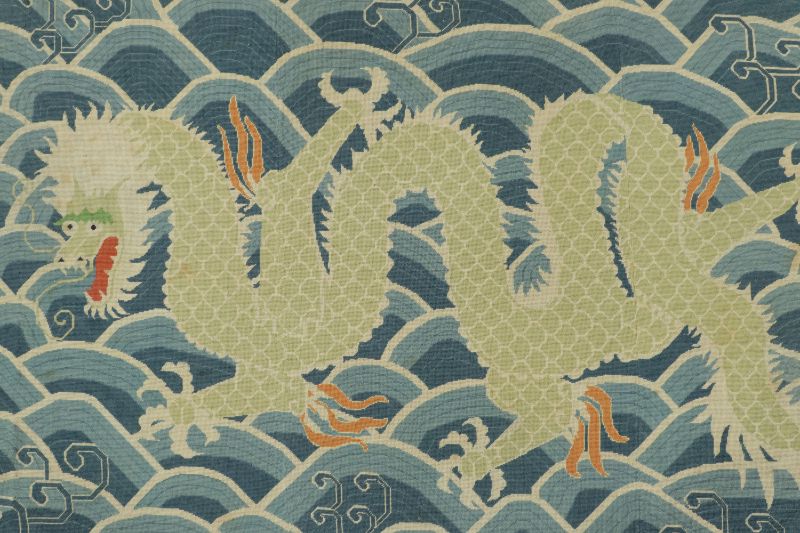
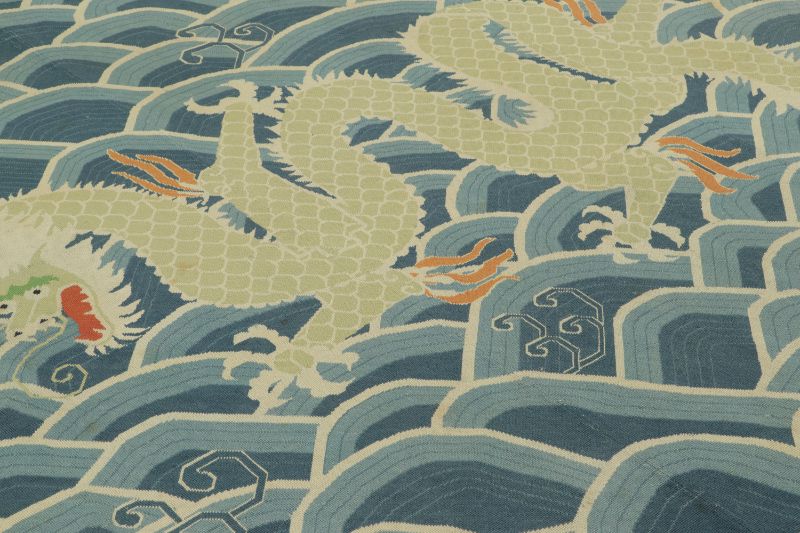
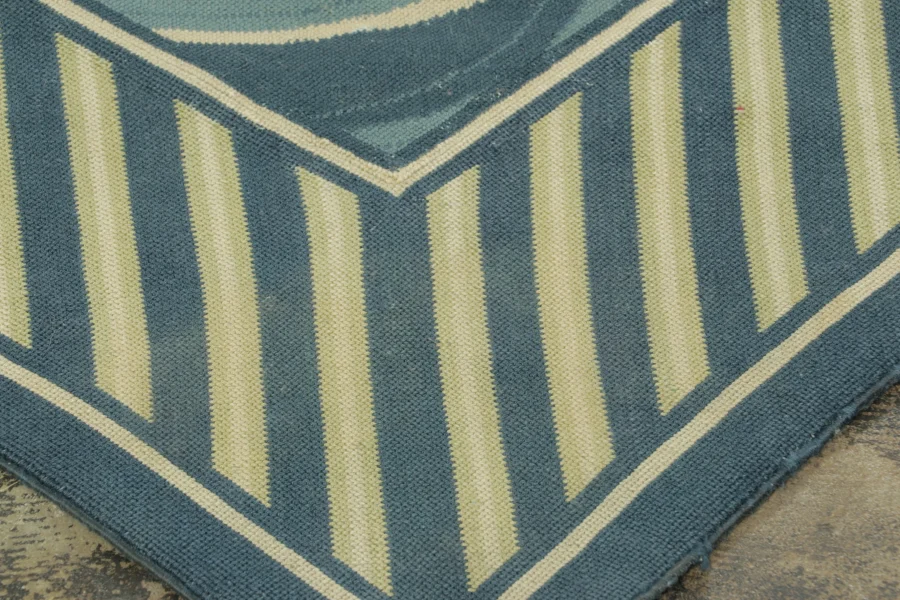
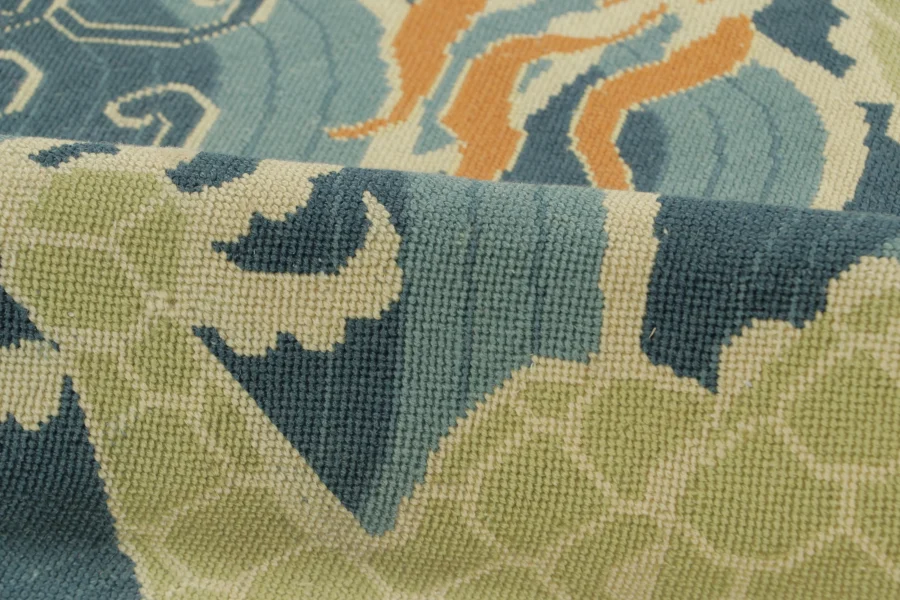
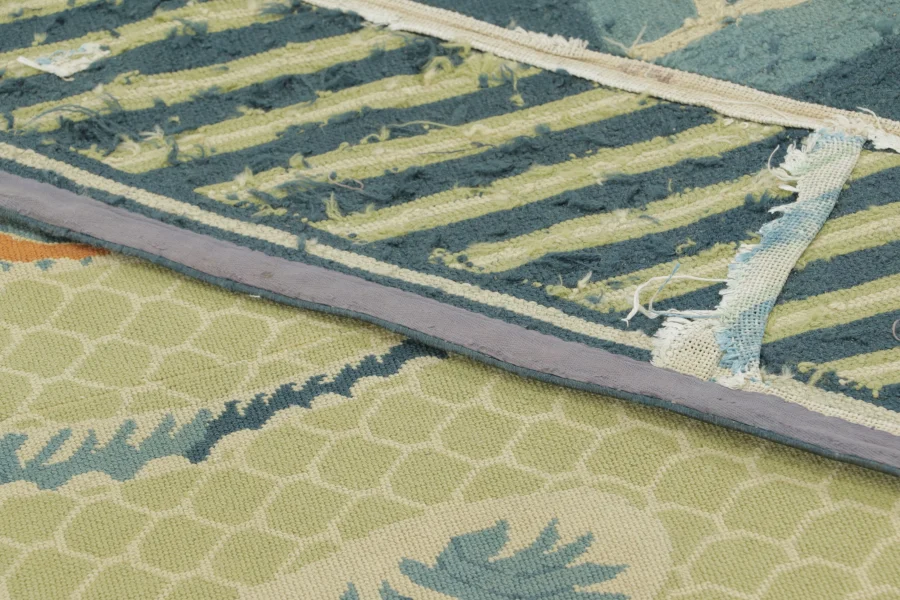
Antique 19th Century English Needlepoint Rug with Chinese Dragon & Waves - Rug & Kilim
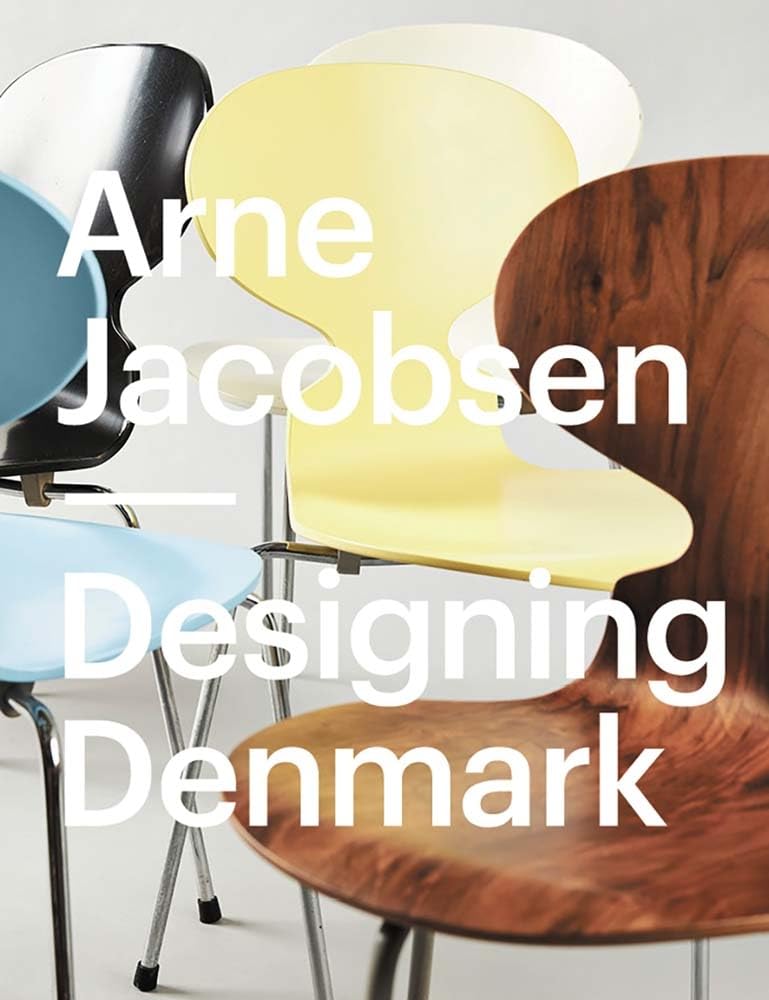
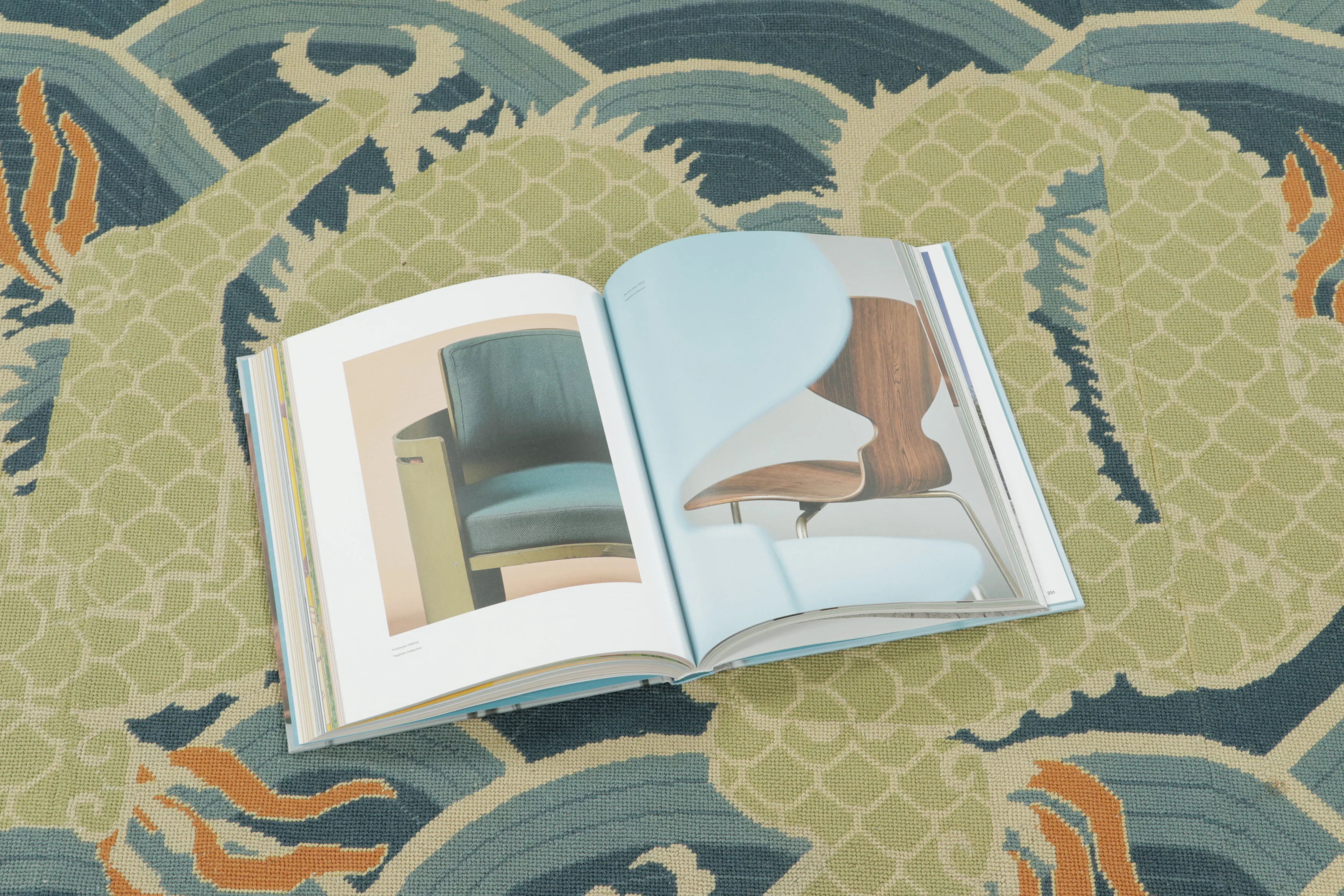
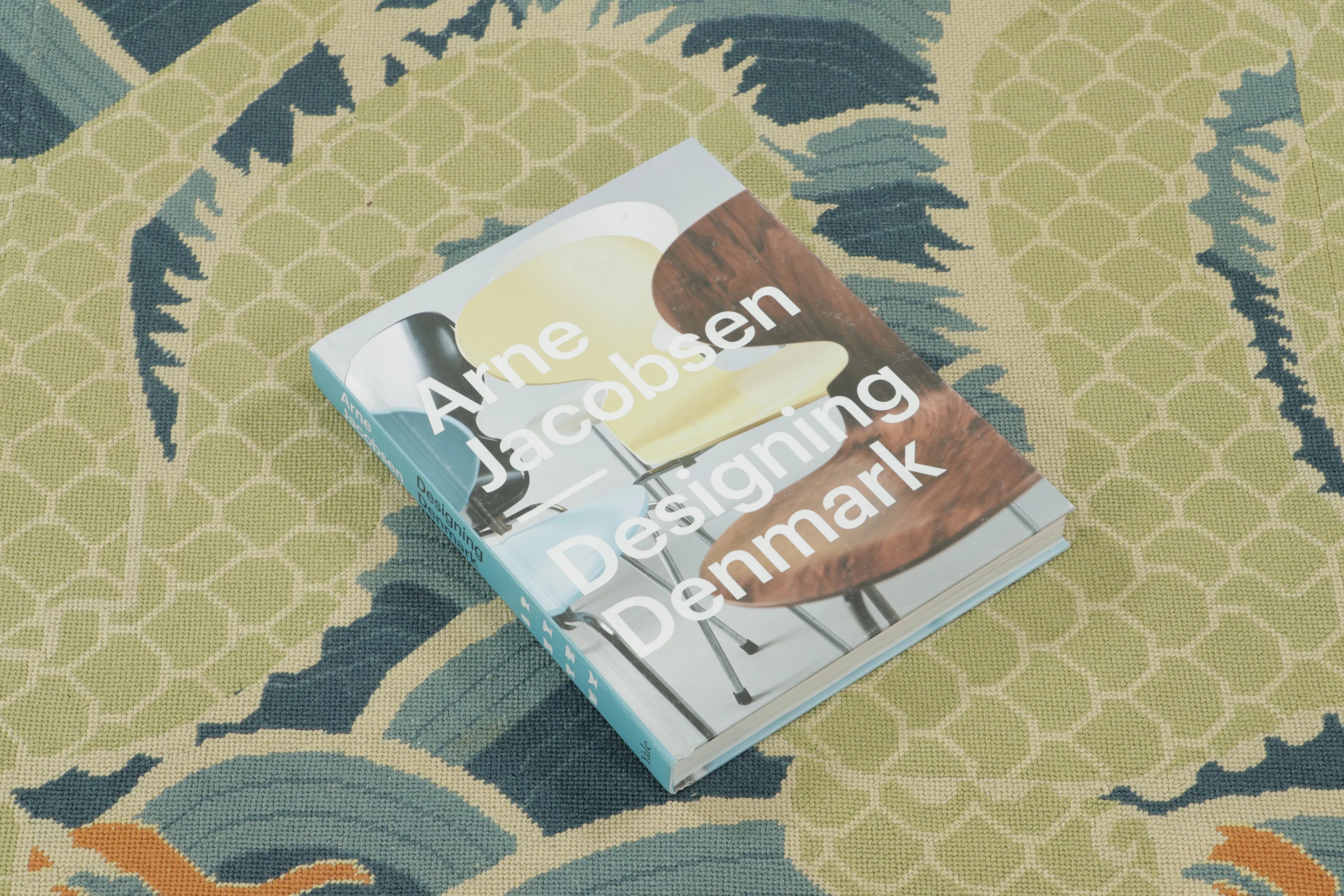
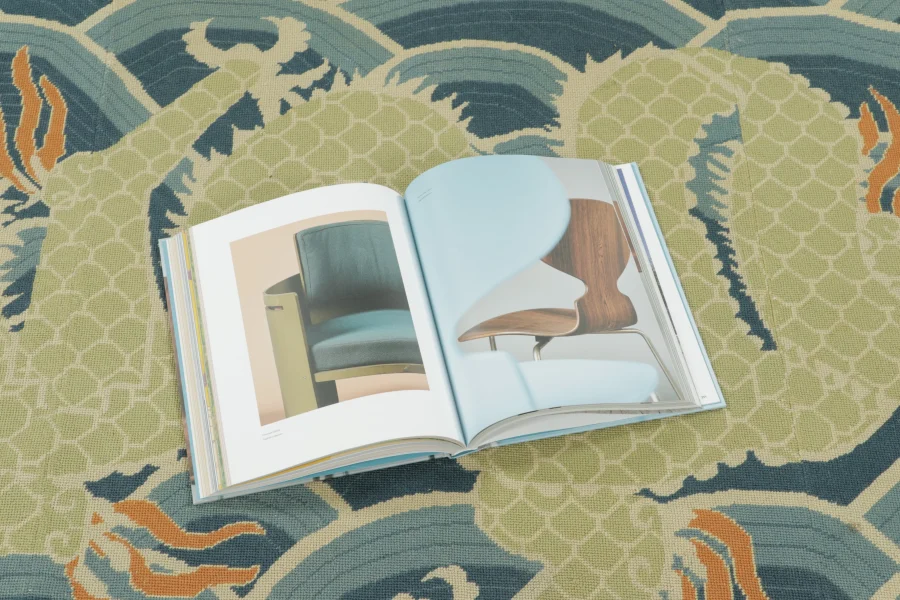
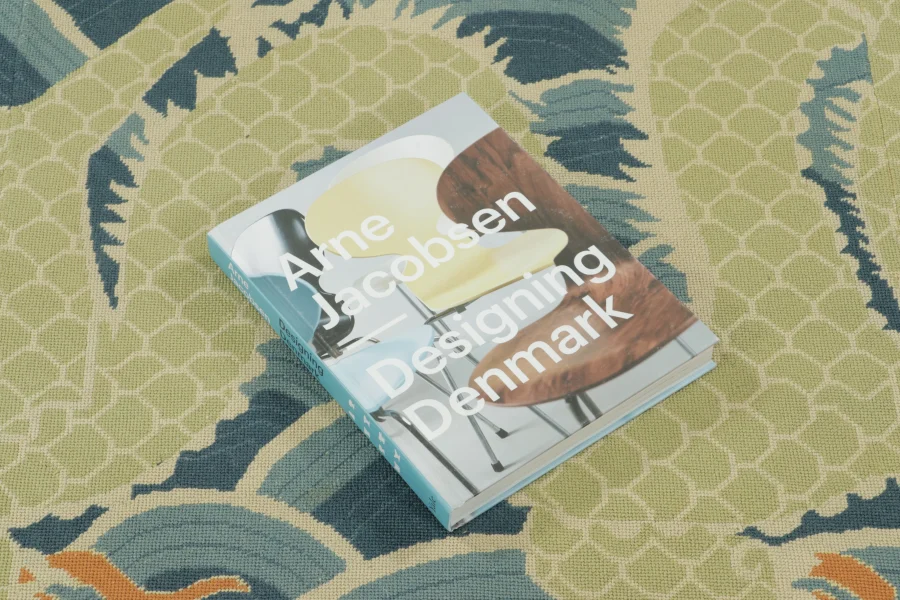
Arne Jacobsen
By Katrine Stenum Poulsen, Annika Skaarup Larsen, and Nan Dahlkild. — Yale University Press, 2024
Modernist (20th Century), Swedish/Scandinavian
An exploration of the world of Arne Jacobsen, one of the twentieth century’s most influential architects and designers The Danish architect Arne Jacobsen (1902–1971) is renowned both within and outside Denmark’s borders. Celebrated for his iconic chairs, Jacobsen was also an avid photographer and painter who was involved in the art world, where he found inspiration and new methods for developing architecture. This is the most comprehensive account of Jacobsen to date, diving into previously unknown aspects of his life and work.
$60
"Josh has been able to dredge up some of the rarest and most beautiful carpets for our nerdy and stringent requirements. And we have had a grand time together assembling collections for clients."
— Ralph Harvard, Ralph Harvard Inc.
A standard since our inception upheld across every acquisition,
transaction, and delivery.
45+ Year Old Institution
More than four decades of expertise and stewardship, under the leadership of our Principal, Jahanshah "Josh" Nazmiyal.
Favorable Return Policy
Our return policy is 48 hours upon receipt allowing you to confirm the purchase in your space with confidence.
Product Warranty
Each rug is hand selected or produced through the most reputable sources under the direct supervision of our Principal.
Trusted Global Delivery
Reliable worldwide delivery handled with care, precision and constant communication.
Exceptional Support
Attentive, knowledgeable guidance before and after purchase from our dedicated team of specialists.
Long Term Care
We stand behind every piece we place and remain a resource to our clients for the lifetime of their collection.
- Measurements: 8'0" x 10'0" ( 2.44 m x 3.05 m )
- Categories: Antique, European
- Classification: Chinese, Classic/Traditional, Geometric, Needlepoint, Pictorial
- Material: Wool
- Origin: England
- SKU: 37485
Specifications:
Stories from the Antique Collection
Essays, artist dialogues, and provenance notes drawn from Rug & Kilim’s editorial desk.
What Makes Tibetan Wool the Gold Standard for Custom Rugs
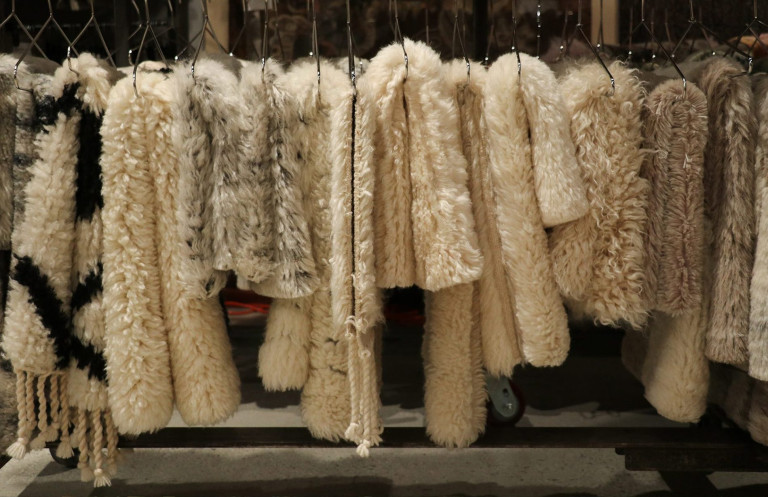
Every great rug begins long before the loom. It begins on the animal, in the place, in the particular conditions that made the fiber what it is. And among all the wools that have ever been spun into a carpet, few can rival the wool of the Tibetan highlands, a material whose superiority is not a matter of marketing but of altitude, climate, and the unhurried logic of the natural world. The sheep of the Tibetan plateau live at elevations that would defeat most living things, thin air, brutal cold, a growing season measured against a sky closer than it has any right to be. Nature's answer to that severity is the fleece. To survive the plateau, the animal must grow a wool of exceptional density and, crucially, of exceptional lanolin content; the natural oil that coats each fiber, repels water, resists soil, and lends the finished yarn a luster and resilience that lowland wools cannot approach. What is hardship for the animal is a gift to the weaver.
Read the Feature
The Layered Home: 5 Ways to Rethink Floor Rugs and Wall Tapestries
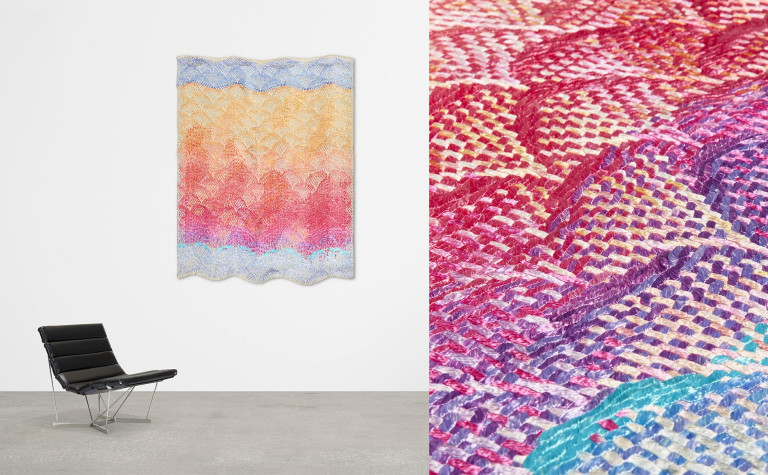
The real spatial dimension does not get painted, it gets woven. Begin with hanging a piece such as Signed Vintage Lia Cook Tapestry slightly off-center on one of your main walls. Its intricate Jacquard weave and the friction created between its rayon and linen fibers will require a lot of breathing room, immediately establishing a gravitational pull of the whole room. But to balance this vertical tension, the ground beneath your feet needs to become much more rigorous. With the use of a rigorously beaten warp-faced plane such as cotton Indian Dhurrie or Antique Swedish Röllakan's interlocking tapestry weave, you create a flat but structurally resistant base. A ground made from a rigidly woven material needs to be challenged. The last textural transition will come from placing a Vintage Frazada Kilim with heavy weft interlace across your warp-faced plane. The act of overlapping your heavy weft on a rigorously
Read the Feature
The Rug That Made the Room: Ten Interiors Where the Carpet Was the Only Decision That Mattered
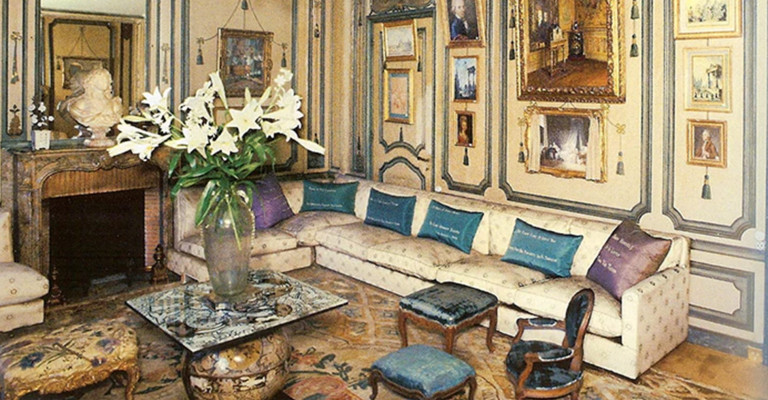
Every serious designer knows the moment. You walk into a room that is not yet finished; the furniture placed but provisional, the walls painted but unconvinced, the light doing its best with what it has been given and something stops you. Not the chandelier. Not the art. The floor. A carpet lies there with the particular authority of an object that has already decided what the room is going to be, and is waiting, with complete patience, for everything else to catch up. The furniture will be chosen in response to it. The color of the walls will be negotiated against it. The art will be hung at a height that the carpet's scale has already determined. The room, in the most literal sense, begins underfoot.
Read the Feature
From the Rothschild Collection: On Provenance, Collecting, and the Rugs That Outlast Everything
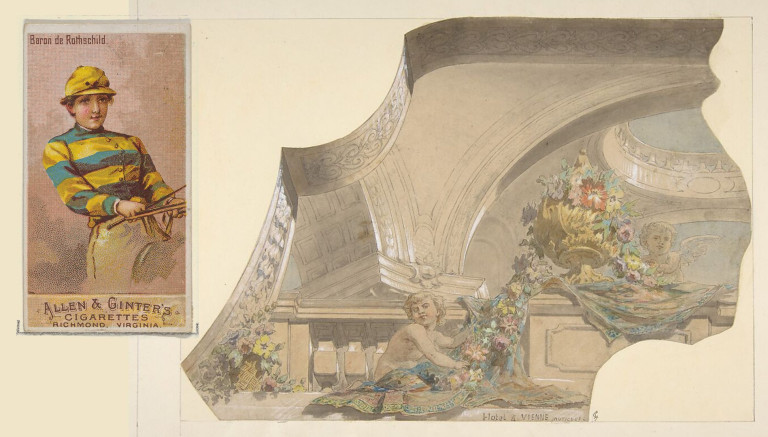
In April 2016, three rugs arrived at Christie's King Street in London that had not been seen in public for over a century. They had not been exhibited. They had not been published. They had not, so far as the scholarly record indicates, been shown to anyone outside the family that owned them since before the First World War. They were Kerman Vase carpets, woven in southeastern Persia in the seventeenth century, acquired by Ferdinand de Rothschild before his death in 1898, passed to his sister Alice, then by descent to her nephew James, and held quietly, privately, with the particular discretion that distinguishes the greatest collections from merely expensive ones for one hundred and eighteen years.
Read the Feature
Rooms of Power: Rugs, Art, and the Architecture of Global Interiors
Before There Was Interior Design, There Was Placement Long before interiors were styled, they were composed through objects that carried worlds within them. A Mughal carpet was not simply placed beneath a court; it defined the court. A Savonnerie was not an accessory to Versailles; it was an extension of its order. A Chinese Art Deco rug did not decorate early modernist apartments; it translated an entire cultural vocabulary into a new architectural language. What we now call “interior design” is, at its highest level, a continuation of this lineage: the understanding that certain objects, particularly rugs are not passive. They carry with them histories of empire, trade, philosophy, and labor. They are, in essence, compressed geographies.
Read the Feature
A Rug & Kilim’s Guide to Rug Patterns in Interior Design: A Study of Persian, European, Scandinavian, Art Deco and Modern Styles
There are rooms - rare, disciplined rooms, where nothing is accidental. A salon overlooking Lake Como, where a 19th-century Aubusson anchors parquet floors beneath frescoed ceilings. A Manhattan interior shaped by the restraint of Peter Marino, where a Scandinavian flatweave holds its ground against glass, steel, and silence. A private riad in Marrakech, where tribal geometry converses effortlessly with shadow, plaster, and time. In such spaces, pattern is not simply chosen. To understand pattern at this level is to move beyond decoration into discipline. Great decorators and architects like Jacques-Émile Ruhlmann, Le Corbusier, and Gio Ponti never treated surfaces as passive. Floors, like walls and ceilings, were compositional fields governed by proportion, rhythm, and intellectual clarity.
Read the Feature


R&K Image Studio
NEWThe R&K Image Studio is a new visual workspace designed to present the Rug & Kilim collection with clarity, restraint, and precision — in your space or any space you imagine.
This tool allows you to view, refine, and prepare imagery drawn directly from the pieces in our archive. They can be visualized cleanly, isolated thoughtfully, and adjusted for presentations, proposals, and private viewings, without altering the integrity of the original work.
Antique
Wool
England, c. 1880-1889
8'0" X 10'0" (2.44 m x 3.05 m)
$55,000
Available: Shipping as Soon as Tomorrow
Antique 19th Century English Needlepoint Rug with Chinese Dragon & Waves - Rug & Kilim
"It's rare to find a rug company that offers unique antiques, curated with a historical eye. And the best quality customization for anything you might need. All while being treated like family - love those guys."
— Andre Mellone, Studio Mellone
- Measurements: 8'0" x 10'0" ( 2.44 m x 3.05 m )
- Categories: Antique, European
- Classification: Chinese, Classic/Traditional, Geometric, Needlepoint, Pictorial
- Material: Wool
- Origin: England
- SKU: 37485