
Time, Labor and the Lasting Value of the Handmade Rug
September 18, 2026
Provenance, Structure, Intelligibility: The Three Pillars of Serious Collecting
September 25, 2026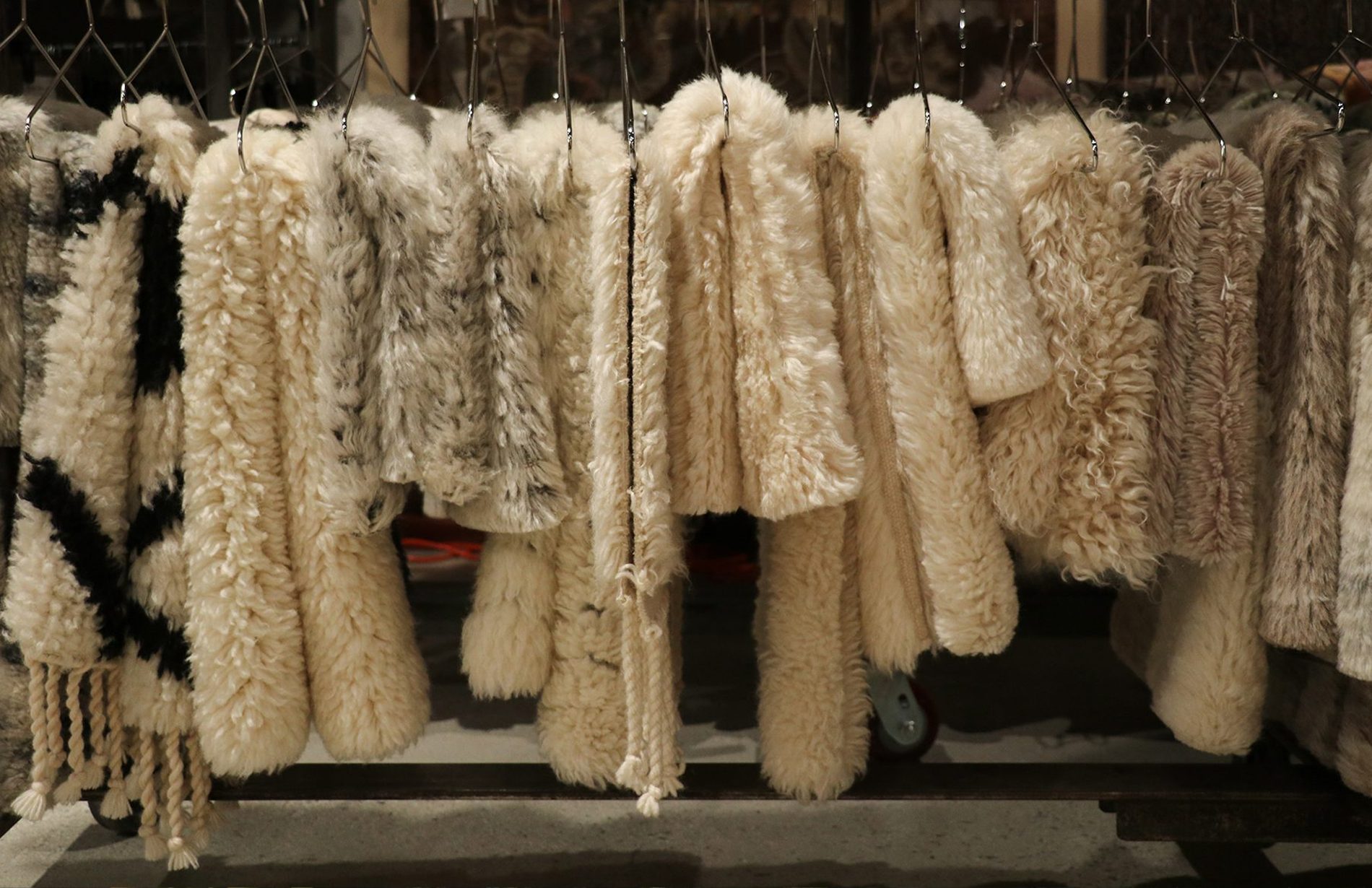
Every great rug begins long before the loom. It begins on the animal, in the place, in the particular conditions that made the fiber what it is. And among all the wools that have ever been spun into a carpet, few can rival the wool of the Tibetan highlands, a material whose superiority is not a matter of marketing but of altitude, climate, and the unhurried logic of the natural world.
The sheep of the Tibetan plateau live at elevations that would defeat most living things, thin air, brutal cold, a growing season measured against a sky closer than it has any right to be. Nature’s answer to that severity is the fleece. To survive the plateau, the animal must grow a wool of exceptional density and, crucially, of exceptional lanolin content; the natural oil that coats each fiber, repels water, resists soil, and lends the finished yarn a luster and resilience that lowland wools cannot approach. What is hardship for the animal is a gift to the weaver.
The harshest highlands produce the softest thread. It is one of those quiet paradoxes in which nature specializes, and the same one that gives us the finest cashmere from the freezing plateaus of Ladakh and the most coveted vicuña from the high Andes. Loro Piana built an empire on precisely this principle: that the world’s most extraordinary fibers are grown by animals surviving the world’s most extraordinary altitudes. The rug world’s equivalent is the wool of Tibet.
The consequence is a fiber that behaves unlike any other underfoot. Lanolin-rich Tibetan wool takes natural dye with a depth and subtlety that lesser wools cannot hold, the oil allowing color to settle into the fiber rather than sit upon it, the way pigment sinks into fresco and becomes part of the wall rather than a film across it. It ages not by wearing out but by burnishing in, developing over years the soft sheen that collectors prize and that no new rug can counterfeit; a patina, in the sense Axel Vervoordt means when he calls patina not damage but history, the visible index of time’s passage. And it possesses a natural resilience so complete that a Tibetan-wool carpet crushed for decades beneath furniture will, given air and time, rise again toward its original pile. This is a material that resists the passage of time on principle.
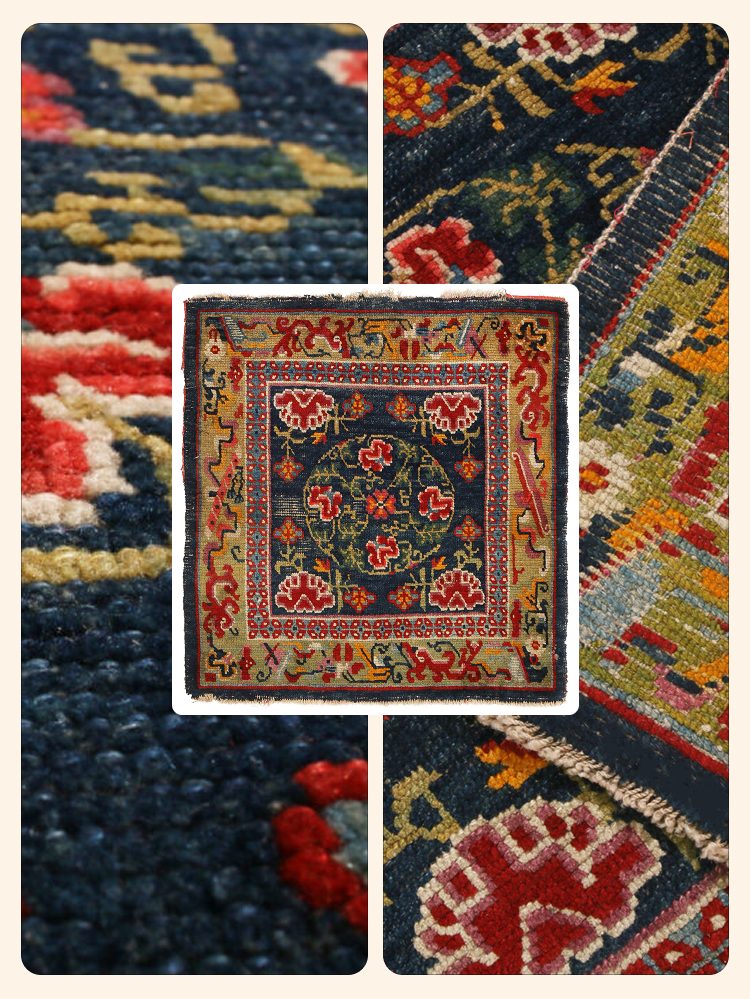
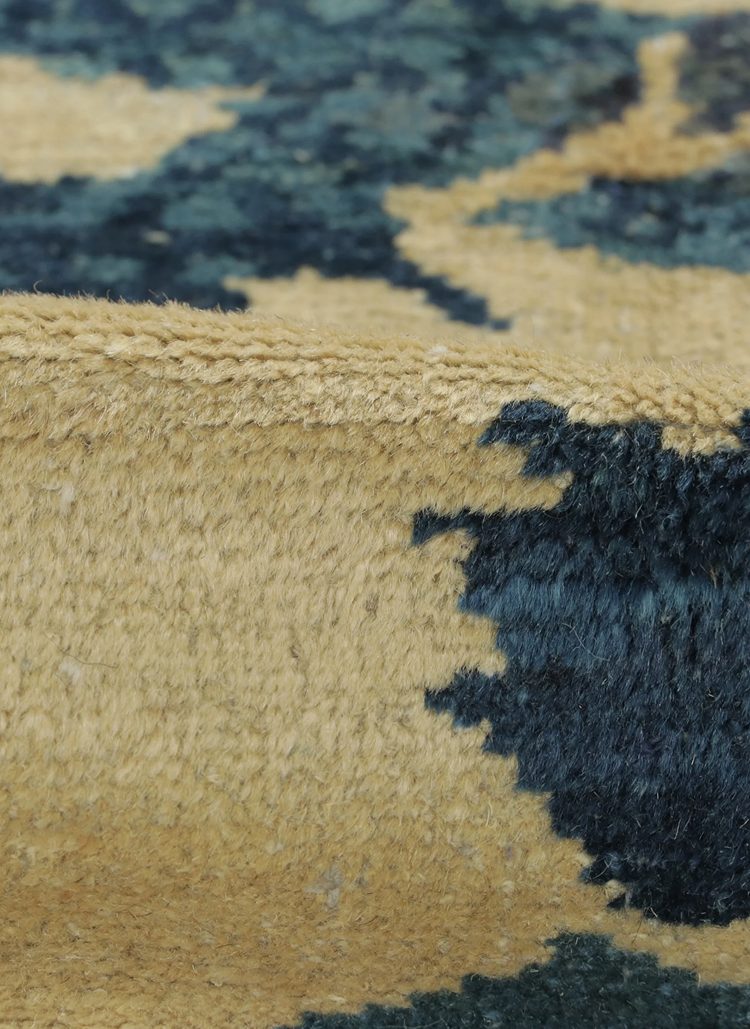
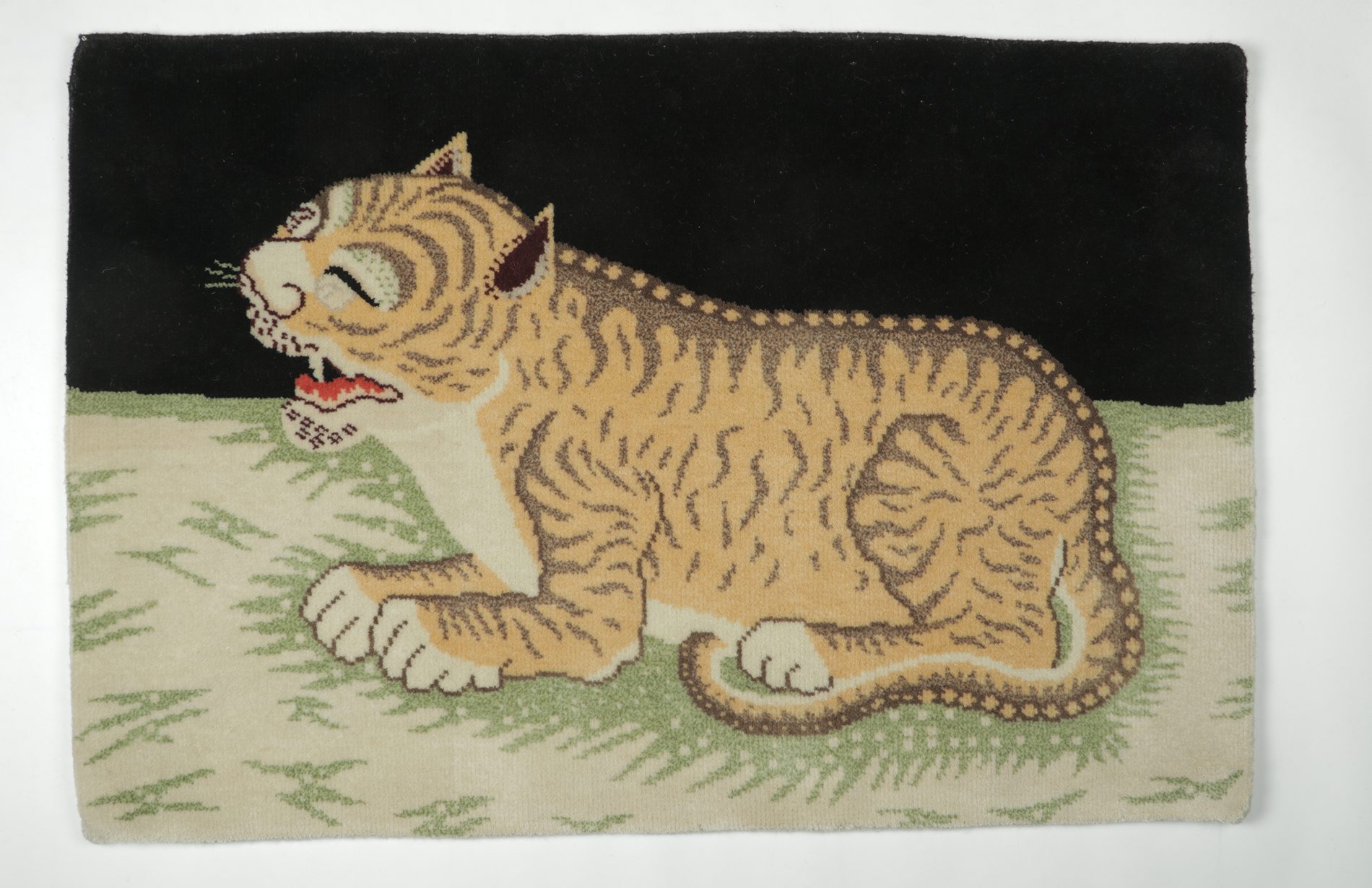
It is for these reasons that Tibetan wool sits at the center of our custom program. When a commission demands the finest, the deepest color, the most enduring surface, the greatest fidelity to a designer’s vision across the decades a great rug is meant to last, it is Tibetan highland wool we reach for. Spun by hand, dyed in small batches and dried in the open air, woven in the traditional manner on the great looms of the Himalayan workshops, it is the foundation on which the most serious of our custom work is built. The Tibetan weaving method itself, in which the yarn is looped around a rod and cut in a single stroke to form the pile, produces a density and a durability that the finest interiors have come to depend upon, from the pared quiet of a Peter Marino boutique to the layered warmth of a Vervoordt drawing room.
There is a lesson in this that reaches well beyond the fiber. The finest materials in the decorative arts are almost never the most convenient ones. They come from difficult places, produced by difficult conditions, gathered and prepared by hands that have understood them for generations. The great couturiers know this; it is why Hermès will wait years for the right hide and why the finest ateliers refuse to substitute.
The wool of the Tibetan highlands is the same truth told in another medium: that quality, real quality, cannot be manufactured or hurried. It can only be found where nature and tradition have already made it — and recognized by those who know what they are looking at.
We know what we are looking at. It is why the floors we build on this foundation are made not for a season but for a lifetime, and then for the lifetime after that.
A rug is the most-walked-upon object a person owns; it is asked to endure what no painting and no piece of furniture is ever asked to endure. That it can do so, and grow more beautiful in the process, is owed almost entirely to the fiber it began with. Begin with the wool of the highlands, and you begin with the finest beginning there is.