
What Makes Tibetan Wool the Gold Standard for Custom Rugs
September 23, 2026
Navajo Rugs: History, Art, Design & the Legacy of Diné Weaving
September 30, 2026
Anyone can acquire a rug. To collect one, to bring it into a serious collection with the confidence that it belongs there, requires a discipline, and that discipline rests on three questions. Across four decades of building one of the most significant archives in the country, this house has come to evaluate every object through the same three.
They are the difference between buying and collecting, and they are worth setting down plainly, because they apply as readily to a Safavid fragment as to a signed Aubusson, and because they are the same three questions, at bottom, that a curator at the Metropolitan or a specialist at Christie’s brings to any object of consequence.
The first question is one of provenance. Provenance is not, as it is often reduced to, a mere list of former owners. It is the object’s argument for its own significance, the accumulated evidence of every discerning eye that recognized its worth before yours. A carpet that has passed through a distinguished collection, a documented royal commission, a great European holding, carries that recognition as part of its very structure. The point is not simply that important people owned it. The point is that they chose it, and kept it, across the full range of their options and the whole span of their lives. In the example of the Ardabil carpet, or the Emperor’s Carpet at the Metropolitan, which passed from a Persian court to a Habsburg emperor to a great museum, each transfer an act of recognition, each owner adding to the object’s authority by the simple fact of having understood it. That chain of recognition, repeated across generations, is itself a form of appraisal more rigorous than any single expert could provide. Provenance is the biography of the object, and a great biography confers a worth that condition alone never can.
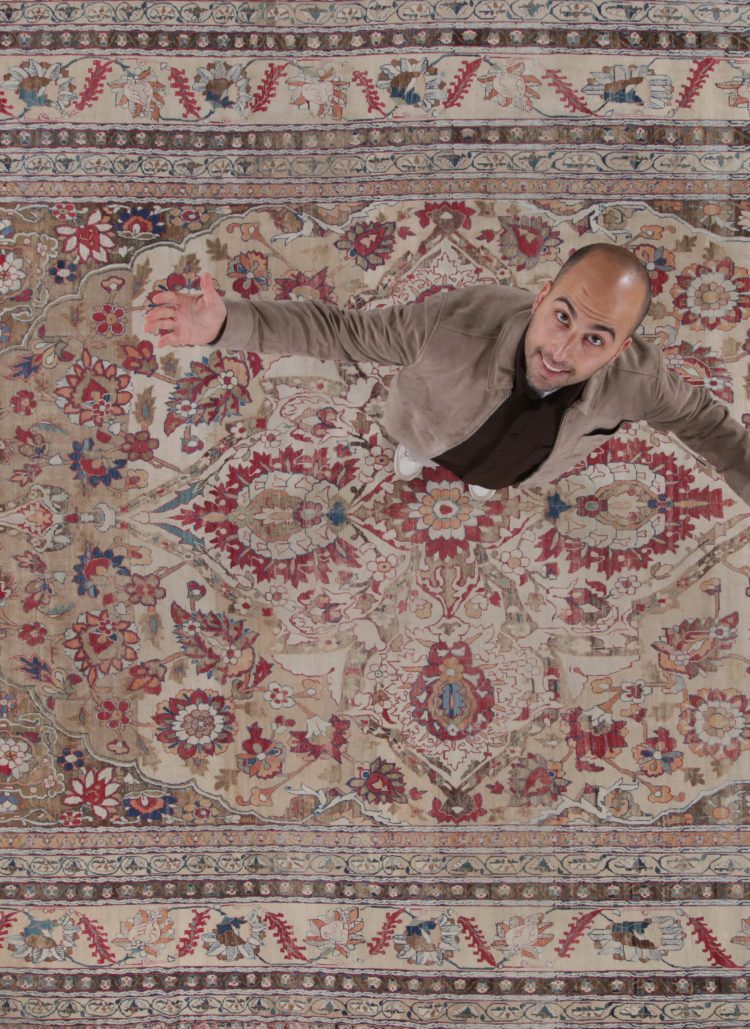
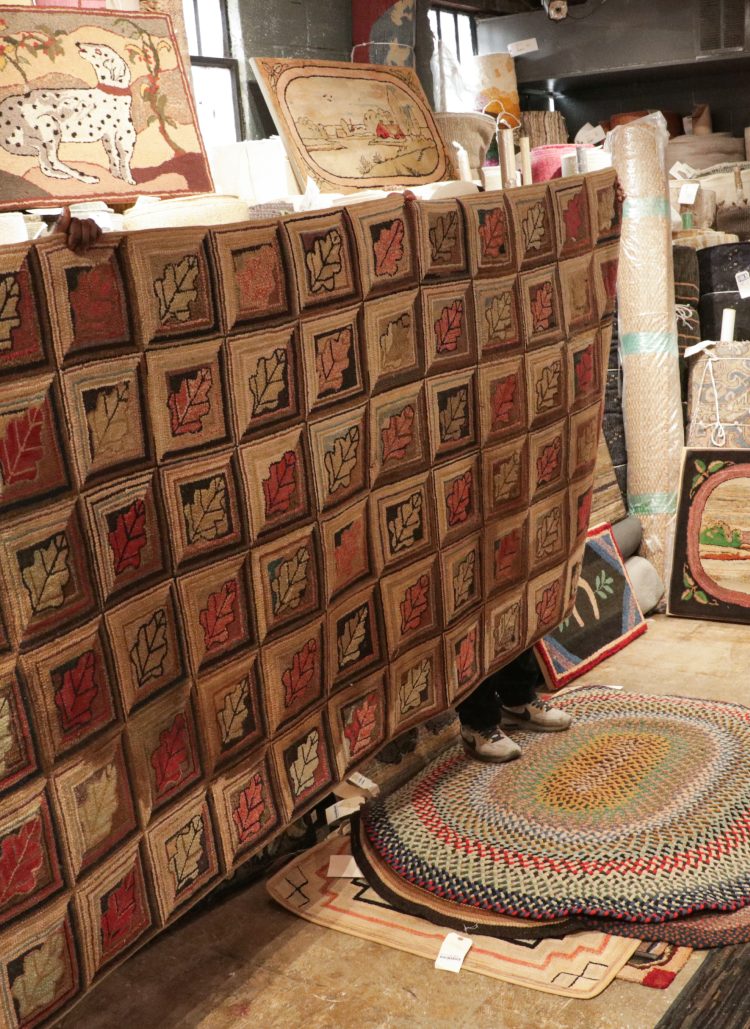
The second question is one of structure. Here the eye turns from history to the thing itself, to the honesty of the weave, the quality of the foundation, the integrity of the materials, the evidence of the hand in every knot. Structure is where an object either confirms or betrays its claims. A rug may carry a beautiful pattern and a plausible story, but the structure does not lie: the fineness of the spinning, the character of the wool, the tension of the weave, the way the whole thing has held itself together across the decades. This is the knowledge the trade calls reading the back, turning a rug over to find, in the reverse, the truth the front may flatter. A crisp, articulate reverse betrays a fine hand; a blunt or muddy one betrays a lesser. To read structure is to read the maker’s intelligence directly, and it is the skill that most reliably separates the trained eye from the merely enthusiastic one. It cannot be faked, and it cannot be bought, only learned.
The third question is one of intelligibility, the quality that is hardest to name and most essential to possess. A great object must be legible within the larger story of the tradition that produced it. It must make sense: as an expression of a particular workshop, a particular period, a particular lineage of design. An object without intelligibility is an orphan, however beautiful, it floats free of history, and history is what confers lasting meaning. An object with intelligibility takes its place in a conversation that stretches back centuries. When a nineteenth-century Heriz cites the golden ground of a seventeenth-century Safavid vase carpet, the citation is not decoration; it is the object speaking the language of its ancestors, and the collector who can hear that conversation is acquiring something an untrained buyer cannot even perceive. Intelligibility is what a curator means by connoisseurship, what a scholar means by the eye. It is the capacity to place an object in its rightful company, and the finest objects always know their company.
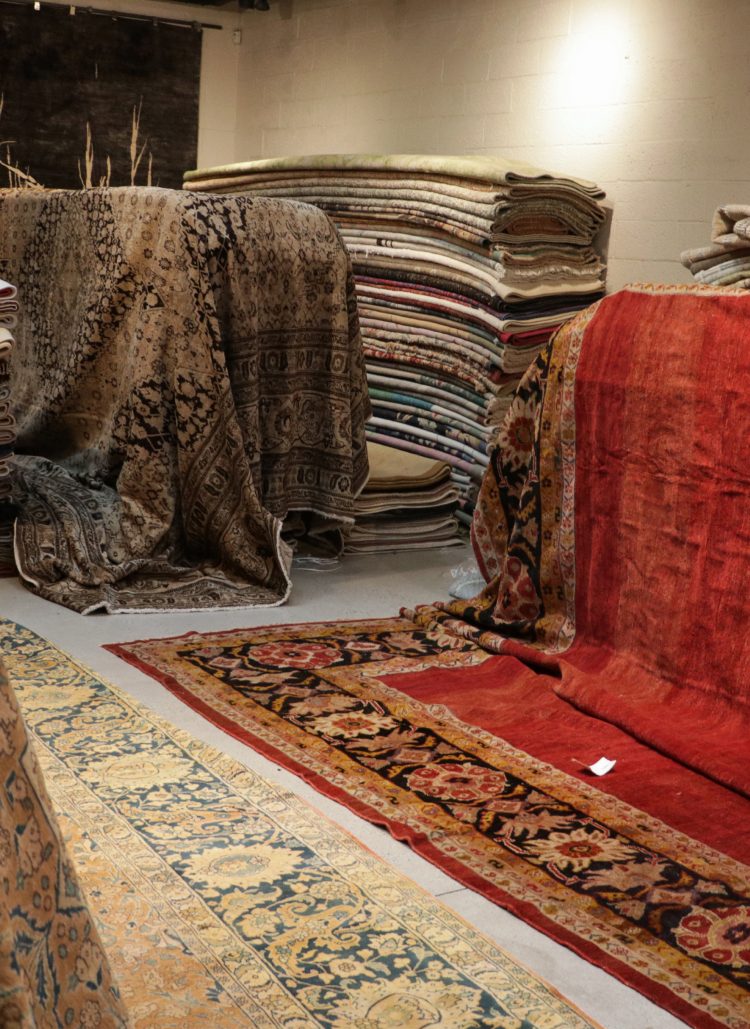
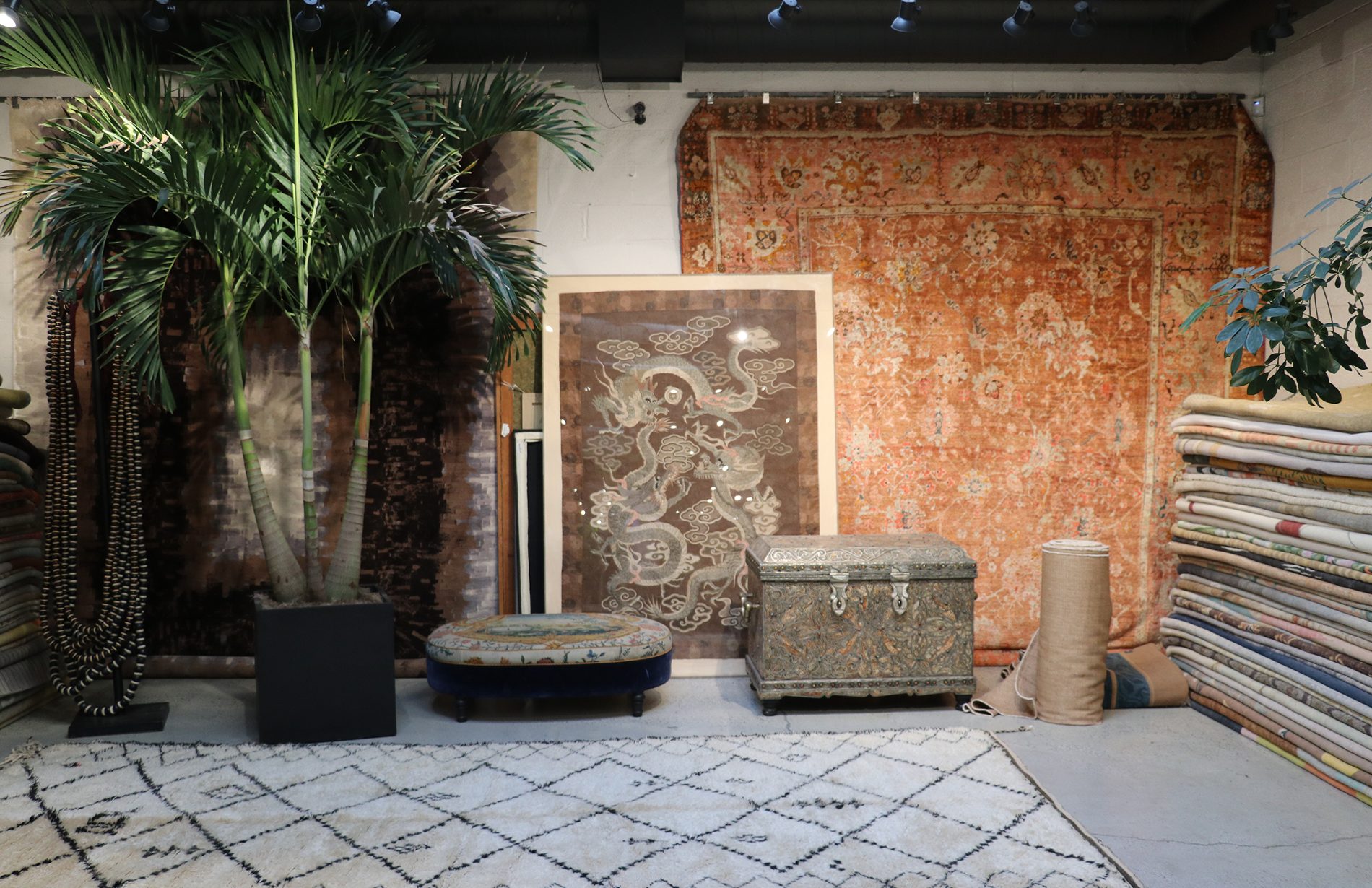
Provenance establishes where an object has been. Structure establishes what it truly is. Intelligibility establishes what it means. Bring all three to bear, and the question of whether to collect a piece answers itself, not as a matter of taste, which is personal and fleeting, but as a matter of judgment, which is disciplined and enduring. This is the crucial distinction, and it is worth holding onto. Taste asks whether you like a thing. Judgment asks whether it is worth liking. The serious collector learns, over time, to trust the second over the first.
This is how the great collections have always been built, from the Rothschilds to the de Menils to the private holdings that quietly furnish the world’s most considered homes. To collect seriously is not to acquire what pleases the eye today. It is to acquire what will still make sense, historically, structurally, and completely, in a hundred years.
The three questions are simply how one comes to know the difference. Ask them of every object, and you will rarely be wrong. Ask them of none, and you are not collecting. You are only shopping.