
How Rugs Frame and Define the Modern Open Interior: Defining Spaces From Palace Halls to Loft Living
August 14, 2025
Rug of The Week Series II: Jean Lurçat’s L’Homme and the Political Resurrection of Tapestry
August 21, 2025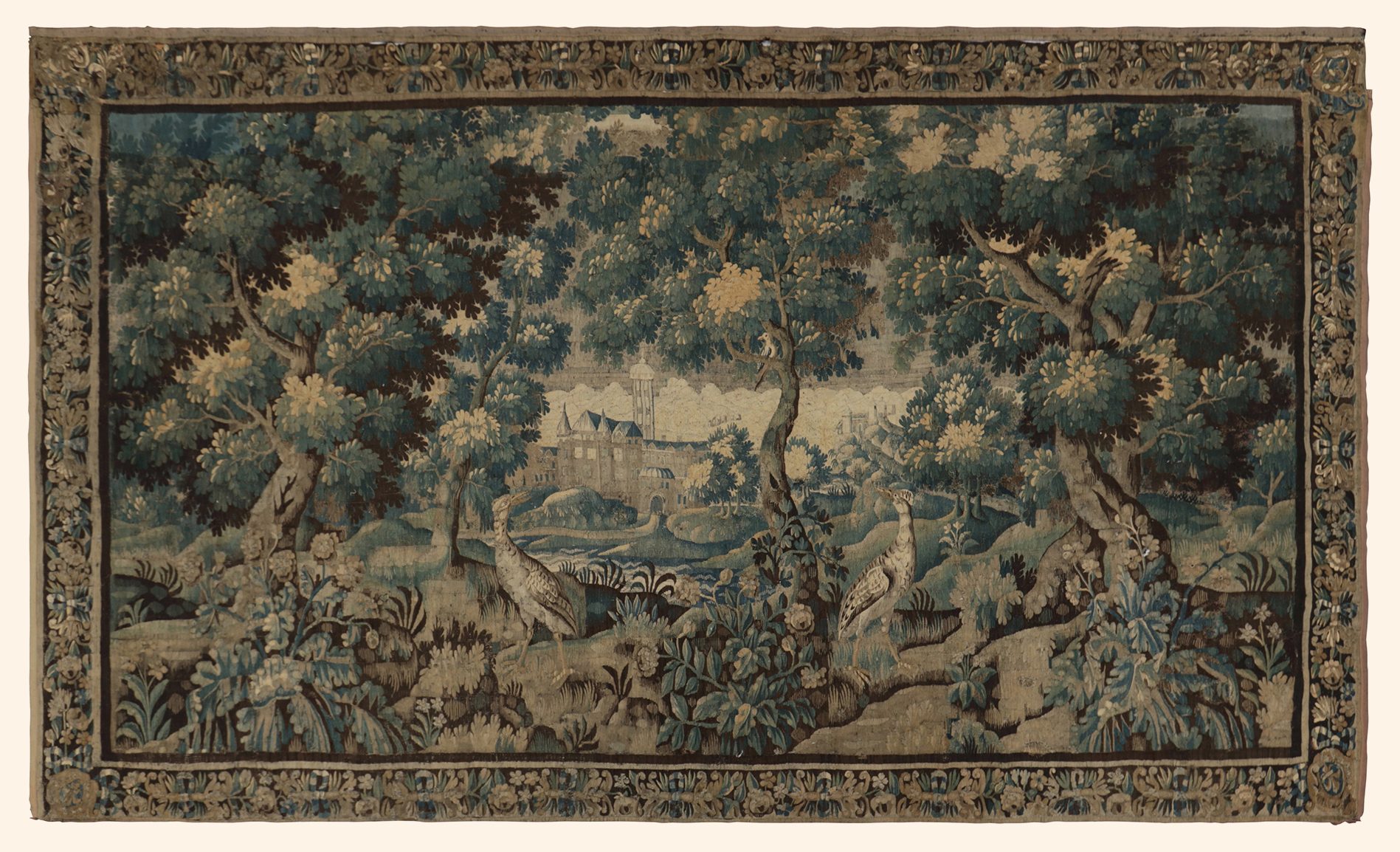
In the world of fine art and design, the term period piece is not a casual descriptor—it is an assurance of historical integrity, stylistic authenticity, and documented provenance. To speak of period piece rugs and kilims is to speak not simply of textiles, but of time made tangible. From the opulent wool-and-silk Savonneries gracing the salons of Louis XIV, to the restrained architectural harmony of French Aubussons, the modernist clarity of a signed Leleu, or the atmospheric geometry of Chinese Art Deco and Peking carpets—these are not mere floor coverings. They are artefacts of intent, designed to speak to power, status, and the zeitgeist of their era.
In the connoisseur’s hands, a period piece rug becomes more than an object: it becomes a document, a stage on which the aesthetics, politics, and technologies of its time continue to perform. As collectors who have spent decades charting their histories and unearthing their provenances, we see these works as both anchored in their moment and persistently relevant to the evolving lexicon of design. To collect them is to hold in one’s hands the material history of decorative arts and to participate in a continuum of cultural stewardship.
Historical Backdrop of Period Pieces
The tradition of weaving spans every continent and millennium, but period rugs and kilims are defined by their anchoring to a stylistic movement or courtly commission, often supported by documentary evidence.
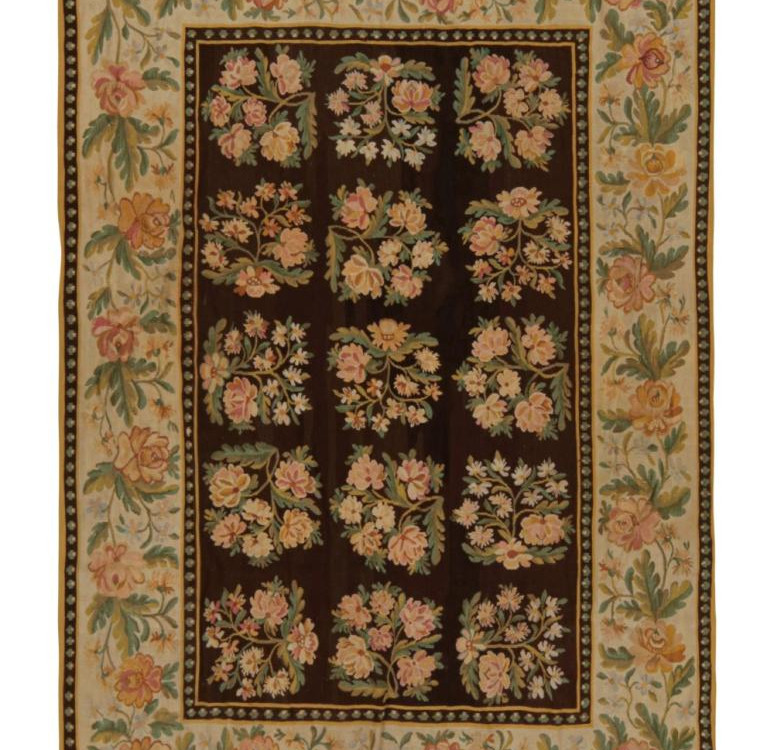
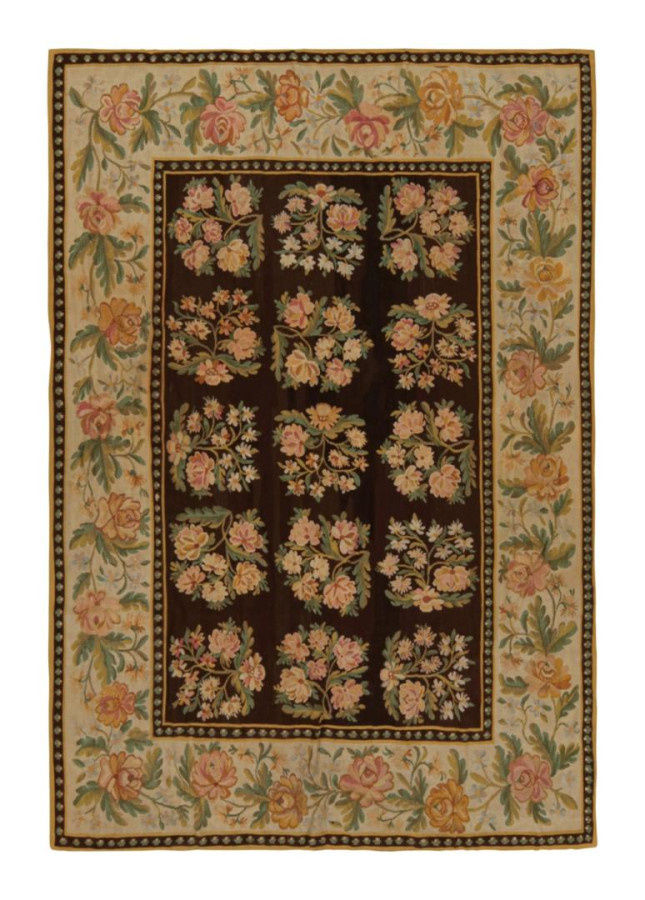
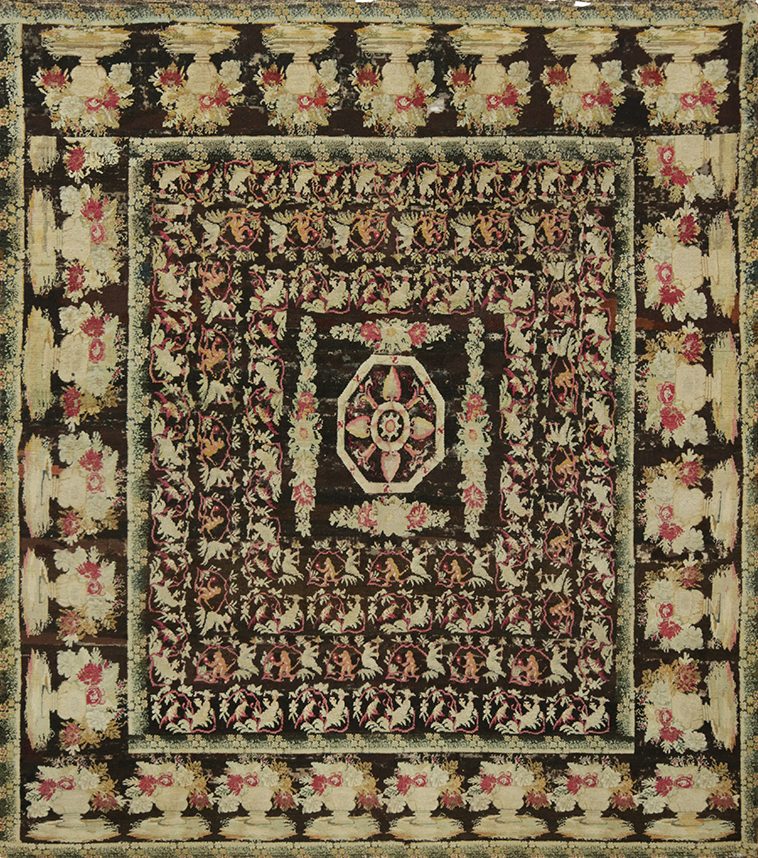
Bessarabian Kilims, with their romantic floral compositions and European-influenced palettes, emerged in the 19th century as a fusion of Balkan folk tradition and continental decorative sensibility.
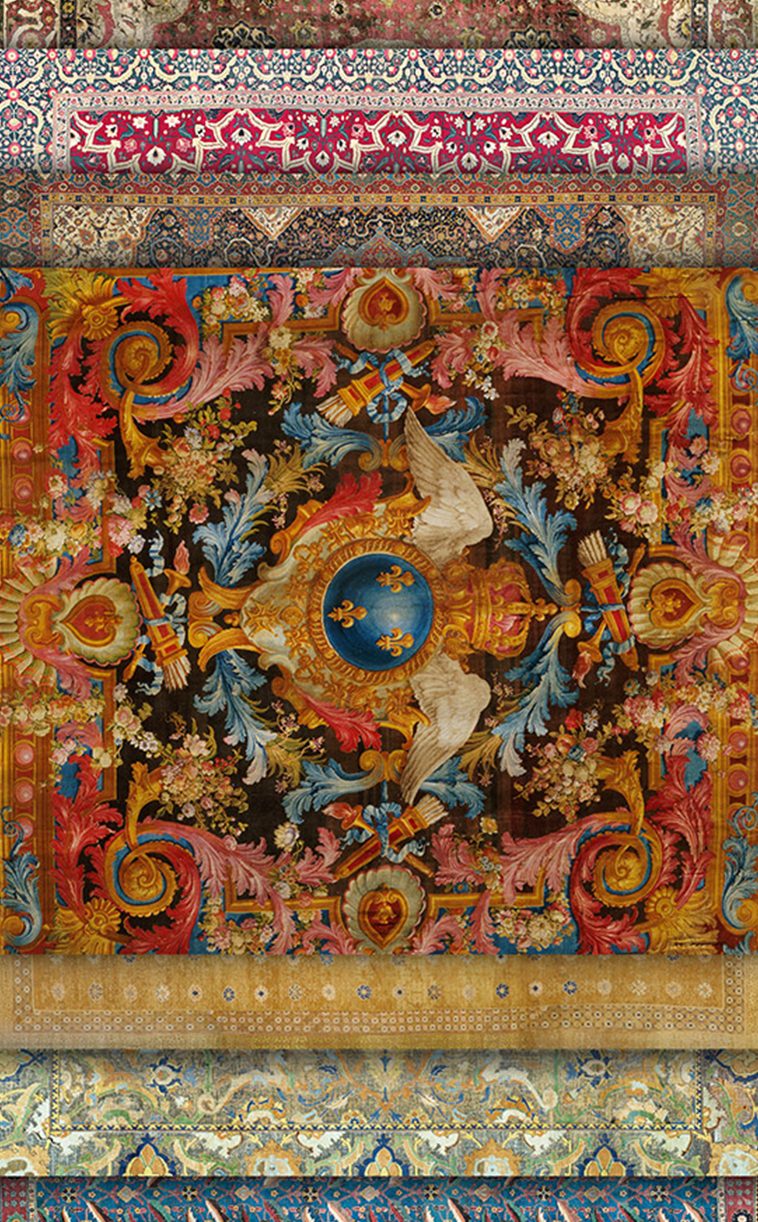
Savonnerie carpets, originating in 17th-century France under royal patronage, offered rich pile, symmetrical knots, and baroque floral medallions that mirrored Versailles interiors.
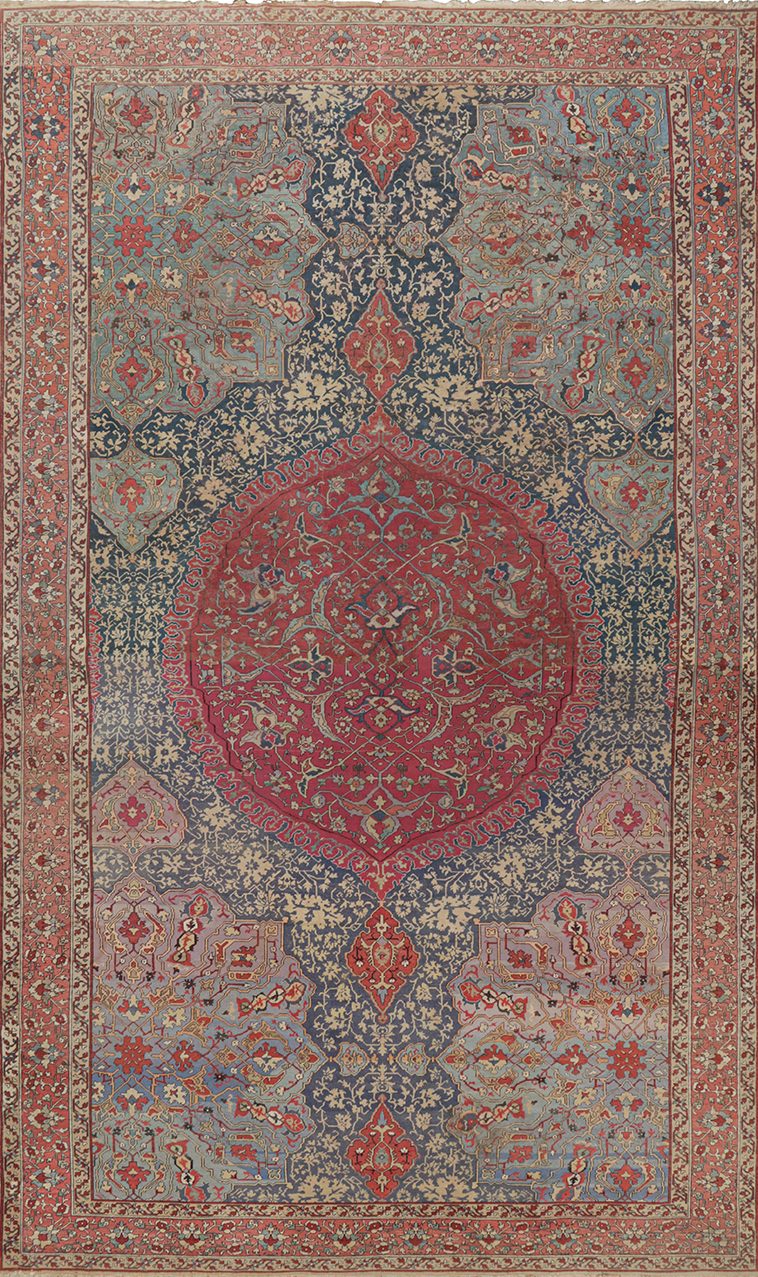
Aubusson flatweaves, similarly French but woven in tapestry technique, carried neoclassical and Rococo elegance into salons across Europe.
Chinese Art Deco rugs, woven in the 1920s–30s, represented a marriage of Eastern craftsmanship and Western Art Deco geometry, often rendered in saturated dyes—teal, raspberry, lavender—previously unseen in Chinese weaving.
Peking carpets, earlier and more restrained, reflected imperial court aesthetics with monochrome fields, Buddhist symbols, and balance of form.
Persian period rugs, from 17th-century Isfahan court carpets to 19th-century Ferahan Sarouks, set the gold standard for technical and artistic mastery.
Signed Leleu pieces, the rarest of French Art Deco carpets, bear the hallmark of Jules Leleu’s atelier, celebrated for its modernist reinterpretations of classical motifs.
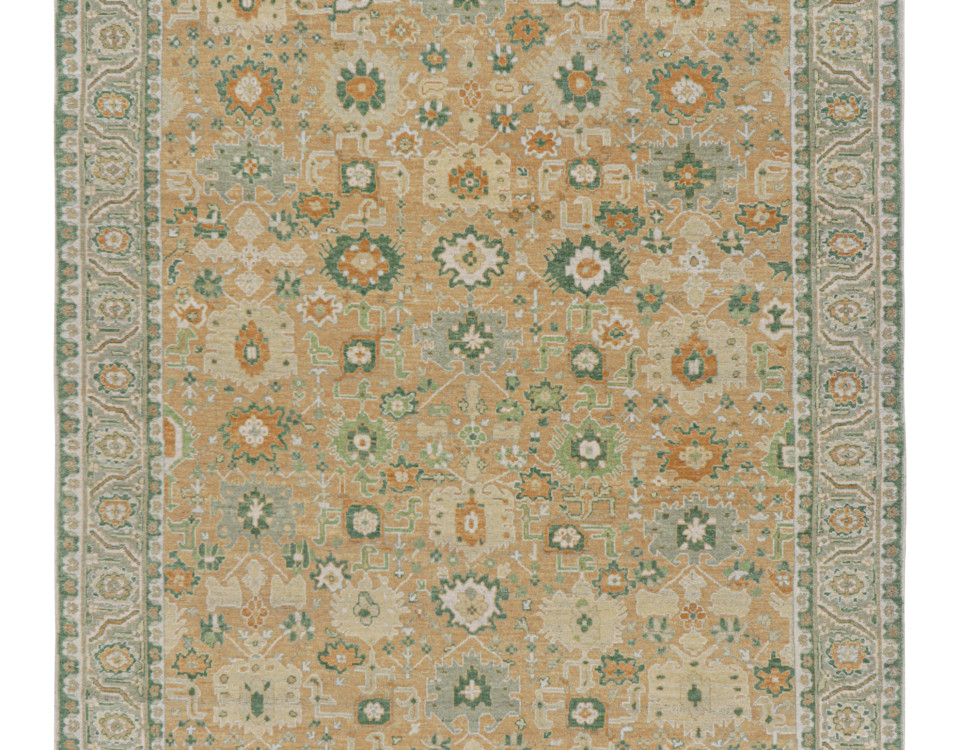
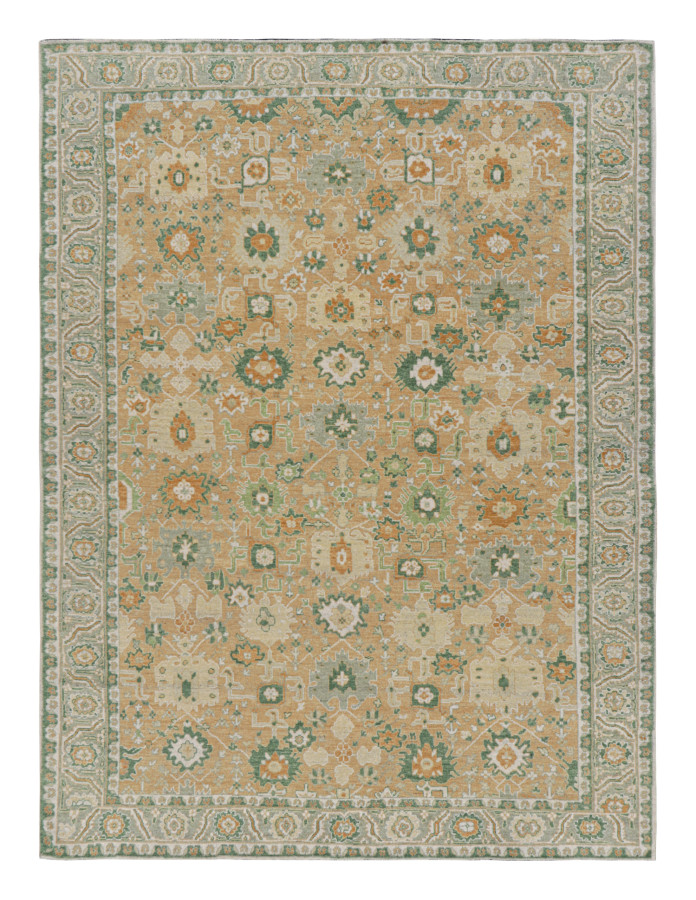
Oushaks, woven in Western Anatolia since the Ottoman golden age, supplied Europe’s nobility with luminous palettes and monumental medallion designs.
Antique needlepoints, primarily European, transformed petit point and gros point embroidery into durable floor coverings for grand houses.
This chronological and geographic spectrum underscores the diversity of period weaving: each region translated its artistic language into textile form, shaped by politics, trade, and cross-cultural influence.
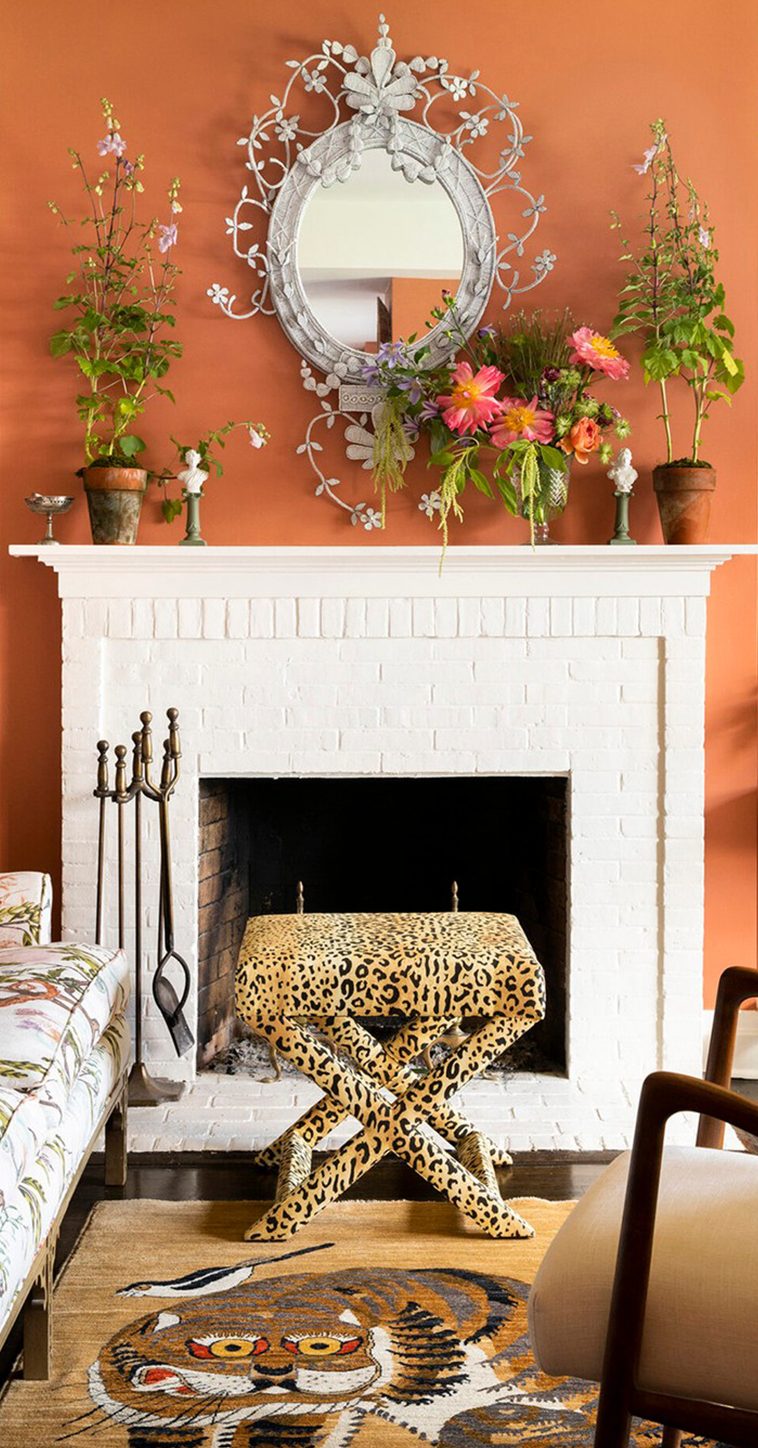
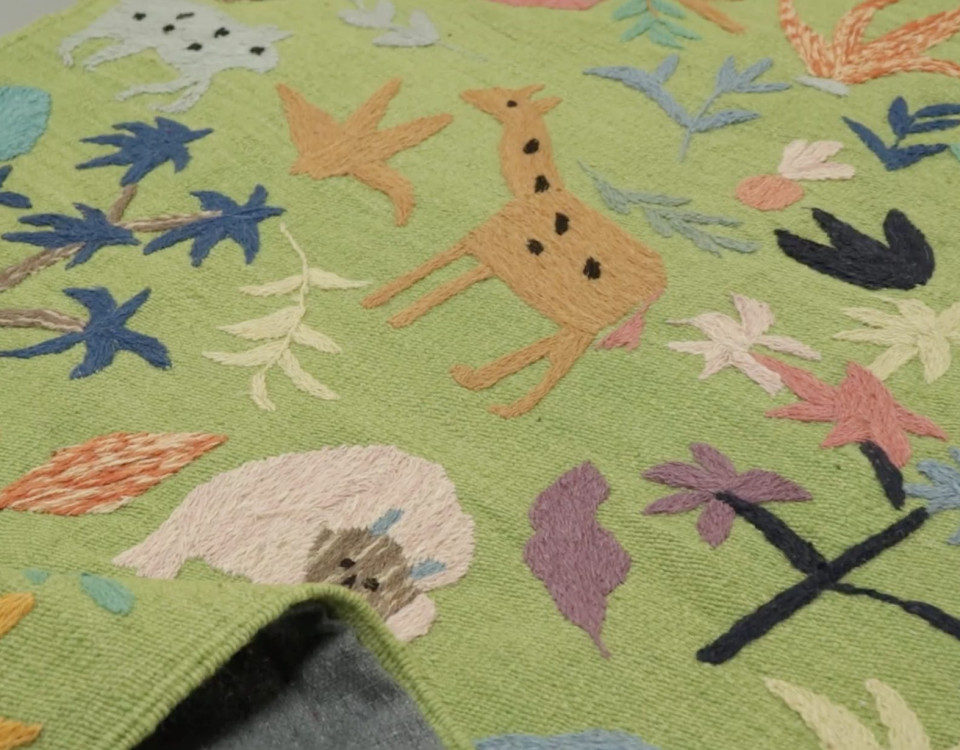
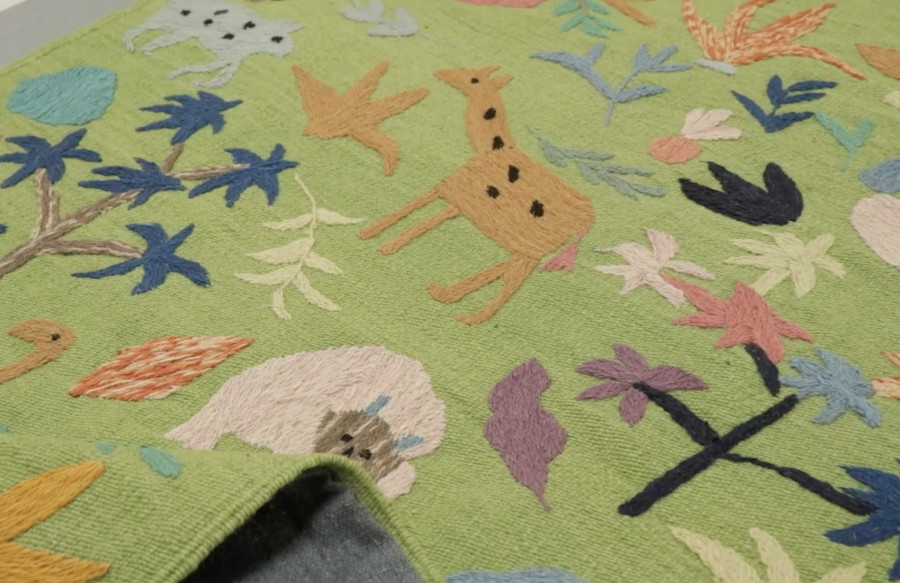
Mally Skok Design x Rug & Kilim’s Tiger Rug (Modern Classics)
Provenance, Significance and Authenticity
The value of a period rug lies not merely in its age or beauty but in its documented authenticity. Provenance is the bridge between an object and its cultural, artistic, and sometimes personal history.
Institutional collections such as the Musée des Arts Décoratifs in Paris, the Carpet Museum of Iran, and the Metropolitan Museum of Art in New York maintain extensive archives that allow scholars and collectors to trace individual pieces back to original commissions or exhibitions. A signed Leleu, for instance, can often be traced to bespoke commissions for Art Deco interiors exhibited at the Paris Exposition Internationale des Arts Décoratifs et Industriels Modernes in 1925.
Similarly, a documented Savonnerie carpet bearing the cipher of Louis XIV is a piece of statecraft, designed to project royal authority through its very weave.
Reading the Language of Design
A true connoisseur reads a period rug as a historian reads a manuscript.
Bessarabian kilims speak in bouquets and garlands, echoing oil paintings of the Romantic period.
Savonnerie and Aubusson pieces translate architectural ornament into symmetry, with scrolling acanthus leaves, cartouches, and trompe-l’œil effects.
Chinese Art Deco employs abstraction, negative space, and stylized flora, anticipating mid-century design.
Peking rugs retain the stillness and spiritual symbolism of their imperial origins—dragons for power, cranes for longevity, and fretwork for continuity.
Oushaks are defined by their vast scale, warm apricot and saffron tones, and fluid medallions that dissolve into the field.
Needlepoints carry a painterly delicacy and Persian period pieces, especially city workshop rugs, manifest complex curvilinear drawing and layered symbolism rooted in poetry, religion, and cosmology.
Cultural Influences and Cross-Pollination of Period Pieces
Period weaving is never isolated; it thrives in exchange.
The Ottoman Empire’s trade routes brought Persian and Anatolian rugs to European courts, influencing Savonnerie and Aubusson design vocabulary. French Art Deco designers, in turn, drew upon Chinese and Japanese visual languages to infuse modernist carpets with exotic motifs. The Russian Empire’s reach into the Balkans shaped the evolution of Bessarabian designs, merging European romanticism with local weaving techniques. Such cross-pollination enriched each tradition without erasing its identity—producing textiles that are culturally hybrid yet stylistically precise.
The Collector’s Lens and Curation Across Eras
To assemble a serious collection of period rugs and kilims is to balance breadth with depth. Breadth ensures representation across geographies and epochs; depth ensures mastery of each category. A refined collection might juxtapose a monumental 17th-century Savonnerie with a 1920s Chinese Art Deco, placing them in dialogue about symmetry, symbolism, and changing attitudes to luxury. Institutional collections often aim for representative integrity: examples that define a type, illustrate a transition, or embody a peak in quality and innovation.
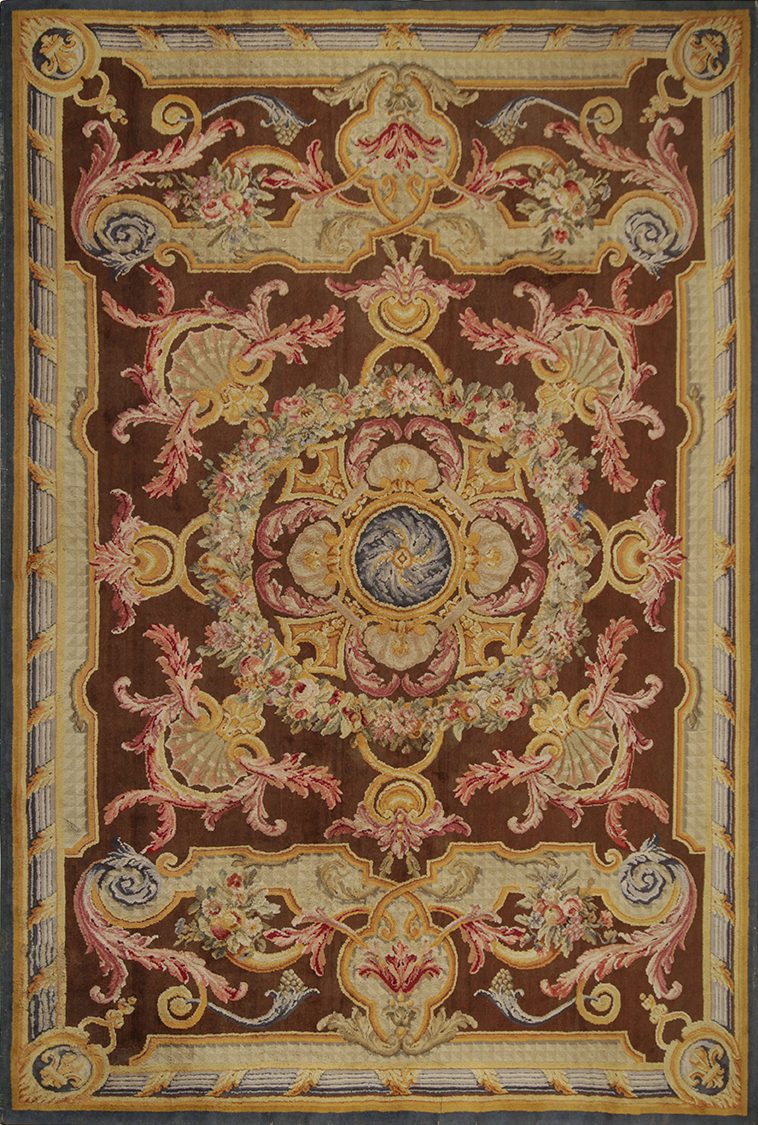
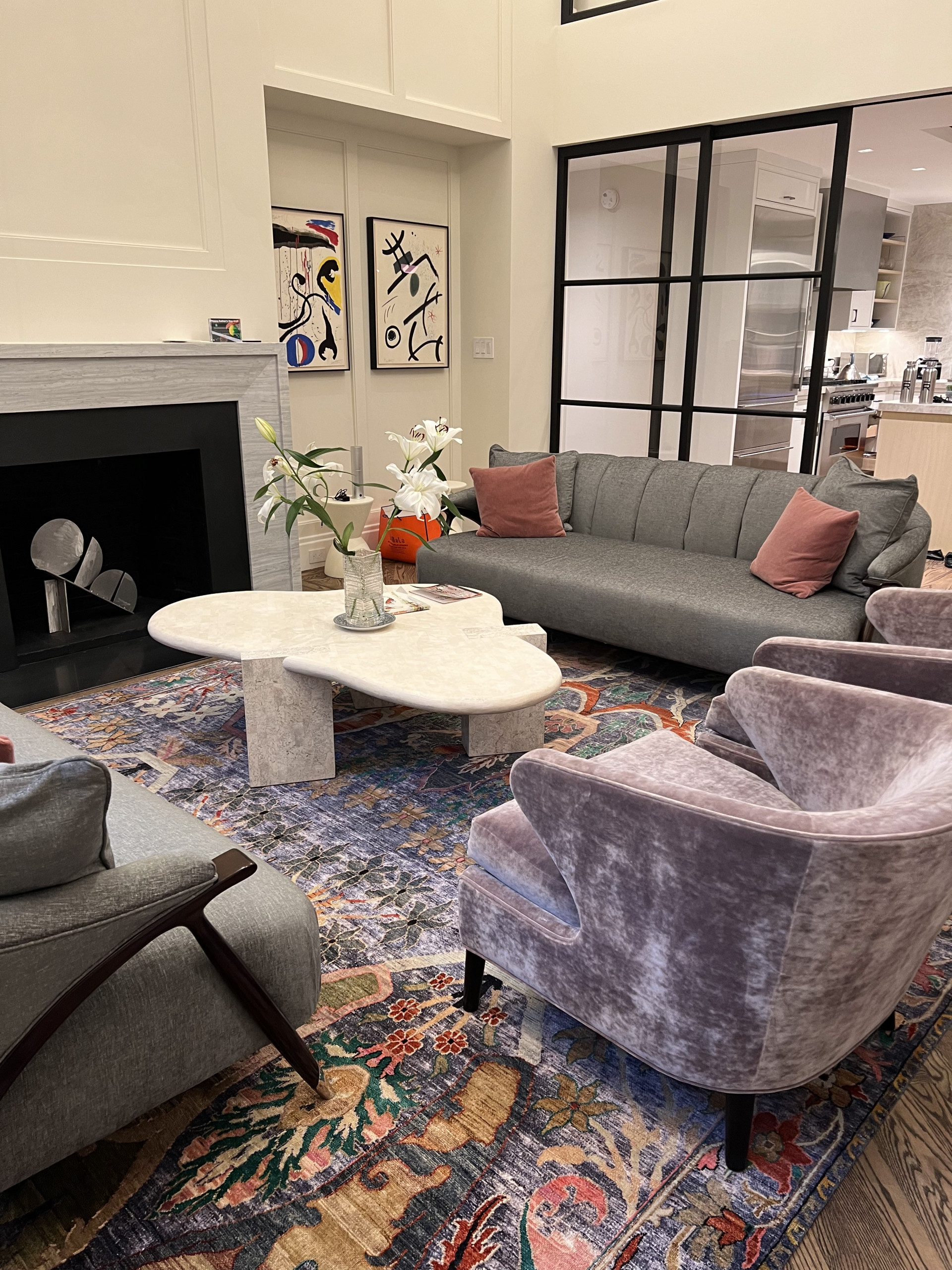
Andrea Kanter x Rug & Kilim’s Modern Classic rug.
Modern Styling: Period Pieces in Contemporary Spaces
In the 21st century, period rugs are no longer confined to historically styled rooms. Designers now use a 19th-century Bessarabian in a glass-walled penthouse, or a Chinese Art Deco beneath a Le Corbusier chaise longue. The juxtaposition between historical textile and modern architecture produces visual tension that is both sophisticated and unexpected. Neutral-toned Oushaks serve as serene counterpoints to minimal interiors, while jewel-toned Savonnerie carpets inject opulence into pared-back spaces. The renewed interest in sustainable, handwoven, and storied materials positions period rugs as both environmentally conscious and culturally resonant design choices. Museums and private collectors alike bear the responsibility to protect these works from both physical degradation and cultural erasure. This stewardship extends to acknowledging the artisans, workshops, and cultural ecosystems that made these textiles possible.
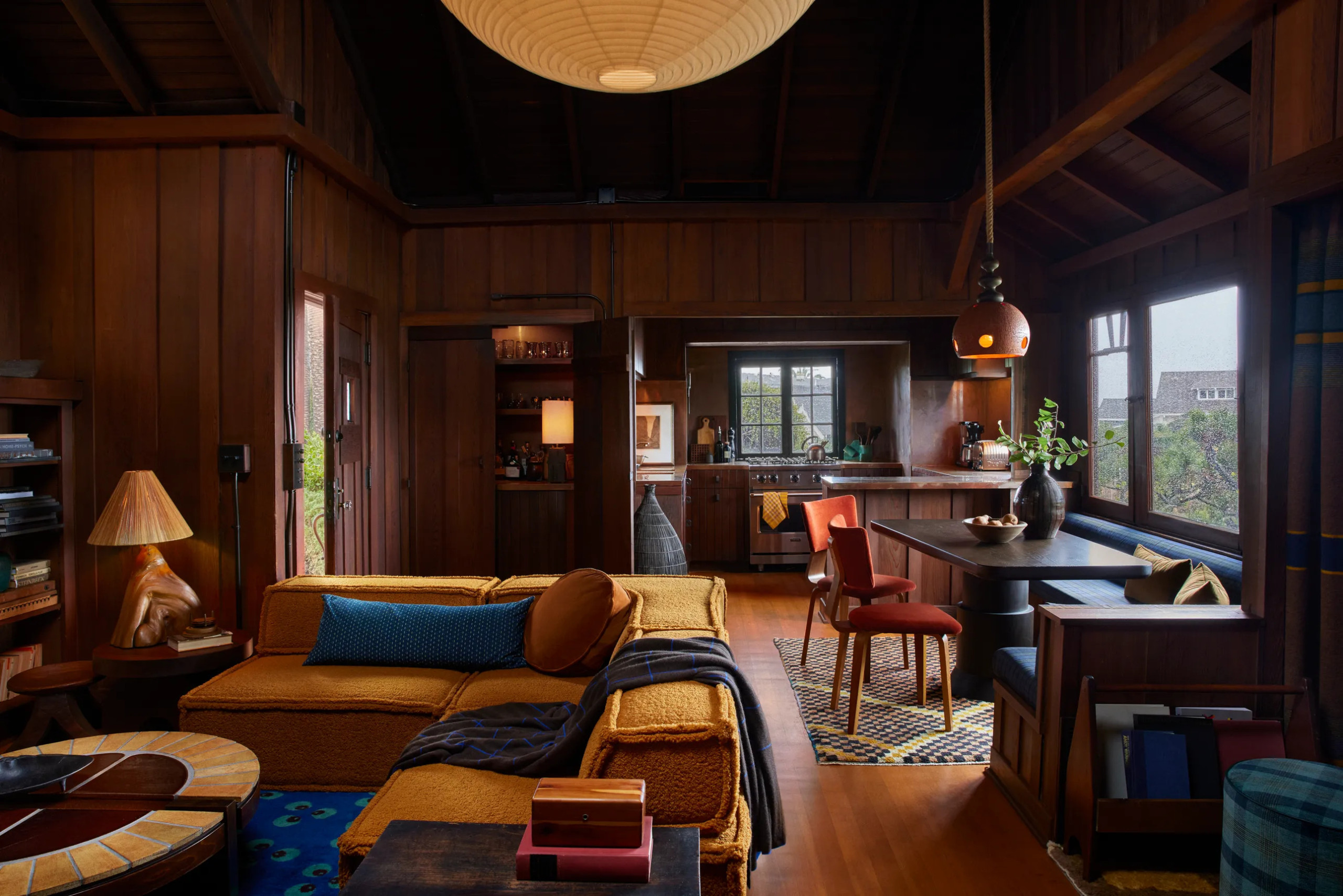
Hammer and Spear x Rug & Kilim
The Enduring Language and Legacy
Period rugs and kilims are not frozen in the past—they are active participants in the ongoing conversation between art, design, and history. Each carries the essence of a specific moment, yet retains the capacity to adapt and resonate in contemporary contexts. For the collector, they are not simply acquisitions; they are cultural appointments—commitments to preserve, interpret, and share.
Whether a signed Leleu that captures the optimism of the Jazz Age, a Bessarabian that whispers of European salons, or a Peking carpet that stills the air like a Ming scroll, each is a chapter in a much larger narrative. The loom, in this sense, is not merely a tool—it is a historian, a diplomat, and a designer, all at once.
To collect period rugs is to recognize that in them lies a record of civilization itself.