
Rug of The Week Series I: Gérard Schneider and the Power of Mid-Century Tapestry
August 7, 2025
The World of Period Piece Rugs and Kilims: Provenance, Style, and Collecting Masterworks
August 18, 2025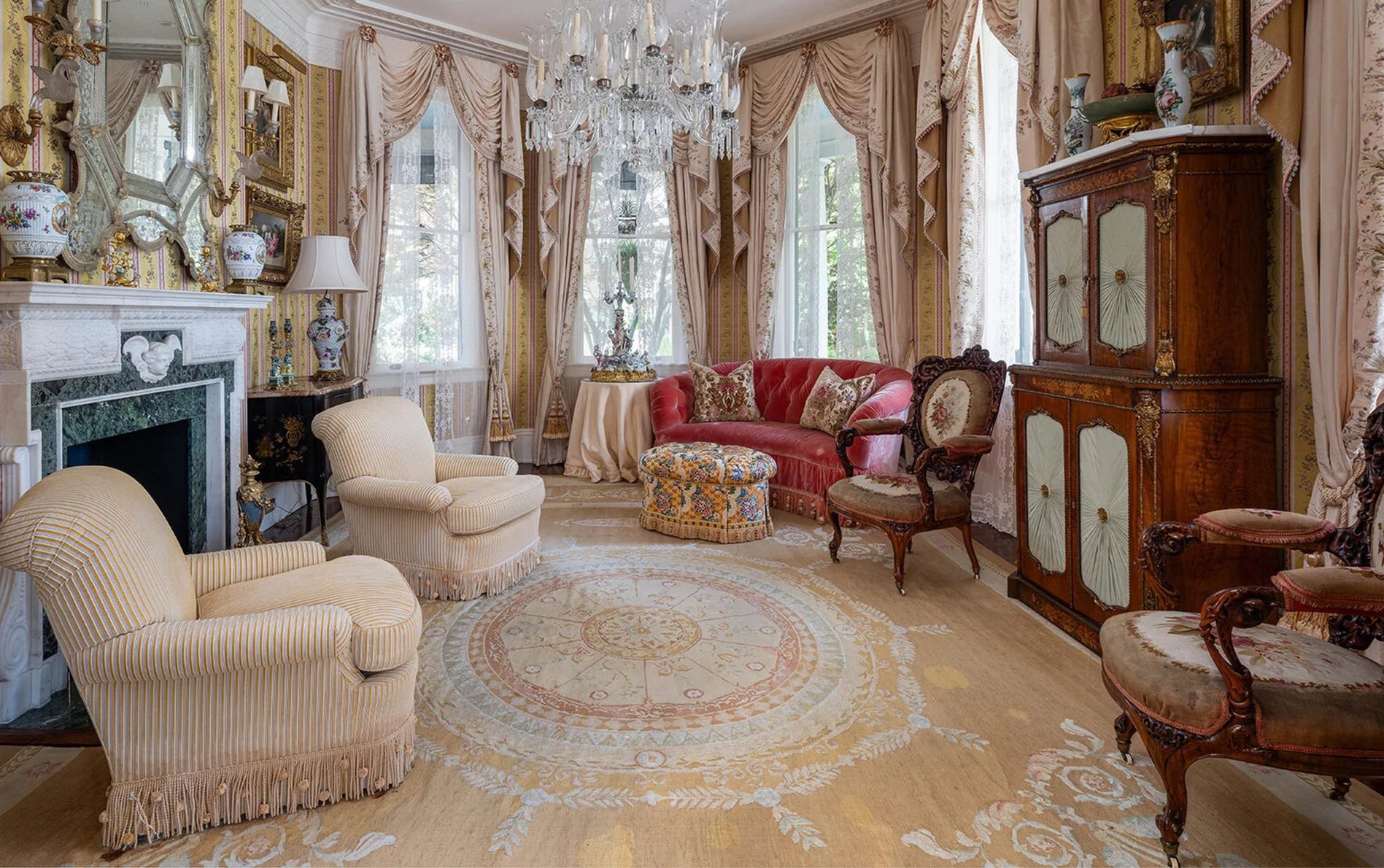
The Charleston Home of Darla Moore by Tony Ingrao featuring Rug & Kilim’s European Rug
The open-concept space is the modern equivalent of the grand hall and the ceremonial courtyard—a place where boundaries dissolve, yet zones must still be understood. In open-concept interiors—those vast, uninterrupted expanses where living, dining, and work areas coalesce—rugs operate as more than mere surface coverings. They translate the architectural intent of a room into lived experience, delineating invisible borders through proportion, motif, and material.
They are architectural anchors, narrative devices, and cultural emissaries. A well-chosen rug brings not only visual cohesion but also historic depth, artisanal integrity, and tactile luxury to a space that might otherwise feel adrift. The placement of a rug in such environments is an act of both design precision and curatorial decision-making—akin to hanging a masterwork in a gallery.
To the trained eye, a rug in an open-plan interior is as deliberate a placement as a masterwork hung in a curated gallery—its design, scale, and provenance chosen to resonate with the room’s geometry and narrative. From the sprawling Safavid court carpets that once defined the choreography of imperial receptions to the Berber weavings that mapped domestic life within the nomadic tent, rugs have long been both the stage and the script for human interaction. In the contemporary loft or penthouse, their function remains unchanged: to bring coherence, hierarchy, and cultural depth to the otherwise unbounded interior landscape.
Historical Context: From Nomadic Necessity to Modern Statement
The relationship between rugs and open spaces is not a recent phenomenon; its roots lie deep within the nomadic and courtly traditions of Central Asia, Persia, Anatolia, and the Caucasus. In the tents of the Turkmen, Kazakh, or Qashqai tribes, rugs served to define zones within a single undivided living space, functioning as both insulation and boundary markers. In Safavid Persia and Ottoman Turkey, expansive carpets—woven for palatial reception halls—set the precedent for today’s open-plan interiors, delineating ceremonial from private areas through pattern, proportion, and orientation.
The progression into Western interiors occurred during the 16th and 17th centuries, when large carpets were imported via the Levant Company and Dutch East India Company. They graced the great halls of European estates, where their scale and intricate geometry orchestrated the perception of space. Today’s open-concept lofts and penthouses, with their soaring ceilings and unbroken sightlines, present a contemporary echo of those grand chambers—requiring rugs of equal authority to balance and define them.
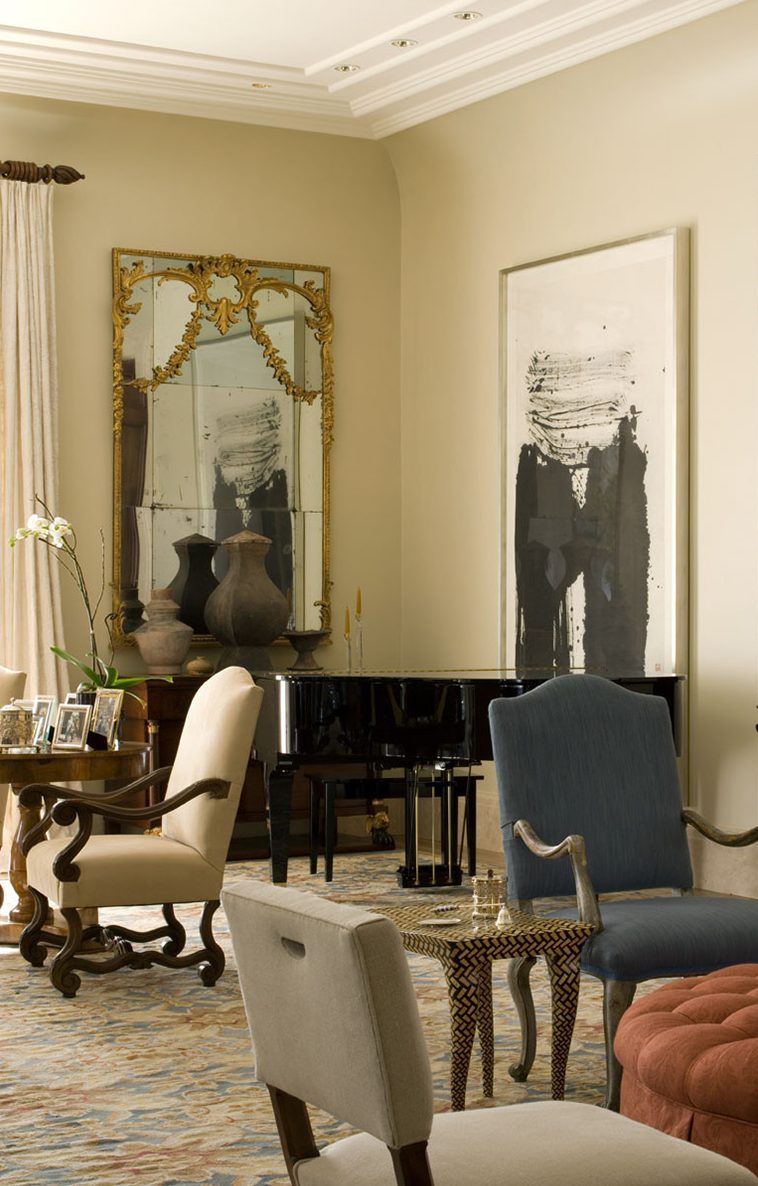
ODADA Interiors x Rug & Kilim
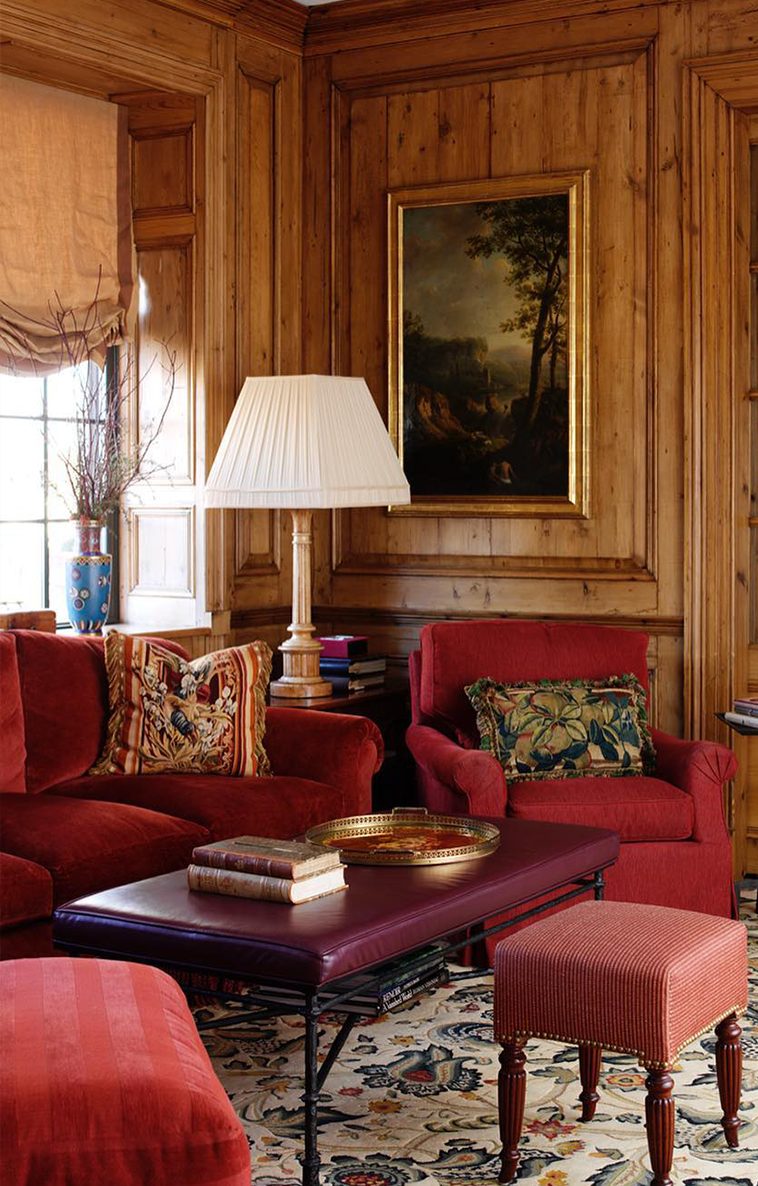
Mark Epstein Designs x Rug & Kilim
Provenance and Significance
A rug’s provenance speaks directly to its ability to shape and elevate an open-concept room. Collectors and connoisseurs know that beyond material and weave, a rug carries within it the ethos of its origin: the vegetal dyes of a Heriz weaving village, the abstracted medallions of a Moroccan Beni Ourain, the rhythmic latticework of a Mughal pashmina carpet. Each has a different visual language, and when placed in an open setting, that language becomes the room’s dialect.
In high-end collections—such as those held at the Metropolitan Museum of Art or the Victoria and Albert Museum—large-scale rugs are often displayed as freestanding visual fields. The same principle applies domestically: the rug is not subordinate to the architecture but a parallel plane of artistry, capable of commanding a space as decisively as a monumental painting.
The Function of Rugs in Open-Concept Layouts
Functionally, rugs serve three critical roles in open-plan spaces:
Spatial Definition – By establishing visual perimeters, rugs create implied “rooms” without walls. A dining area grounded by a bold geometric kilim feels distinct from an adjacent lounge set on a muted silk-and-wool Oushak.
Acoustic Softening – The absorptive qualities of dense pile or layered textiles temper the echo often found in open spaces with hard surfaces, rendering them warmer and more habitable.
Tactile Comfort – Especially in expansive modern builds with concrete or hardwood floors, rugs introduce a physical softness that humanizes the architecture.
These functions do not diminish their aesthetic role; rather, they heighten it. A rug in an open-plan home is at once a utilitarian foundation and a gallery-worthy artefact.
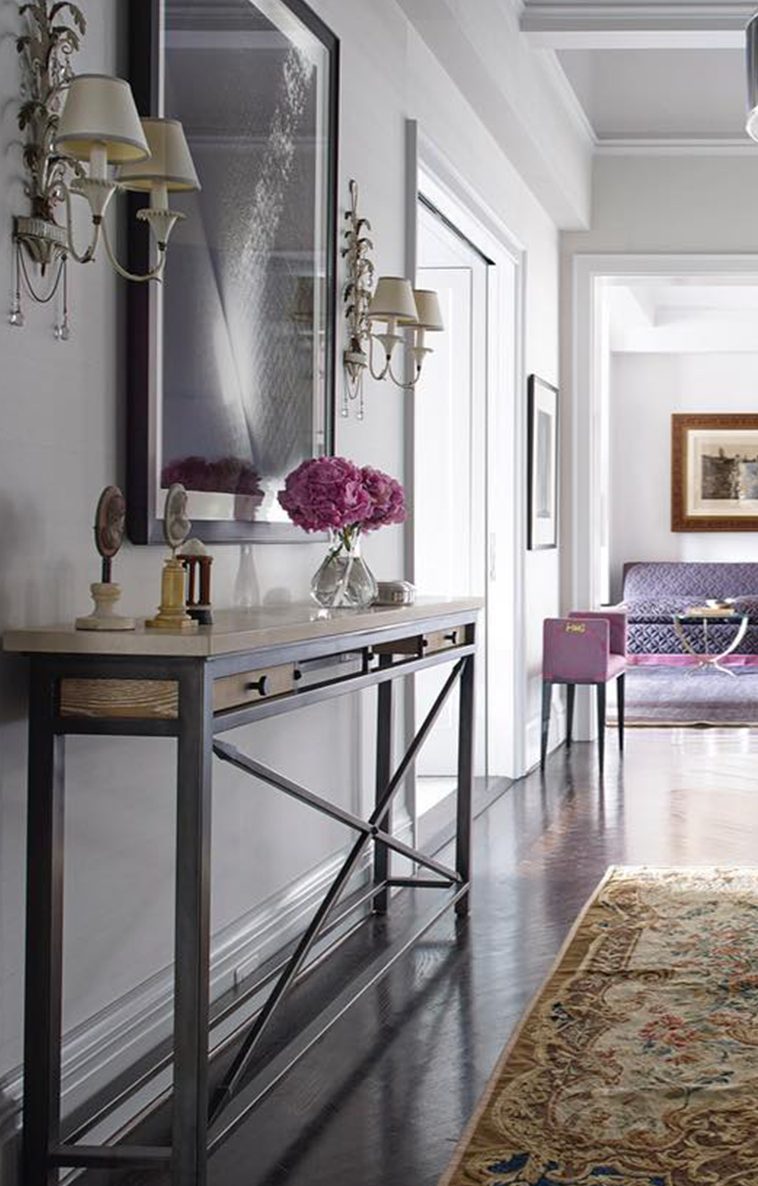
Wesley Moon Inc x Rug & Kilim
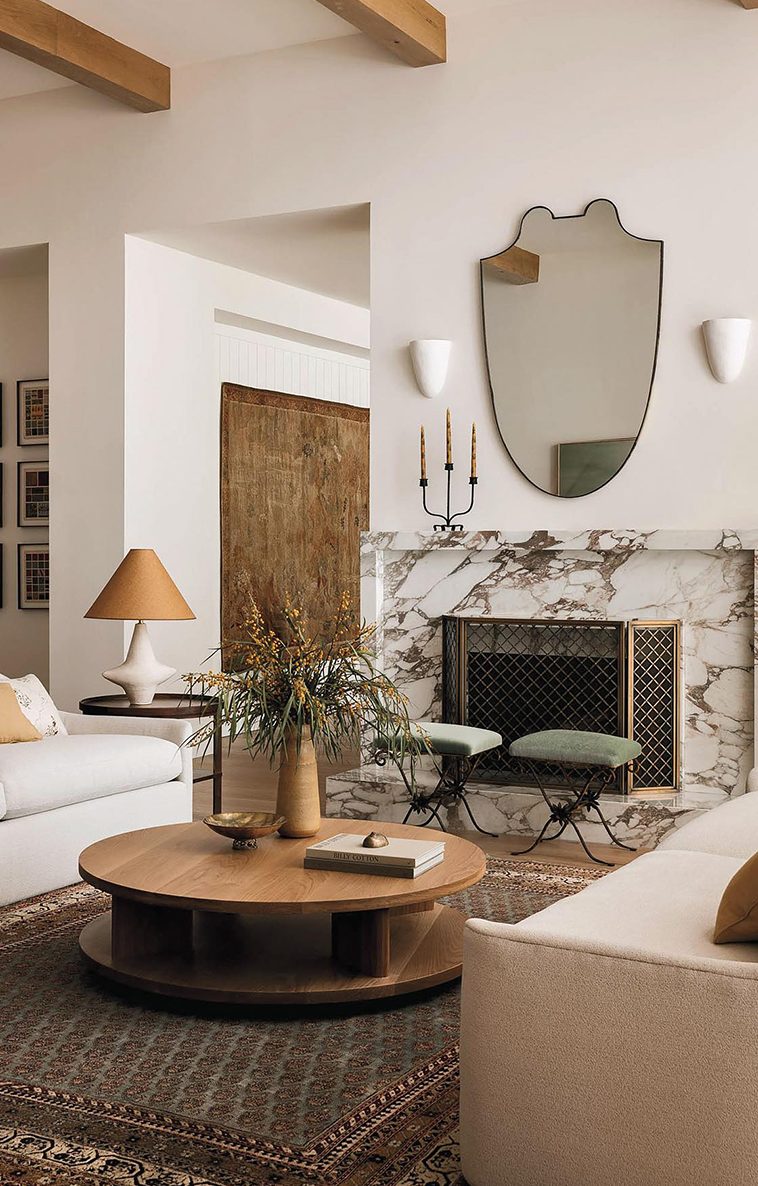
Studio Meghan Eisenberg x Rug & Kilim
The Collector’s Perspective: Scale, Material, and Pattern
From an institutional collecting standpoint, selecting a rug for an open space demands three primary considerations:
Scale – In large interiors, an undersized rug reads as an afterthought. Historically, palace carpets were woven in dimensions exceeding 20 feet in length to match architectural grandeur. In contemporary settings, this principle translates to bespoke commissions or antique finds that command similar spatial presence.
Material – Wool remains the most resilient fibre, prized for its durability and lustre, while silk offers unmatched sheen for formal spaces. Cotton warps and foundations contribute to the stability necessary for large formats.
Pattern – The motif must negotiate between defining a zone and harmonizing with the room’s flow. Medallion designs offer a central focus, while all-over patterns create a seamless expanse that does not disrupt circulation.
Institutional archives, such as those at HALI or Christie’s decorative arts departments, provide a wealth of reference for these proportions and patterns, ensuring that acquisitions for open spaces meet both historical and functional benchmarks.
Influences and Inspirations: Global Threads in Contemporary Design
Today’s leading interior designers frequently draw from historic weaving traditions to inform modern open-plan layouts. The minimalist interiors of Scandinavian modernism, for instance, often employ Moroccan rugs for their neutral palettes and irregular geometric rhythms, complementing light-filled lofts without overwhelming them.
Conversely, richly patterned Persian or Indian carpets can introduce depth and ornament to stark industrial shells, much as they once did to the severe stone of medieval European halls. The influence of mid-century modernism has also reintroduced flatweaves—such as Swedish Rölakans or Navajo rugs—into open spaces, their linearity and abstraction resonating with modernist architecture.
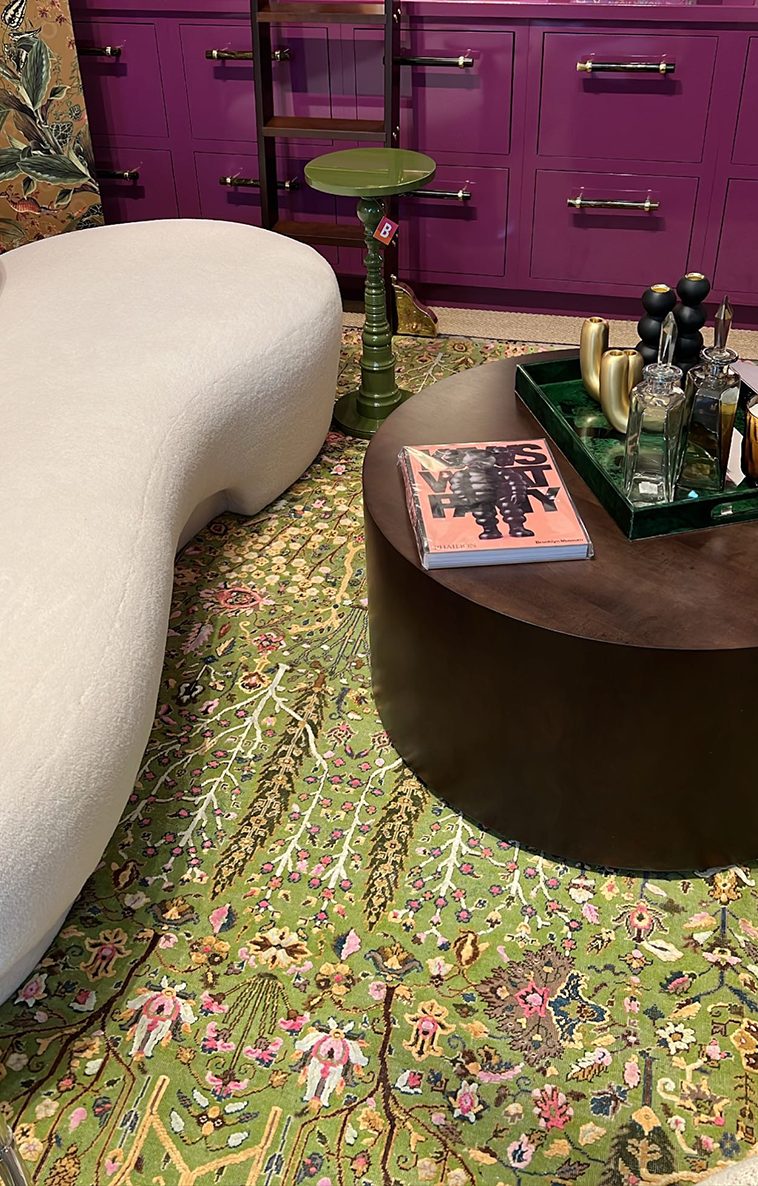
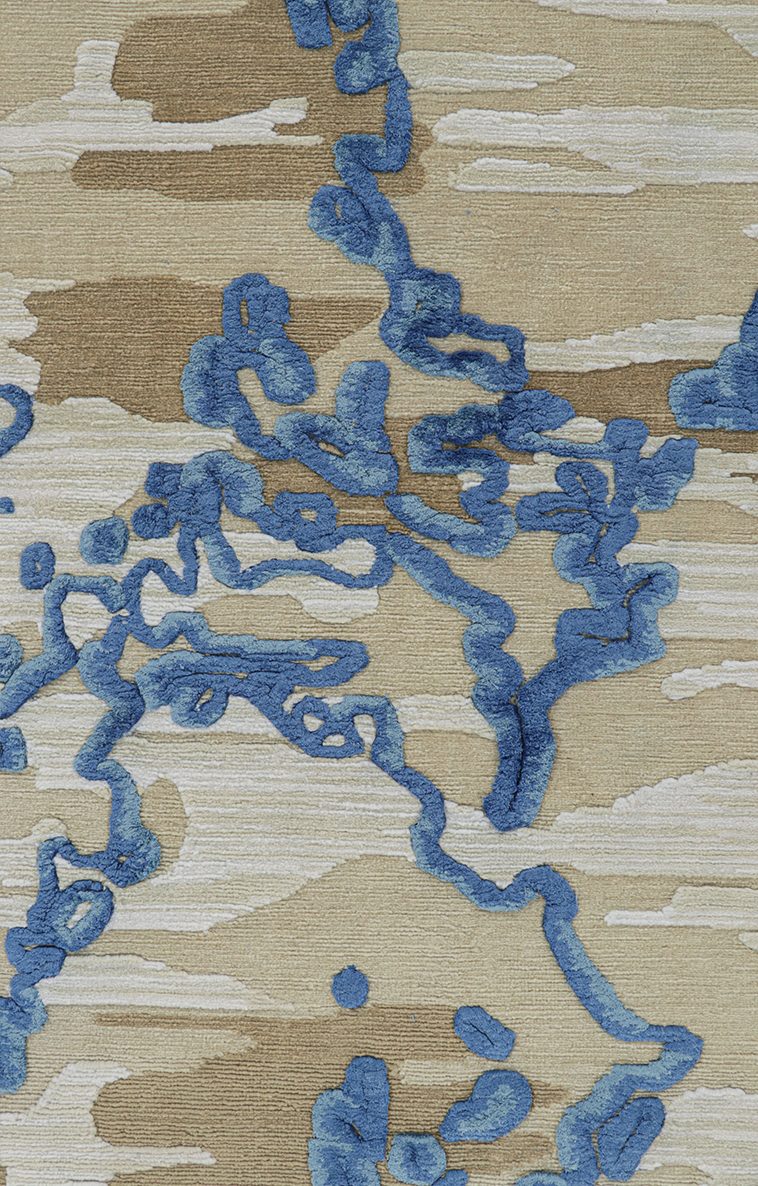
Modern Custom Rug by Rug & Kilim
Styling for the Modern Open-Concept Space
Styling a rug in an open-plan environment requires an understanding of both spatial dynamics and historical dialogue. Key principles include:
Anchor Without Overcrowding – Furniture should rest partially on the rug to integrate seating or dining zones, but excessive overlap can obscure valuable pattern details.
Layering for Depth – Layering a vintage flatweave beneath a contemporary silk accent rug can create dimensional interplay, echoing the palimpsest quality of historical interiors.
Directional Orientation – Aligning a rug’s primary axis with architectural sightlines enhances flow and emphasizes spatial continuity.
Chromatic Balance – Color should either harmonize with or strategically contrast the surrounding palette; deep reds and blues can punctuate neutral lofts, while soft ivories and greys can calm visually busy environments.
Institutional Collections as Design Guides
Some of the most instructive models for integrating rugs into expansive interiors are found not in private homes but in institutional collections. The Salting Collection at the V&A, the Poldi Pezzoli Museum in Milan, and the Ballard Collection in the U.S. demonstrate how large carpets can dictate spatial arrangement even in museum halls. These examples underscore that the rug, when of sufficient quality and scale, is not a decorative accessory—it is the central architectural device.
In contemporary practice, collectors often commission reproductions of museum pieces for open spaces, ensuring that scale and design integrity are preserved while meeting modern durability requirements. Such commissions, when handled by master workshops in regions like Jaipur, Tabriz, or Kathmandu, marry tradition with innovation.
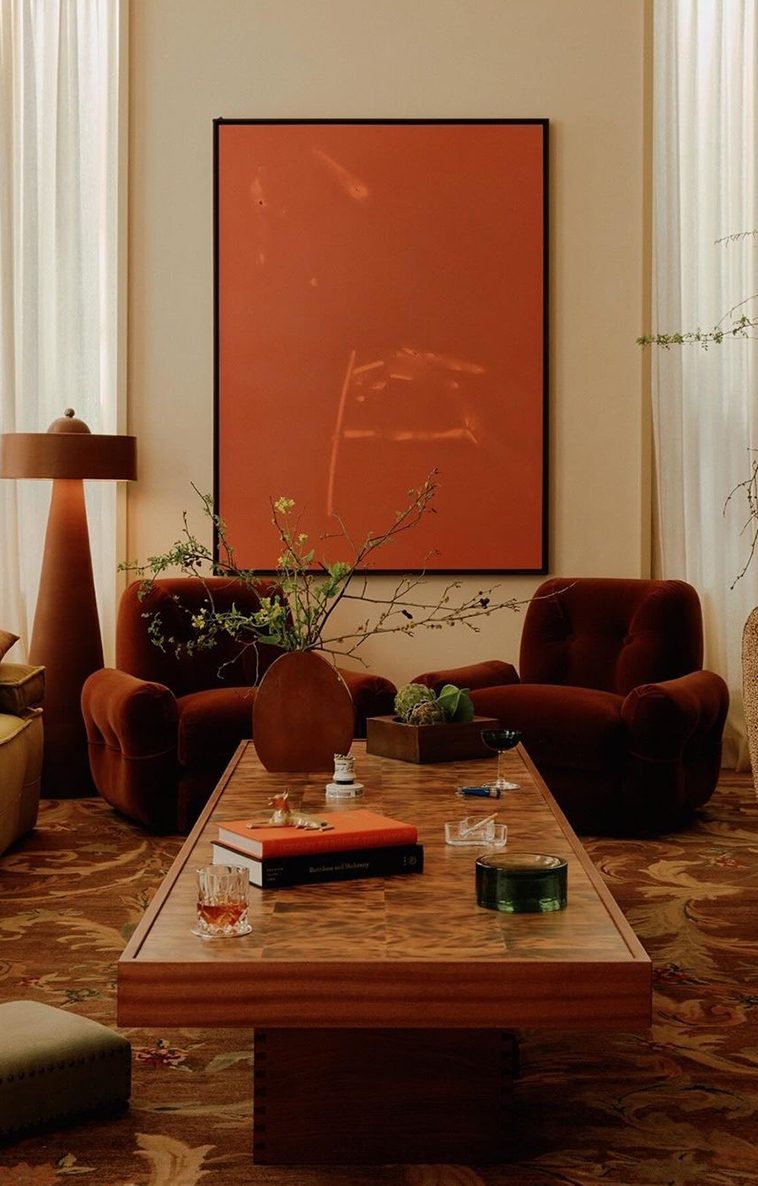
In Common With x Rug & Kilim
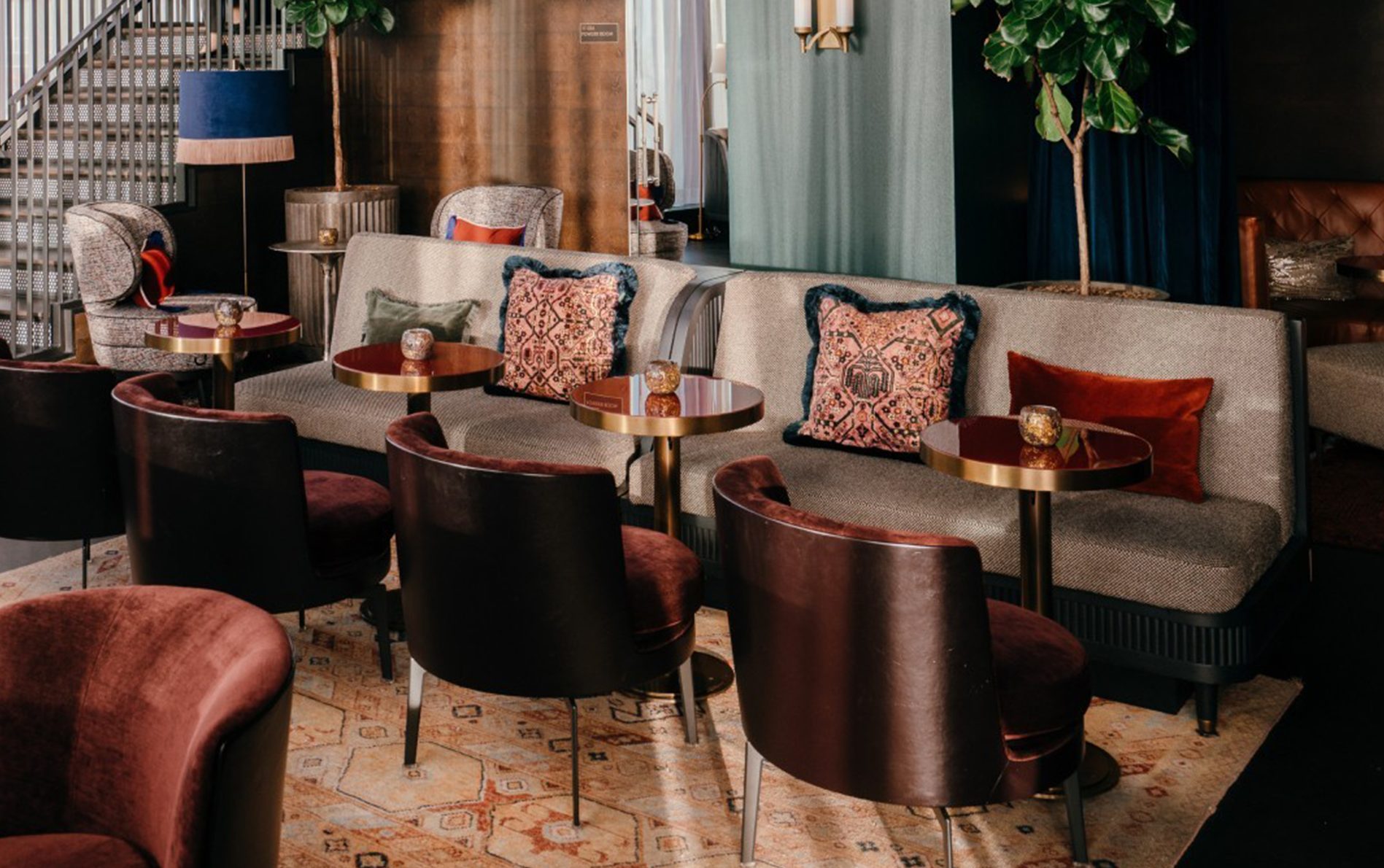
Stonehill Taylor for Raffles Boston x Rug & Kilim
The Rug as Architectural and Cultural Anchor
In the lexicon of open-concept design, the rug is neither peripheral nor ornamental—it is structural, cultural, and sensorial. Its ability to define zones, imbue a room with historical resonance, and offer tactile luxury makes it indispensable. Whether sourced from a 17th-century Persian workshop or a contemporary Scandinavian loom, a well-chosen rug operates at the confluence of art and architecture.
For the collector, interior architect, or design curator, the selection of such a piece is an act of connoisseurship—demanding knowledge of provenance, mastery of spatial proportion, and sensitivity to both historical dialogue and modern lifestyle.
In this way, rugs remain, as they have for centuries, the silent but eloquent definers of space.