

Every Great Collector Owns a Library: On Books, Rugs, and the Knowledge That Connects Them
September 17, 2026
What Makes Tibetan Wool the Gold Standard for Custom Rugs
September 23, 2026
Rug & Kilim x Andrew Howard Interior Design
There is a question that hovers, unspoken, over every fine handmade rug: why does it cost what it costs?
It is a fair question, and it deserves a serious answer, one that has nothing to do with markup and everything to do with time.
So, what a hand-knotted carpet actually is? It is a surface built one knot at a time, each knot tied individually by hand around the threads of a loom, by a weaver working with a knife and a pile of dyed wool. A fine carpet of substantial size contains not thousands of these knots but hundreds of thousands, in the very finest pieces, more than a million. A skilled weaver, working steadily, ties a few thousand in a day. The arithmetic is unforgiving and it is illuminating: a great large carpet represents not months of labor but years, sometimes the sustained effort of several weavers working in concert across the turning of seasons.
A rug of this kind is, quite literally, a measured quantity of human life, given to a single object. The great fresco cycles of the Renaissance were counted the same way, not in what they depicted but in the years of a life it took to make them. Michelangelo gave four years to a ceiling. A master weaver may give as much to a floor.
And the knotting is only the visible portion. Before a single knot is tied, the wool must be sourced, sorted, and hand-spun; the dyes must be gathered and prepared; madder root, indigo leaf, weld, and the yarn colored in small batches and dried in the sun; the design must be resolved into a cartoon that maps every shift of color across the field, the way a composer scores every voice before the first note is played. After the loom releases the finished weave, the work continues still, the washing that draws the structure organically taut, the shearing that levels the pile, the carving that gives it relief, the binding of the edges, the finishing that separates the merely competent from the truly fine. Every stage is a decision, and every decision is made by a hand.
This is the true cost of the handmade, and it is worth understanding clearly, because it runs against everything the modern economy has trained us to expect. We live in an age of the instant and the identical, of objects produced without visible labor, sold without margin, and discarded without thought.
Against that backdrop, the handmade rug is an act of quiet resistance, and it belongs to the same lineage of resistance that runs from William Morris, who insisted the hand of the maker must remain visible in the made thing, to the couture houses of Paris, where a single Dior gown may absorb hundreds of hours of atelier work that no camera will ever fully register. The logic is identical. It cannot be hurried. It cannot be automated. It cannot be made cheaper without being made worse. The cost is not a premium added to the object; the cost is the object.
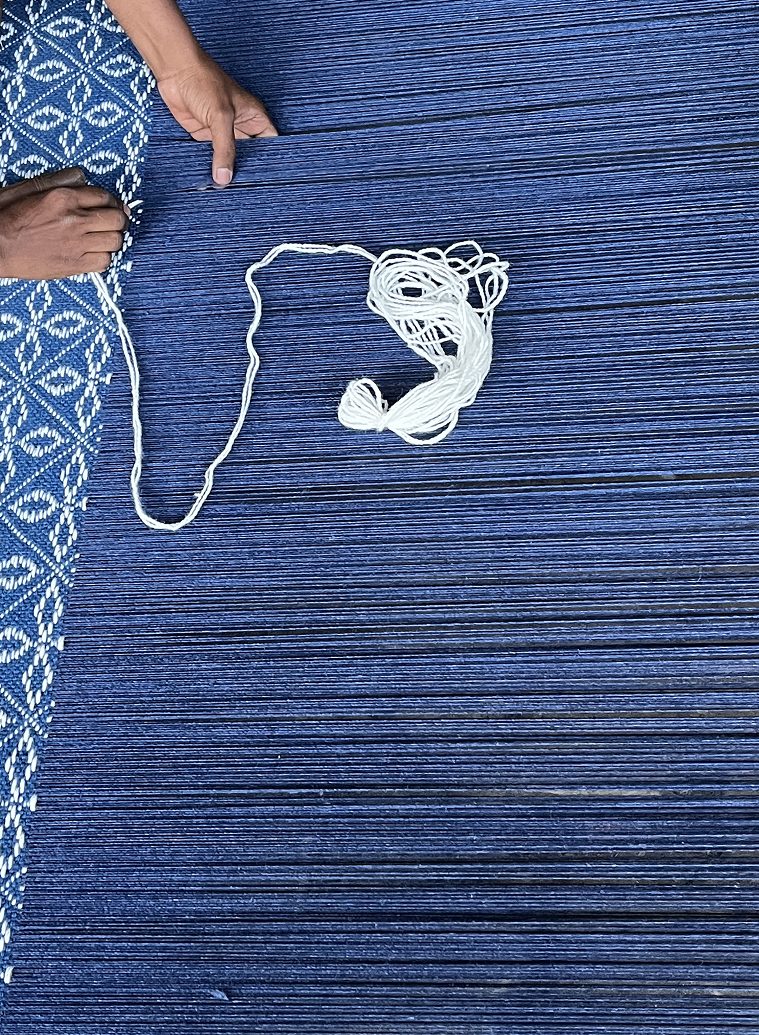
Hand-knotting a rug on the loom
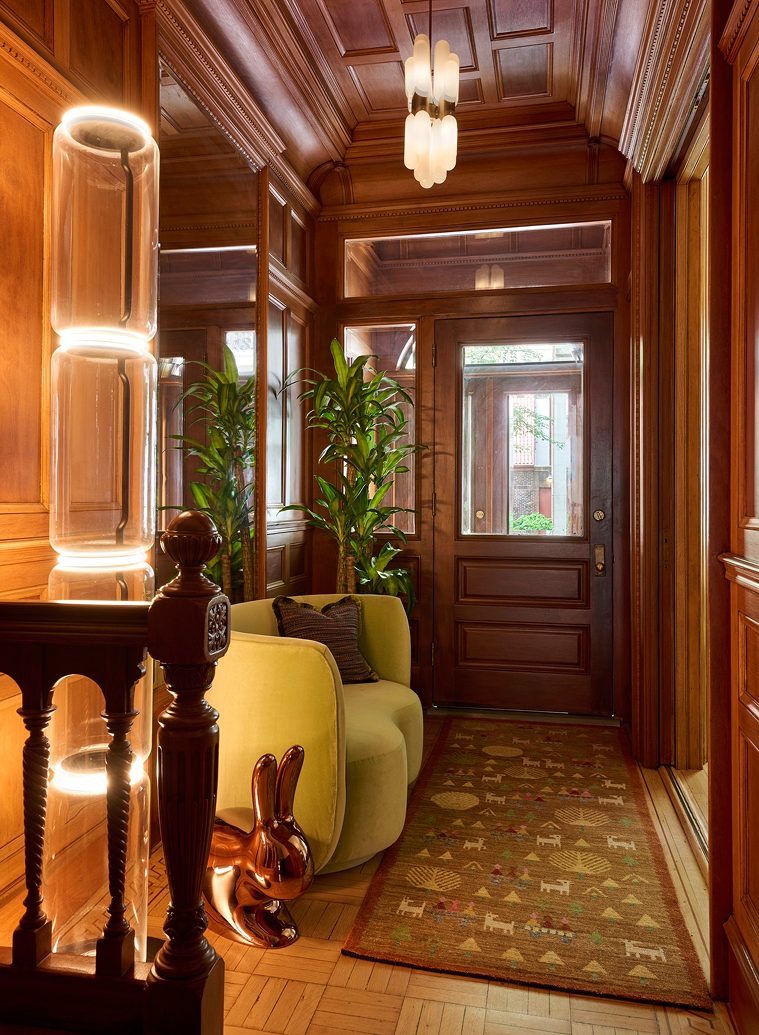
As featured in ELLE Decor, Rug & Kilim’s custom Burano rug anchors AD100 designer Fawn Galli’s reimagining of a historic Beaux-Arts townhouse on Manhattan’s Upper West Side. Read More >>
There is a deeper value in this that the price alone never captures. When one acquires a handmade rug, one is not only acquiring wool and dye and pattern. One is acquiring the time of the people who made it, their skill, their patience, their inheritance of a craft passed hand to hand across generations, in many cases within a single family and a single village for centuries. That accumulated human intention is precisely what gives the object its life, and precisely what a machine, however sophisticated, can never reproduce. It is why a great rug feels different underfoot from anything mass-produced, the way a hand-thrown bowl feels different in the hand from a moulded one, though the eye may struggle to say why. The difference is not in the appearance. It is in the presence.
This is also why the handmade rug holds its worth across a century while lesser things are thrown away within a decade. The market has begun, of late, to understand what collectors of carpets have always known: that objects made this way are not expenses but holdings, that they appreciate as the knowledge to make them grows scarcer, and that they pass between generations as both inheritance and asset. A machine-made floor covering is worth the most on the day it is bought and less every day thereafter.
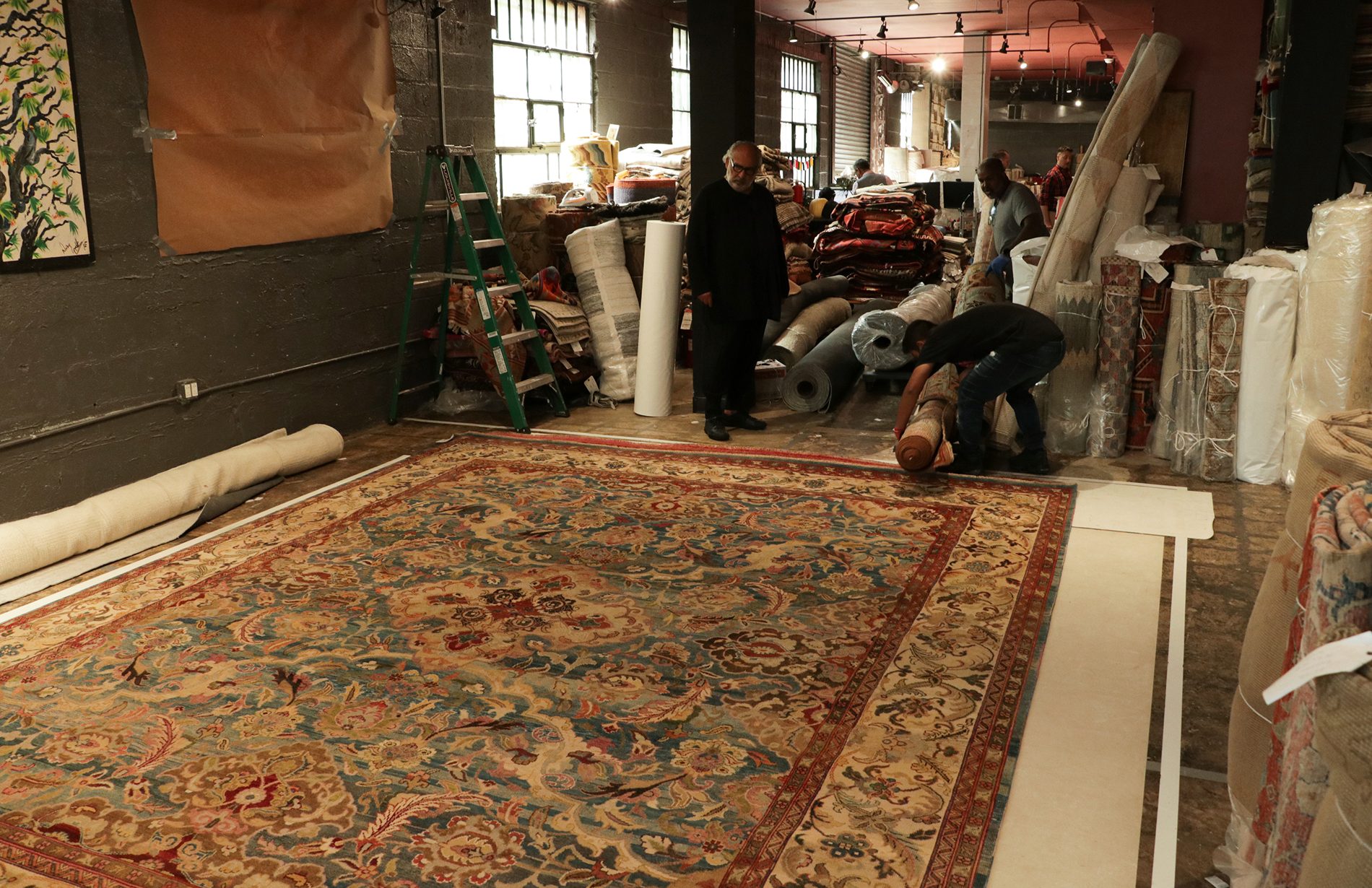
Rug & Kilim Showroom
A great handmade rug is worth the least on the day it is made and more with every year it survives.
The true cost of the handmade is time. But so is its true value. A rug made this way is not an expenditure. It is a transfer of labor into beauty, of craft into permanence, of the maker’s finite life into an object made to outlast us all. Understood this way, the question is no longer why it costs what it costs. The question is how it could ever, honestly, cost less.