

Style
Shag/High Pile
Every piece in this style, across all of our collections. Narrow them down by size and price.
- Under 6 x 9
- Runners
- 6 x 9
- 8 x 10
- 9 x 12
- 10 x 14
- 12 x 15
- Over 12 x 15
Origin ▼
Style ▼
Material ▼
Width
Length
To connect with a specialist, click here
Stories from the Shag/High Pile Archive
Essays, artist dialogues, and provenance notes drawn from Rug & Kilim’s editorial desk.
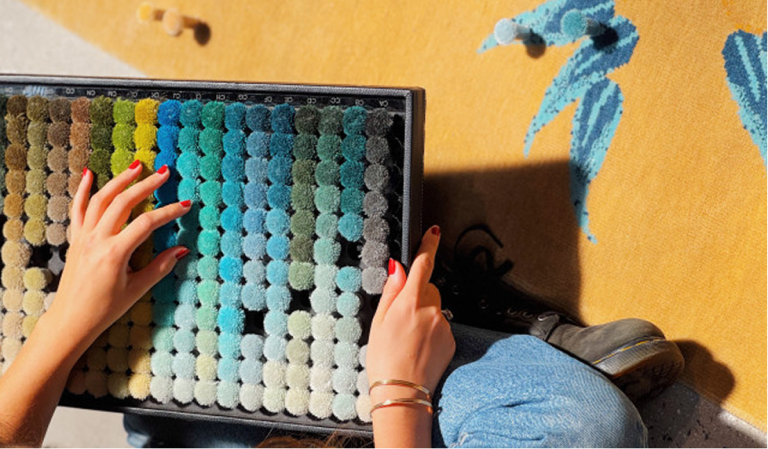
Inside the Colorist’s Mind: Commissioning a Rug to a Palette
There is a figure in the making of a great custom rug whom the finished object never names and the client rarely meets, and yet whose judgment determines whether the whole enterprise sings or falls flat. Not the designer who draws the pattern. Not the weaver who ties the knots. The colorist: the eye that decides, among a near-infinite field of possibility, exactly which blues, which greens, which single warm note of coral will live together in a room for the next fifty years. If the pattern is the core of a rug, color is its music, and the colorist is the composer. Most people have never considered that such a person exists. The ones who have commissioned a rug properly never forget them.
Read the Feature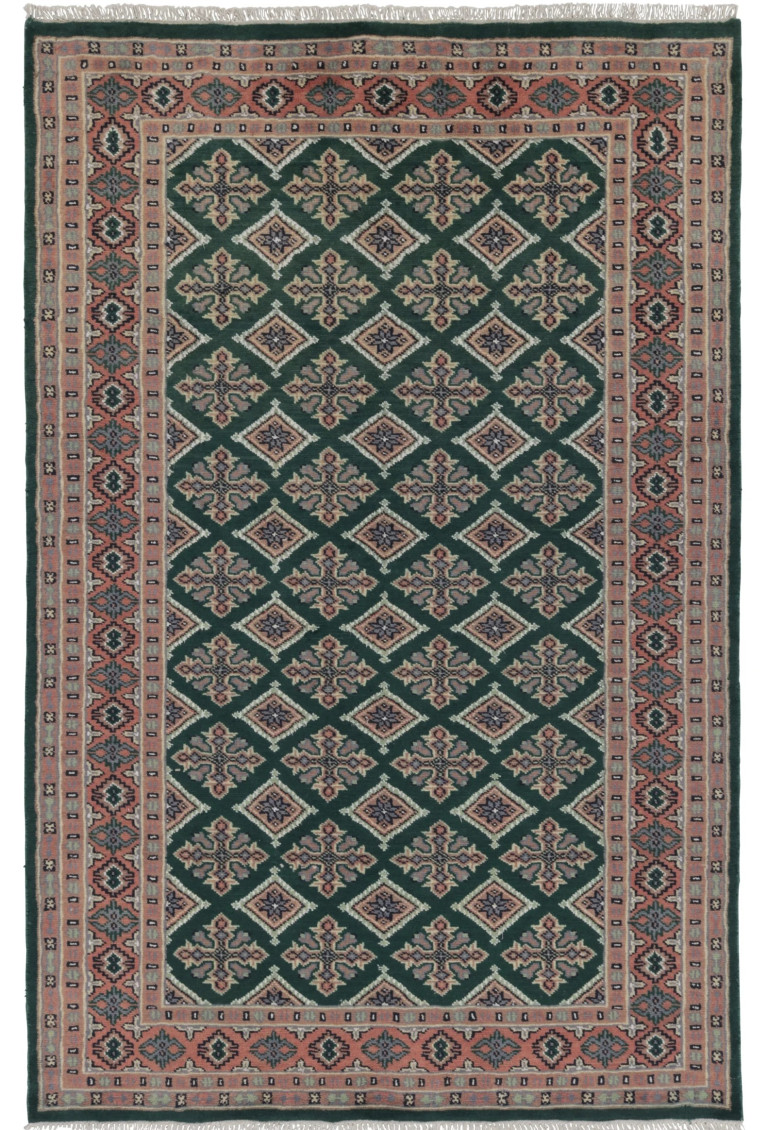
Bokhara Rugs: Traditional Weaving and Global Influence
Among the most recognizable and influential traditions in the history of oriental carpets, Bokhara rugs represent a remarkable fusion of tribal heritage, geometric precision, and centuries-old weaving expertise. Known worldwide for their iconic repeating motifs, deep colors, and refined craftsmanship, Bokhara rugs have become enduring symbols of Central Asian textile artistry. Although the name “Bokhara” is commonly associated with the historic city of Bukhara in present-day Uzbekistan, many rugs classified as Bokhara originate from Turkmen weaving communities across regions including Turkmenistan, Afghanistan, and surrounding areas. The name reflects the historical trade routes through which these carpets traveled and became known internationally.
Read the Feature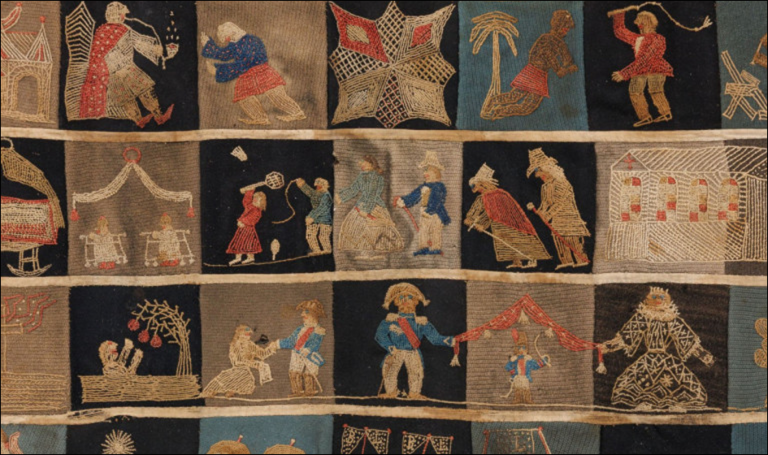
Tapestry of the Week: François Damiens, 475 Panels, and the Whole of a World in Pater Noster Embroidery of Arras
Some objects you appraise. This one you simply stand before, for a long time, and let it undo your sense of what a single human being can do. Hand-worked in wool and natural silk in Arras, France, in 1826, and signed four times over by its maker, the Pater Noster embroidery of François Damiens is composed of four hundred and seventy-five individual pictorial panels, each one a tiny woven scene, arranged in a vast grid that reads, from across a room, like the pixelated memory of an entire world. Biblical narratives. Processions. The labours of the seasons. Animals, trees, houses, saints, ordinary people doing ordinary things. Four hundred and seventy-five times, one small square at a time, a man sat down and embroidered a fragment of everything he knew.
Read the Feature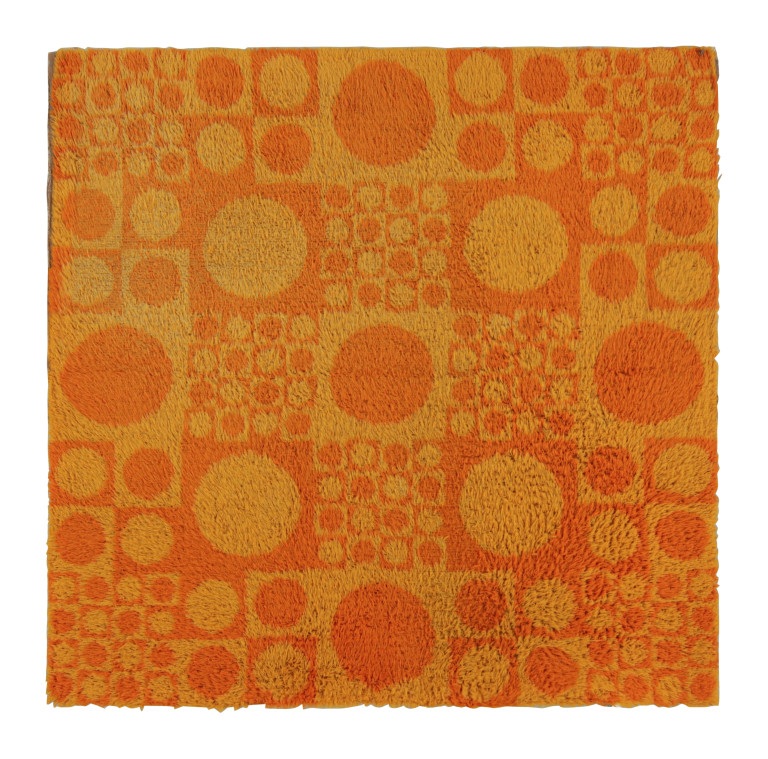
Ege Rya Rugs & Verner Panton’s Abstract Modernist Style
Ege Ryas are an important part of Scandinavian design. Like the Rya rugs of the 15th century, Ege ryas carry a high pile. This was mainly to keep people warm during the hostile cold weather. These rugs were usually small in size and machine made. While the vintage ege ryas were quite similar to other Nordic rugs in their shag/high pile texture, it’s interesting to note that their patterns were funky - unlike the clean, soothing, refreshing vibe that most Scandinavian rugs feature. This union of traditional texture and bold patterns redefined Swedish aesthetics in the mid 20th century and became a driving force behind most modern sense of abstract that we know today.
Read the Feature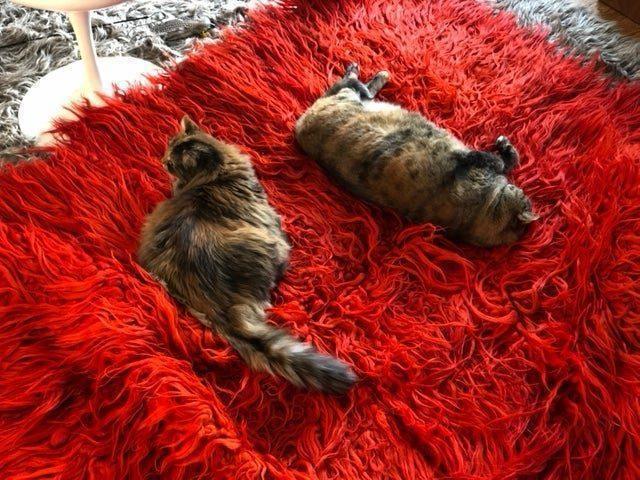
A Love Letter to High-Pile Rugs: Shag, Shabby-Chic and Everything In-Between
A Shag/High Pile rug is easy to recognize. That's one of many beauties in both styles; their distinction from other rugs. There's a subtle difference between the terms, though, and the many gorgeous styles they comprise. High-pile rugs include any rug with a 1/2"-3/4" pile height (which measures the fibers on the rug's surface, or "nap"). Shag rugs, meanwhile, have similar or longer fibers, and in some cases their pile goes beyond the borders. It's much easier to see the difference and admire it, though, as it's more about the feeling and presence that dictates the difference. Many in our field believe shag rugs are the oldest hand-knotted rugs and carpets. Thick rugs were a notable source of bedding and comfort in tribal cultures all over the world, after all. Greek Flokati rugs are the oldest shag rug known (as early as 700 B.C.), and were made from goat hair for warmth. Moroccan rugs are a younger provenance since the Berber matriarchs began the practice circa 622 A.D., but they're one of the most widely recognized high-pile rug styles today.
Read the Feature
A Glossary of Handmade Rugs and Kilims: Understanding Terms, Types and Techniques Past and Present
Referring to the art style characterized by using shape and color withdrawn from traditional repetition or realism. Abstract rugs — sometimes referred to as art rugs — capture an expressive nature that reads as a very modern style, though many abstract rugs draw inspiration from works of the same art style in the mid-century. One of the more widely known mid-century lineages of this style is abstract expressionism, named for the literal "expressionists" of the 1950s. Some of the most notable names behind this style include Jackson Pollock and Mark Rothko. Referring to a lineage of nomadic Persian rugs (sometimes referred to as “Avsar” in the alternate spelling). Afshar rugs hail from the eponymous tribe in the region of Northeastern Iran.
Read the Feature



