
Style
Shag/High Pile
Every piece in this style, across all of our collections. Narrow them down by size and price.
- Under 6 x 9
- Runners
- 6 x 9
- 8 x 10
- 9 x 12
- 10 x 14
- 12 x 15
- Over 12 x 15
Origin ▼
Style ▼
Material ▼
Width
Length
To connect with a specialist, click here
Stories from the Shag/High Pile Archive
Essays, artist dialogues, and provenance notes drawn from Rug & Kilim’s editorial desk.
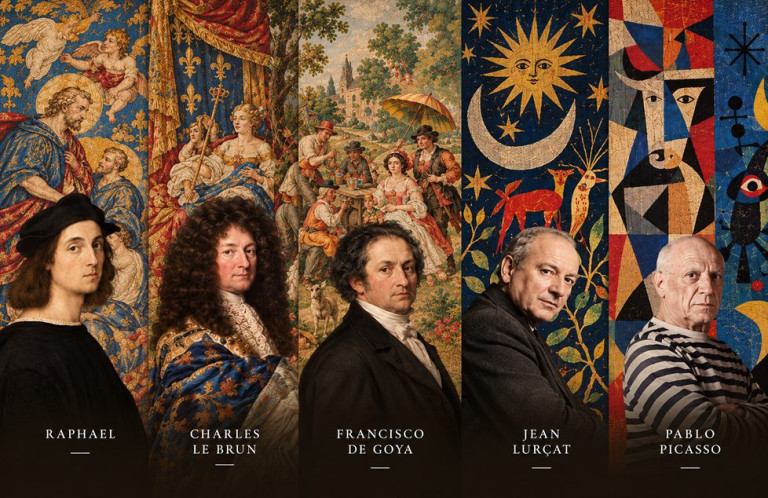
The Artists Behind European Tapestry: A Guide to the Names Worth Knowing
There is a persistent misconception about tapestry, and it is worth correcting at the outset: that the weaving is the whole of the art. It is not. Behind every great European tapestry stands an artist, the author of the design from which the weavers worked, and the history of the medium is in large part the history of these figures. To collect tapestry seriously, or simply to understand it well, is to know their names. What follows is a guide to the artists who matter most, arranged as the tradition itself unfolded, from the royal workshops of the old regime to the modern revival that made tapestry, once again, one of the most ambitious art forms in the world.
Read the Feature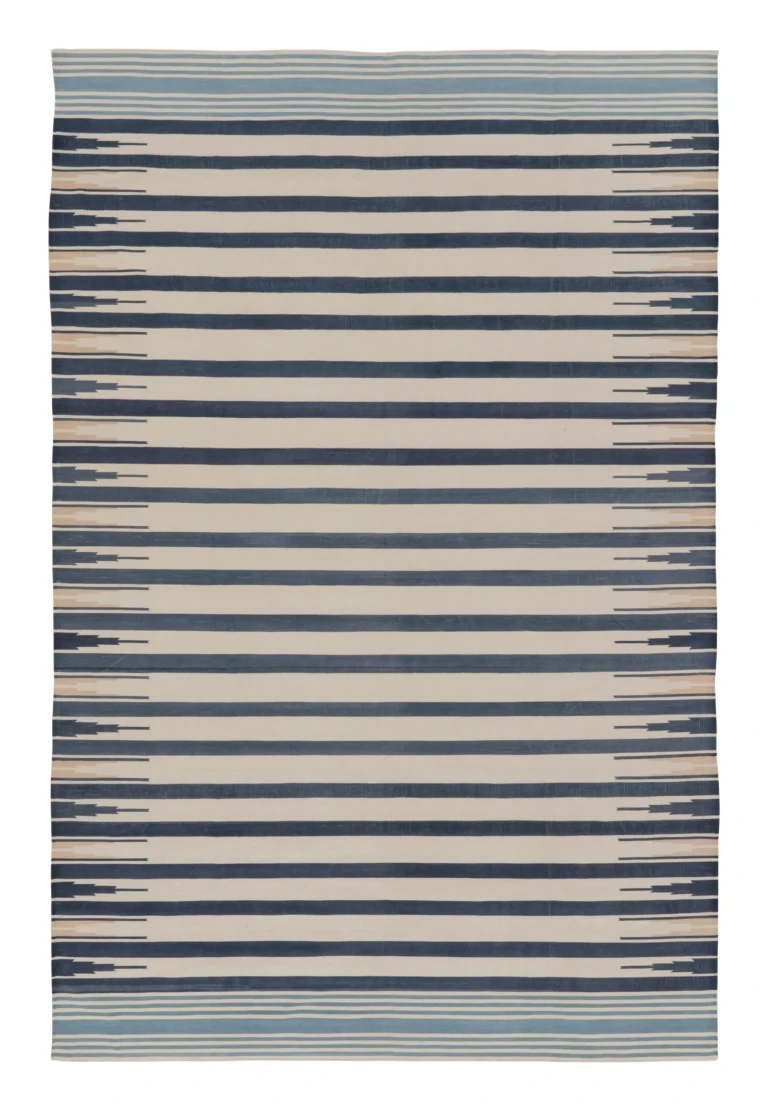
Dhurrie Rugs: History, Cultural Significance, and Contemporary Luxury
Among the world’s most versatile and architecturally adaptable textile traditions, Dhurrie rugs occupy a distinctive position within the history of Indian weaving and contemporary interior design. Known for their flatwoven construction, geometric clarity, and extraordinary material flexibility, Dhurrie rugs have evolved from practical floor coverings into globally recognized design objects valued by collectors, architects, and luxury interiors specialists alike. Originating primarily in India, though historically connected to broader South Asian weaving traditions, Dhurrie rugs represent a sophisticated synthesis of utility, craftsmanship, and visual restraint. Unlike heavily piled Persian carpets or highly ornamental European rugs, Dhurries emphasize balance, structure, texture, and compositional rhythm.
Read the Feature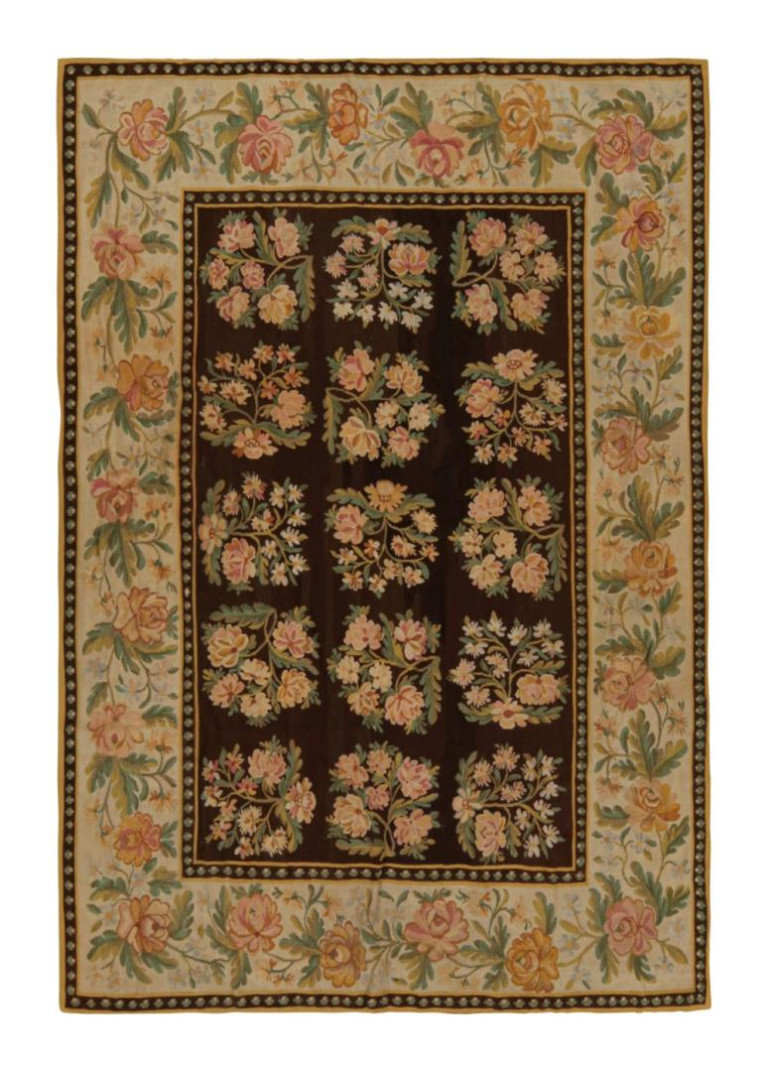
A Guide to Bessarabian Rugs: History, Design, and Modern Luxury
Within the world of collectible textiles and luxury interiors, few rug traditions possess the quiet sophistication and painterly elegance of Bessarabian rugs. Emerging from the historic region of Bessarabia—an area historically situated between present-day Moldova, Romania, and Ukraine—these rugs occupy a unique position at the crossroads of Eastern European folk tradition, Ottoman influence, Russian imperial culture, and French decorative aesthetics. Unlike the geometric tribal weavings commonly associated with Central Asia or the medallion-driven structures of Persian carpets, Bessarabian rugs developed a distinctly atmospheric and ornamental visual language. Their floral compositions, subdued tonal harmonies, and expansive decorative fields positioned them closer to European decorative arts than purely utilitarian floor coverings.
Read the Feature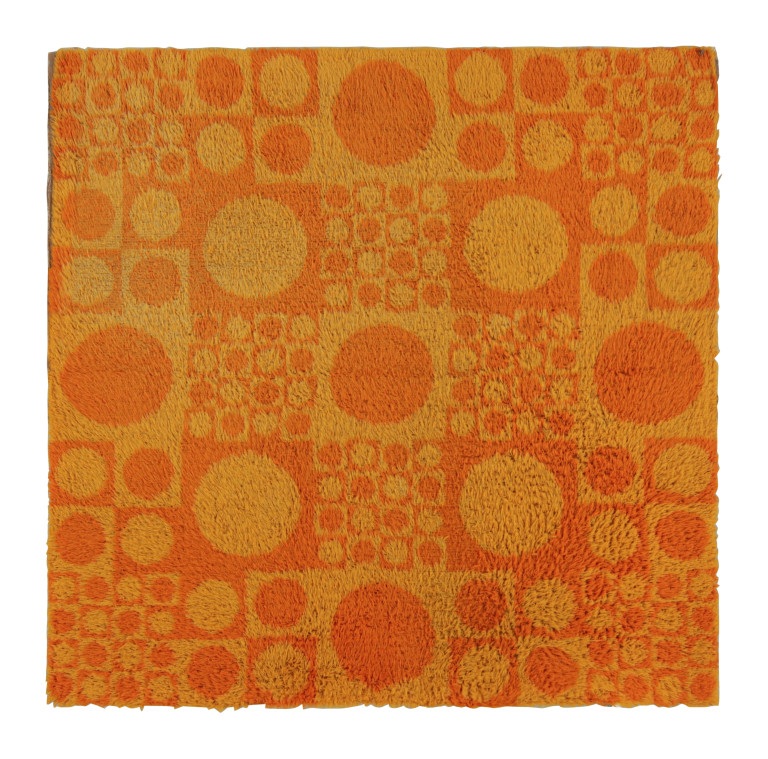
Ege Rya Rugs & Verner Panton’s Abstract Modernist Style
Ege Ryas are an important part of Scandinavian design. Like the Rya rugs of the 15th century, Ege ryas carry a high pile. This was mainly to keep people warm during the hostile cold weather. These rugs were usually small in size and machine made. While the vintage ege ryas were quite similar to other Nordic rugs in their shag/high pile texture, it’s interesting to note that their patterns were funky - unlike the clean, soothing, refreshing vibe that most Scandinavian rugs feature. This union of traditional texture and bold patterns redefined Swedish aesthetics in the mid 20th century and became a driving force behind most modern sense of abstract that we know today.
Read the Feature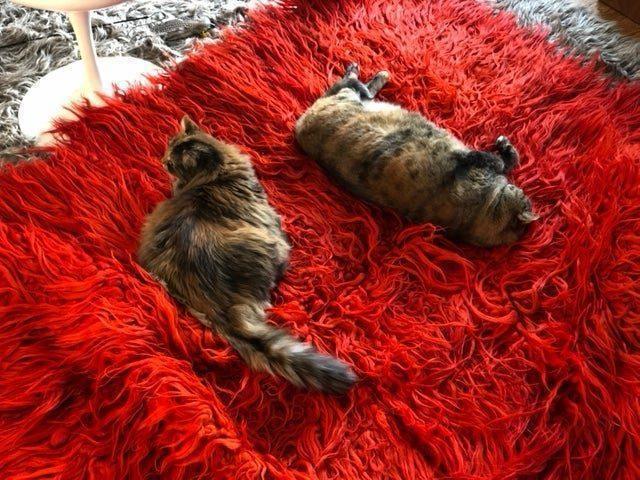
A Love Letter to High-Pile Rugs: Shag, Shabby-Chic and Everything In-Between
A Shag/High Pile rug is easy to recognize. That's one of many beauties in both styles; their distinction from other rugs. There's a subtle difference between the terms, though, and the many gorgeous styles they comprise. High-pile rugs include any rug with a 1/2"-3/4" pile height (which measures the fibers on the rug's surface, or "nap"). Shag rugs, meanwhile, have similar or longer fibers, and in some cases their pile goes beyond the borders. It's much easier to see the difference and admire it, though, as it's more about the feeling and presence that dictates the difference. Many in our field believe shag rugs are the oldest hand-knotted rugs and carpets. Thick rugs were a notable source of bedding and comfort in tribal cultures all over the world, after all. Greek Flokati rugs are the oldest shag rug known (as early as 700 B.C.), and were made from goat hair for warmth. Moroccan rugs are a younger provenance since the Berber matriarchs began the practice circa 622 A.D., but they're one of the most widely recognized high-pile rug styles today.
Read the Feature
A Glossary of Handmade Rugs and Kilims: Understanding Terms, Types and Techniques Past and Present
Referring to the art style characterized by using shape and color withdrawn from traditional repetition or realism. Abstract rugs — sometimes referred to as art rugs — capture an expressive nature that reads as a very modern style, though many abstract rugs draw inspiration from works of the same art style in the mid-century. One of the more widely known mid-century lineages of this style is abstract expressionism, named for the literal "expressionists" of the 1950s. Some of the most notable names behind this style include Jackson Pollock and Mark Rothko. Referring to a lineage of nomadic Persian rugs (sometimes referred to as “Avsar” in the alternate spelling). Afshar rugs hail from the eponymous tribe in the region of Northeastern Iran.
Read the Feature