Style
Tulu
Every piece in this style, across all of our collections. Narrow them down by size and price.
- Under 6 x 9
- Runners
- 6 x 9
- 8 x 10
- 9 x 12
- 10 x 14
- 12 x 15
- Over 12 x 15
Origin ▼
Style ▼
Material ▼
Width
Length
To connect with a specialist, click here
Stories from the Tulu Archive
Essays, artist dialogues, and provenance notes drawn from Rug & Kilim’s editorial desk.
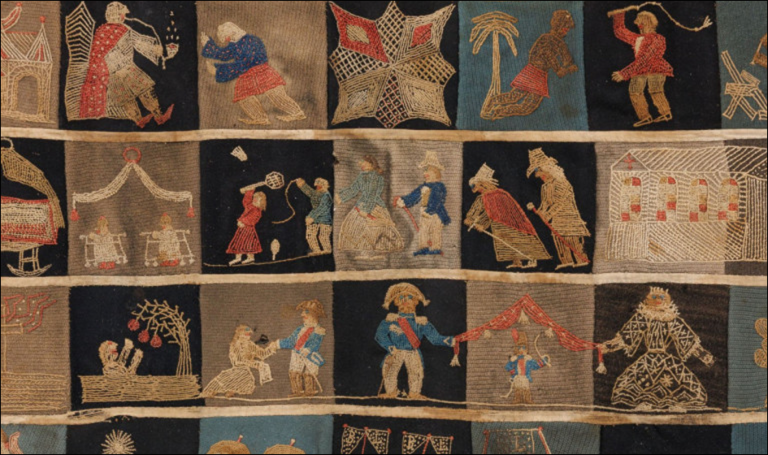
Tapestry of the Week: François Damiens, 475 Panels, and the Whole of a World in Pater Noster Embroidery of Arras
Some objects you appraise. This one you simply stand before, for a long time, and let it undo your sense of what a single human being can do. Hand-worked in wool and natural silk in Arras, France, in 1826, and signed four times over by its maker, the Pater Noster embroidery of François Damiens is composed of four hundred and seventy-five individual pictorial panels, each one a tiny woven scene, arranged in a vast grid that reads, from across a room, like the pixelated memory of an entire world. Biblical narratives. Processions. The labours of the seasons. Animals, trees, houses, saints, ordinary people doing ordinary things. Four hundred and seventy-five times, one small square at a time, a man sat down and embroidered a fragment of everything he knew.
Read the Feature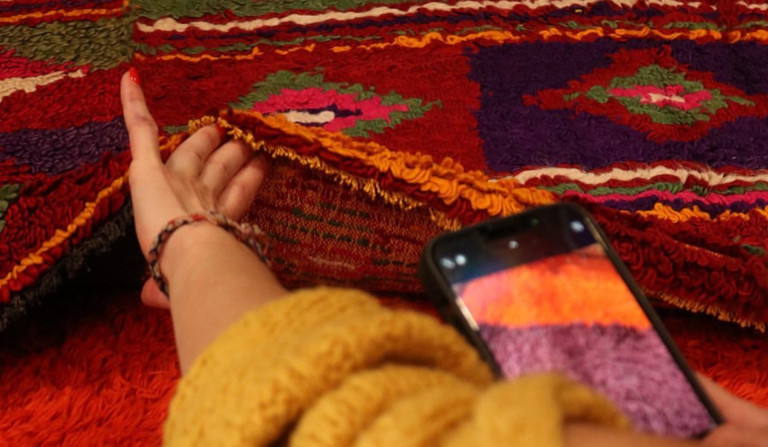
Tulu Rugs as Icons of Raw Luxury: Folk Art Meets Modern Fashion
A Tulu rug emerges as a textile heirloom reimagined for royalty. The Evolution of the Tulu Rug Once woven to shield nomadic families from the brutal Anatolian winters, Tulu rugs were never meant to be seen — they were meant to be felt. Thick, long-pile, and spun from the softest Angora wool, these rugs served as primitive insulation, hand-crafted by Turkish tribes whose artistry was born from necessity. But in today’s most discerning interiors, what was once survival is now sovereignty. Tulu — from the Turkish word tüylü, meaning "hairy" or "shaggy" — has found its place in contemporary design. From Parisian ateliers to Brooklyn brownstones, from Brutalist galleries to Baroque revivalist townhouses, Tulu rugs are now the grounding force of aesthetic storytelling. No longer relegated to ethnographic obscurity, they’ve been recontextualized as objets d’art — the missing link between primal craftsmanship and couture design.
Read the Feature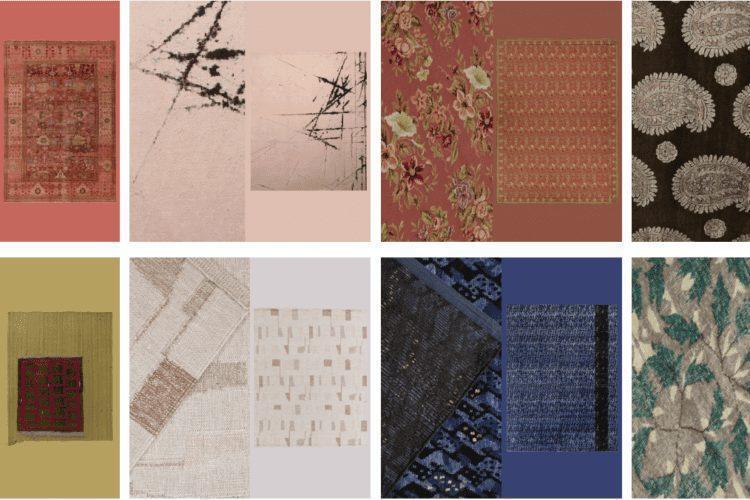
8 Favorite Handmade Rugs for Color Trends 2023
If keen awareness of color is pivotal to us at Rug & Kilim, then Benjamin Moore's 2023 Color Trends have us hooked already. Their 2023 Color of the Year "Raspberry Blush" alone has us so enamored we had to celebrate in style (in case you haven't read already). It's only first in their forecast, though, and far from their only daring choice. Each of these eight hues gives one a lot to think about, and to see them all together is to ponder that cautiously optimistic question — can we expect a grand return to 'bold' even in forgiving colors? Only time will tell. In the meantime, our team is eager to share our favorite handmade rugs and Kilims for each of the Benjamin Moore 2023 Color Trends. Iconic classics, brave modern designs and a marriage of both are below, and we hope to see them thrive in 2023 as they have this year!
Read the Feature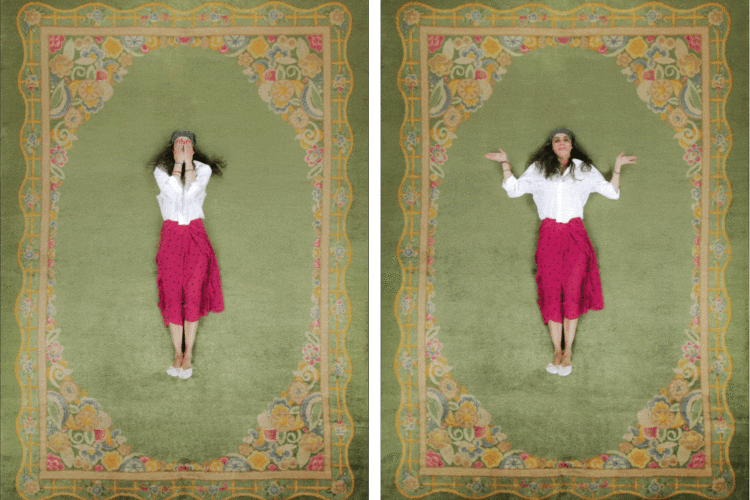
Top 10 Rugs and Kilims of September, 2022: Fall’s First Team Picks from the Rug & Kilim Staff
Though the leaves begin to wilt, the Rug & Kilim family dwells more on growth than ever this fall — its many blessings and tolls alike. The cozy season comes, and with it our busy season arrives in force as fall brings trends new and old to bear. With the cold wind comes many warm welcomes and fewer moments between projects than ever before. We're always happy to welcome fresh inventory and new hires — if not especially when we need them most. The lesser-known price of growth for an atelier, though? Opportunities and milestones tend to lead us a long way from home. The home team is all over the map this month, both cities away and overseas, to explore some exciting prospects. Some see to our expansion, others celebrate their own personal milestones we're proud to share in, and all of us here in New York can't help but miss a few familiar faces even while so many others pay us a visit to see what's new.
Read the Feature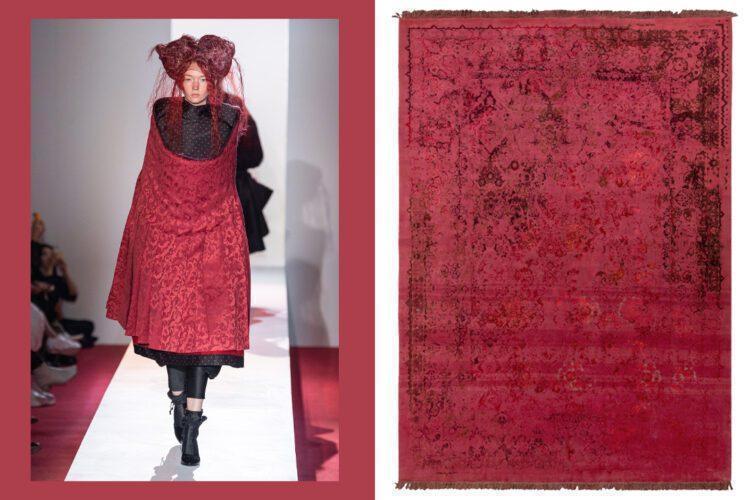
NYC Fashion Week: Reflections on Where High-End Rugs and Fashion Collide
As another fabulous NYC Fashion Week ends, another chance to reflect begins. Artists learn so much from other crafts to create bold work — one of many lessons we learn from Bauhaus. Rug & Kilim's Josh Nazmiyal reminds us of this daily. Our collections are often 'contributions' to styles and movements in other mediums — some never seen in high-end rugs before. As we look at our Fashion Week favorites, past to present, we can't help but see a powerful reminder of the visual connection to our industry. More of our design team's best, bold new work arrives at the showroom every day, just like more brands further the meaning of fashion each year. Since great minds think alike, we say: why not celebrate where high-end fashion and high-end rugs collide?
Read the Feature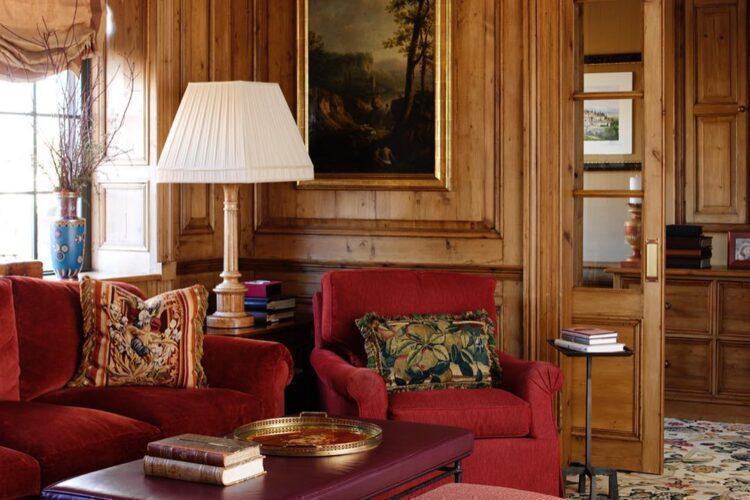
A Glossary of Handmade Rugs and Kilims: Understanding Terms, Types and Techniques Past and Present
Referring to the art style characterized by using shape and color withdrawn from traditional repetition or realism. Abstract rugs — sometimes referred to as art rugs — capture an expressive nature that reads as a very modern style, though many abstract rugs draw inspiration from works of the same art style in the mid-century. One of the more widely known mid-century lineages of this style is abstract expressionism, named for the literal "expressionists" of the 1950s. Some of the most notable names behind this style include Jackson Pollock and Mark Rothko. Referring to a lineage of nomadic Persian rugs (sometimes referred to as “Avsar” in the alternate spelling). Afshar rugs hail from the eponymous tribe in the region of Northeastern Iran.
Read the Feature