

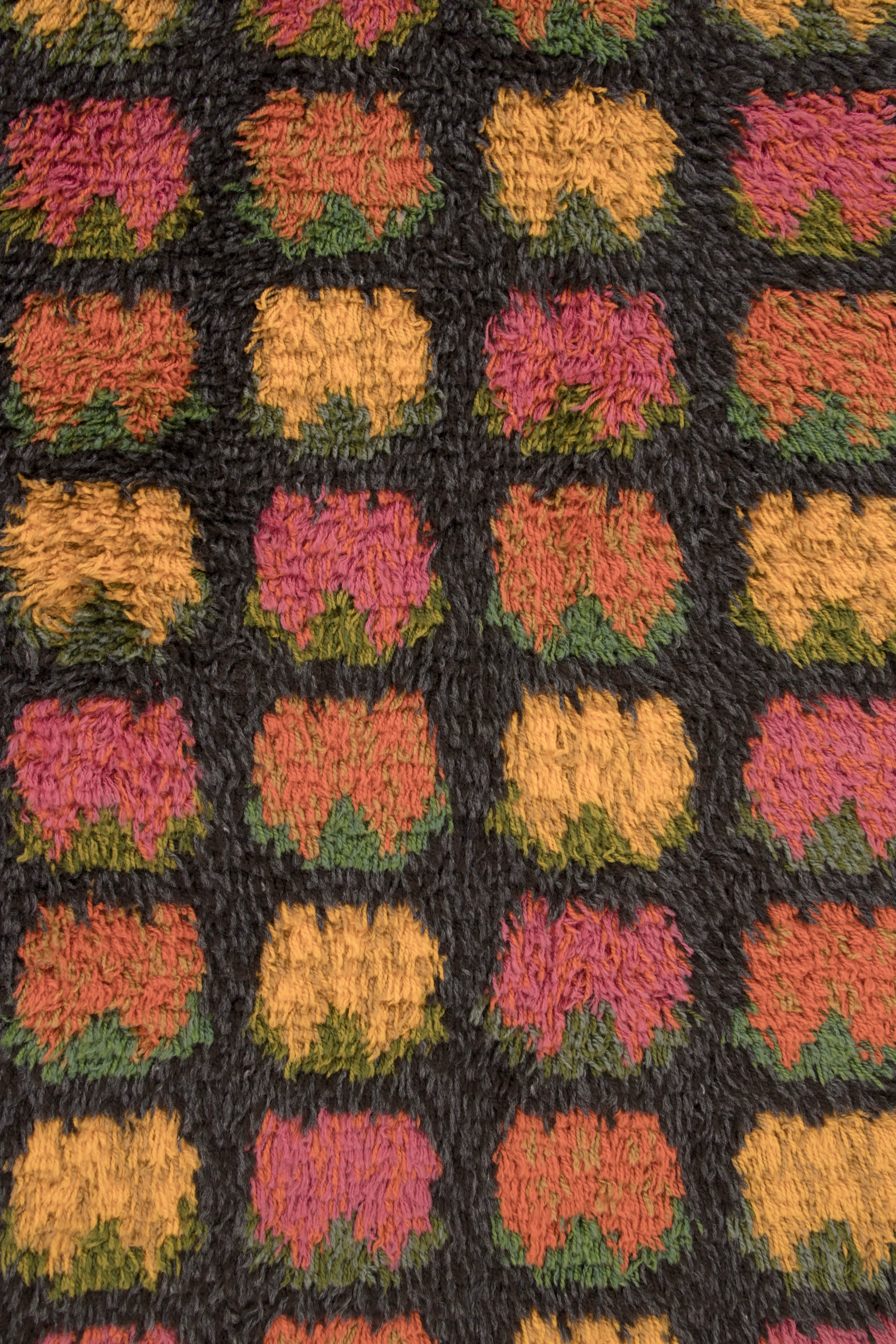
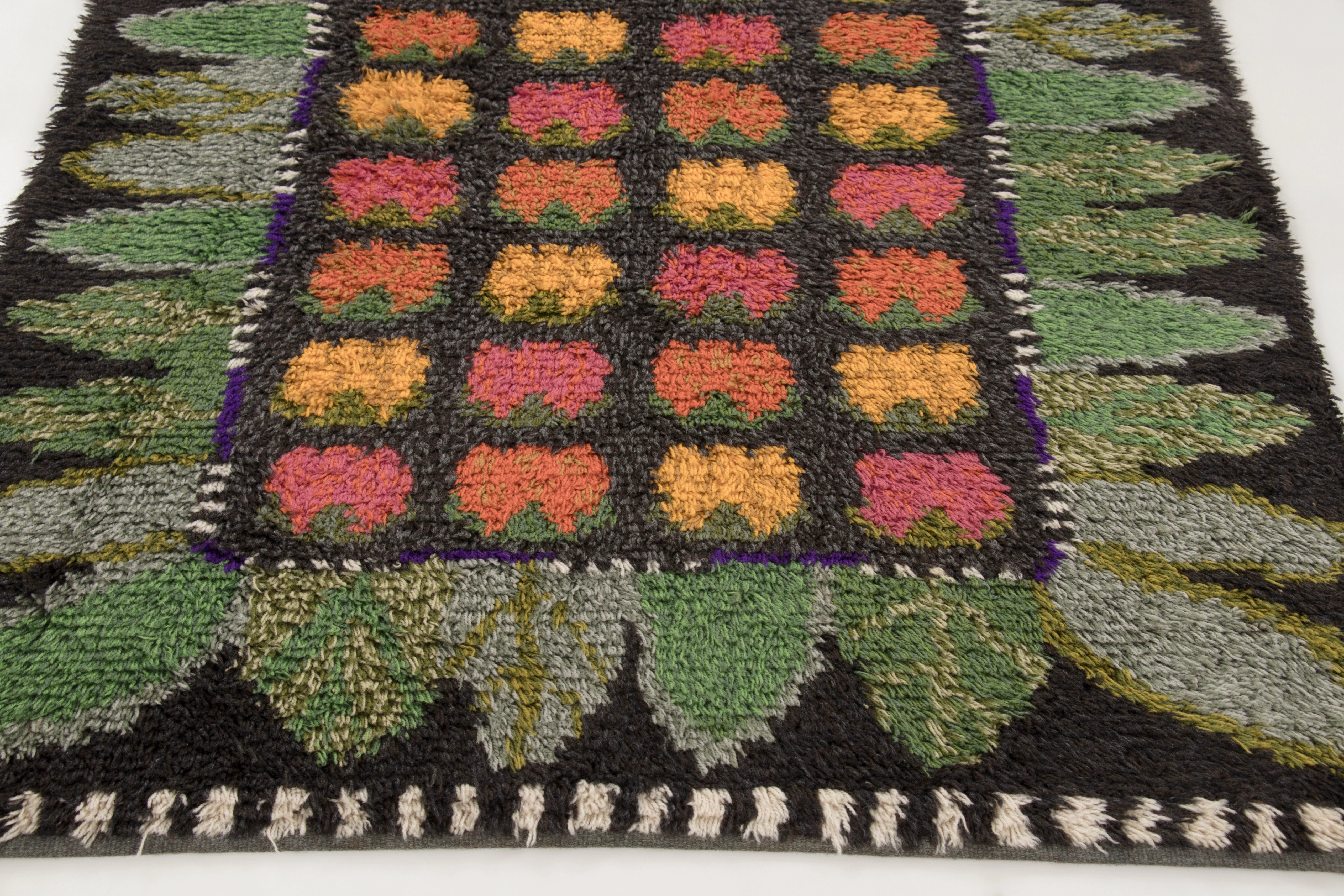
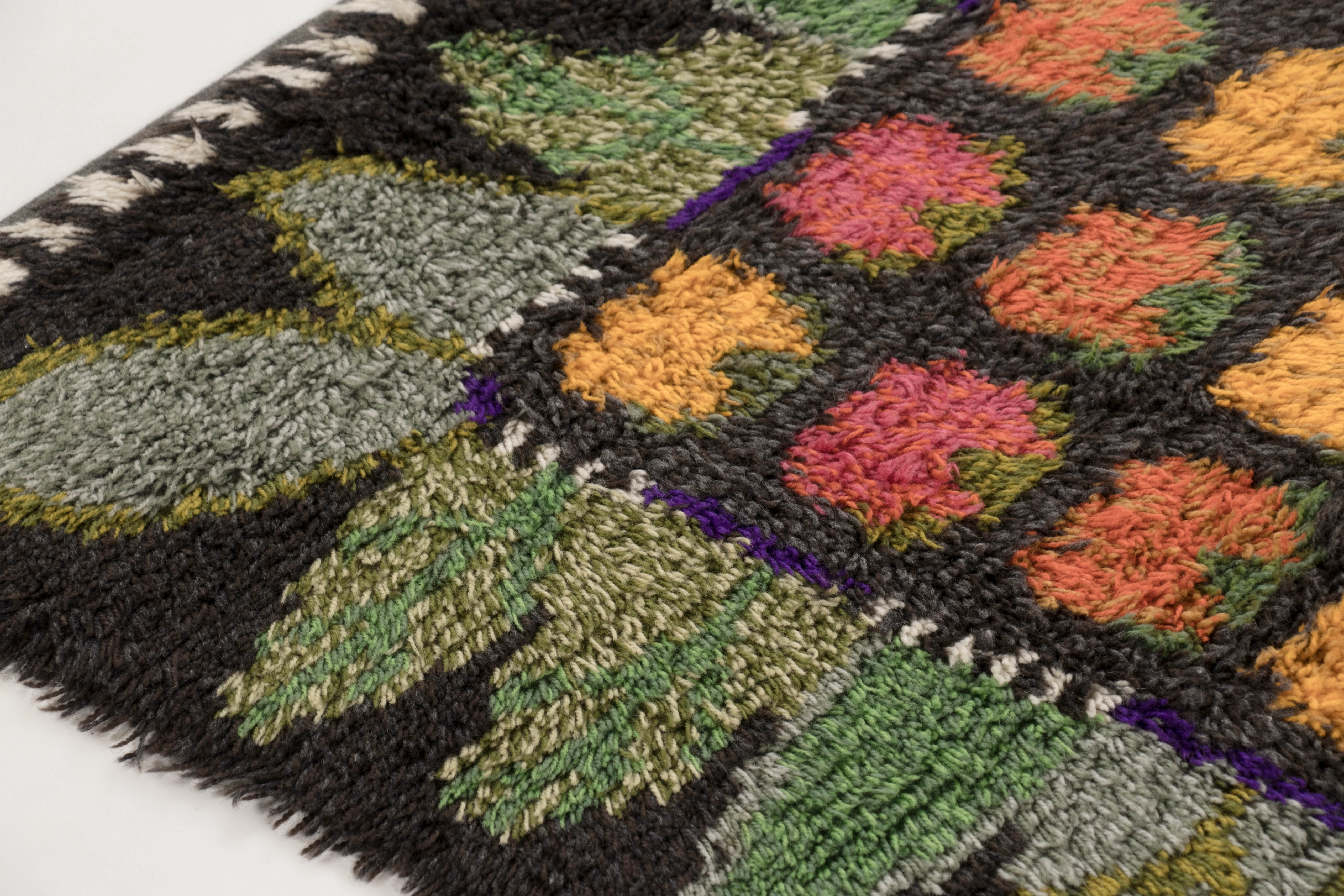
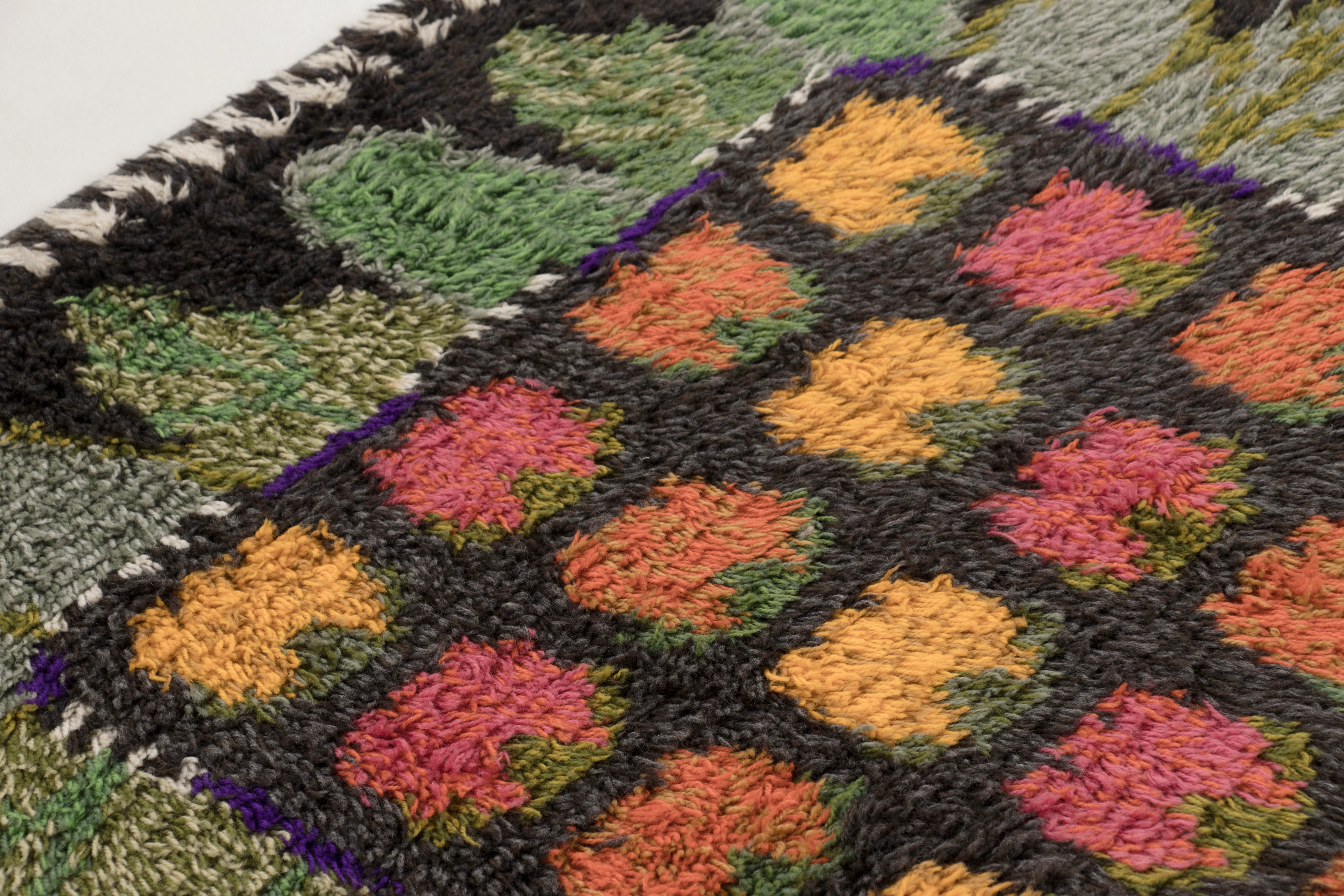
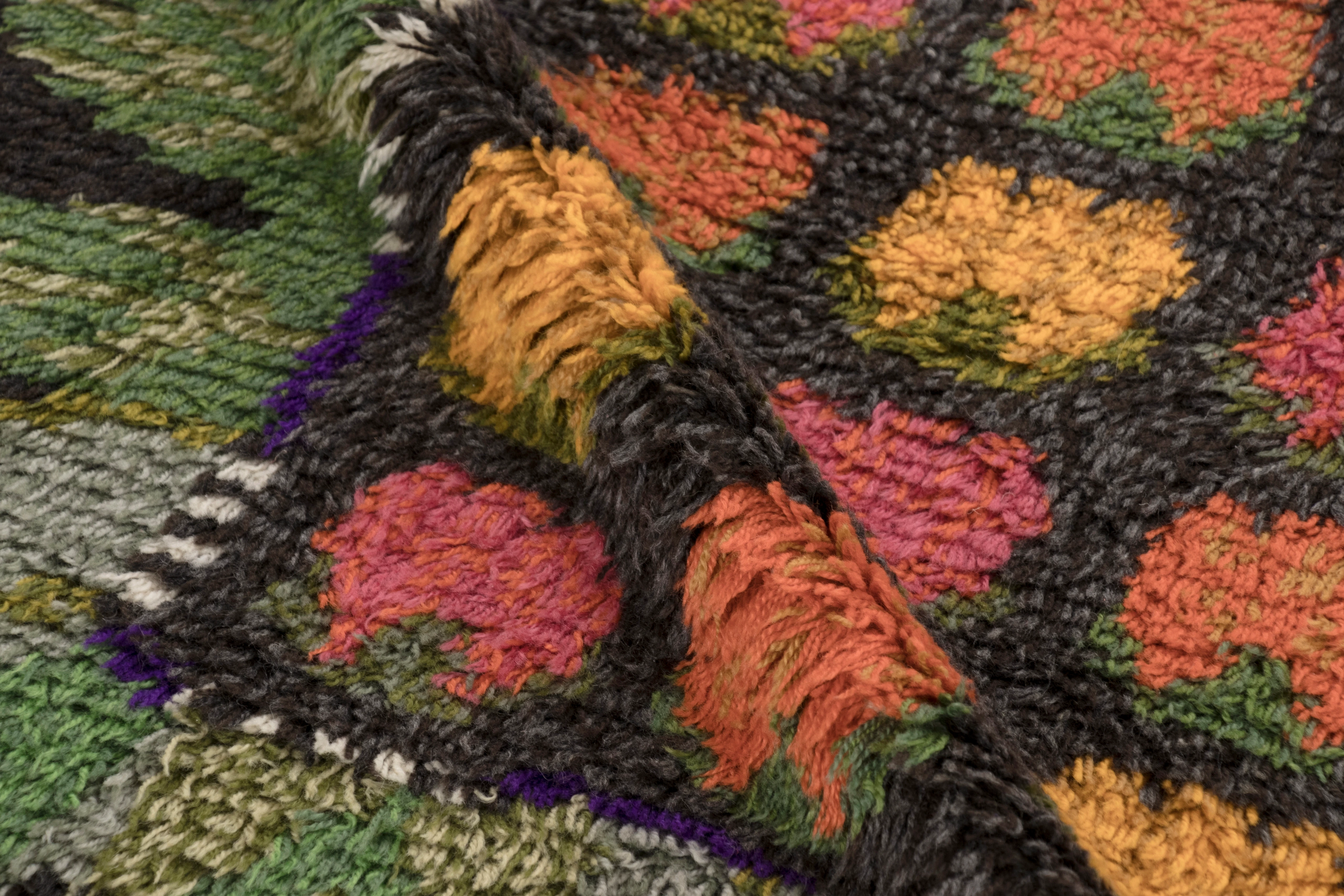
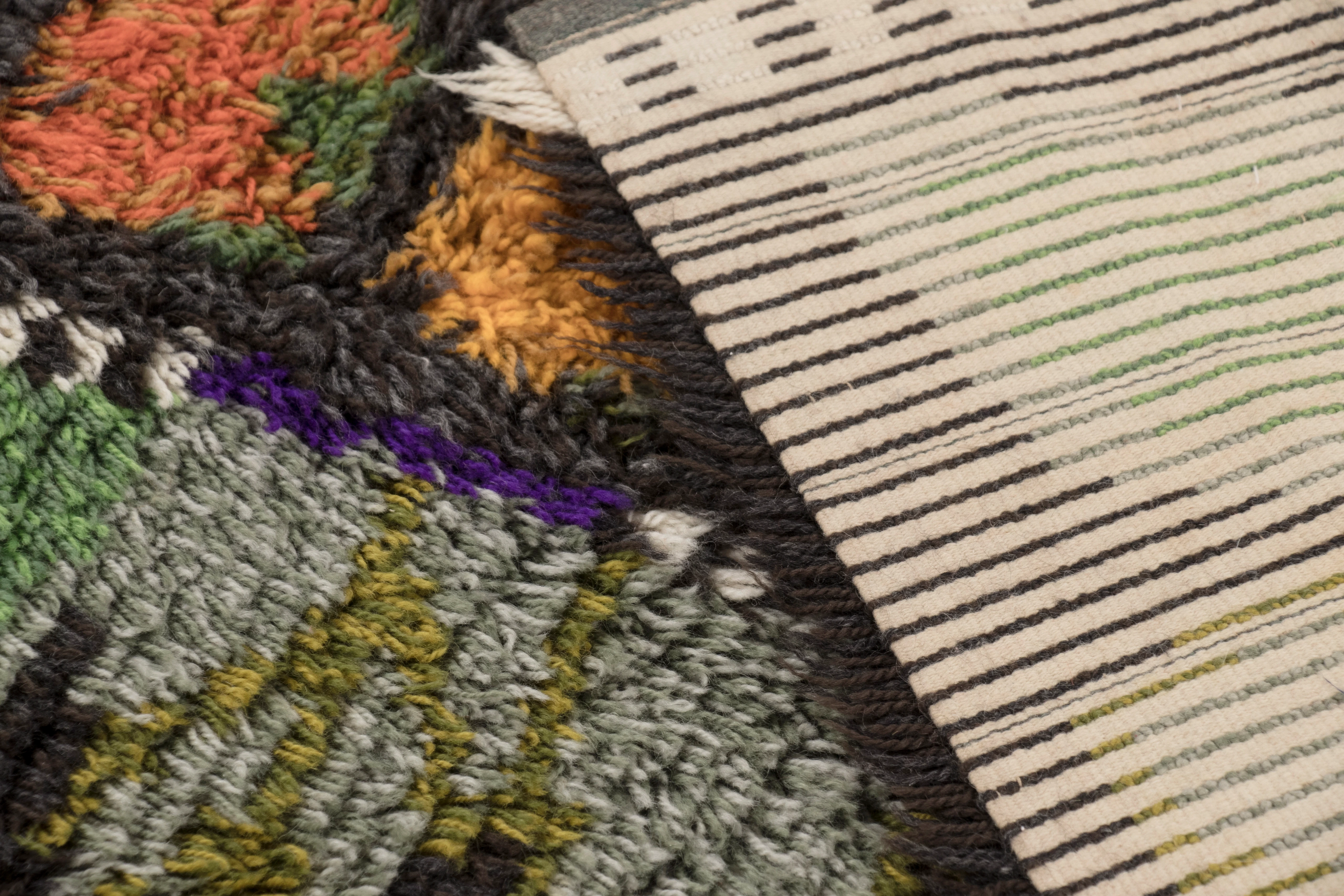
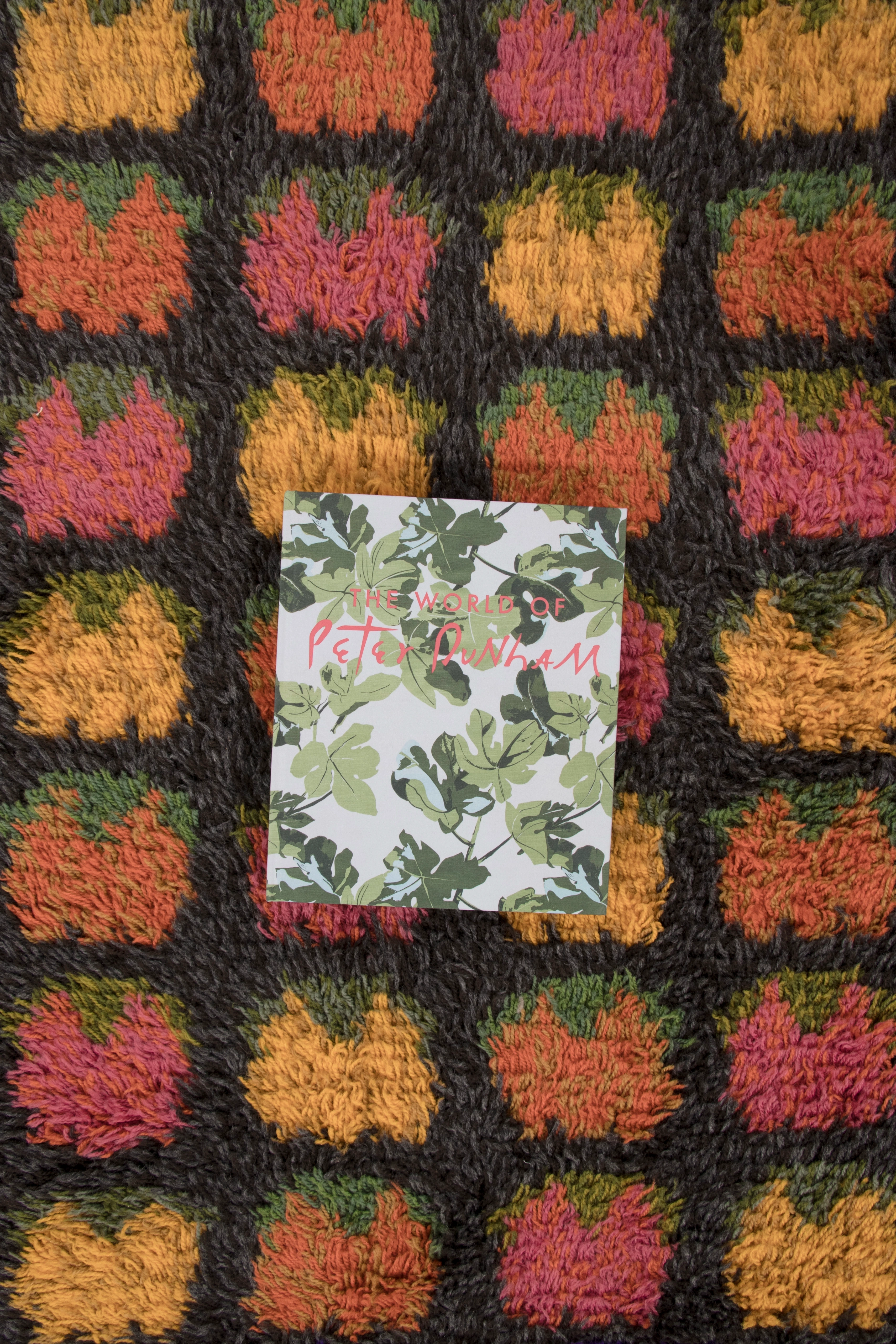
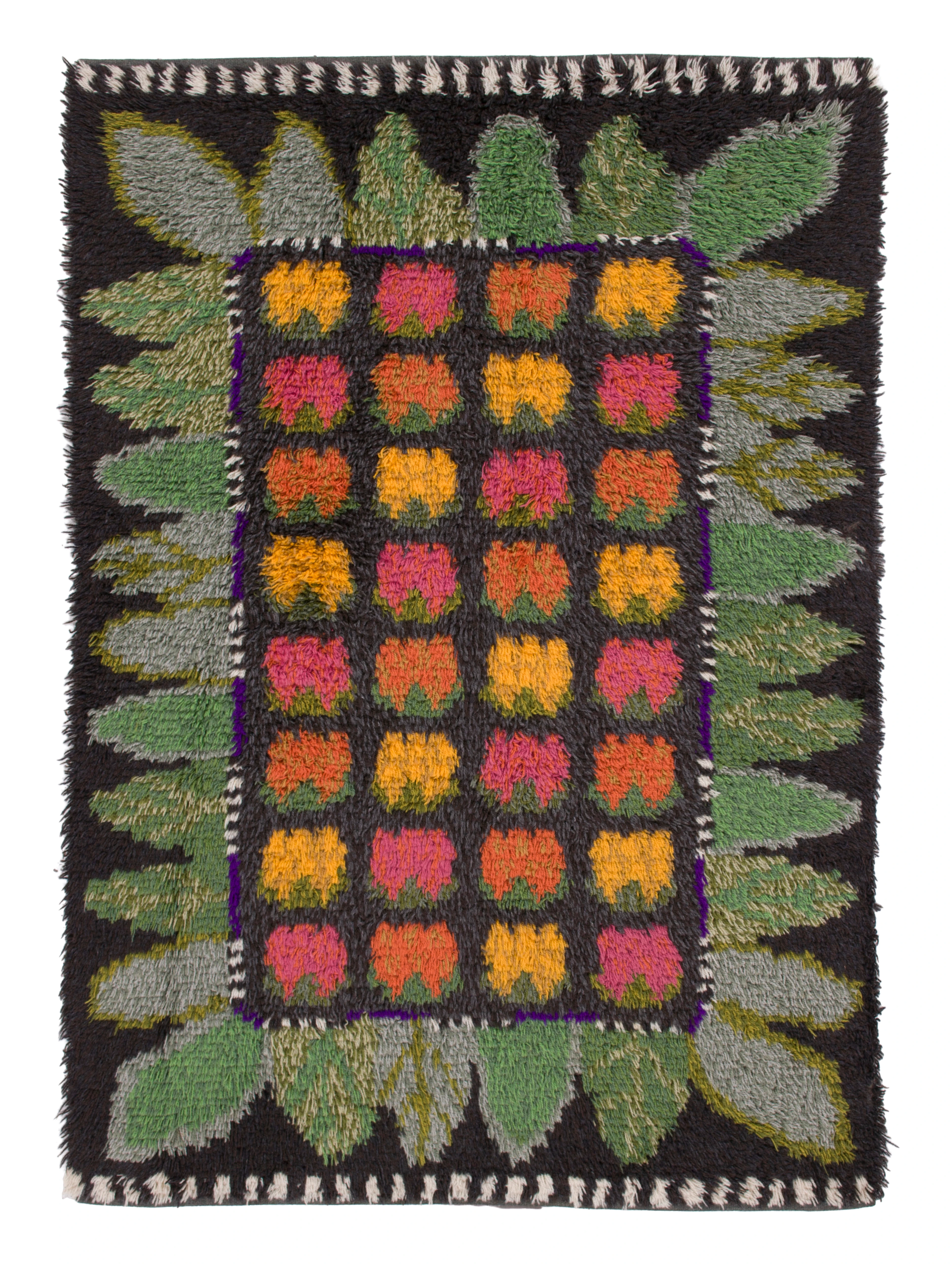
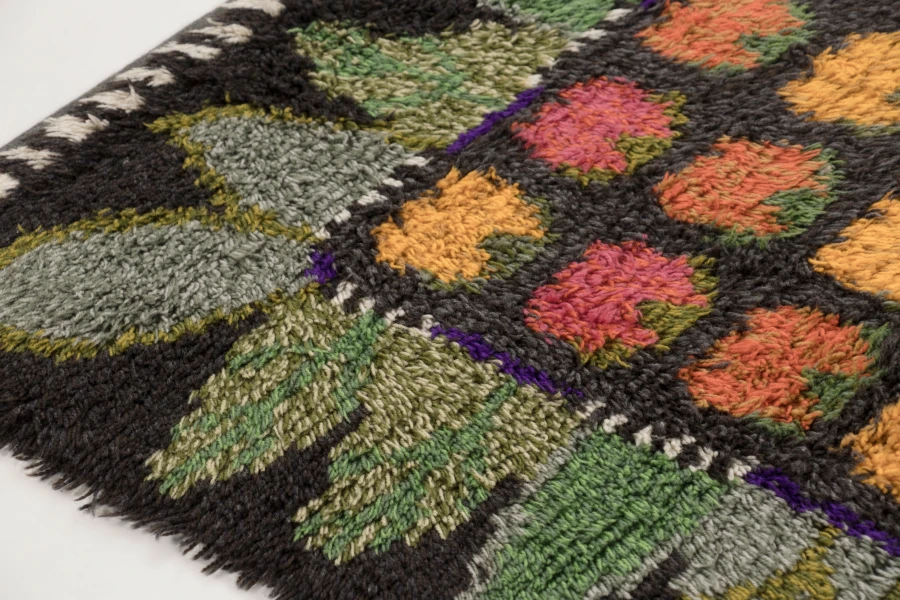
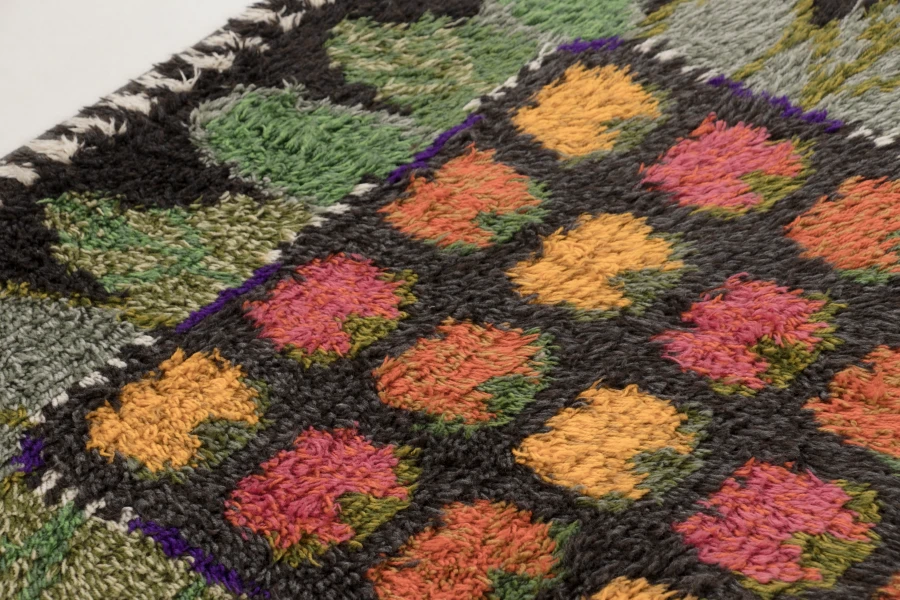
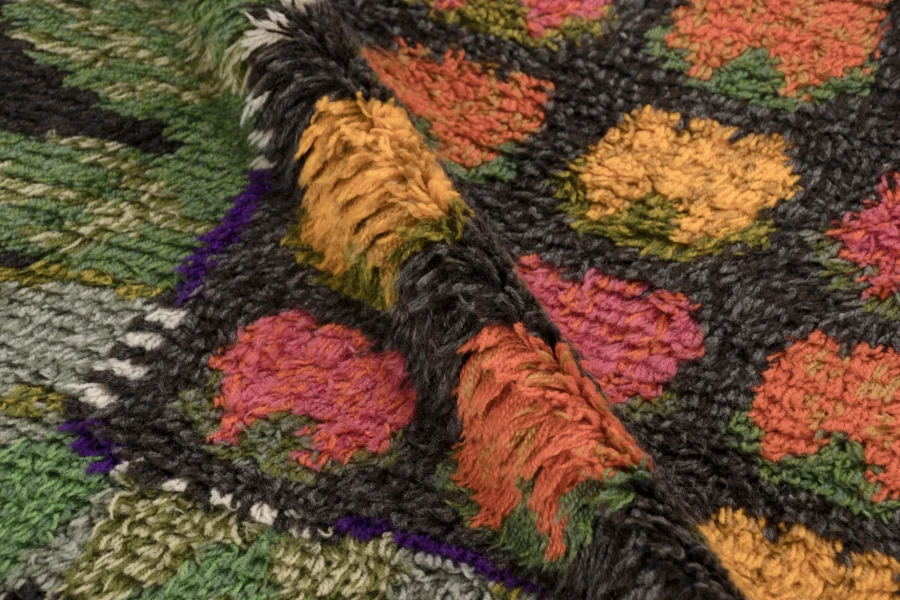
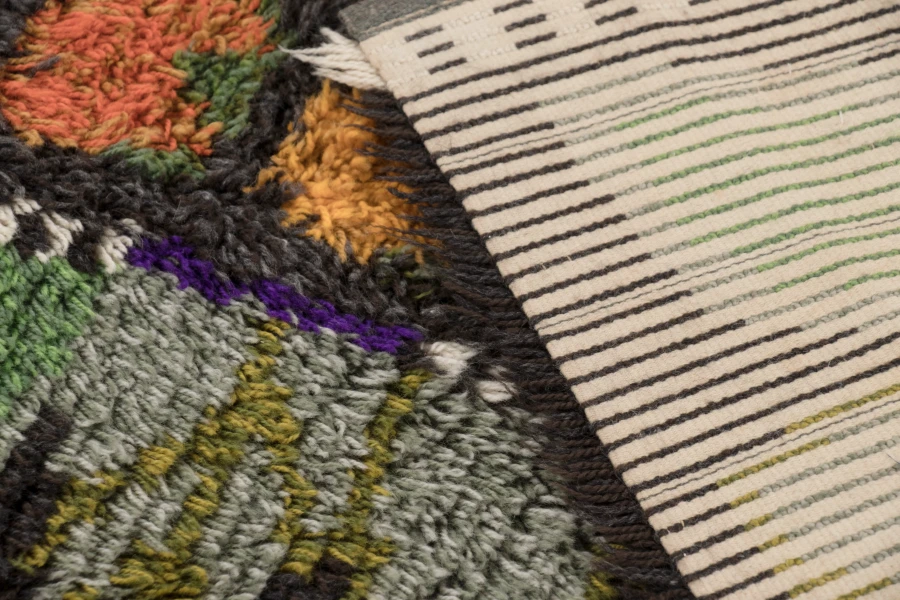
Wool
Sweden, c. 1950-1959
4'7" X 6'5" (1.40 m x 1.96 m)
Available: Shipping As Soon As Tomorrow
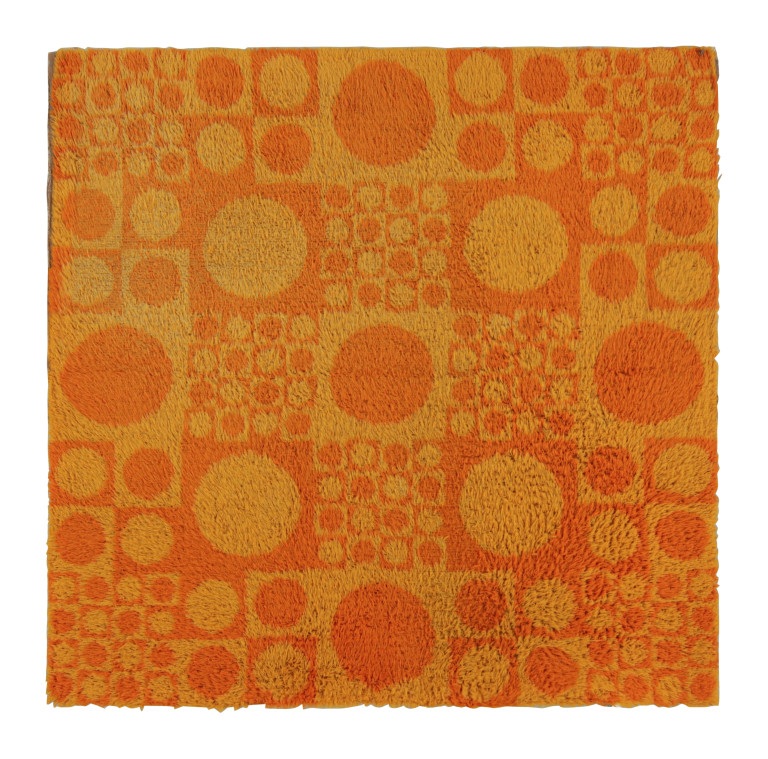
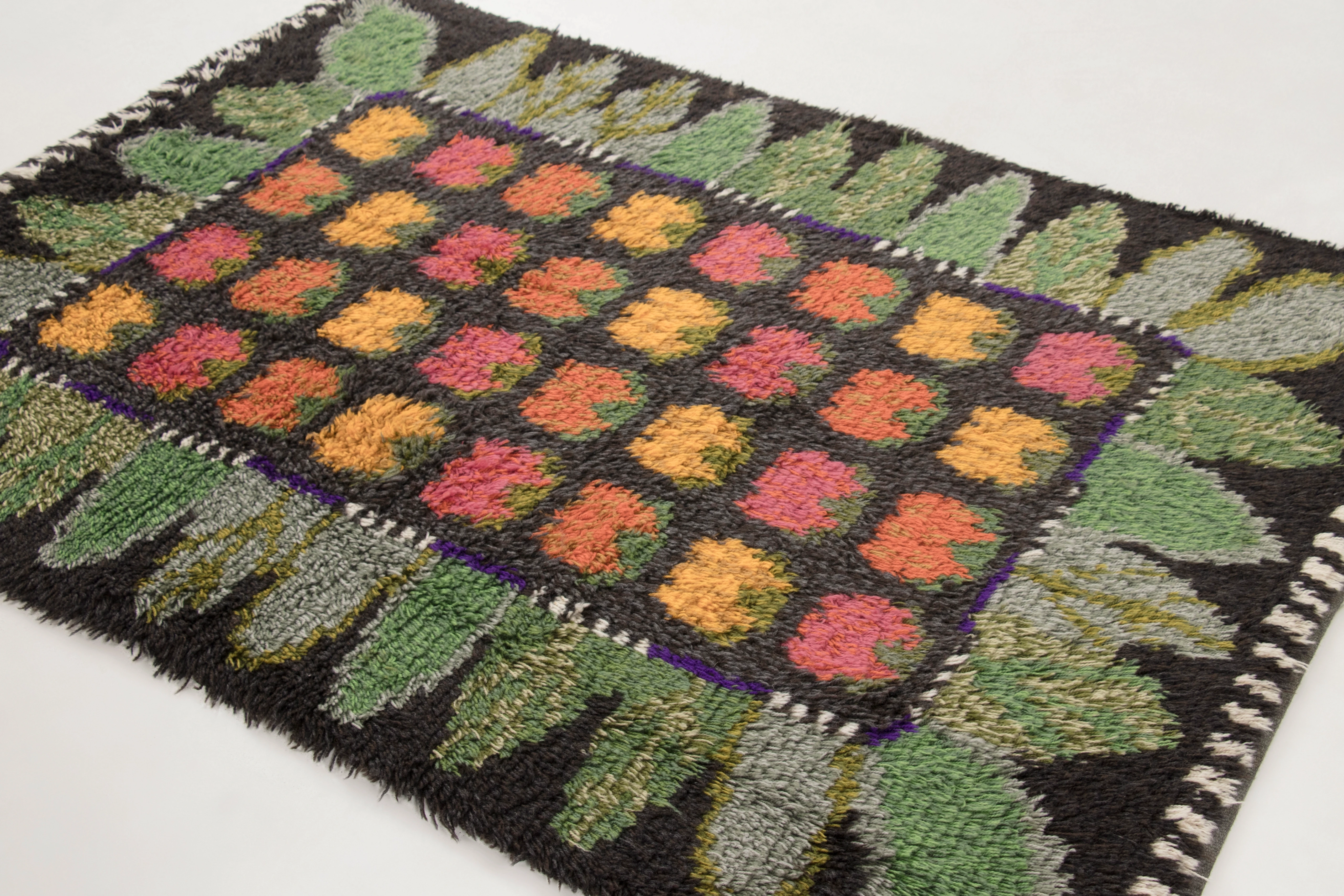
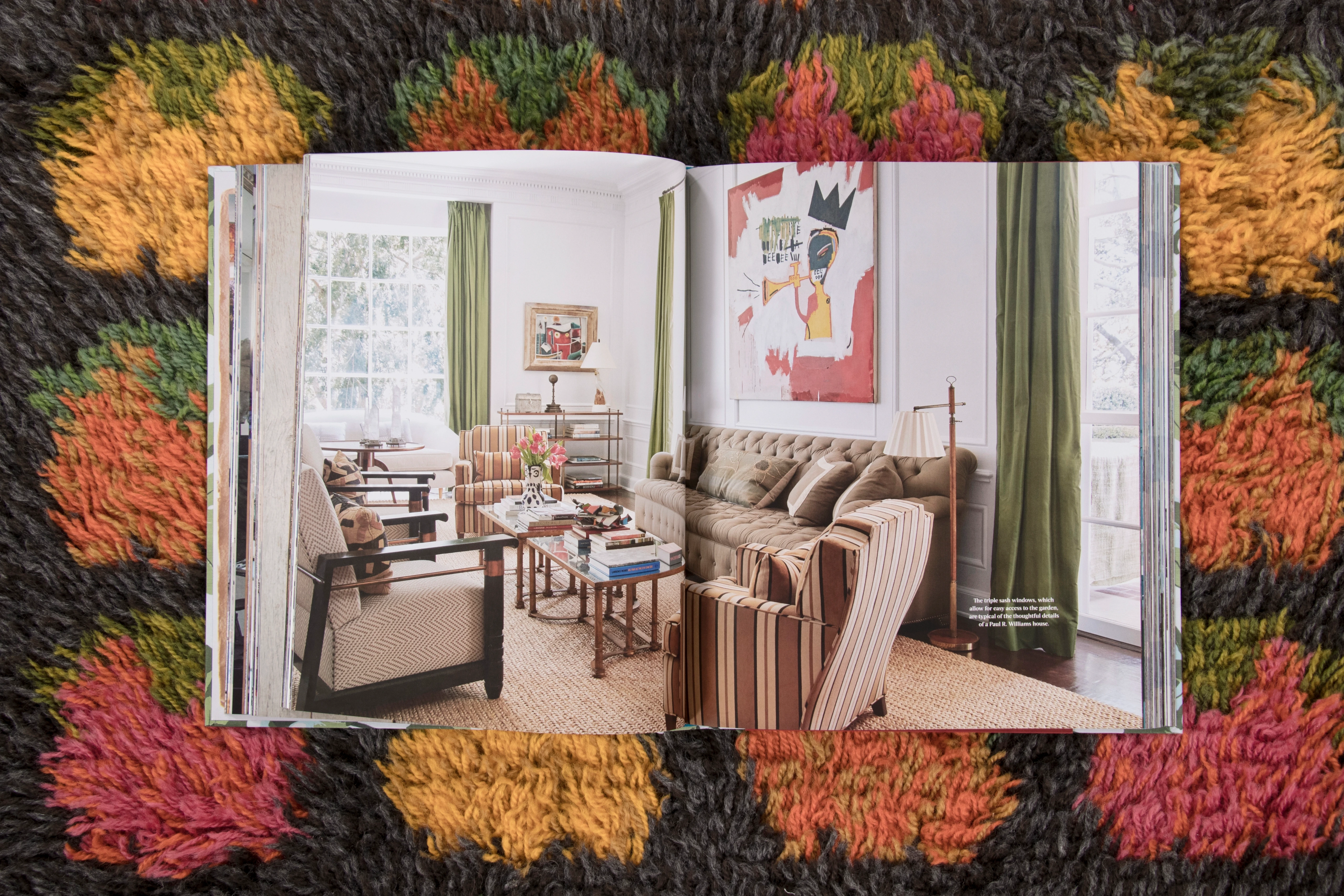
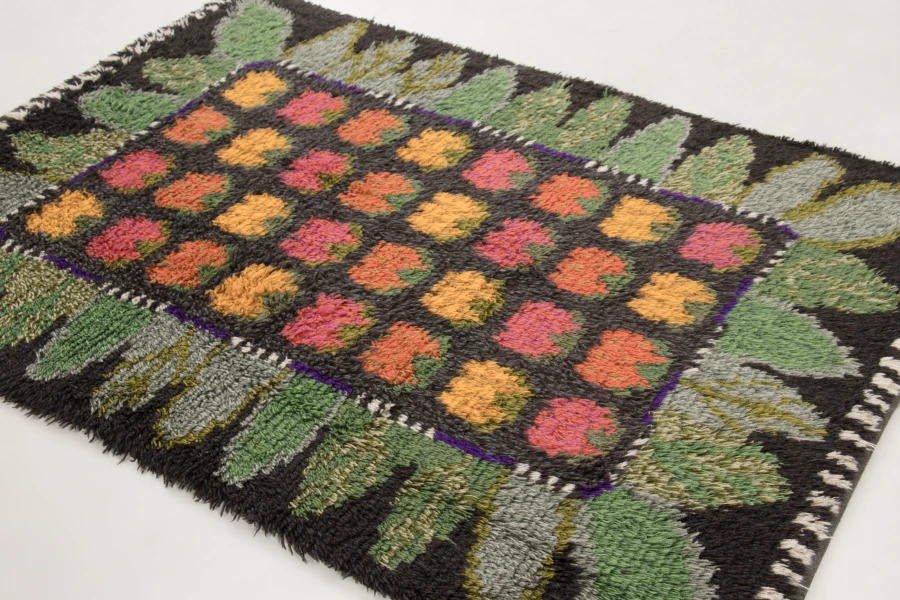
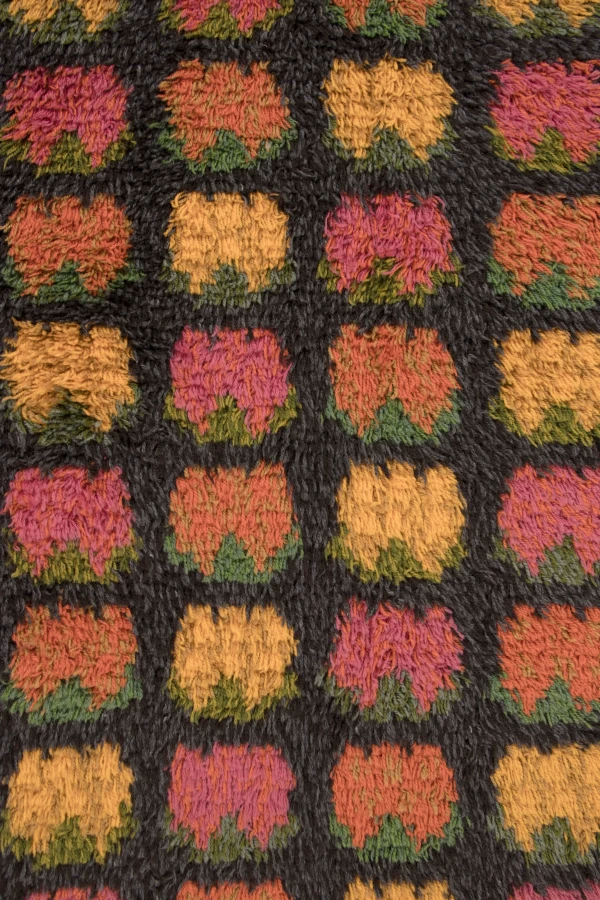
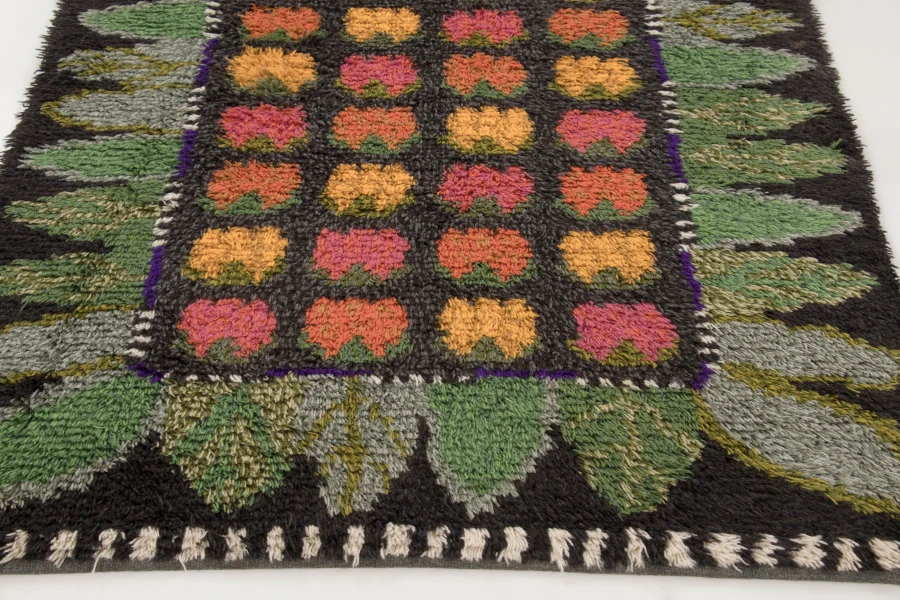
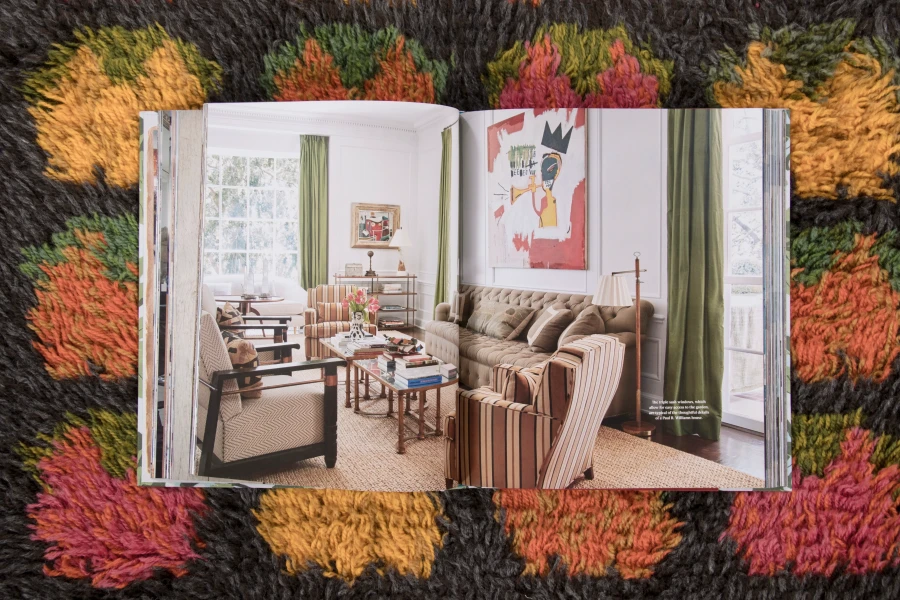
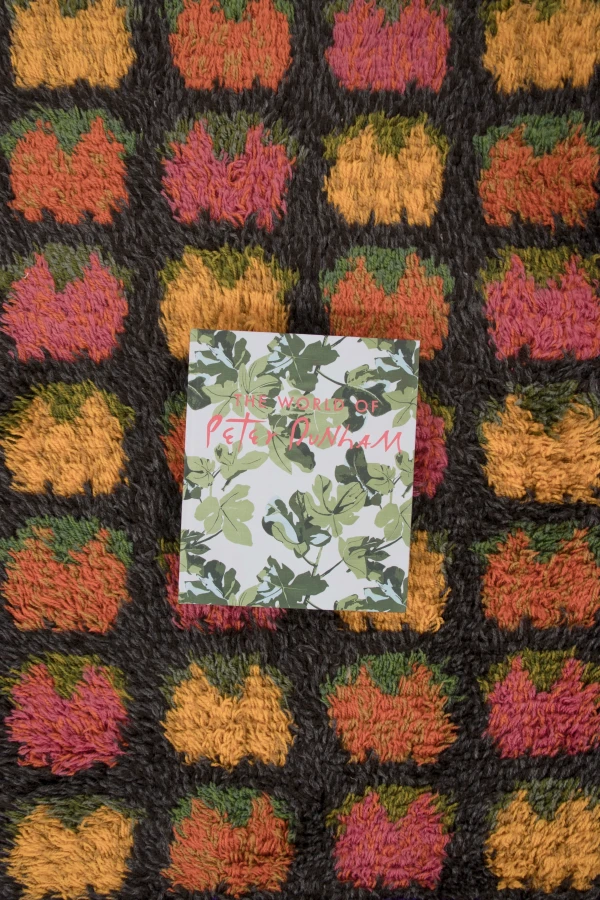
Vintage Swedish Rya Rug with Checkerboard Mosaic Grid - Rug & Kilim
"It's rare to find a rug company that offers unique antiques, curated with a historical eye. And the best quality customization for anything you might need. All while being treated like family - love those guys."
— Andre Mellone, Studio Mellone
A standard since our inception upheld across every acquisition,
transaction, and delivery.
45+ Year Old Institution
More than four decades of expertise and stewardship, under the leadership of our Principal, Jahanshah "Josh" Nazmiyal.
Favorable Return Policy
Our return policy is 48 hours upon receipt allowing you to confirm the purchase in your space with confidence.
Product Warranty
Each rug is hand selected or produced through the most reputable sources under the direct supervision of our Principal.
Trusted Global Delivery
Reliable worldwide delivery handled with care, precision and constant communication.
Exceptional Support
Attentive, knowledgeable guidance before and after purchase from our dedicated team of specialists.
Long Term Care
We stand behind every piece we place and remain a resource to our clients for the lifetime of their collection.
- Measurements: 4'7" x 6'5" ( 1.40 m x 1.96 m )
- Categories: Scandinavian, The Jahanshah Collection
- Classification: Geometric, Shag/High Pile, Swedish/Scandinavian
- Material: Wool
- Origin: Sweden
- SKU: 38037

Specifications:
Stories from the Scandinavian Collection
Essays, artist dialogues, and provenance notes drawn from Rug & Kilim’s editorial desk.
Bokhara Rugs: Traditional Weaving and Global Influence
Among the most recognizable and influential traditions in the history of oriental carpets, Bokhara rugs represent a remarkable fusion of tribal heritage, geometric precision, and centuries-old weaving expertise. Known worldwide for their iconic repeating motifs, deep colors, and refined craftsmanship, Bokhara rugs have become enduring symbols of Central Asian textile artistry. Although the name “Bokhara” is commonly associated with the historic city of Bukhara in present-day Uzbekistan, many rugs classified as Bokhara originate from Turkmen weaving communities across regions including Turkmenistan, Afghanistan, and surrounding areas. The name reflects the historical trade routes through which these carpets traveled and became known internationally.
Read the Feature
The Long Life of a Green: On Celery, Color of the Year, and the Four Centuries of Weaving That Anticipated It
Every year, the color world makes its pronouncement, and every year the design world turns to see what it has been given. For 2027, Sherwin-Williams has named Celery; a light, airy, herbal green with a yellow undertone, chosen, in the company's words, for a moment that prizes wellness, balance, and connection. It is a soft color with a quiet glow and a faint edge; it pairs, its makers note, with white for something breezy, with cranberry red for something playful, with brown for something elevated. It is, by any measure, a beautiful and intelligent choice. It is also a color the great weavers of the world have understood for four hundred years.
Read the Feature
The New Luxury Is Something You Can Feel: Texture in the Modern High-End Interior
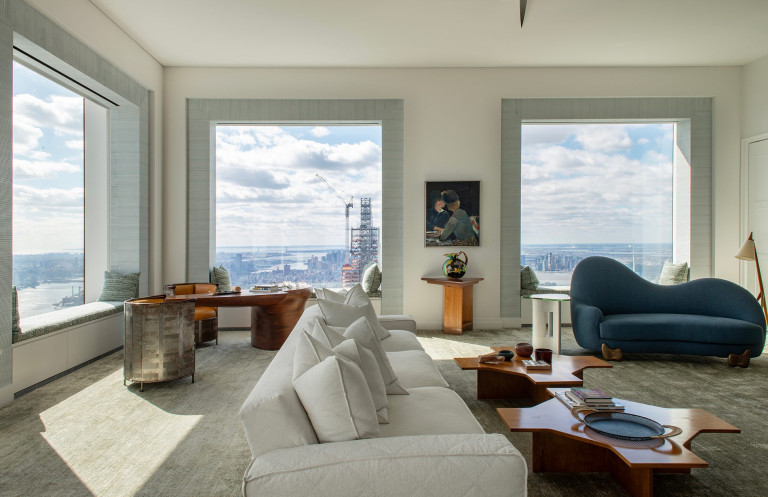
As featured in NEPTUNE Papers 10, Rug & Kilim’s custom hand-knotted silk carpet appears within a private Manhattan penthouse designed by renowned French interior architect Jacques Grange.View More Press Articles>> For the better part of two decades, the language of luxury was spoken in color and pattern. A room announced itself through what could be seen from across it like the saturated wall, the bold motif, the statement made at a glance. That language has quietly changed. The most considered interiors of this moment no longer announce but invite. And the medium of that invitation is not color, nor pattern, but texture, the one quality of a room that cannot be photographed, cannot be reproduced on a screen, and cannot be fully understood until one is standing inside it.
Read the Feature
Ege Rya Rugs & Verner Panton’s Abstract Modernist Style
Ege Ryas are an important part of Scandinavian design. Like the Rya rugs of the 15th century, Ege ryas carry a high pile. This was mainly to keep people warm during the hostile cold weather. These rugs were usually small in size and machine made. While the vintage ege ryas were quite similar to other Nordic rugs in their shag/high pile texture, it’s interesting to note that their patterns were funky - unlike the clean, soothing, refreshing vibe that most Scandinavian rugs feature. This union of traditional texture and bold patterns redefined Swedish aesthetics in the mid 20th century and became a driving force behind most modern sense of abstract that we know today.
Read the Feature
A Love Letter to High-Pile Rugs: Shag, Shabby-Chic and Everything In-Between
A Shag/High Pile rug is easy to recognize. That's one of many beauties in both styles; their distinction from other rugs. There's a subtle difference between the terms, though, and the many gorgeous styles they comprise. High-pile rugs include any rug with a 1/2"-3/4" pile height (which measures the fibers on the rug's surface, or "nap"). Shag rugs, meanwhile, have similar or longer fibers, and in some cases their pile goes beyond the borders. It's much easier to see the difference and admire it, though, as it's more about the feeling and presence that dictates the difference. Many in our field believe shag rugs are the oldest hand-knotted rugs and carpets. Thick rugs were a notable source of bedding and comfort in tribal cultures all over the world, after all. Greek Flokati rugs are the oldest shag rug known (as early as 700 B.C.), and were made from goat hair for warmth. Moroccan rugs are a younger provenance since the Berber matriarchs began the practice circa 622 A.D., but they're one of the most widely recognized high-pile rug styles today.
Read the Feature
A Glossary of Handmade Rugs and Kilims: Understanding Terms, Types and Techniques Past and Present
Referring to the art style characterized by using shape and color withdrawn from traditional repetition or realism. Abstract rugs — sometimes referred to as art rugs — capture an expressive nature that reads as a very modern style, though many abstract rugs draw inspiration from works of the same art style in the mid-century. One of the more widely known mid-century lineages of this style is abstract expressionism, named for the literal "expressionists" of the 1950s. Some of the most notable names behind this style include Jackson Pollock and Mark Rothko. Referring to a lineage of nomadic Persian rugs (sometimes referred to as “Avsar” in the alternate spelling). Afshar rugs hail from the eponymous tribe in the region of Northeastern Iran.
Read the Feature


R&K Image Studio
NEWThe R&K Image Studio is a new visual workspace designed to present the Rug & Kilim collection with clarity, restraint, and precision — in your space or any space you imagine.
This tool allows you to view, refine, and prepare imagery drawn directly from the pieces in our archive. They can be visualized cleanly, isolated thoughtfully, and adjusted for presentations, proposals, and private viewings, without altering the integrity of the original work.
Scandinavian
Wool
Sweden, c. 1950-1959
4'7" X 6'5" (1.40 m x 1.96 m)
Log In to See Price
Available: Shipping as Soon as Tomorrow
Vintage Swedish Rya Rug with Checkerboard Mosaic Grid - Rug & Kilim
"Rug & Kilim has become a go-to for us. The vintage and modern inventory is unlike anywhere else, the team is easy to work with, and the custom program holds up to the same standard."
— Ariel Ashe, Ashe Leandro LLC
- Measurements: 4'7" x 6'5" ( 1.40 m x 1.96 m )
- Categories: Scandinavian, The Jahanshah Collection
- Classification: Geometric, Shag/High Pile, Swedish/Scandinavian
- Material: Wool
- Origin: Sweden
- SKU: 38037

