Style
Hamadan
Every piece in this style, across all of our collections. Narrow them down by size and price.
- Under 6 x 9
- Runners
- 6 x 9
- 8 x 10
- 9 x 12
- 10 x 14
- 12 x 15
- Over 12 x 15
Origin ▼
Style ▼
Material ▼
Width
Length
To connect with a specialist, click here
Stories from the Hamadan Archive
Essays, artist dialogues, and provenance notes drawn from Rug & Kilim’s editorial desk.
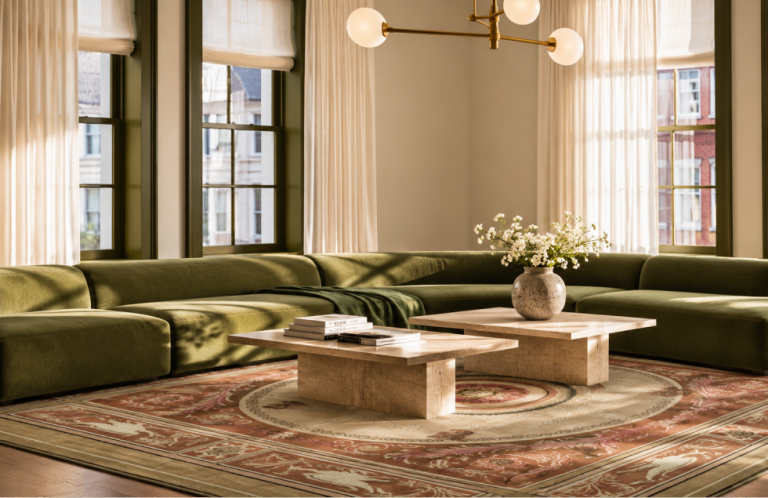
Rug of the Week: The Neoclassical 19th Century Oversized Savonnerie as a French Masterpiece
Every civilization that has reached a certain confidence has wanted to put its worldview on the floor. The Persians wove paradise gardens; the Chinese, the cosmos in miniature. France, under the Sun King, wove order itself. The Savonnerie, the royal carpet manufactory brought to its height under Louis XIV, the symmetry of the formal garden, the architecture of Versailles, the neoclassical grammar of acanthus and rosette and laurel that announced a culture certain of its own supremacy. A Savonnerie is a political philosophy you can stand on. All of which makes the four small creatures hidden in this particular example so delightfully subversive.
Read the Feature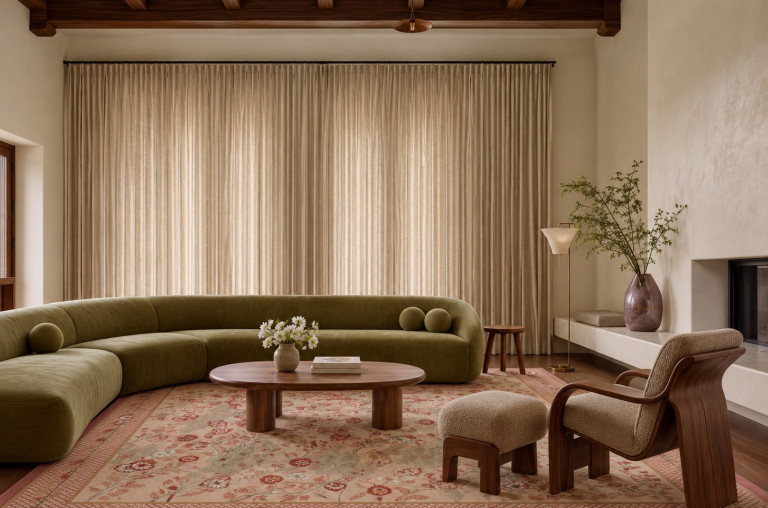
Understanding Aubusson Rugs: French Heritage and Timeless Luxury
Among the great weaving traditions of Europe, few names carry the artistic prestige and cultural significance of Aubusson. For centuries, Aubusson rugs have represented the pinnacle of French decorative arts, embodying the refinement, sophistication, and creative ambition that defined some of Europe's most influential artistic movements. Their importance extends far beyond floor coverings; Aubusson rugs occupy a distinguished position within the histories of design, architecture, collecting, and luxury interiors. Originating from the historic weaving center of Aubusson in central France, these rugs emerged as part of a broader tapestry-making tradition that would ultimately influence aristocratic residences, royal palaces, cultural institutions, and significant architectural projects throughout Europe and beyond. Their graceful ornamentation, sophisticated color palettes, and exceptional craftsmanship established them among the most admired carpets ever produced.
Read the Feature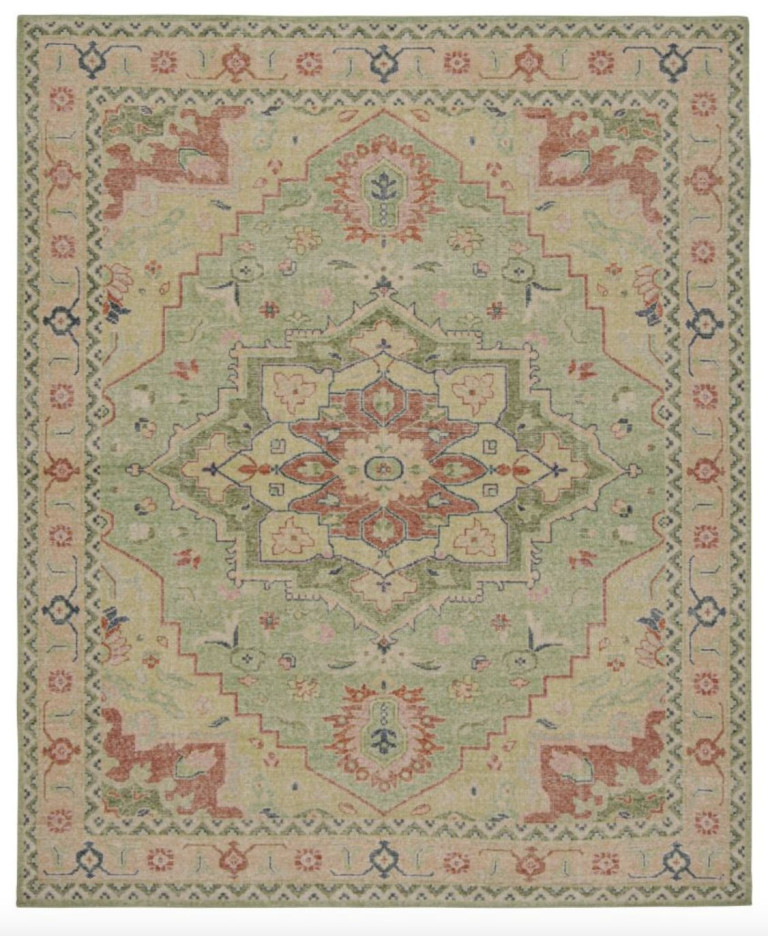
Antique Persian Heriz and Serapi Rugs: Design and Significance
Persian Heriz and Serapi Rugs have always been an integral part of each major exhibition and auction, given the never-ending admiration of art connoisseurs and rug collectors worldwide. They stand out as exquisite works of art among Oriental rugs due to their intricate designs and vibrant natural colors. Made from organic materials like wool, silk, and cotton, these rugs are dyed using natural coloring methods, reflecting a commitment to quality and beauty throughout the production process. Heriz and Serapi rugs, known for their geometric designs, offer a unique contrast to other Persian rug styles. Despite their distinct appearance, these rugs trace their roots back to nature-inspired elements, blending royal court craftsmanship with practical nomadic weaving traditions over centuries. This fusion is evident in the geometric patterns found in Bakhtiar, Hamadan, Nahavand, and especially Heriz rugs, showcasing the evolution and artistry of Persian rug weaving.
Read the Feature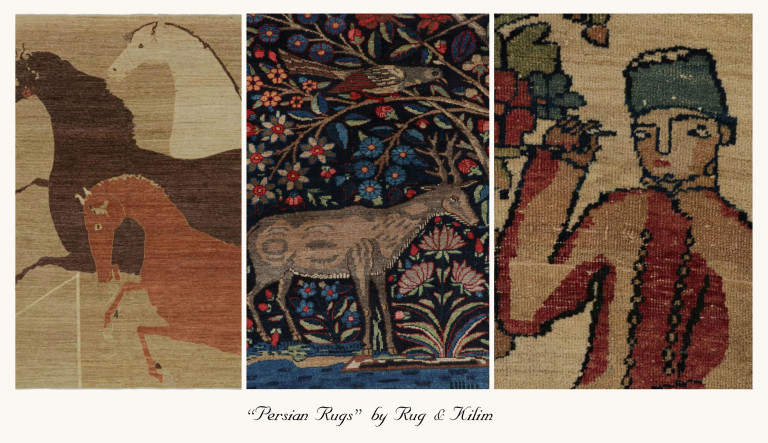
A Comprehensive Collectors’ Guide to Antique and Vintage Persian Rugs
The legacy of Persian rugs stretches back millennia, with historical references dating to the 4th century B.C. Xenophon, the Greek historian, marveled at the "soft rugs on which the Persians sit," marking one of the earliest recorded appreciations of these masterpieces. Explore More >> Persian rugs, with their rich history have long been revered as the pinnacle of floor covering artistry. These exquisite textiles, steeped in centuries of tradition, continue to captivate collectors, designers, and connoisseurs worldwide, gracing the most prestigious spaces from opulent palaces to renowned museums. This ancient craft has evolved over centuries, with each era contributing to the styles and techniques that define Persian rugs today.
Read the Feature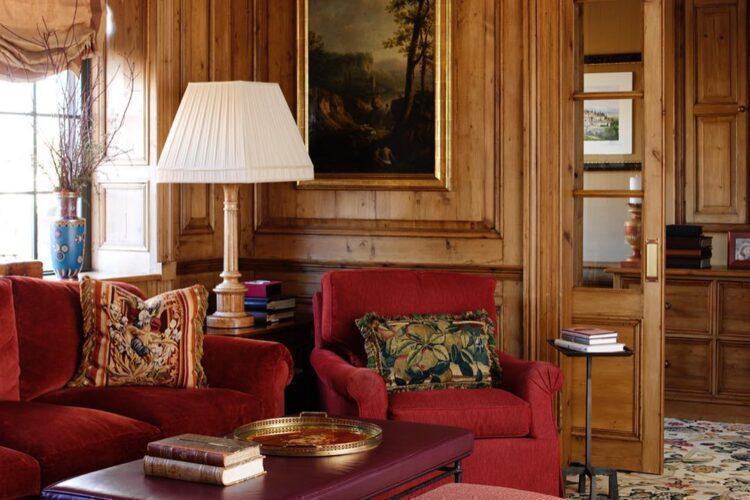
A Glossary of Handmade Rugs and Kilims: Understanding Terms, Types and Techniques Past and Present
Referring to the art style characterized by using shape and color withdrawn from traditional repetition or realism. Abstract rugs — sometimes referred to as art rugs — capture an expressive nature that reads as a very modern style, though many abstract rugs draw inspiration from works of the same art style in the mid-century. One of the more widely known mid-century lineages of this style is abstract expressionism, named for the literal "expressionists" of the 1950s. Some of the most notable names behind this style include Jackson Pollock and Mark Rothko. Referring to a lineage of nomadic Persian rugs (sometimes referred to as “Avsar” in the alternate spelling). Afshar rugs hail from the eponymous tribe in the region of Northeastern Iran.
Read the Feature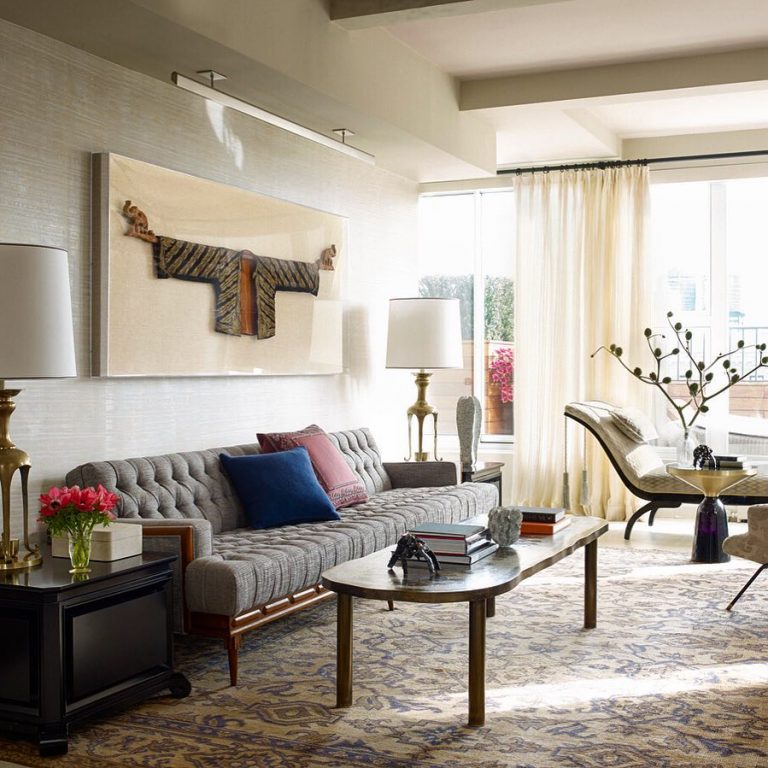
An Abbreviated Guide To Antique and Vintage Rugs
Antique rugs have been in Josh’s resume since he began in the industry almost 40 years ago when he was already recognized for one of the largest oriental rug collections in the United States. Each piece in the internationally recognized volume was hand picked for rarity, and of course aesthetic and beauty, now complementing one of the widest varieties of Persian rug and Turkish rug collections with the utmost attention to individuality and care. Because of Josh’s position in the wholesale rug industry he’s been responsible for promoting a number of collections throughout history, from breathtaking signature Tabriz, Sultanabad, Kerman Lavar, Agra, and Oushak classics to the more unsung jewels of the luxury industry.
Read the Feature