Style
Textural/High Low
Every piece in this style, across all of our collections. Narrow them down by size and price.
- Under 6 x 9
- Runners
- 6 x 9
- 8 x 10
- 9 x 12
- 10 x 14
- 12 x 15
- Over 12 x 15
Origin ▼
Style ▼
Material ▼
Width
Length
To connect with a specialist, click here
Stories from the Textural/High Low Archive
Essays, artist dialogues, and provenance notes drawn from Rug & Kilim’s editorial desk.
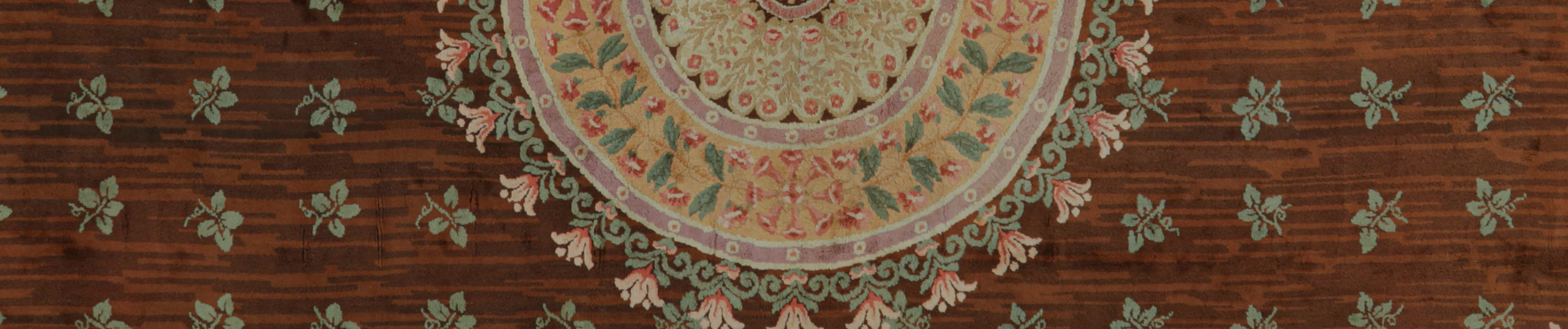
Rug of the Week: The Neoclassical 19th Century Oversized Savonnerie as a French Masterpiece
Every civilization that has reached a certain confidence has wanted to put its worldview on the floor. The Persians wove paradise gardens; the Chinese, the cosmos in miniature. France, under the Sun King, wove order itself. The Savonnerie, the royal carpet manufactory brought to its height under Louis XIV, the symmetry of the formal garden, the architecture of Versailles, the neoclassical grammar of acanthus and rosette and laurel that announced a culture certain of its own supremacy. A Savonnerie is a political philosophy you can stand on. All of which makes the four small creatures hidden in this particular example so delightfully subversive.
Read the Feature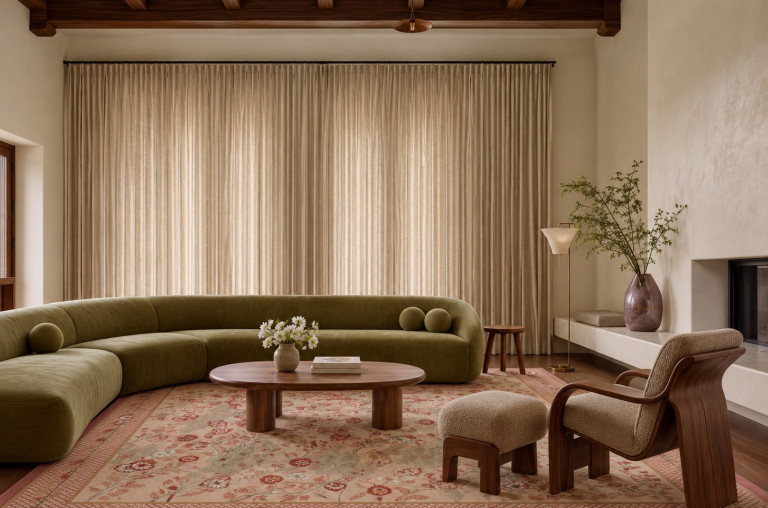
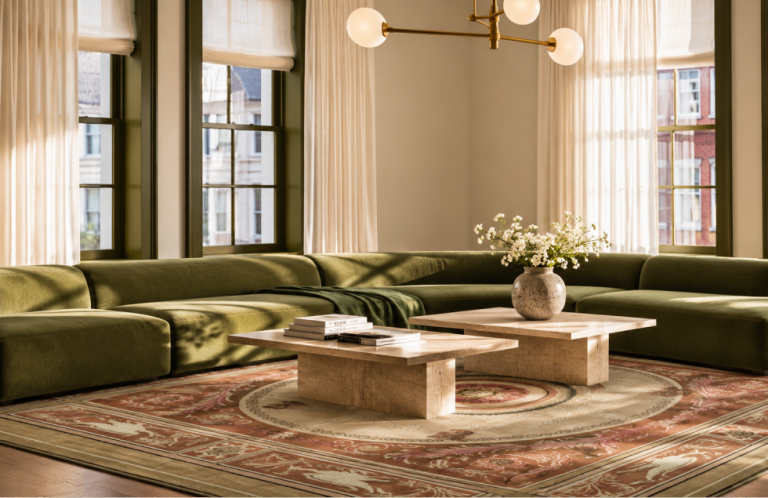
Understanding Aubusson Rugs: French Heritage and Timeless Luxury
Among the great weaving traditions of Europe, few names carry the artistic prestige and cultural significance of Aubusson. For centuries, Aubusson rugs have represented the pinnacle of French decorative arts, embodying the refinement, sophistication, and creative ambition that defined some of Europe's most influential artistic movements. Their importance extends far beyond floor coverings; Aubusson rugs occupy a distinguished position within the histories of design, architecture, collecting, and luxury interiors. Originating from the historic weaving center of Aubusson in central France, these rugs emerged as part of a broader tapestry-making tradition that would ultimately influence aristocratic residences, royal palaces, cultural institutions, and significant architectural projects throughout Europe and beyond. Their graceful ornamentation, sophisticated color palettes, and exceptional craftsmanship established them among the most admired carpets ever produced.
Read the Feature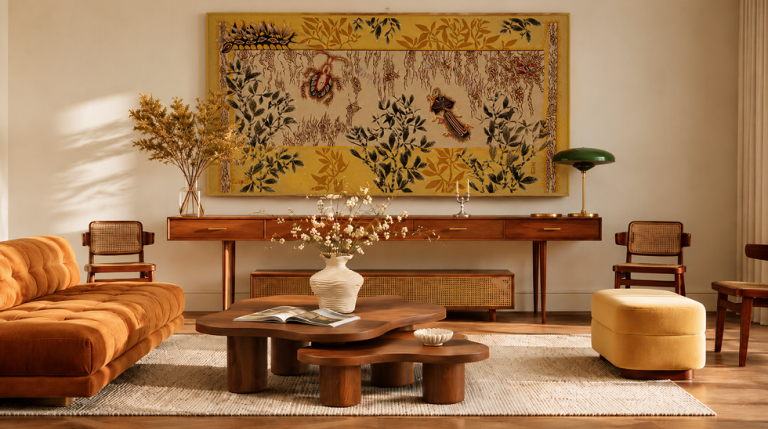
Signatures, Editions, and the Bolduc on Modern and Rare Tapestries: The Mark of the Masters and Artists
There is a particular pleasure, known to every serious collector, in turning an object over. The front of a great tapestry or carpet is what seduces; the back, and the edges, are what tell the truth. And on the finest modern tapestries, that truth is written in a specific and often misunderstood language, a language of signatures, edition numbers, and a small woven label the French call the bolduc. To read it fluently is to hold the difference between a decorative object and a documented work of art. It is the same literacy that governs the print room and the rare book library, where a collector learns to read a plate mark, a watermark, a colophon. The modern tapestry, elevated to the status of fine art by Jean Lurçat and his circle in the mid-twentieth century, borrowed the apparatus of the fine art edition precisely because it wished to be understood as fine art. To understand the apparatus is to understand the ambition.
Read the Feature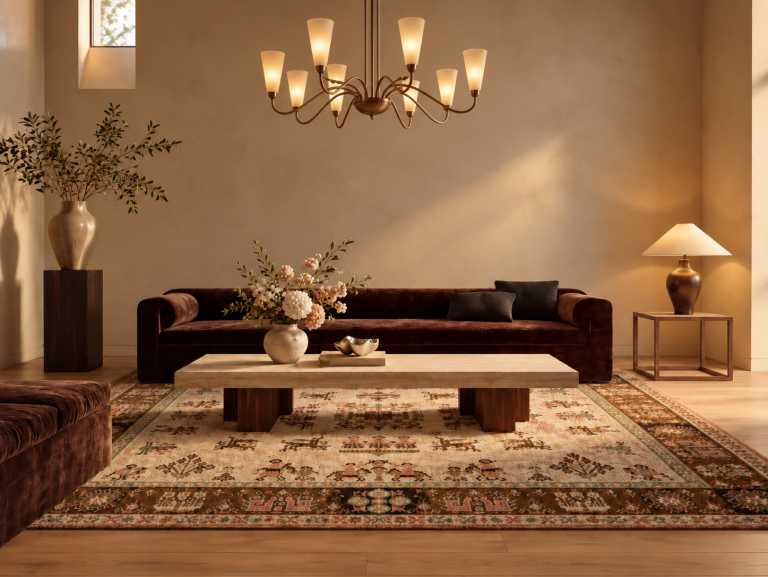
A Guide to Axminster Rugs: History, Craftsmanship, and British Design Heritage
Among the most influential carpet traditions to emerge from Europe, Axminster rugs occupy a distinguished position within the history of decorative arts, architecture, and interior design. Renowned for their exceptional craftsmanship, technical innovation, and artistic sophistication, Axminster carpets represent one of Britain's most important contributions to the global history of textile design. Originating in the historic market town of Axminster in Devon, England, these carpets became synonymous with luxury, refinement, and excellence from the eighteenth century onward. Their influence extended far beyond Britain, shaping carpet production, interior decoration, and architectural furnishing throughout Europe, North America, and the wider world.
Read the Feature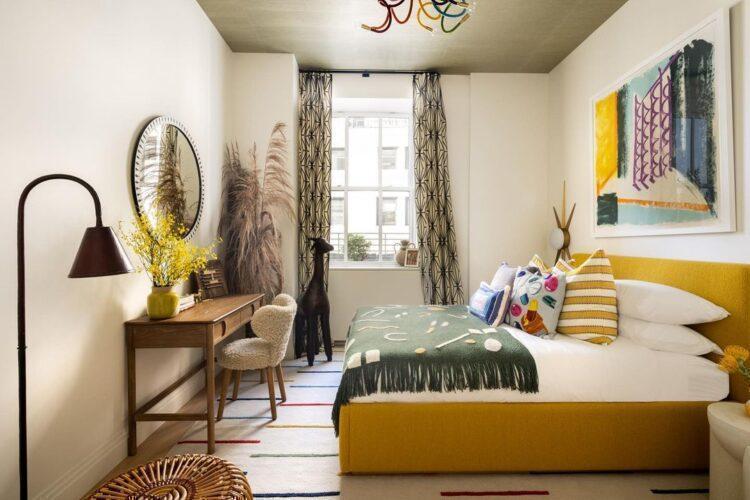
High-and-Low Rugs and Kilims: A Brief Style Guide
Our high-and-low Kilim in a bedroom by Yellow House Architects. Photo courtesy of YHA. Some say that high-and-low rugs are having a moment, but not us. That would imply they were ever out of style, or anything less than fabulous and full of possibilities. Our "Textural/High Low" classification includes any rug and flat weave with notable variations in pile height and texture. The idea is as simple as knowing the right pile height for one's space is essential. Still, we understand better than most the shear variety of techniques that create the effect, and the similar range of moods they can evoke from style to style.
Read the Feature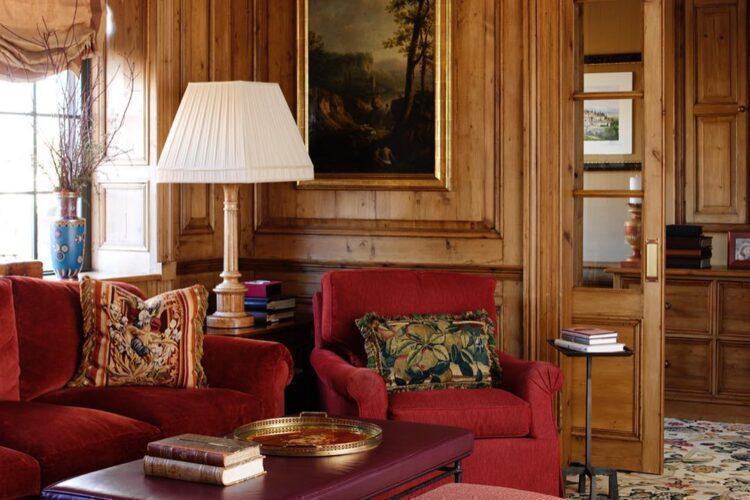
A Glossary of Handmade Rugs and Kilims: Understanding Terms, Types and Techniques Past and Present
Referring to the art style characterized by using shape and color withdrawn from traditional repetition or realism. Abstract rugs — sometimes referred to as art rugs — capture an expressive nature that reads as a very modern style, though many abstract rugs draw inspiration from works of the same art style in the mid-century. One of the more widely known mid-century lineages of this style is abstract expressionism, named for the literal "expressionists" of the 1950s. Some of the most notable names behind this style include Jackson Pollock and Mark Rothko. Referring to a lineage of nomadic Persian rugs (sometimes referred to as “Avsar” in the alternate spelling). Afshar rugs hail from the eponymous tribe in the region of Northeastern Iran.
Read the Feature