Style
Kermanshah
Every piece in this style, across all of our collections. Narrow them down by size and price.
- Under 6 x 9
- Runners
- 6 x 9
- 8 x 10
- 9 x 12
- 10 x 14
- 12 x 15
- Over 12 x 15
Origin ▼
Style ▼
Material ▼
Width
Length
To connect with a specialist, click here
Stories from the Kermanshah Archive
Essays, artist dialogues, and provenance notes drawn from Rug & Kilim’s editorial desk.
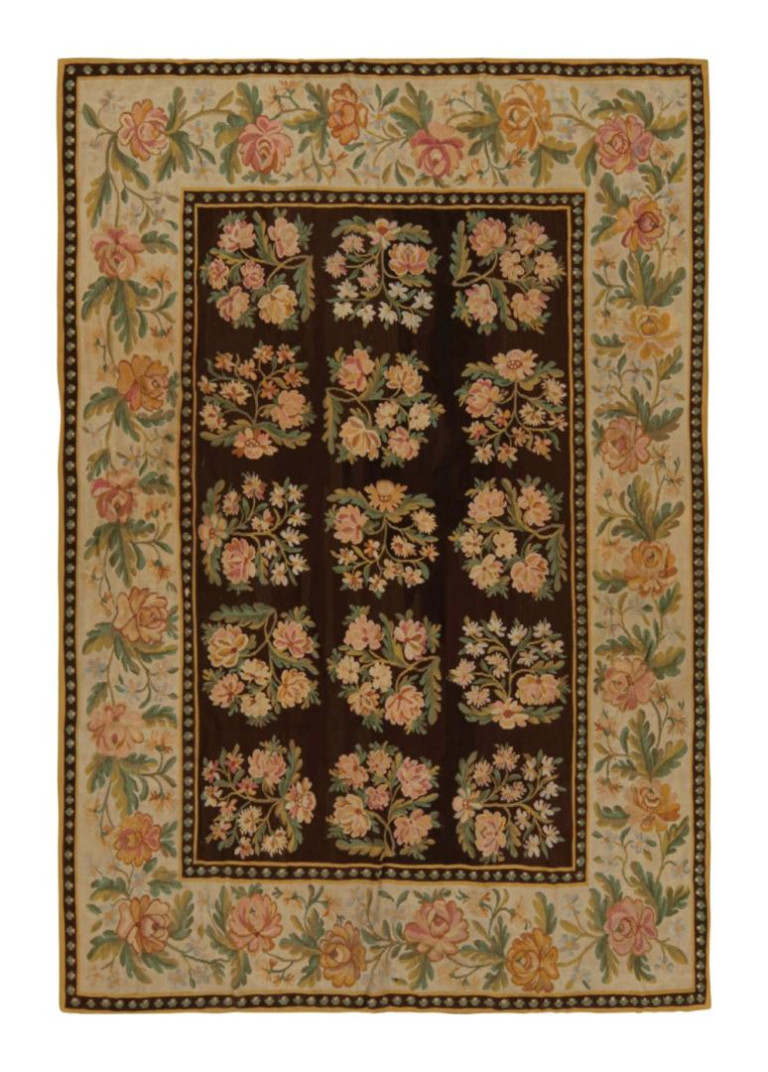
A Guide to Bessarabian Rugs: History, Design, and Modern Luxury
Within the world of collectible textiles and luxury interiors, few rug traditions possess the quiet sophistication and painterly elegance of Bessarabian rugs. Emerging from the historic region of Bessarabia—an area historically situated between present-day Moldova, Romania, and Ukraine—these rugs occupy a unique position at the crossroads of Eastern European folk tradition, Ottoman influence, Russian imperial culture, and French decorative aesthetics. Unlike the geometric tribal weavings commonly associated with Central Asia or the medallion-driven structures of Persian carpets, Bessarabian rugs developed a distinctly atmospheric and ornamental visual language. Their floral compositions, subdued tonal harmonies, and expansive decorative fields positioned them closer to European decorative arts than purely utilitarian floor coverings.
Read the Feature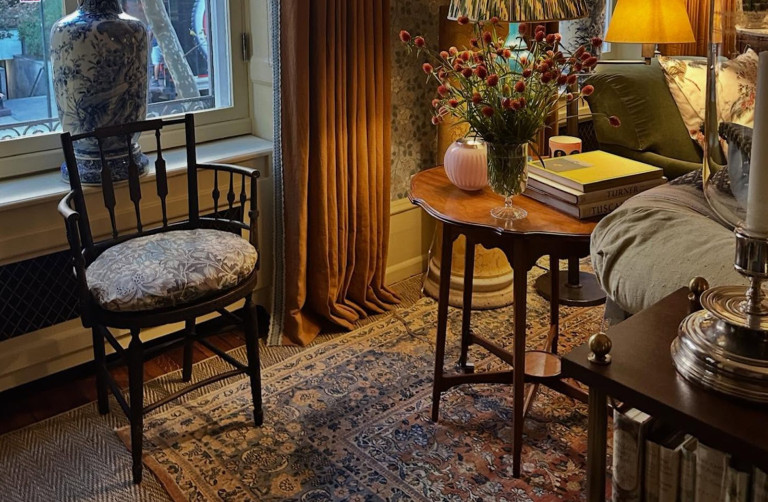
How U.S.–Iran Tensions Are Reshaping the World of Fine Rugs: From Safavid Courts to Sanction Regimes
There is a room in the Metropolitan Museum of Art in New York where a sixteenth-century Persian carpet stops people mid-stride. Because something in the object itself; its scale, its silence, the particular authority of a thing that has already outlasted three empires makes the ordinary pace of a museum visit feel suddenly inappropriate. The Emperor's Carpet, as it is known, was commissioned in Safavid Iran, passed to Peter the Great of Russia, gifted to the Habsburg Emperor Leopold I in 1698, held by the Austrian Imperial House until 1921, acquired by the Met in 1941, and displayed publicly only twice in the following sixty years because its condition was too fragile to risk. It has survived more political systems than any collector alive today will ever witness. It knows something about geopolitics that no sanctions framework, no bilateral negotiation, no executive order has yet managed to articulate.
Read the Feature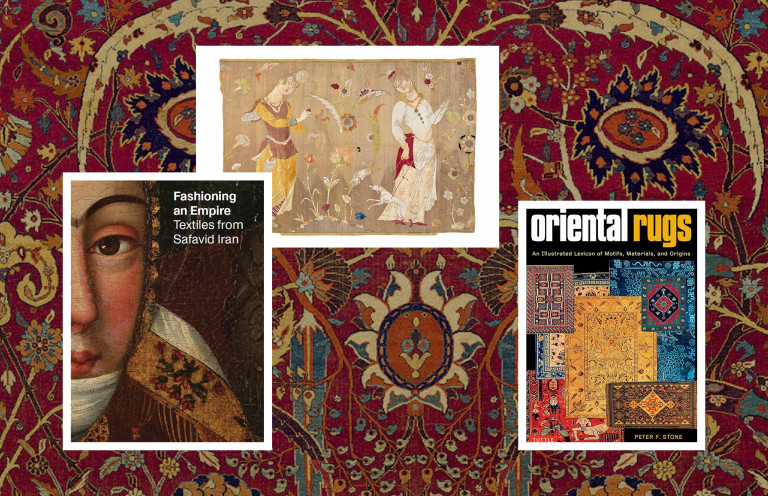
The Persian Carpet and the Making of Modern Interior: Power, Trade and Redefining Cultural Prestige
Materials from our Books on Persian Rugs. Available at Volumes by Rug & Kilim >> By the late nineteenth century, the Persian carpet had become an essential component of the European interior. Not decorative. Structural. As Qajar Persia expanded trade relationships with Britain, France, and the United States, carpets from Tabriz, Isfahan, Kashan, Kerman, and Sultanabad entered Western markets in unprecedented numbers. This was organized production responding to foreign demand. Workshops adapted scale, palette, and composition for European rooms while maintaining Persian essence. Architecture, Empire, and the Rise of the Cultivated Room The European salon — particularly in Paris and London — required more than furniture and painting. It required cohesion, and Persian carpets provided it.
Read the Feature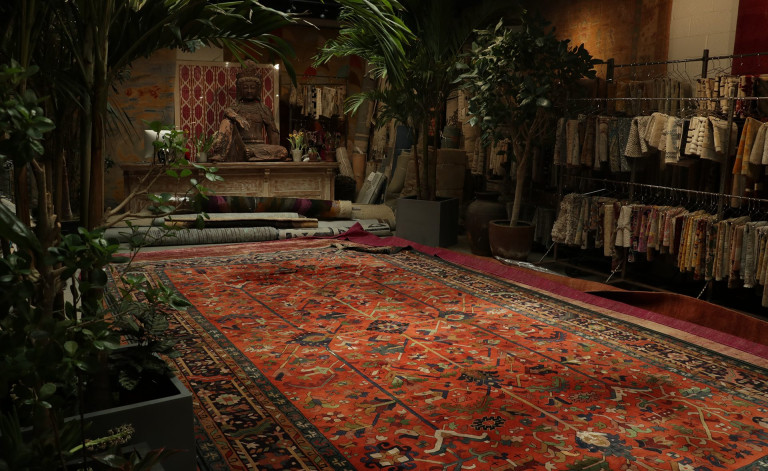
The Persian Afshar Rug as Art, Tribal Artifact, and Archive
Afshar rugs are among the most compelling expressions of nomadic Persian weaving. Originating from the Afshar tribe—a semi-nomadic Turkic-speaking group with roots in Central Asia—these rugs represent a distinct confluence of tribal tradition, migratory culture, and artisanal precision. Today, Afshar rugs are recognized for their deeply saturated natural dyes, structurally sound weaving, and the geometric clarity of their aesthetic—qualities that place them alongside Baluch, Shahsavan, and Qashqai weavings in the taxonomy of Persian tribal carpets. Historical Provenance: From Oghuz Migration to Iranian Plateau The Afshars were originally part of the Oghuz Turkic confederation and migrated into Iran during the Seljuk and later Safavid periods (11th–17th centuries). By the 18th century, Afshar tribes were prominently settled in southeastern Iran, particularly around Kerman, Sirjan, Baft, and Rafsanjan—regions that would become critical nodes of rug production.
Read the Feature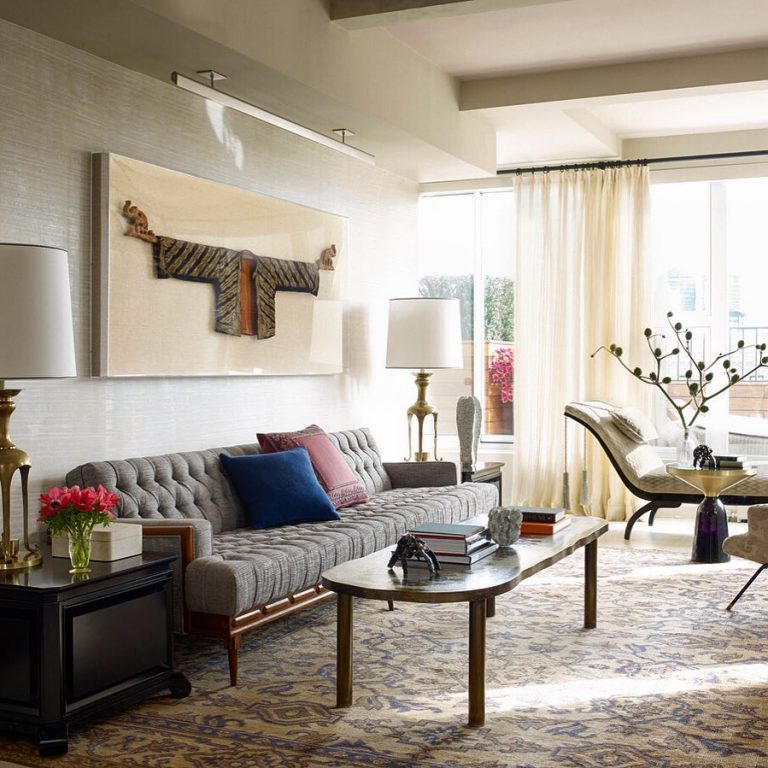
An Abbreviated Guide To Antique and Vintage Rugs
Antique rugs have been in Josh’s resume since he began in the industry almost 40 years ago when he was already recognized for one of the largest oriental rug collections in the United States. Each piece in the internationally recognized volume was hand picked for rarity, and of course aesthetic and beauty, now complementing one of the widest varieties of Persian rug and Turkish rug collections with the utmost attention to individuality and care. Because of Josh’s position in the wholesale rug industry he’s been responsible for promoting a number of collections throughout history, from breathtaking signature Tabriz, Sultanabad, Kerman Lavar, Agra, and Oushak classics to the more unsung jewels of the luxury industry.
Read the Feature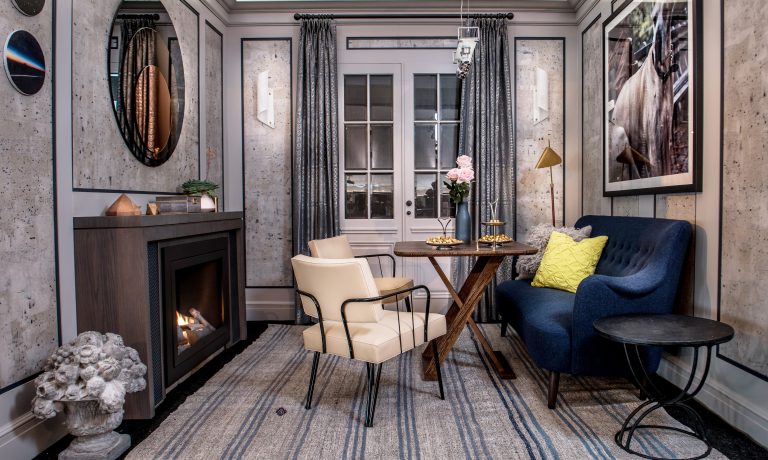
An Abbreviated History of Kilim and Flat Weave Rugs
The common denominator of nearly all of our lines, and the passion from which we found our name, lies in our unparalleled Kilim rug collection with selections from all over the world in both the most celebrated and unsung designs. In our antique and vintage collections our Persian, Turkish, and Moroccan Kilim collections alone enjoy rarity, versatility, and beauty with constant additions. In line with Josh’s pioneering spirit, our flat weave line in Rug & Kilim’s Scandinavian collection enjoys fresh, invigorating designs and a durable body we’ve come to consider the hallmark of this collection; never buckling underfoot like traditional Kilims and blending a beautiful variety of yarns for a high-quality wool. While all Kilim rugs are united under the flat-weaving technique that has been adopted and specialized from culture to culture over time, some of the most significant ancestral Kilim rugs can be found among the varied tribes and regions stretching back to Anatolia/Turkey, Persia, Europe, Scandinavia, and Africa—all home to celebrated variations of flat weaving Josh Nazmiyal has studied and collected among Rug & Kilim’s Antique & Vintage, Kilim & Flat Weave, and Moroccan Collections to name a few. Needless to say, Josh’s devotion to learning the intricacies and histories of the style have, likewise, inspired pillars of our most well-received private collections, notably including our Scandinavian Flat Weave collection among the homes for contemporary and modern Kilim worth noting in our archives:
Read the Feature