Style
Samarkand
Every piece in this style, across all of our collections. Narrow them down by size and price.
- Under 6 x 9
- Runners
- 6 x 9
- 8 x 10
- 9 x 12
- 10 x 14
- 12 x 15
- Over 12 x 15
Origin ▼
Style ▼
Material ▼
Width
Length
To connect with a specialist, click here
Stories from the Samarkand Archive
Essays, artist dialogues, and provenance notes drawn from Rug & Kilim’s editorial desk.
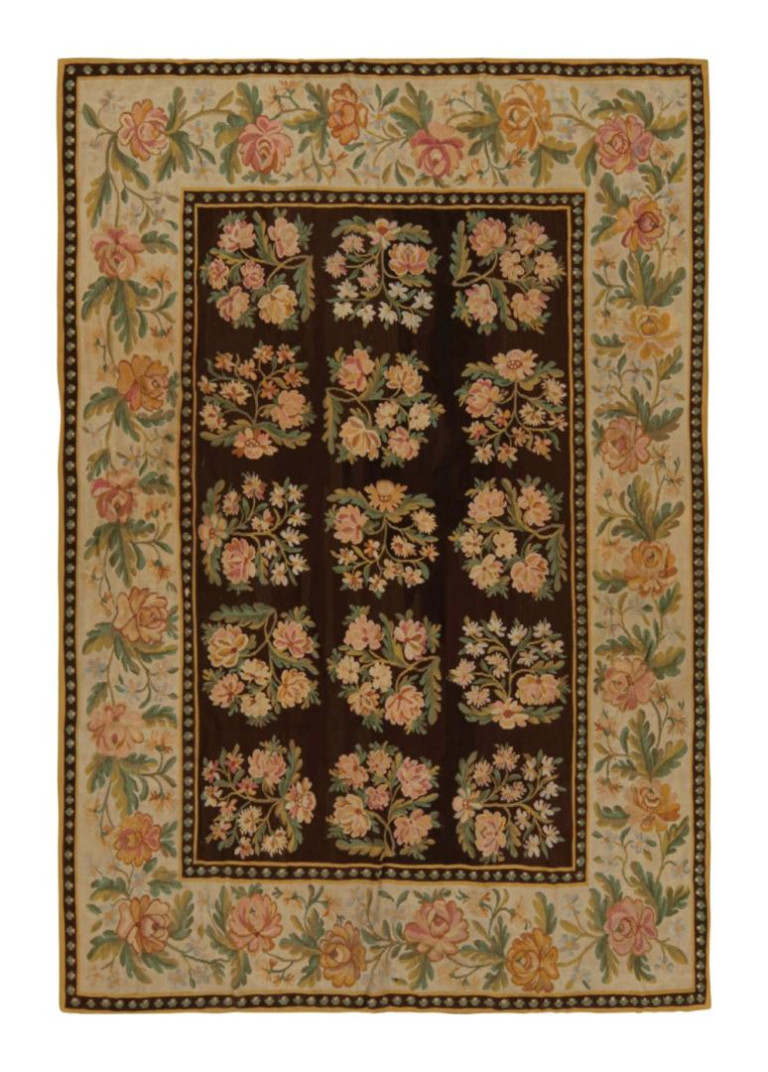
A Guide to Bessarabian Rugs: History, Design, and Modern Luxury
Within the world of collectible textiles and luxury interiors, few rug traditions possess the quiet sophistication and painterly elegance of Bessarabian rugs. Emerging from the historic region of Bessarabia—an area historically situated between present-day Moldova, Romania, and Ukraine—these rugs occupy a unique position at the crossroads of Eastern European folk tradition, Ottoman influence, Russian imperial culture, and French decorative aesthetics. Unlike the geometric tribal weavings commonly associated with Central Asia or the medallion-driven structures of Persian carpets, Bessarabian rugs developed a distinctly atmospheric and ornamental visual language. Their floral compositions, subdued tonal harmonies, and expansive decorative fields positioned them closer to European decorative arts than purely utilitarian floor coverings.
Read the Feature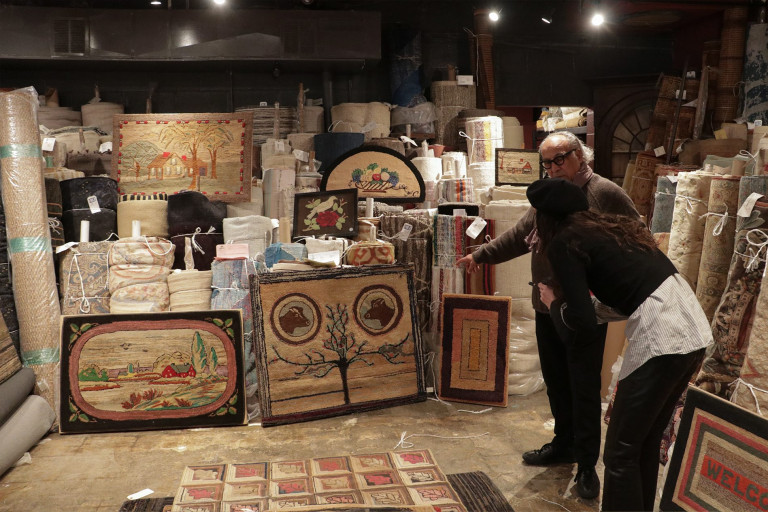
The Art of Appraisal: Inside Rug & Kilim’s Culture of Connoisseurship
Rug & Kilim Showroom — a house of woven gems, collected with intention. There is a difference between owning a rug and stewarding one. At Rug & Kilim, appraisal exists at the intersection of scholarship, diplomacy, and design history. To evaluate a textile at the highest level is to understand not only fiber and knot count but courts and ateliers, fashion houses and museums, auction rostrums and private salons. Because in truth, the greatest rugs and tapestries have always belonged to the same cultural tier as painting and architecture. A carpet signed by Jules Leleu does not simply carry a market price; it carries the intellectual weight of Paris between the wars. A tapestry attributed to Jean Lurcat is not merely woven wool; it is postwar Europe reasserting itself through myth and modernism. To appraise such works requires fluency not only in textile technique, but in art history, fashion, architecture, diplomacy—and the subtle codes of elite taste.
Read the Feature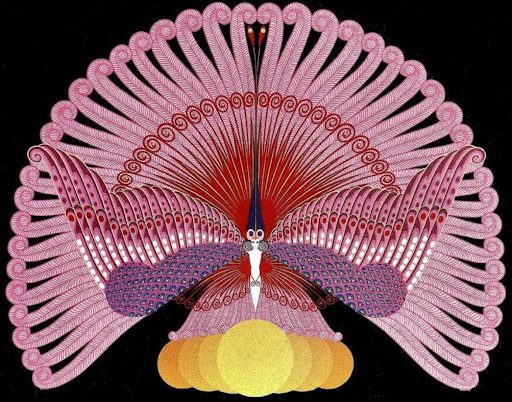
Rug & Kilim’s Art Deco Rugs as Inspired by Romain de Tirtoff “Erte’s” Artworks
Art Deco, often referred to as Streamline Moderne or Style Paquebot ('ocean liner style'), amalgamates a variety of emerging styles from the early 20th century, including Cubism, Expressionism, Futurism, and Vorticism. Rug & Kilim's Art Deco Collection - View More The period saw artists drawing heavily from African art and ancient cultural motifs, especially Egyptian influences, which surged in popularity after the discovery of Tutankhamun's tomb in 1922. The Ballets Russes also played a significant role in shaping the imaginative aesthetic of the Art Deco movement. Born into a distinguished family in St. Petersburg, Romain de Tirtoff “Father of Art Deco” chose a different path from his aristocratic relatives who pursued military careers. At the age of 18, he left Russia for Paris and began a long, illustrious career as an illustrator and costume and set designer under the name Erté, derived from the French pronunciation of his initials, "RT." Erté is particularly renowned for the stunning covers he created for Harper’s Bazaar between 1915 and 1936. Shortly after his first cover design, he secured an exclusive 10-year contract with the magazine. Over the years, he contributed more than 240 covers, each featuring his signature Art Deco style.
Read the Feature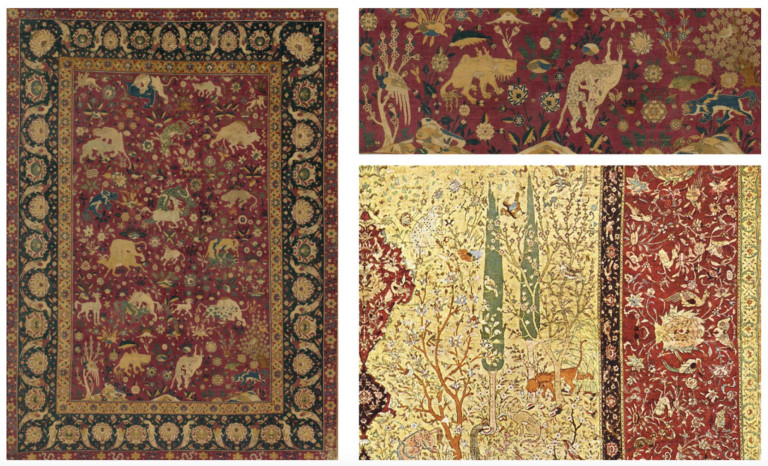
History and Significance of Safavid Court Weaving and their Persian Antique Rugs
The Safavid dynasty (1501-1739) marked the pinnacle of Persian carpet design and production. Royal patronage played a crucial role, with court designers influencing production across various levels. Additionally, the widespread availability of locally sourced and imported materials and dyes contributed to the quality and diversity of carpets. These factors, coupled with commercial acceptance, especially in foreign markets, further propelled the success of Safavid carpets. Surviving Safavid carpets showcase both court production, adhering to court standards but not necessarily woven at the court itself, and commercial production reflecting courtly tastes. Carpets were woven in palace workshops as well as on urban and village looms, highlighting the widespread influence and craftsmanship of Safavid carpet weaving.
Read the Feature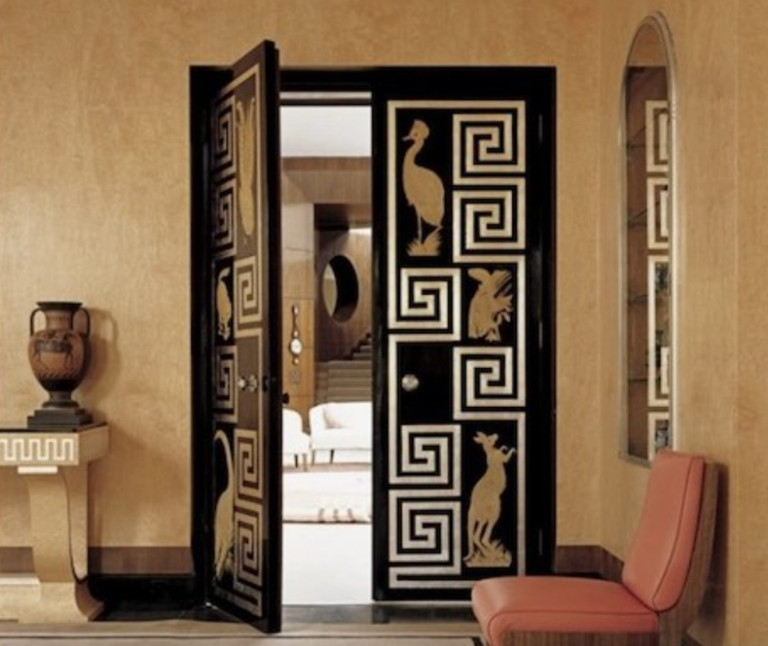
An Introduction to Varied Art Deco Patterns
Art Deco patterns, emblematic of one of the most influential styles of the 1920s and 1930s, are a key identifier of this period in art history. Reverberating across architecture, design, and visual arts, Art Deco made a lasting impact with its distinctive patterns. These patterns, characterized by precise and clear lines, geometric shapes, and intricate decorations, were prominently featured in various fields. Notably, Art Deco patterns adorned architectural structures and were integrated into design elements. The movement's patterns initially emphasized straight lines and geometric forms, evolving later into the Streamline Moderne phase characterized by curving shapes and long horizontal lines. Streamline Moderne also embraced rich colors and opulent ornamentation.
Read the Feature
A Glossary of Handmade Rugs and Kilims: Understanding Terms, Types and Techniques Past and Present
Referring to the art style characterized by using shape and color withdrawn from traditional repetition or realism. Abstract rugs — sometimes referred to as art rugs — capture an expressive nature that reads as a very modern style, though many abstract rugs draw inspiration from works of the same art style in the mid-century. One of the more widely known mid-century lineages of this style is abstract expressionism, named for the literal "expressionists" of the 1950s. Some of the most notable names behind this style include Jackson Pollock and Mark Rothko. Referring to a lineage of nomadic Persian rugs (sometimes referred to as “Avsar” in the alternate spelling). Afshar rugs hail from the eponymous tribe in the region of Northeastern Iran.
Read the Feature