
Style
Sarouk
Every piece in this style, across all of our collections. Narrow them down by size and price.
- Under 6 x 9
- Runners
- 6 x 9
- 8 x 10
- 9 x 12
- 10 x 14
- 12 x 15
- Over 12 x 15
Origin ▼
Style ▼
Material ▼
Width
Length
To connect with a specialist, click here
Stories from the Sarouk Archive
Essays, artist dialogues, and provenance notes drawn from Rug & Kilim’s editorial desk.
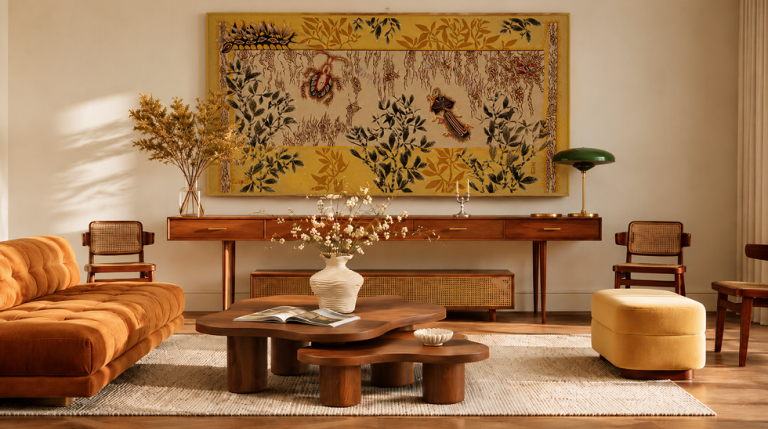
Signatures, Editions, and the Bolduc on Modern and Rare Tapestries: The Mark of the Masters and Artists
There is a particular pleasure, known to every serious collector, in turning an object over. The front of a great tapestry or carpet is what seduces; the back, and the edges, are what tell the truth. And on the finest modern tapestries, that truth is written in a specific and often misunderstood language, a language of signatures, edition numbers, and a small woven label the French call the bolduc. To read it fluently is to hold the difference between a decorative object and a documented work of art. It is the same literacy that governs the print room and the rare book library, where a collector learns to read a plate mark, a watermark, a colophon. The modern tapestry, elevated to the status of fine art by Jean Lurçat and his circle in the mid-twentieth century, borrowed the apparatus of the fine art edition precisely because it wished to be understood as fine art. To understand the apparatus is to understand the ambition.
Read the Feature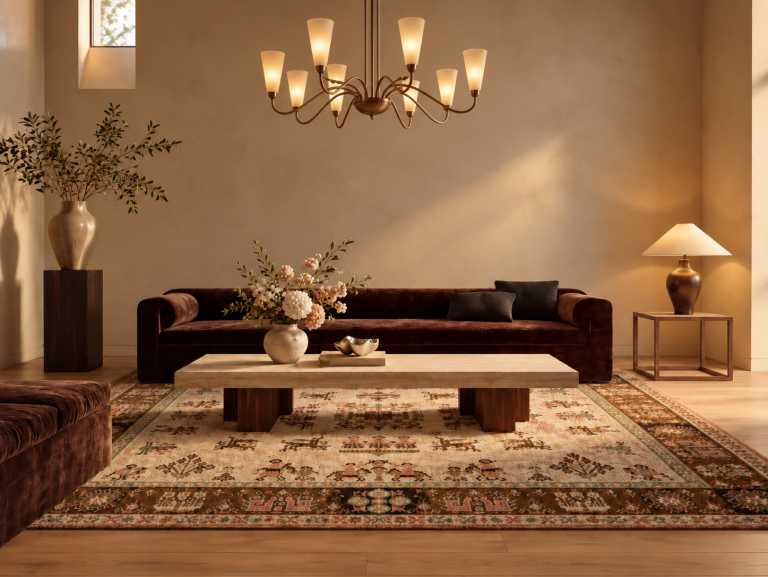
A Guide to Axminster Rugs: History, Craftsmanship, and British Design Heritage
Among the most influential carpet traditions to emerge from Europe, Axminster rugs occupy a distinguished position within the history of decorative arts, architecture, and interior design. Renowned for their exceptional craftsmanship, technical innovation, and artistic sophistication, Axminster carpets represent one of Britain's most important contributions to the global history of textile design. Originating in the historic market town of Axminster in Devon, England, these carpets became synonymous with luxury, refinement, and excellence from the eighteenth century onward. Their influence extended far beyond Britain, shaping carpet production, interior decoration, and architectural furnishing throughout Europe, North America, and the wider world.
Read the Feature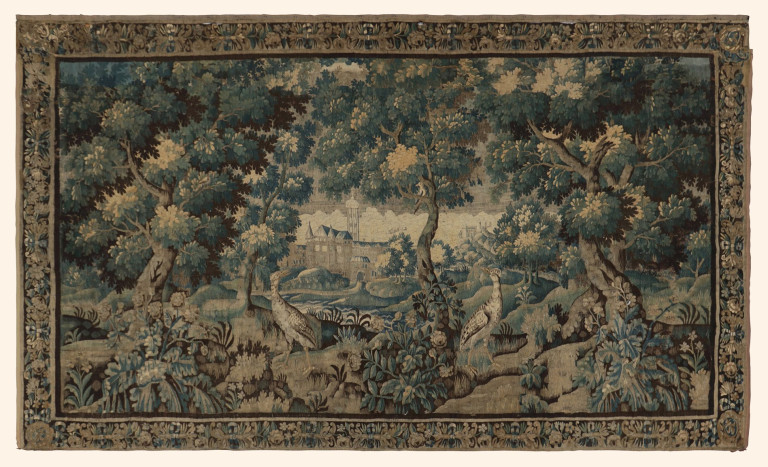
The World of Period Piece Rugs and Kilims: Provenance, Style, and Collecting Masterworks
In the world of fine art and design, the term period piece is not a casual descriptor—it is an assurance of historical integrity, stylistic authenticity, and documented provenance. To speak of period piece rugs and kilims is to speak not simply of textiles, but of time made tangible. From the opulent wool-and-silk Savonneries gracing the salons of Louis XIV, to the restrained architectural harmony of French Aubussons, the modernist clarity of a signed Leleu, or the atmospheric geometry of Chinese Art Deco and Peking carpets—these are not mere floor coverings. They are artefacts of intent, designed to speak to power, status, and the zeitgeist of their era.
Read the Feature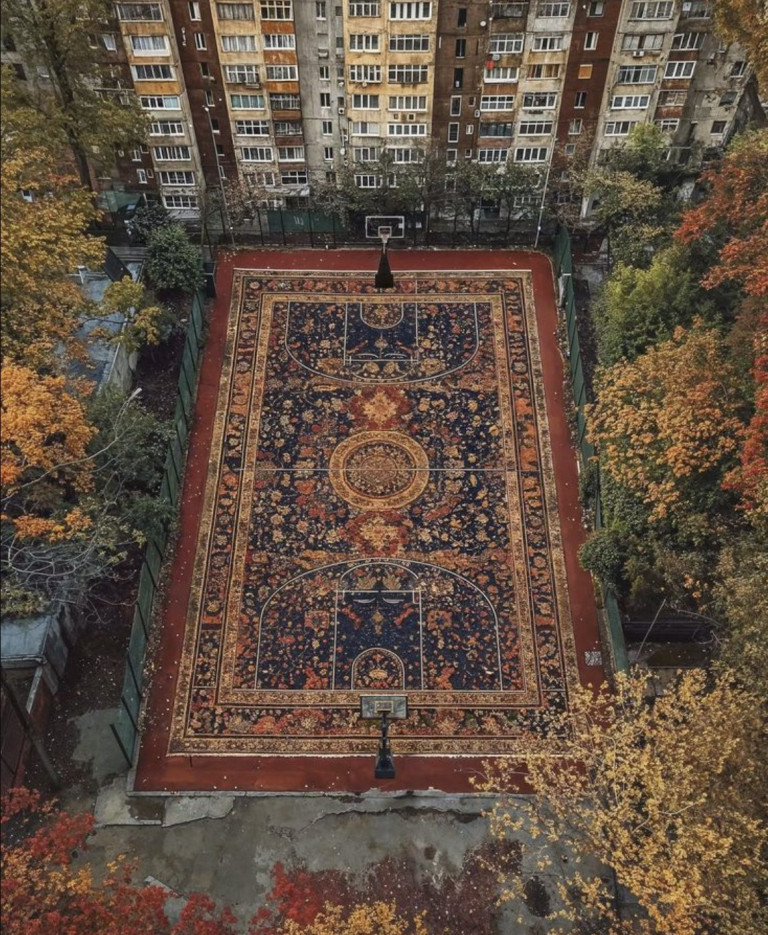
The Role of European and Persian Rugs in Royal Palaces and Historic Estates
To walk upon a fine Persian and European Rug is to tread upon centuries of tradition, craftsmanship, and power. As we reflect on our decades curating what many regard as the world's preeminent collection of European and Persian rugs, we are reminded that these extraordinary textiles are far more than mere floor coverings—they are narratives of civilization. Persian rugs entered European courts as potent diplomatic currency long before they adorned their floors. When Shah Abbas I sent his magnificent silk and metal-thread carpets to Venice's Doge's Palace in the 16th century, he dispatched not merely gifts but ambassadors of Persian cultural supremacy.
Read the Feature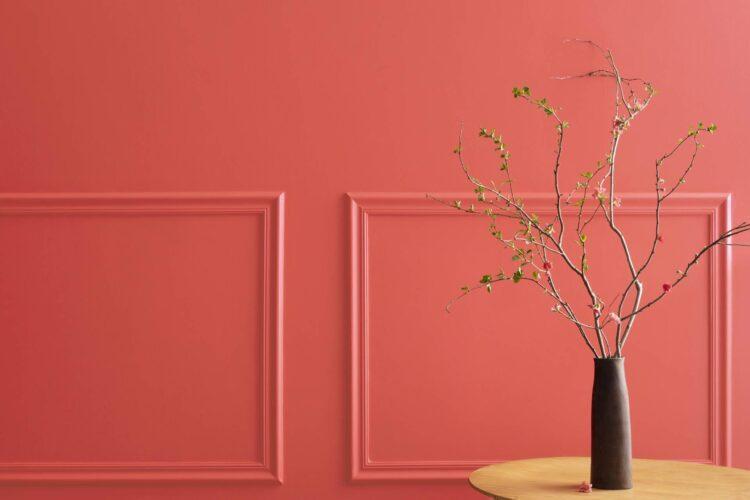
Our Favorite Handmade Rugs in the Benjamin Moore 2023 Color of the Year: “Raspberry Blush”
Benjamin Moore announced their 2023 Color of the Year, and we for one at Rug & Kilim couldn't be more engaged. Nothing raises autumn spirits like a bright autumnal color, and "Raspberry Blush" looks up to the task. A glance inspires a rosy warmth and soft, soothing tones of sweater weather, but it's far more than just a fitting color for the now. It's a bold departure from "soft" tone trends, and furthermore a lesson that "radiant" can look relaxed. We hardly claim clairvoyance, but we're proud to see the trend toward red's return. It's the lifeblood of some of our favorite, rare classics, and such a fun, understated choice in contemporary. So, Rug & Kilim celebrates with 23 rugs in our collection that use the 2023 Color of the Year with zeal. Some use the accent, while others use an emphasis, and some enjoy an attitude beyond description. (Not for lack of trying, mind you.)
Read the Feature
A Glossary of Handmade Rugs and Kilims: Understanding Terms, Types and Techniques Past and Present
Referring to the art style characterized by using shape and color withdrawn from traditional repetition or realism. Abstract rugs — sometimes referred to as art rugs — capture an expressive nature that reads as a very modern style, though many abstract rugs draw inspiration from works of the same art style in the mid-century. One of the more widely known mid-century lineages of this style is abstract expressionism, named for the literal "expressionists" of the 1950s. Some of the most notable names behind this style include Jackson Pollock and Mark Rothko. Referring to a lineage of nomadic Persian rugs (sometimes referred to as “Avsar” in the alternate spelling). Afshar rugs hail from the eponymous tribe in the region of Northeastern Iran.
Read the Feature