
Hans Krondahl and the Revival of Swedish Textile Art in the 20th Century
March 19, 2025
The Essential Guide to Scandinavian Rugs for Contemporary Living
March 25, 2025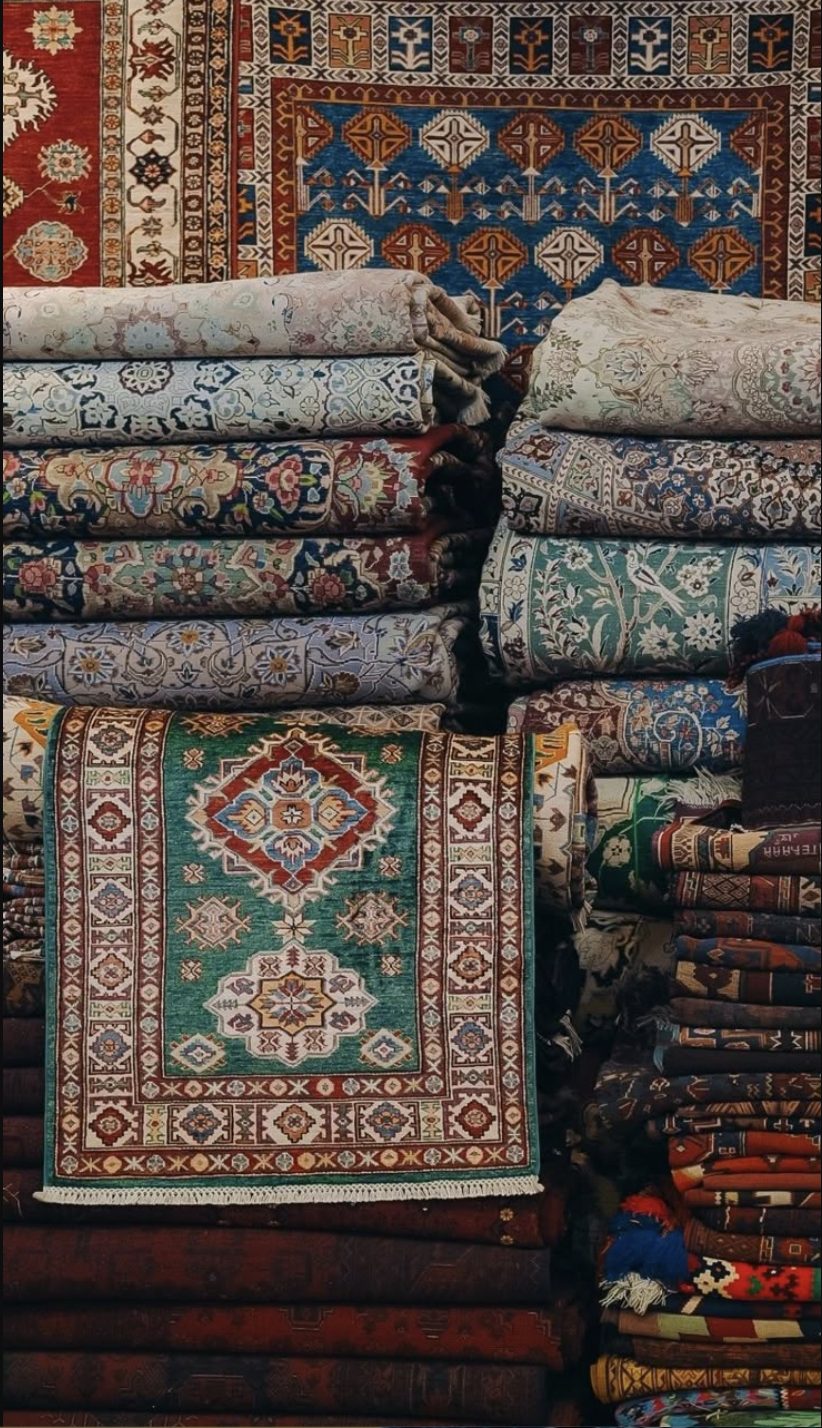
Persian rugs
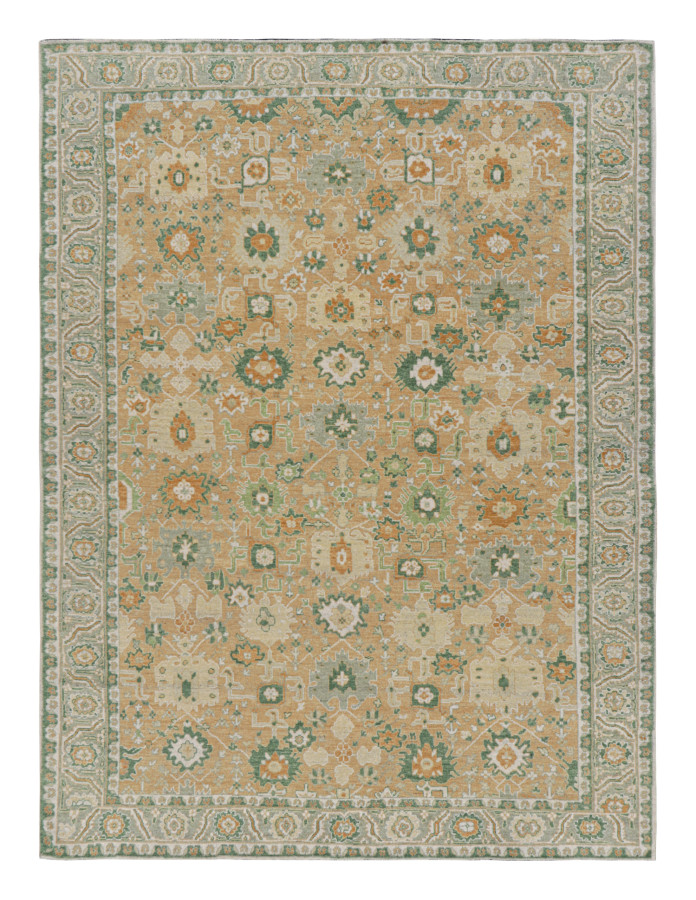
To walk upon a fine Persian and European Rug is to tread upon centuries of tradition, craftsmanship, and power.
As we reflect on our decades curating what many regard as the world’s preeminent collection of European and Persian rugs, we are reminded that these extraordinary textiles are far more than mere floor coverings—they are narratives of civilization.
Persian rugs entered European courts as potent diplomatic currency long before they adorned their floors.
When Shah Abbas I sent his magnificent silk and metal-thread carpets to Venice’s Doge’s Palace in the 16th century, he dispatched not merely gifts but ambassadors of Persian cultural supremacy.
The carpet precedes the diplomat and speaks more eloquently than any envoy, as was often noted in the chambers of power.
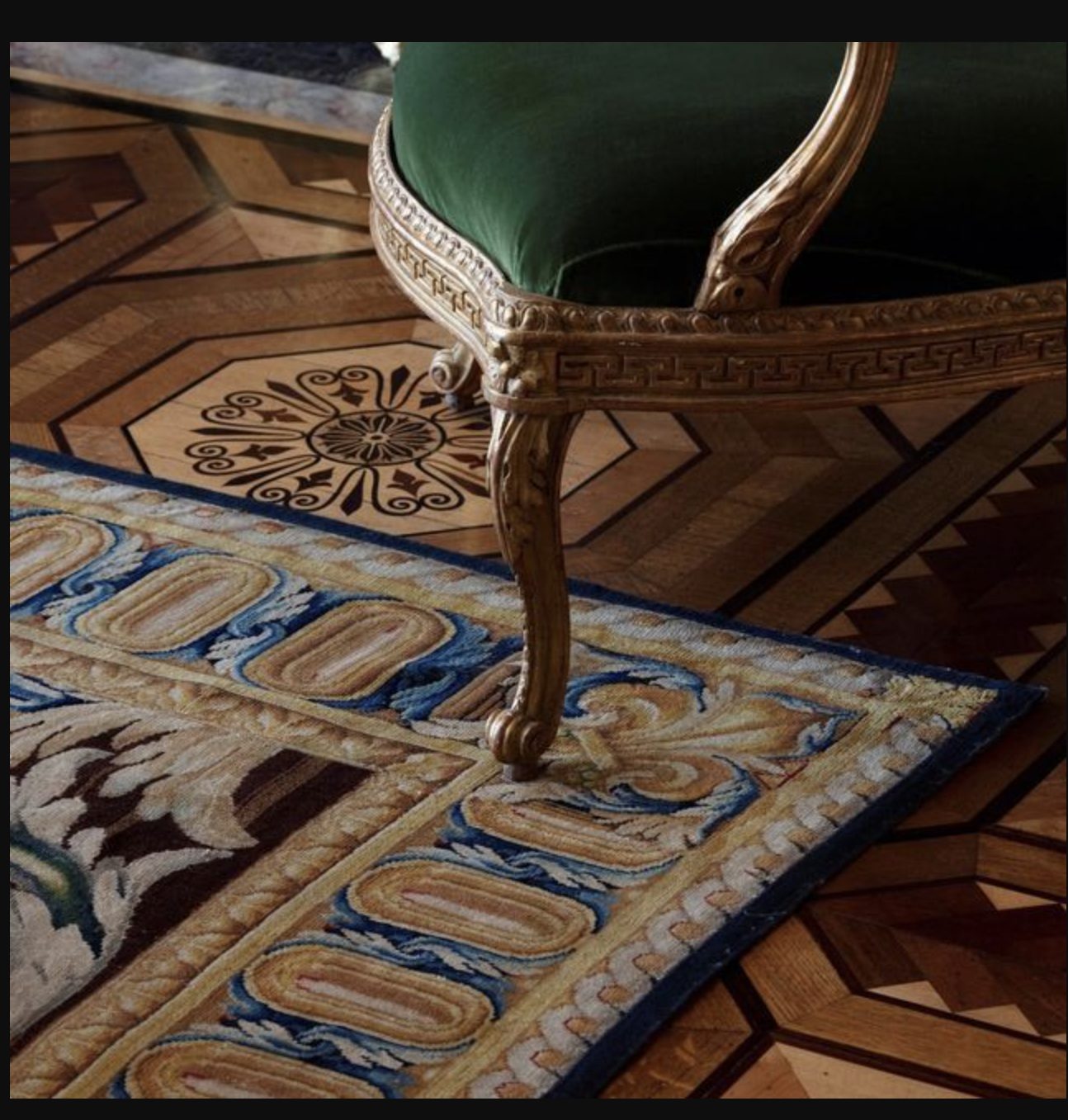
The Savonnerie carpets of Louis XIV’s France represented an equally calculated power play. Determined to rival Persian magnificence, the Sun King established royal workshops to create carpets of unprecedented scale and opulence for Versailles.
These were not merely decorative elements but carefully orchestrated statements: When foreign dignitaries cross our thresholds, they should know immediately they walk upon the glory of France.
Role of Persian and European Rugs in Expressing Social Order
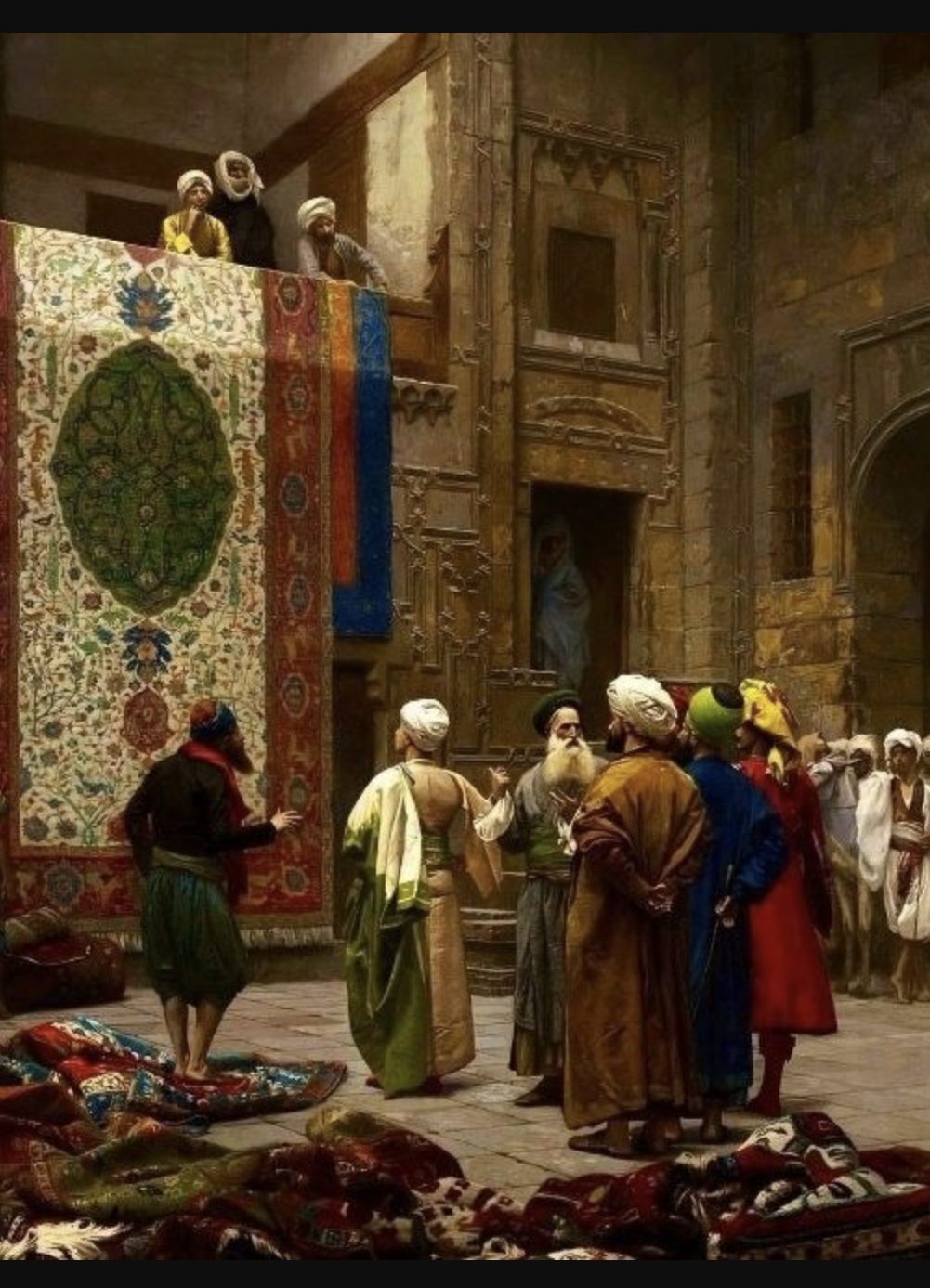
Nowhere is the role of carpets in expressing social order more evident than in the Ottoman-influenced palaces of Eastern Europe.
At Topkapı Palace, carpets demarcated boundaries of access and privilege with a clarity that needed no explanation.
The finest Ushak medallion carpets were reserved exclusively for the Sultan’s private chambers—their presence signaling to the rare visitor that they had penetrated to the innermost circle of Ottoman power.
At Hampton Court and Windsor Castle, the placement of carpets followed similarly rigid protocols.
Early inventories show Tudor and Stuart monarchs displayed their prized Safavid carpets atop tables rather than floors—”Too precious for feet, these woven treasures hover between object and painting, closer to the heavens than to the earth.”
Only after the Georgian period did these masterpieces regularly migrate to the floor, and even then, court etiquette often forbade walking upon them.
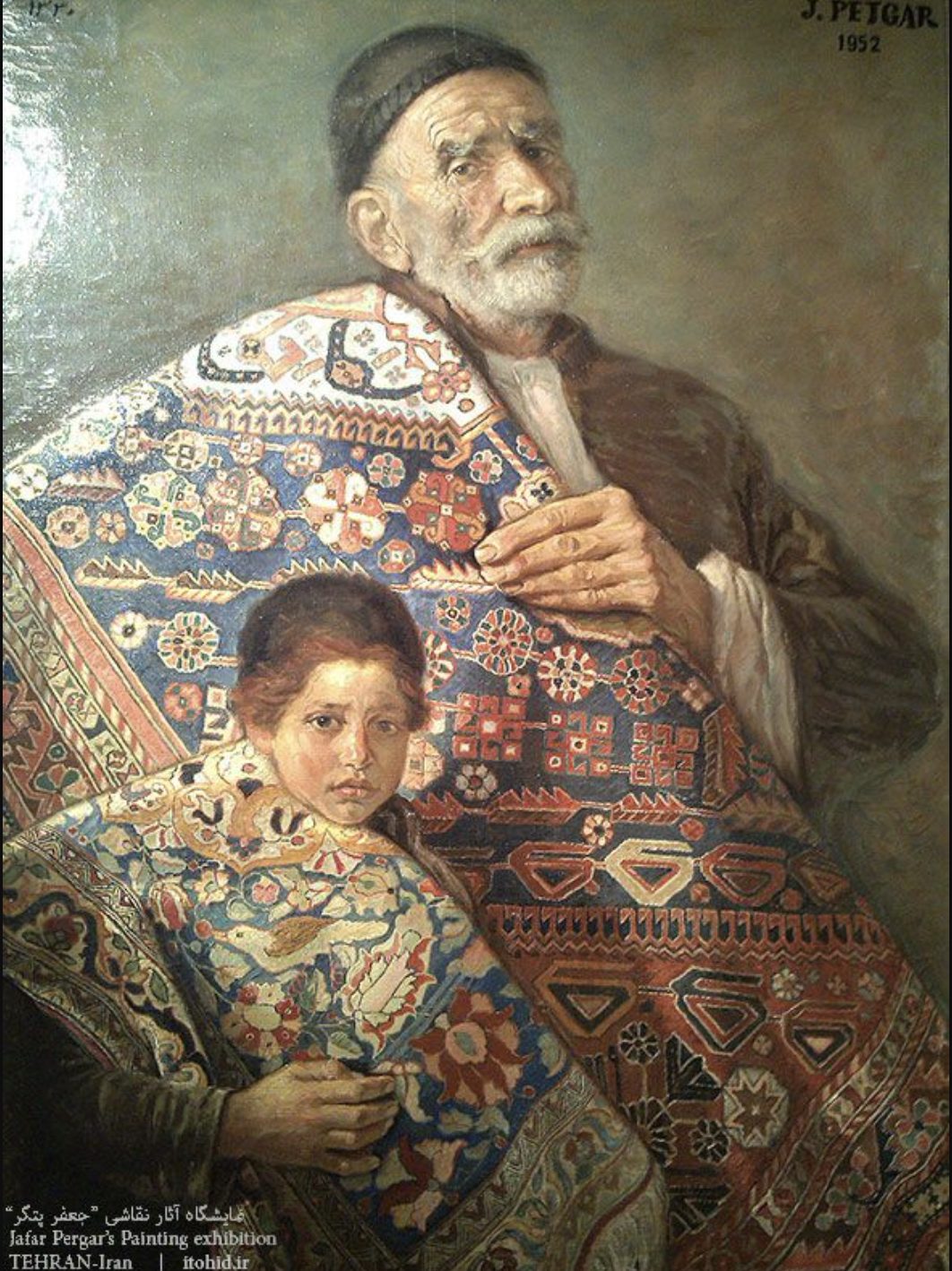
The integration of carpets into royal portraiture reveals their inextricable connection to sovereignty.
Holbein’s portraits of Henry VIII invariably position the monarch atop Anatolian carpets, their geometric patterns echoing the structured power of Tudor rule. “The pattern beneath the feet steadies the throne,” as contemporary courtiers observed.
When Velázquez painted Philip IV of Spain, he carefully rendered the distinctive Spanish carpets of Cuenca beneath the royal feet—their geometric abstraction subtly predating similar experiments in Cubist painting by nearly three centuries.
The carpet in royal portraiture functions simultaneously as status marker and spatial anchor.
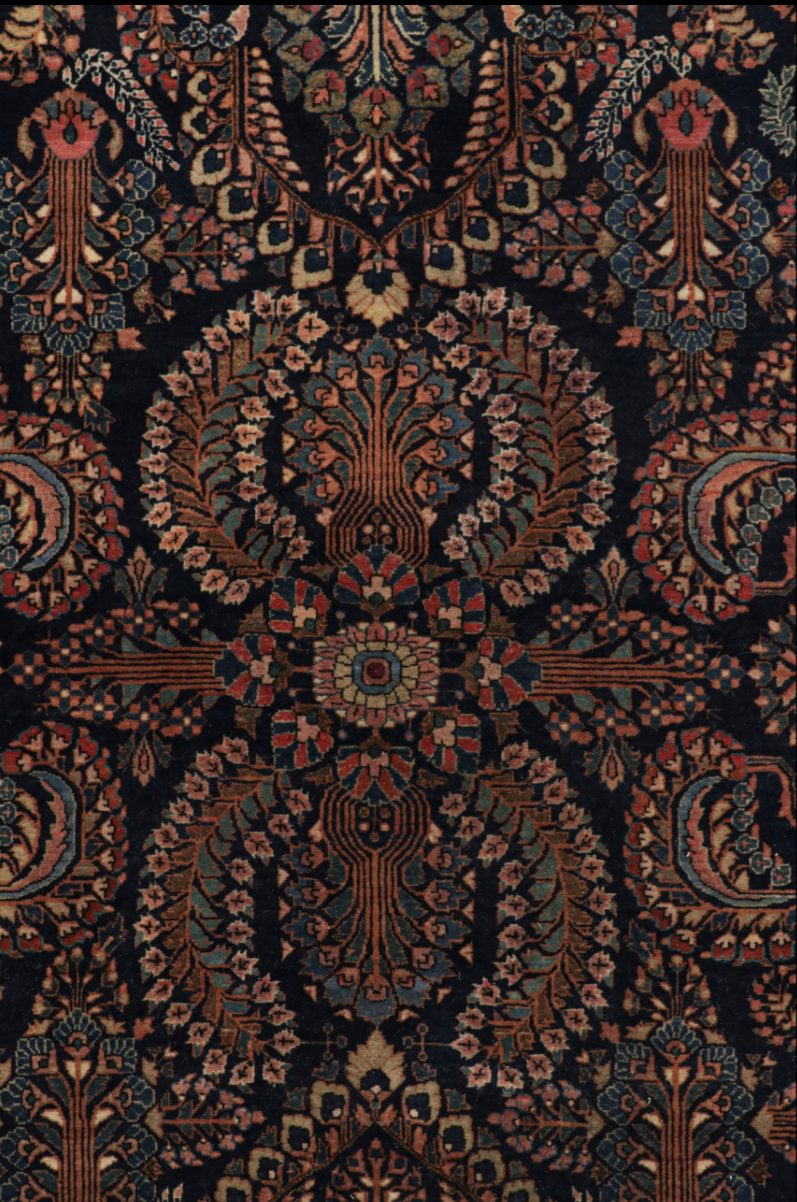
Design Dialogue with Decorative Arts
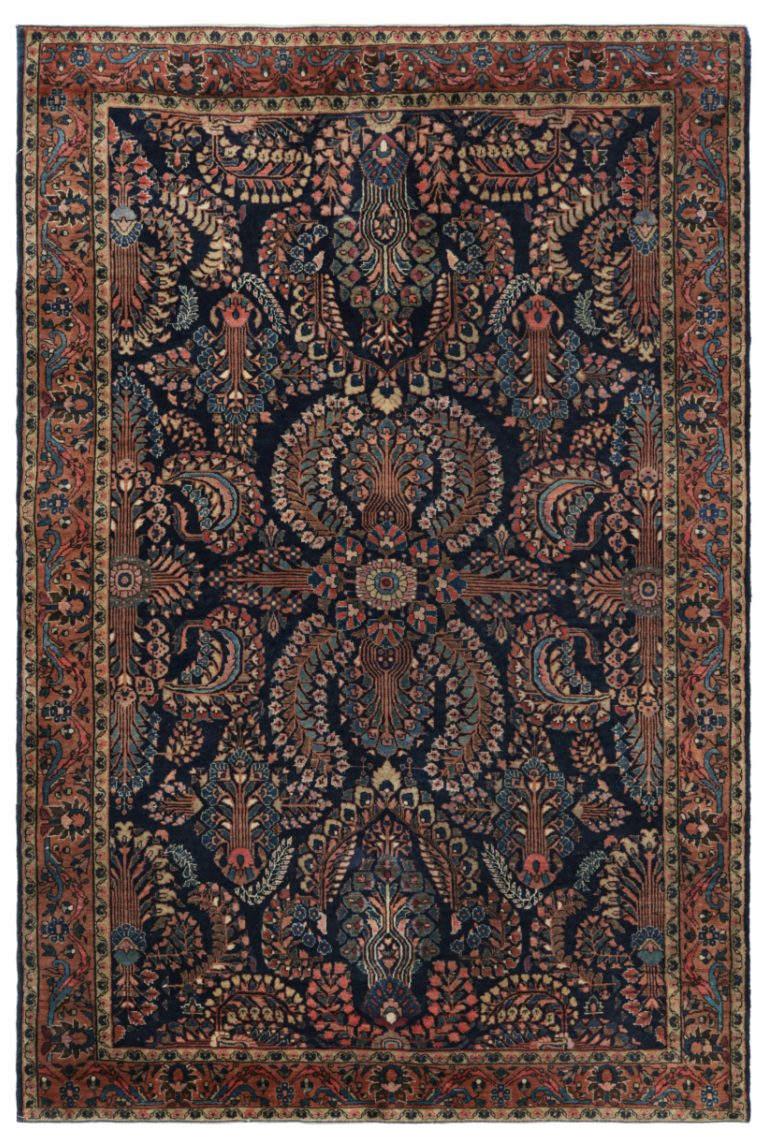
The cross-pollination between carpet designs and other decorative arts represents one of the most fascinating aspects of their role in palatial settings. At Catherine the Great’s Winter Palace, the motifs from Polonaise carpets reappeared in ceiling frescoes, furniture inlays, and even architectural elements—creating immersive environments where design spoke in a unified visual language.
The Palladian villas of England demonstrate how Persian Kerman carpets directly influenced the geometric layouts of formal gardens: “What is the parterre but a carpet rendered in box hedge and gravel?”
This design transference worked bidirectionally, with European decorative elements eventually appearing in Persian workshop productions specifically targeted for Western palaces.
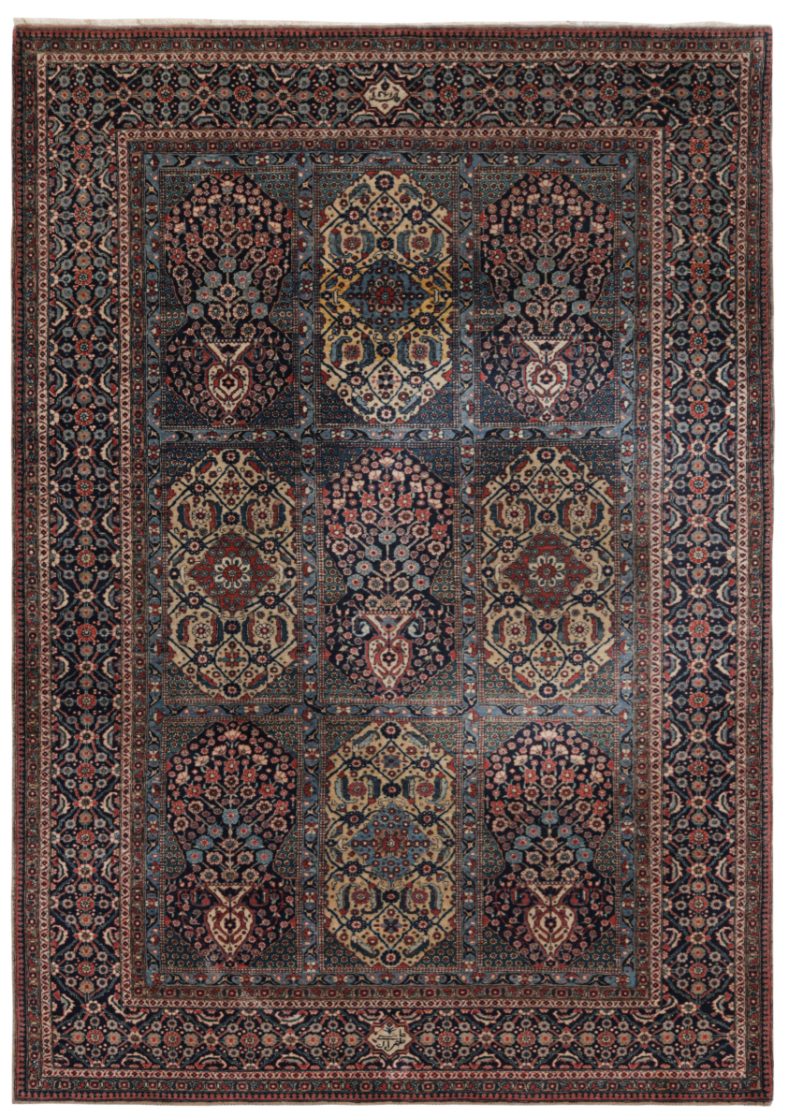
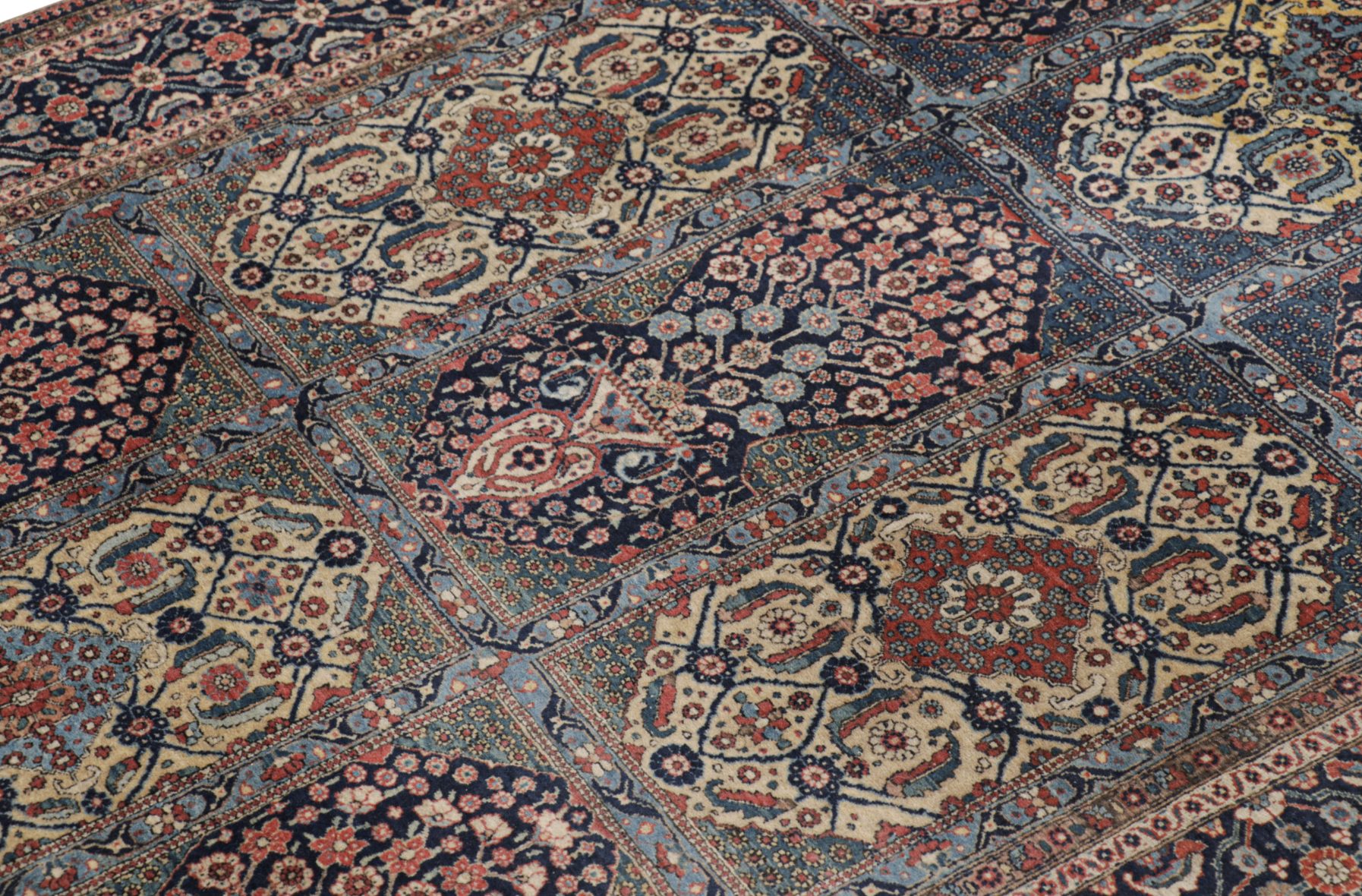
The most significant royal carpets transmit culture through generations. The great Ardabil carpet, now in London’s V&A Museum, influenced William Morris and the entire Arts and Crafts movement. “In its design precision and botanical exuberance, we find the perfect balance between order and nature that would preoccupy designers for centuries.”
Today’s renewed appreciation for these masterpieces extends beyond their aesthetic value to their embodiment of sustainable luxury.
“Before ‘slow craft’ became fashionable, Persian carpet workshops were practicing multigenerational creation—each carpet representing not hours but years of human endeavor.”
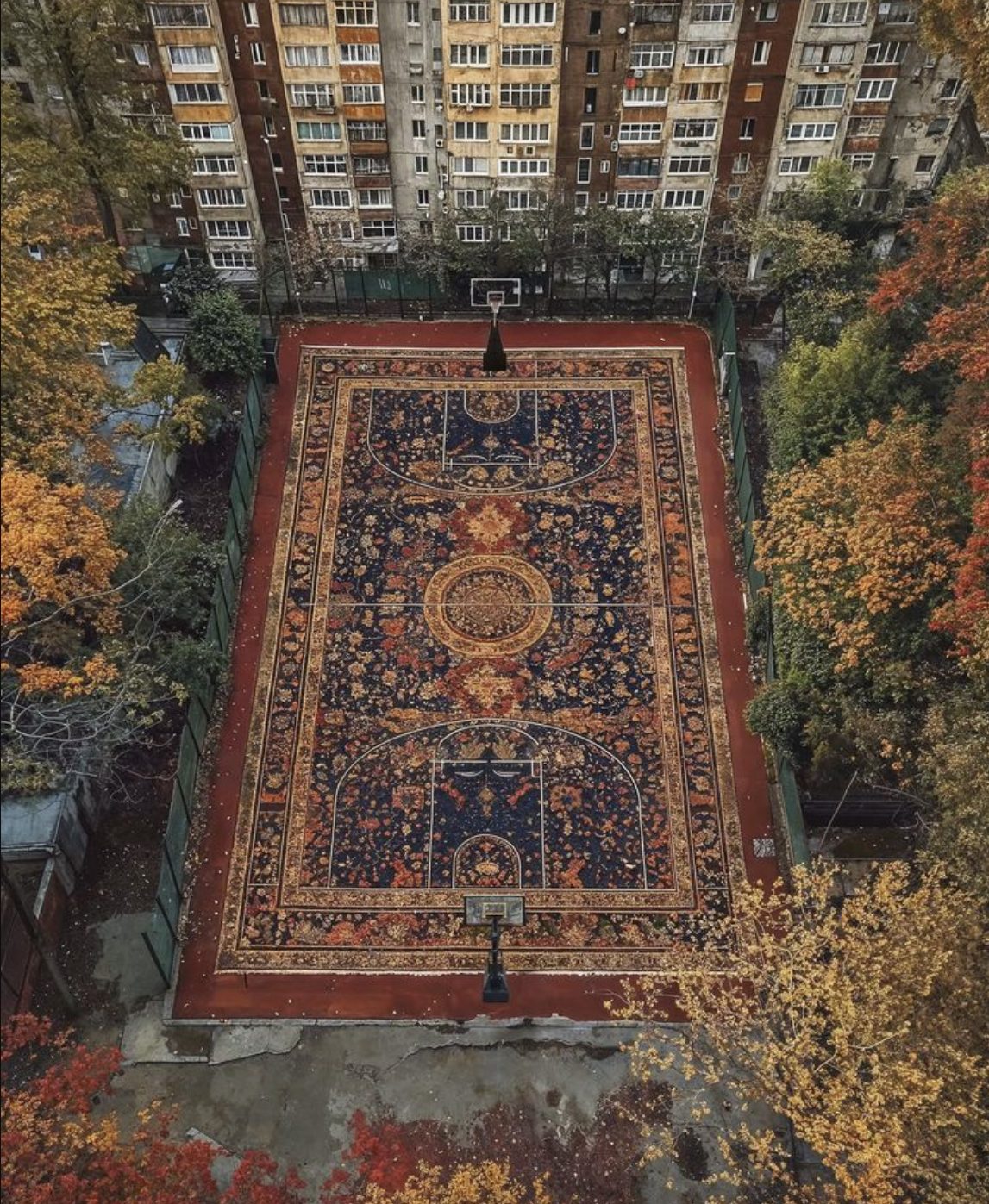
Royal Carpets and their Influence
As we contemplate the carpets that have graced the world’s greatest palaces, we recognize Persian and European Rugs as more than decorative arts.
They are political statements, cultural exchanges, technological achievements, and aesthetic revolutions—all expressed in the humblest of materials: wool, silk, and dye.
The European workshops produced carpets that functioned as explicit status symbols within elaborate social hierarchies. At Versailles, only apartments of certain rank were granted Savonnerie carpets, with lesser spaces receiving Aubussons or provincial productions.
“The carpet beneath your feet revealed your place in the firmament of power with absolute clarity—no courtier could mistake which rooms they might enter based on the textile luxury underfoot.”
One could measure a man’s worth by the quality of carpet he is permitted to tread upon.
The greatest paradox of the royal carpet is that its magnificence arises from the most basic elements of nomadic life, transformed through skill and vision into expressions of the highest civilization.