

The Connoisseur’s Guide to Contemporary Sustainable Flatweaves
March 17, 2025
The Role of European and Persian Rugs in Royal Palaces and Historic Estates
March 24, 2025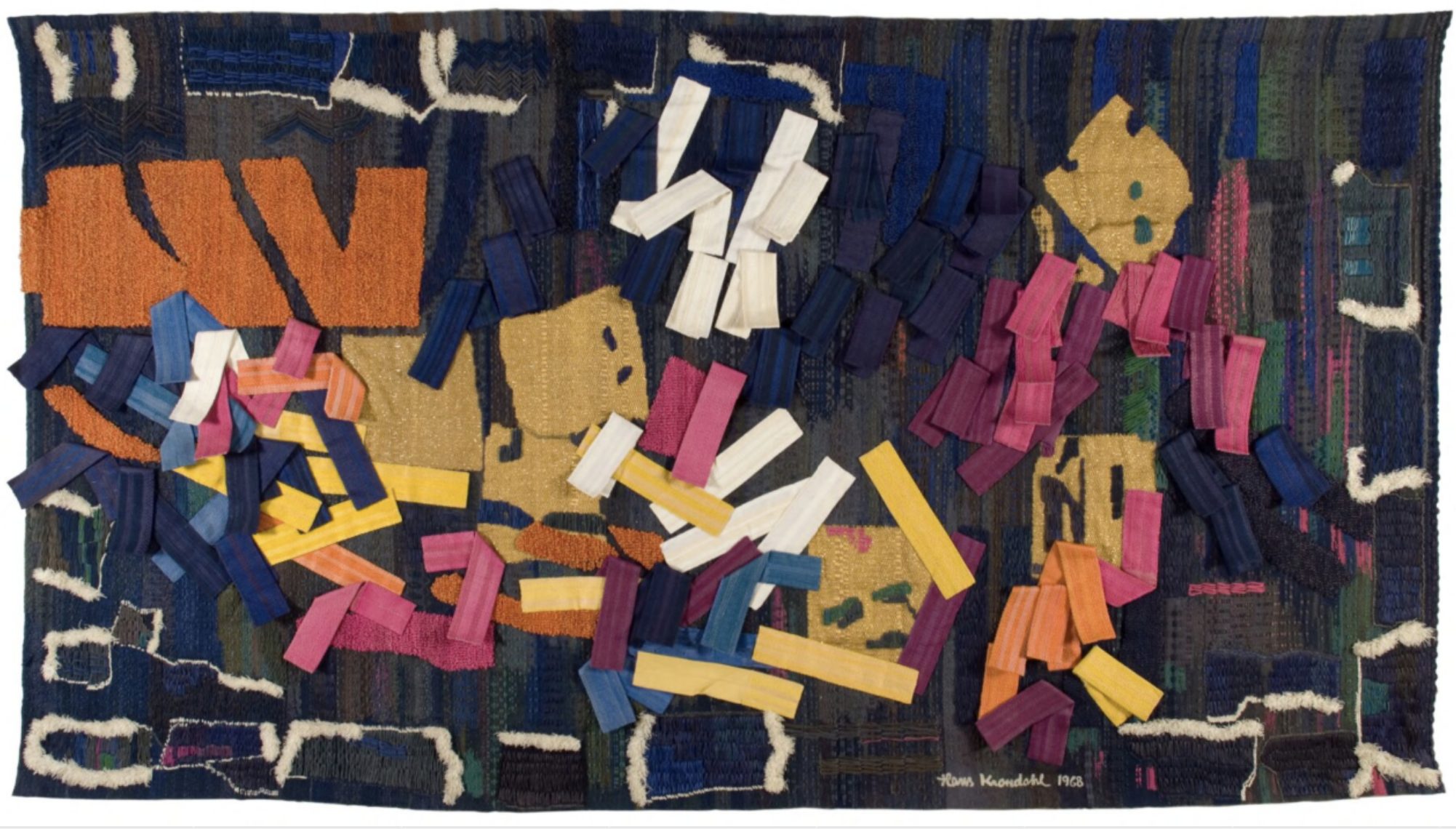
Nattlig Kultplats, 1968
Few names evoke the revolutionary spirit of mid-century Scandinavian design quite like Hans Krondahl.
True textiles should not merely adorn a space but transform it—creating dialogue between structure and emptiness.
This idea underpins Krondahl’s most significant contributions to the textile arts, particularly his rugs, which demonstrate a synthesis of traditional craft and modernist expression.
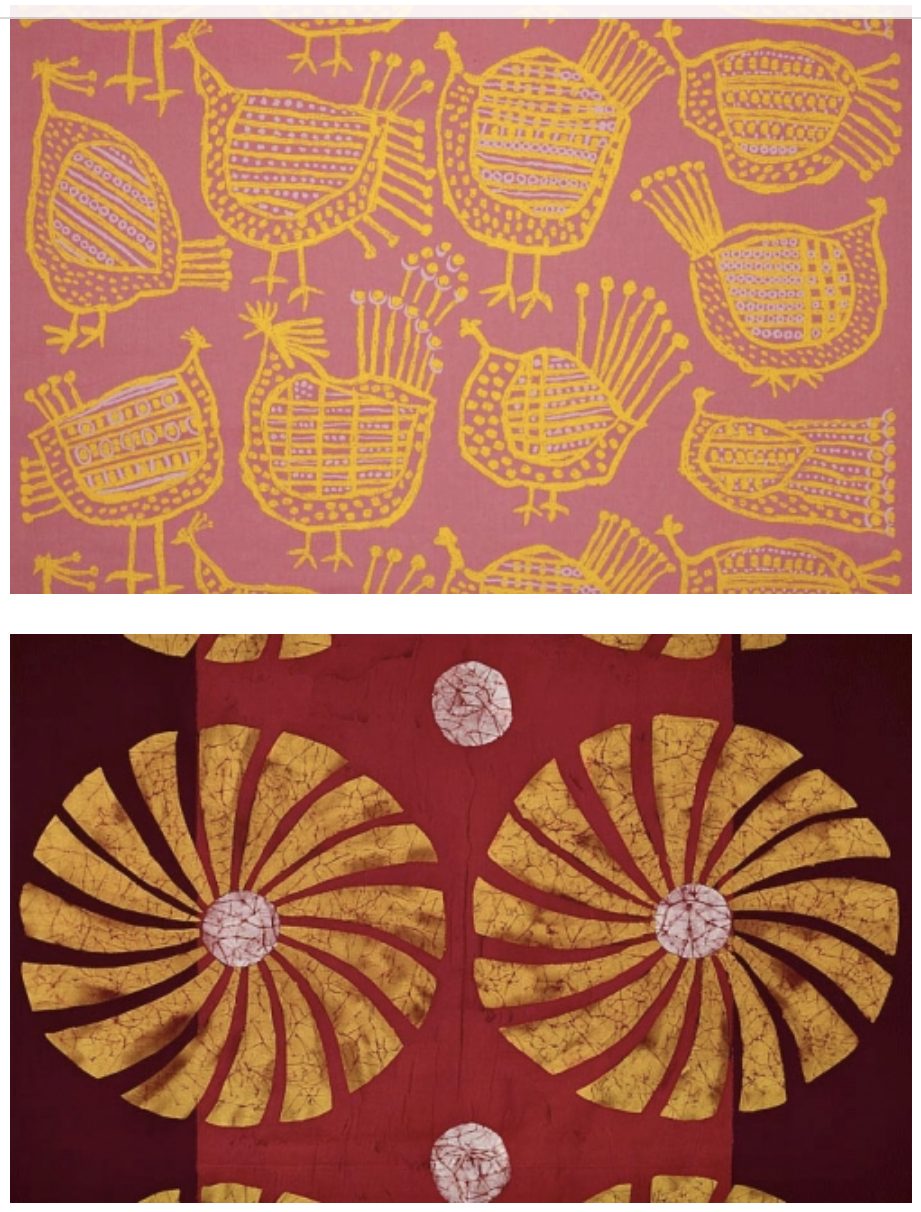
Date: 1959 | Textil, Vasco da Gama, 1968. Boras Cotton
Early Life and Development of Hans Krondahl
Born in Sweden in 1929, Krondahl emerged during a pivotal moment in design history. The post-war era saw Scandinavian design ascend to international prominence through its emphasis on democratic aesthetics—beauty that served function without unnecessary ornamentation. Yet within this context, Krondahl carved a distinctive path.
While contemporaries like Arne Jacobsen and Hans Wegner focused on furniture that embodied “beautiful everyday things,” Krondahl recognized textiles as the emotional heartbeat of interior spaces.
His formative education at Sweden’s prestigious Konstfack and later the University College of Arts, Crafts and Design provided technical foundations, but it was his subsequent work with Nordiska Kompaniet (NK) that launched him into the textile stratosphere.
Working alongside luminaries like Astrid Sampe, he developed his distinctive visual language that would later define his independent work. His rugs, particularly those produced between 1960-1978, demonstrate a masterful command of both traditional weaving techniques and contemporary artistic expression.
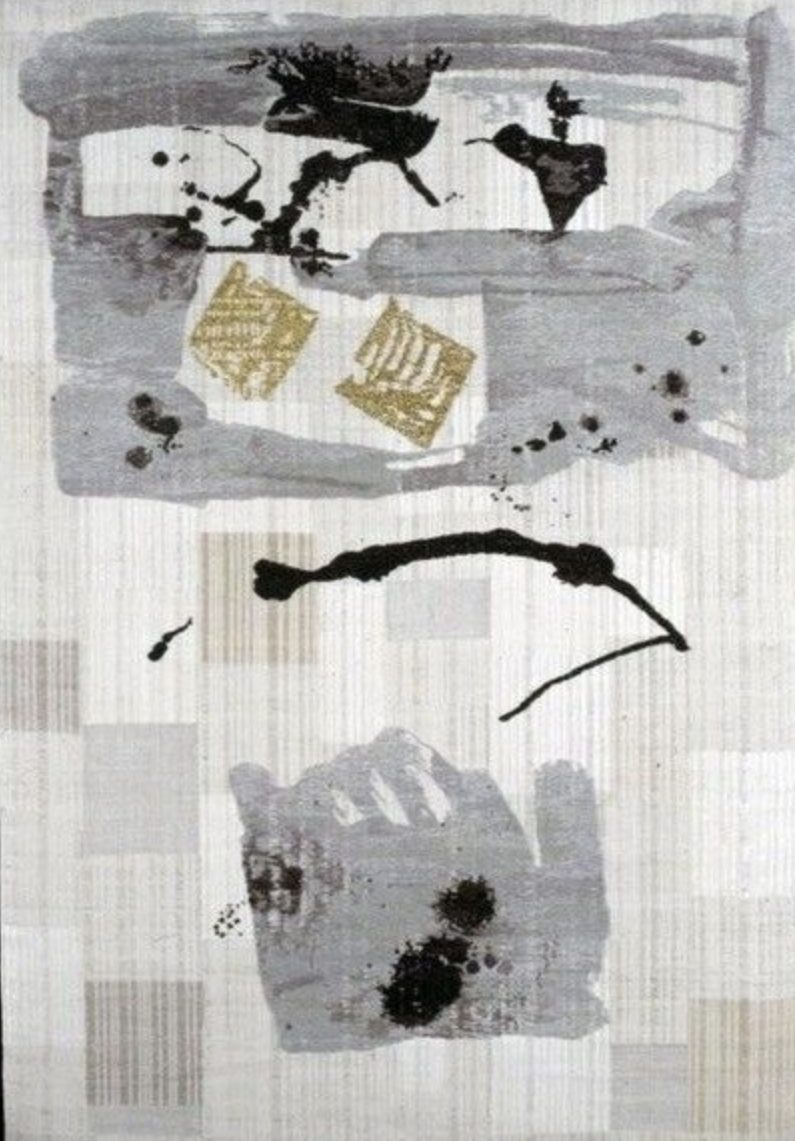
Designs by Hans Krondahl.
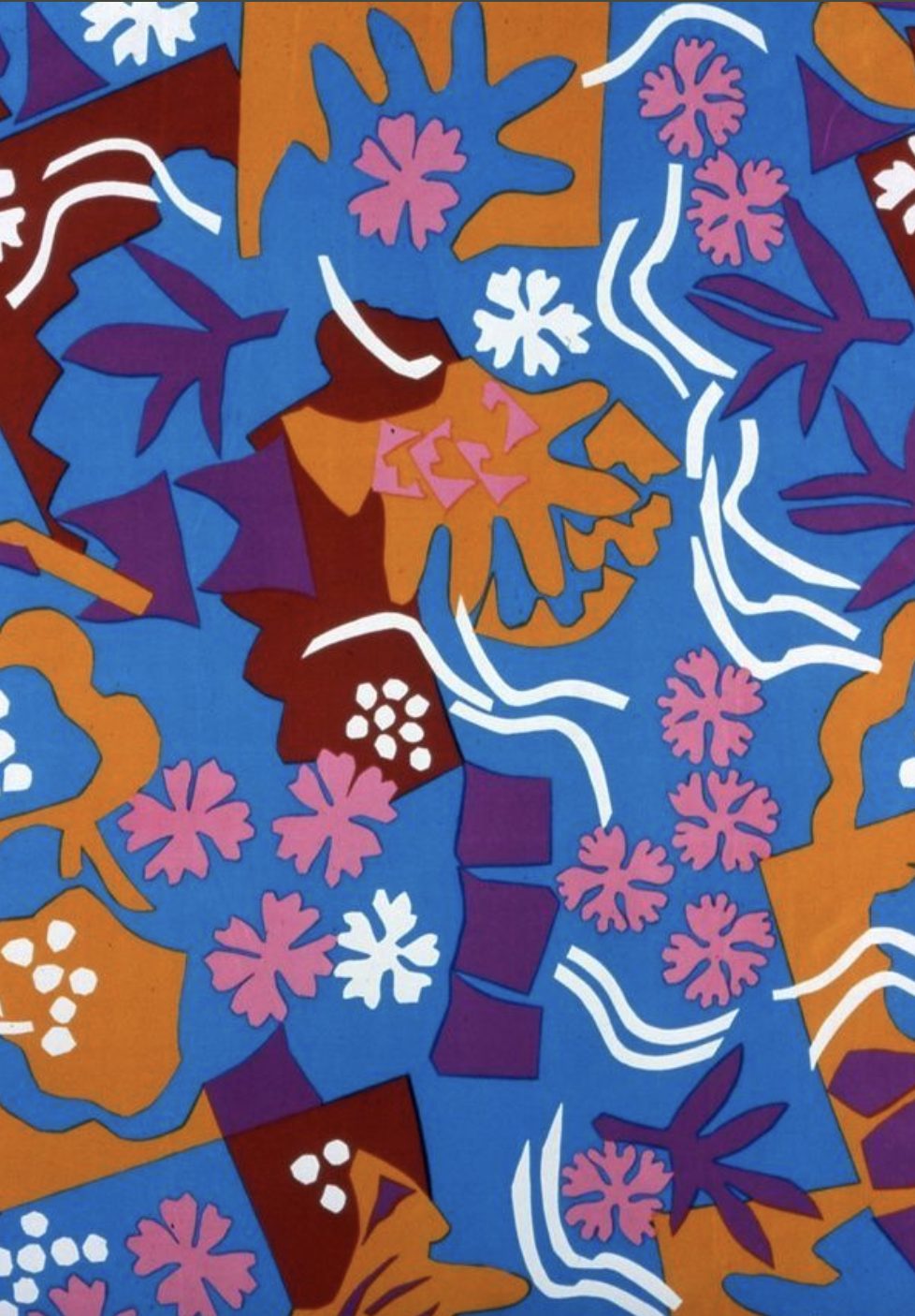
“Pacific”, by Swedish designer Hans Krondahl.
Krondahl’s Design Approach
The hallmarks of a Krondahl rug are immediately identifiable to the trained eye. Bold, geometric patterns that echo the rhythmic precision of Mondrian yet employ color with the emotive intensity of Matisse.
His palette frequently draws from the natural world of his Nordic homeland—deep forest greens, crystalline blues, and the burnt oranges of autumn foliage—yet arranged in compositions that feel distinctly modern.
What distinguishes Krondahl from many contemporaries was his approach to pattern and scale. While the predominant Scandinavian aesthetic often embraced restraint, Krondahl’s work demonstrates a willingness to explore dynamic tension through contrasting elements.
Traditionally, Swedish rug making had followed either the rya or röllakan techniques. Krondahl mastered both but frequently subverted their conventional applications.
His double-weave techniques created unprecedented depth and texture, while his exploration of pile height variations introduced sculptural dimensionality to what had previously been flat surfaces.
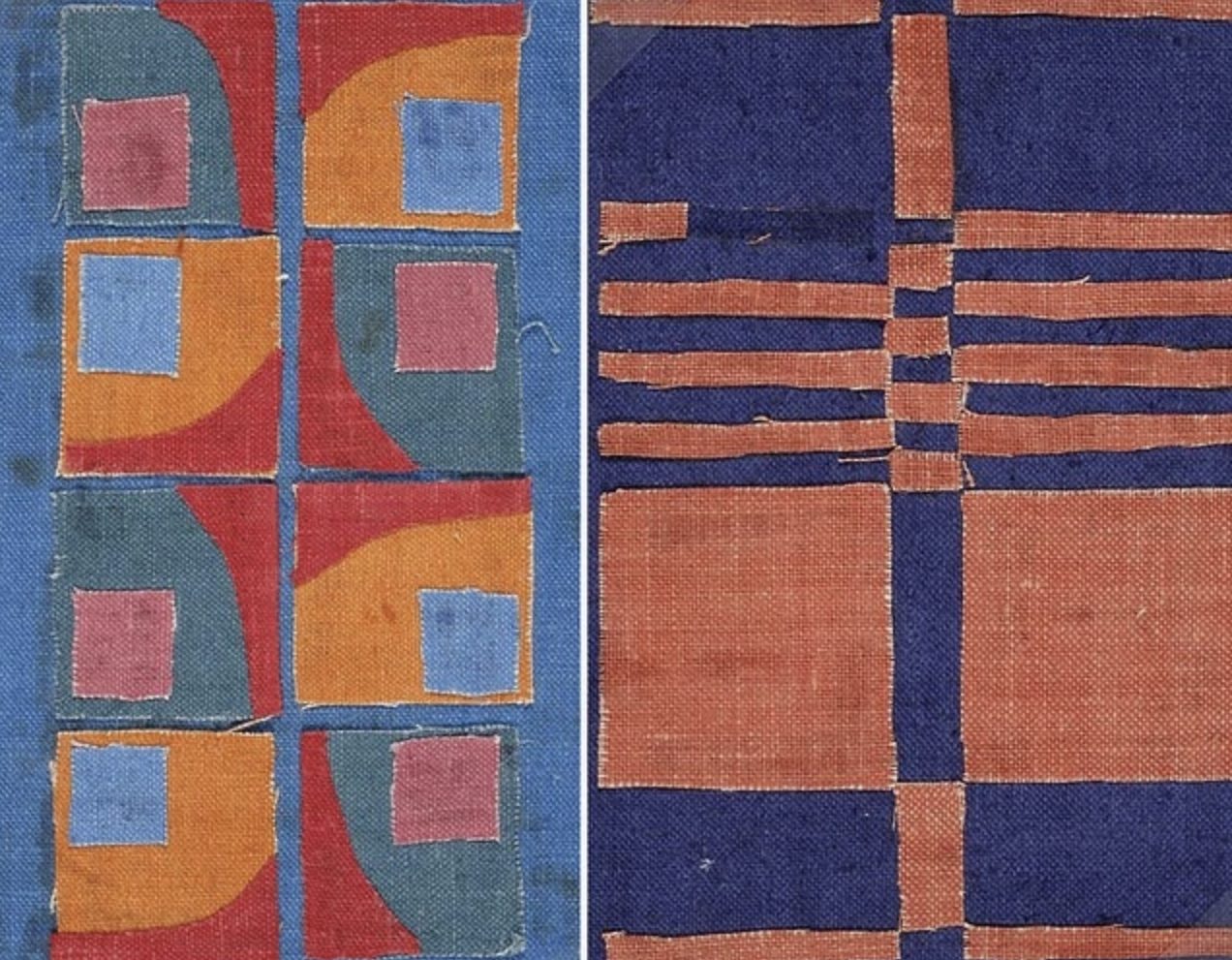
Sketch, rug, Jojk, 1977. Kalmar County Handicrafts Association HANS KRONDAHL
Significance of Krondahl’s work
The significance of Krondahl’s work extends beyond aesthetic innovation. He emerged during a critical juncture when boundaries between applied and fine arts were being questioned and redefined.
His contemporaries in the fiber art movement—Magdalena Abakanowicz in Poland, Sheila Hicks in America—were similarly elevating textile arts from craft to recognized artistic medium. Krondahl’s rugs, particularly his limited commissions for public spaces, participated in this broader cultural reappraisal of hierarchies within visual arts.
His influence on subsequent generations of textile designers cannot be overstated. The renewed interest in his work coincides with contemporary design’s embrace of tactility and materiality as counterpoints to our increasingly digital existence.
Young designers studying Krondahl’s work discover not merely historical artifacts but living examples of how traditional techniques can be vehicles for innovation.
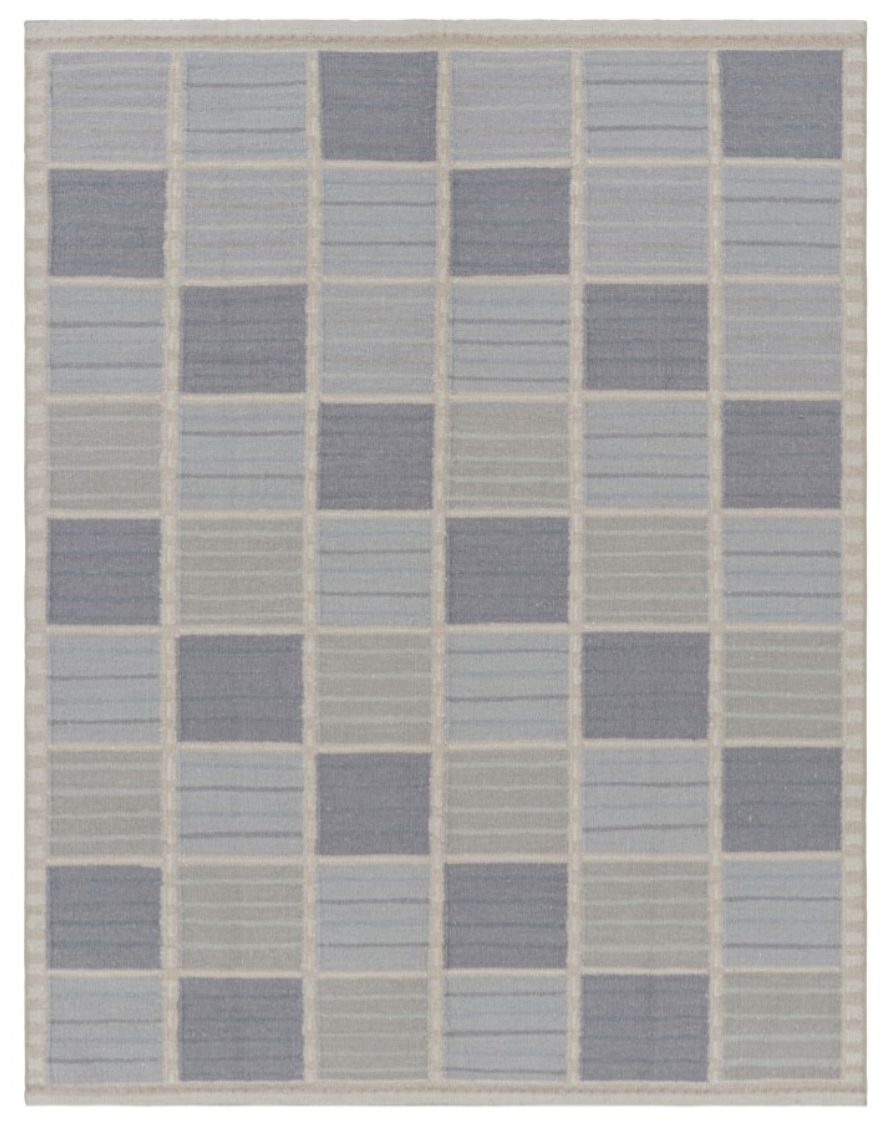
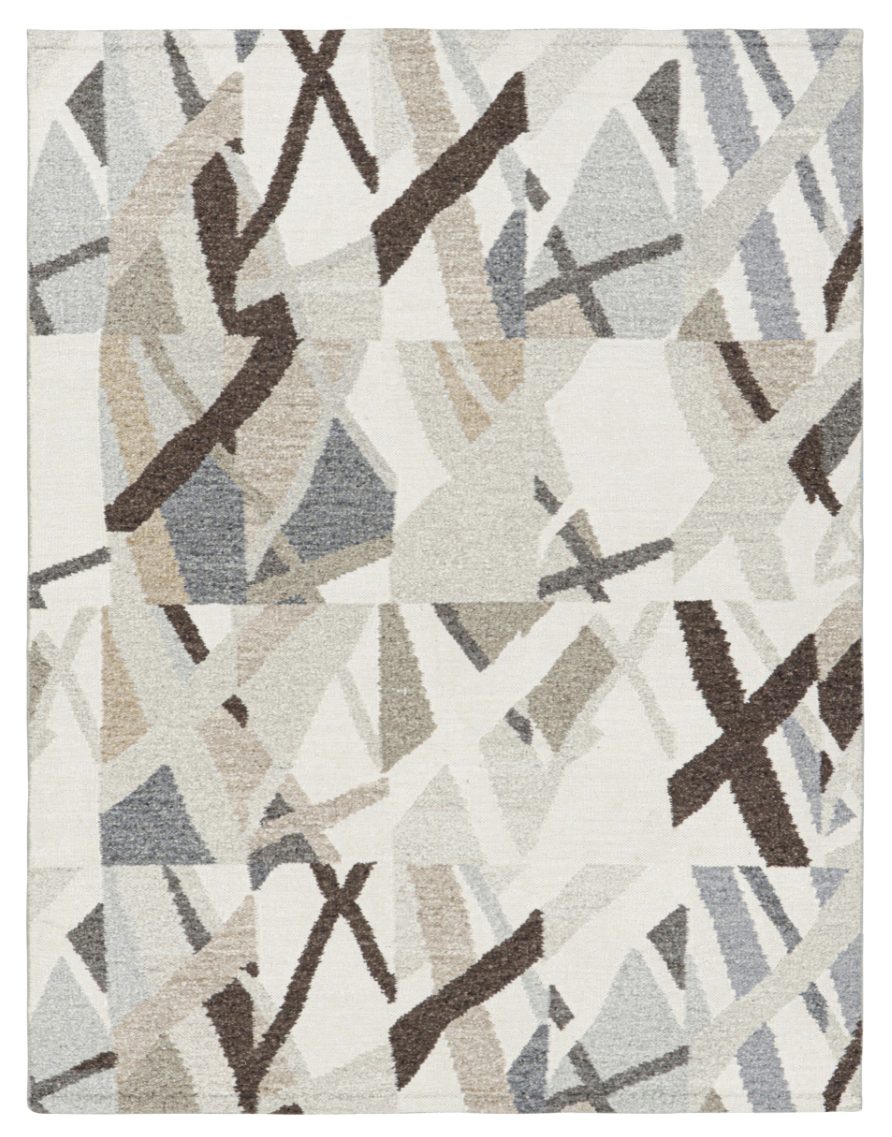
Legacy of Hans Krondahl
Great textiles do not reveal themselves immediately—they unfold through time, through light, through the rhythms of daily life.
This insight reflects Krondahl’s understanding of how his works function within lived spaces. Unlike paintings that command immediate attention, his rugs reveal their complexity gradually through interaction and changing ambient conditions.
The market for Krondahl’s work has seen significant appreciation over the past decade, particularly for his signed limited-edition pieces. What was once a niche collector’s interest has expanded as contemporary interior design increasingly values authentic artifacts of modernist design.
His larger commissioned pieces, when they occasionally emerge at auction, now command prices comparable to significant paintings from the same era—a testament to the art world’s evolving recognition of textile arts.
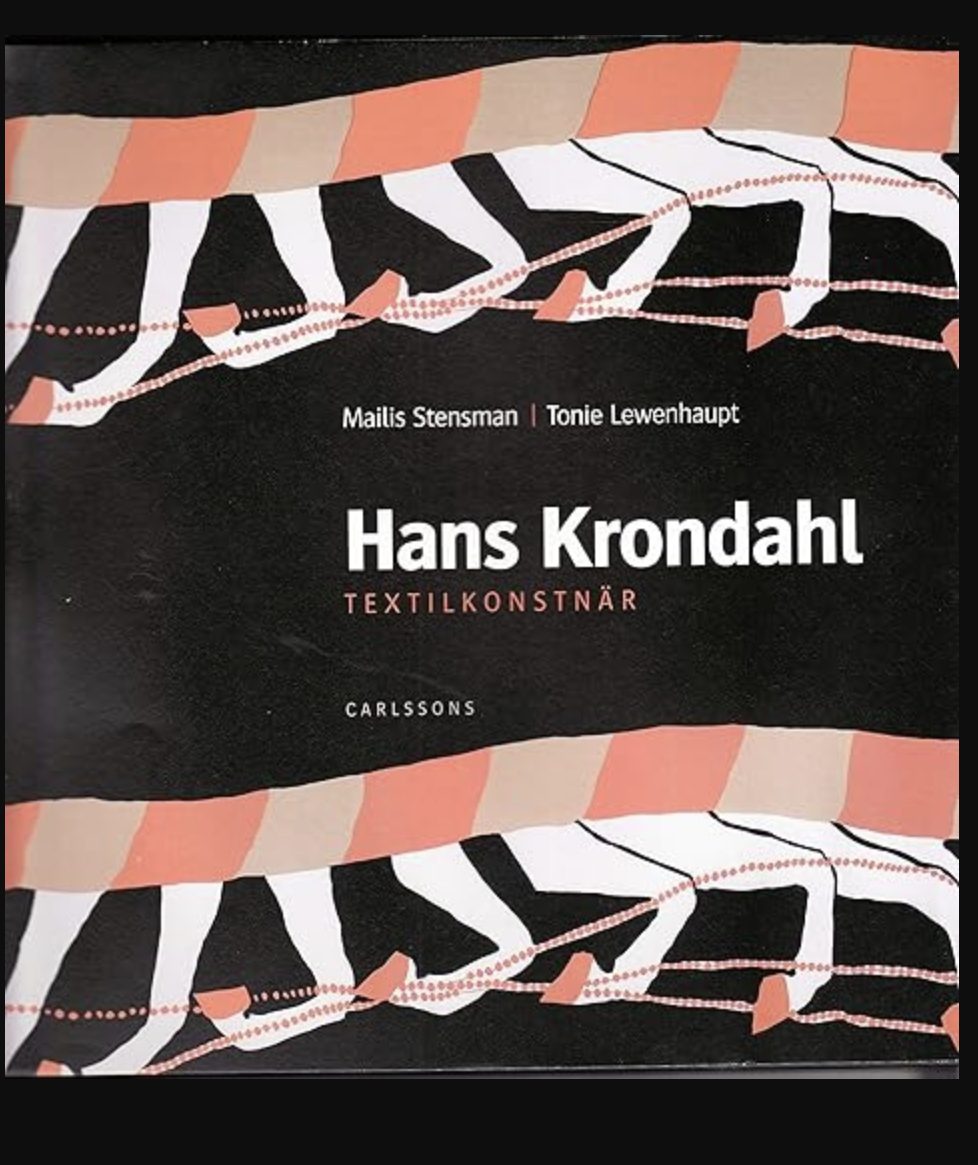
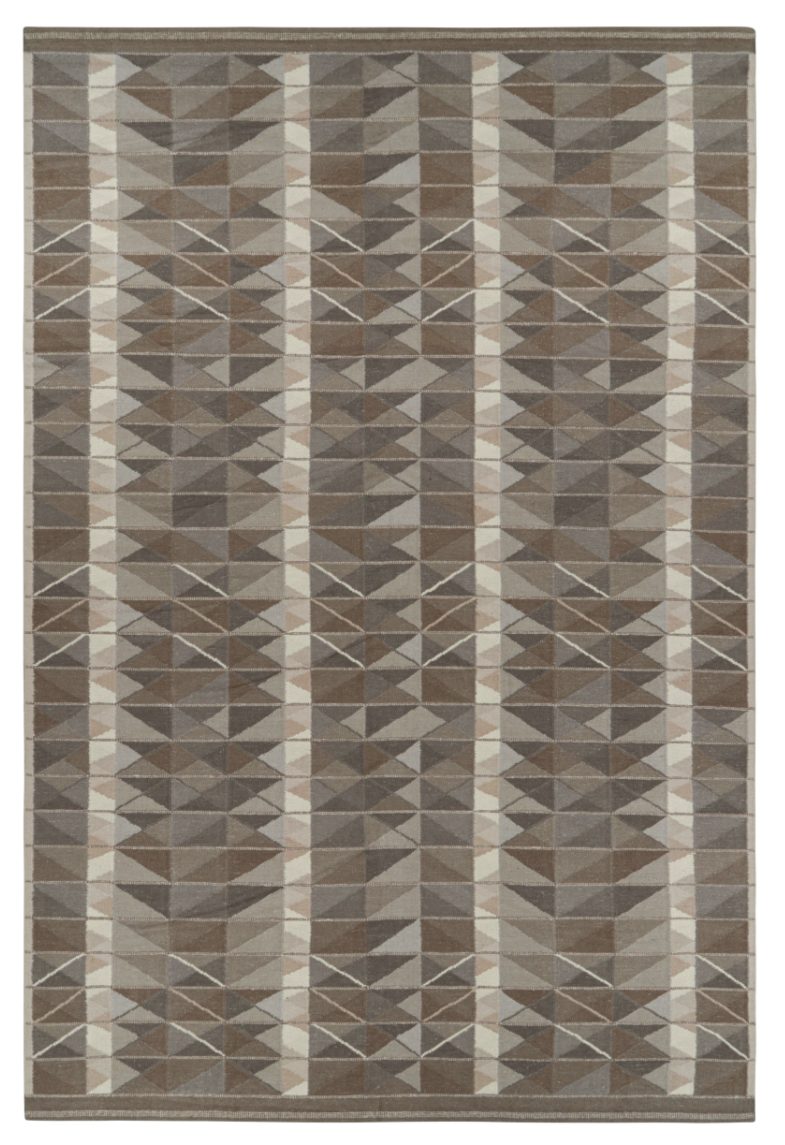
The renewed appreciation for Krondahl’s contribution comes at a time when sustainability in design takes center stage. His lifelong commitment to natural materials and processes that honored Swedish craft traditions resonates with contemporary concerns about ethical production and environmental impact.
In this sense, his work feels remarkably prescient—beauty that emerges from respect for materials and traditional knowledge.
The greatest works exist between tradition and revolution.
For collectors, scholars, and enthusiasts alike, Hans Krondahl’s rugs remain powerful testaments to a moment when Scandinavian design redefined global aesthetics through its commitment to beauty in everyday life.