
The Art of Living with Scandinavian Tapestries
March 13, 2025
Hans Krondahl and the Revival of Swedish Textile Art in the 20th Century
March 19, 2025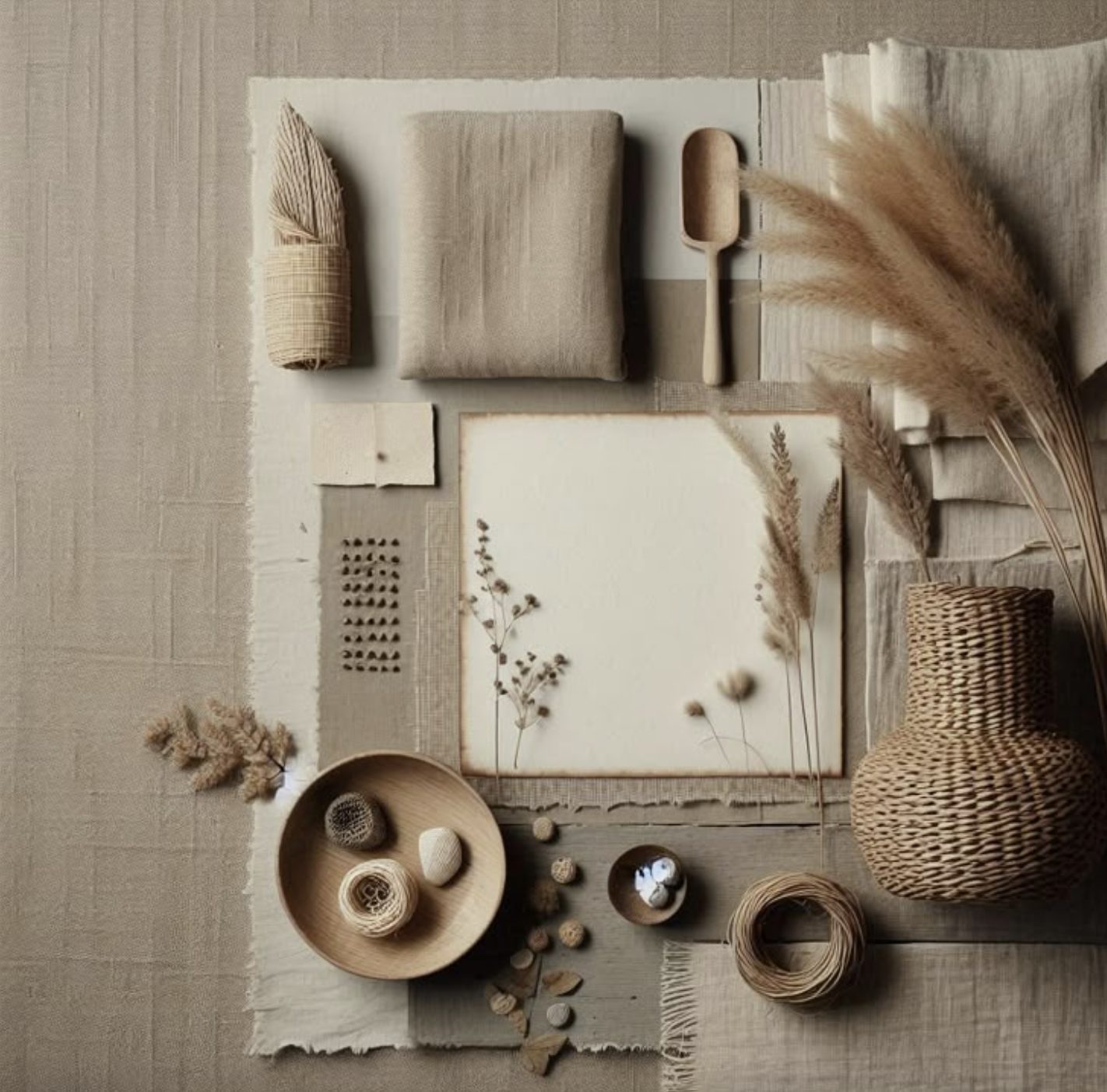
Eco-Conscious Interior Design
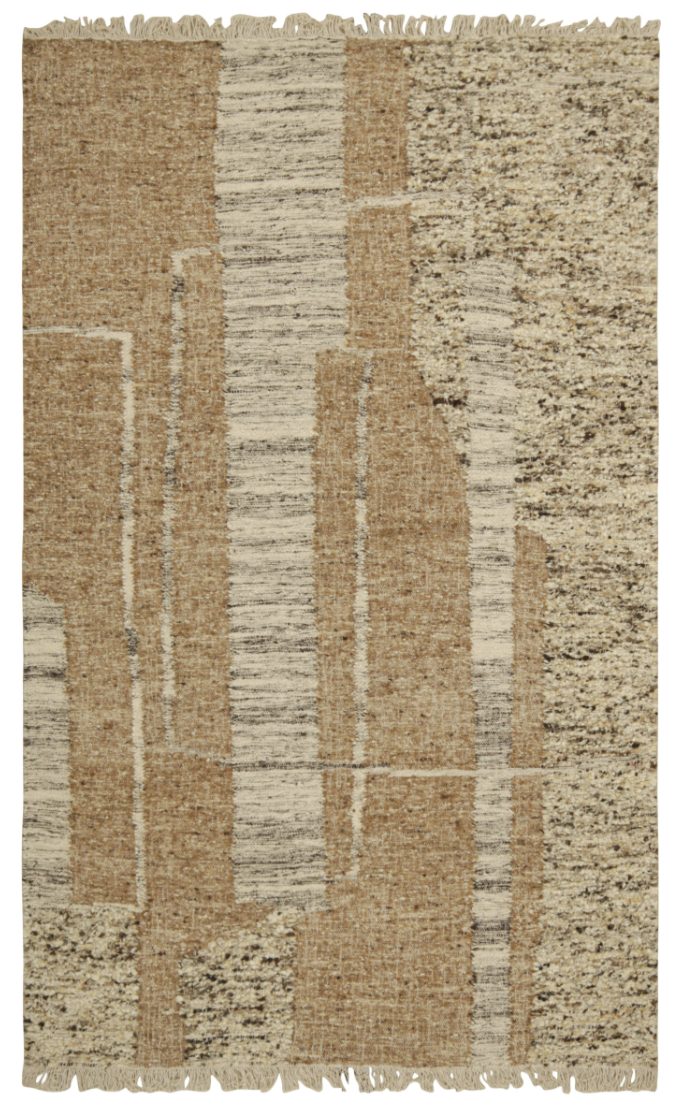
The resurgence of flatweave rugs in eco-conscious materials represents one of the most significant developments in contemporary interior design.
As both curator and witness to this revolution over the past few decades, we have observed how these textiles transcend mere floor coverings to become emblematic of our era’s most pressing concerns.
The greatest luxury of our time is not excess, but conscience.
This sentiment echoes throughout design studios from Copenhagen to Kyoto, where contemporary sustainable flatweaves in verdant hues and natural materials have transformed from niche experiments to essential elements of thoughtful interiors.
Historical Context: From Necessity to Art
Flatweave techniques date back millennia, with nomadic tribes creating utilitarian textiles that were lightweight yet durable.
The kilims of Anatolia, dhurries of India, and kelims of Persia – all share the fundamental characteristics we now prize in modern sustainable design: efficiency of materials, longevity, and adaptability.
What distinguishes today’s green flatweaves is their conscious dialogue with this history.
Much as the Bauhaus movement sought to reunite craftsmanship with industrial production, contemporary weavers are reconnecting ancient techniques with modern ecological imperatives.
The resulting textiles speak a visual language that is simultaneously primordial and futuristic.
We are not creating something new, but rather rediscovering wisdom embedded in traditional practices and recontextualizing it for contemporary needs. This perspective has become central to the work of studios from Stockholm to Marrakech.
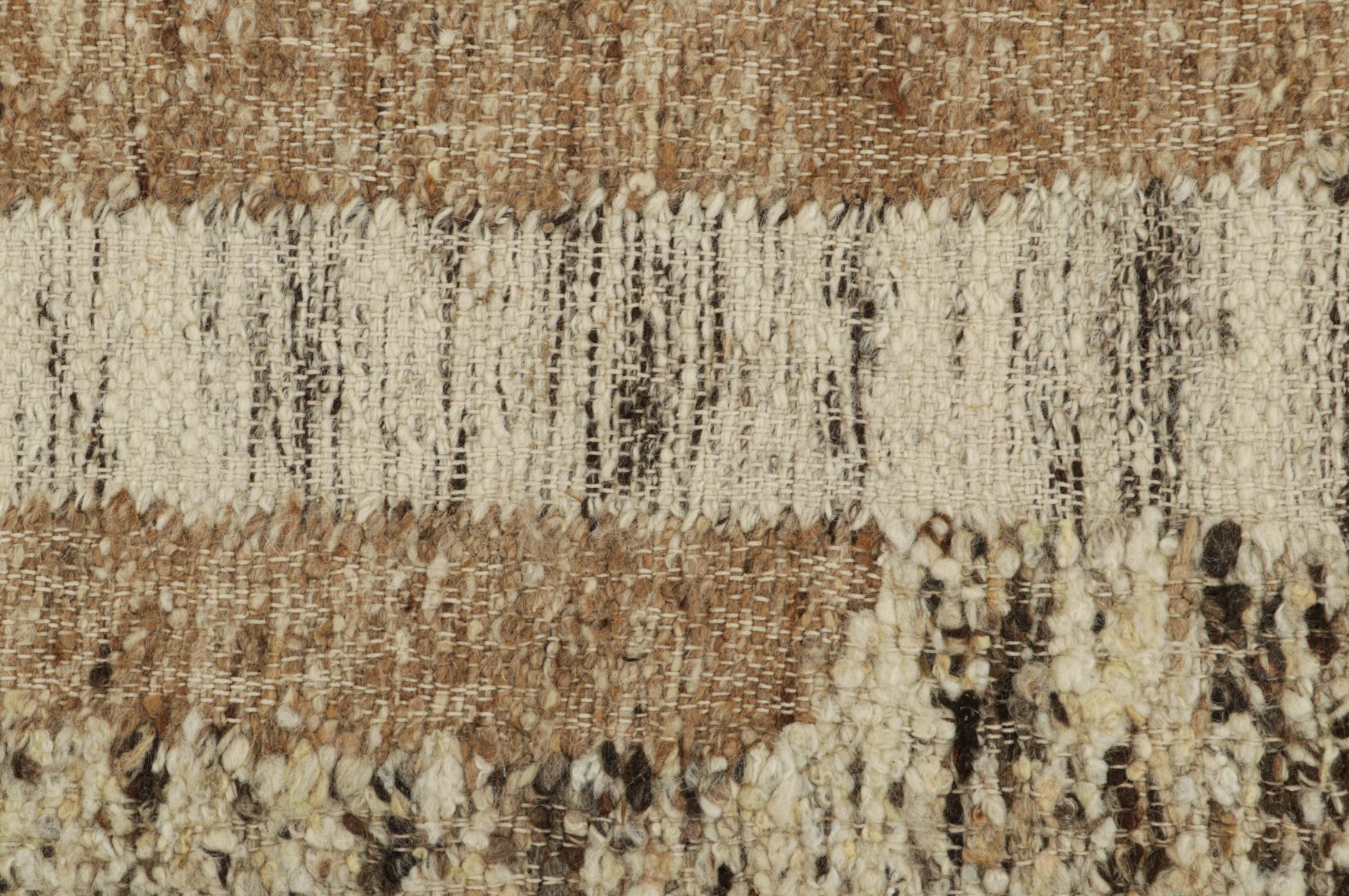
Material Revolution of Contemporary Sustainable Flatweaves
The materiality of modern green flatweaves represents perhaps their most revolutionary aspect.
Hemp, organic cotton, recycled PET, and innovative fibers derived from seaweed, nettles, and agricultural waste have transformed the tactile and environmental qualities of these pieces.
Like the Arte Povera movement’s elevation of humble materials to high art, today’s sustainable flatweaves transform the overlooked into the essential.
One remarkable example is the use of recycled fishing nets – once ocean pollutants, now reimagined as durable, color-rich textiles that bring the oceanic palette into urban environments.
The most radical act in our time may be to create beauty from what others discard.
This ethos permeates workshops where industrial waste becomes the raw material for textiles of exceptional quality and aesthetic value.
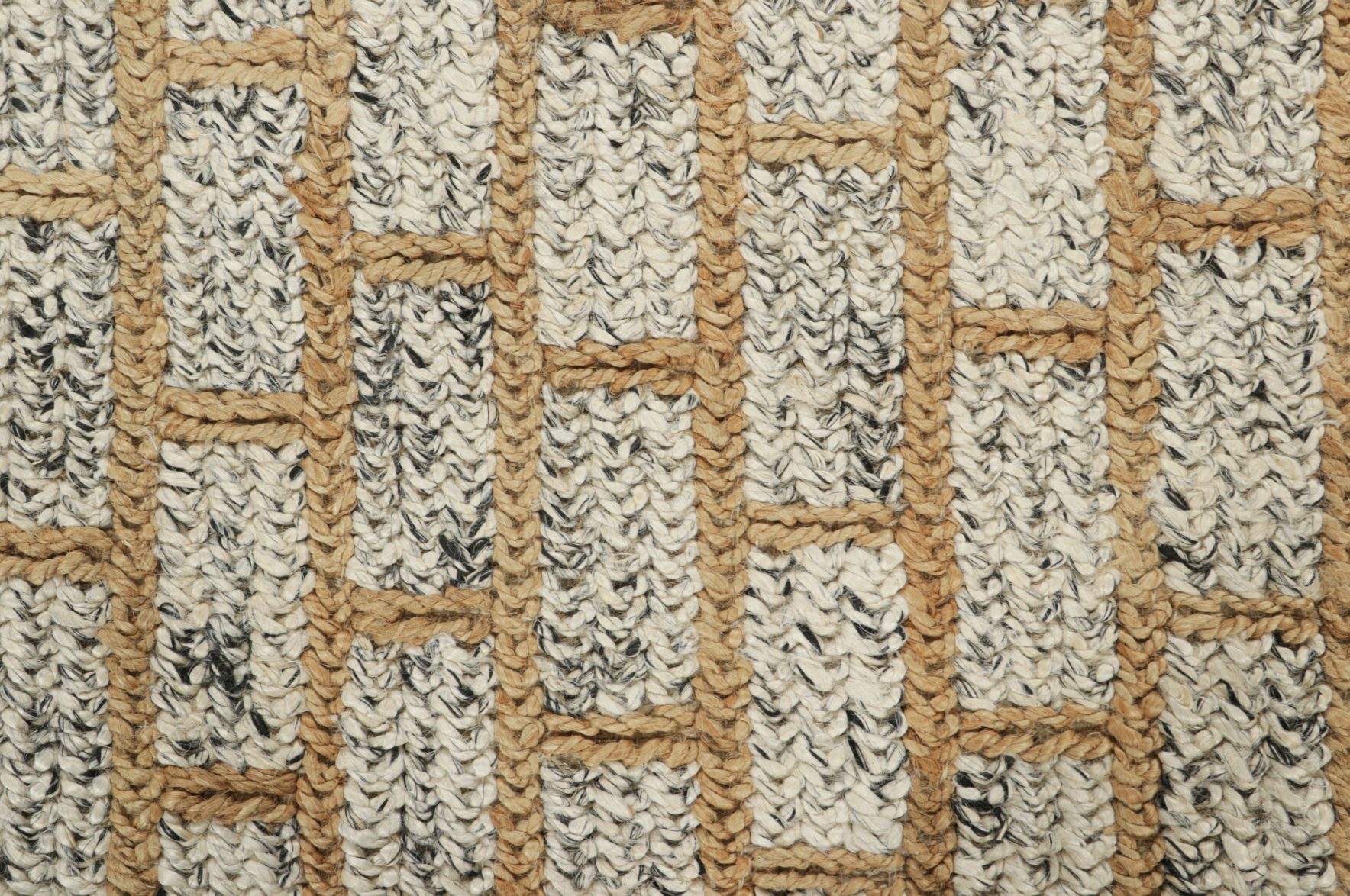
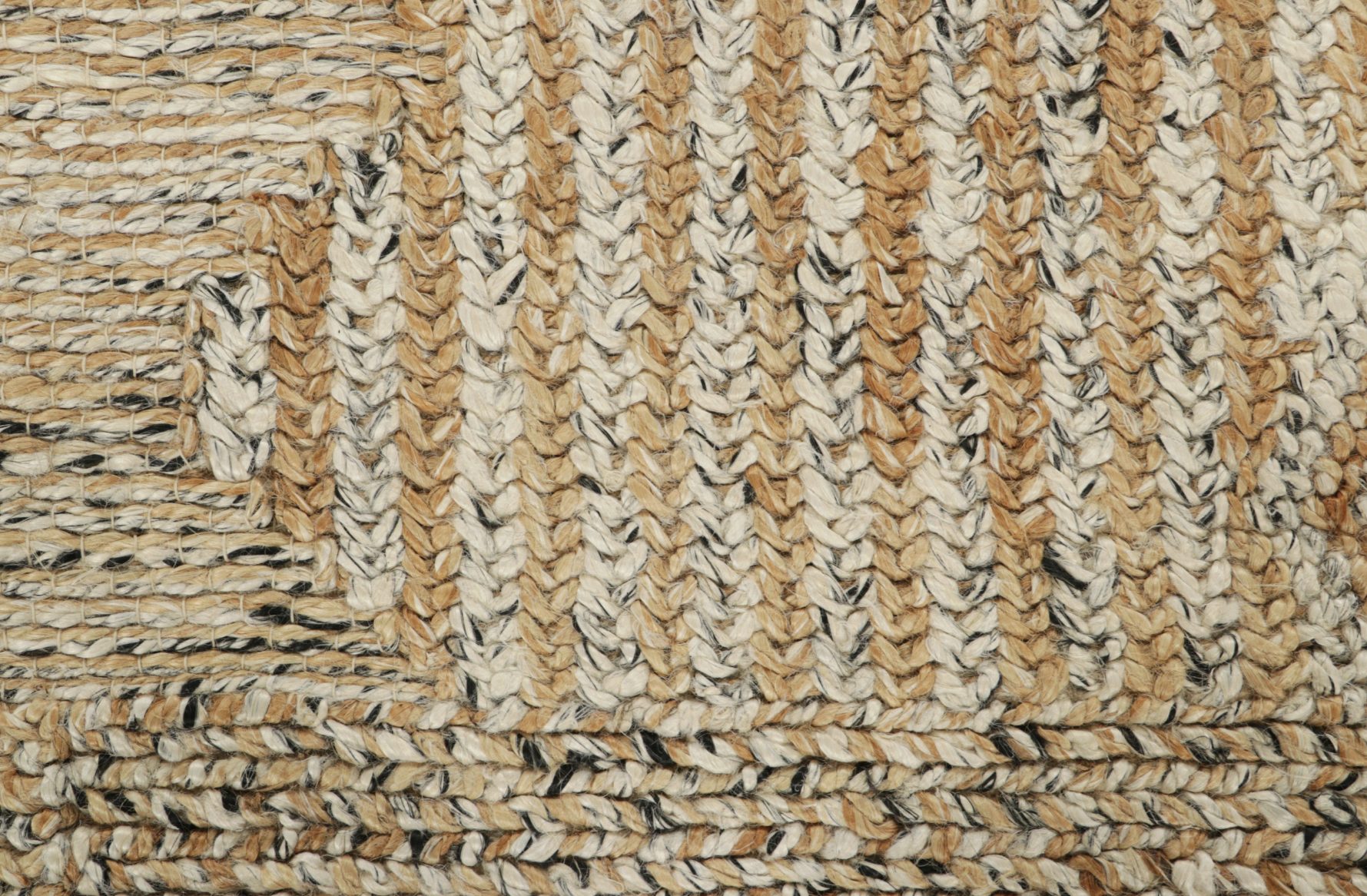
Sustainable Design
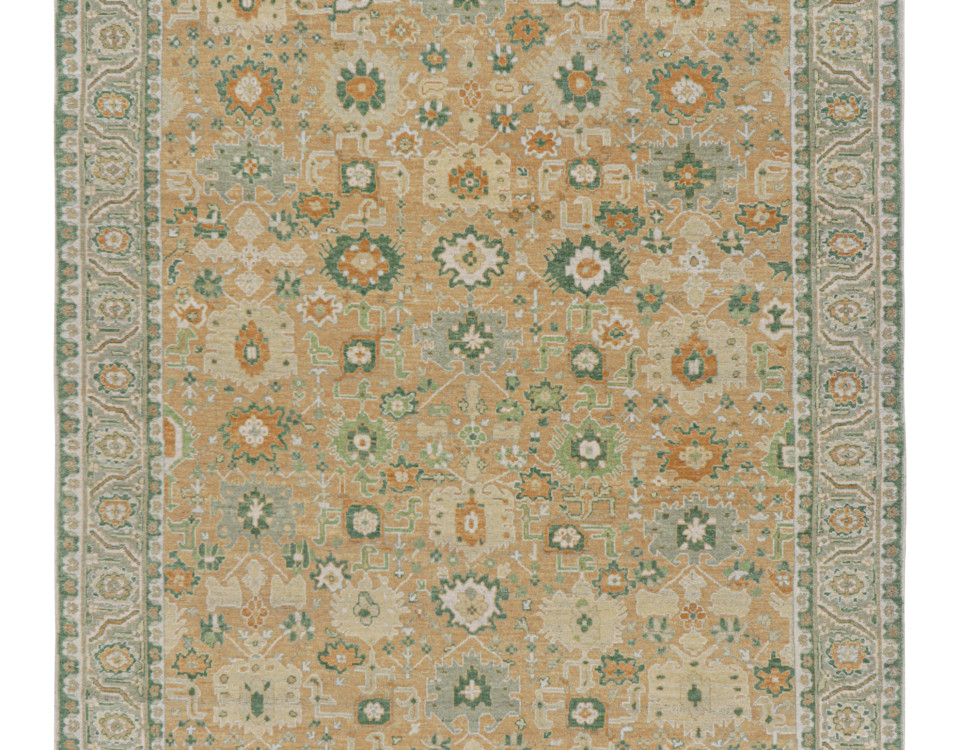
The “green” in modern flatweaves operates on multiple levels – both as environmental ethos and as chromatic choice.
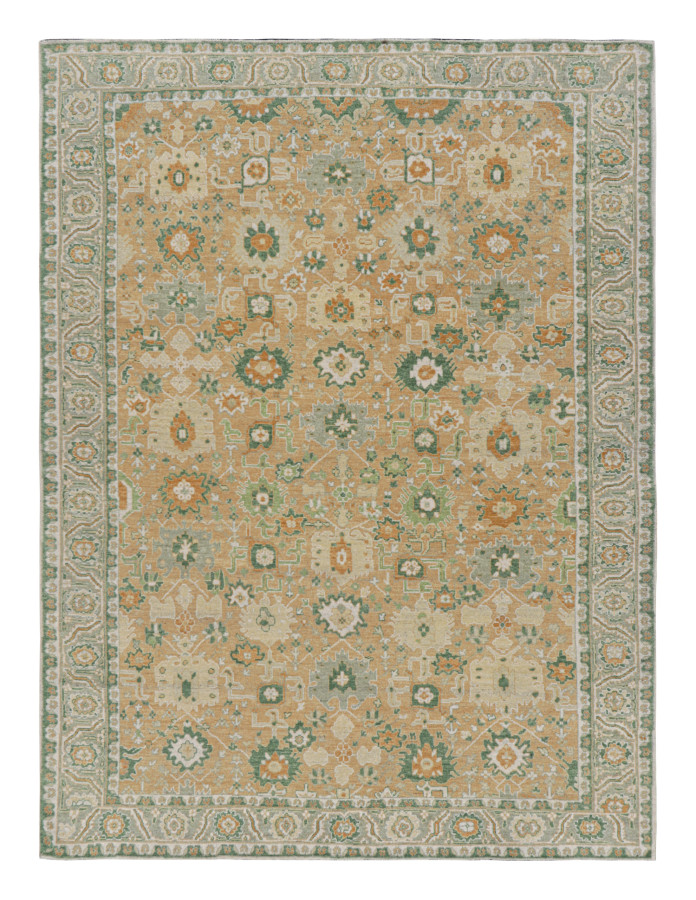
The palette has expanded dramatically beyond traditional earth tones to include everything from subtle celadon to vibrant chartreuse.
Particularly notable is how these textiles handle color relationships. Like the calculated juxtapositions in Josef Albers’ iconic “Homage to the Square” series, contemporary flatweaves explore how colors interact, creating optical effects that transform spaces through perception rather than physical intervention.
Color is not merely decorative but transformative – it alters not just how we see a space, but how we feel within it.
This understanding has led to flatweaves that function almost as site-specific installations, responding to and enhancing their architectural contexts.
Much as Minimalist sculptors found freedom within self-imposed restrictions, today’s weavers discover unexpected possibilities within the constraints of the form.
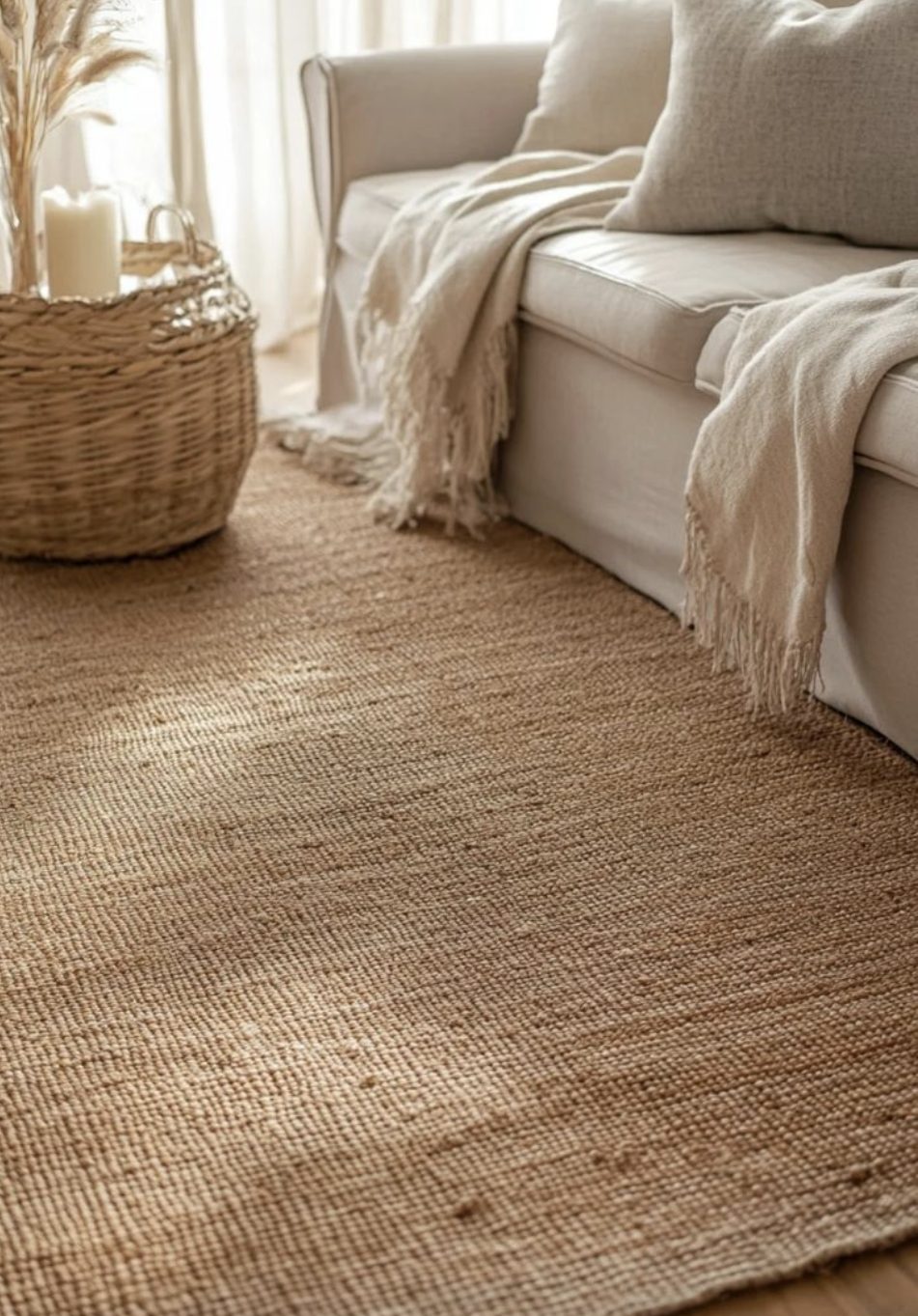
Sustainable Flatweaves in Modern Homes
Patterns now range from reinterpreted geometric motifs to complex algorithmic designs that would have been unimaginable to previous generations. Yet the fundamental techniques remain recognizable – a through-line connecting contemporary workshops to their historical antecedents.
Constraints are not limitations but foundations upon which imagination builds. This philosophy has yielded textiles that honor tradition while embracing contemporary aesthetics and ecological awareness.
Cultural Significance
The rise of eco-conscious flatweaves parallels broader cultural shifts toward sustainability, craftsmanship, and ethical production. These textiles embody what philosophers might call “embedded knowledge” – the accumulated wisdom of generations made tangible.
We are witnessing not a trend but a fundamental recalibration of values in design. This recalibration positions flatweaves at the intersection of past and future, craft and technology, global influences and local production.

Sustainable Textile Color Palette
Contemporary Contemporary Sustainable Flatweaves in Interiors
In contemporary interiors, sustainable flatweaves often function as conceptual anchors – grounding spaces not just physically but philosophically. Their presence signals values and creates subtle connections between architecture and furnishings.
Like the careful voids in Japanese painting or the negative space in sculpture, the relationship between flatweave and surrounding environment becomes as meaningful as the textile itself.
This spatial dialogue echoes how Abstract Expressionists understood the canvas – not as a surface for representation, but as a field of interaction and energy.
A truly sustainable interior achieves balance not through accumulation but through thoughtful reduction. This principle guides the integration of these textiles into the most compelling contemporary spaces.
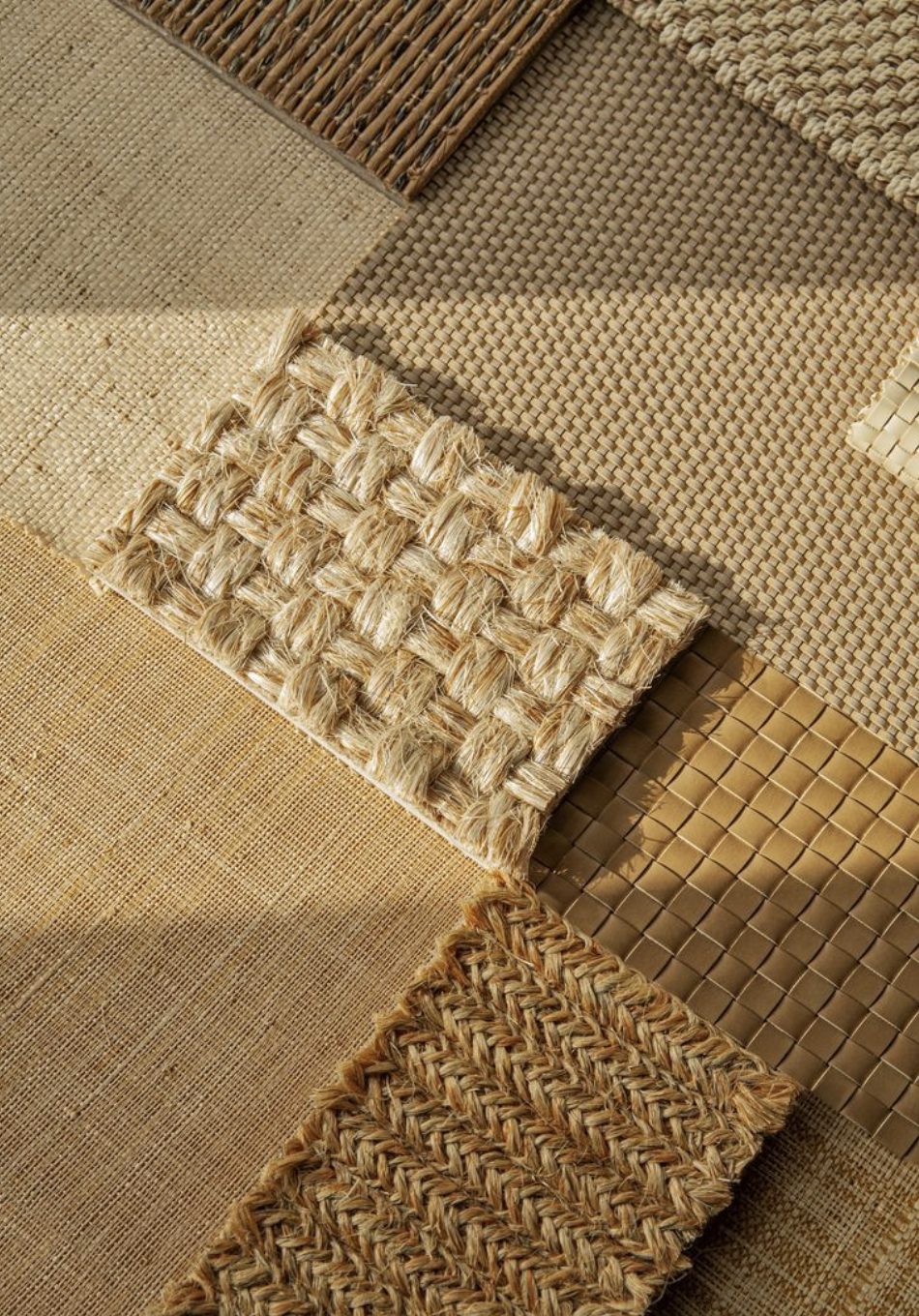
The Modern Flatweave Renaissance
For collectors, designers, and inhabitants alike, these textiles offer both practical solutions and philosophical statements. Like the best works in any medium, they transform our perception and, perhaps more importantly, our expectations of what materials can achieve.
In the continuous conversation between humanity and our built environment, these humble textiles speak volumes about who we are and who we aspire to become.
The most enduring design solutions often lie not in revolutionary breaks from the past, but in thoughtful evolution of what has always sustained us.