
Curatorial Perspectives: Suzani Rugs and Kilims as Cultural Heritage
March 12, 2025
The Connoisseur’s Guide to Contemporary Sustainable Flatweaves
March 17, 2025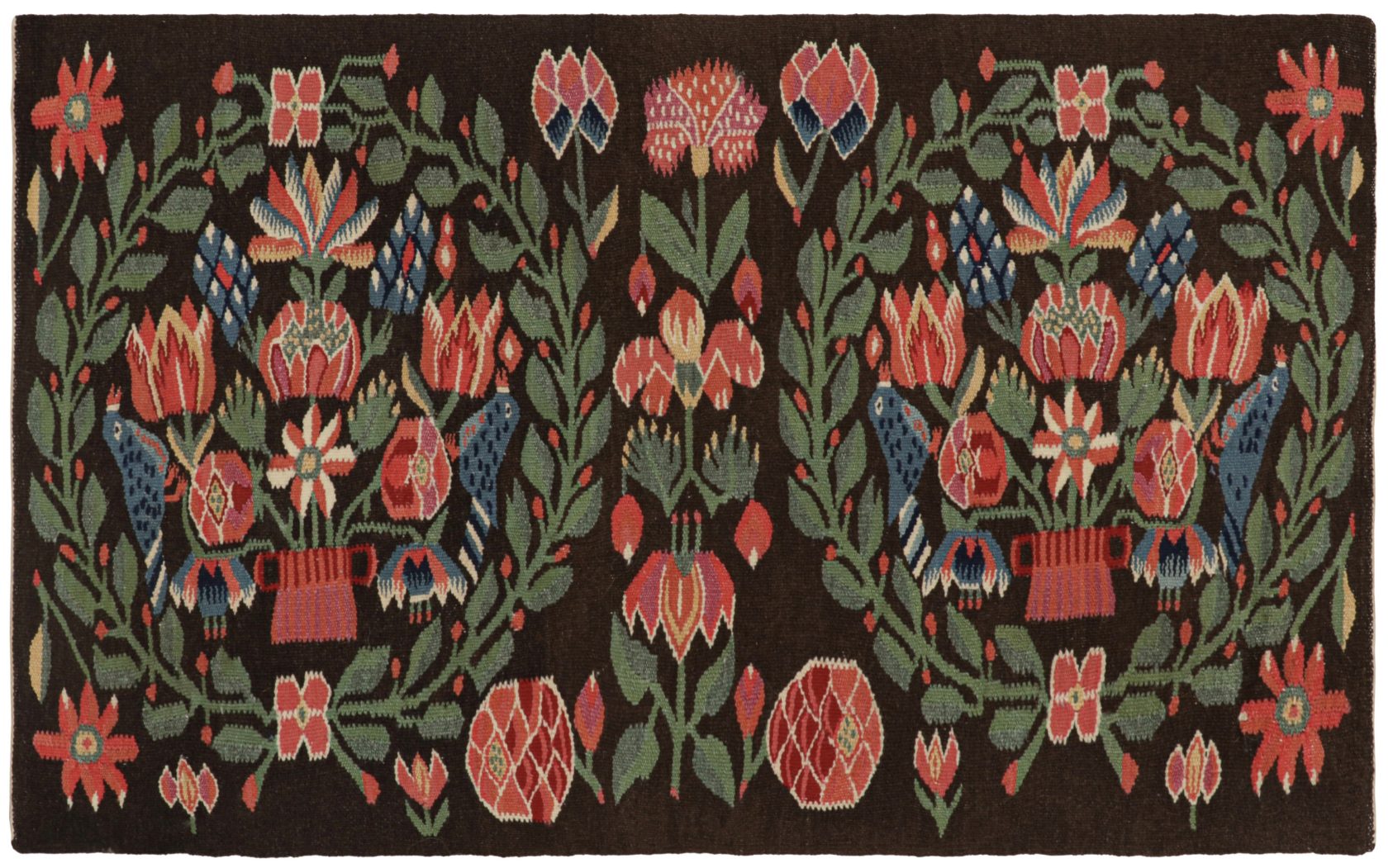
A Curator’s Perspective
The true beauty of Scandinavian tapestries lies not merely in their aesthetic appeal, but in their capacity to transform ordinary spaces into living museums.
After dedicating over four decades to building a definitive collection of Nordic textile art, we’ve witnessed firsthand how these woven narratives can breathe historical depth into contemporary interiors.
The tapestry is not mere decoration—it is a document of cultural memory.
This philosophy has guided our acquisition strategy, especially of Märta Måås-Fjetterström’s pieces.
Her revolutionary approach to textile design in the early 20th century marked a pivotal shift away from the heavy German influences that had dominated Scandinavian textile production.
Historical Context: From Medieval Utility to Modern Art
Scandinavian tapestry tradition spans nearly a millennium, with roots in the practical necessity of insulating homes against the brutal Nordic winters.
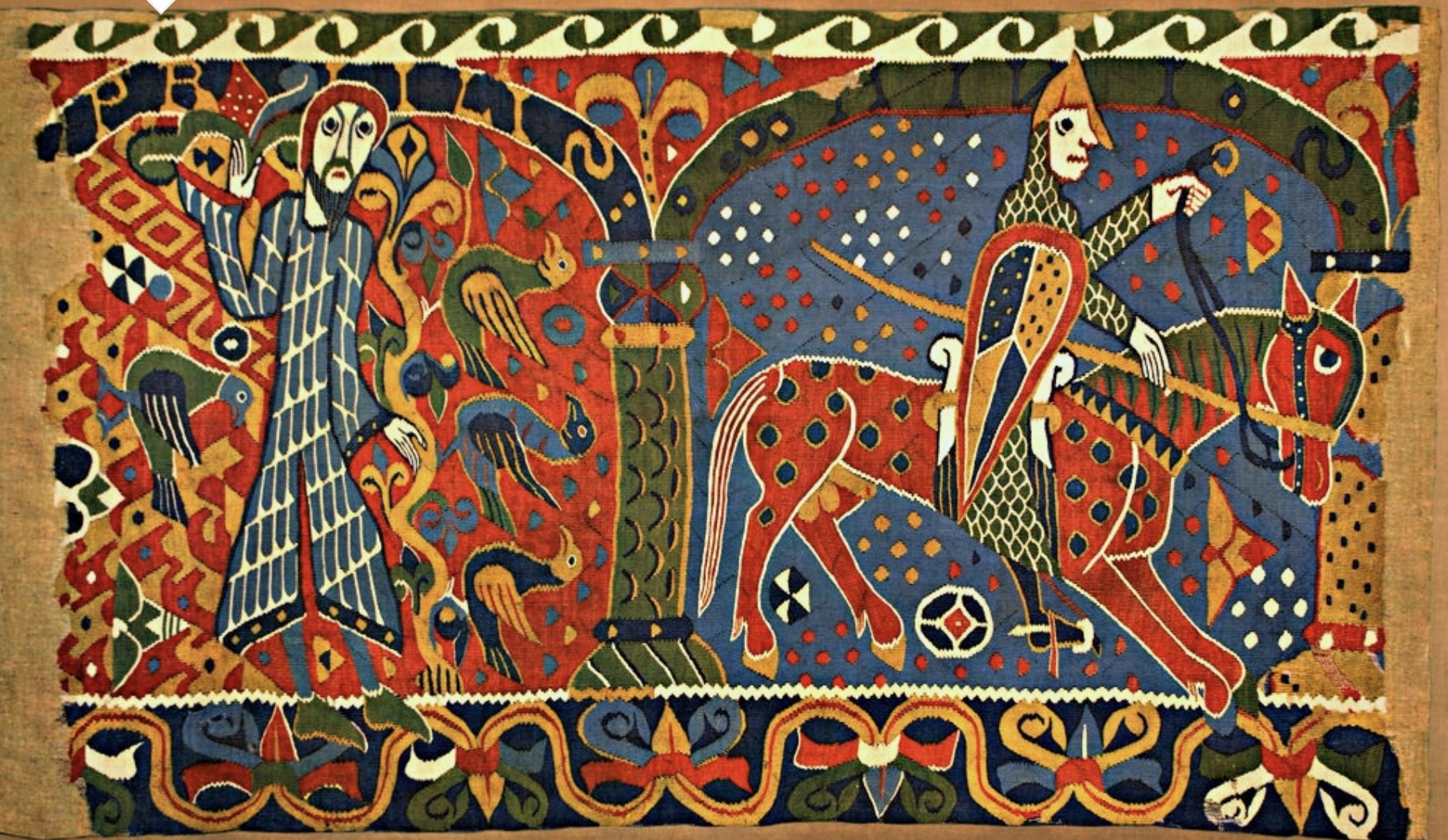
The 13th-century Norwegian “Baldishol Tapestry” represents one of the earliest surviving examples, displaying the distinctive geometric patterns and stylized figures that would become hallmarks of the regional aesthetic.
The medieval period saw tapestries serving dual purposes: functional warmth and visual storytelling.
Viking motifs—dragons, ships, and mythological scenes—dominated early works, later giving way to Christian iconography following the region’s conversion.
These early textiles reveal a fascinating parallel to manuscript illumination of the same period, with similar flat perspective and symbolic imagery.
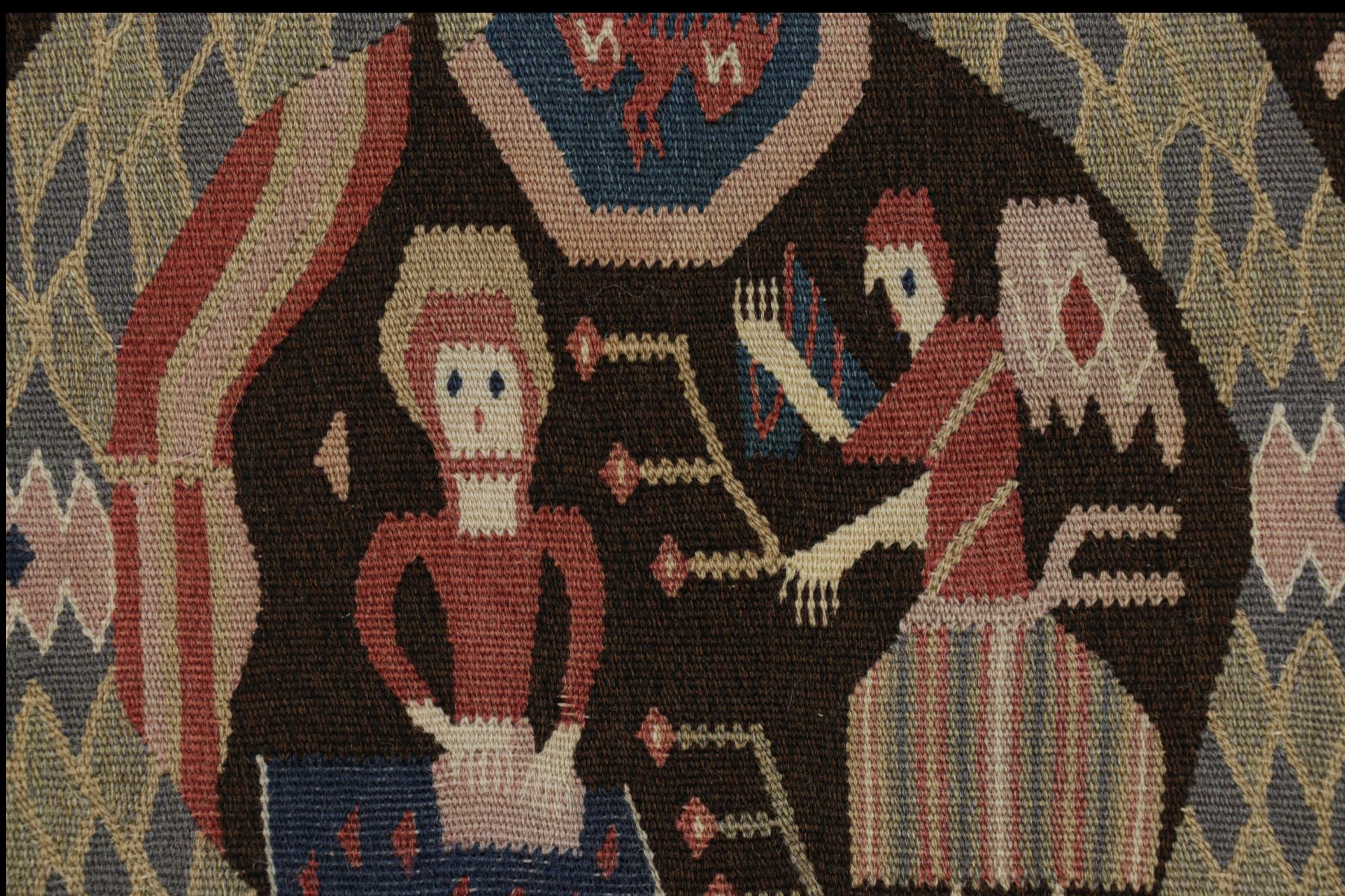
When we examine a 15th-century Swedish tapestry alongside contemporaneous German panel painting, we see not imitation but conversation—two distinct visual languages addressing shared cultural concerns.
This dialogue between mediums continues throughout Scandinavian art history, with tapestry designers consistently borrowing from and influencing their counterparts in painting, architecture, and sculpture.
Baldishol Tapestry
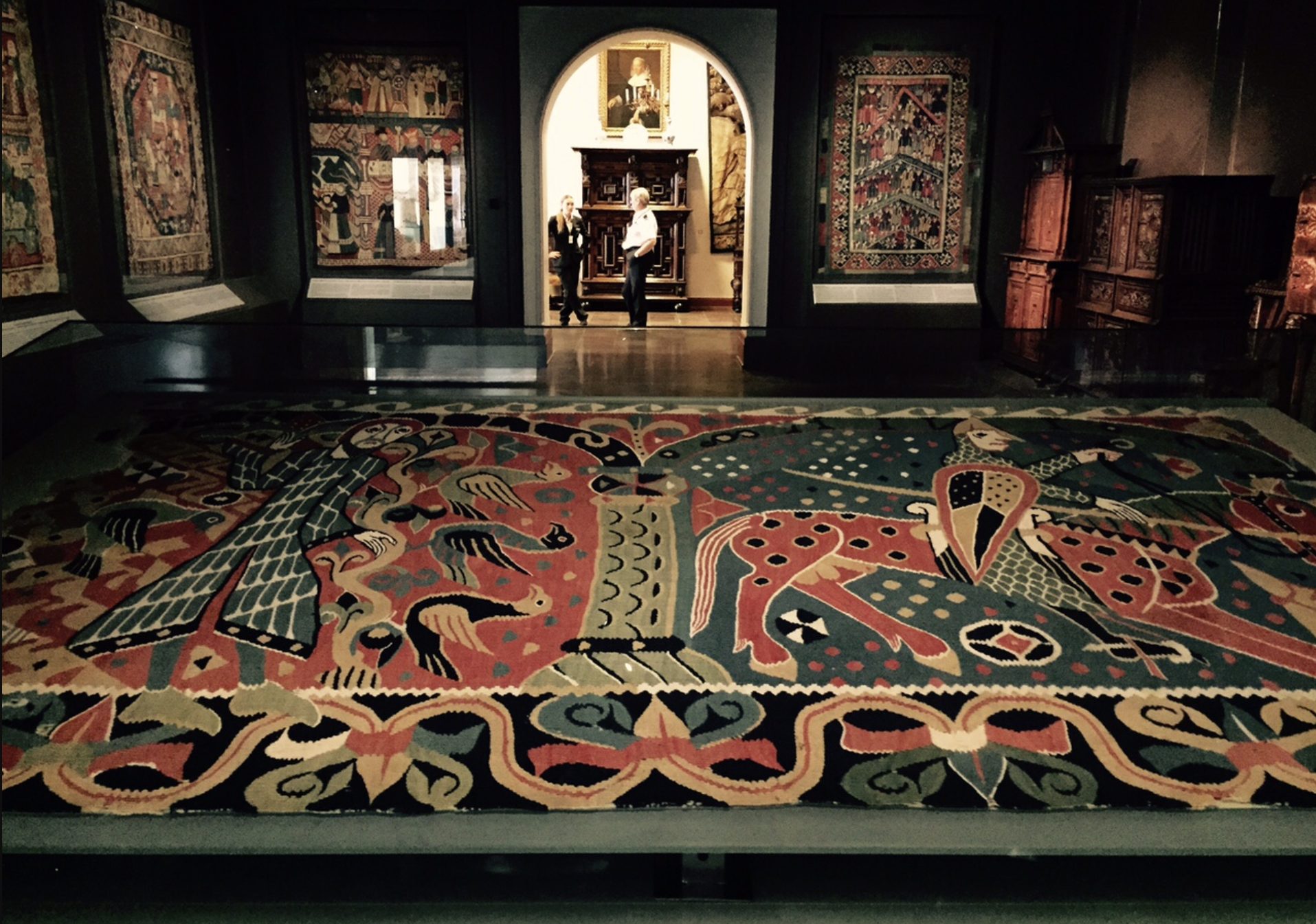
Baldishol Tapestry on display at the Norwegian Museum of Decorative Arts and Design in Oslo (Kunstindustrimuseet)
The Modern Renaissance of Scandinavian Tapestries
The true renaissance of Scandinavian tapestry came with the early 20th century’s reaction against industrialization.
The Swedish Hemslöjd (handicraft) movement, championed by figures like Carl and Karin Larsson, sought to preserve traditional craftsmanship against mass production.
This ideological foundation created fertile ground for designer-weavers like Märta Måås-Fjetterström, whose studio in Båstad became the epicenter of modernist textile innovation.
The post-war period witnessed an explosion of creativity in Scandinavian design.
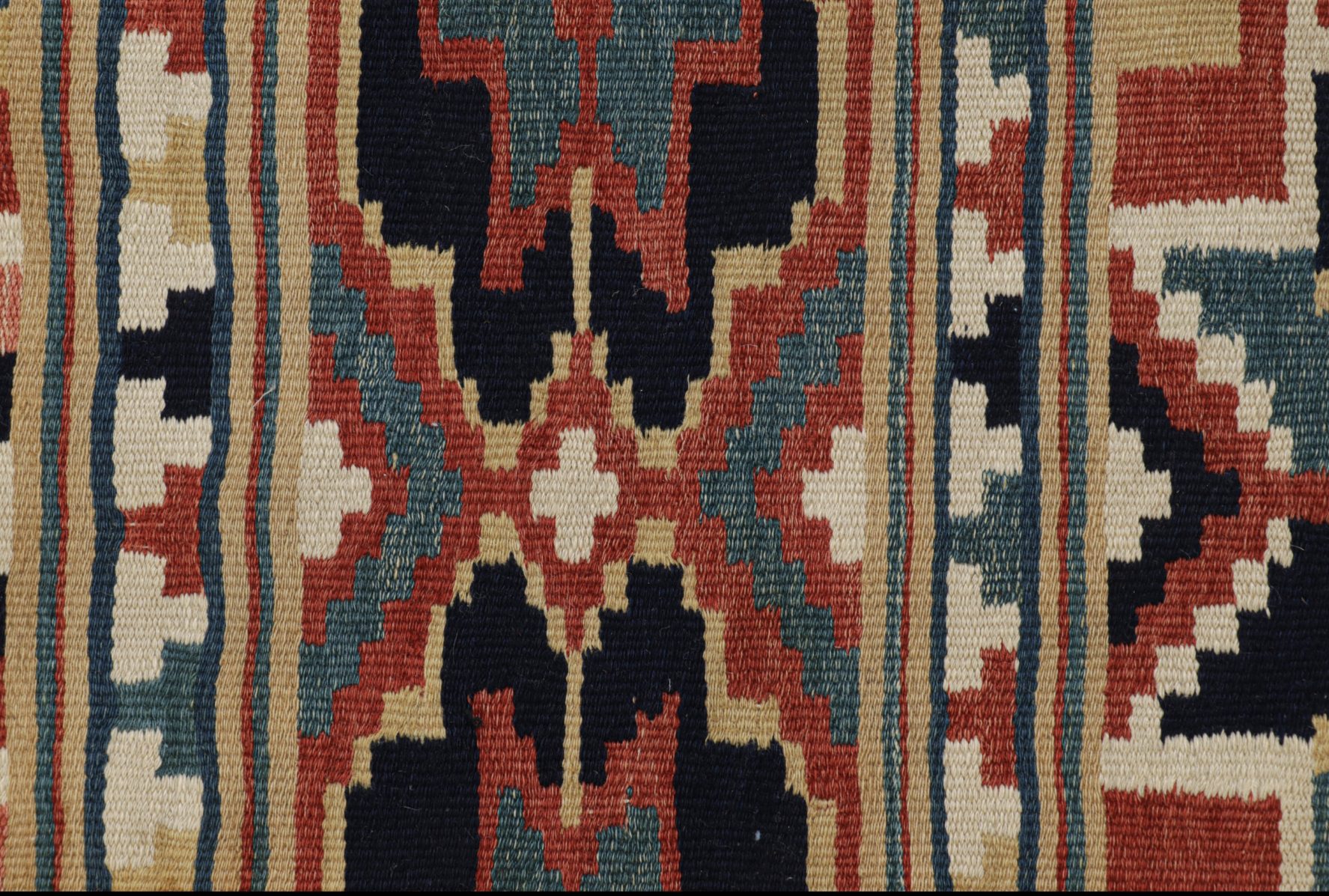
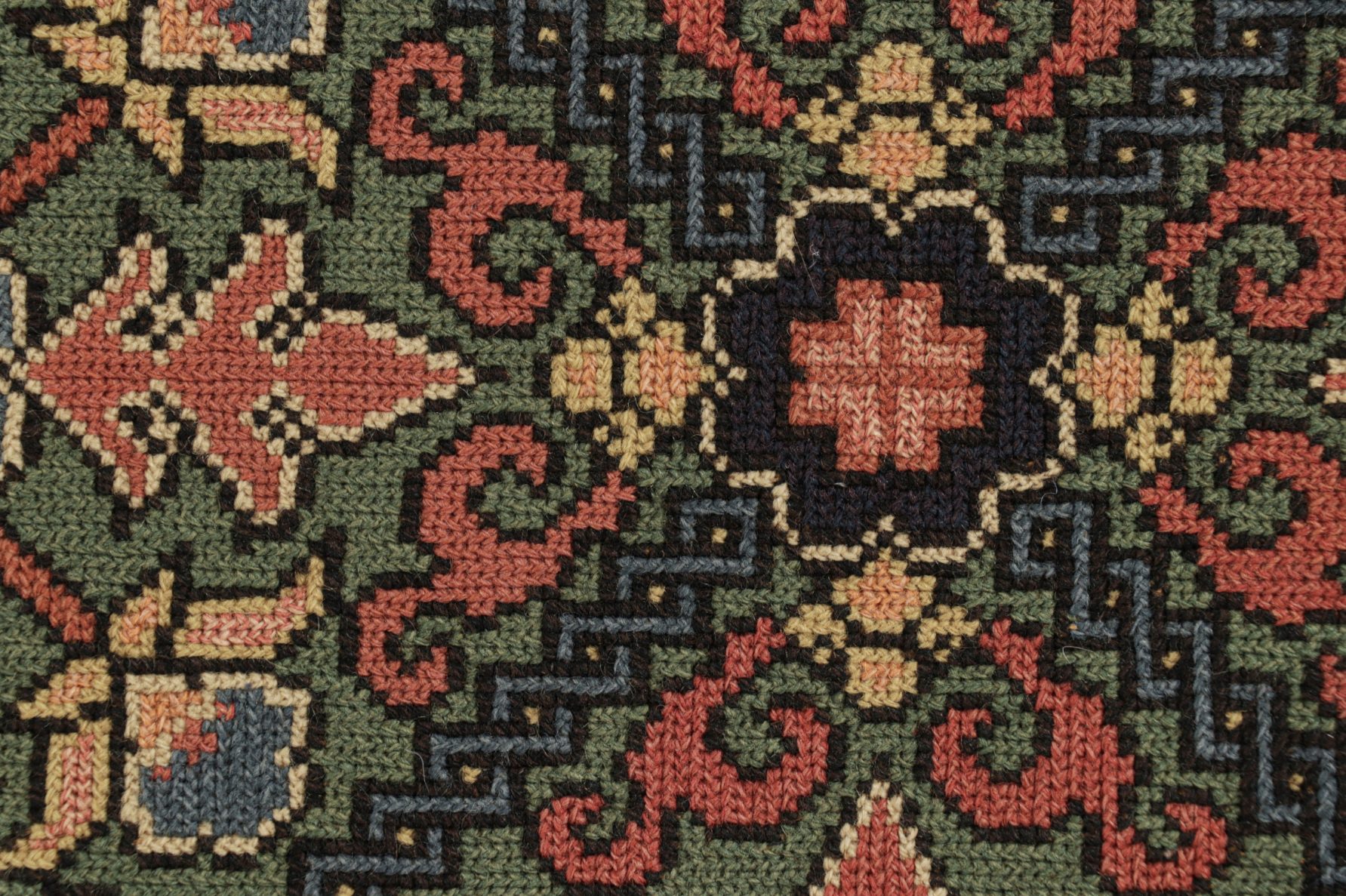
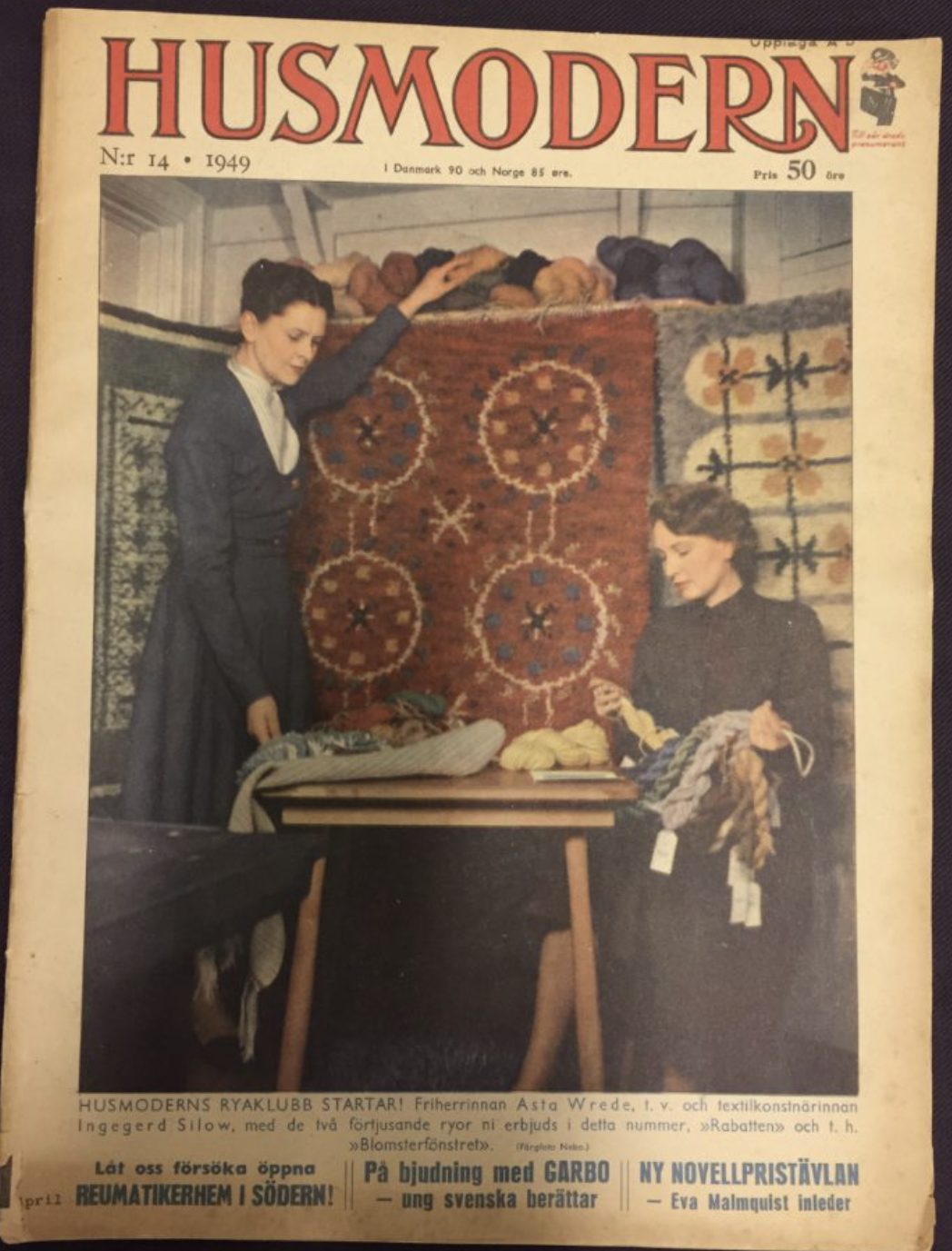
Designers like Ingegerd Silow and Ann-Mari Forsberg at Märta Måås-Fjetterström AB, and Finland’s Ritva Puotila, began employing abstract expressionist principles in their tapestry work.
The resulting textiles, with their bold geometric compositions and explorations of texture, found natural kinship with the architectural minimalism of Alvar Aalto and Arne Jacobsen.
In the rya rug’s transformation from bedcover to wall hanging, we witness the entire trajectory of Scandinavian design philosophy—from pragmatic utility to meditative beauty, never sacrificing one for the other.
Incorporating Tapestries into Contemporary Interiors
When advising on integrating these textiles into homes, we emphasize three guiding principles: context, contrast, and conservation.
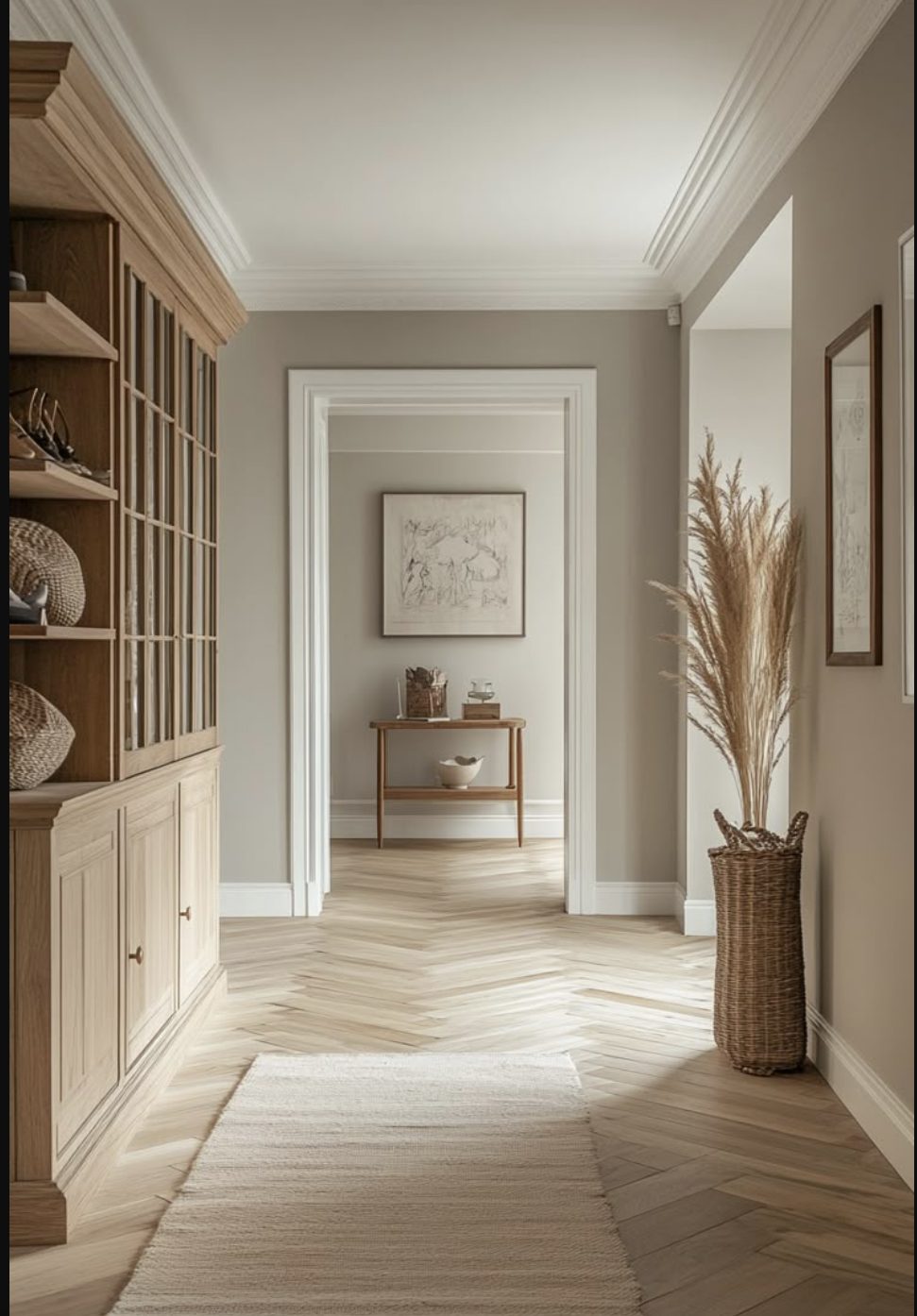
Scandinavian Hallway Aesthetic
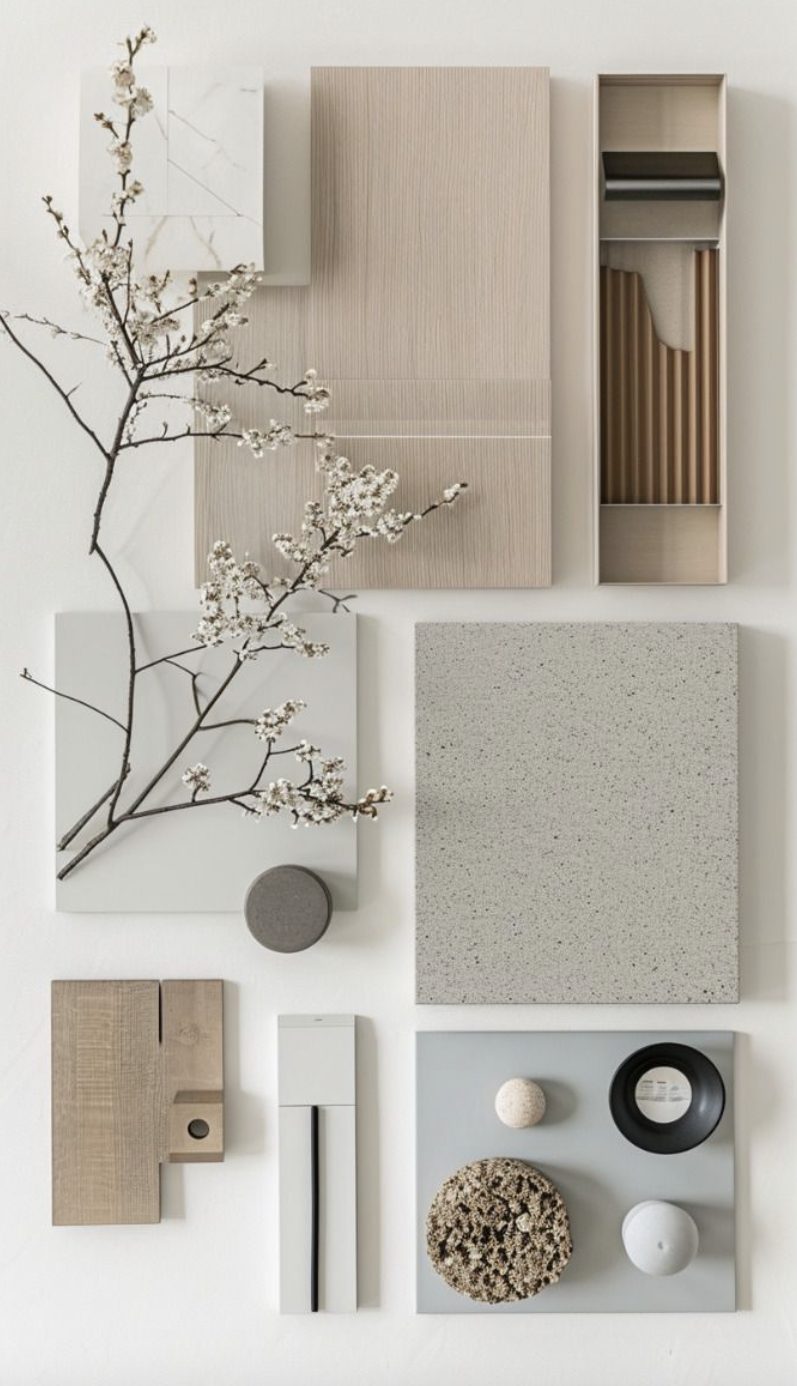
Scandinavian Interior Aesthetic
Context: Understanding the historical and cultural significance of your tapestry enriches the viewing experience.
A 1960s Finnish ryijy (rya rug) with its shaggy pile and modernist composition speaks to different design traditions than a flat-woven Swedish röllakan from the same period. The former draws from ancient sleeping rugs, while the latter evolved from tablecloths and bed coverings.
The tapestry is a room’s memory—choose one that resonates with your own history.
This might mean selecting a pattern with geographic significance to your heritage, or a color palette that evokes personal associations.
Contrast: Scandinavian tapestries sing most beautifully against minimal backgrounds.
The stark white walls favored by Nordic designers weren’t merely aesthetic choices—they maximized limited winter light while providing the perfect canvas for textiles. In contemporary homes, this principle translates to thoughtful juxtaposition.
Consider pairing a geometrically complex tapestry with clean-lined furniture, allowing the eye to appreciate the textile’s intricate patterns without competition.
Alternatively, place a minimalist textile design—perhaps one of Anni Albers’ inspired grid compositions—against a textured wall for a sophisticated dialogue of surfaces.
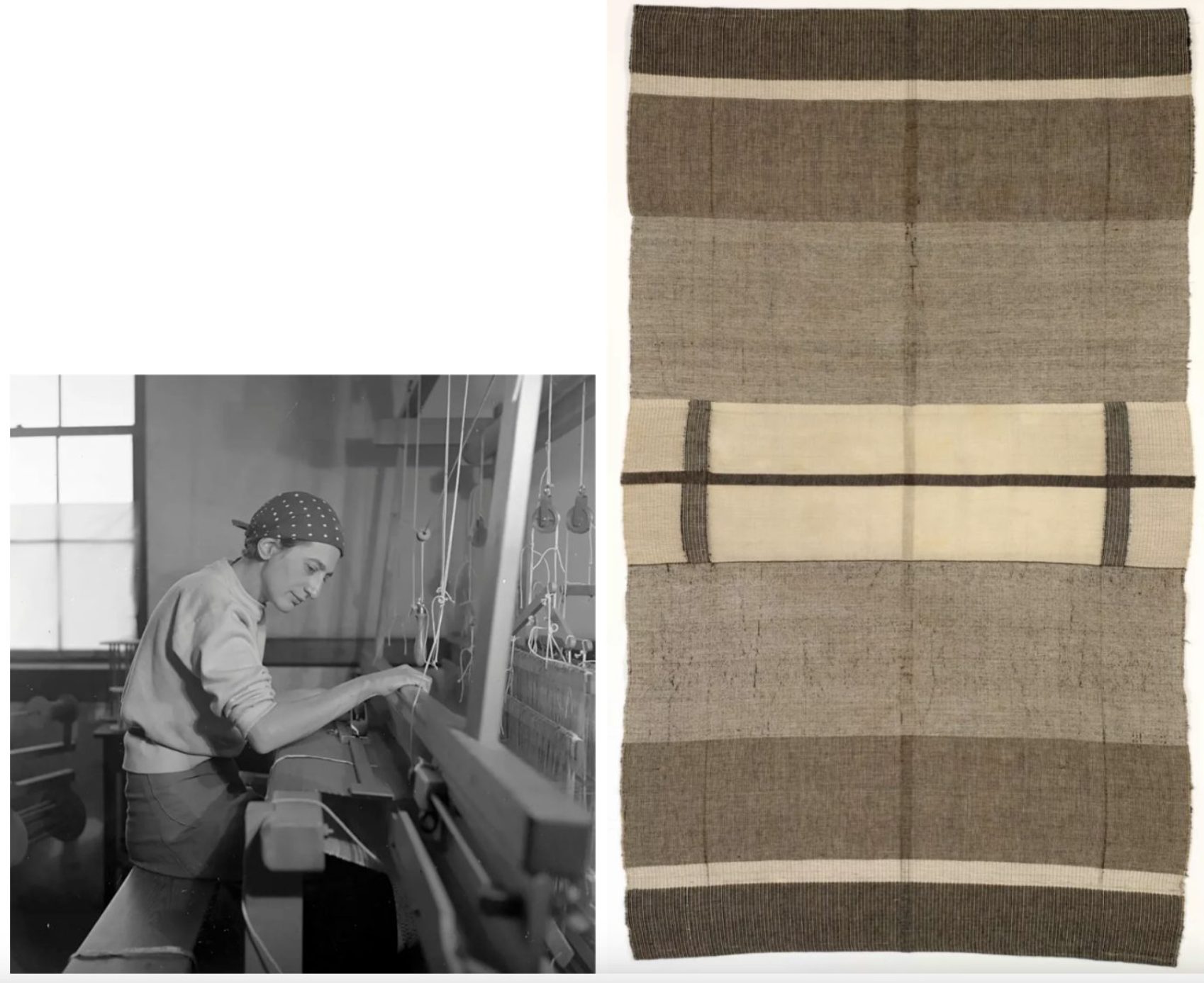
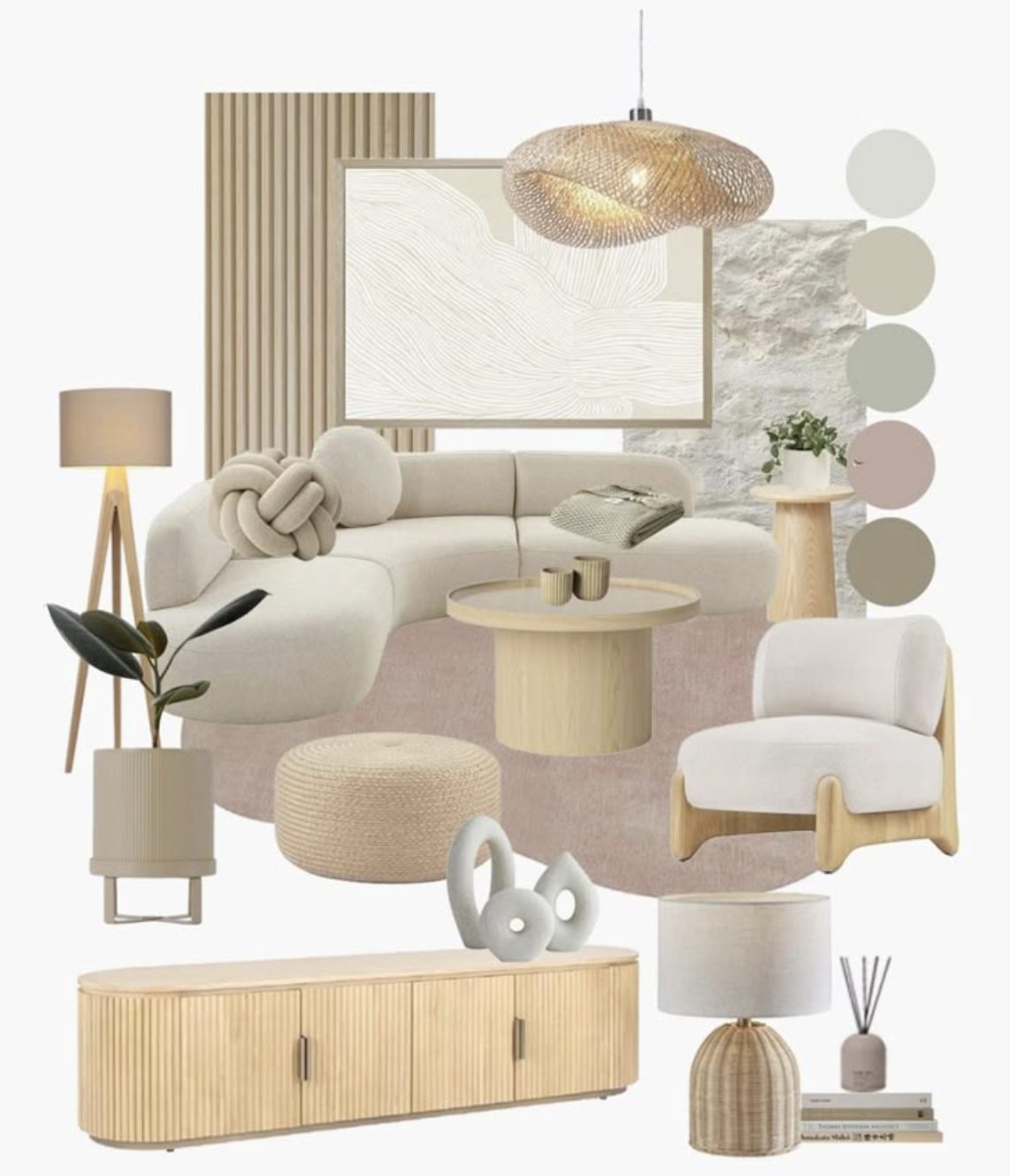
Scandinavian Living Aesthetic and Color Palette
Conservation: These textiles represent not only artistic achievement but historical documentation.
Proper care ensures their survival for future generations. Avoid direct sunlight, which fades natural dyes exponentially faster than synthetic alternatives. Rotate displayed pieces seasonally, allowing textiles periodic rest in acid-free storage.
We do not own these objects; we merely serve as their temporary custodians.
This perspective fosters responsible stewardship while acknowledging the tapestry’s journey before and after our brief intersection with it.
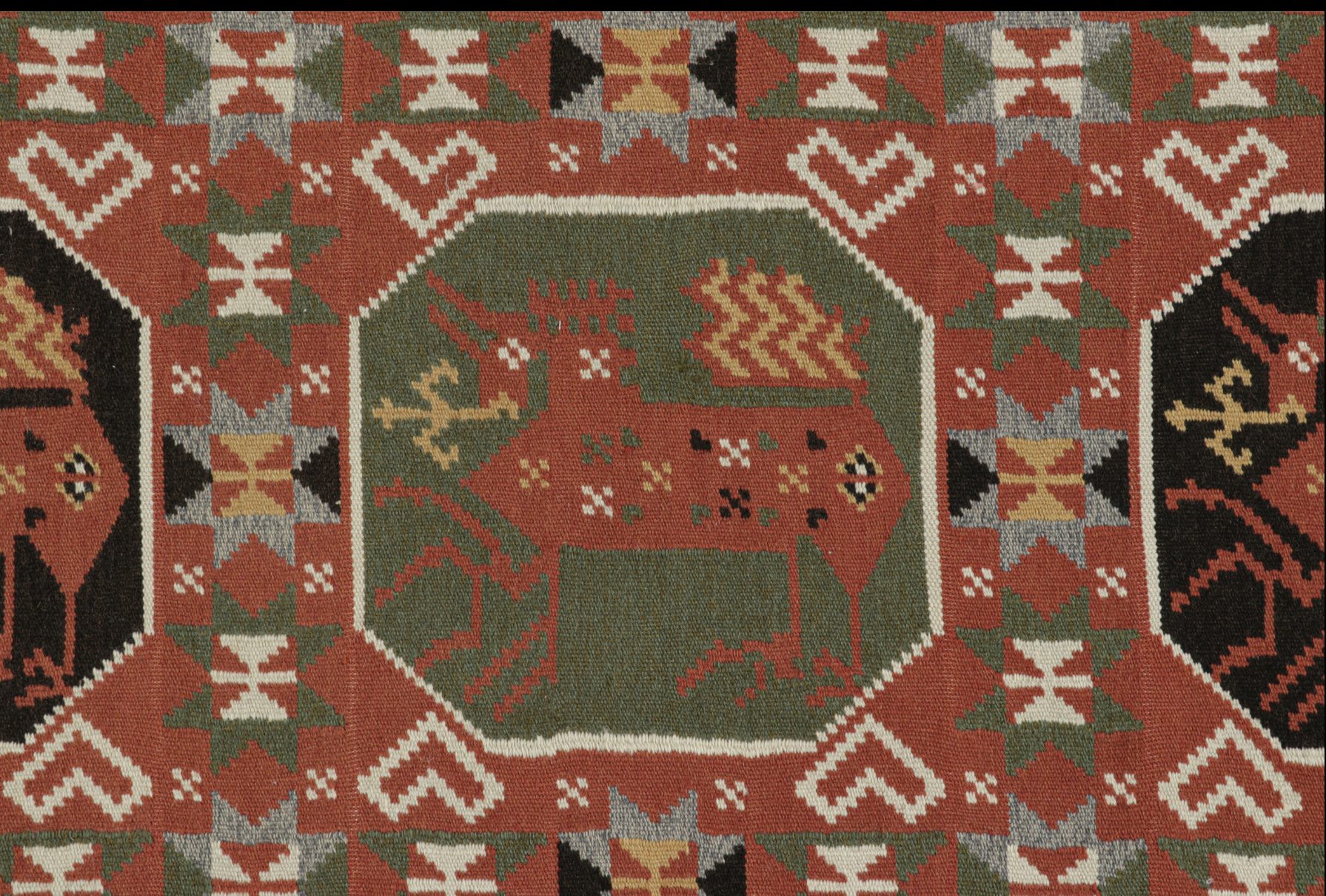
Contemporary Relevance
Today’s renewed interest in Scandinavian tapestries reflects broader cultural currents. As our digital lives accelerate, these handcrafted textiles offer tactile authenticity increasingly absent from daily experience.
Their creation process—meditative, time-consuming, intimately connected to natural materials—stands in deliberate opposition to our culture of immediate gratification.
The environmental consciousness embedded in traditional Nordic design philosophy resonates with contemporary sustainability concerns.
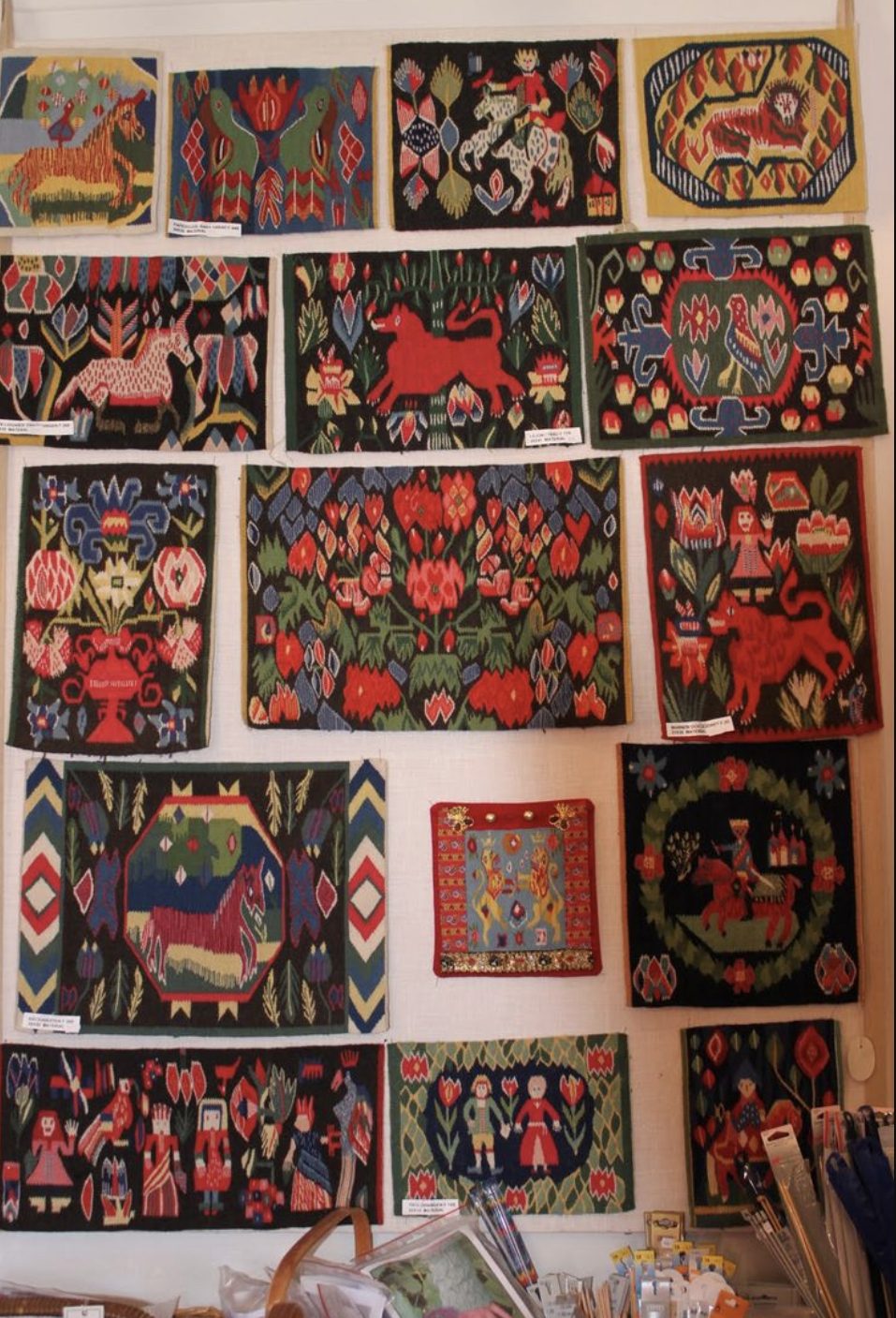
Scandinavian Tapestries
These textiles, often created from local wool, plant-dyed and designed for multigenerational use, embody circular economy principles centuries before such terminology existed.
Tapestry reminds us of the irreplaceable value of the singular, the handmade, the slowly realized.
Perhaps this explains why young designers from Stockholm to Copenhagen are revisiting these ancient techniques, creating contemporary works that honor traditional methods while addressing modern aesthetic concerns.