
The Role of European and Persian Rugs in Royal Palaces and Historic Estates
March 24, 2025
The Role of Jean Michel Frank in Defining Art Deco Luxury
March 26, 2025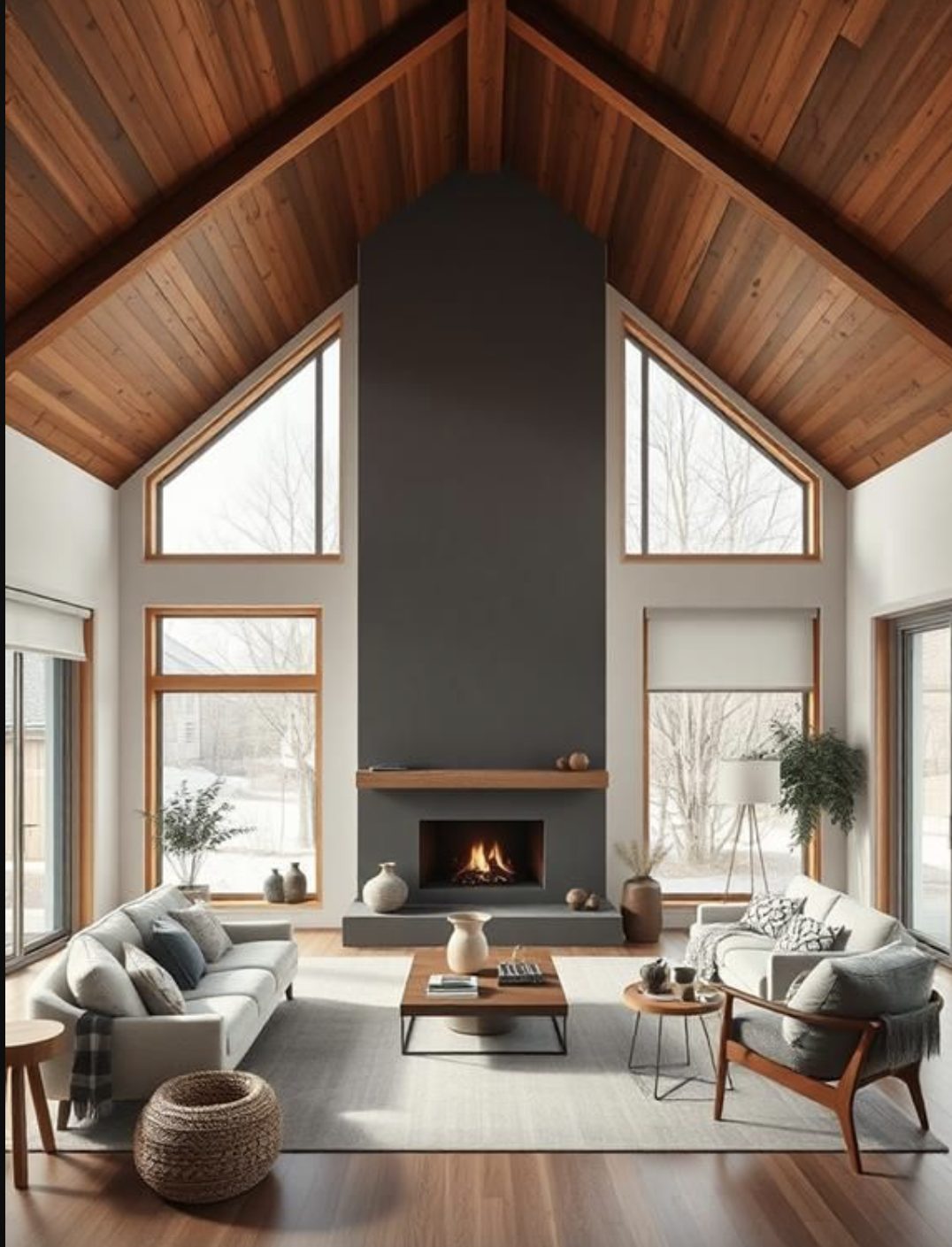
Scandinavian Open Spaces Concept
The moment a truly exceptional Scandinavian rug enters an open-concept space, something remarkable happens—the vast emptiness transforms into a whole. These textiles aren’t merely decorative afterthoughts; they possess power to orchestrate how we experience architecture.
The true Scandinavian rug doesn’t announce itself—it whispers. Yet in that whisper lies a design language as complex and nuanced as any Rothko canvas.
The Scandinavian approach to rug-making stands apart in its sublime balance of restraint and expression. While Persian carpets might declare their presence with elaborate narratives and Moroccan rugs impress with exuberant patterns, the Swedish textile speaks through understated authority—a visual whisper that somehow manages to command the entire room.
This quality makes them uniquely suited to today’s challenging open floor plans, where traditional furnishing strategies often falter against architectural expansiveness.
For the discerning collector or homeowner seeking to anchor an open living environment, there is simply no more sophisticated choice than a thoughtfully selected Scandinavian rug.
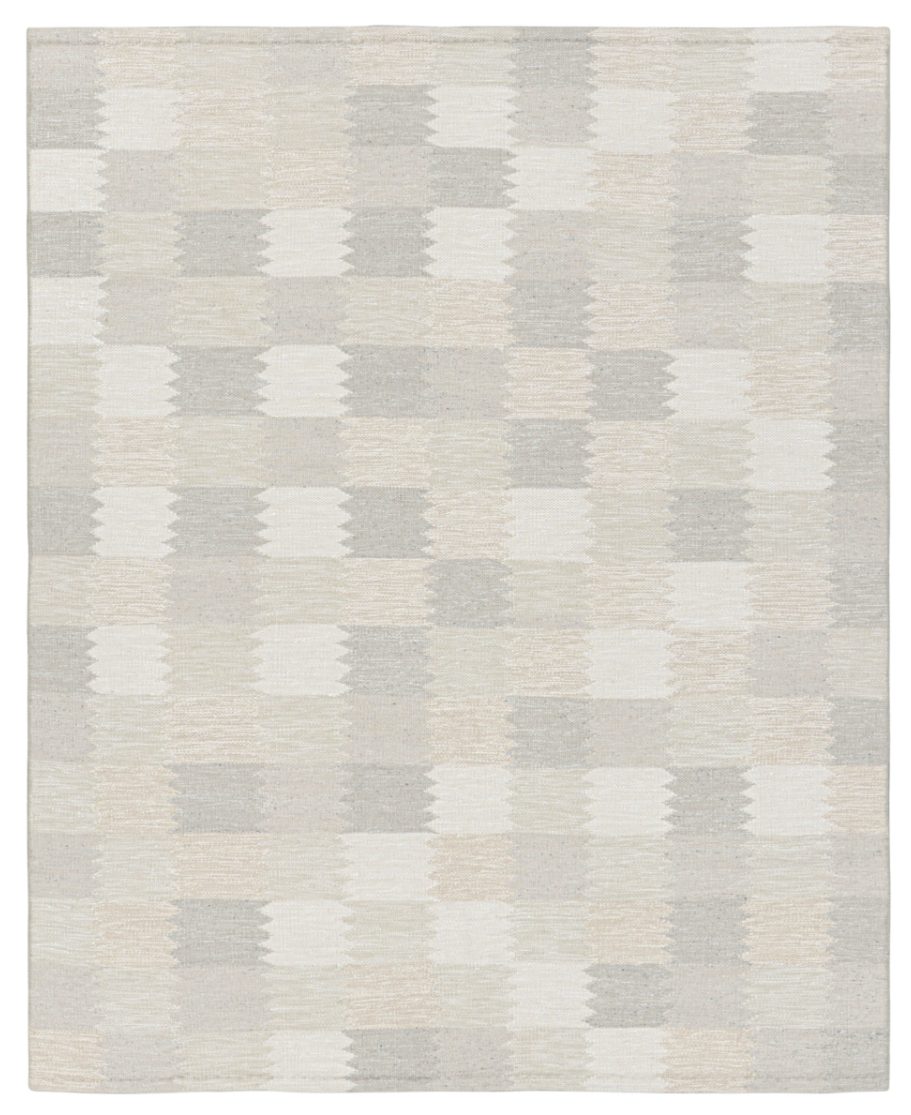
Historical Context of Scandinavian rugs: From Necessity to Design Renaissance
Scandinavian rug-making emerged from practical necessity in the harsh northern climate. Dating back to the Viking Age, these textiles evolved from simple household necessities into sophisticated design objects by the mid-20th century.
During the Swedish Grace period (1920s), rugs began showing a distinct fusion of folk craft and modernist sensibilities—a duality that would later define the Scandinavian aesthetic.
The iconic rya rugs of Finland, with their long, shaggy pile, were originally used as bed coverings before their adaptation into decorative floor pieces. Their transformation mirrors the broader arc of Scandinavian design: functional objects elevated through thoughtful craftsmanship.
A Scandinavian rug is never merely decorative—it carries the memory of winters where textiles meant survival, transformed into a modern context where they now signify cultural continuity.
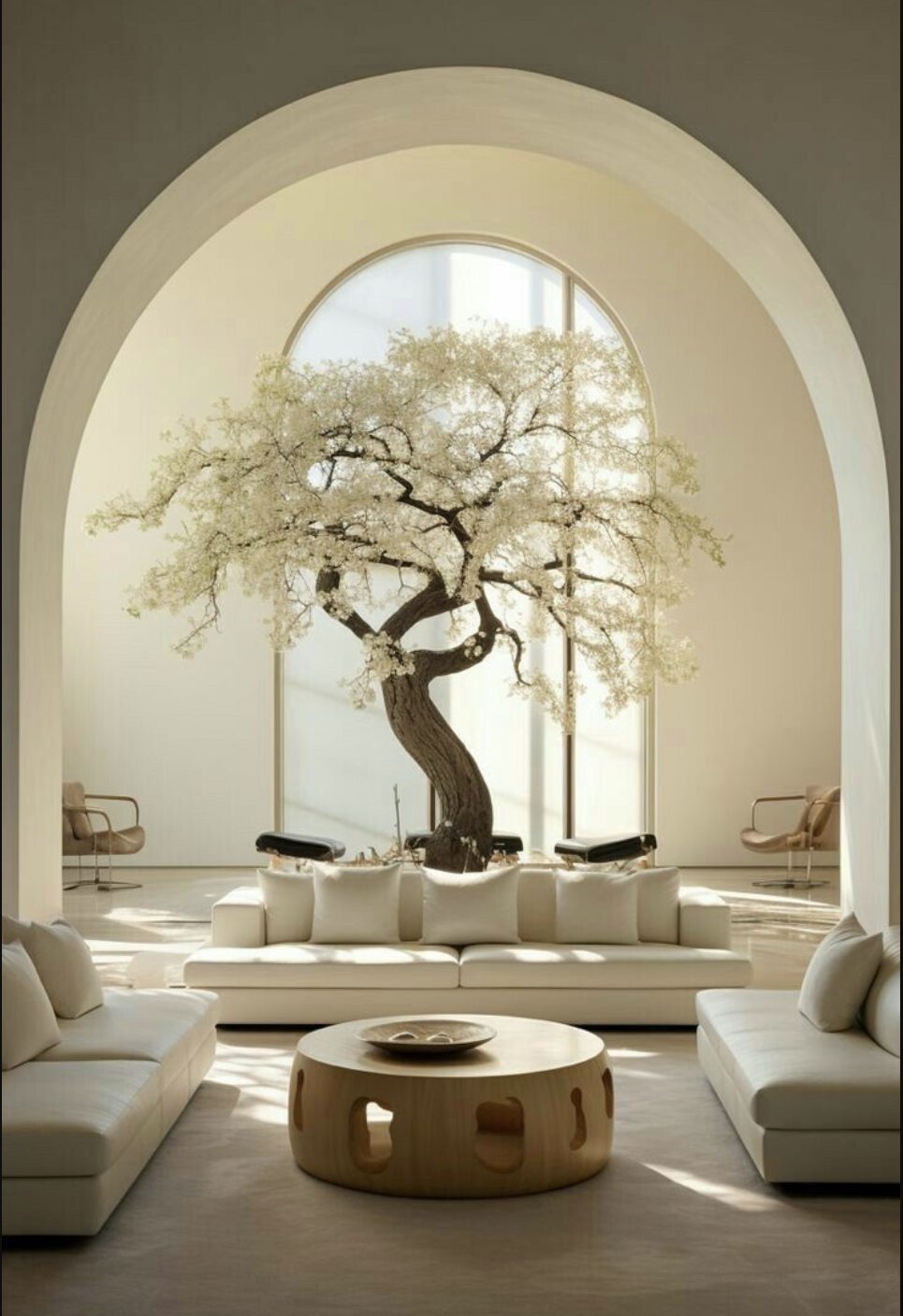
Scandinavian Japandi Aesthetic
The Quintessential Choices for Open Spaces
For today’s expansive, open-concept homes, several Scandinavian rug styles stand superior:
The Rya and Rollakan Flatweave
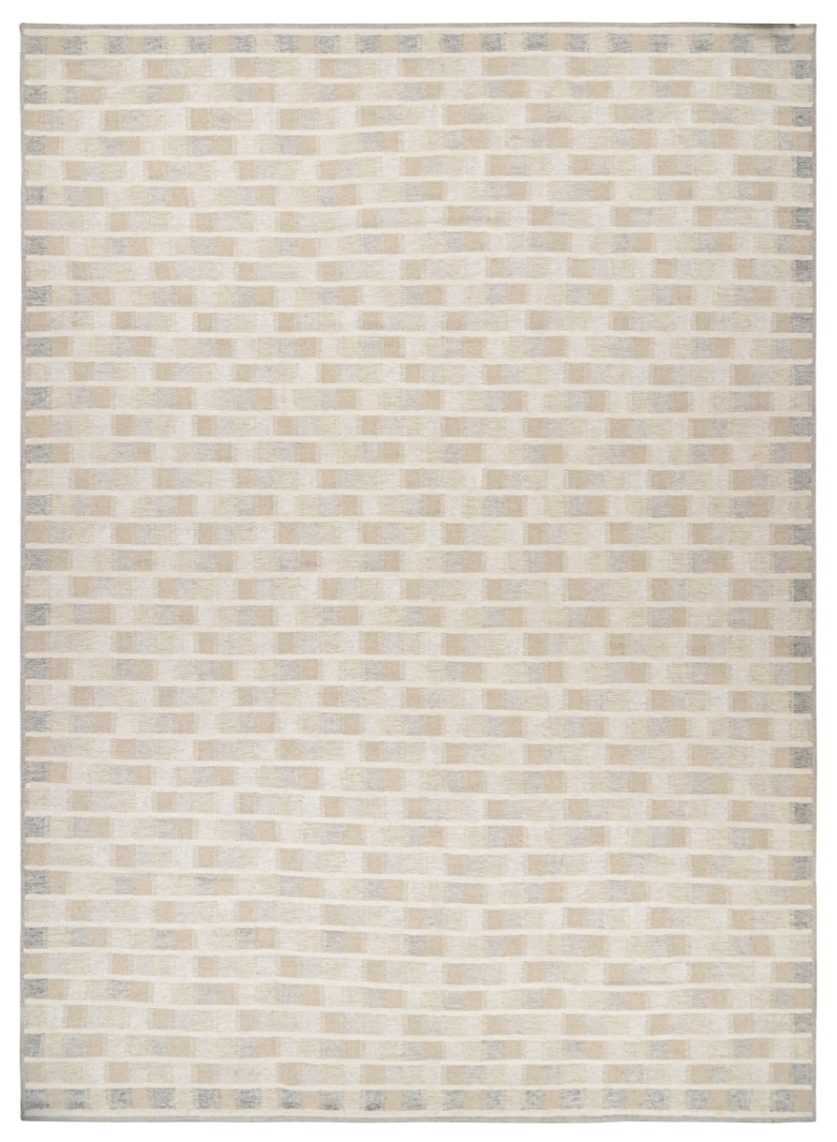
These tightly woven, geometric flatweaves create definition without visual weight—essential in open floor plans. Their precision mirrors the ordered chaos of Mondrian’s compositions, simultaneously organizing space while introducing subtle dynamism.
The traditional Swedish rollakan employs a limited palette (often indigo, madder red, and natural wool) that feels remarkably contemporary in minimalist settings.
Our flatweave’s more durable, weighted body is also a hallmark of the collection, made for high-traffic and heavy-furniture spaces. This, alongside several elements detailed here, represent R&K Principal Jahanshah Nazmiyal’s hope to honor this mid-century modern aesthetic.
His Scandinavian Collection is a contribution to that style, and a renaissance for its designs with more comfortable, current techniques.
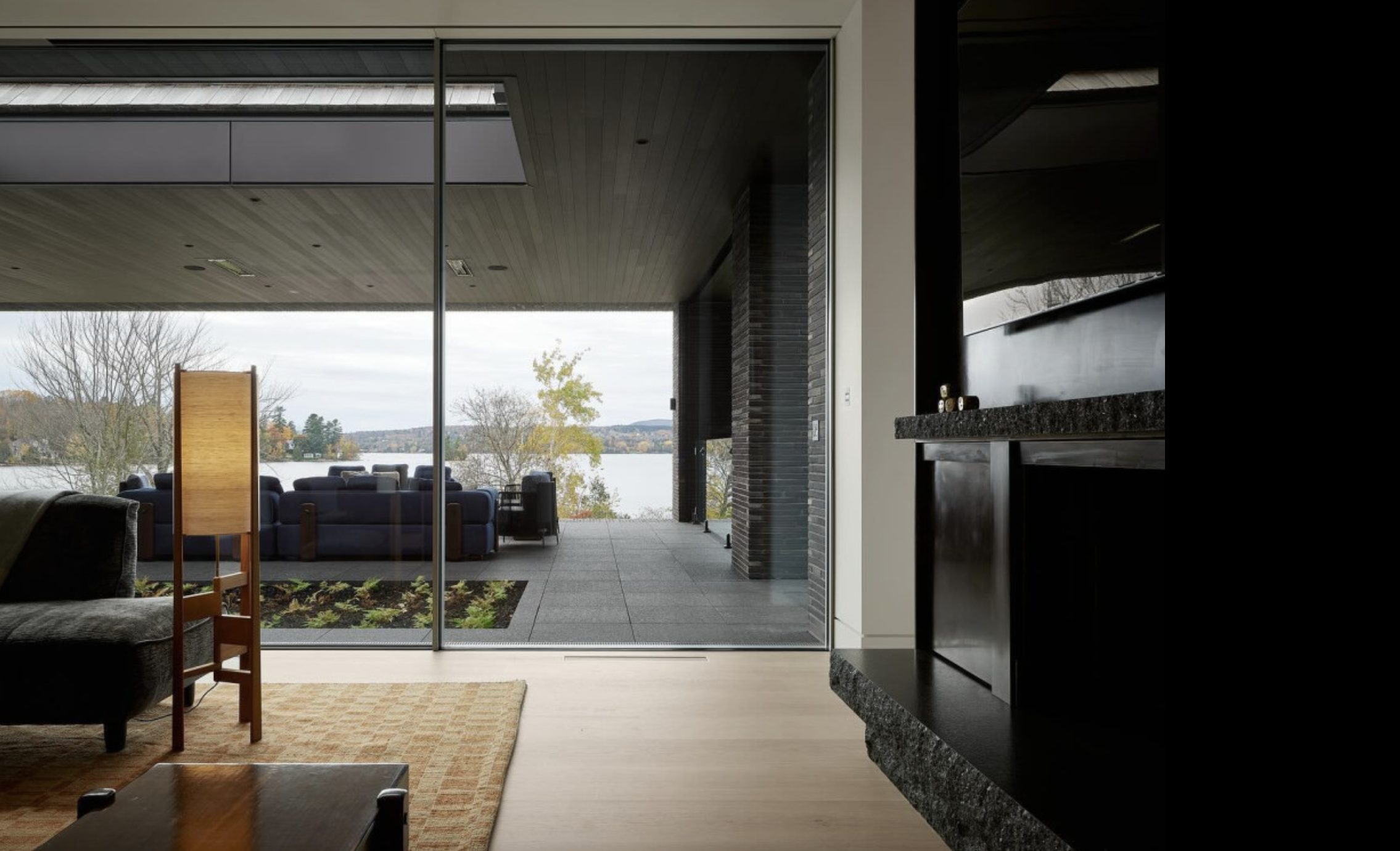
Finnish Ryijy Rugs
The dramatic pile of ryijy creates texture and warmth in voluminous spaces. These rugs hold particular significance in Finnish design history, with modernist architects like Alvar Aalto often commissioning custom pieces for their buildings.
Contemporary examples draw from this rich heritage while introducing sparer, more abstract patterns suitable for modern interiors.
In open floor plans, the ryijy serves as both altar and comfort—an invitation in spaces that might otherwise feel institutional.
Danish Kelim
Denmark’s contribution to the canon comes through contemporary kilim interpretations that blend traditional techniques with startlingly modern colorways.
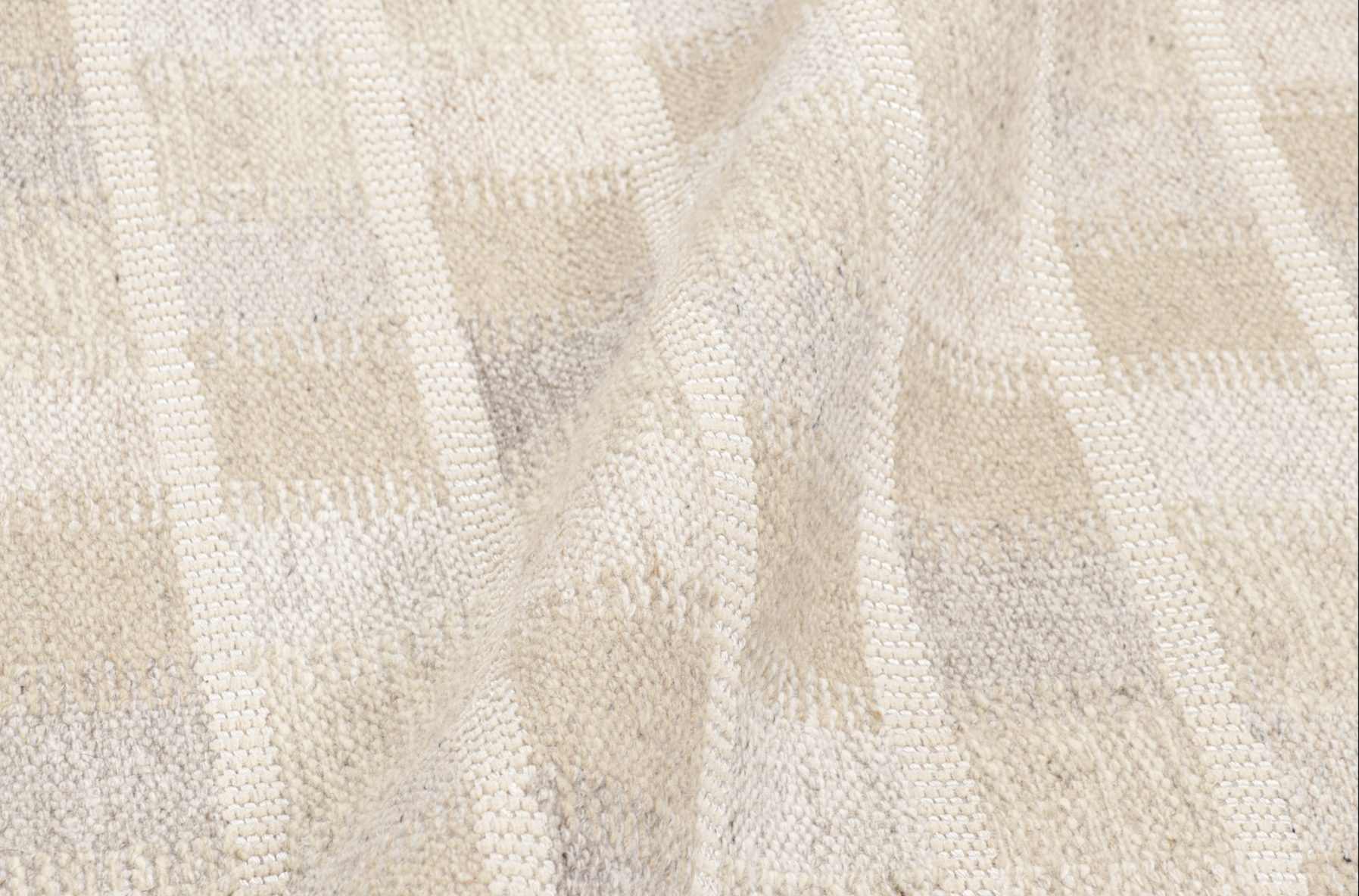
The Foundation of Quality
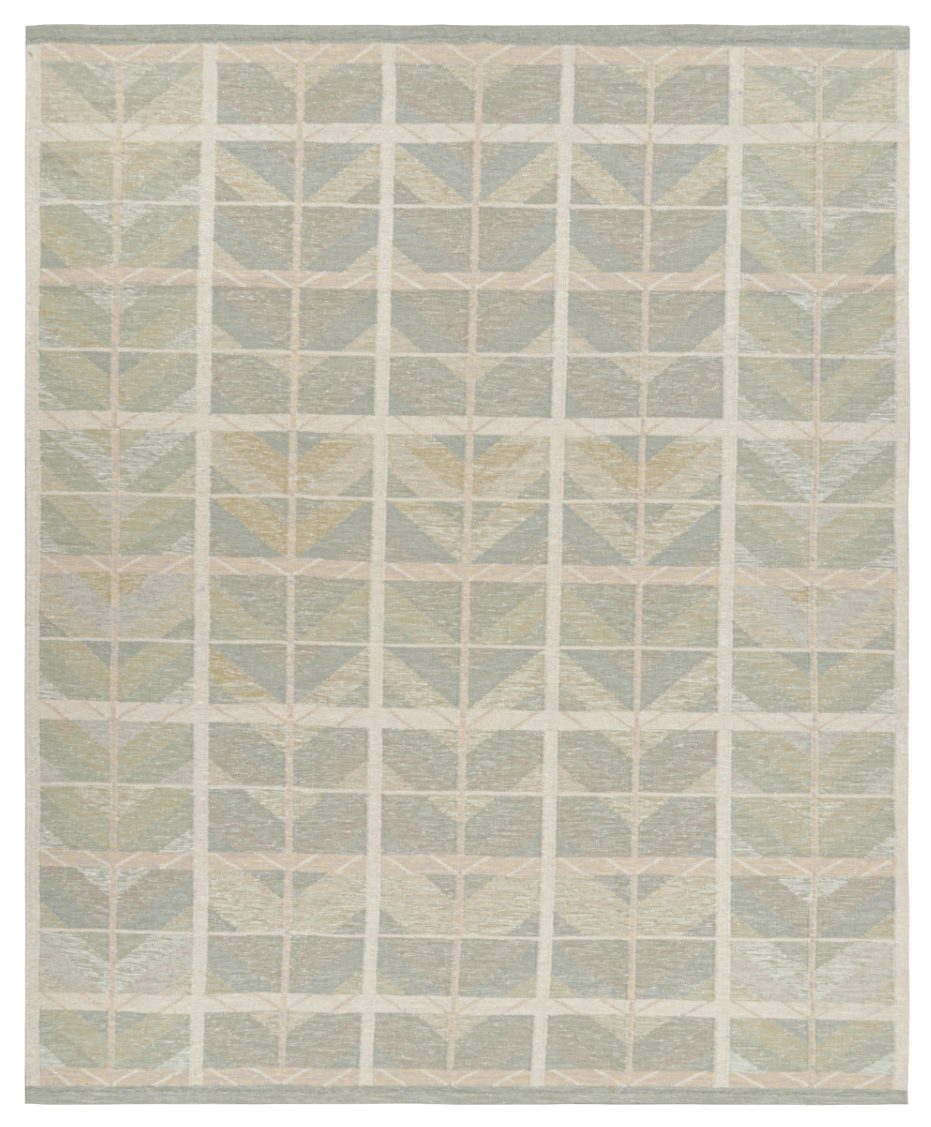
The finest Scandinavian rugs employ wool from northern sheep breeds—particularly Norwegian Spælsau and Swedish Gotland—which produce exceptionally durable fibers with natural water-resistant properties. This material choice isn’t merely practical; it connects these objects to the land itself.
In contemporary productions, they incorporate natural fibers for dimensional stability and occasional silk highlights—a technique that creates a subtle luminous effect when light travels across open spaces.
What distinguishes exceptional Scandinavian textile work is its material honesty. Like the early Bauhaus weavers, Nordic designers understand that the medium itself carries meaning.
Placement of Scandinavian Rugs for Open Concept Spaces
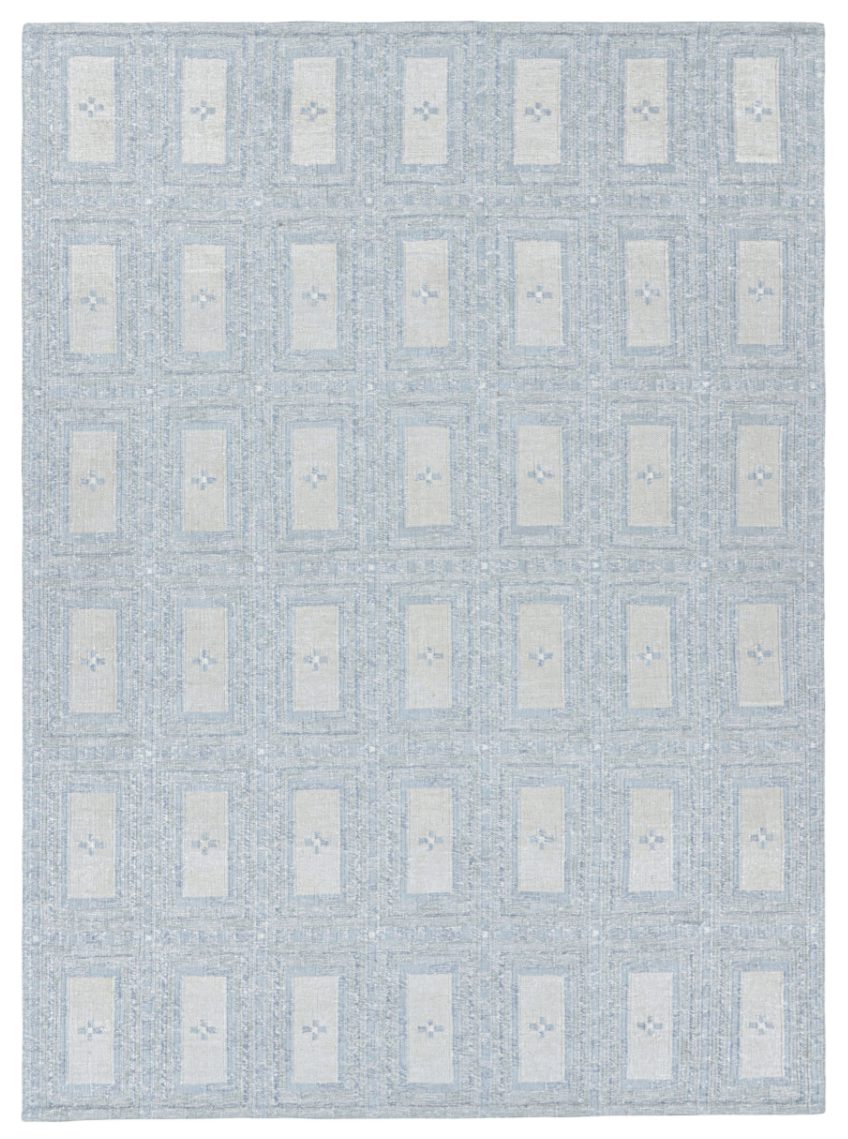
Unlike traditional room layouts, open-concept spaces require rugs that create psychological boundaries while maintaining visual flow.
The most successful applications include:
- Using an oversized Scandinavian rug to unify seating arrangements
- Employing coordinated but distinct Swedish rugs to designate functional zones
- Positioning rugs to create directional pathways through the space
The Danish concept of “rum i rummet” (room within a room) finds perfect expression through thoughtful rug placement in open plans.
Our Reflections
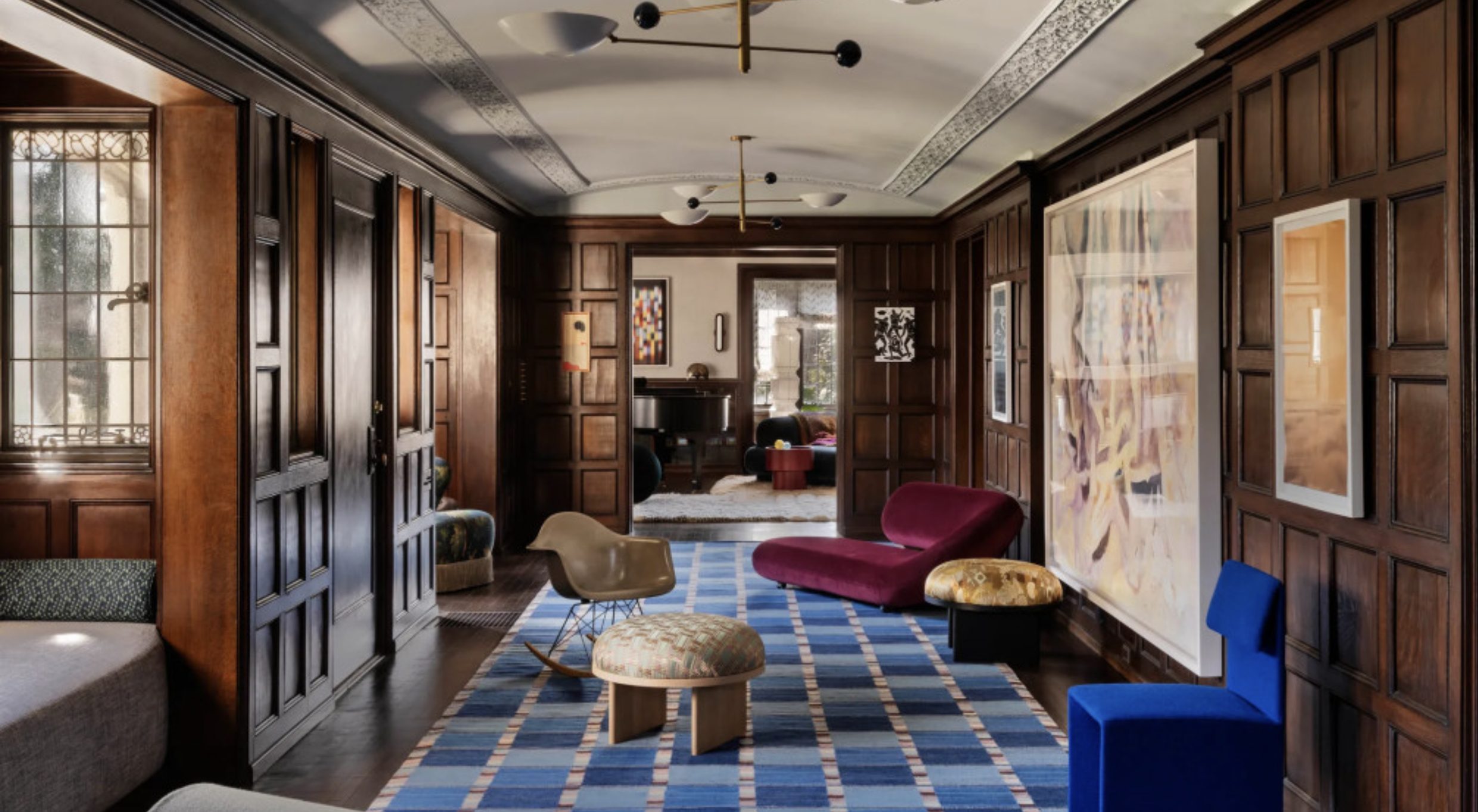
After decades spent observing how these textiles interact with architecture, light, and human movement, we’ve concluded that the best Scandinavian rug for an open-concept space is one that does more than decorate—it orchestrates experience. Like the atmospheric works of James Turrell, these rugs manipulate perception through subtle intervention.
The Nordic tradition of “vardagsvara”—the belief that everyday objects deserve extraordinary consideration—finds its perfect expression in these floor coverings.
In our increasingly open, flowing residential spaces, they provide not just beauty but a necessary grounding element that connects us to centuries of craft wisdom while accommodating thoroughly contemporary ways of living.
Perhaps this explains their enduring relevance: in a world increasingly unmoored from physical experience, a Scandinavian rug insists on material presence.
It is the quiet foundation upon which our modern lives unfold.