
Block Print Rugs
The block printing process as one of the oldest in textile design has seen many adaptations. To wit, many of our designs draw on time-honored, even archaic designs, such as 17th-century Mogul rug patterns that allow admirers of the craft to make their own personal connection. Some of our contributions to the aesthetic include a subtle high-low texture for an added sense of dimension, a wool-and-silk blend that creates a more elegant play of the light, and a wider range of vibrant, contemporary colors that brighten and enrich a room. Above all, comfort was the priority, as it is in all of our custom collections.
The Block Print Collection represents that tasteful elegance that’s so challenging, yet rewarding, to capture—a sophisticated new approach to a beloved style that’s somehow personal and also manages to present a refined contemporary discovery.
- Under 6 x 9
- Runners
- 6 x 9
- 8 x 10
- 9 x 12
- 10 x 14
- 12 x 15
- Over 12 x 15
Origin ▼
Style ▼
Material ▼
Width
Length
To connect with a specialist, click here
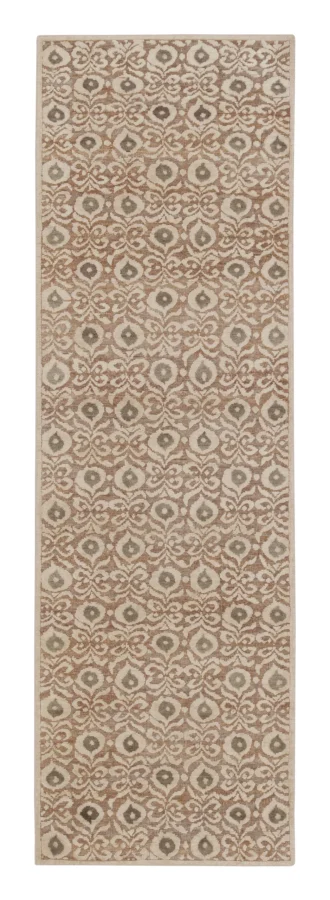
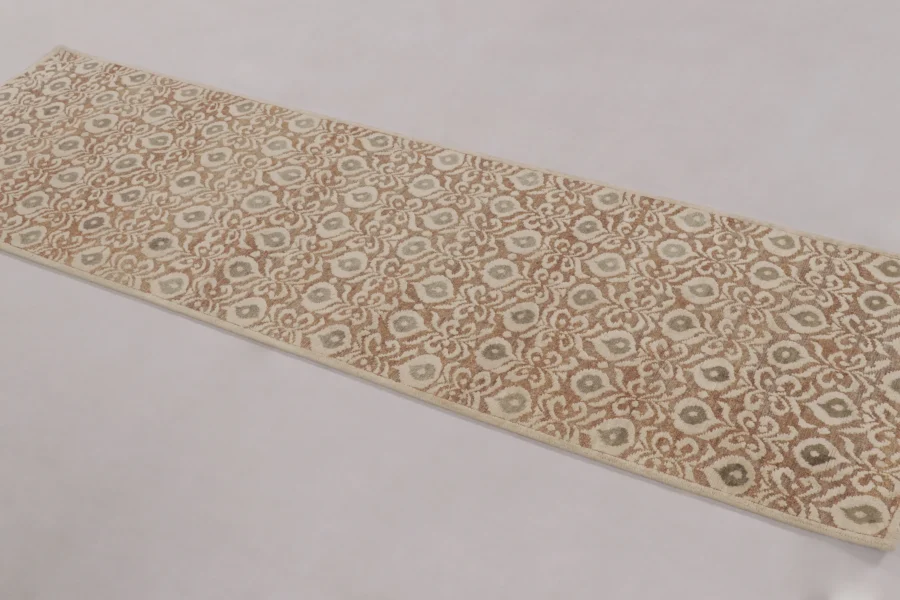 35935Rug & Kilim’s Contemporary Block Print Runner with Floral Grid in Beige & Taupe
- Out of Stock
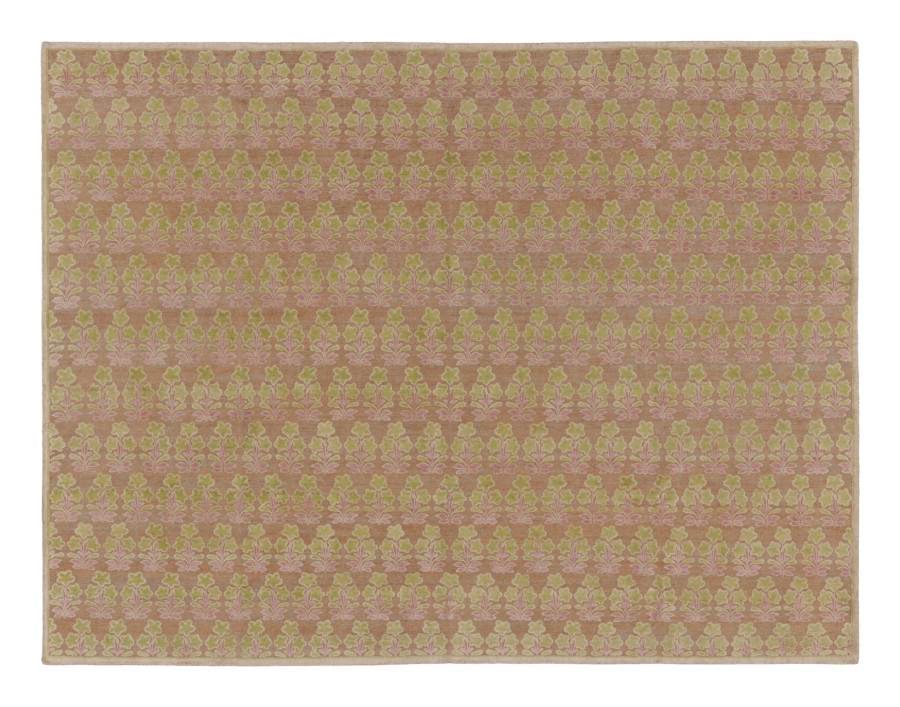
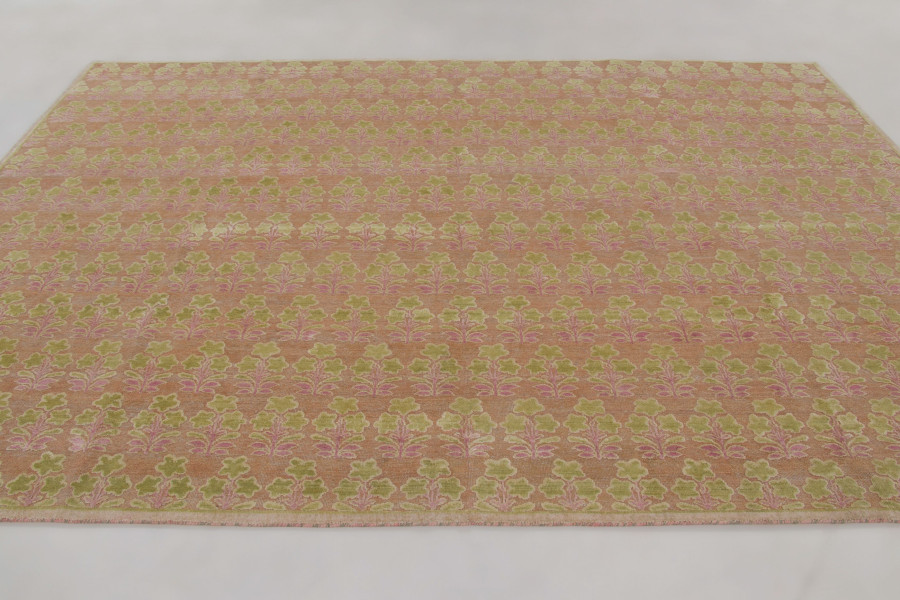 38069Rug & Kilim's Block Print Custom Rug in Pink & Sage with Floral Design
 - Out of Stock
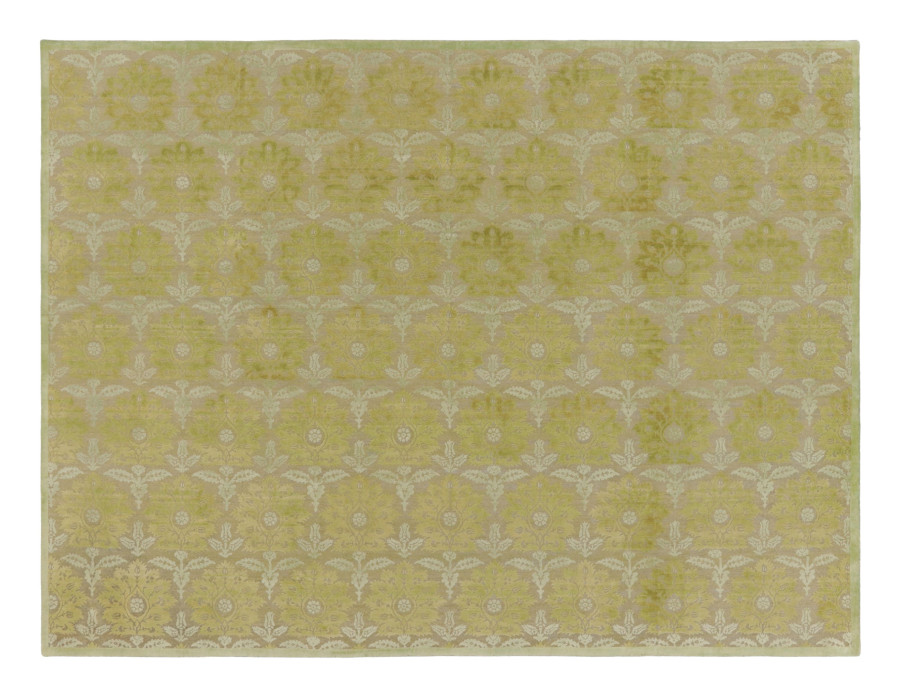
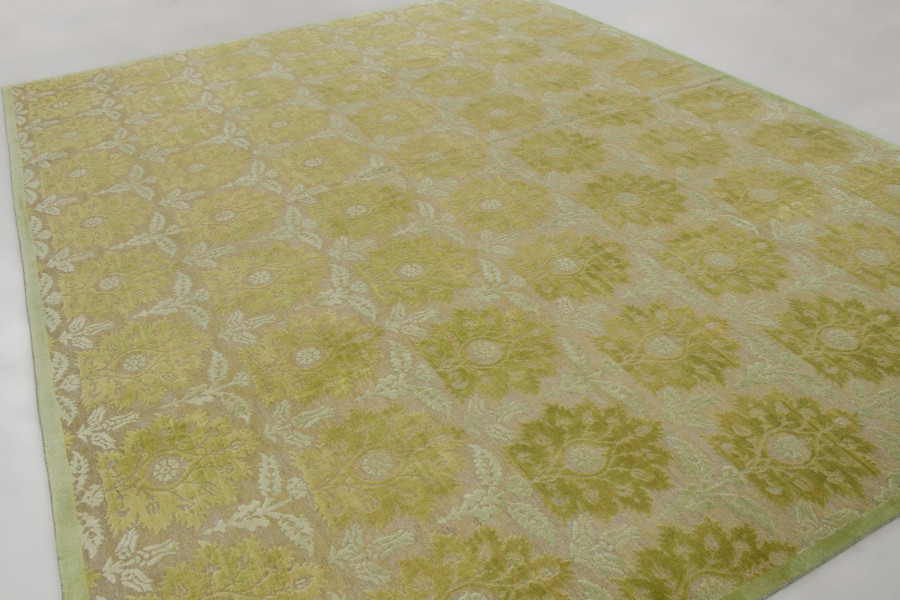 38070Rug & Kilim’s Contemporary Block Print Custom Rug in Chartreuse & Beige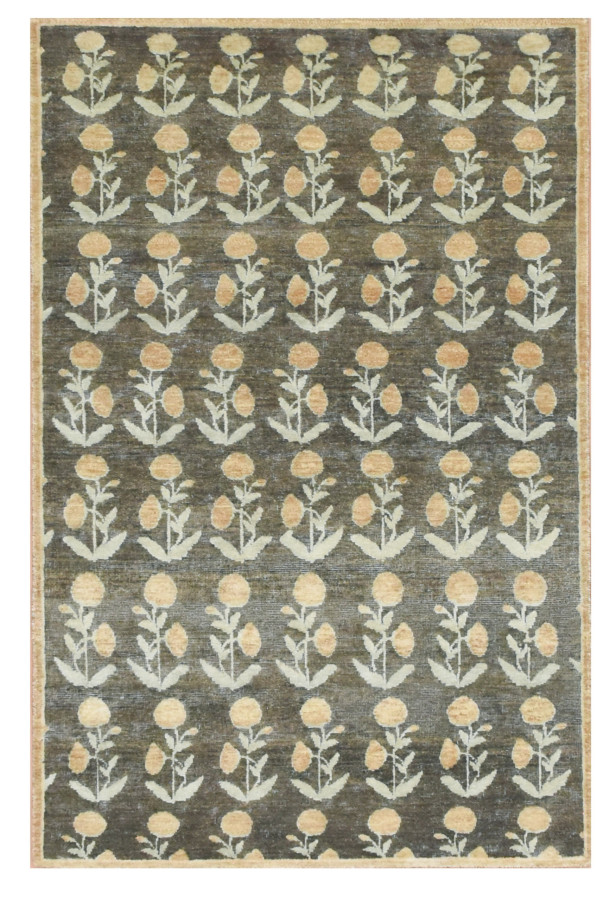
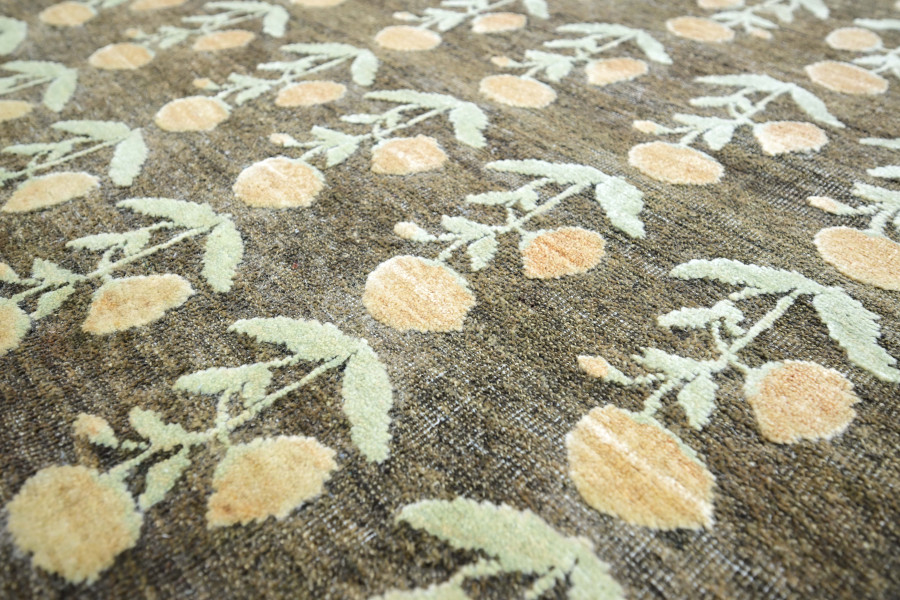 T-38185Rug & Kilim’s Block Print Rug Design. Brown and Green and Orange Floral Patterns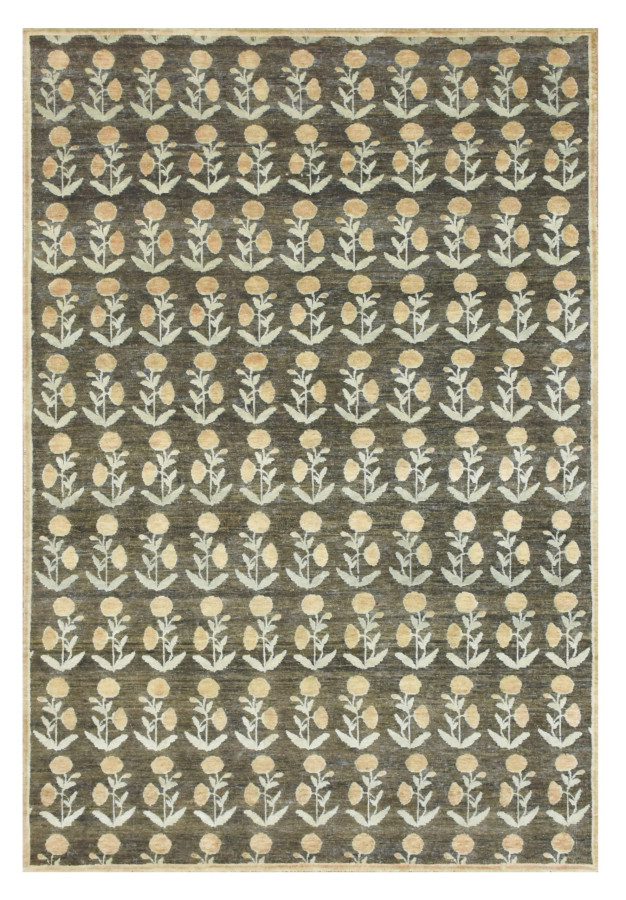
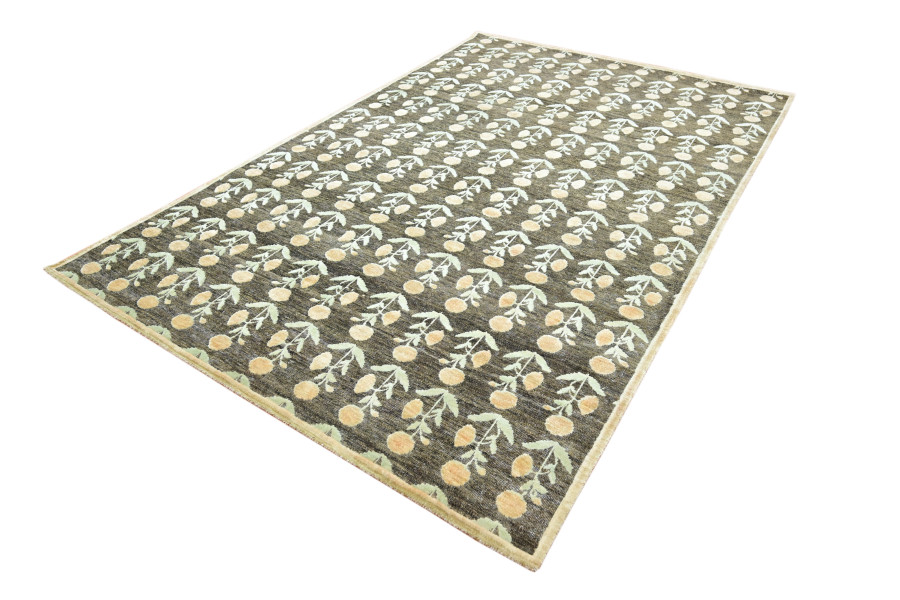 T- 38186Rug & Kilim’s Block Print Rug Design. Brown and Green and Orange Floral Patterns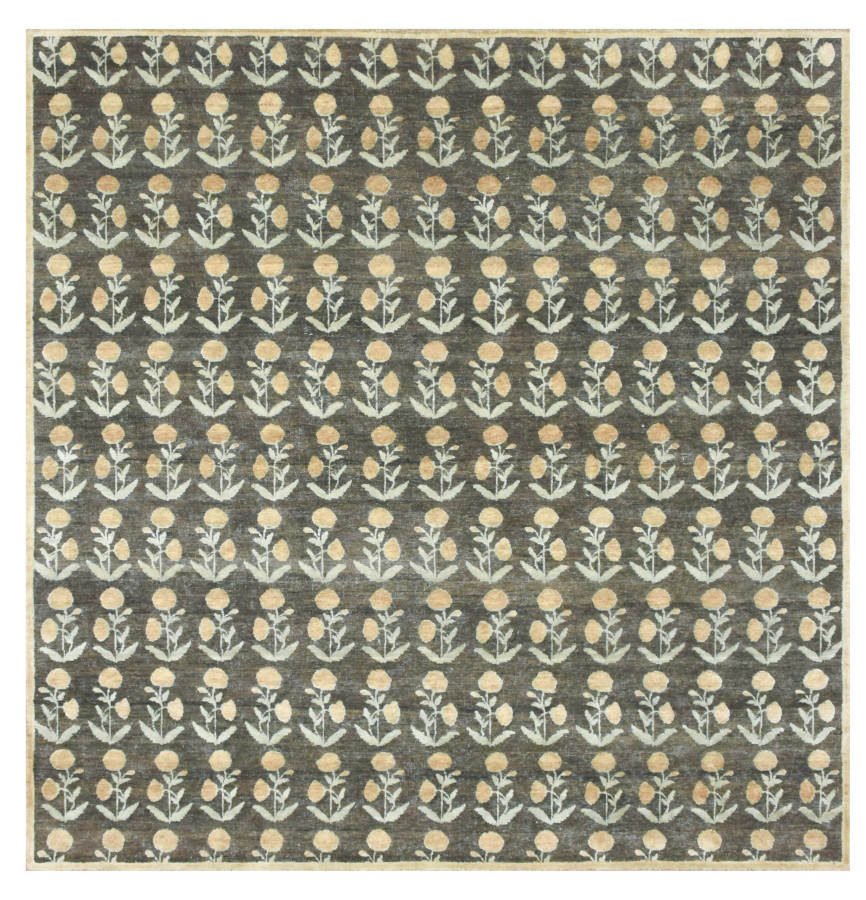
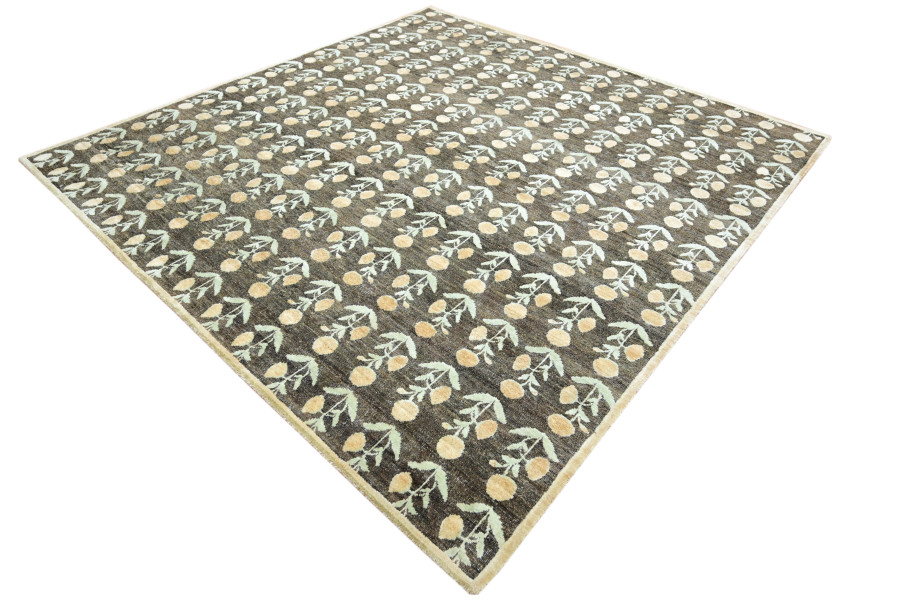 T- 38187Rug & Kilim’s Block Print Rug Design. Brown and Green and Orange Floral Patterns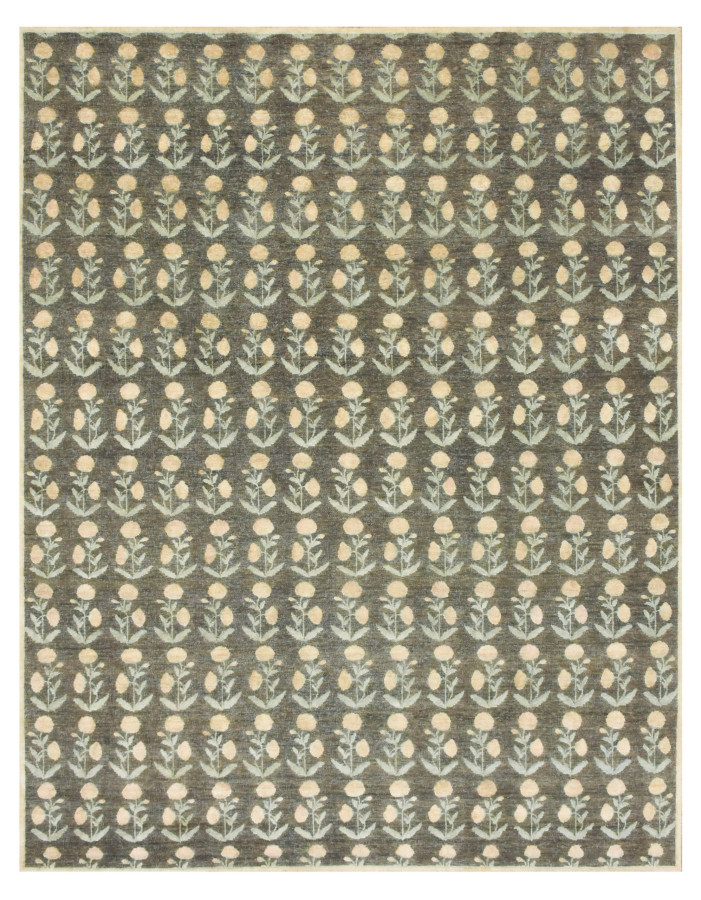
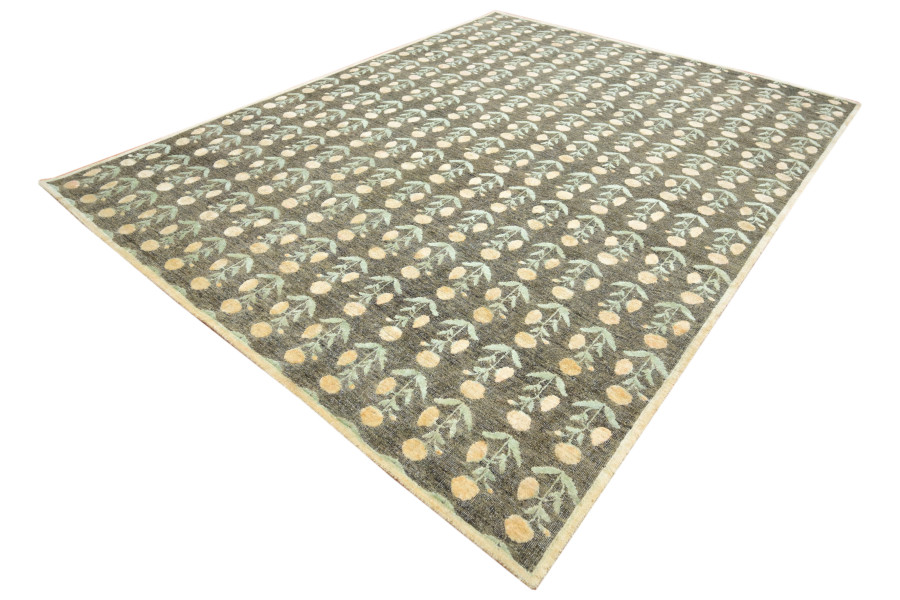 T- 38189Rug & Kilim’s Block Print Rug Design. Brown and Green and Orange Floral Patterns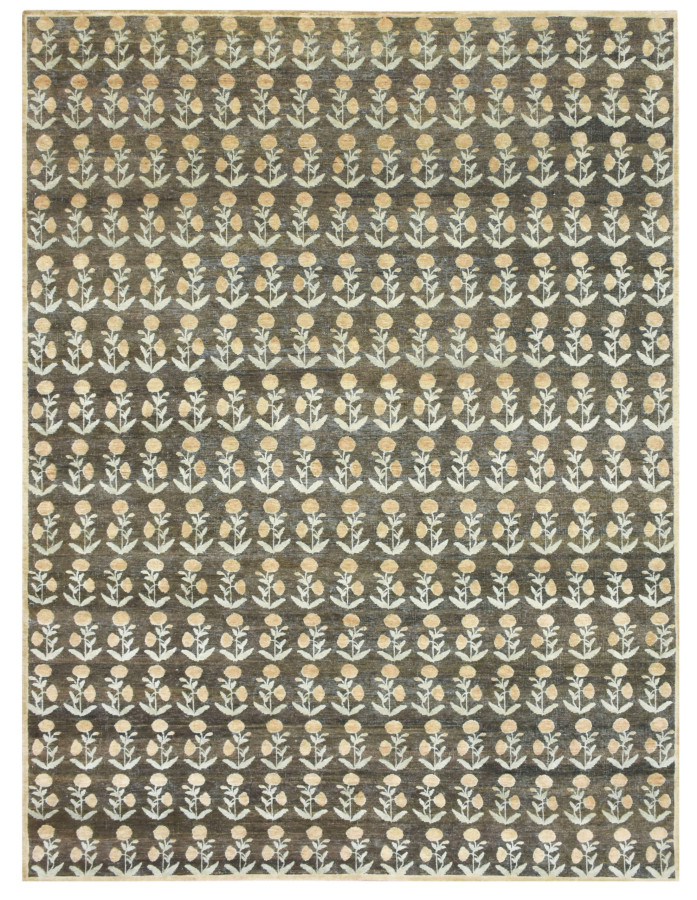
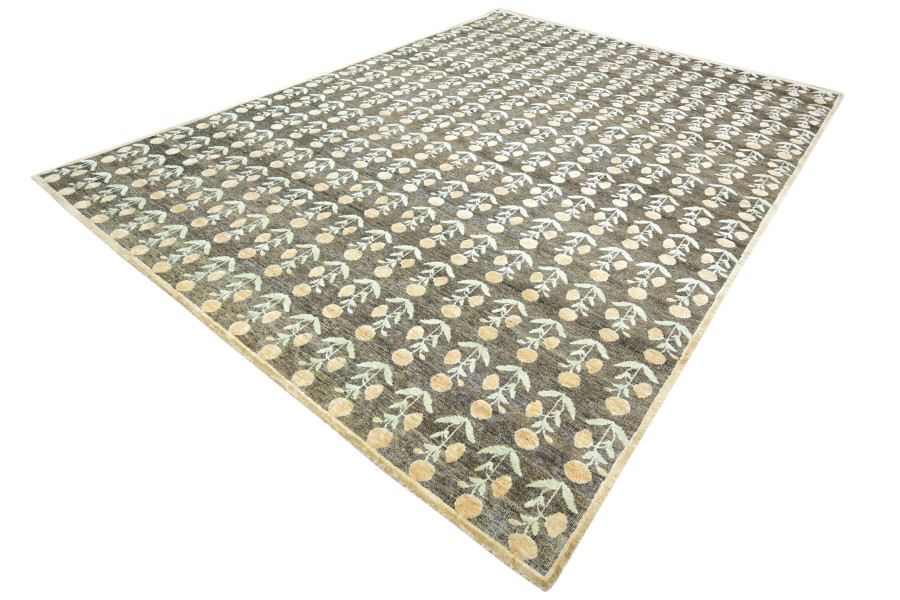 T-38188Rug & Kilim’s Block Print Rug Design. Brown and Green and Orange Floral Patterns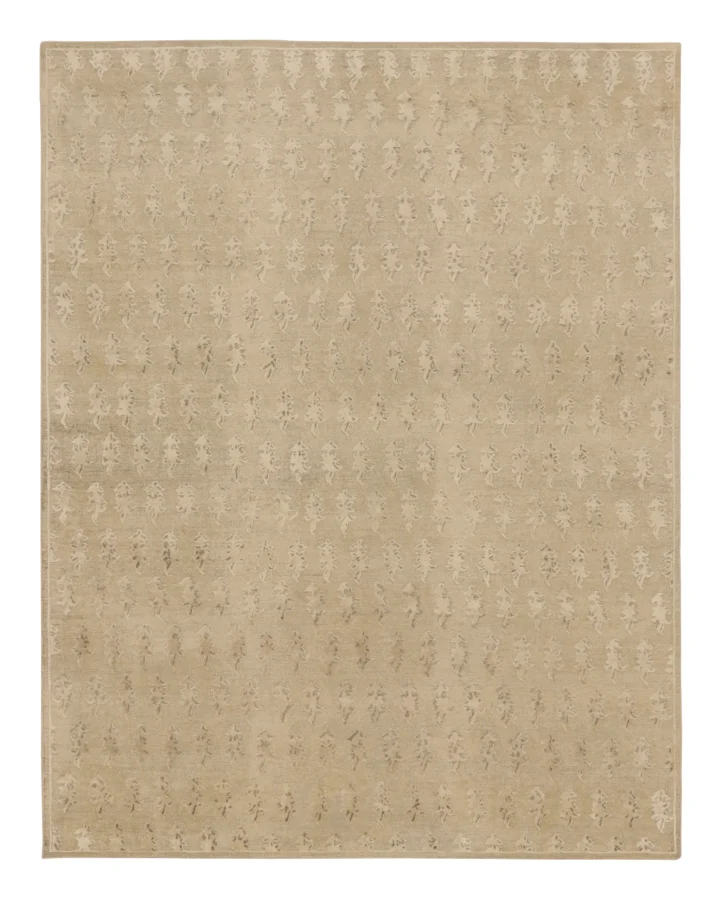
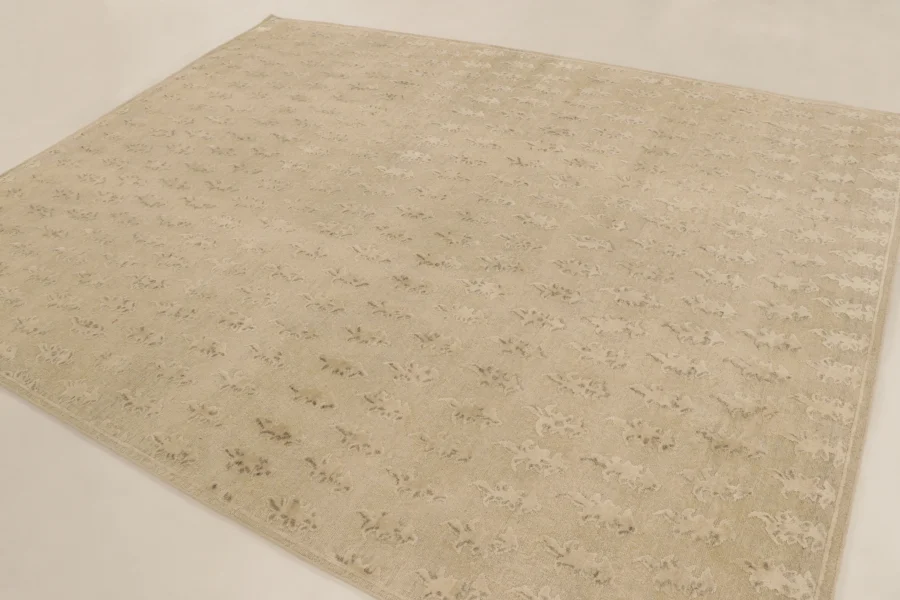 36651Rug & Kilim's Contemporary Block Print Rug in Beige with Floral Pattern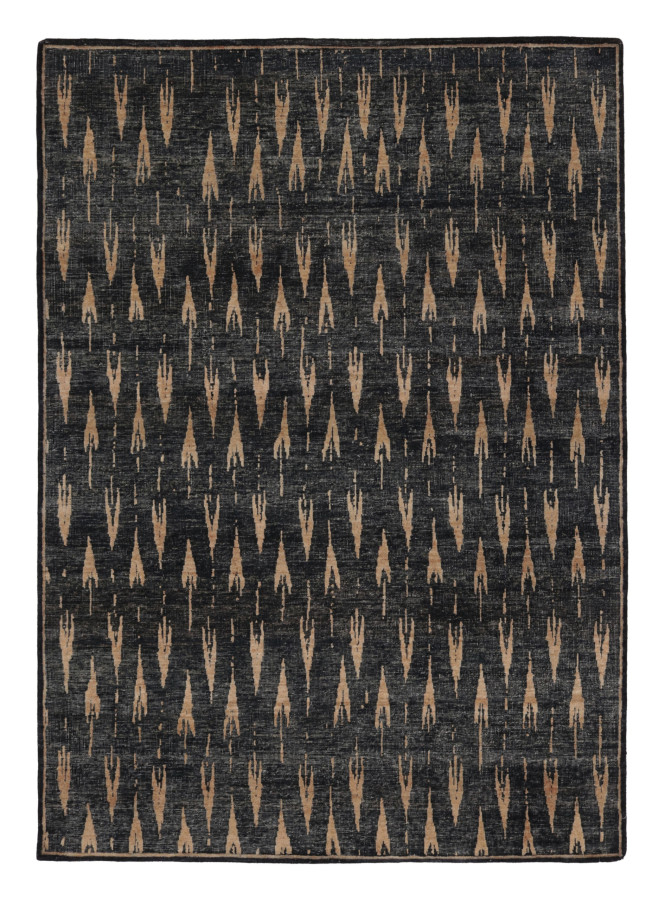
 36645Rug & Kilim's Contemporary Block Print Rug in Blue & Brown with Floral Design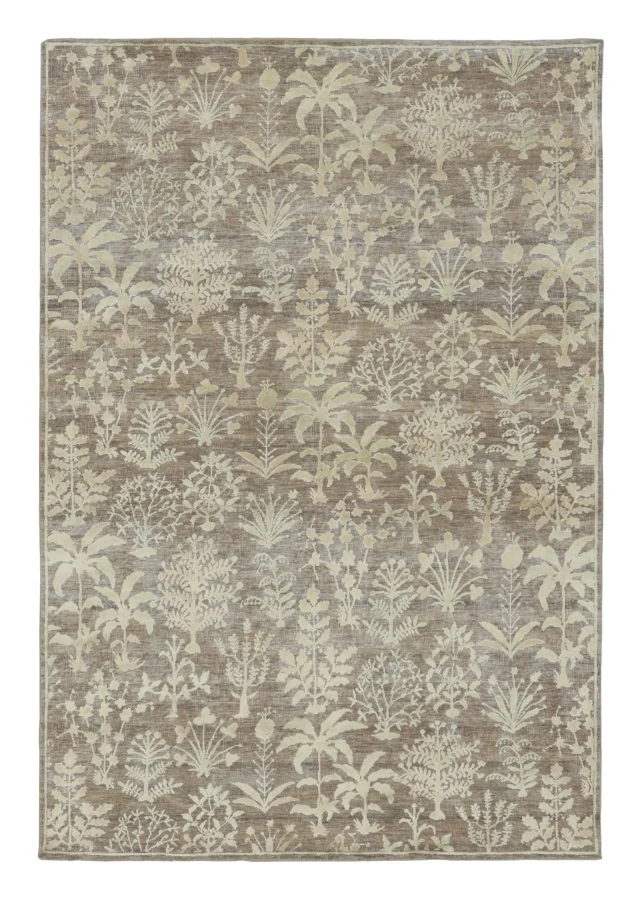
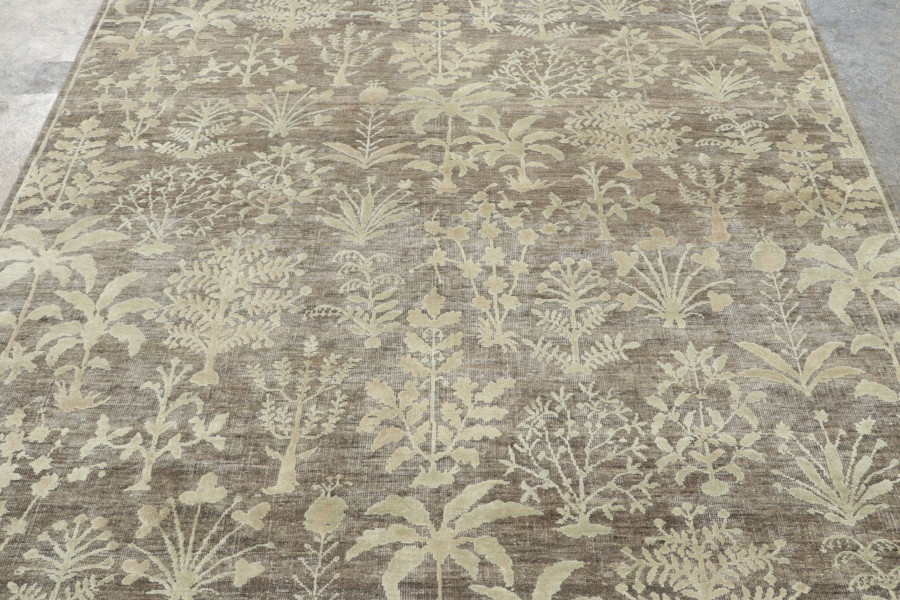 36652Rug & Kilim’s Block Print Rug with All-Over Botanical Design in Beige & Brown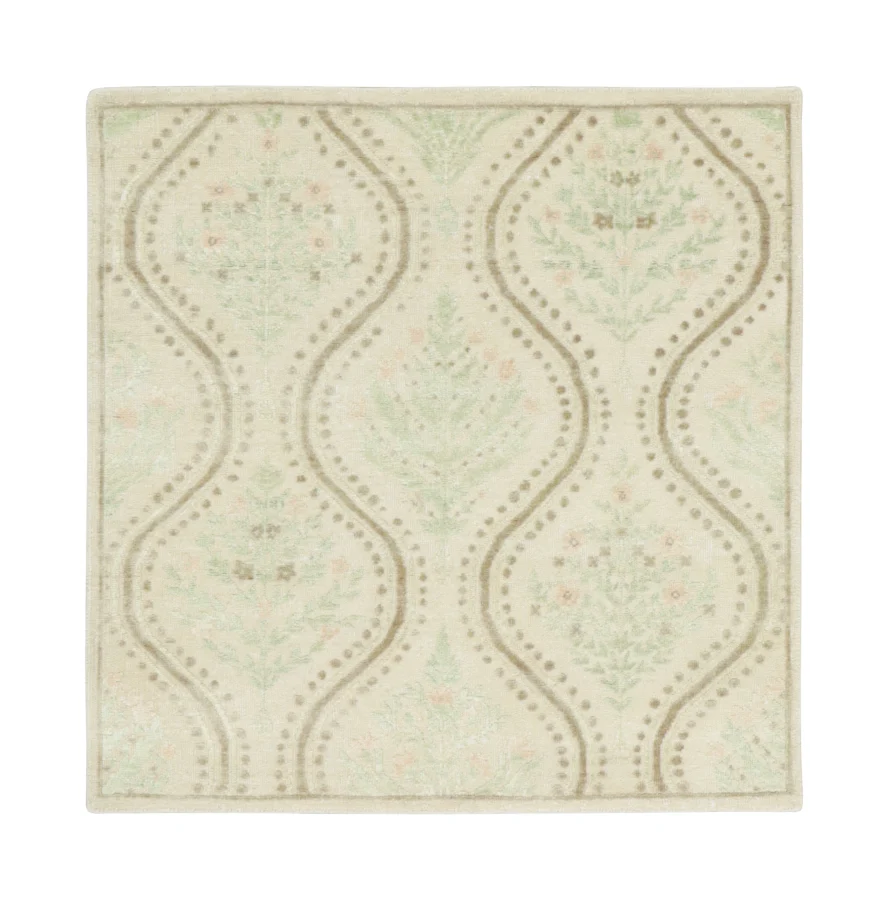
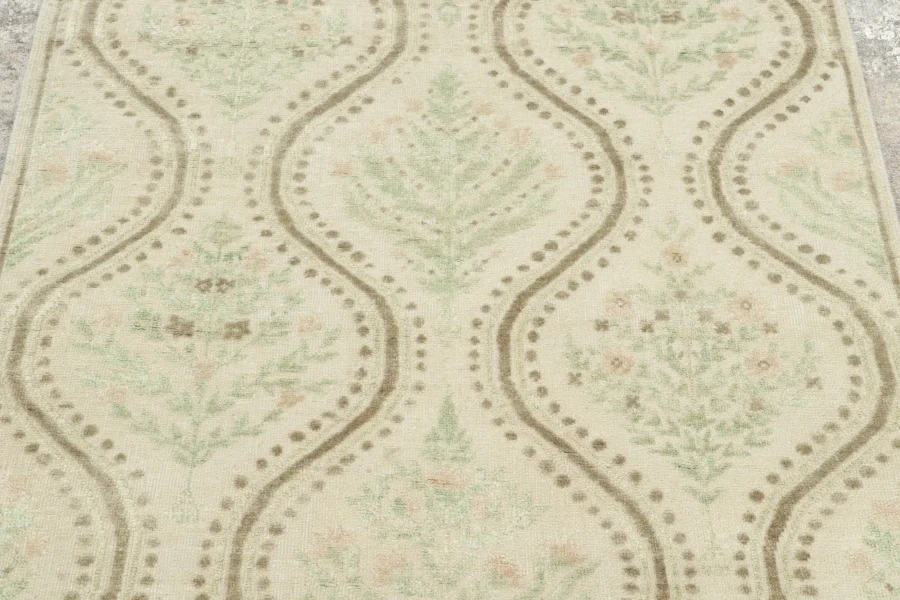 36647Rug & Kilim's Block Print Floral Square Rug with Ivory, Sage & Taupe Design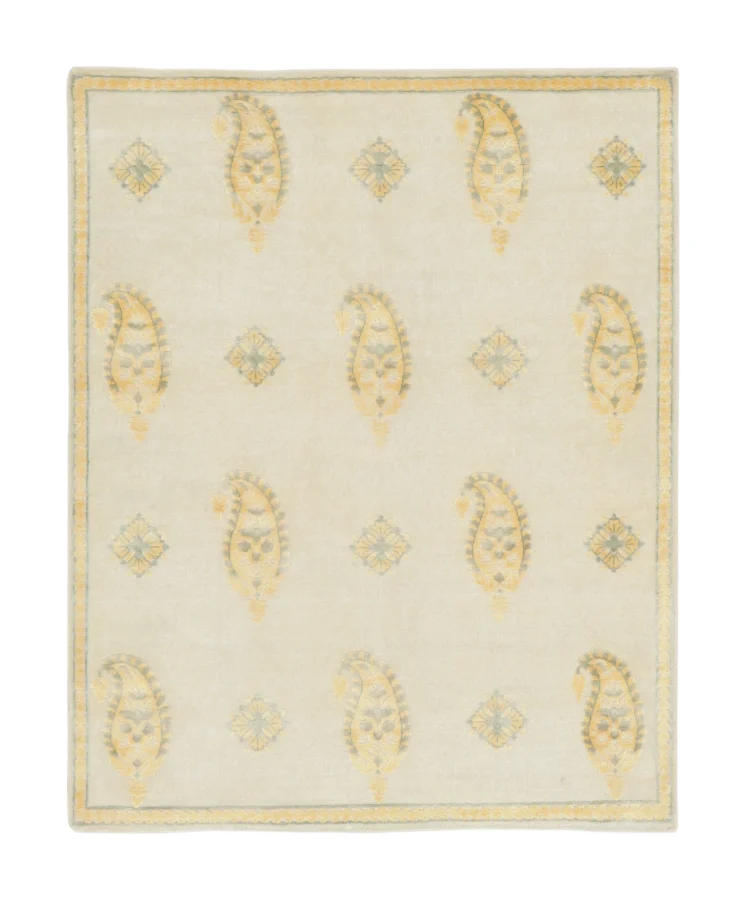
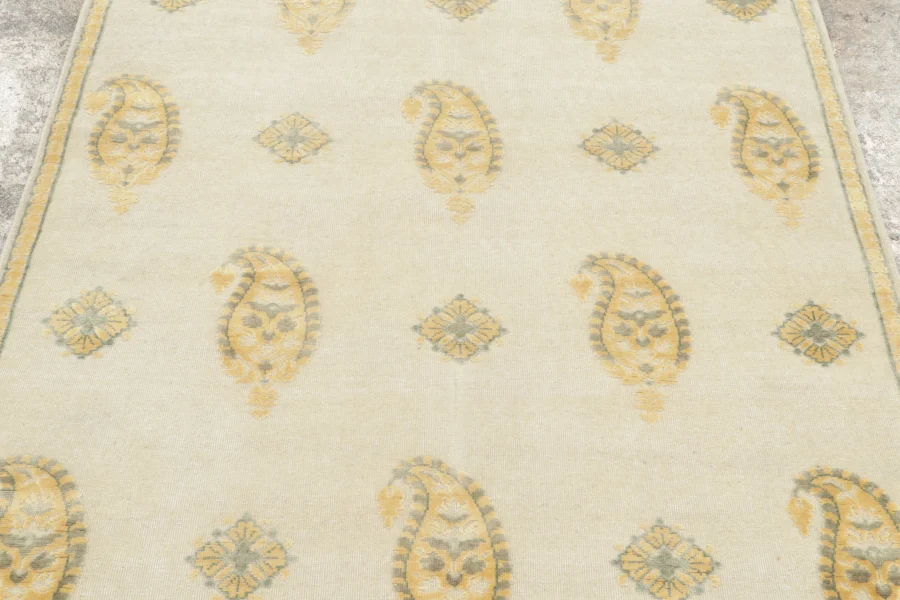 36643Rug & Kilim's Block Print Rug in Beige, Gold & Gray with Paisley Design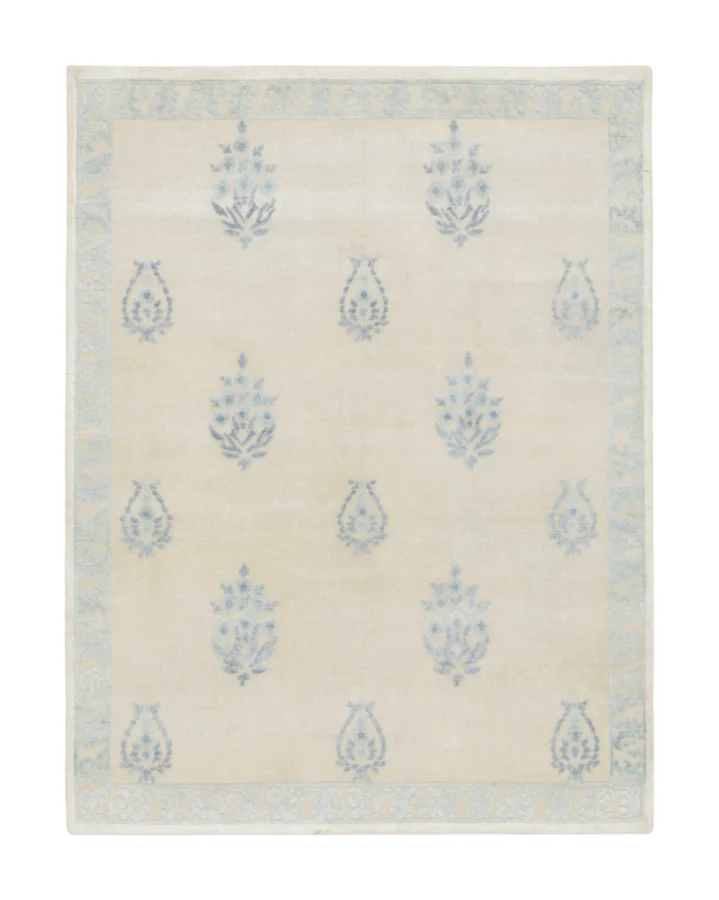
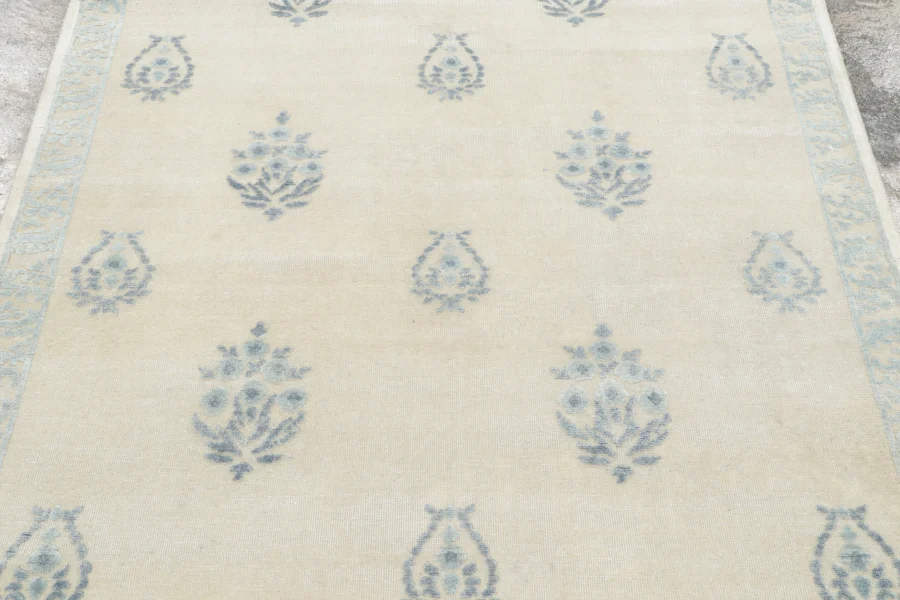 36641Rug & Kilim's Block Print Floral Rug with Ivory & Sky Blue Allover Design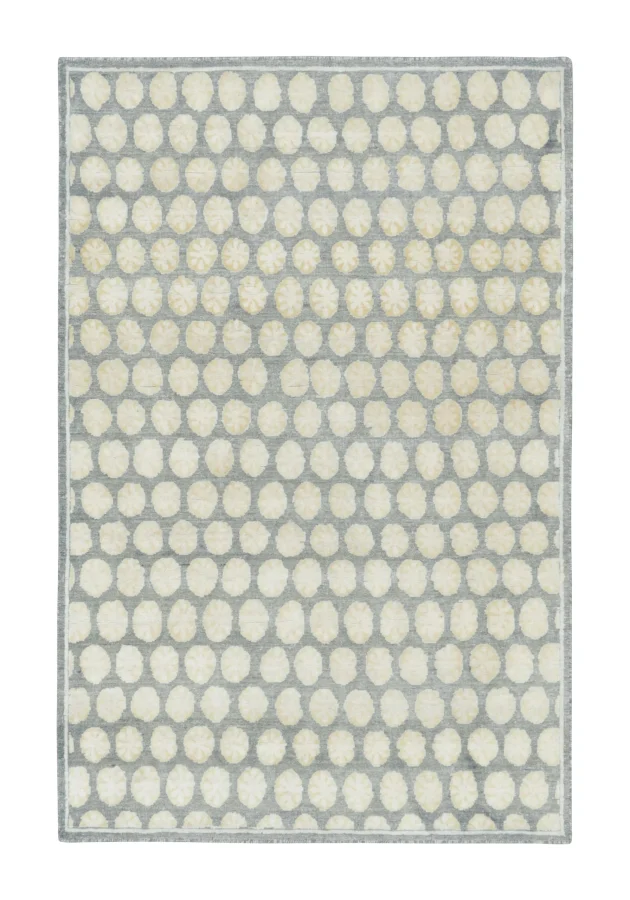
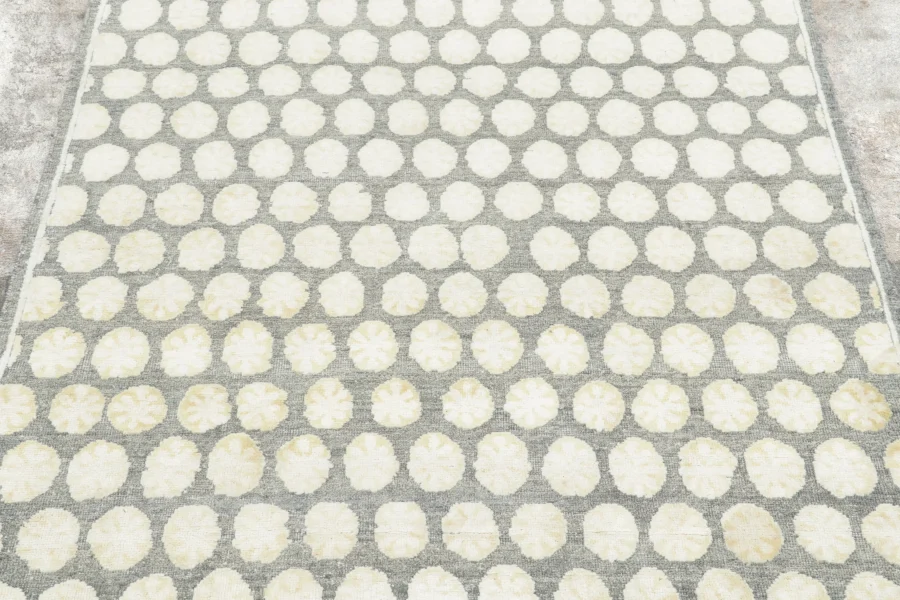 36633Rug & Kilim's Block Print Rug with Allover Floral Design in Ivory & Gray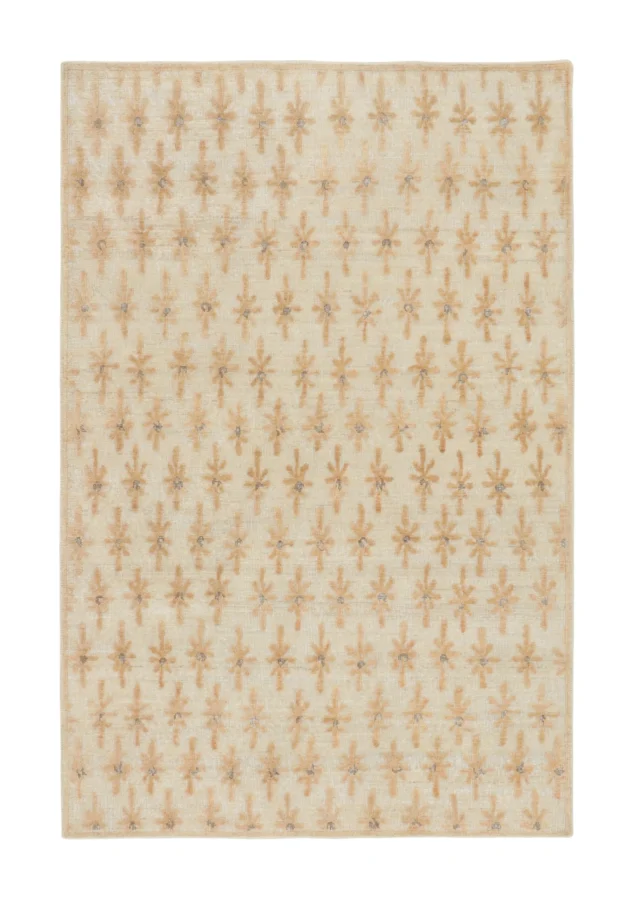
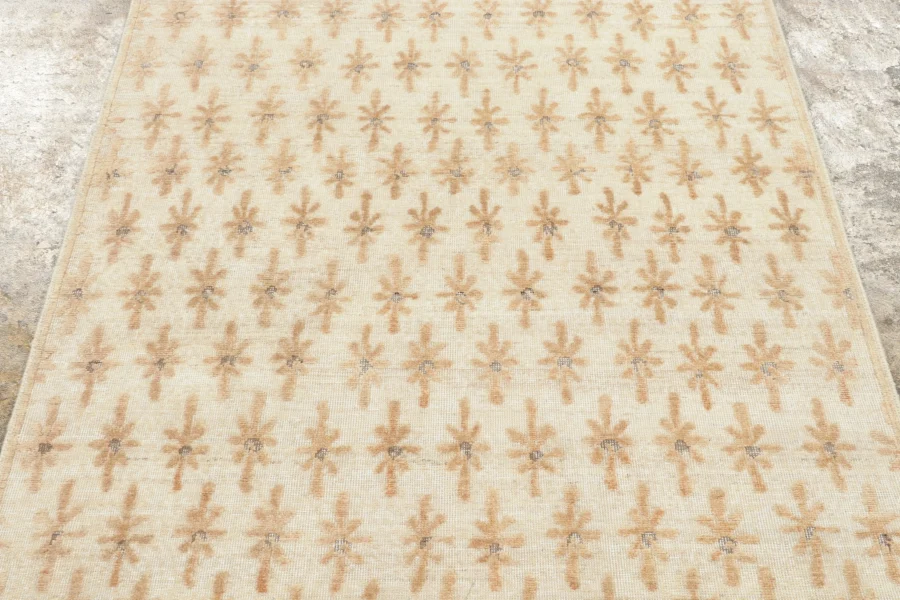 36630Rug & Kilim's Block Print Runner with Orange & Brown in All Over Floral Design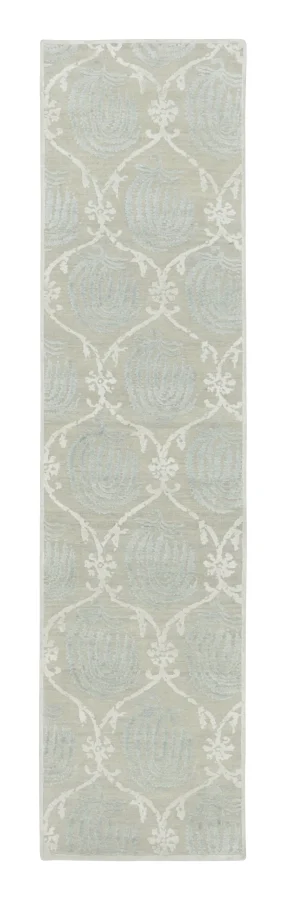
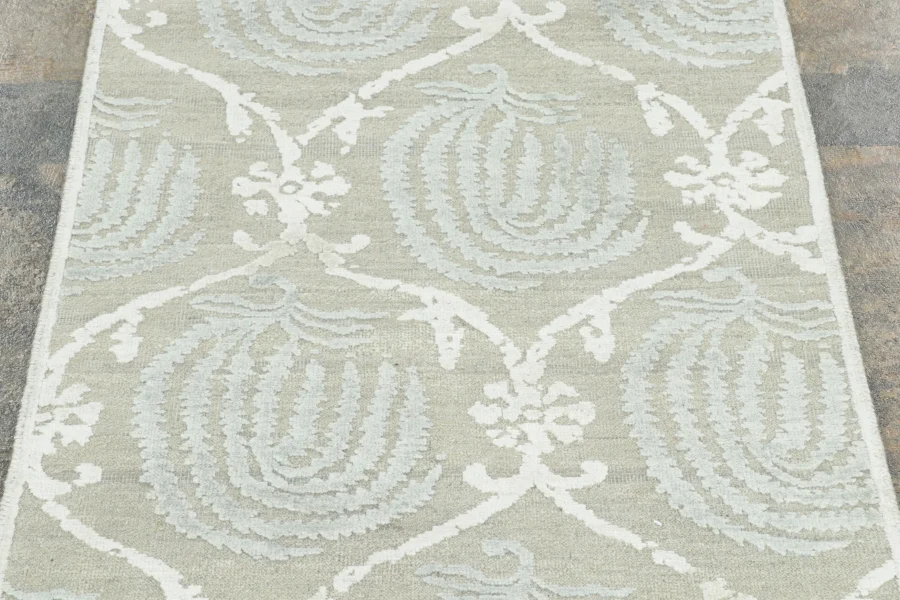 36614Rug & Kilim's Block Print Runner with Ivory Allover Floral & Vinework Design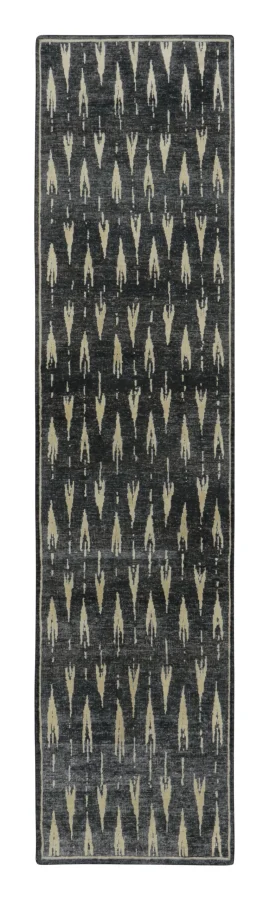
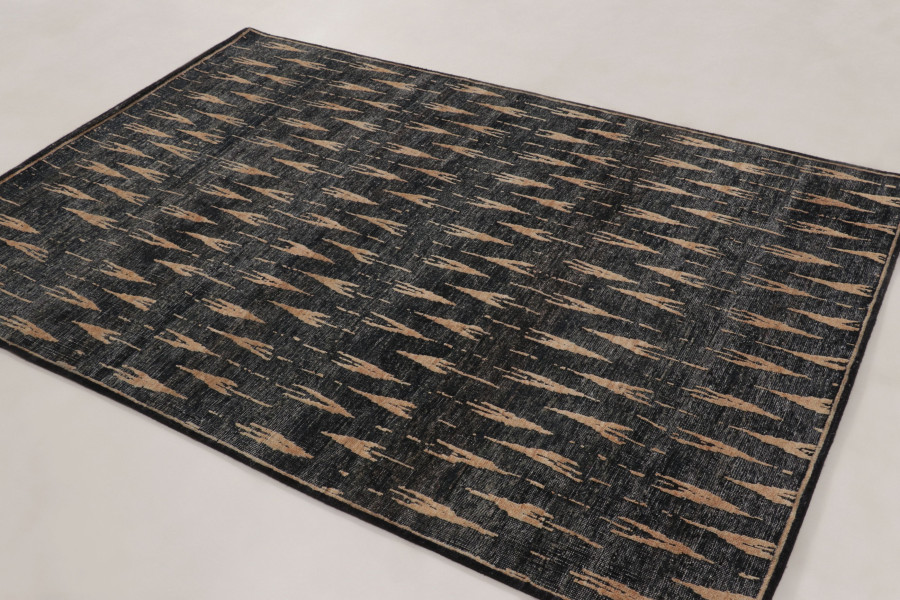
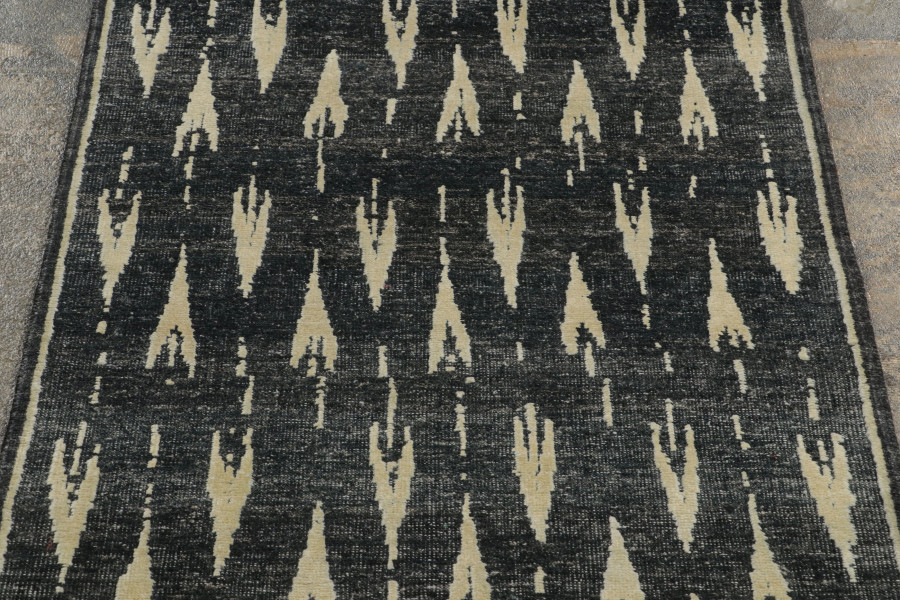 36605Rug & Kilim's Block Print Runner with Textural Black & Beige Ikat Design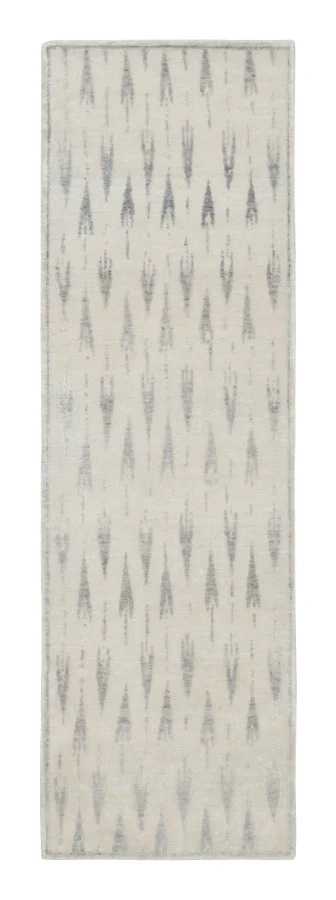
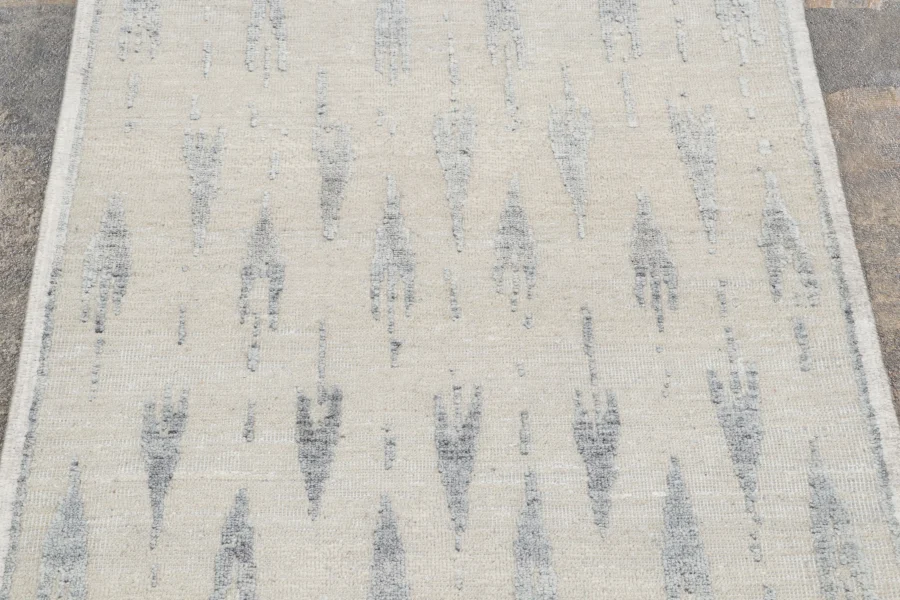 36604Rug & Kilim's Block Print Runner with Distressed Ikat Motifs in Ivory & Gray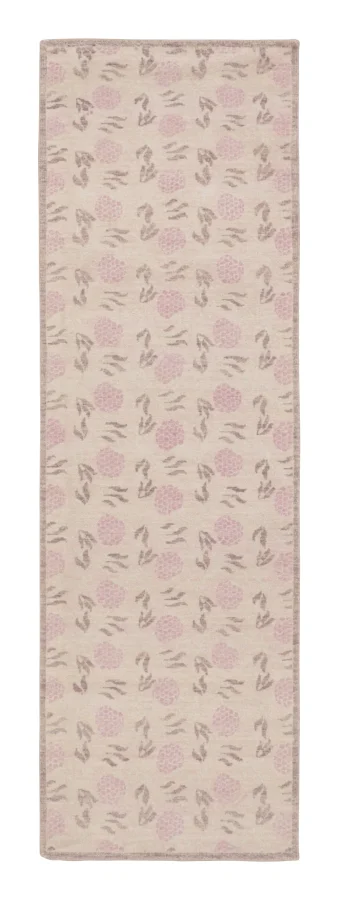
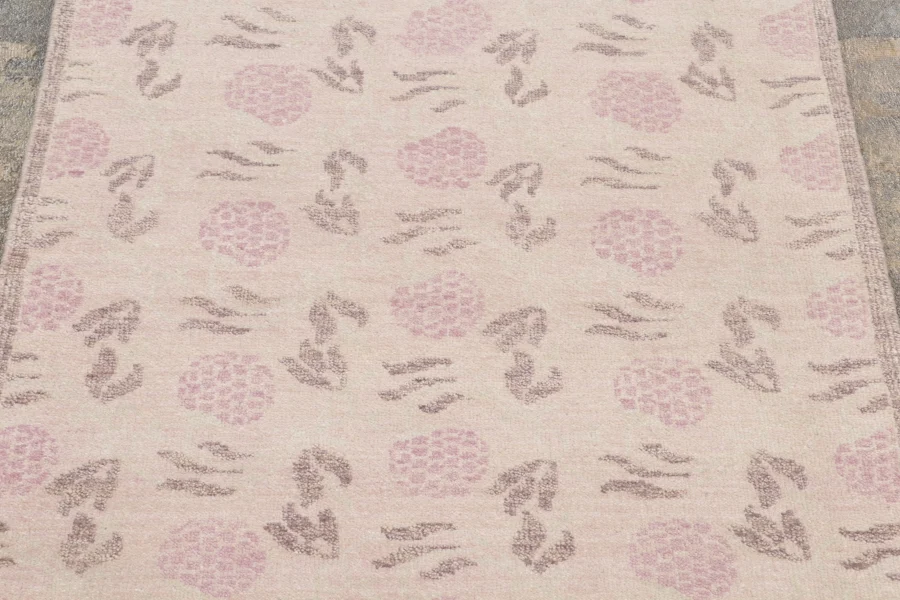 36600Rug & Kilim's Block Print Floral Runner with Blush Pink & Purple Design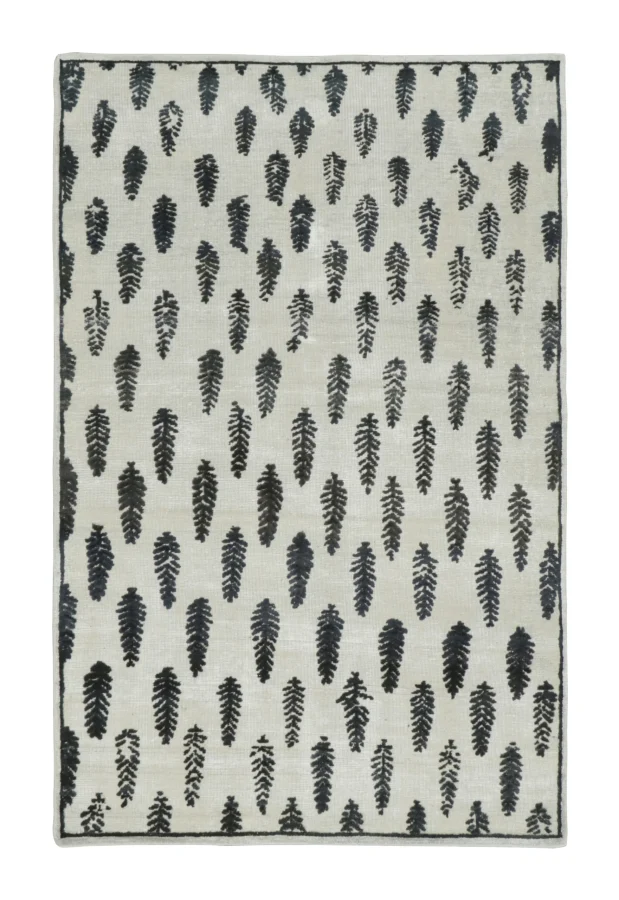
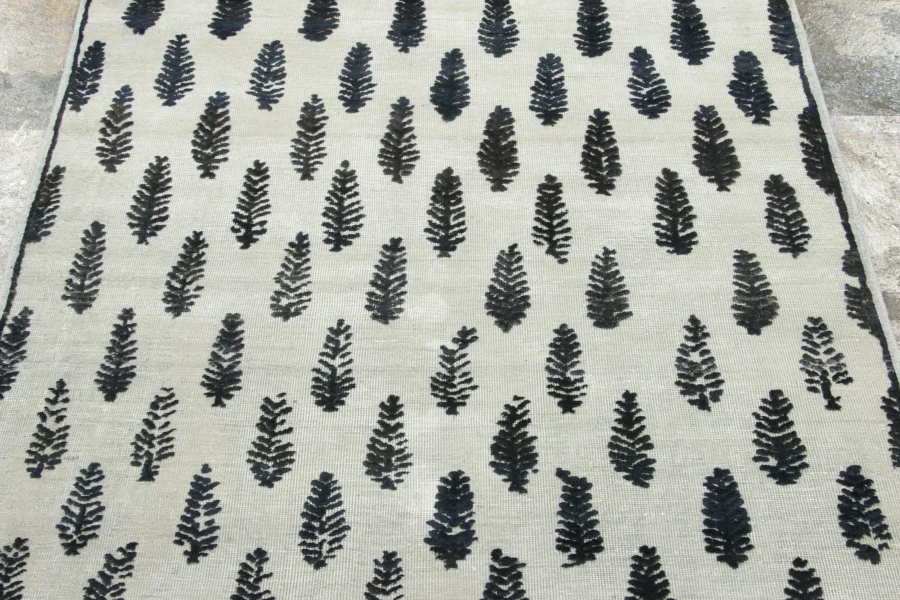 36637Rug & Kilim's Block Print Rug with Textural Botanical Motif in Ivory & Black
- Out of Stock
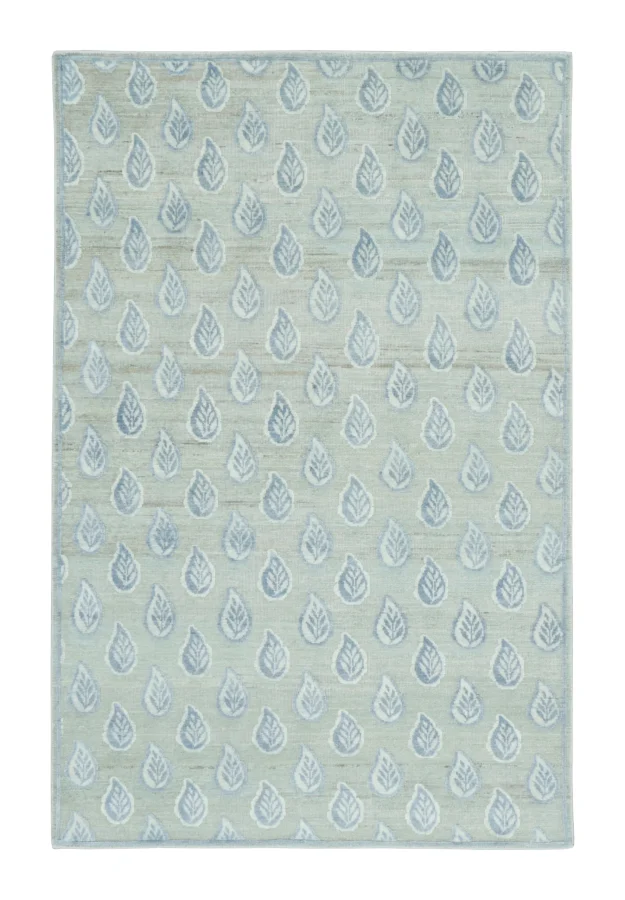
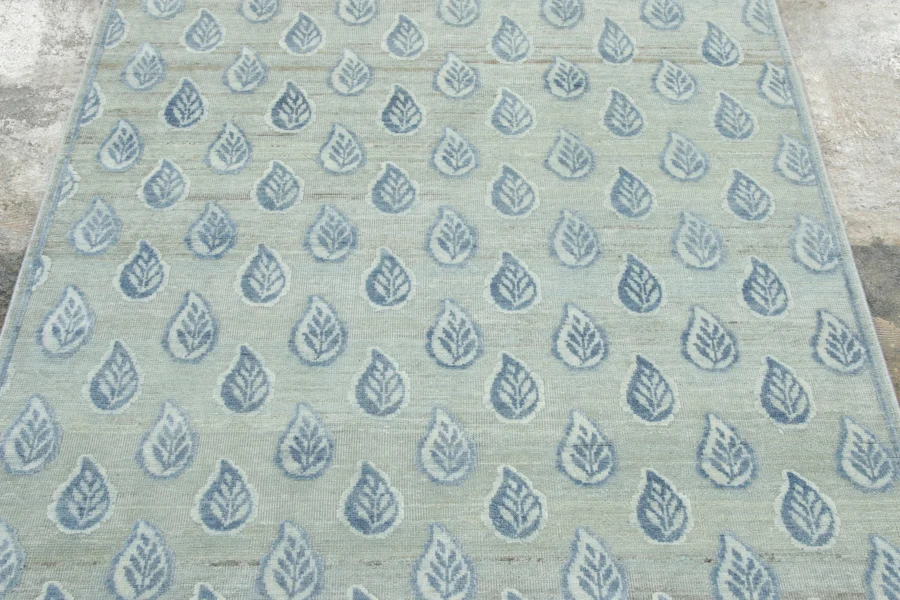 36629Rug & Kilim's Block Print Floral Rug with Textural Blue Botanical Leaf Design
 - Out of Stock
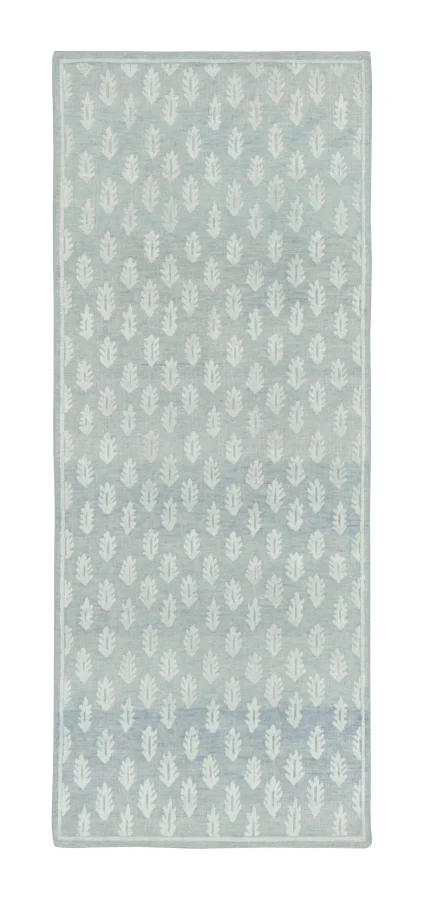
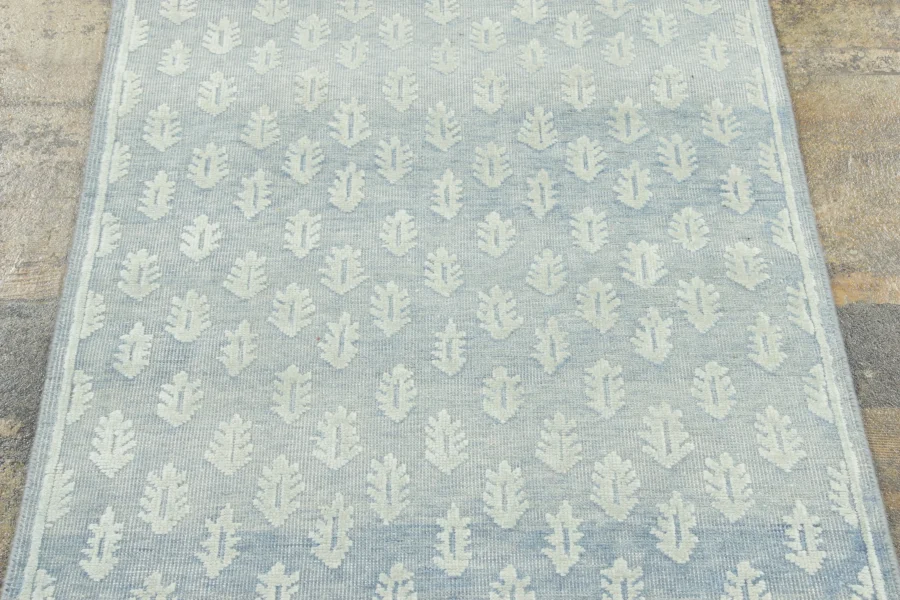 36623Rug & Kilim's Block Print Floral Runner in Blue & Ivory High-Low Design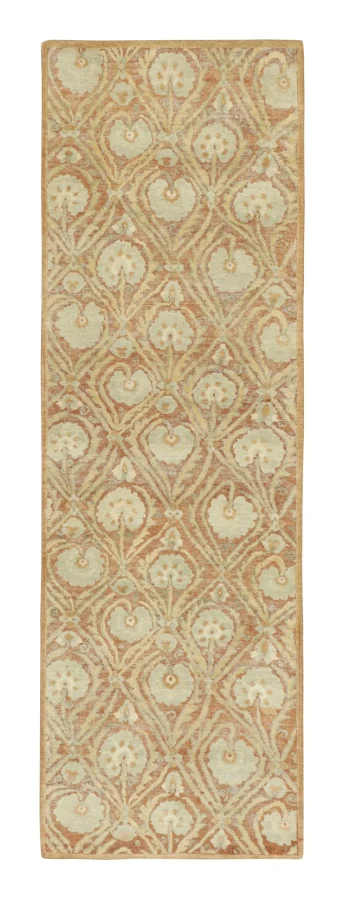
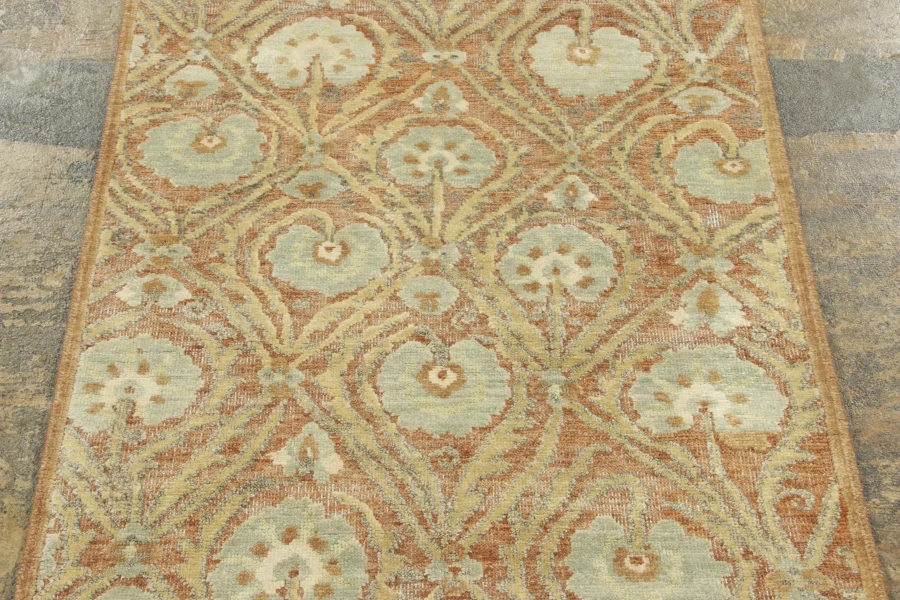 36613Rug & Kilim's Block Print Floral Runner with Scrolling Vine Motifs in Gold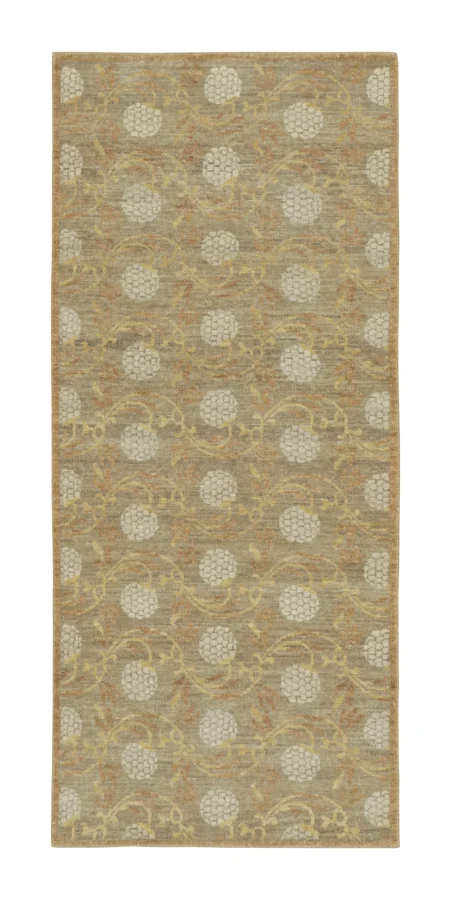
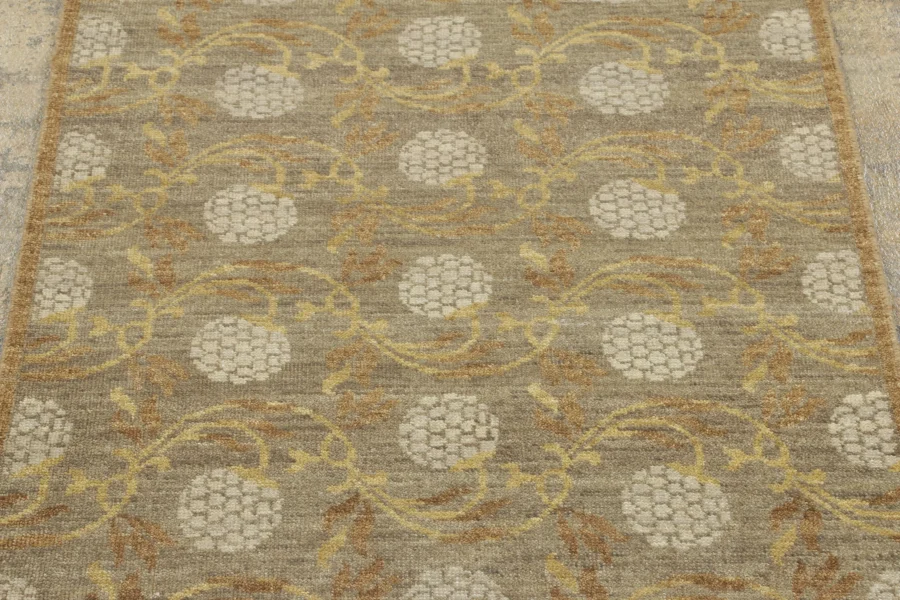 36610Rug & Kilim's Block Print Runner with Floral Motifs in Brown, Gold & Ivory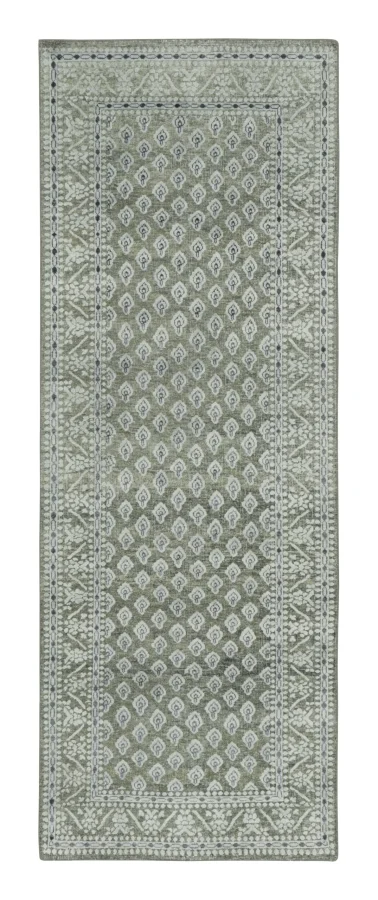
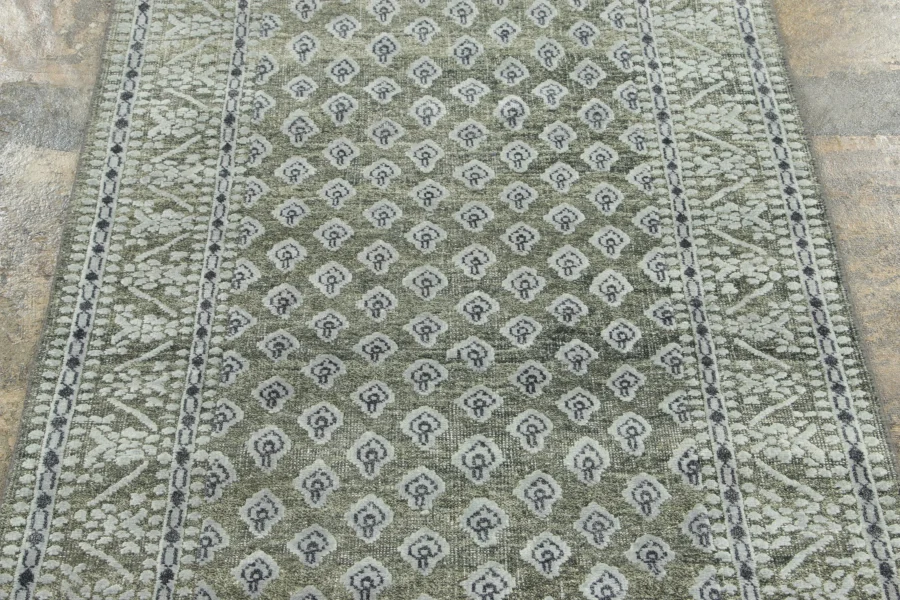 36608Rug & Kilim's Block Print Runner with Textural Geometric Motifs in Blue & Gray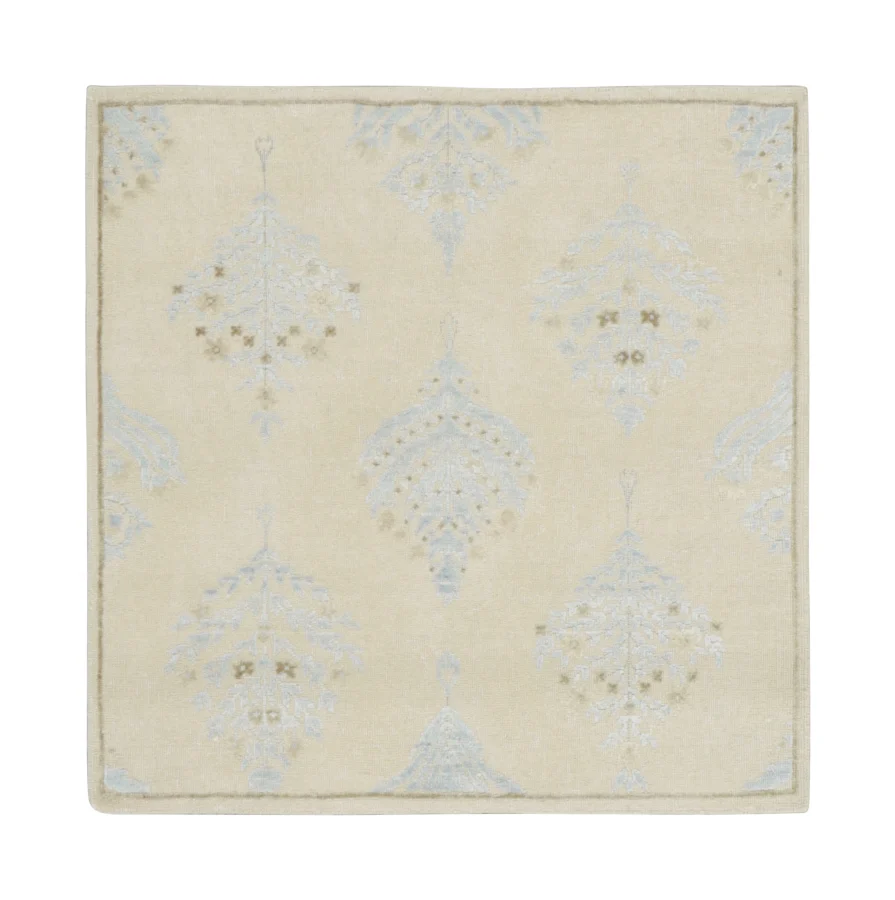
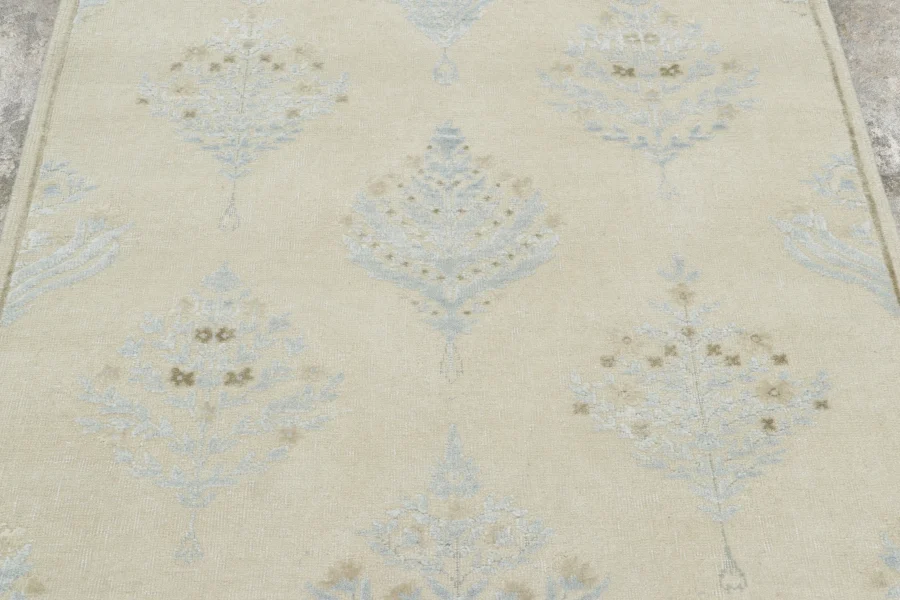 36646Rug & Kilim’s Square Block Print Rug with Floral Designs in Ice Blue & Beige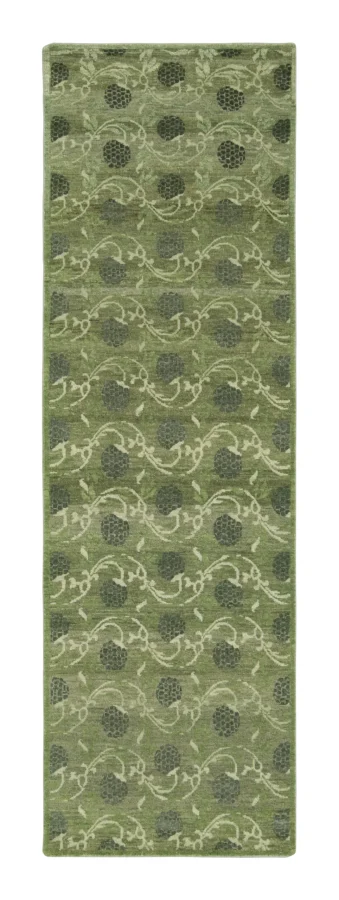
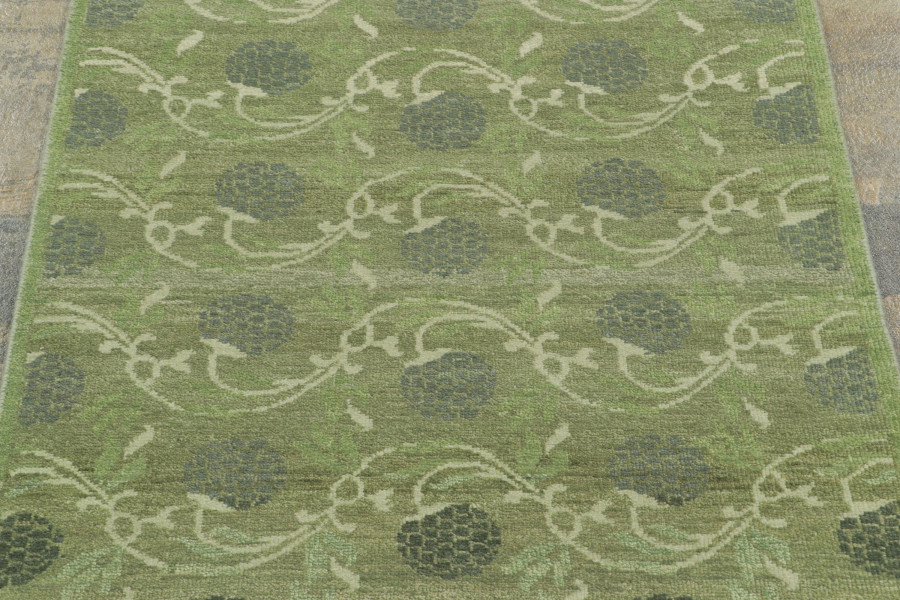 36615Rug & Kilim’s Block Print Runner with Floral Vinery in Lush Green Hues
- Out of Stock
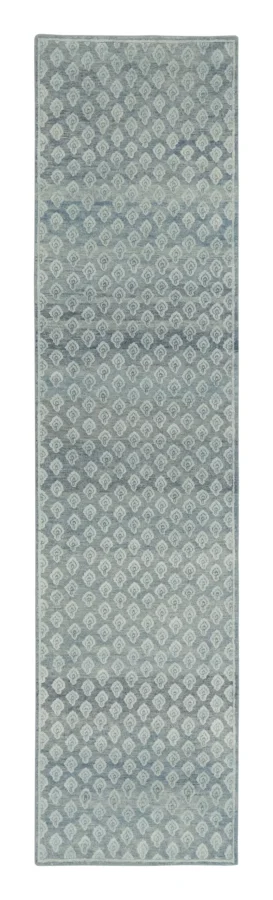
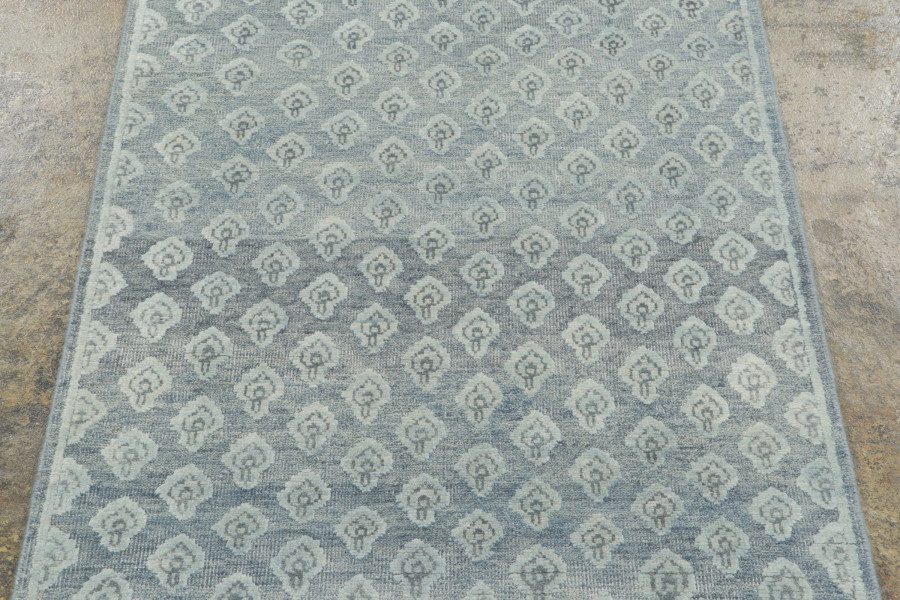 36598Rug & Kilim’s Block Print Runner with Geometric Lattice in Tonal Gray & Blue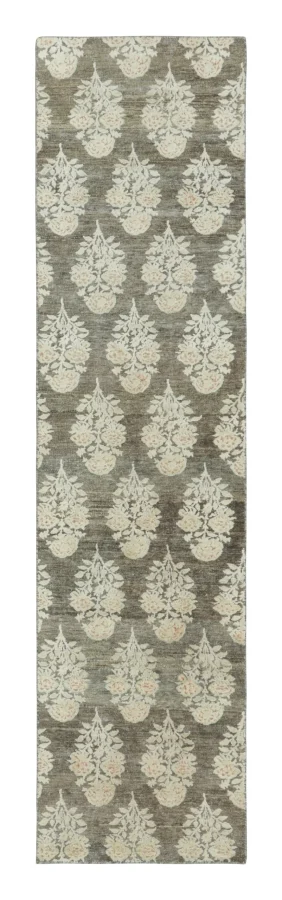
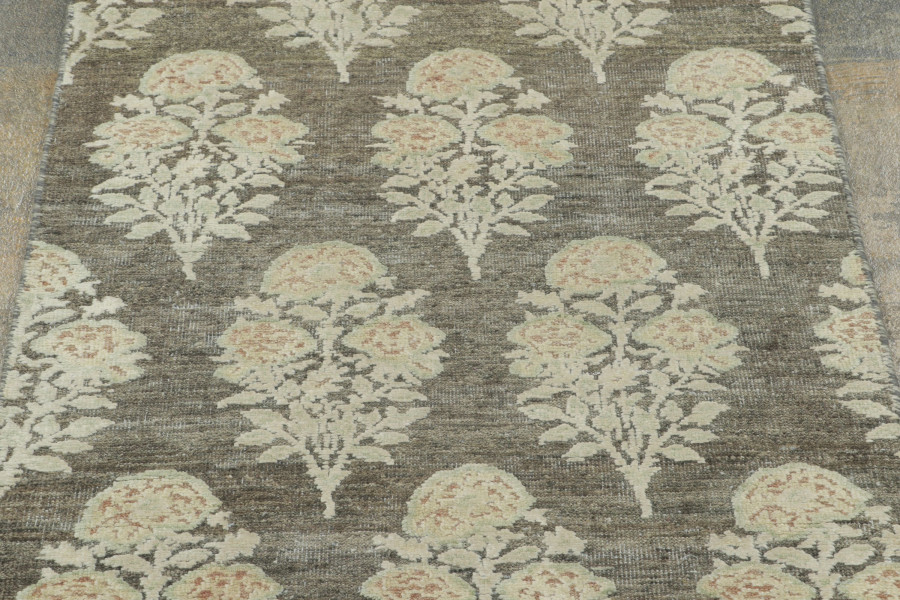 36601Rug & Kilim’s Block Print Runner with Floral Pattern in Green & Soft Beige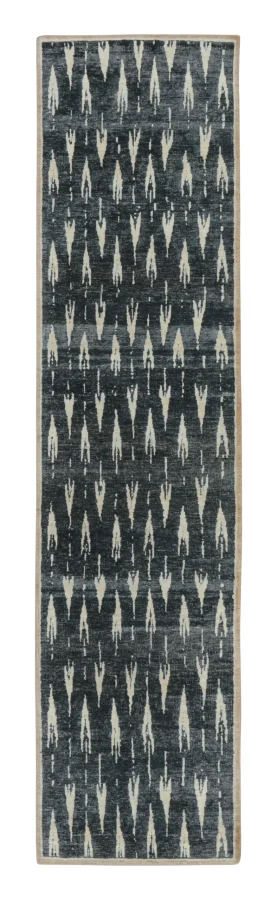
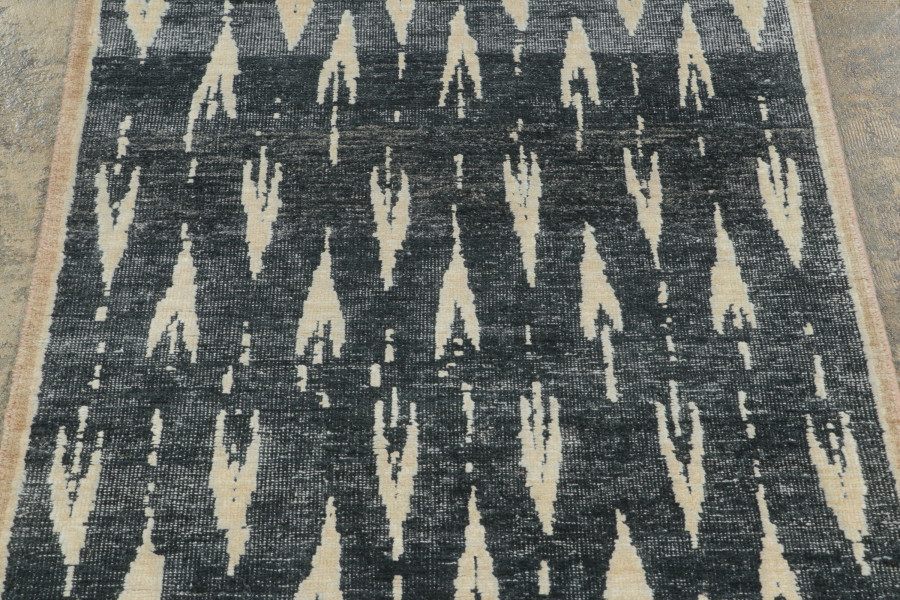 36606Rug & Kilim’s Block Print Geometric Runner in Deep Blue & Ivory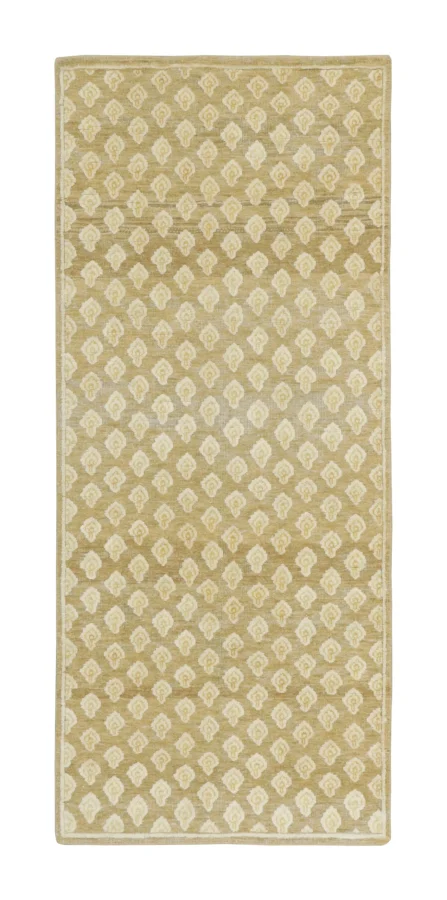
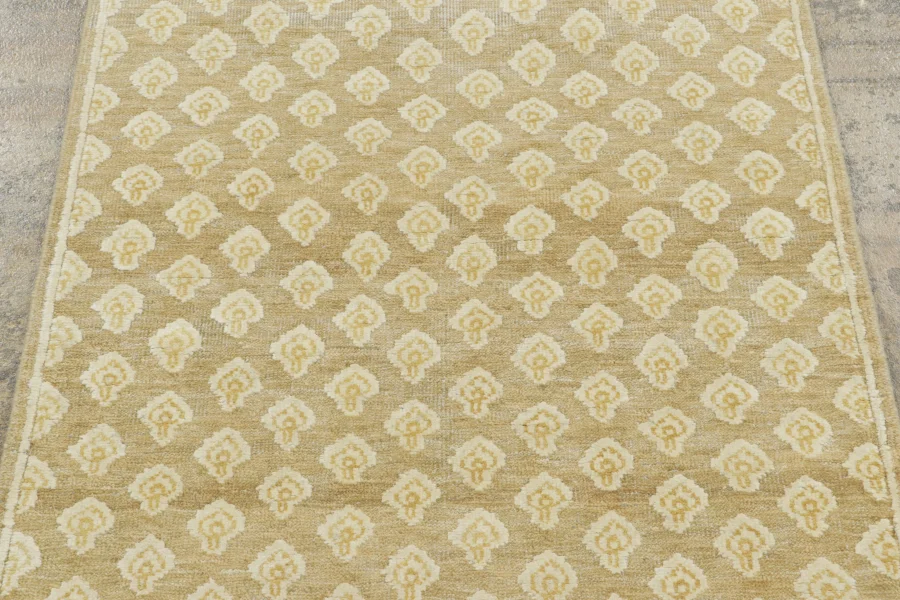 36607Rug & Kilim’s Block Print Runner with Geometric Lattice in Beige and Gold Tones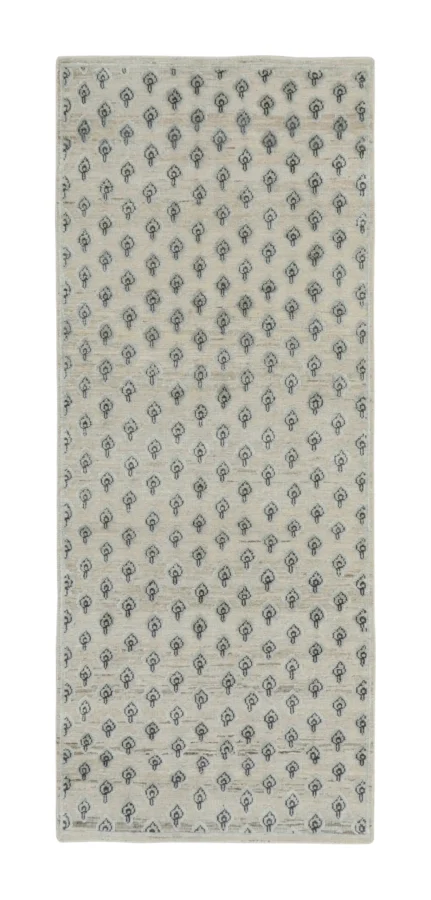
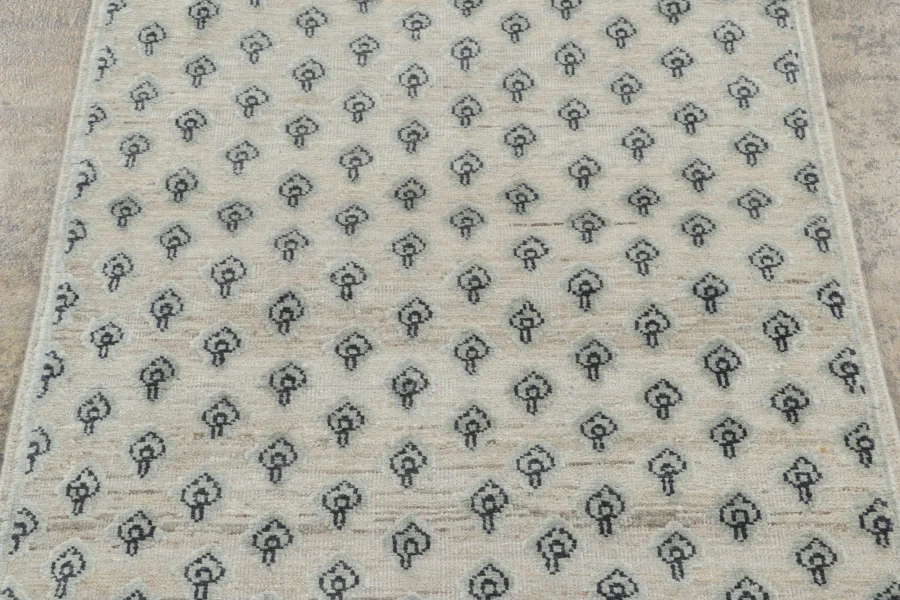 36609Rug & Kilim’s Block Print Runner with Intricate Geometric Design in Beige & Gray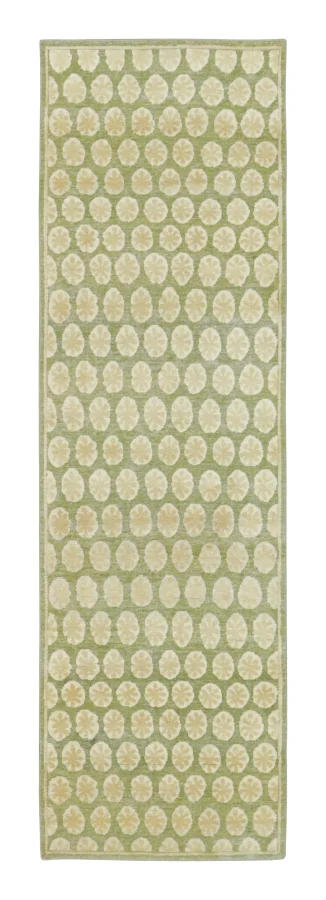
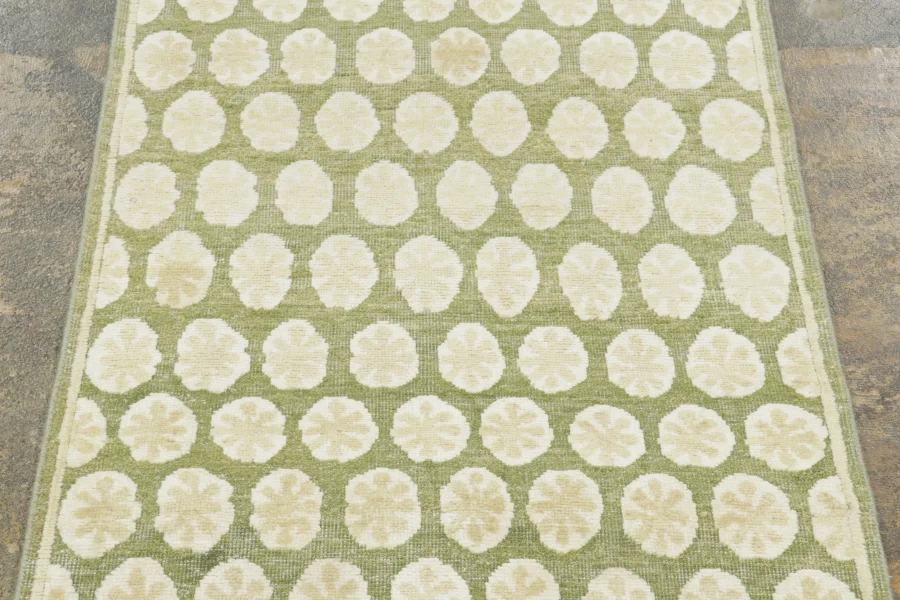 36611Rug & Kilim’s Block Print Runner with Floral Motif Grid in Beige & Sage Green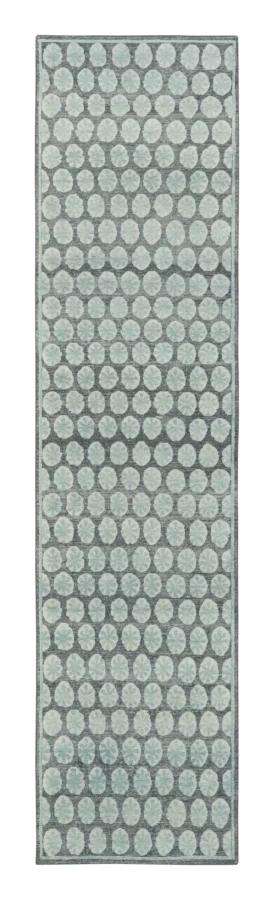
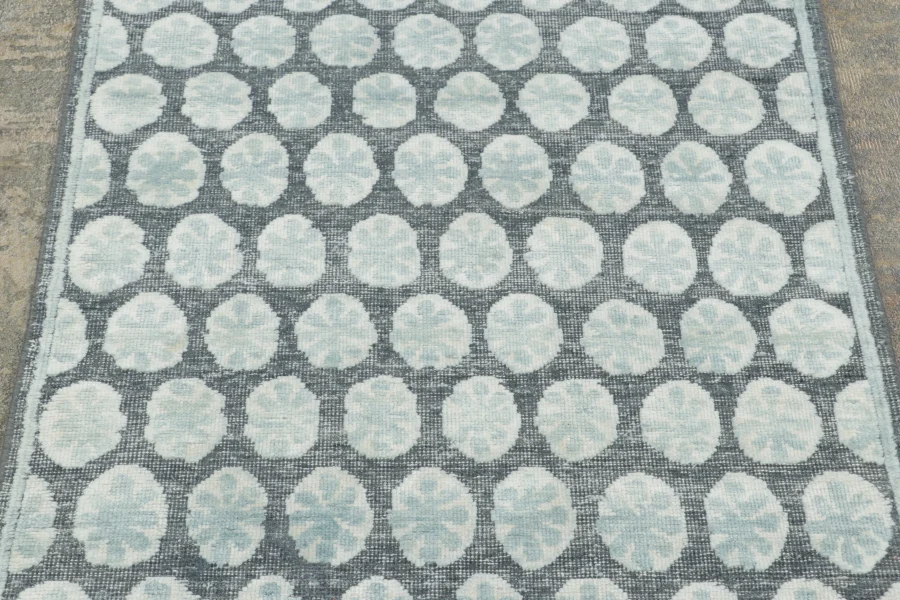 36618Rug & Kilim’s Block Print Runner with Floral Motif Grid in Blue & Deep Gray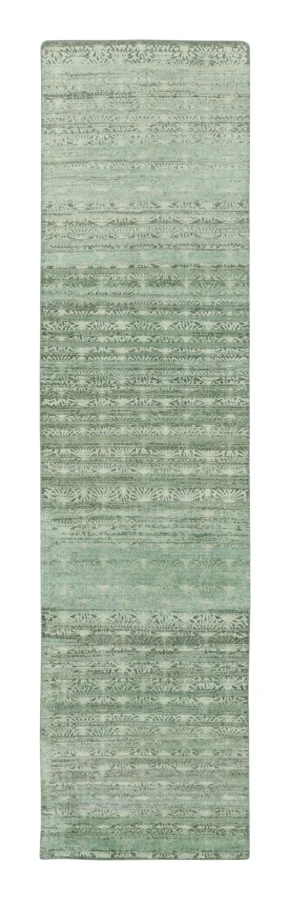
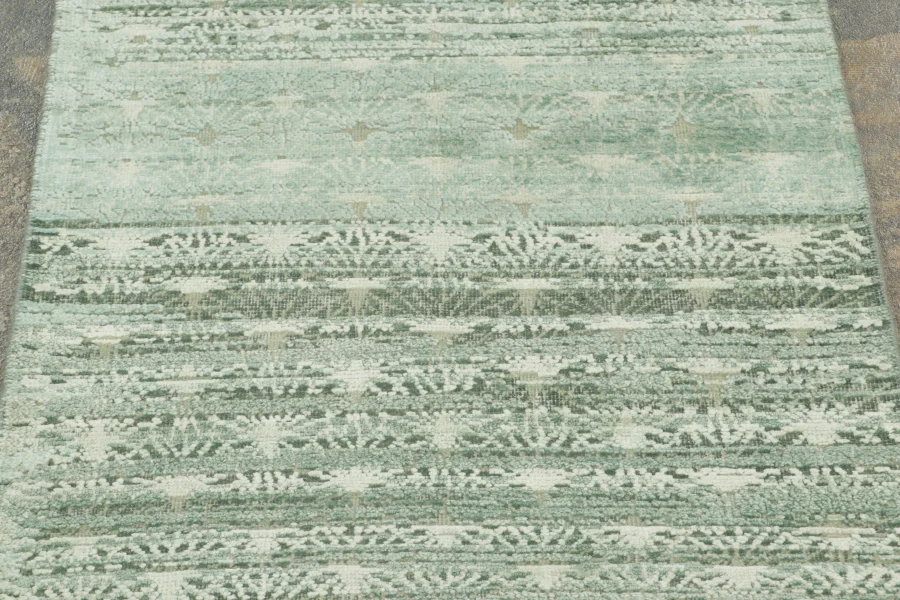 36620Rug & Kilim’s Block Print Runner with All-Over Geometric Design in Sage Green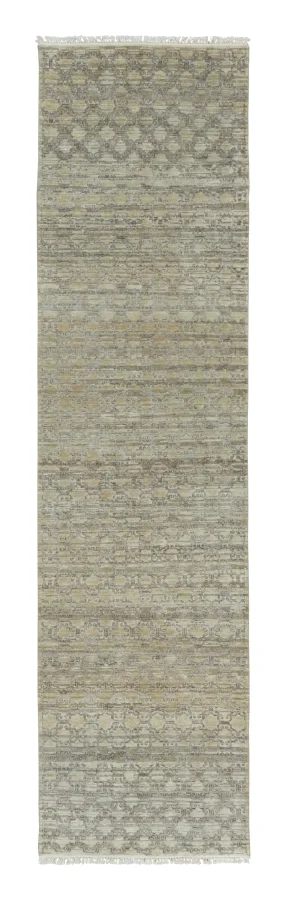
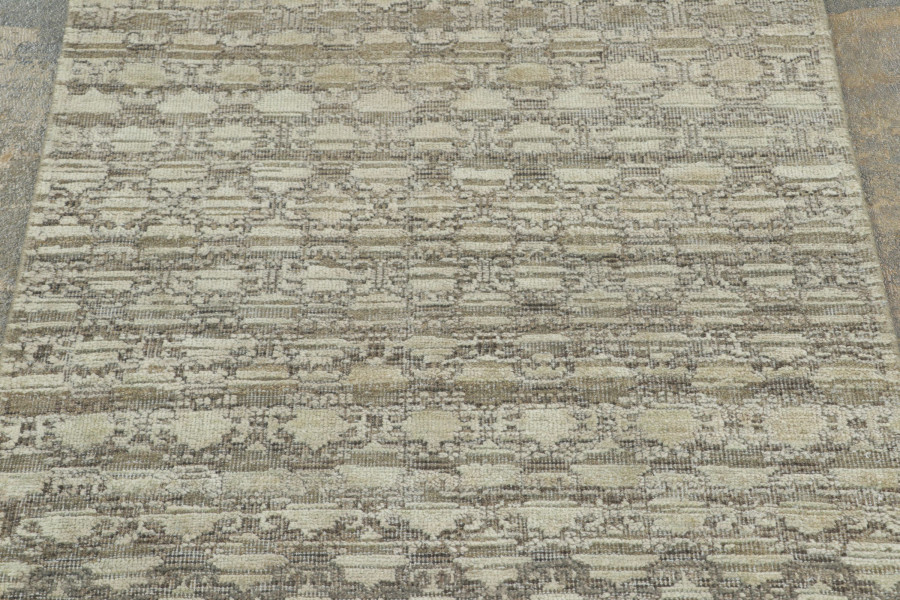 36621Rug & Kilim’s Block Print Runner with Tonal Motif Lattice in Beige & Brown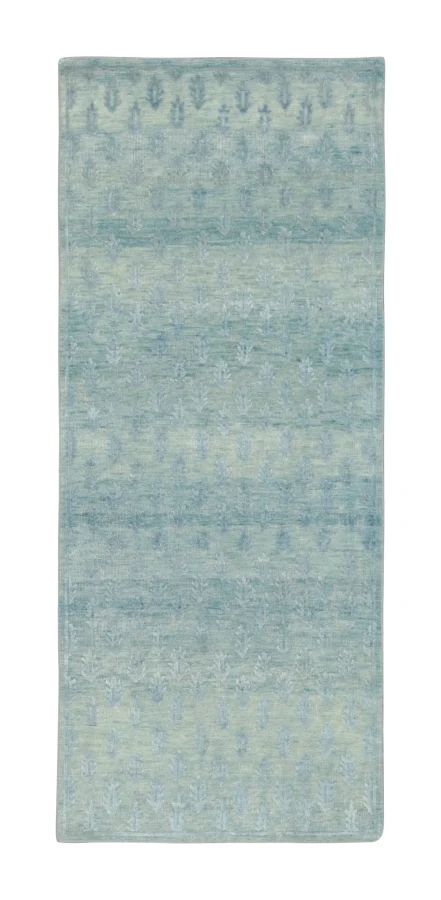
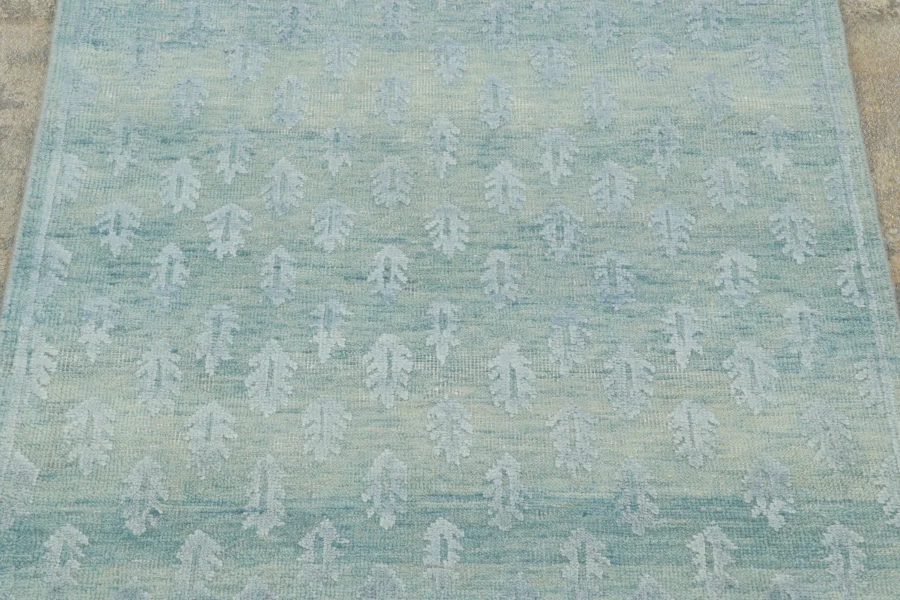 36624Rug & Kilim’s Block Print Runner with Tonal Floral Pattern in Blue Hues
- Out of Stock
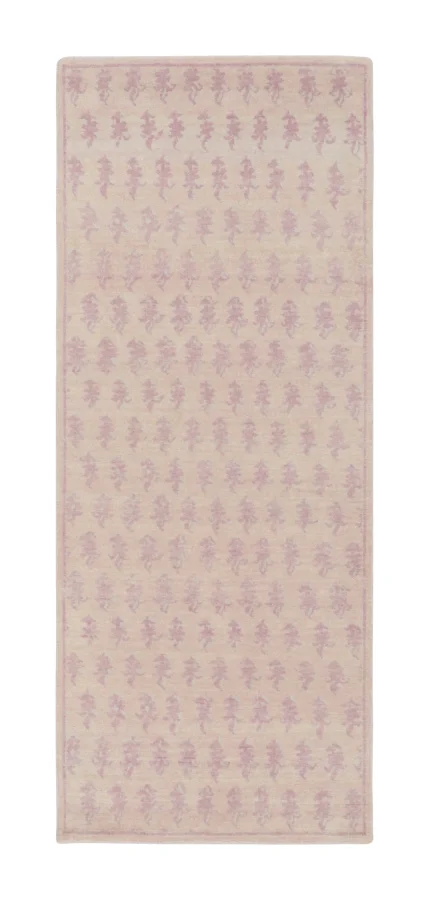
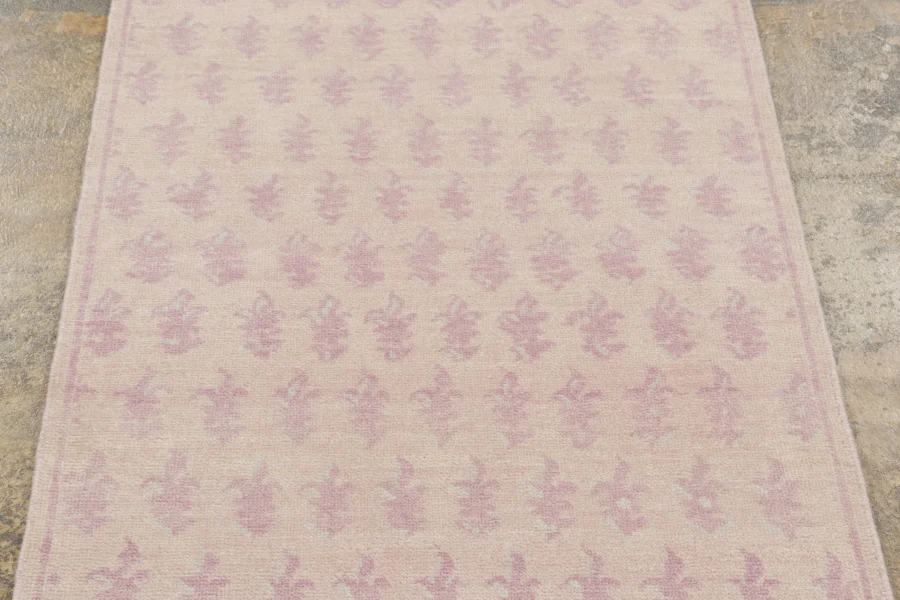 36625Rug & Kilim’s Block Print Runner with Floral Motif Grid in Pink Pastel Hues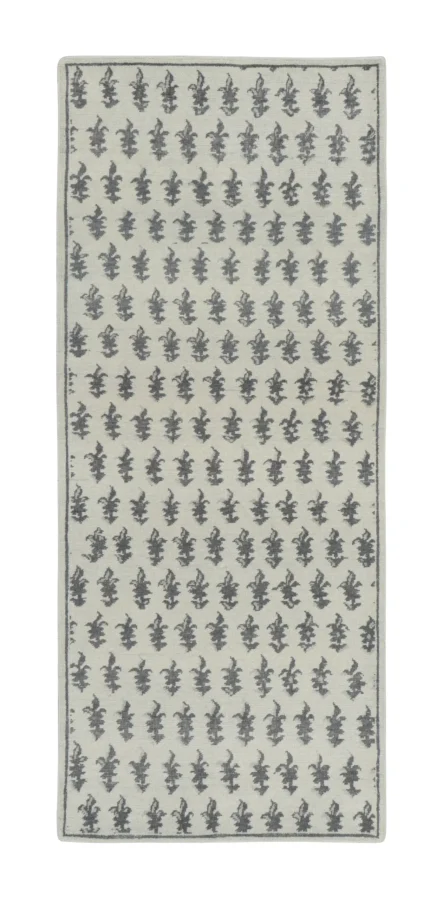
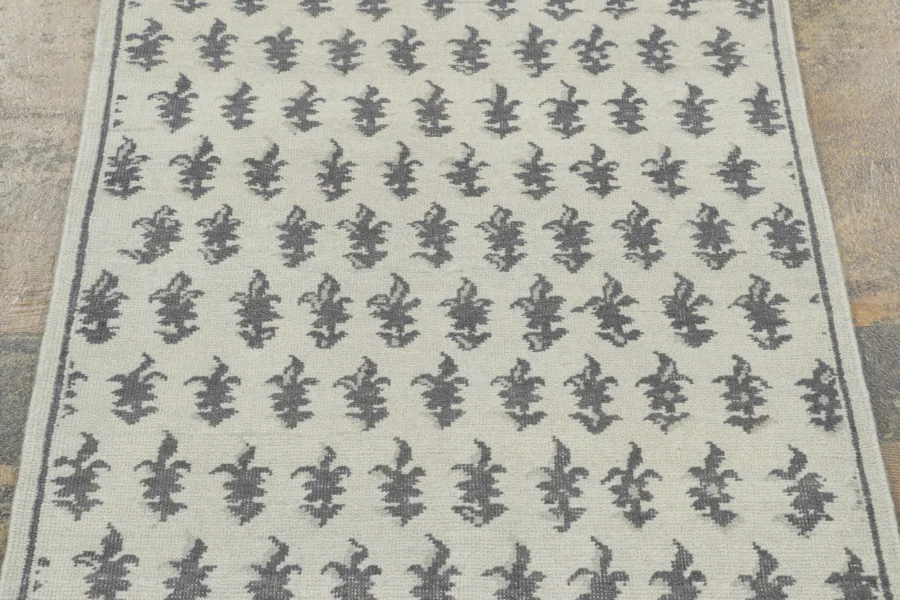 36627Rug & Kilim’s Block Print Runner in Cream & Deep Gray Floral Pattern
- Out of Stock
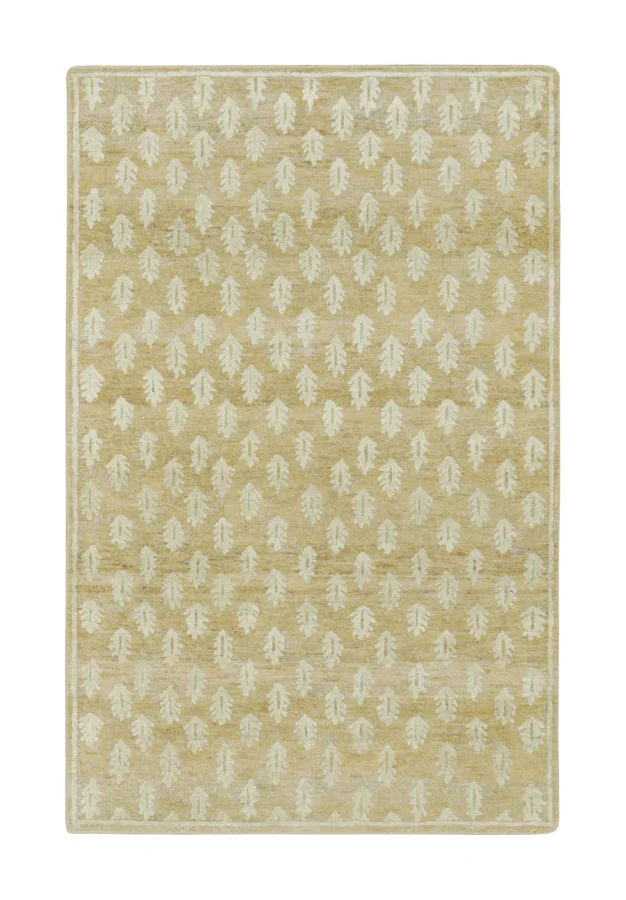
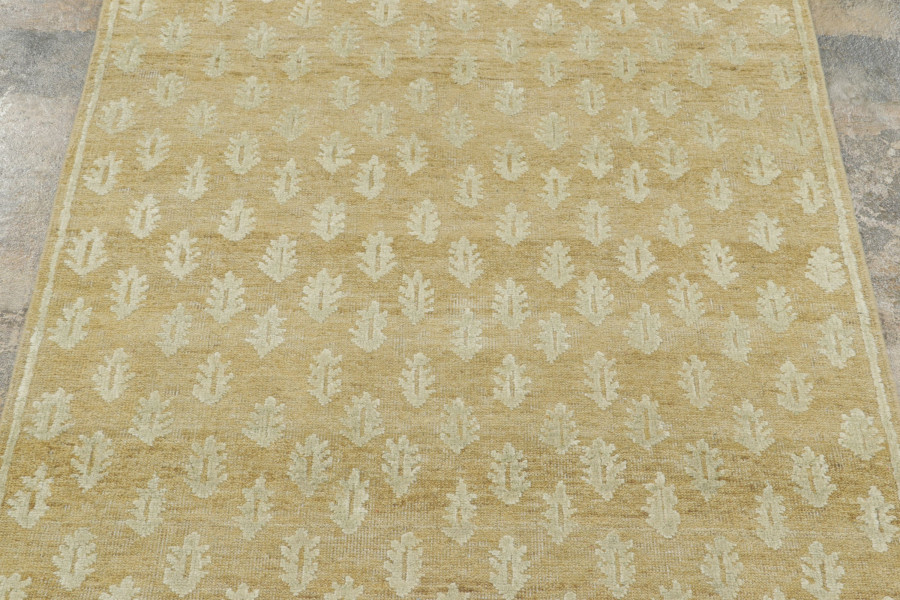 36639Rug & Kilim’s Block Print Rug with Floral Designs in Warm Gold & Beige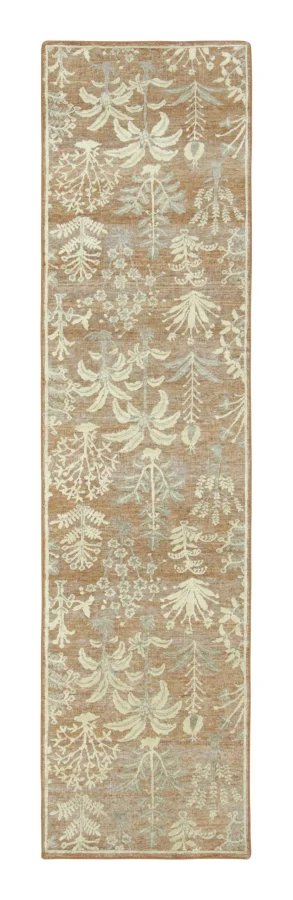
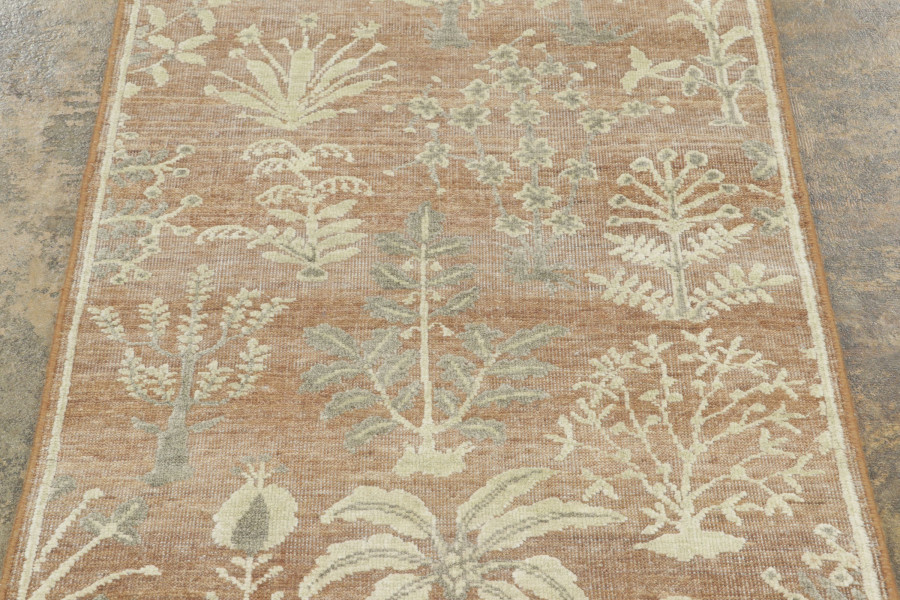 36616Rug & Kilim’s Block Print Runner with Lush Botanical Design in Beige & Brown
- Out of Stock
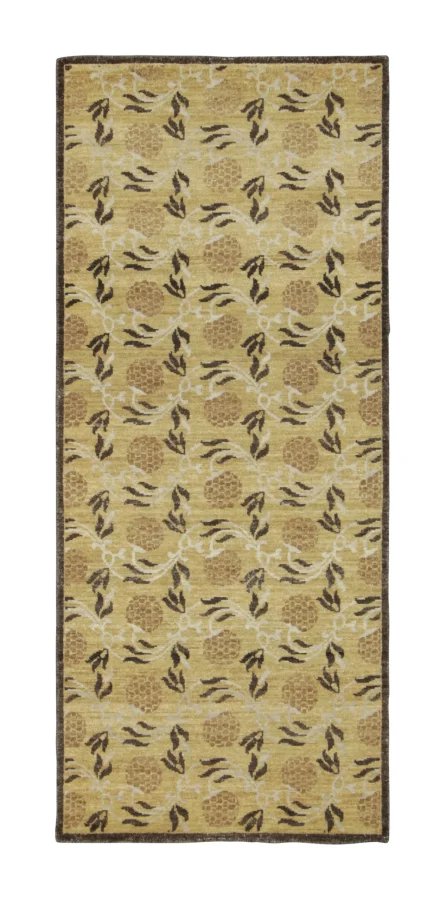
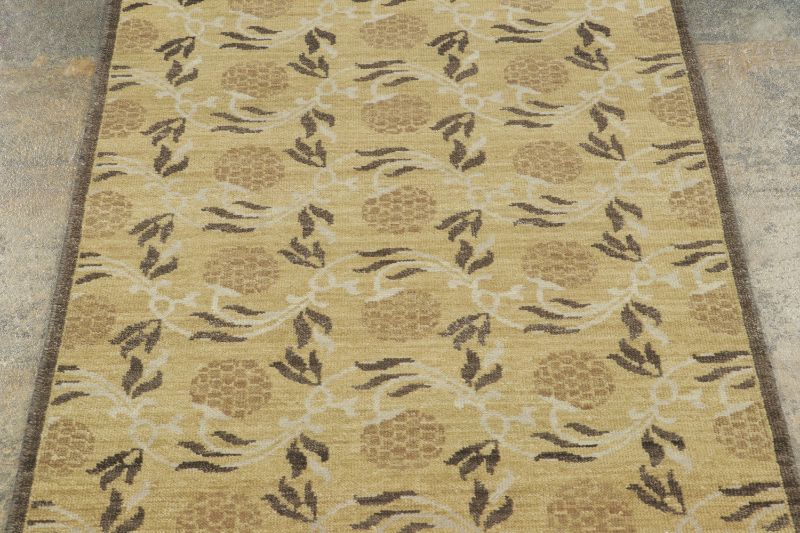 36617Rug & Kilim’s Block Print Runner with Floral Vinery in Beige, Brown & Black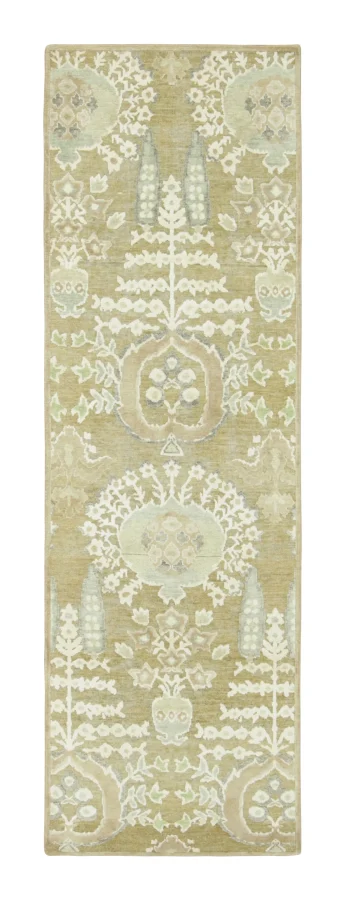
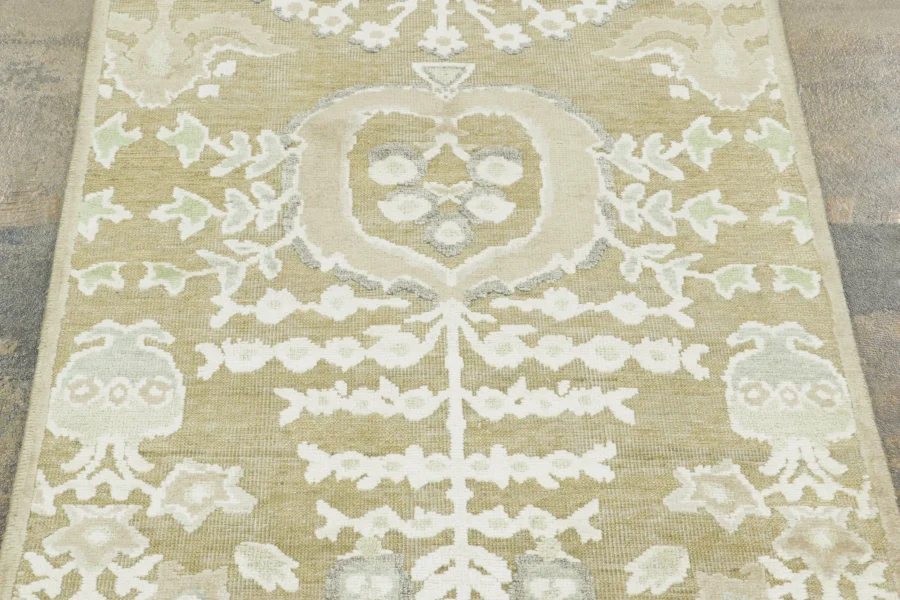 36619Rug & Kilim’s Block Print Runner with Botanical Central Design in Beige & Ice Blue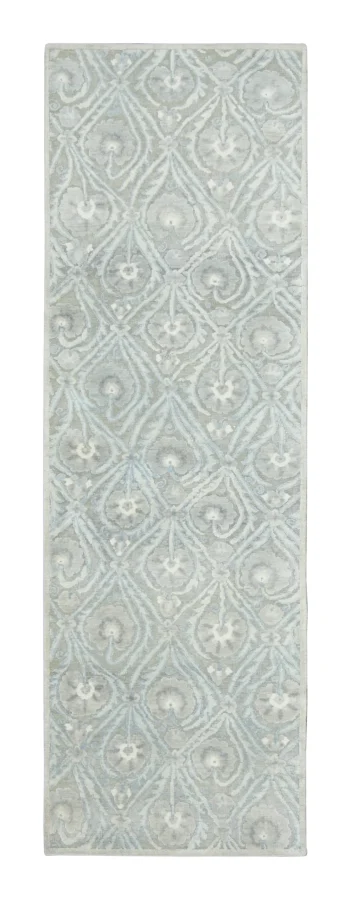
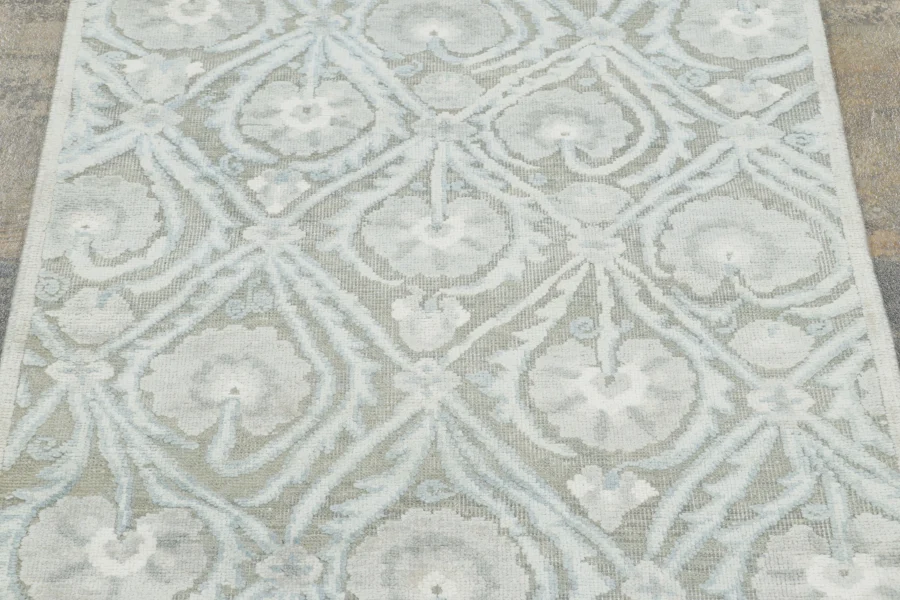 36622Rug & Kilim’s Block Print Runner with Floral Lattice in Cream & Ice Blue
Stories from the Block Print Archive
Essays, artist dialogues, and provenance notes drawn from Rug & Kilim’s editorial desk.
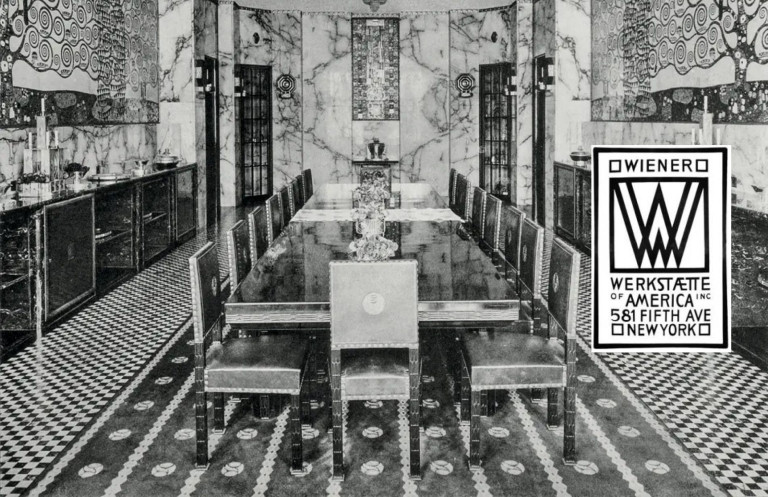
Leo and Greti Wollner and the Vienna Carpet Inheritance
There is a particular authority that attaches to an object when one can trace its maker's hand, teacher by teacher, back to a single revolutionary moment, and in the case of Leo and Gretl Wollner, that moment is the Wiener Werkstätte. To own a Wollner carpet is to hold the last living end of a thread that runs directly to Josef Hoffmann, to Koloman Moser, to the Vienna of 1903 that resolved, against the whole weight of European convention, that there should be no hierarchy dividing the fine arts from the applied ones. A painting and a carpet were to be judged by the same measure. A century later, the Wollners are among the very last to have been taught that creed by the people who founded it.
Read the Feature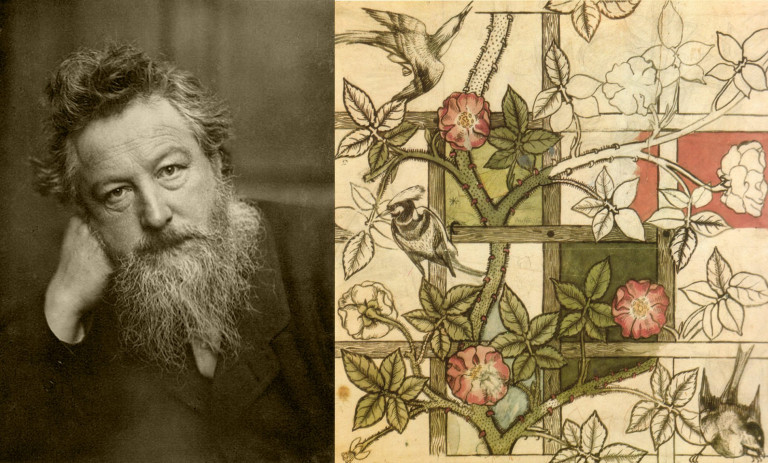
What William Morris, Paul Poiret, and the Bauhaus Each Understood About the Rug and What French Art Deco Proved
In the winter of 1883, William Morris stood before a room full of wool merchants, manufacturers, and assorted Victorian worthies in a lecture hall in Birmingham and said something that no one in that room was prepared to hear. The decorative arts, he told them, were not decorative at all. They were the most serious form of human making and their degradation under industrial production was not an aesthetic problem but a civilizational one. He had brought, as he often did, an Oriental carpet to make his point. Then he said, in effect: this is what we have lost the capacity to make, and until we recover it, we have no business calling ourselves a culture.
Read the Feature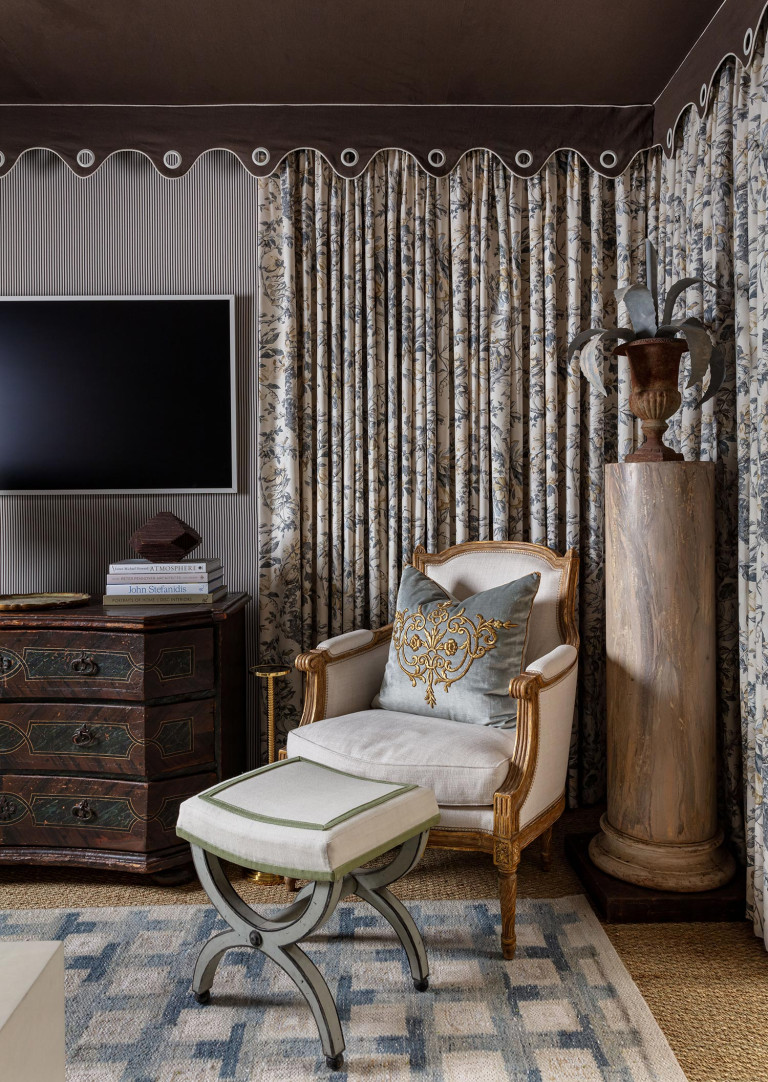
Rug & Kilim’s Featured Projects of 2024
As a new year begins and Rug & Kilim looks back at the many works that shaped our portfolio in 2024, we highlight 12 projects that stand apart for their singular vision, as well as three particularly special commissions that merit recognition for pushing the boundaries of what's possible in contemporary textile arts. Through these 12 twelve months of remarkable collaborations, we've witnessed how textile arts can transform spaces while honoring their inherent character. From Tribeca lofts to English country houses, from Miami's oceanfront to Manhattan's historic townhouses, each project demonstrates that exceptional design transcends mere decoration to become an essential narrative element.
Read the Feature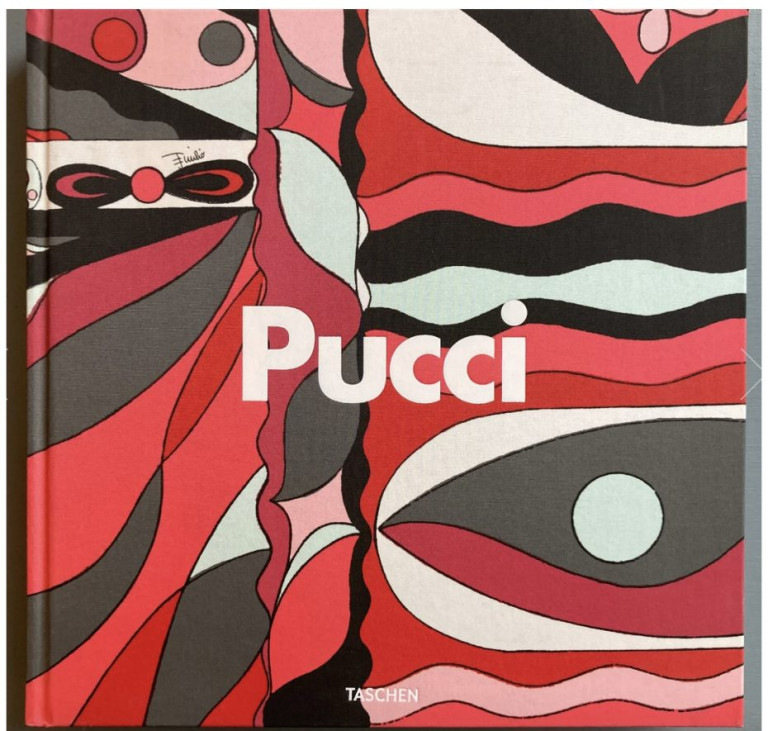
A Brief Guide to Emilio Pucci “The Prince of Prints” and Mid-Century Modern Designs
When America dreamed in Technicolor and design spoke the language of optimism, mid-century modern wasn't just a style—it was a revolution in living. Between the clean sweep of a Saarinen table and the organic curve of an Eames chair lay a new world of possibility: where simplicity was synonymous with luxury. Here, in this golden age of design democracy, even the flooring became a canvas for innovation. While names like Herman Miller and Knoll defined the silhouettes of modern living, it was the often-overlooked story of textile and rug design that gave these spaces their soul. Emilio Pucci, an aristocrat turned avant-garde visionary, whose kaleidoscopic genius would transform not just what we wore, but how we lived, is popularly called "The Prince of Prints".
Read the Feature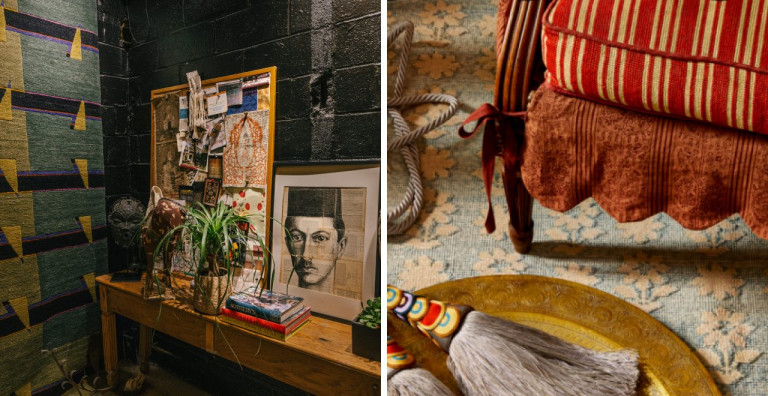
Rug & Kilim’s Block Print Collection: A 17th Century Tradition Reimagined
As seen in Veranda Magazine, September/October 2024. Reprinted with permission of Hearst Magazine Media, Inc. Photography by Xavier Béjot. Reprinted with permission of Hearst Magazine Media, Inc. “Superstars of the Silk Road” As seen in Veranda Magazine, September/October 2024. Reprinted with permission of Hearst Magazine Media, Inc. Photography by Becky Luigart-Stayner (@sunnyhousestudio). Produced by Sara Clark (@saraellisclark). Reprinted with permission of Hearst Magazine Media, Inc. In the history of textile design, few techniques can boast the rich heritage and enduring appeal of block printing. This ancient craft, which has graced fabrics for millennia, is experiencing a renaissance in the realm of luxury floor coverings. At the forefront of this revival is our latest collection, which marries time-honored traditions with contemporary flair, echoing the timeless elegance as that of Hermès scarves and the bold geometrics of Yves Saint Laurent's Mondrian dress.
Read the Feature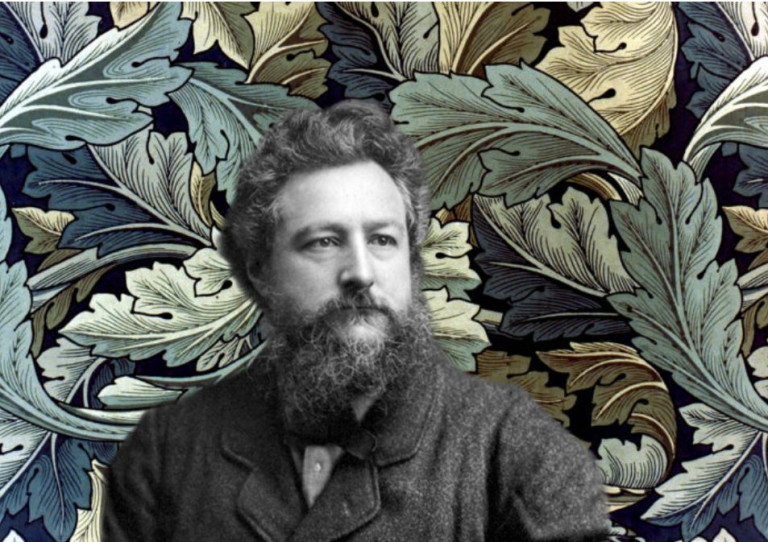
A Profile on William Morris—-Arts and Crafts Movement and Tapestries
Above is our rare Antique Arts & Crafts William Morris Beige Brown And Pink Wool Floral Rug, SKU 12413, reflecting Morris’s unique design aesthetic known for their distinctive stylized natural forms, exquisite symmetry, and vibrant colors. Rooted in a deep appreciation for the beauty of the natural world, his patterns draw inspiration from a rich array of flora, including thistles, ginkgo leaves, willow trees, and various flowers. The intricate designs reflect Morris's commitment to celebrating the inherent elegance found in the organic shapes and symmetries present in nature. Referring to tapestries as “the noblest of weaving arts”, he was a central figure in the Arts and Crafts Movement, and his tapestries played a significant role in promoting the ideals of the movement.
Read the Feature