
Rug & Kilim Abroad: World’s Largest Rug at Sheikh Zayed Mosque, Abu Dhabi, UAE
October 18, 2024
Antique Persian Heriz and Serapi Rugs: Design and Significance
October 25, 2024When America dreamed in Technicolor and design spoke the language of optimism, mid-century modern wasn’t just a style—it was a revolution in living. Between the clean sweep of a Saarinen table and the organic curve of an Eames chair lay a new world of possibility: where simplicity was synonymous with luxury.
Here, in this golden age of design democracy, even the flooring became a canvas for innovation.
While names like Herman Miller and Knoll defined the silhouettes of modern living, it was the often-overlooked story of textile and rug design that gave these spaces their soul.
Emilio Pucci, an aristocrat turned avant-garde visionary, whose kaleidoscopic genius would transform not just what we wore, but how we lived, is popularly called “The Prince of Prints”.
Emilio Pucci Early Life and Designs
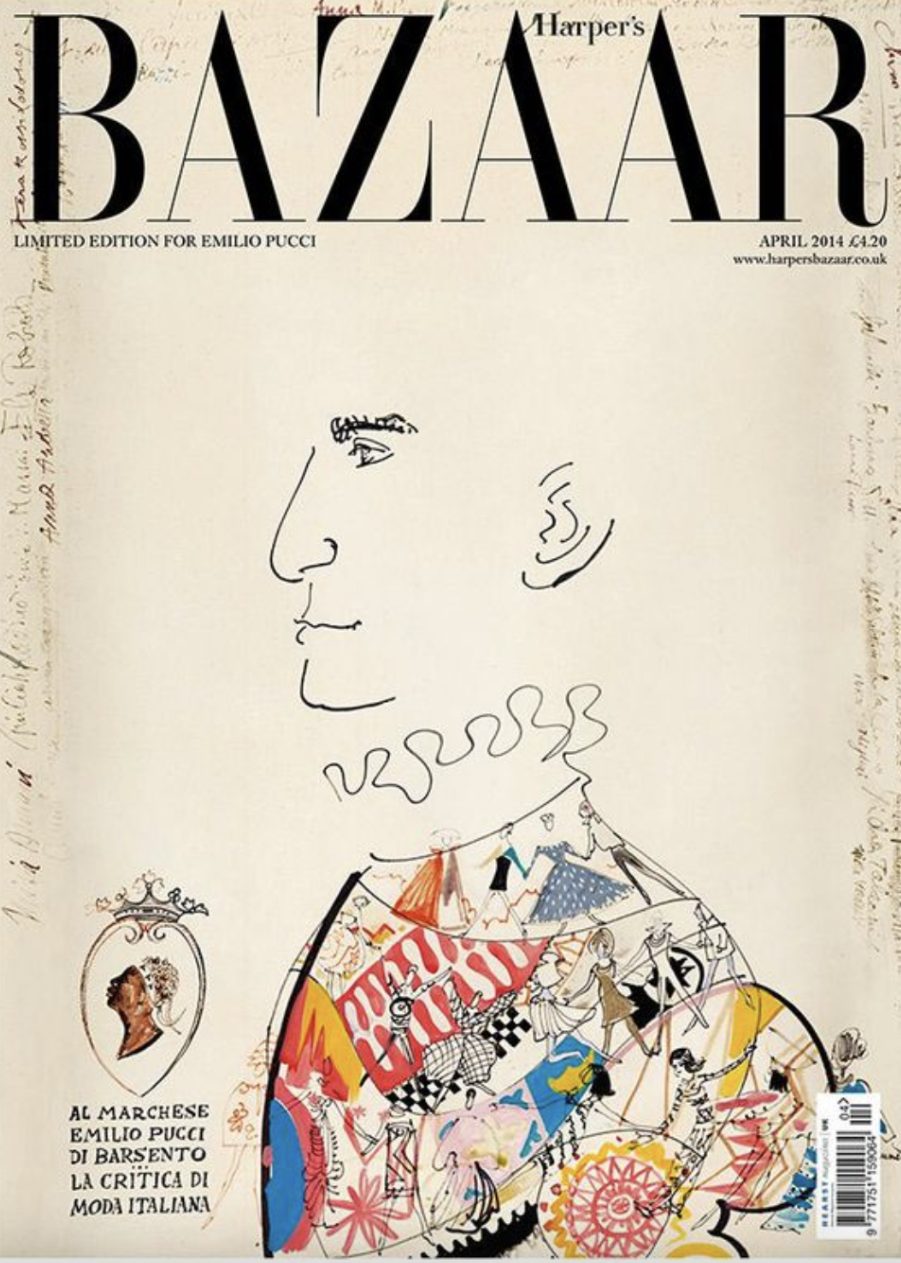
Born in 1914 into one of Italy’s oldest noble families, Emilio Pucci, known as the Marchese Pucci di Barsento, was deeply immersed in the postwar international jet set scene, effortlessly transitioning between beach resorts, mountain retreats, and bustling cities. His journey into the world of fashion took an unexpected turn in 1947 when he revolutionized ski attire by creating a groundbreaking stretch ski outfit, which caught the attention of Harper’s Bazaar and was famously photographed on the slopes of Switzerland.
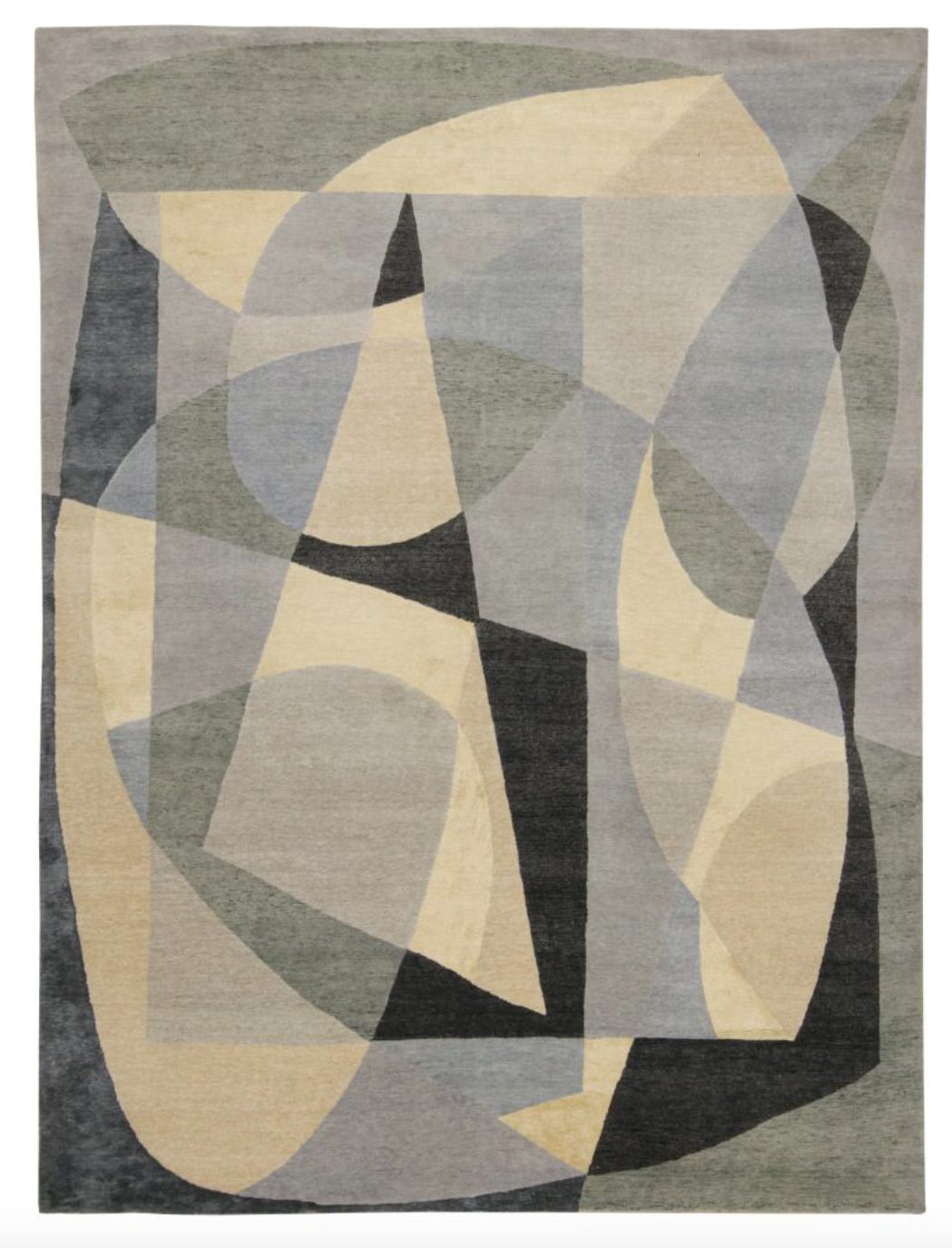
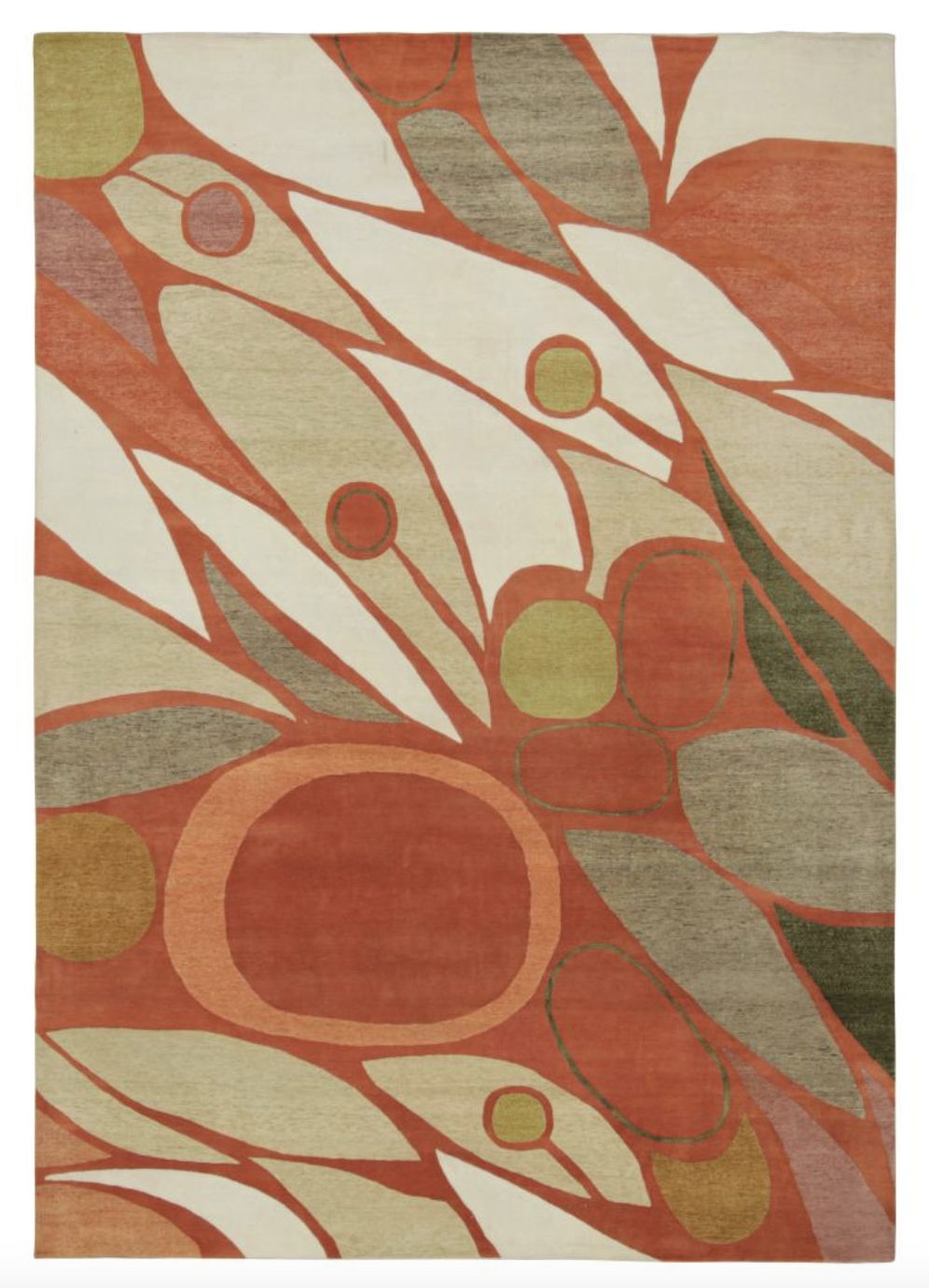
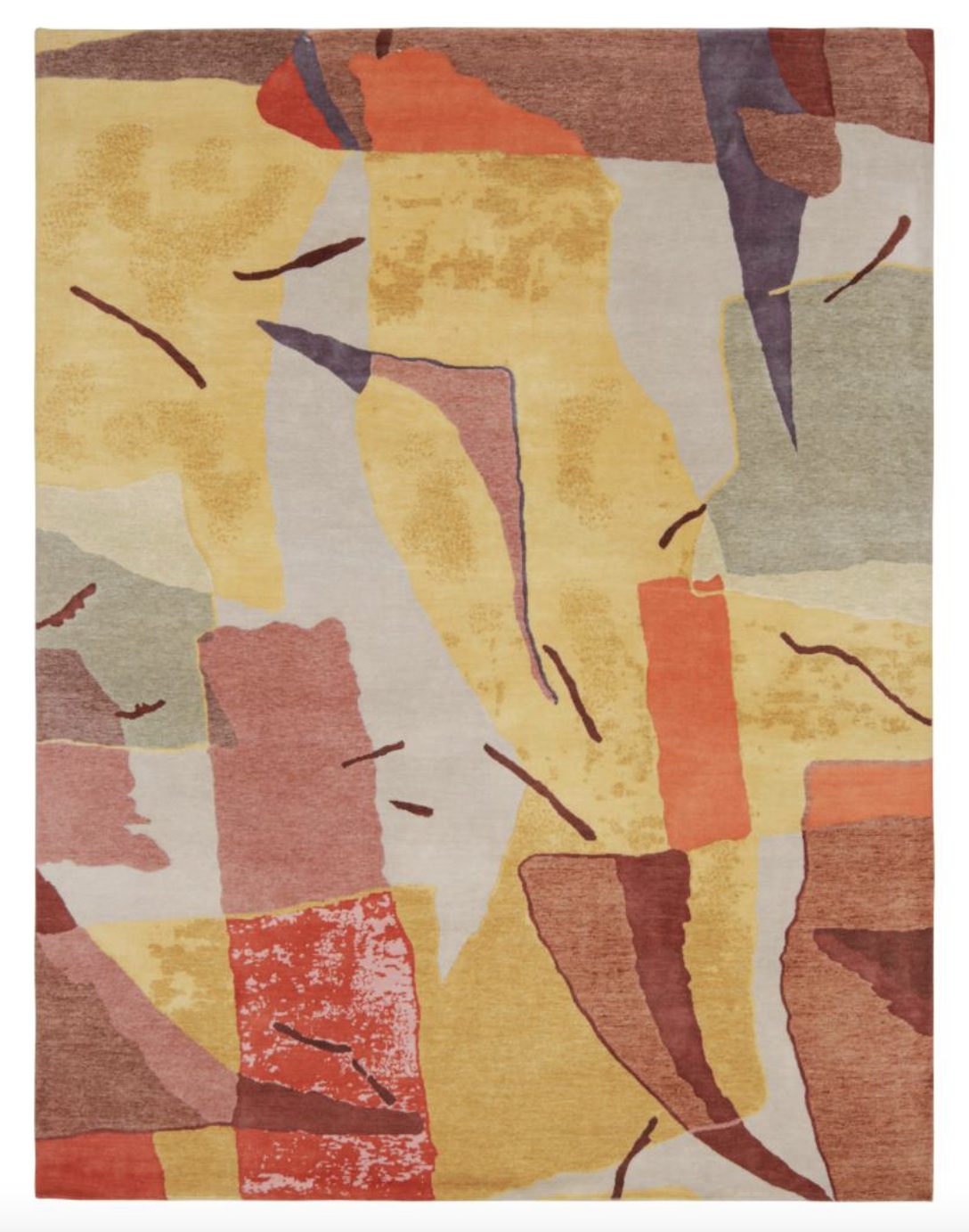
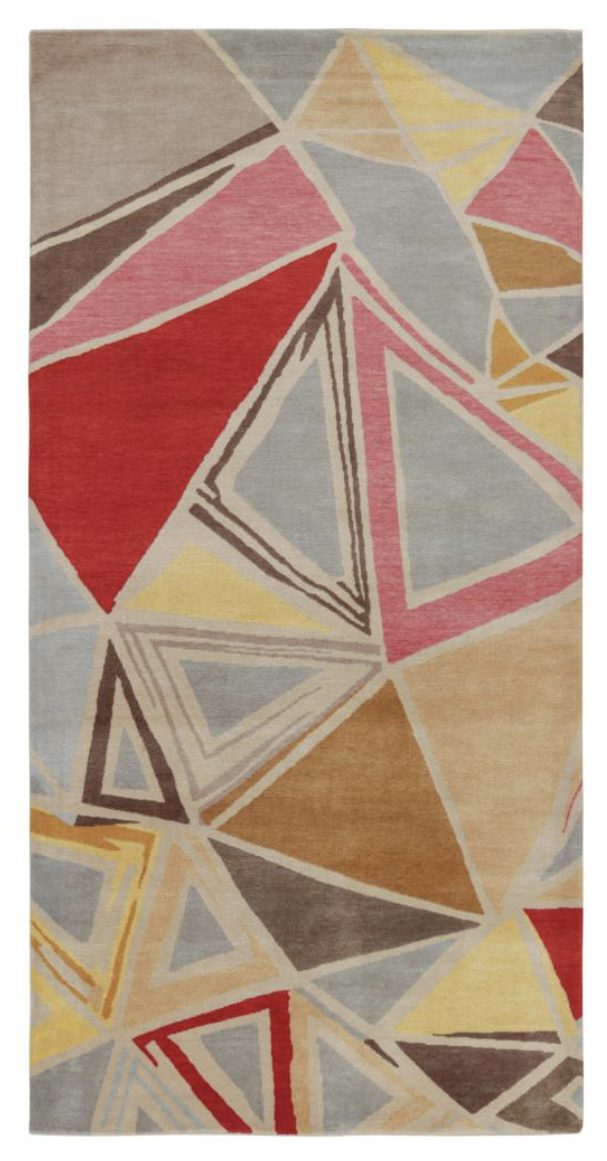
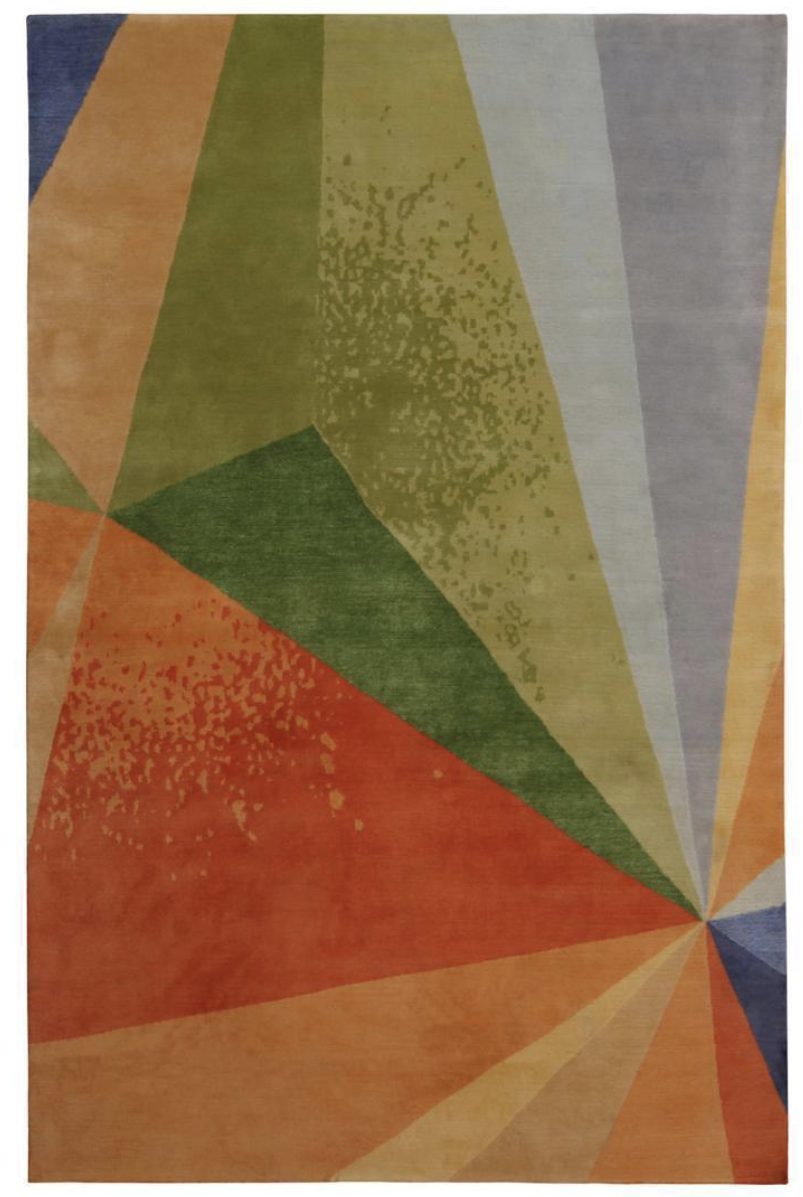
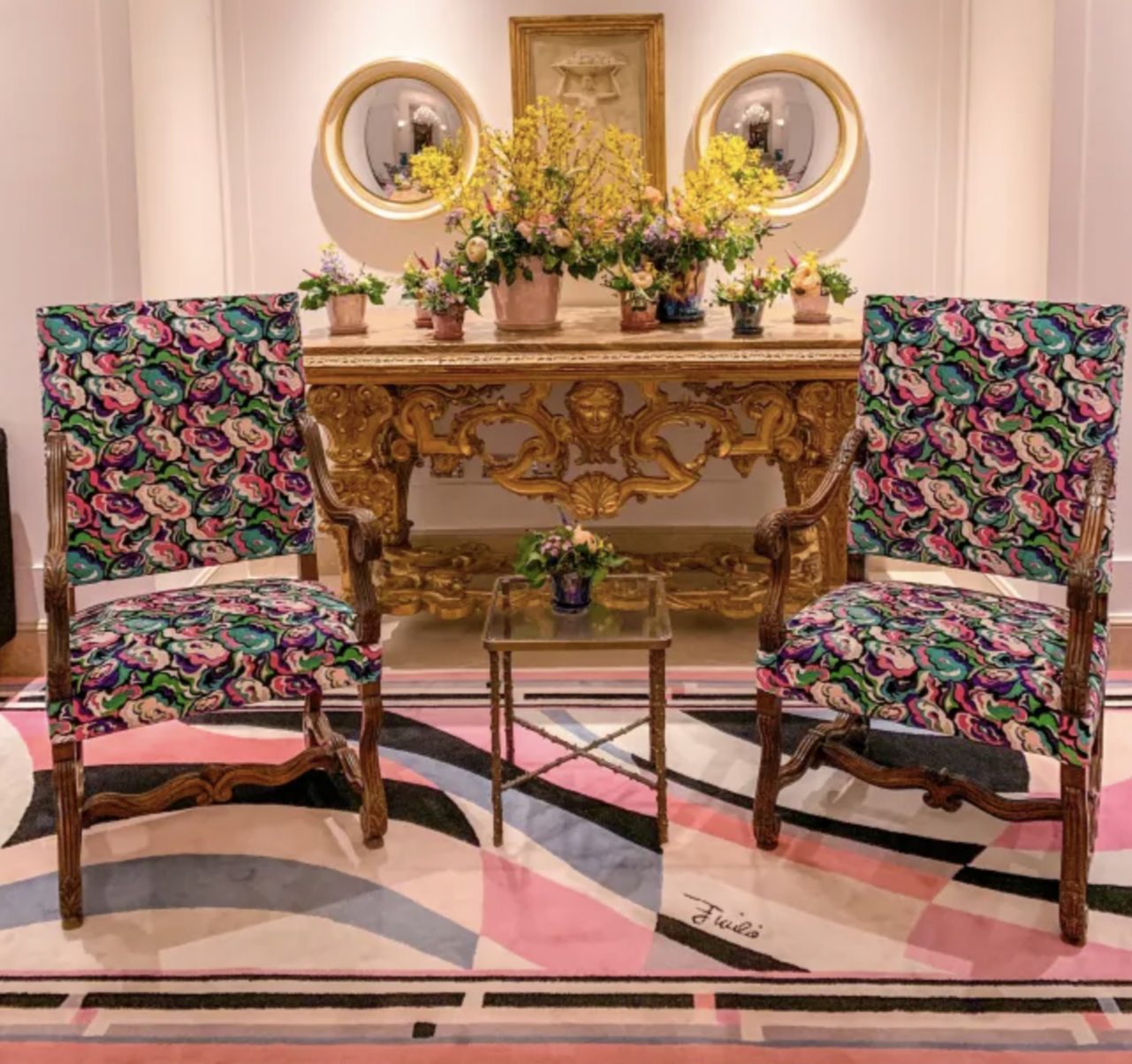
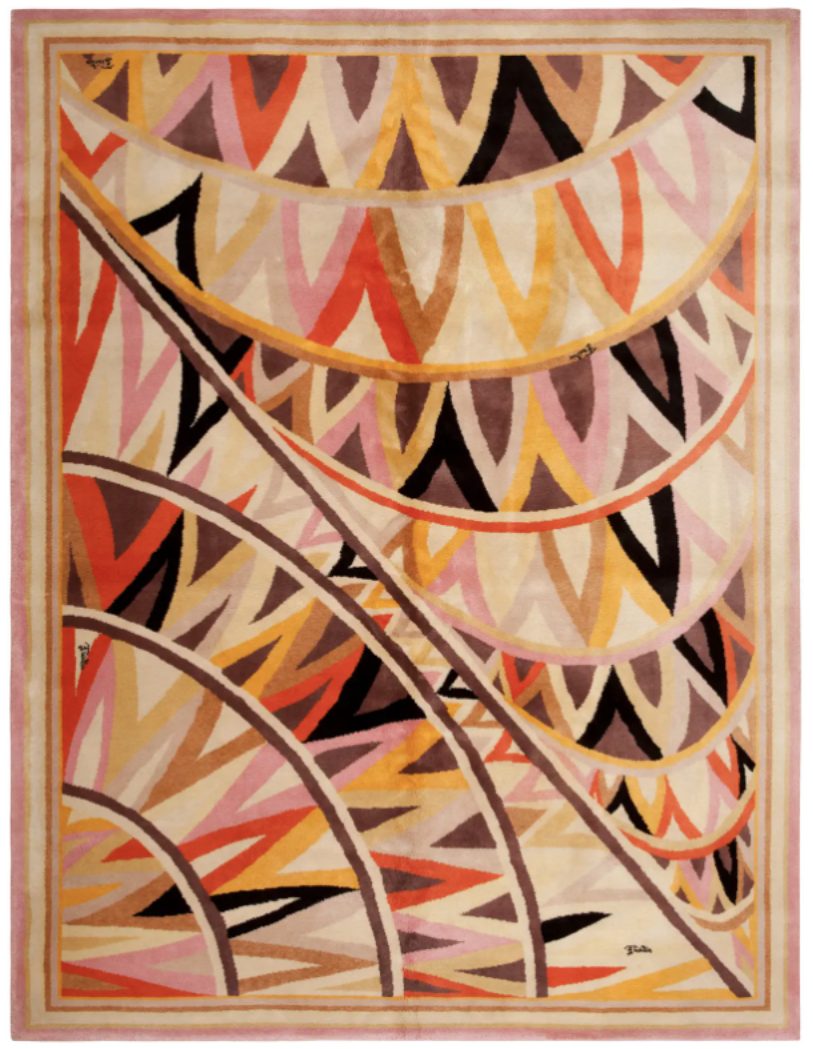
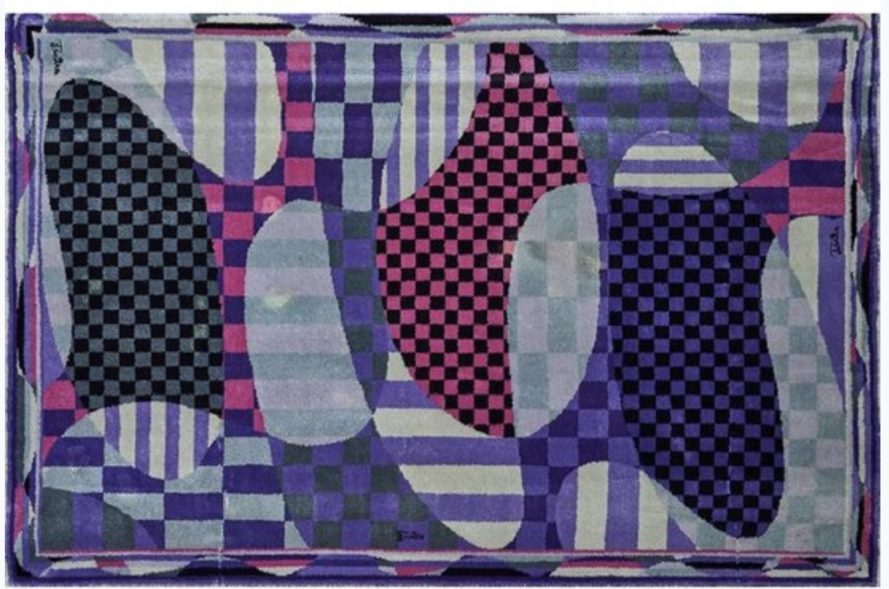
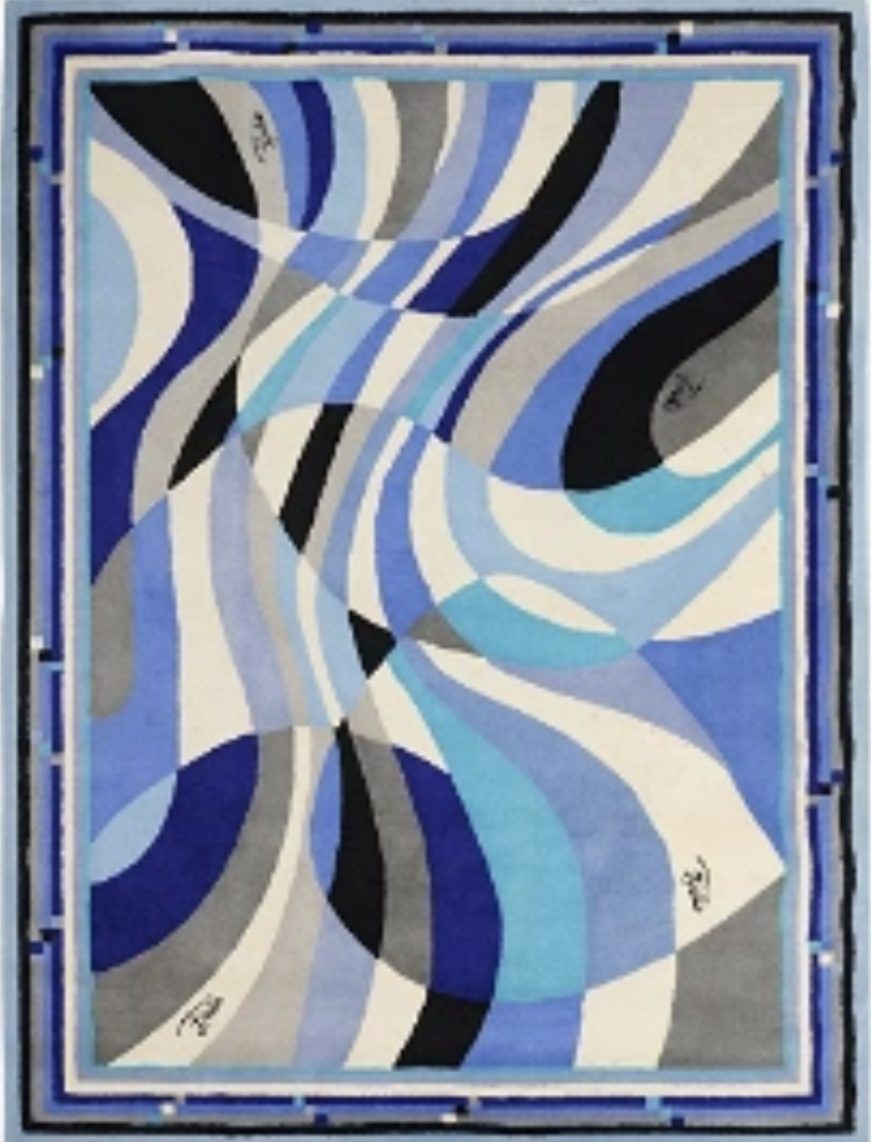
This vibrant French art carpet captures the vitality, energy, and essence of Emilio Pucci’s beloved pop art designs, making it a truly exhilarating piece of art. This vintage rug from 1stdibs, originating from France during the height of Emilio Pucci’s mid-century fame, this captivating vintage art carpet showcases a dynamic geometric allover pattern in vibrant tropical colors, embodying his distinctive and original style. The dramatic designs feature sweeping French curves that create an illusion of movement, with echoing figures and spirals that add depth and excitement to the scene.
Pucci’s Mid-Century Modern Design
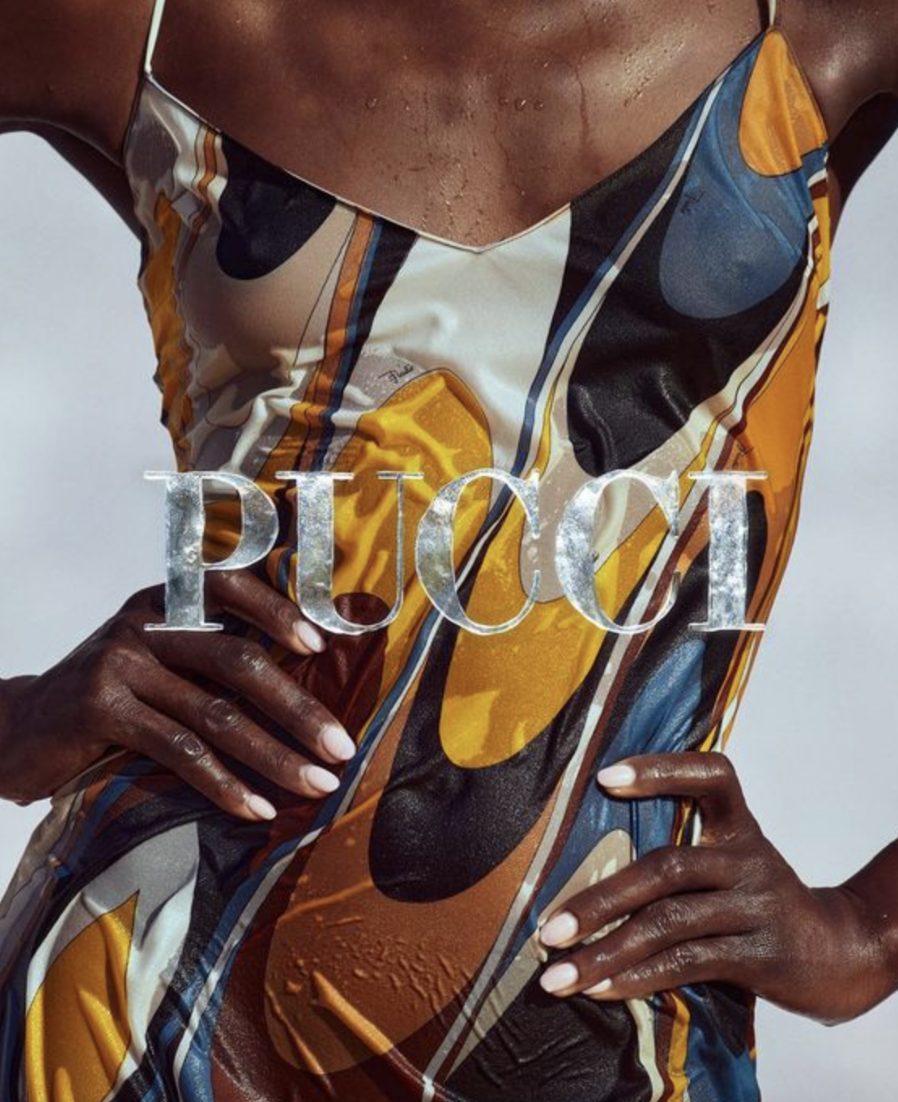
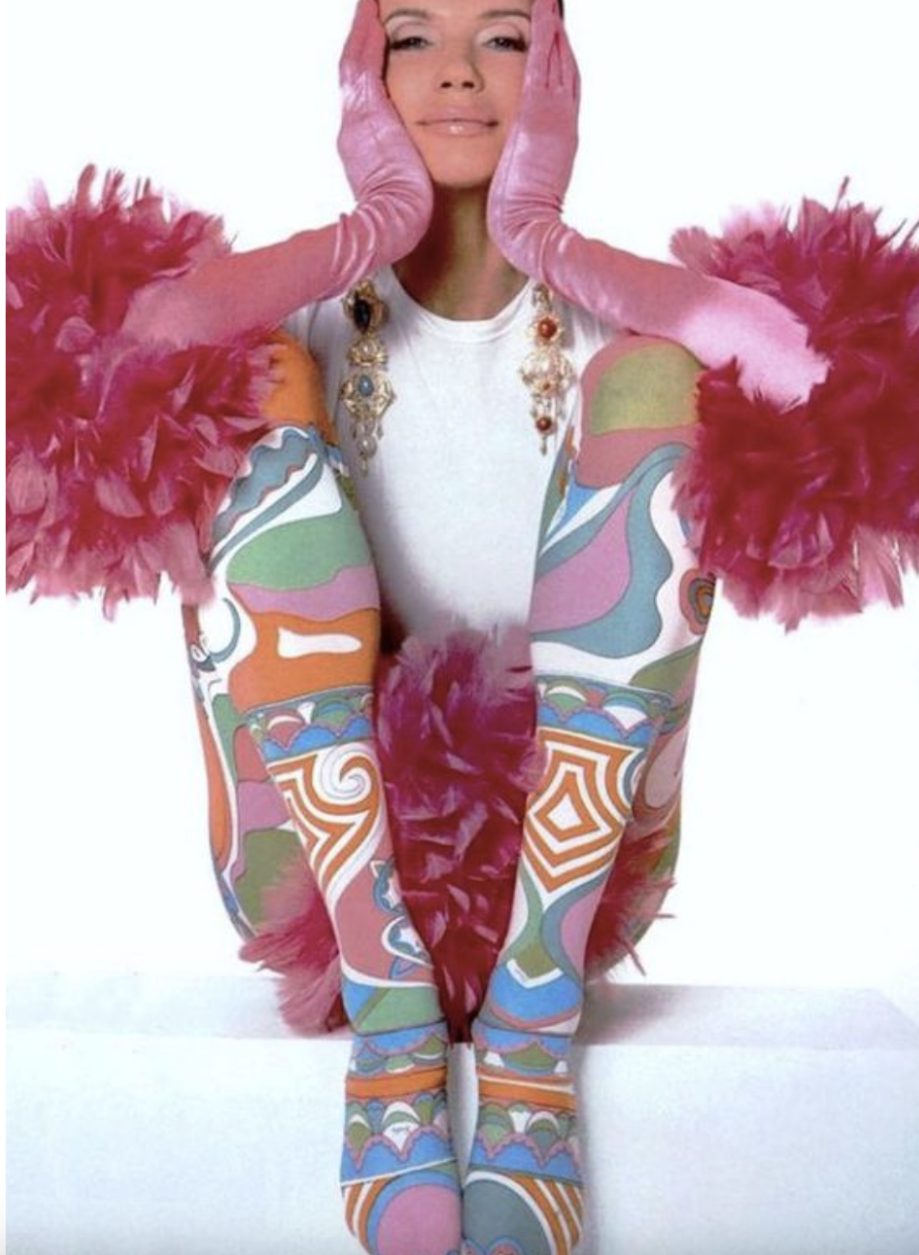
Emilio Pucci, Marquis of Barsento, established his eponymous brand in 1947, embarking on a career that began unexpectedly on the Swiss ski slopes and led to the opening of his first boutique in Capri in 1950. A true global citizen, he traversed between his hometown of Florence and the glamorous holiday destinations frequented by the jet set, envisioning a modern woman characterized by style and personality. Pucci adorned these women with effortlessly chic pieces that epitomized a new concept of elegance: swift, joyful, spontaneous, and effortless. His unique sense of color embraced the American notion of sportswear and the imperative of absolute comfort, all while maintaining an innate appreciation for beauty and luxury. Pucci’s enduring legacy is encapsulated in the vibrant prints that earned him the moniker “The Prince of Prints.”
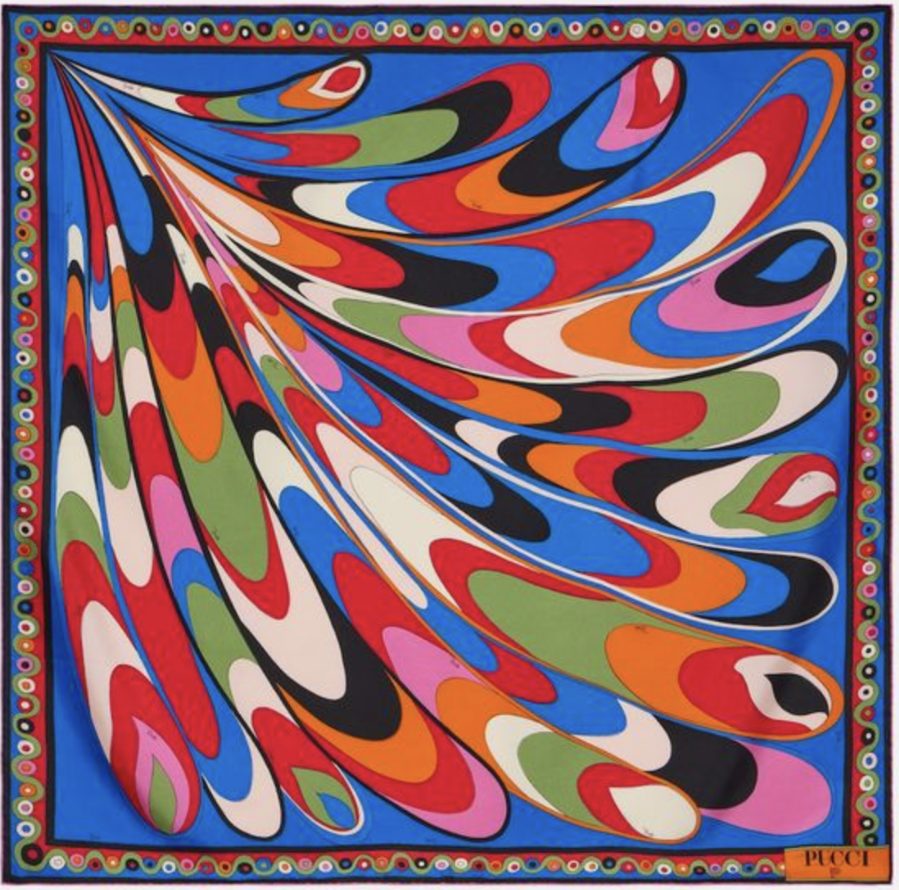
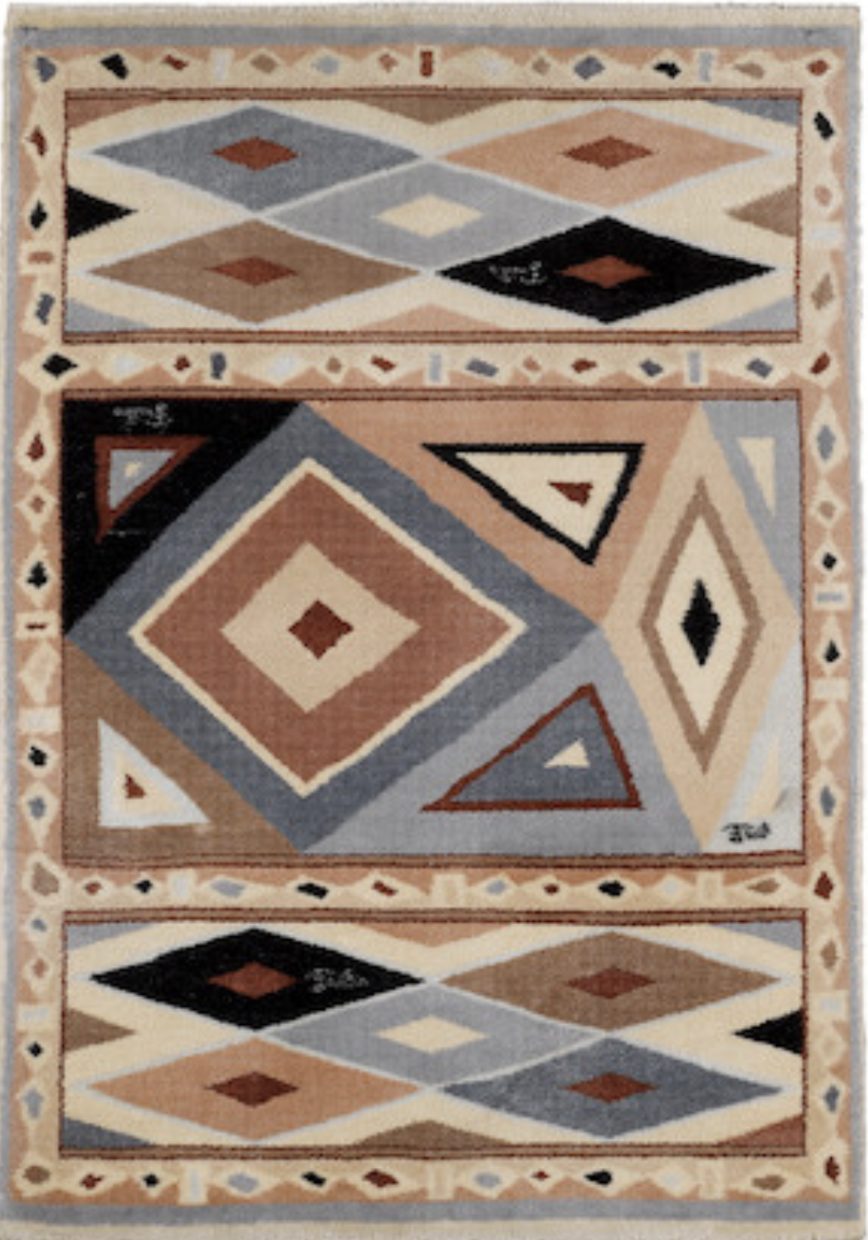
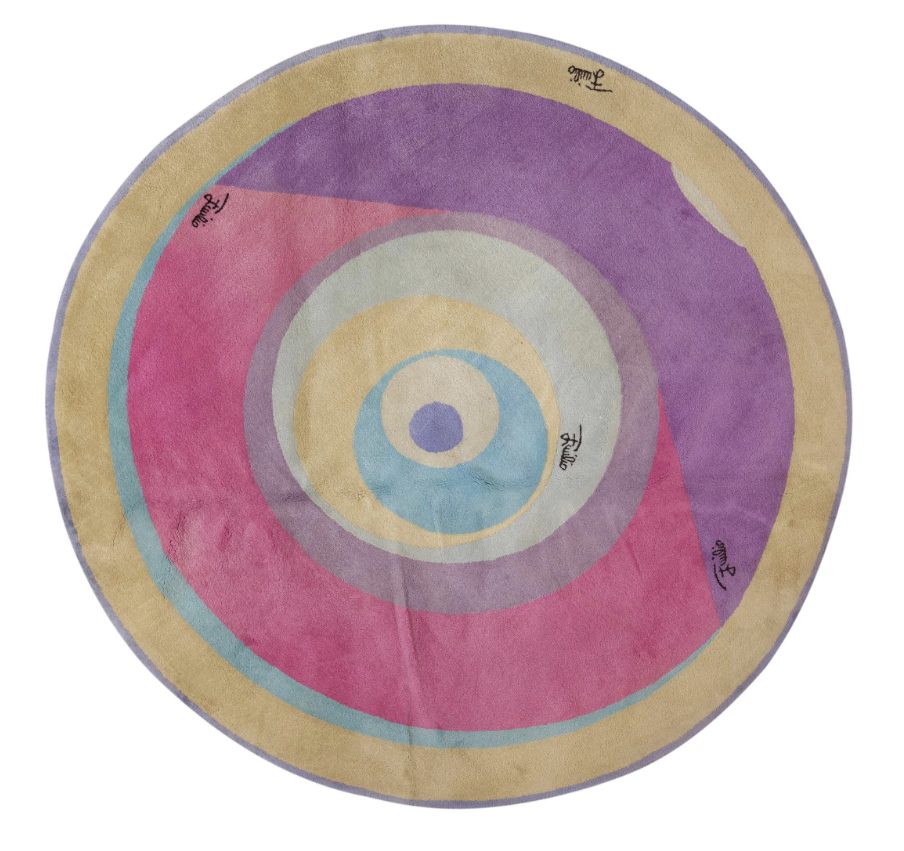
Pucci gained international acclaim in the mid-1960s for his vibrant scarves and luxurious silk dresses adorned with mesmerizing psychedelic patterns. However, what many may not know is his pioneering venture into applying these colorful, abstract designs to various static mediums such as ceramics, floors, and furniture, adding an element of dynamic movement and glamor to these traditionally angular forms. This innovative approach marked Pucci as the first fashion designer to venture into the lifestyle market, laying the foundation for the enduring success of his brand.
Embracing simplicity and the allure of resort living, Emilio Pucci, despite his aristocratic background, ventured into the fashion world with a self-taught approach. His boutique on Capri became a haven for those seeking effortless yet stylish resort wear, epitomized by the iconic capri pants that echoed the Mediterranean’s azure waves and vibrant hues. In an era dominated by the structured elegance of Dior’s cocktail dresses, Pucci’s designs represented a breath of fresh air, anticipating the free-spirited ethos of the Swinging Sixties. Pucci’s signature touch, characterized by a distinctive handwritten flourish of “Emilio,” was revolutionary in an industry still warming up to the idea of designer ready-to-wear. This unique branding, as noted by Vogue International editor Suzy Menkes, quickly caught the attention of celebrities like Jackie Kennedy and Marilyn Monroe, further solidifying Pucci’s position as a trailblazer in the world of fashion.
Fashion Industry
Emilio Pucci’s influence extended far beyond the realms of fashion, leaving an indelible mark on various industries. Notably, he designed seven complete outfits for Braniff Airways’ hostesses, pilots, and ground crew from 1965 to 1977. This collaboration was so impactful that even Barbie dolls featured versions of his iconic uniforms. Pucci’s avant-garde designs were not just stylish but also practical, with components like turtlenecks, t-shirts, crop jackets, and culottes that could be added or removed according to weather conditions. One of his innovative creations was the “bubble helmet,” a clear plastic hood worn by flight attendants to protect their hairstyles from rain and jet engine blasts.
Pucci’s creativity wasn’t confined to fashion; he also played a role in shaping the visual identity of the Apollo 15 mission patch, proposing a three-bird motif that was later modified by the crew. Following Emilio’s passing in 1992, his daughter Laudomia Pucci continued his legacy by designing under the Pucci brand. In 2000, the luxury conglomerate Louis Vuitton-Moet-Hennessy (LVMH) acquired a majority stake in Pucci, with Laudomia assuming the role of Image Director. Under LVMH’s ownership, renowned designers like Christian Lacroix, Matthew Williamson, and Peter Dundas contributed to the brand’s evolution, alongside talents such as Stephan Janson and Julio Espada.
Significance and Aesthetic
What made Pucci’s carpet designs particularly significant was their ability to complement the clean lines and minimal forms of mid-century furniture. His rugs provided the perfect counterpoint to the stark simplicity of Eames chairs, Noguchi tables, and Saarinen pieces. The sweeping curves and bold geometrics in his carpet designs created a sense of movement that energized the often austere mid-century interiors. The French art carpets from this era, particularly those influenced by Pucci’s aesthetic, represented a pivotal moment when floor coverings transcended their utilitarian roots to become legitimate art pieces. These rugs weren’t just accessories; they were the foundation upon which the entire mid-century modern room concept was built.
Emilio Pucci’s visionary designs transcended traditional boundaries, showcasing his forward-thinking and outward-looking approach. From crafting iconic airline uniforms for Braniff in the 1960s to designing the emblem for the Apollo XV space mission in 1971, Pucci’s creations were not limited to the realm of fashion but extended into various facets of design. His signature designs became synonymous with dynamic and versatile designs that were ahead of their time. Through nontraditional design partnerships and groundbreaking collaborations, Pucci paved the way for a timeless brand legacy that continues to thrive today under the stewardship of his daughter, Laudomia Pucci. His enduring influence resonates across industries, showcasing the enduring impact of his visionary approach to design.
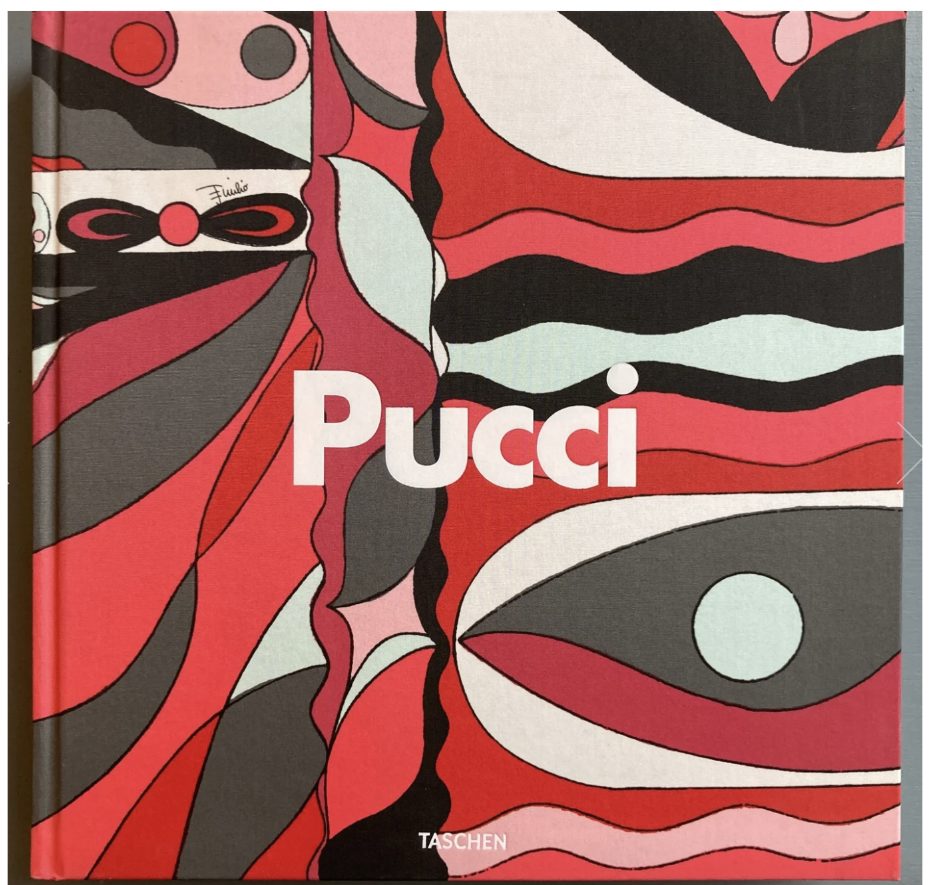
Emilio – Pucci Fashion Story – Taschen 2013