

Wool
India
9'5" X 12'3" (2.87 m x 3.73 m)
Available: Shipping As Soon As Tomorrow
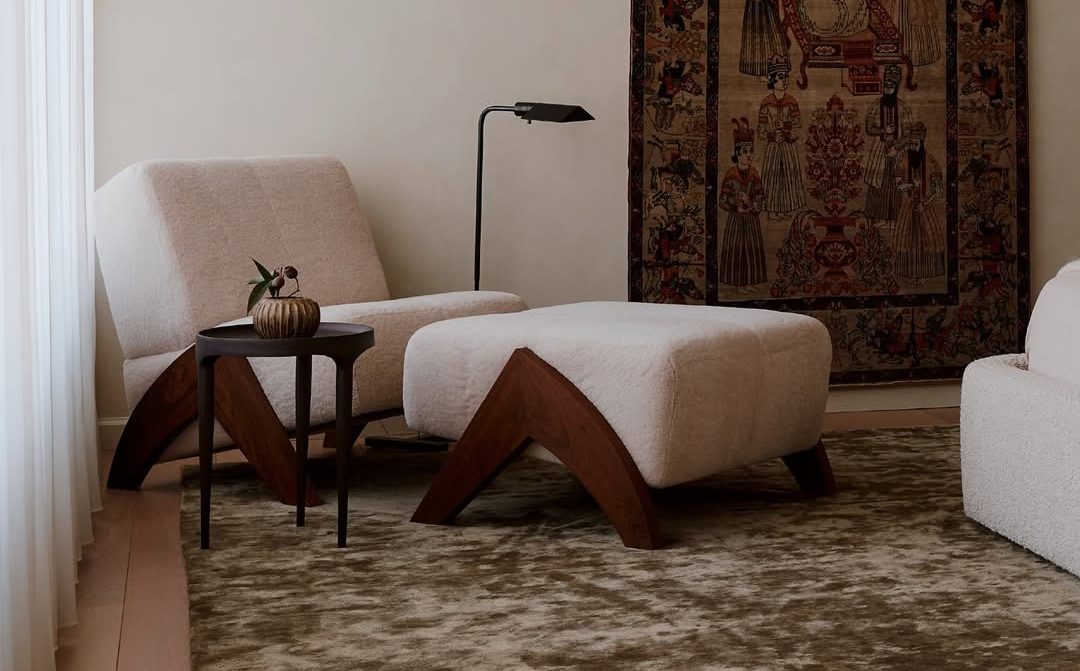
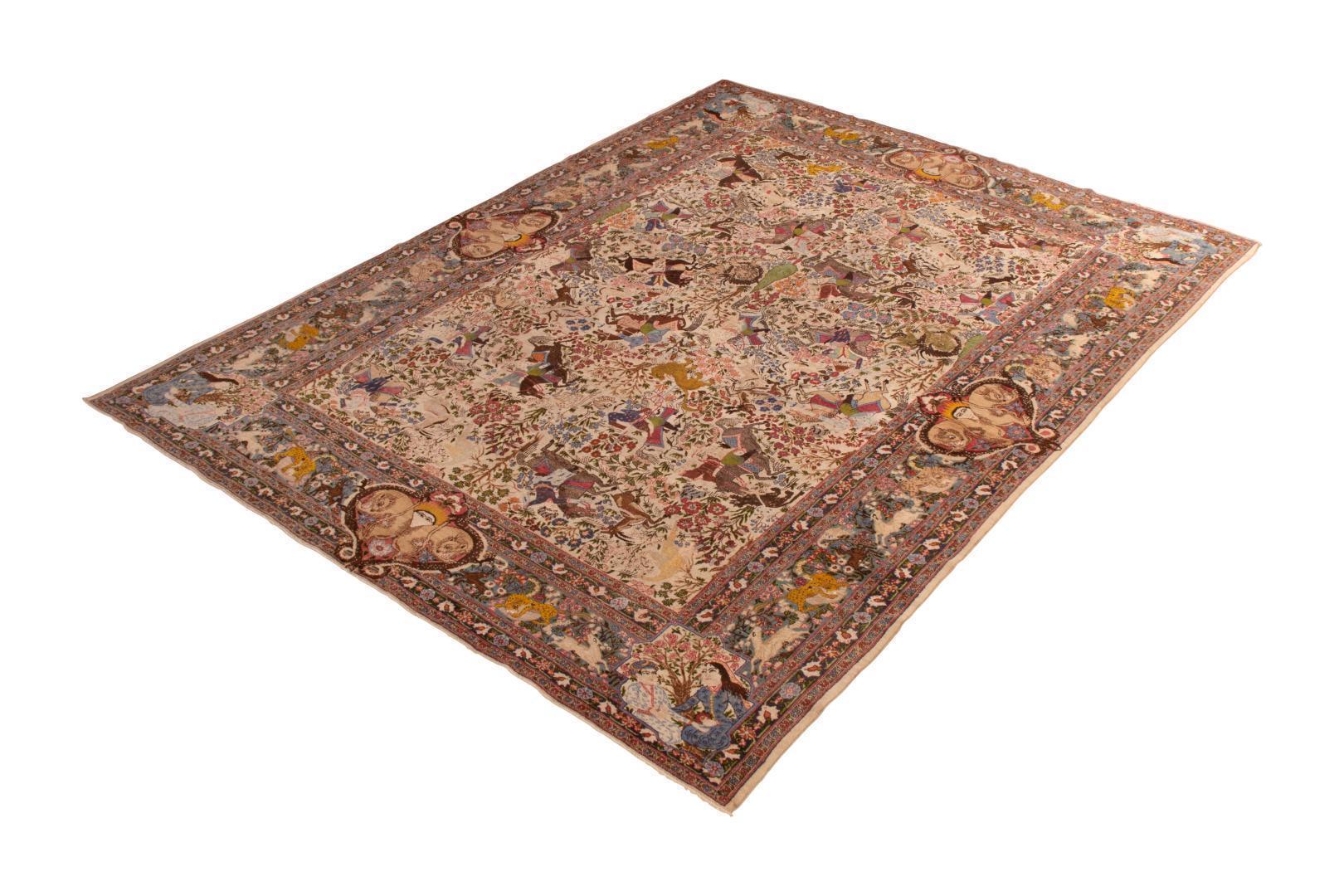
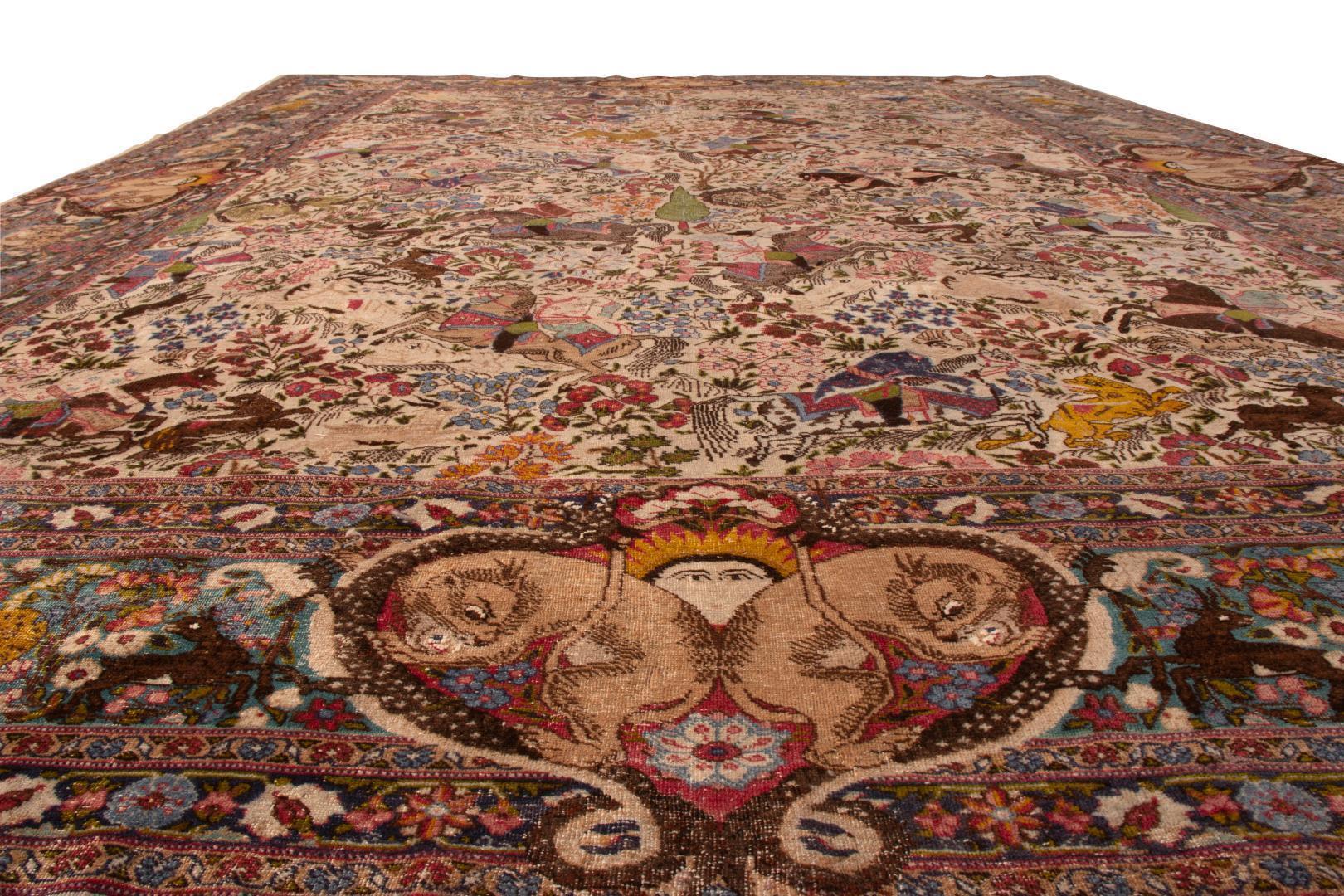
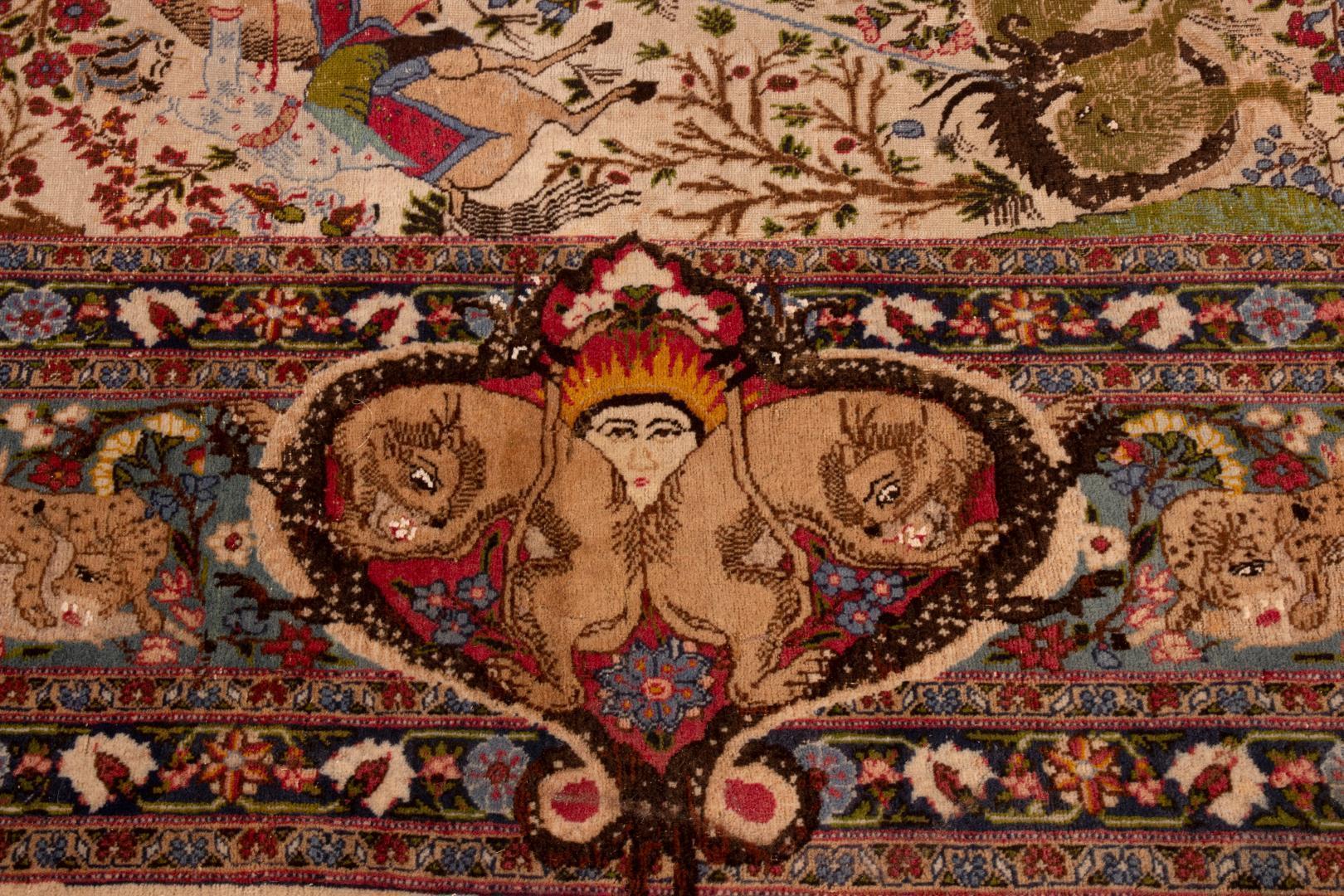
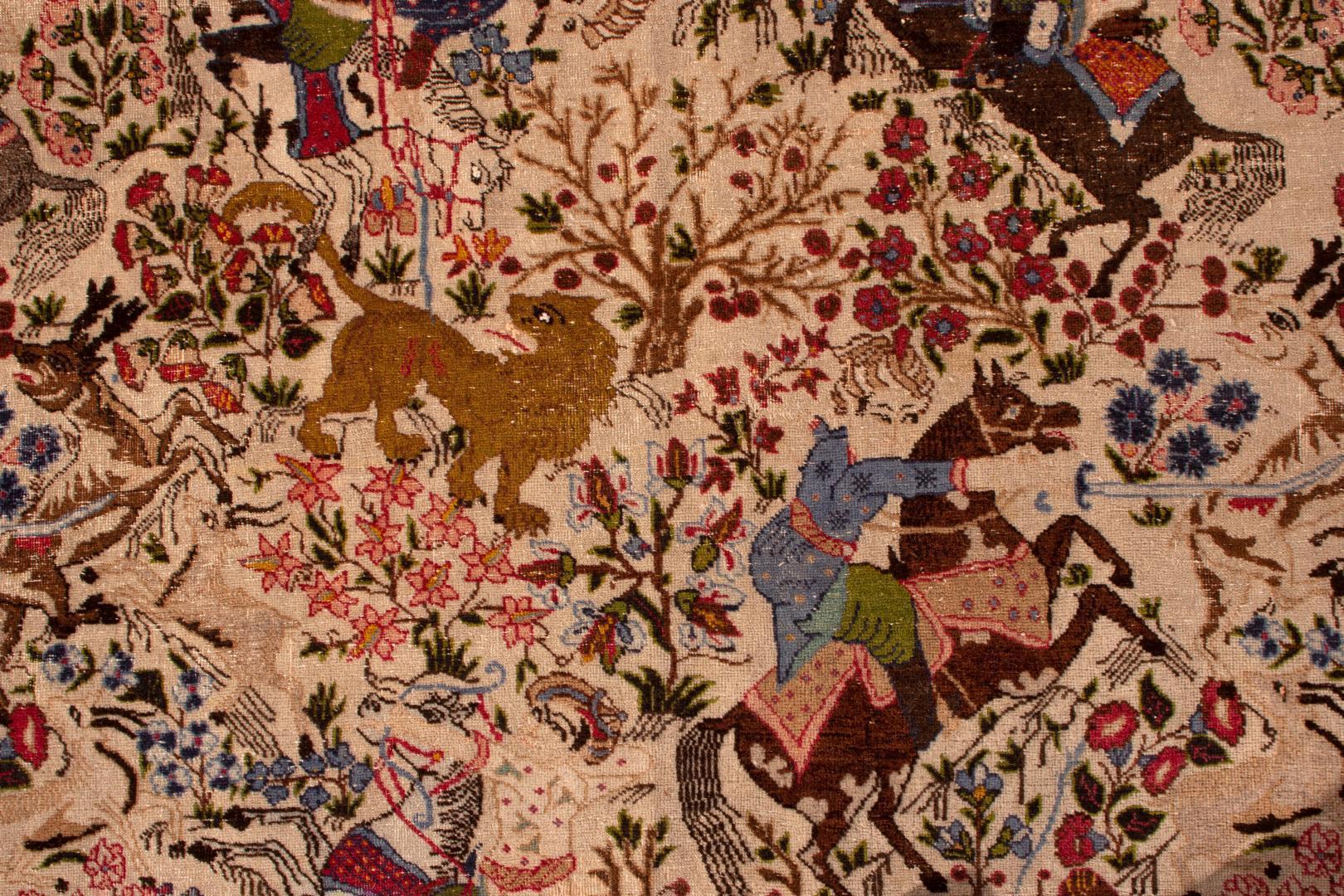
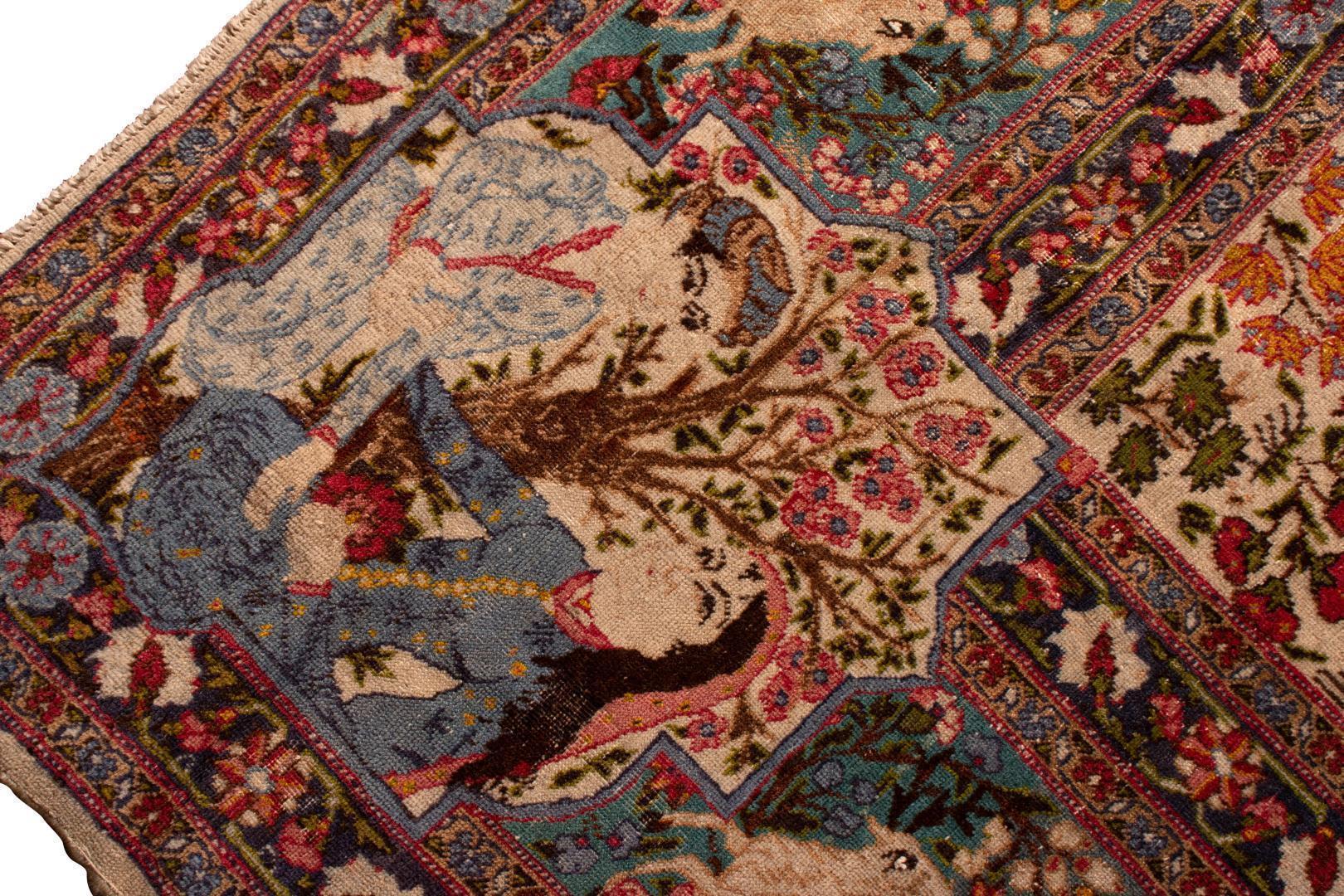
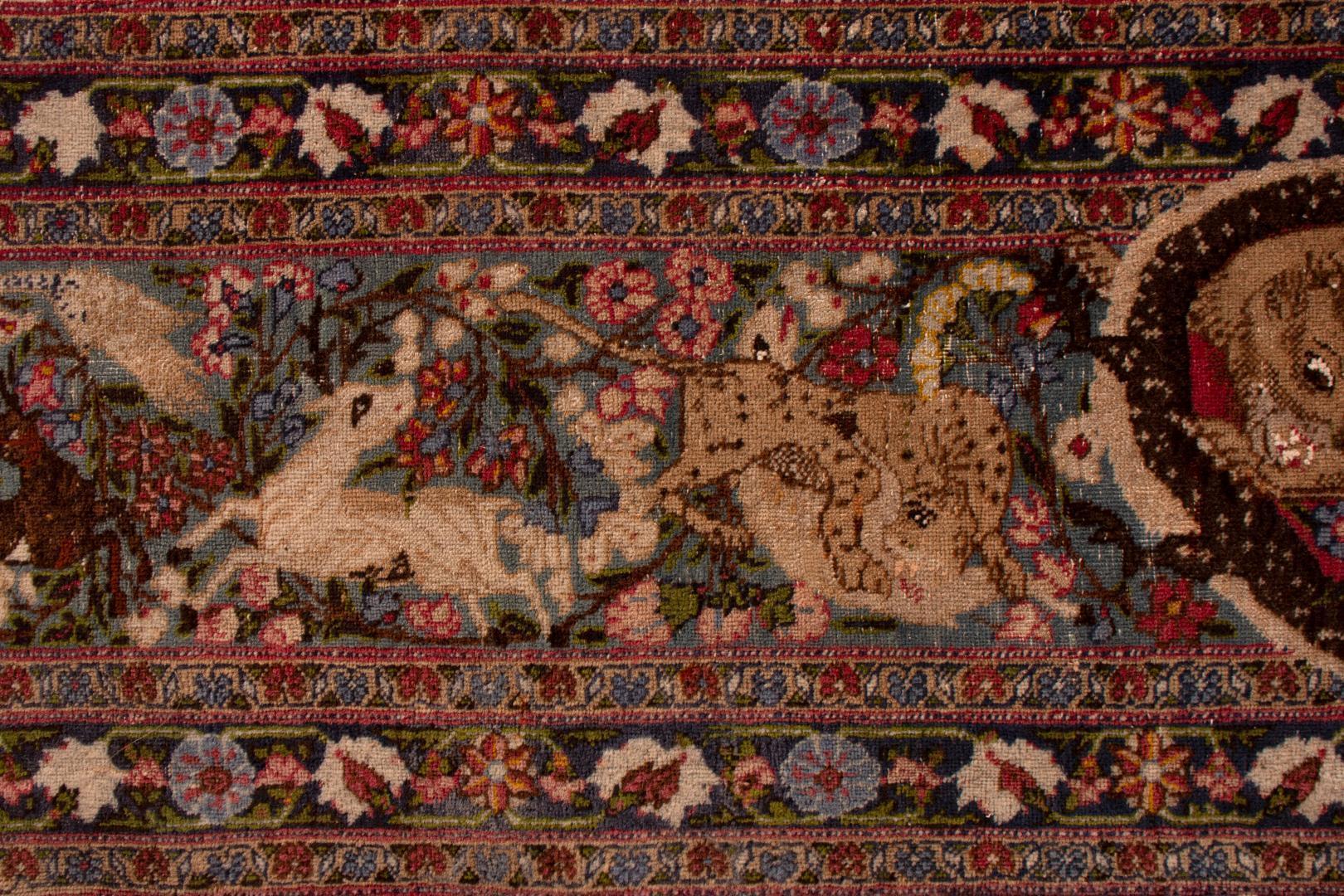
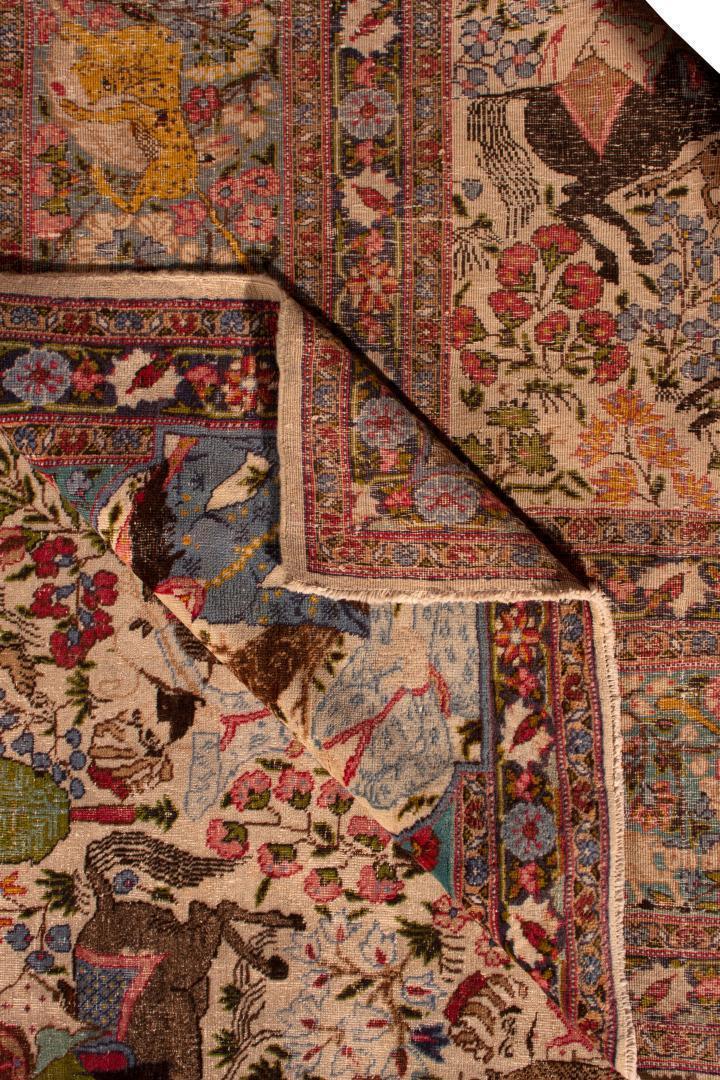
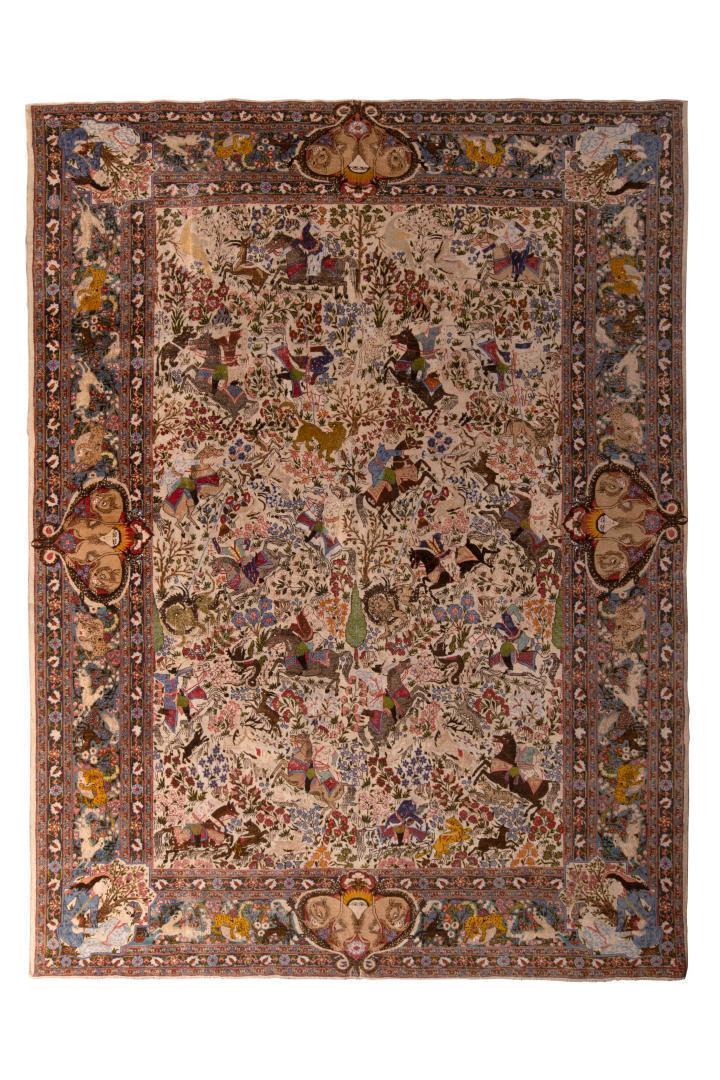
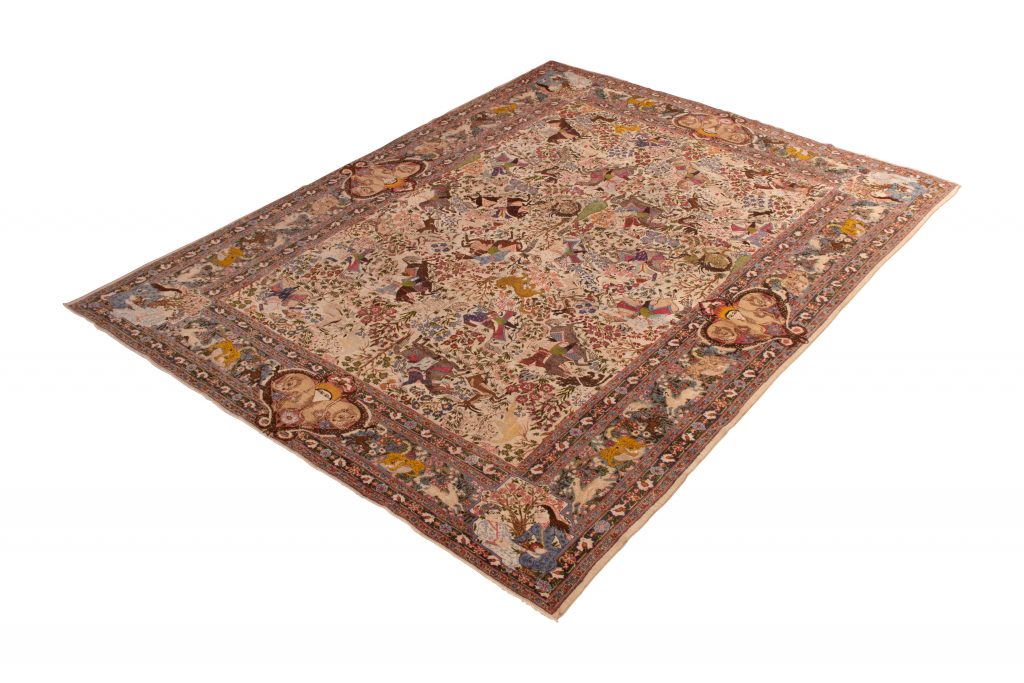
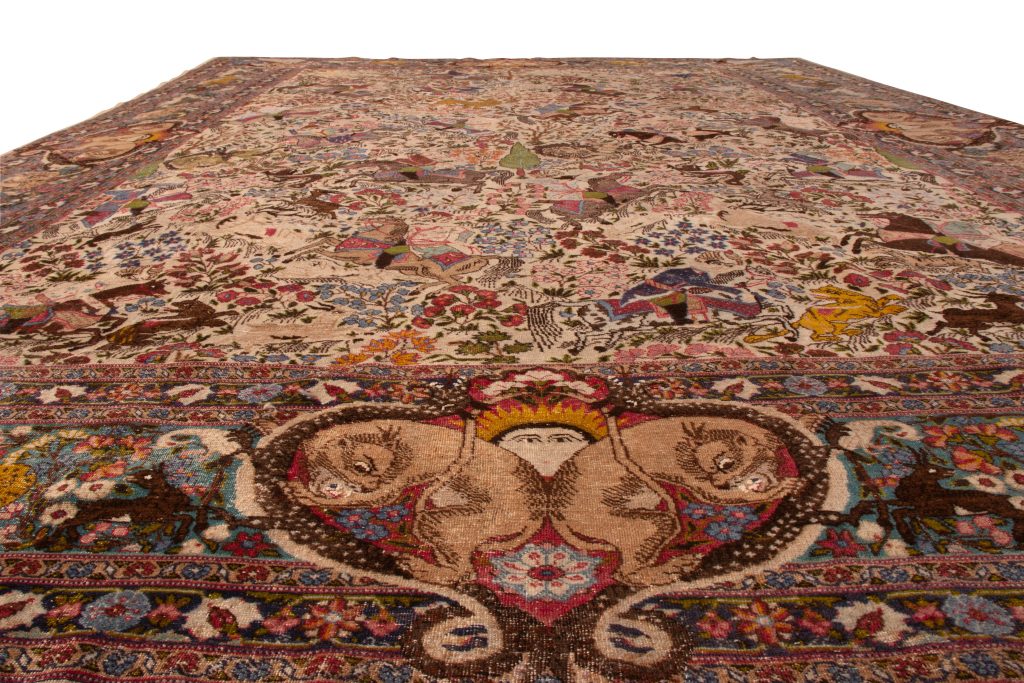
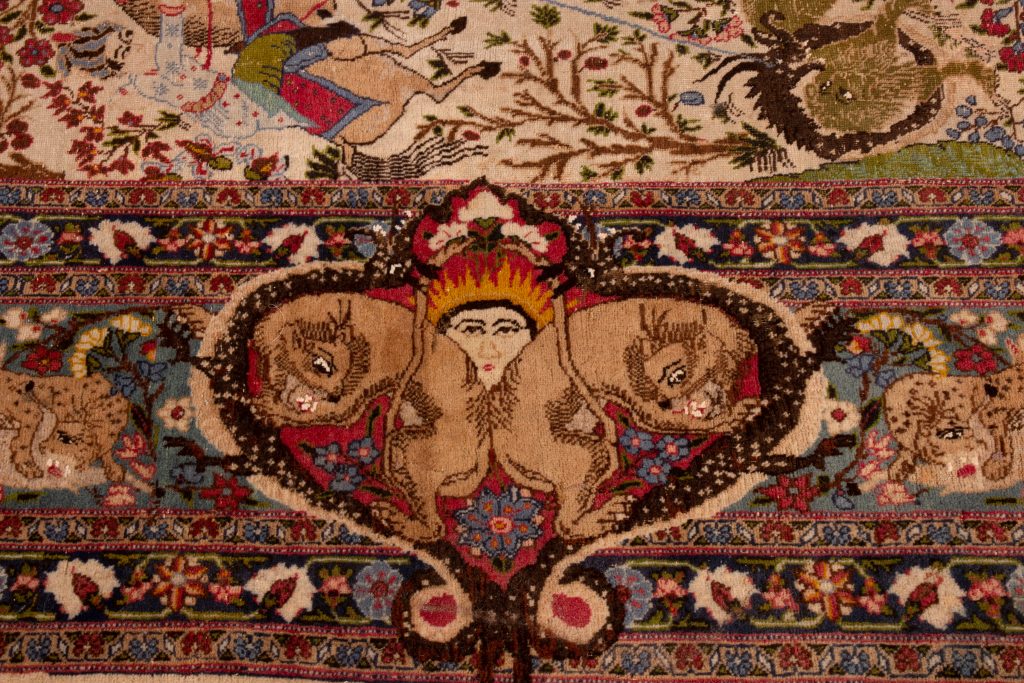
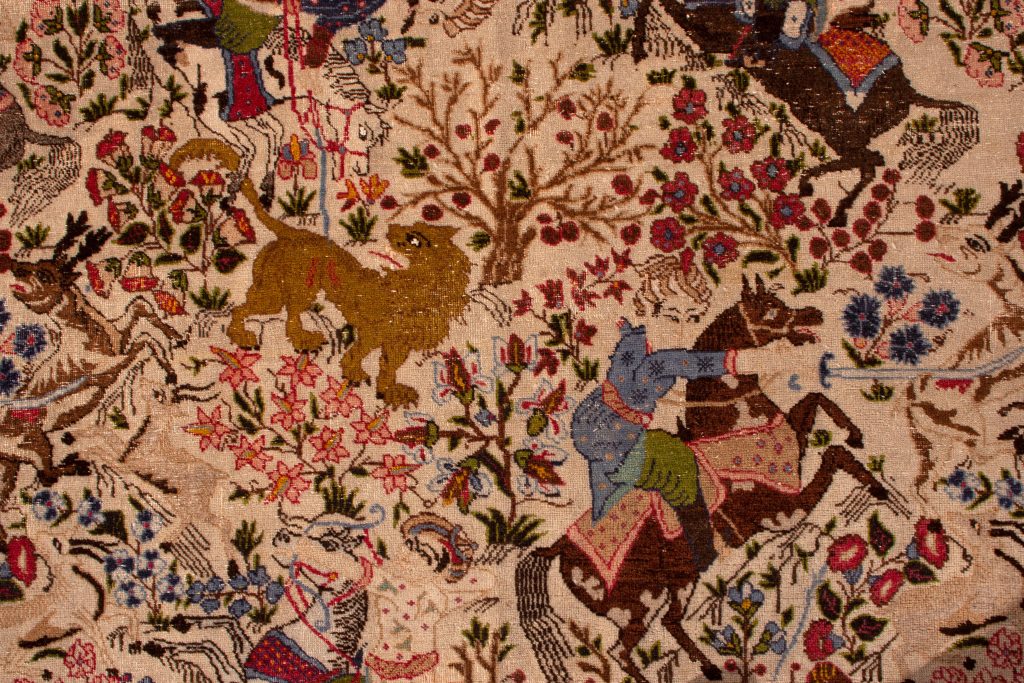
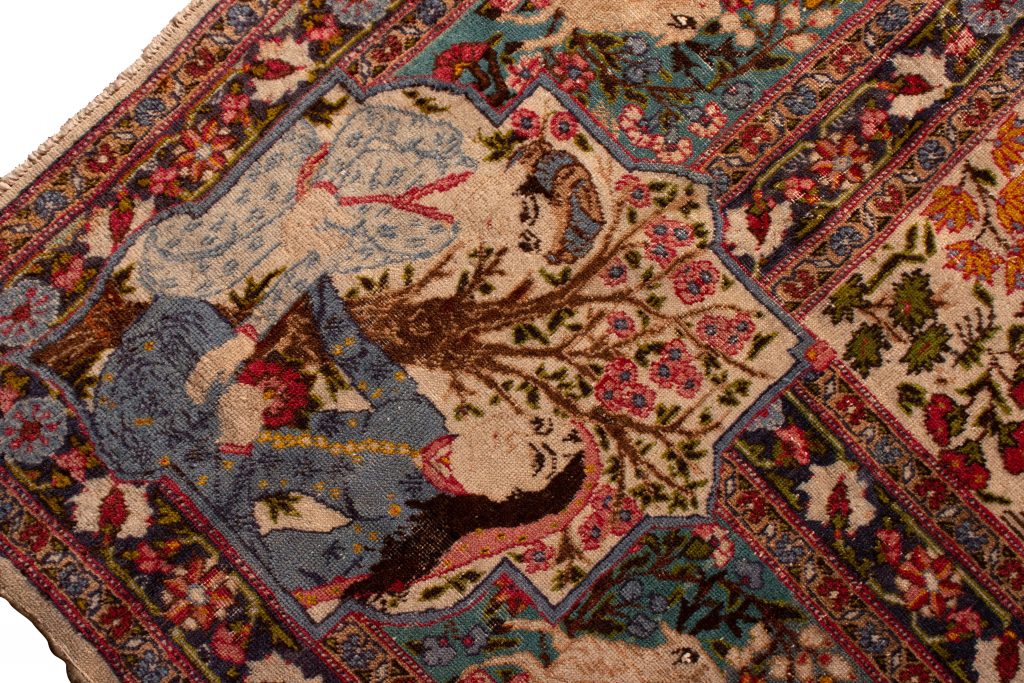
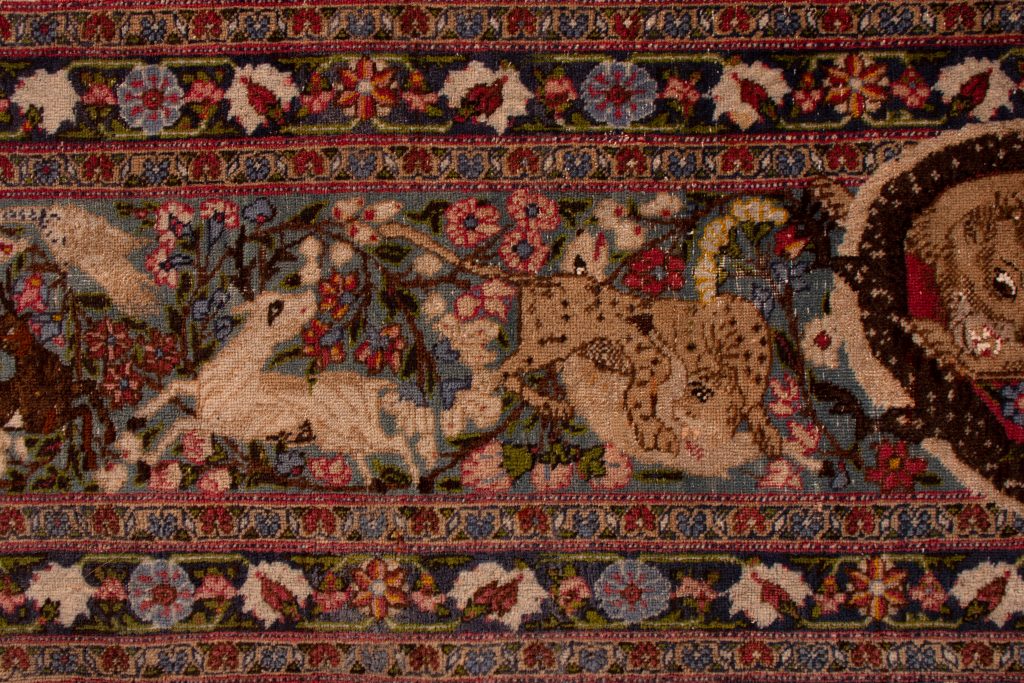
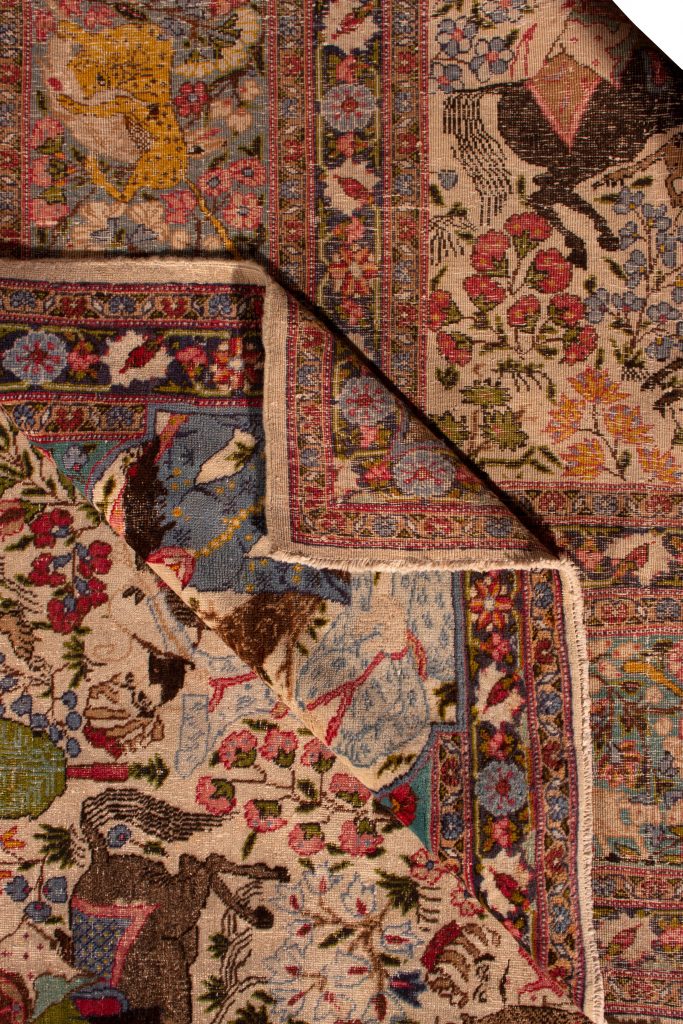
Antique Tabriz Persian Rug with Vivid and Dramatic Pictorials - Rug & Kilim
"Josh has been able to dredge up some of the rarest and most beautiful carpets for our nerdy and stringent requirements. And we have had a grand time together assembling collections for clients."
— Ralph Harvard, Ralph Harvard Inc.
A standard since our inception upheld across every acquisition,
transaction, and delivery.
45+ Year Old Institution
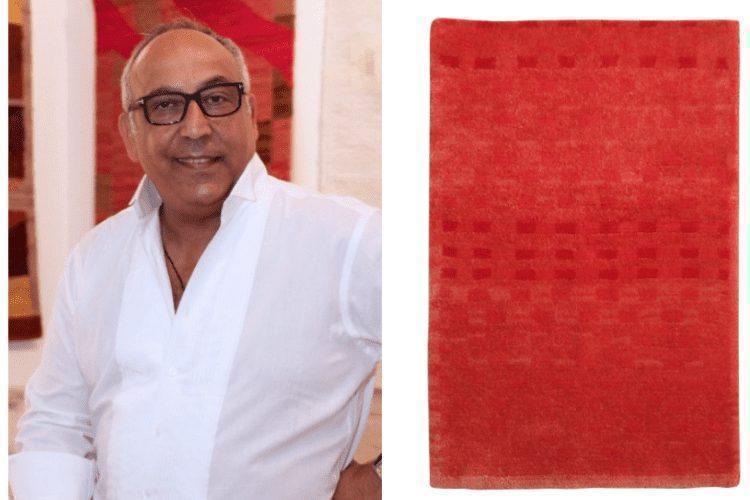
More than four decades of expertise and stewardship, under the leadership of our Principal, Jahanshah "Josh" Nazmiyal.
Favorable Return Policy
Our return policy is 48 hours upon receipt allowing you to confirm the purchase in your space with confidence.
Product Warranty
Each rug is hand selected or produced through the most reputable sources under the direct supervision of our Principal.
Trusted Global Delivery
Reliable worldwide delivery handled with care, precision and constant communication.
Exceptional Support
Attentive, knowledgeable guidance before and after purchase from our dedicated team of specialists.
Long Term Care
We stand behind every piece we place and remain a resource to our clients for the lifetime of their collection.
Stories from the Antique Collection
Essays, artist dialogues, and provenance notes drawn from Rug & Kilim’s editorial desk.
A Guide to Amritsar Rugs: History, Craftsmanship, and Contemporary Luxury Design
Among the most sophisticated carpet traditions to emerge from the Indian subcontinent, Amritsar rugs occupy a unique position at the intersection of Indian craftsmanship, Persian design heritage, and European decorative sensibilities. Woven primarily during the late nineteenth and early twentieth centuries in the historic city of Amritsar in Punjab, these carpets represent one of the most distinctive chapters in the history of global textile art. Unlike the highly formal court carpets of Mughal India or the deeply tribal traditions of nomadic weaving cultures, Amritsar rugs developed their own visual identity. Their character is defined by spacious compositions, softened palettes, oversized motifs, and a remarkable sense of decorative restraint. These qualities have allowed Amritsar carpets to transcend historical classification and remain profoundly relevant within contemporary luxury interiors.
Read the Feature
Agra Rugs in Art, Architecture and Global Design Culture
Among the great weaving traditions of the Indian subcontinent, Agra rugs occupy a distinguished position shaped by Mughal artistic refinement, Persian influence, and centuries of decorative innovation. Originating from the historic city of Agra in northern India—once a major center of the Mughal Empire—these carpets represent one of the most intellectually sophisticated textile traditions within global decorative arts. Unlike purely tribal carpets or highly formal European weavings, Agra rugs synthesize multiple cultural vocabularies into a unified visual language defined by monumental scale, refined ornamentation, and extraordinary compositional balance. Their designs draw from Persian court aesthetics, Islamic geometry, Indian botanical symbolism, and architectural inspirations associated with Mughal palaces and gardens.
Read the Feature
Understanding the Swedish Grace Movement of the 1920s: Origins of the “Scandinavian Rug”
The term "Swedish Grace" was used to define the products of the Swedish applied art industries in the 1920s, highlighting the Scandinavians' unique ability to infuse grace into the everyday routines of life. This movement seamlessly blended the decorative expressiveness of Art Deco and Neoclassicism with the characteristic Scandinavian restraint (or minimalism, as it would be coined in the early 20th century. Icons such as Eileen Gray, artist Fernand Léger and Francis Bacon adorned floors with vibrant geometric compositions. Before the emergence of the more defined Swedish minimalist designs between then and post-war era, there was the development of Swedish Grace, which ran parallel to the better-known Art Deco movement. It stands as a significant chapter in modern design history, representing the Nordic branch of the Art Deco style. Swedish Grace represented a shift towards geometric stylization, streamlining and a focus on the essential elements of line and form. Still, it further distinguished itself from Art Deco by often incorporating playful Nordic folk art motifs, neoclassical elements and a particularly refined sense of color — characteristic of Swedish art.
Read the Feature
A Brief Look at Outdoor Scandinavian Rugs: Custom Swedish Rugs and Flatweaves for Exterior Design
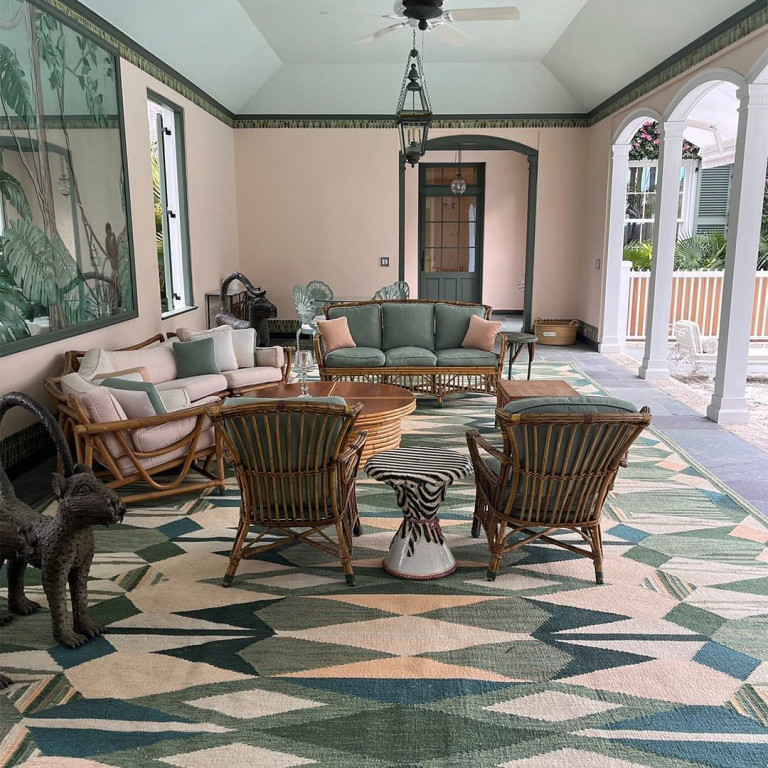
Above, a Palm Beach patio by Kemble Interiors incorporates a custom flatweave from our Scandinavian Outdoor rug collection. This piece was a particularly exciting oversized custom rug, both reveling in the most chic shades of green that seem to have underscored the last two years in design but also playing with pattern and color keeping everything around it in mind. This piece is far from an obsequious rug, but it’s still as comfortable as it is present — a feat of weaving that figuratively and literally pulls every element of the space together and exemplifies what a rug can do for any space.
Read the Feature
A Glossary of Handmade Rugs and Kilims: Understanding Terms, Types and Techniques Past and Present
Referring to the art style characterized by using shape and color withdrawn from traditional repetition or realism. Abstract rugs — sometimes referred to as art rugs — capture an expressive nature that reads as a very modern style, though many abstract rugs draw inspiration from works of the same art style in the mid-century. One of the more widely known mid-century lineages of this style is abstract expressionism, named for the literal "expressionists" of the 1950s. Some of the most notable names behind this style include Jackson Pollock and Mark Rothko. Referring to a lineage of nomadic Persian rugs (sometimes referred to as “Avsar” in the alternate spelling). Afshar rugs hail from the eponymous tribe in the region of Northeastern Iran.
Read the Feature
Top 10 Handmade Rugs and Kilims of June 2022
A wise man once told me: each member of our team is a story unto themselves. After three years beside him, naturally he’s strived to impart that same fundamental lesson to how we relay the world that hides behind a handmade rug. We strive to be different in the way we talk, the attention we pay, the details we capture and, most of all, the people we bring into the fold to handle these herculean labors. The problem — albeit a good one to have — is to keep up. Keep up with that exponentially growing collection of 5,000 plus that needs a prolific, devoted staff. Keep up the same care and detail in every rug’s photography, design and description to keep up a rapidly growing, ever-vital eCommerce presence (itself born to keep up with the exciting boom in home furnishings that’s helped us thrive these last few years).
Read the Feature


R&K Image Studio
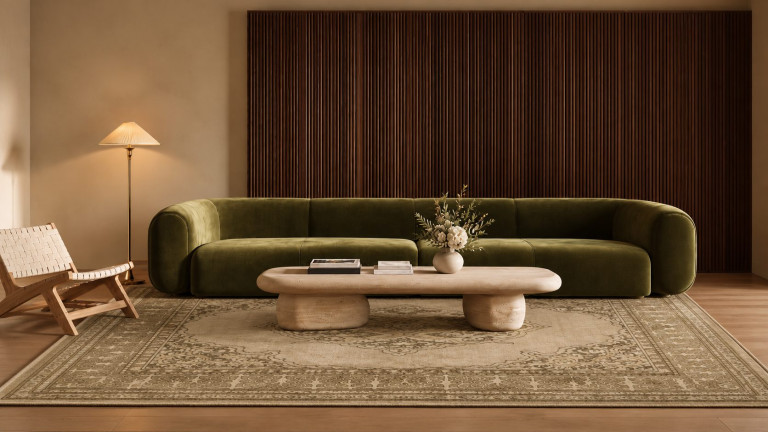
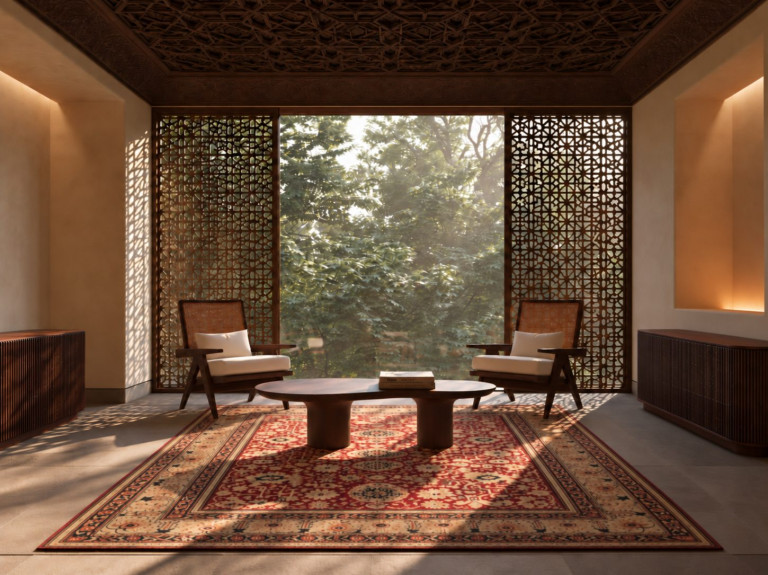
NEWThe R&K Image Studio is a new visual workspace designed to present the Rug & Kilim collection with clarity, restraint, and precision — in your space or any space you imagine.
This tool allows you to view, refine, and prepare imagery drawn directly from the pieces in our archive. They can be visualized cleanly, isolated thoughtfully, and adjusted for presentations, proposals, and private viewings, without altering the integrity of the original work.
Antique
Wool
India
9'5" X 12'3" (2.87 m x 3.73 m)
$34,000
Available: Shipping as Soon as Tomorrow
Antique Tabriz Persian Rug with Vivid and Dramatic Pictorials - Rug & Kilim
"Rug & Kilim has become a go-to for us. The vintage and modern inventory is unlike anywhere else, the team is easy to work with, and the custom program holds up to the same standard."
— Mx Ariel Ashe, Ashe Leandro LLC


