
A Brief Look at Outdoor Scandinavian Rugs: Custom Swedish Rugs and Flatweaves for Exterior Design
November 16, 2023
Sigvard Bernadotte and his Princely Scandinavian Rugs and Tapestries
November 28, 2023The term “Swedish Grace” was used to define the products of the Swedish applied art industries in the 1920s, highlighting the Scandinavians’ unique ability to infuse grace into the everyday routines of life.
This movement seamlessly blended the decorative expressiveness of Art Deco and Neoclassicism with the characteristic Scandinavian restraint (or minimalism, as it would be coined in the early 20th century. Icons such as Eileen Gray, artist Fernand Léger and Francis Bacon adorned floors with vibrant geometric compositions. Before the emergence of the more defined Swedish minimalist designs between then and post-war era, there was the development of Swedish Grace, which ran parallel to the better-known Art Deco movement. It stands as a significant chapter in modern design history, representing the Nordic branch of the Art Deco style. Swedish Grace represented a shift towards geometric stylization, streamlining and a focus on the essential elements of line and form. Still, it further distinguished itself from Art Deco by often incorporating playful Nordic folk art motifs, neoclassical elements and a particularly refined sense of color — characteristic of Swedish art.
-
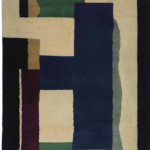
- “Tapis Blanc” – Designed by Fernand Léger
-
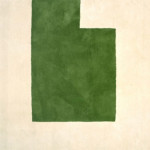
- “Kilkenny” – Designed by Eileen Gray
-
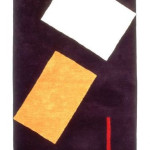
- “Bonaparte” Designed by Eileen Gray
-

- “Wendingen” – Designed by Eileen Gray
-

- “St. Tropez” – Designed by Eileen Gray
-
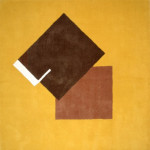
- “Castellar” – Designed by Eileen Gray
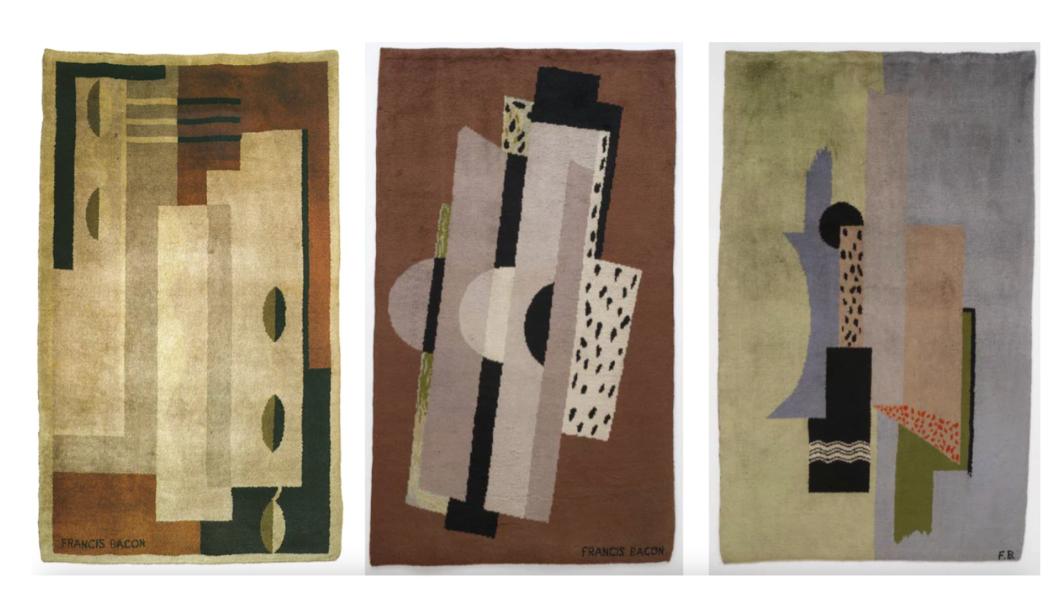
From left to right: three signed French Art Deco rugs by Sir Francis Bacon (two with his full name and one with the initials “F.B.” respectively).
- Eileen Gray designed several rugs throughout the 1920s and 1930s, called Blue Marine, Bonaparte, Castellar, Kilkenny, Roquebrune, St Tropez and Wendingen.
- Fernand Leger (1881-1955) designed the ‘blanc’ Carpet circa 1927.
- Sir Francis Bacon designed 12 rugs between 1929 and 1931, which were woven by the Wilton Royal Carpet Factory.
The term Swedish Grace was coined by British critic Philip Morton Shand after he visited the Arts and Craft Pavilion at the 1923 Gothenburg Exhibition. This was an exhilarating period in Swedish art and design, with many public buildings being designed in this new aesthetic. One of the most renowned buildings in this style, also known as the National Romantic Style, is architect Ragnar Ostberg’s City Hall in Stockholm. This building remains cherished for its unexpected and playful amalgamation of eclectic style.
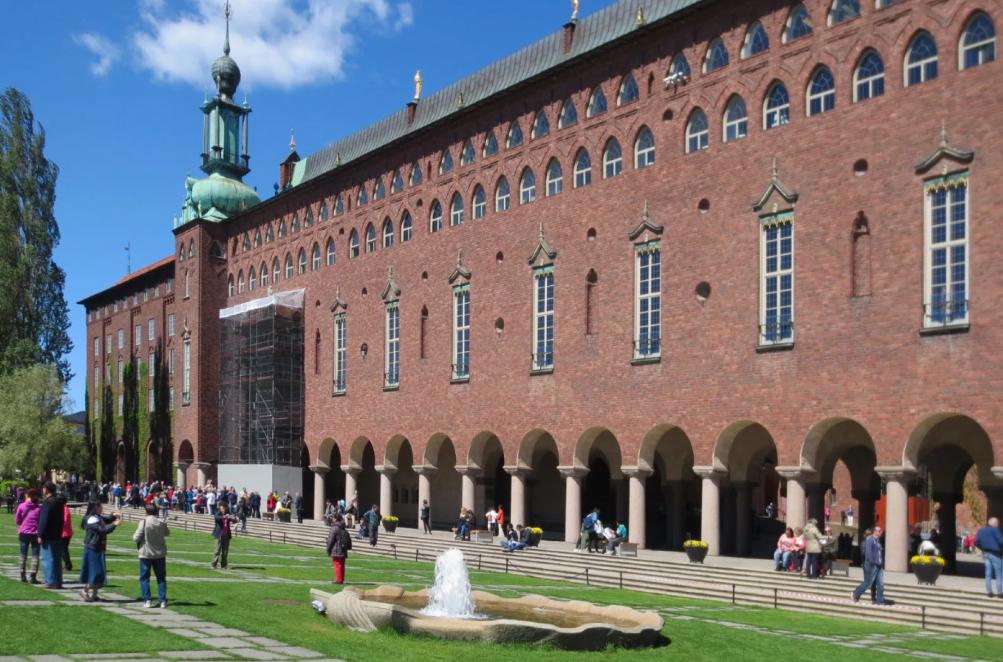
Ragnar Ostberg’s City Hall in Stockholm. Photo courtesy of Maria de la Paz via the Architecture Encyclopedia of WikiArquitectura.
-
- “Hästhagen” Rug Design by Märta Måås-Fjetterström, 1923.
-

- “Helios on the Firmament” Ceiling Mosaic Design by Einar Forseth, Puhl & Wagner, 1923.
-
- “Örtagården” Rug Design by Märta Måås-Fjetterström, 1934.

“Olympiad (Javelin Thrower)” painting by Swedish modernist artist Gösta Adrian-Nilsson in 1924. Photo courtesy of Nationalmuseum, Sweden.
The designers of the 1920s sought to preserve historic styles while introducing a new and innovative creative expression. This era reflected a desire to rationalize and democratize the classicism that had thrived in the 19th century, aiming to reduce its dominating influence. Swedish Grace emerged as a transitional style, serving as a bridge between the classicism of the past and the functionalism that would follow — what is now recognized as Scandinavian design. In this way, Swedish Grace marked an important evolutionary phase in design, contributing to the development of the distinct Scandinavian design aesthetic. In contrast to contemporary Scandinavian design, the Swedish Grace style had a more maximalist approach. However, practitioners of this style maintained a sense of restraint by adding only precisely what was needed. This approach ensured that furniture or buildings within the Swedish Grace movement did not feel overly simple. The balance between opulence and simplicity in Swedish Grace marked another unique aspect of its design philosophy.
Many of the carpets designed by Sweden’s most celebrated textile designer, Märta Maas-Fjetterström (1873-1941), can be considered exemplary of Swedish Grace. Essentially, she was a trailblazer in the modern style of textiles and carpets in Scandinavia. She revolutionized the craft and served as an inspiration for subsequent generations of designers. Her designs often drew upon folk craft motifs and were crafted using traditional techniques, yet exuded the refinement and elegance characteristic of Swedish Grace.
The influential Paris exhibition of 1925 marked an international breakthrough for Swedish design. This event showcased elegant engraved glassware crafted by Edward Hald and Simon Gate for Orrefors, as well as Anna Petrus’ cast-iron pieces for Näfveqvarn, Nils Fougstedt’s pewter artifacts for the newly established Svenskt Tenn company and Carl Malmsten’s exclusive wood species furniture. The exhibition held at the National Museum offered a comprehensive overview of the visual arts in 1920s Sweden. It featured art, design, film and fashion from a period of transition that laid the groundwork for modern society.
Explore our own Scandinavian collection to read more about our understanding of Swedish Modernism, and view a preview of some of our rugs and flatweaves inspired by these sensibilities below.
-
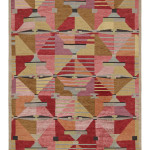
- 9×12 Scandinavian Rug 30700
-
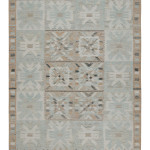
- 8×10 Scandinavian Rug 30022
-
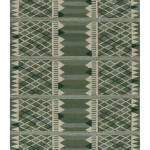
- 6×9 Scandinavian Rug 28878
-
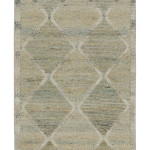
- 3×8 Scandinavian Runner Rug 29195
-
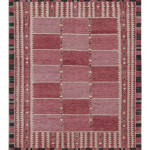
- 8×10 Scandinavian Rug 30688
-
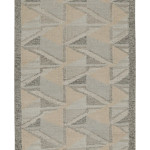
- 3×8 Scandinavian Runner Rug 29196
-
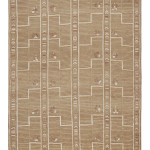
- 9×12 Scandinavian Rug 30696
-
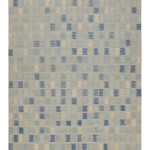
- 10×15 Scandinavian Rug 30716
-
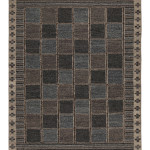
- 10×14 Scandinavian Rug 30020
-
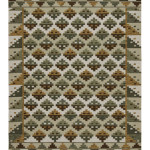
- 9×12 Scandinavian Rug 30015
-
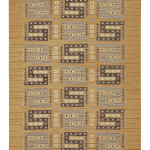
- 9×12 Scandinavian Rug 28310
-
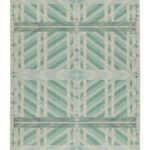
- 9×12 Scandinavian Rug 26594