


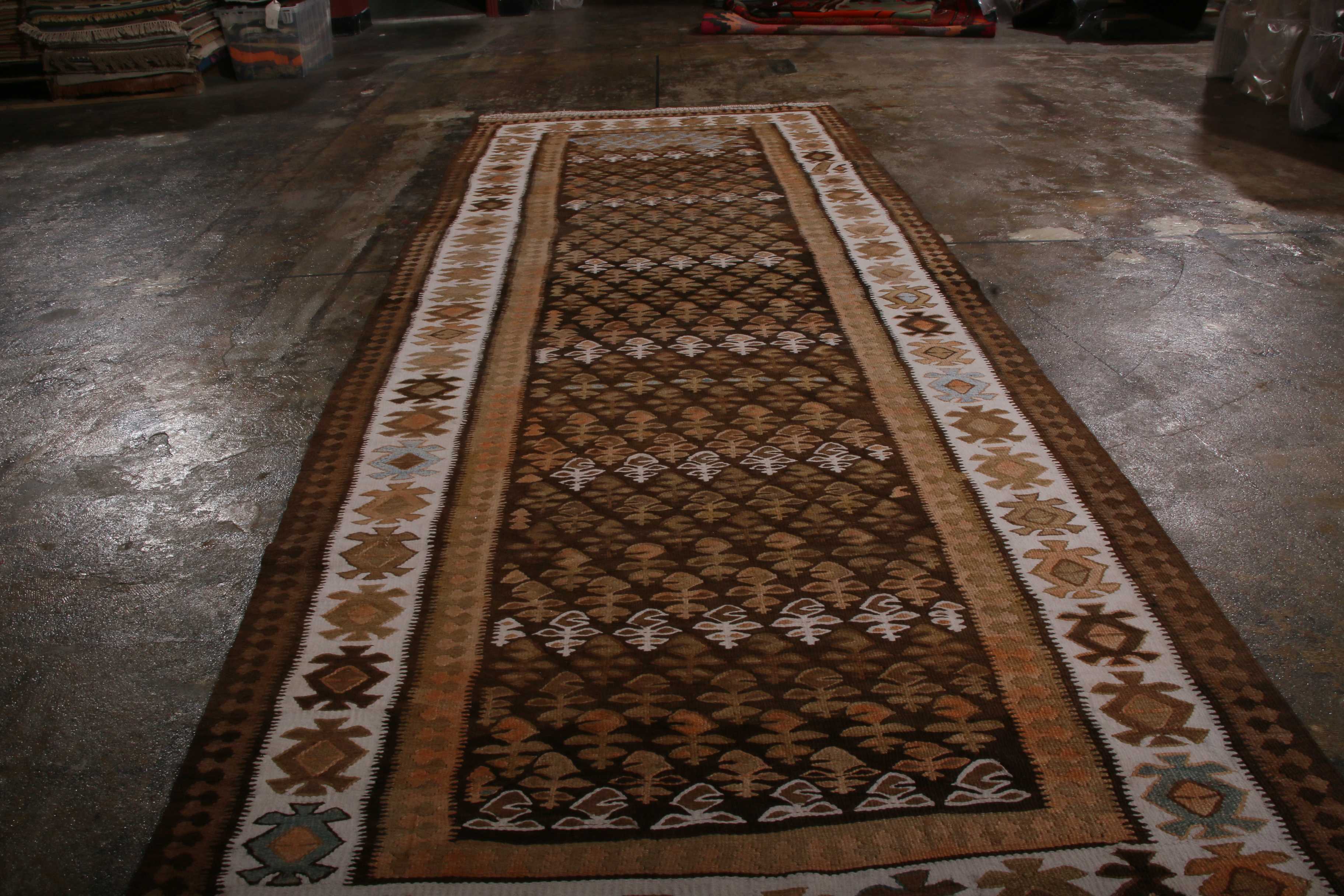
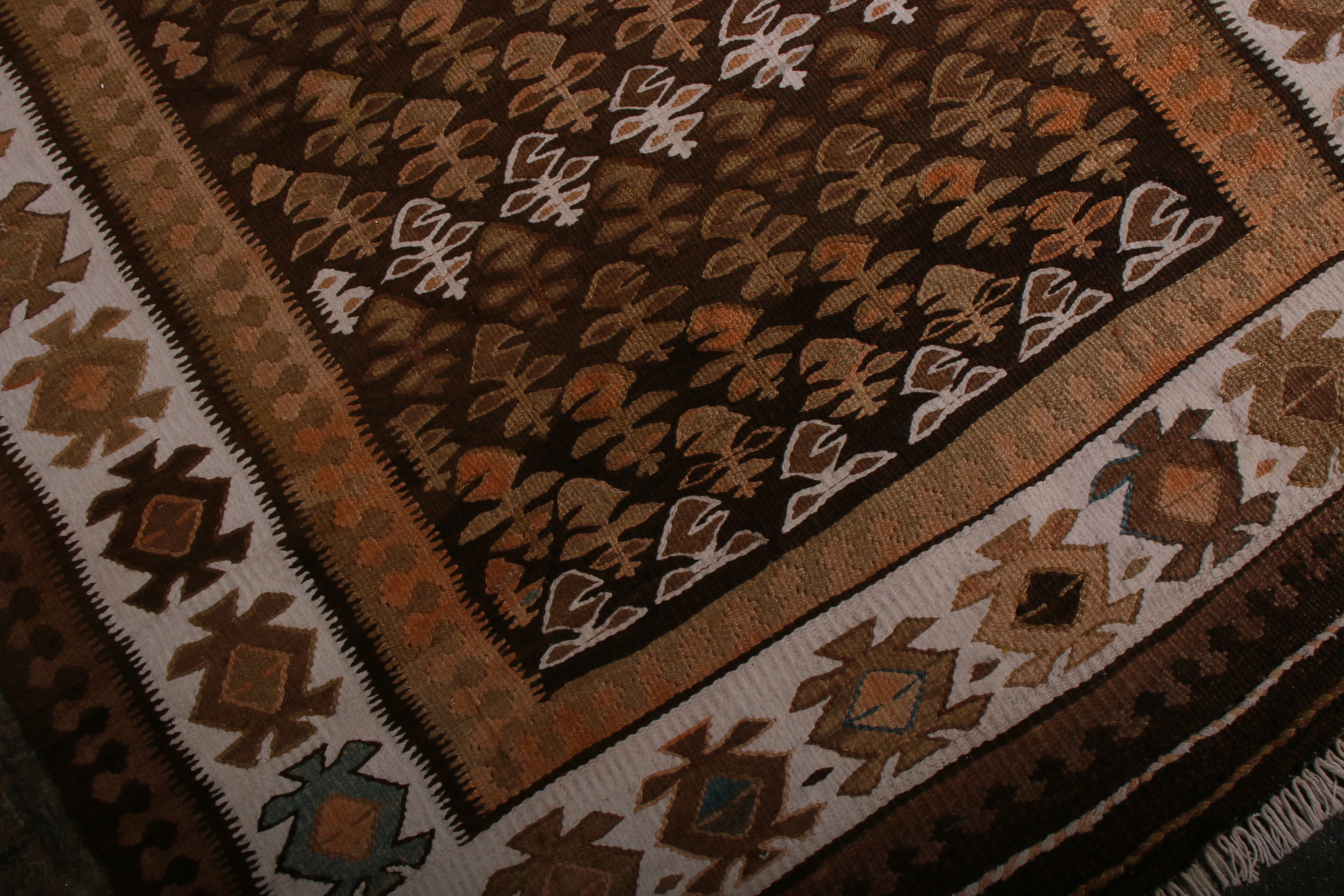
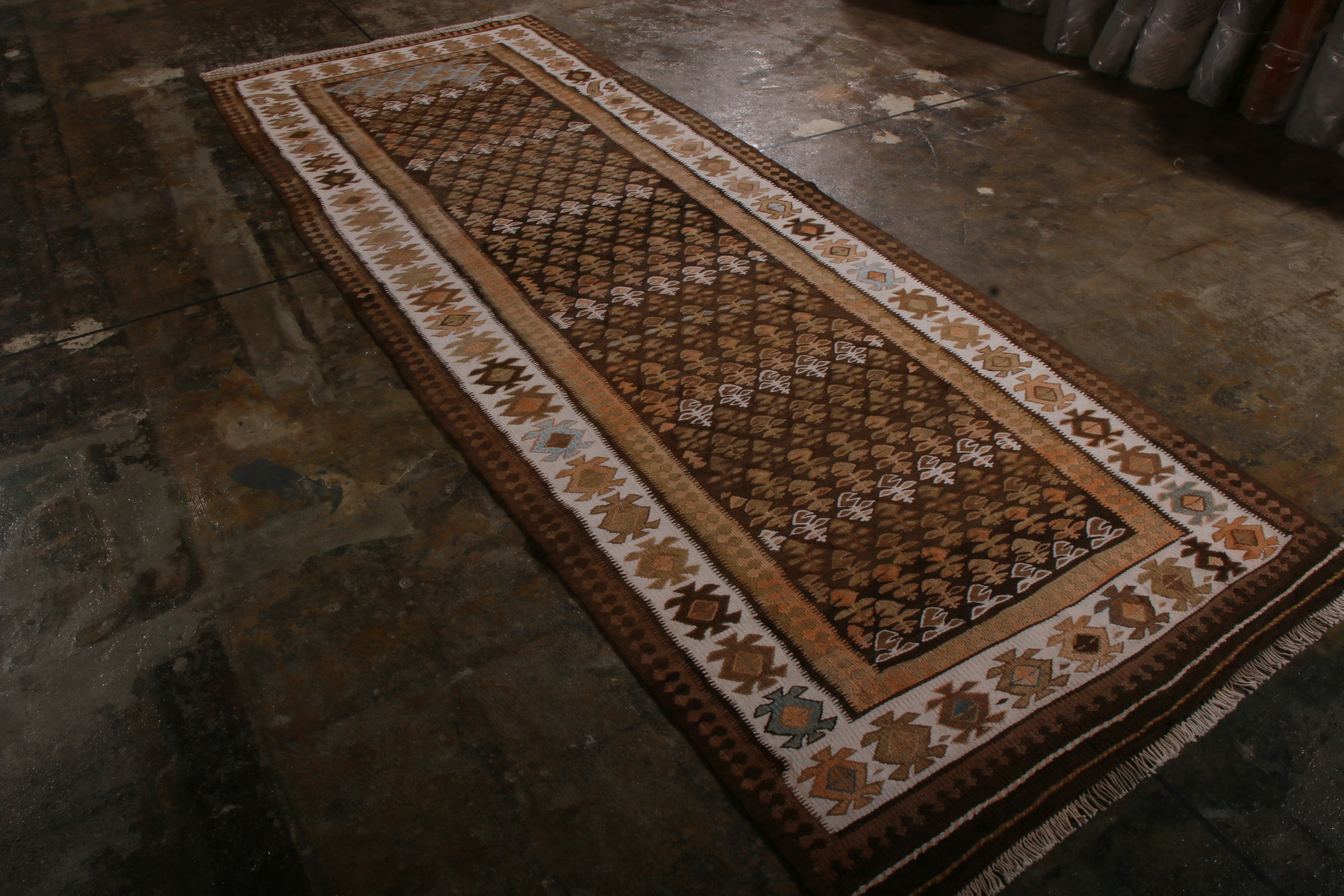
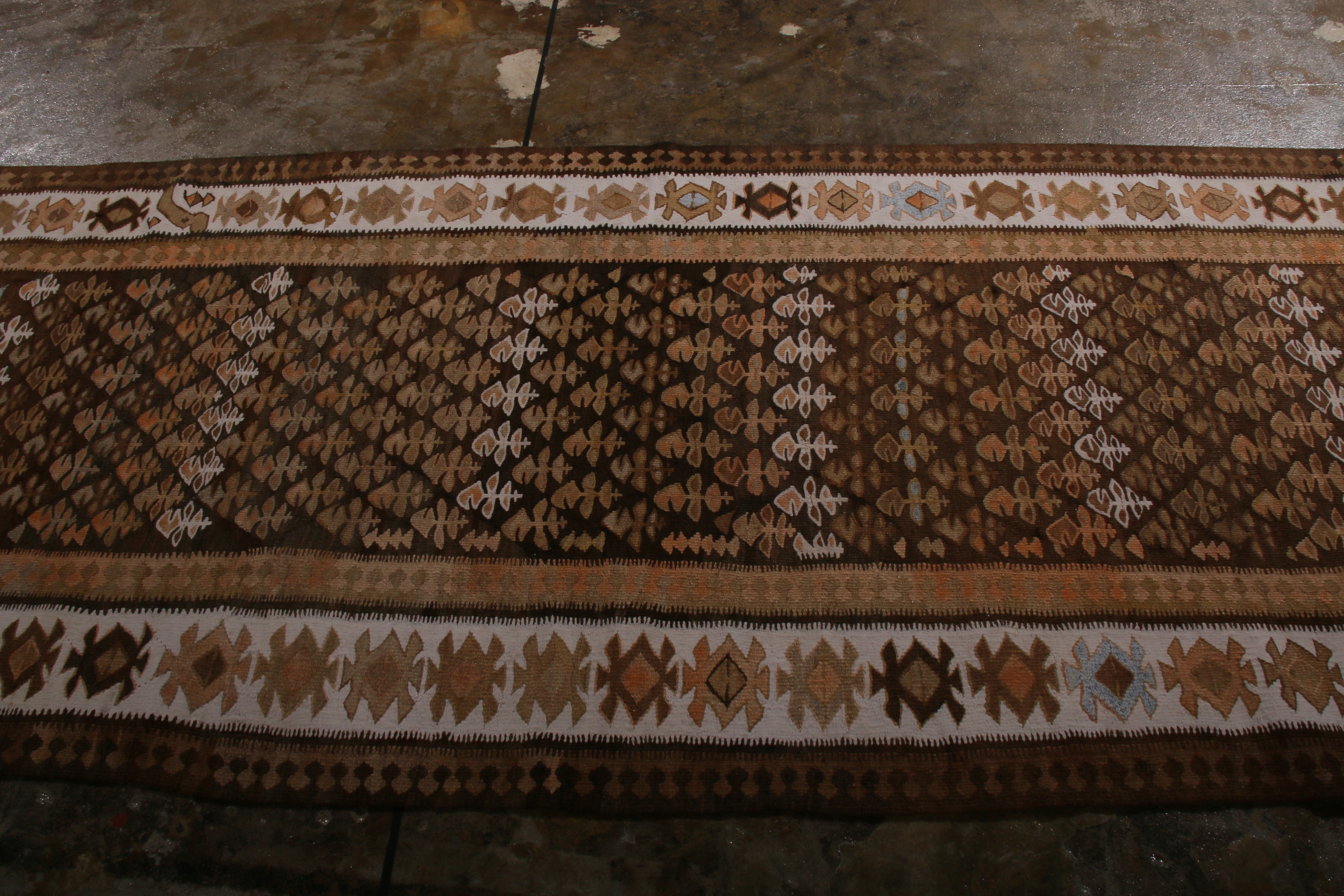
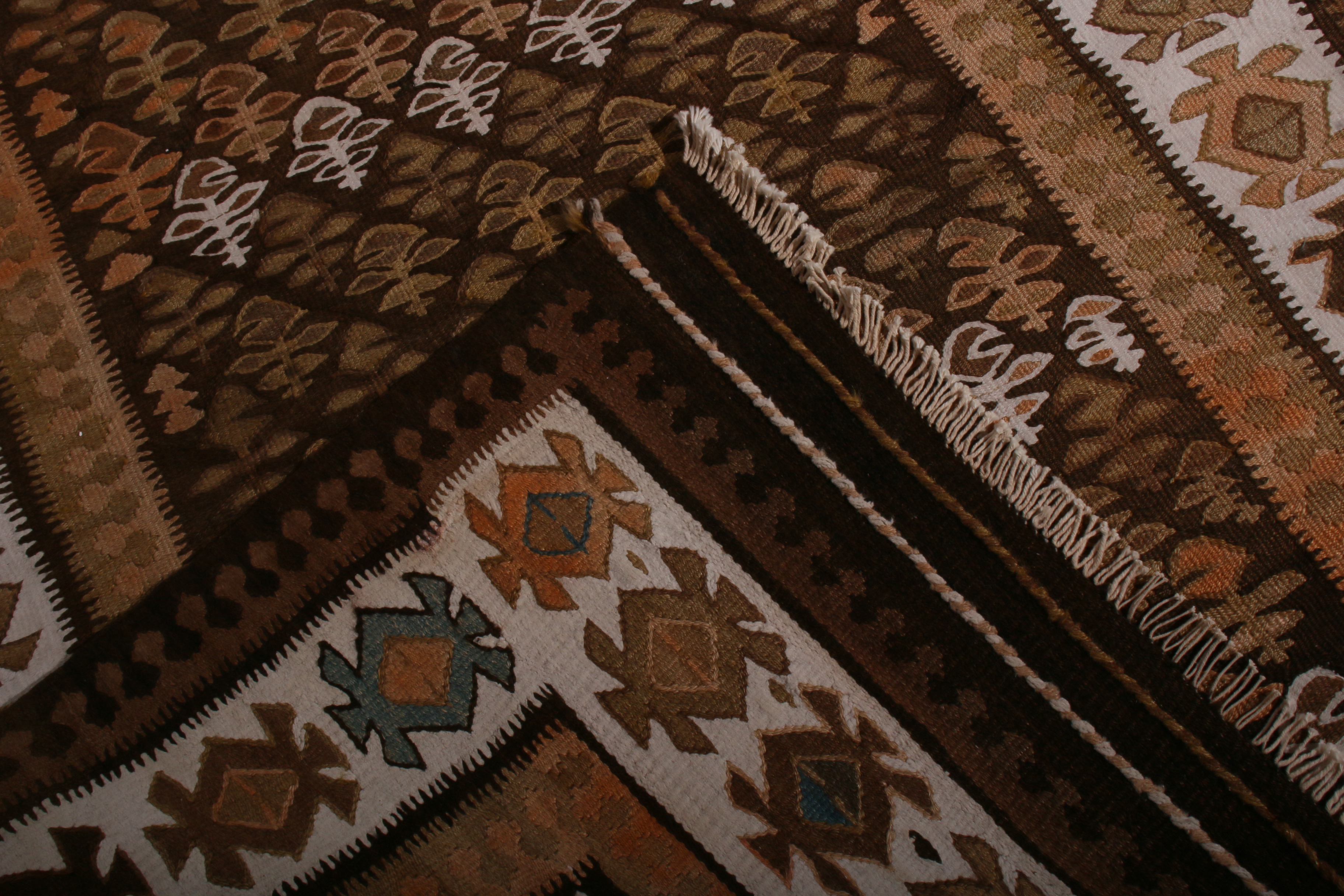
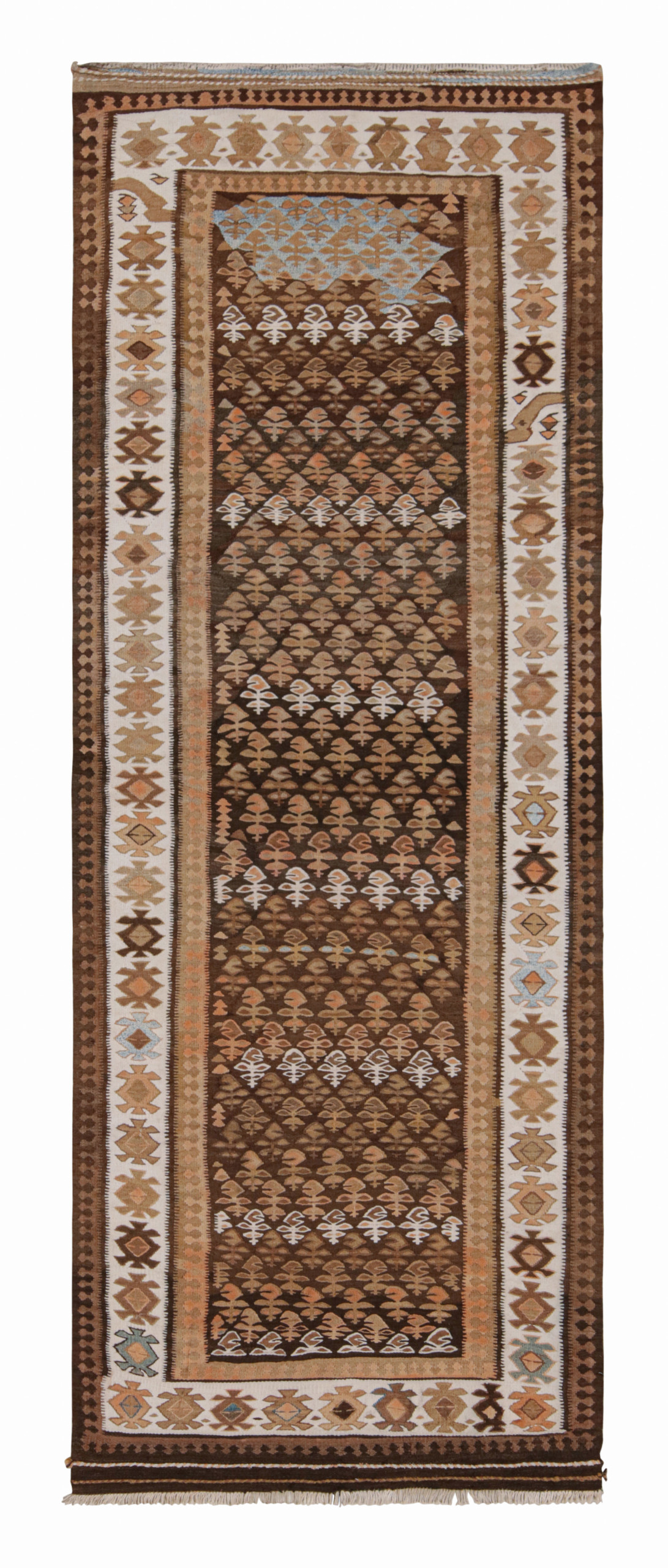
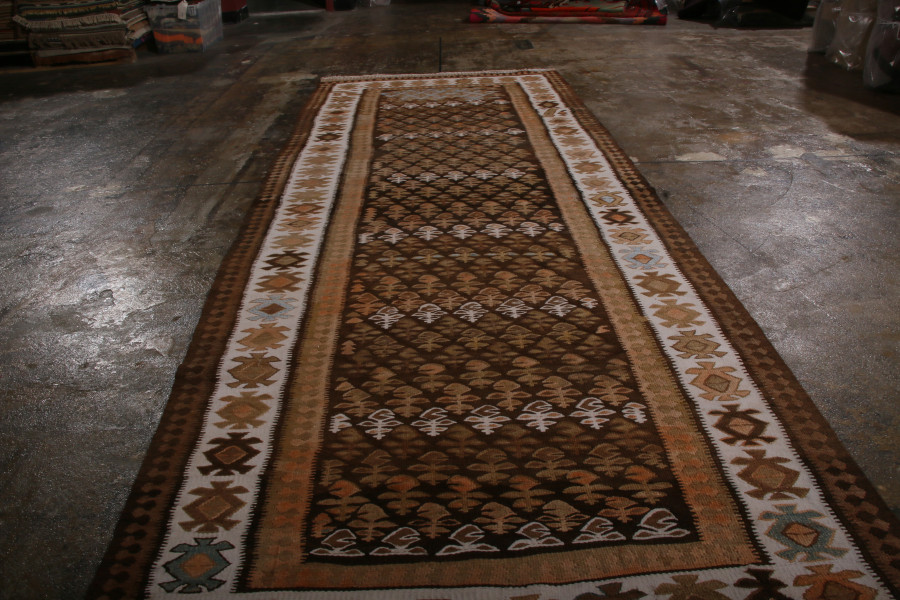
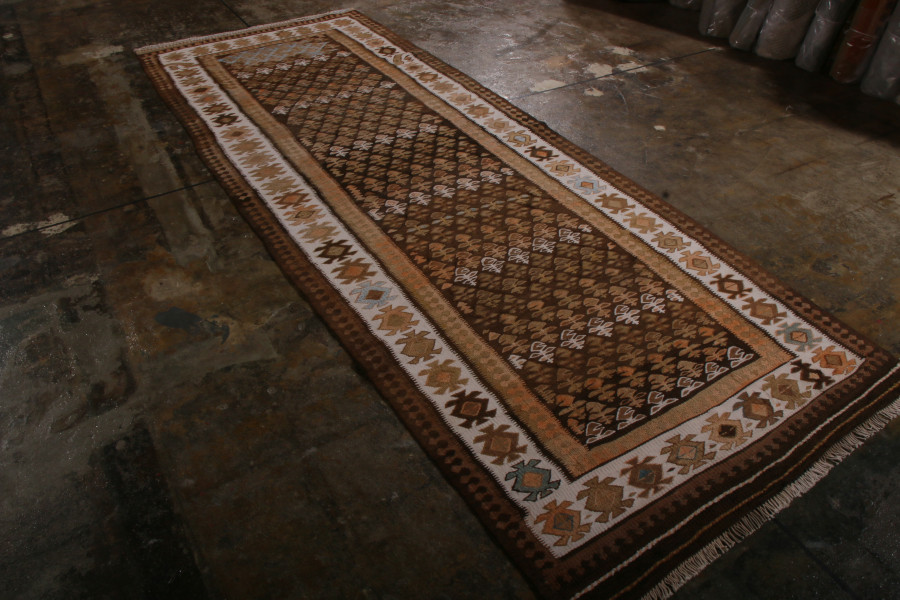
4'2" X 11'5" (1.27 m x 3.48 m)
Out of Stock (Inquire for Custom)
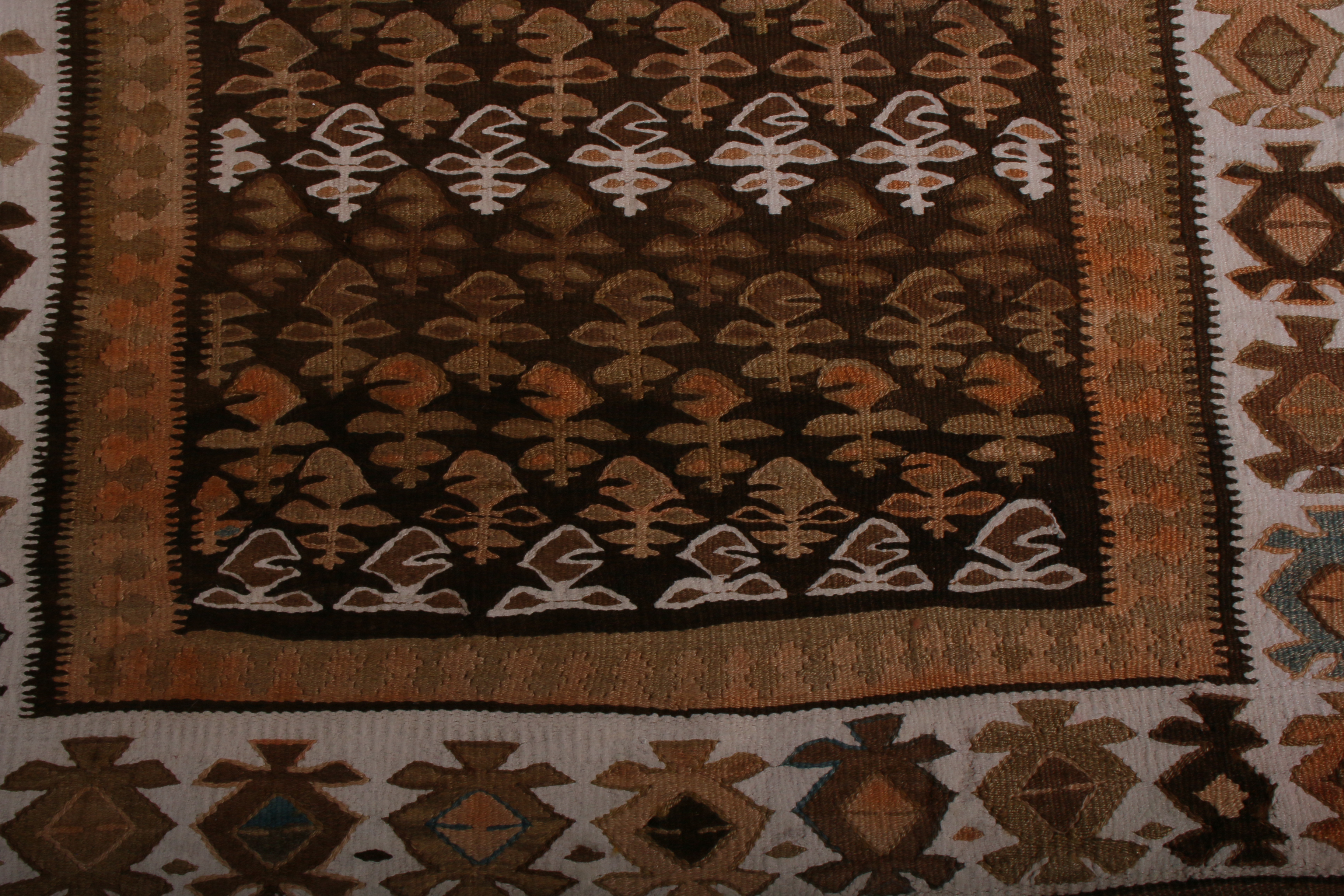
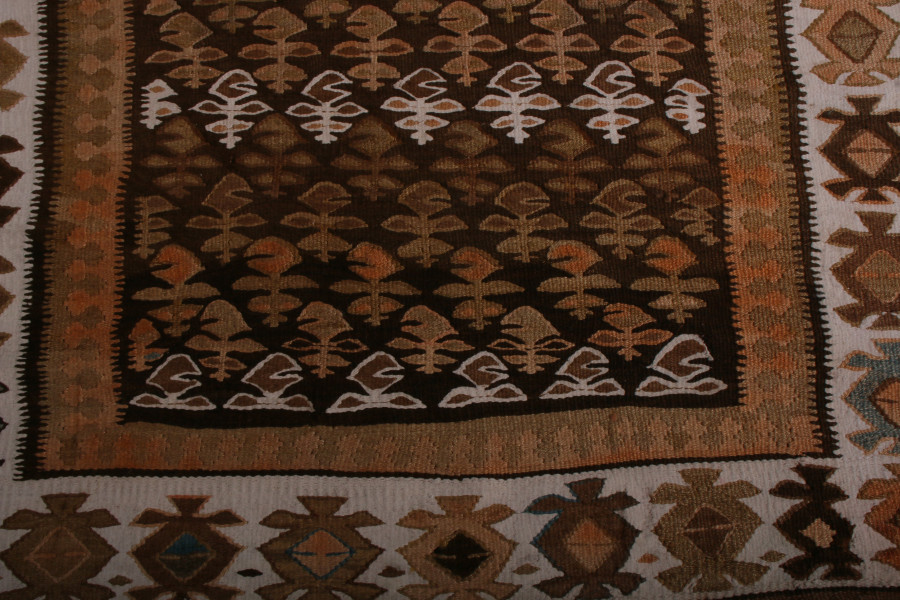
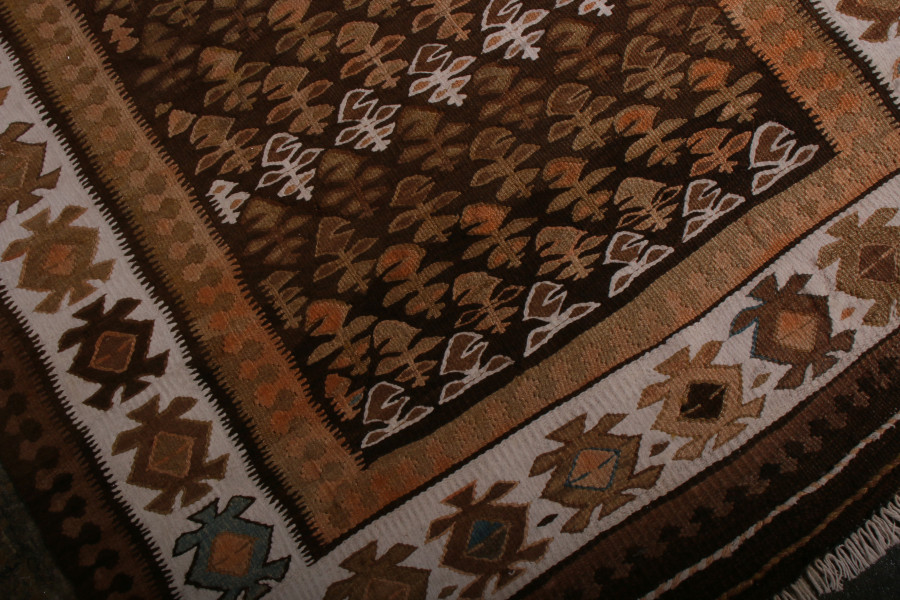
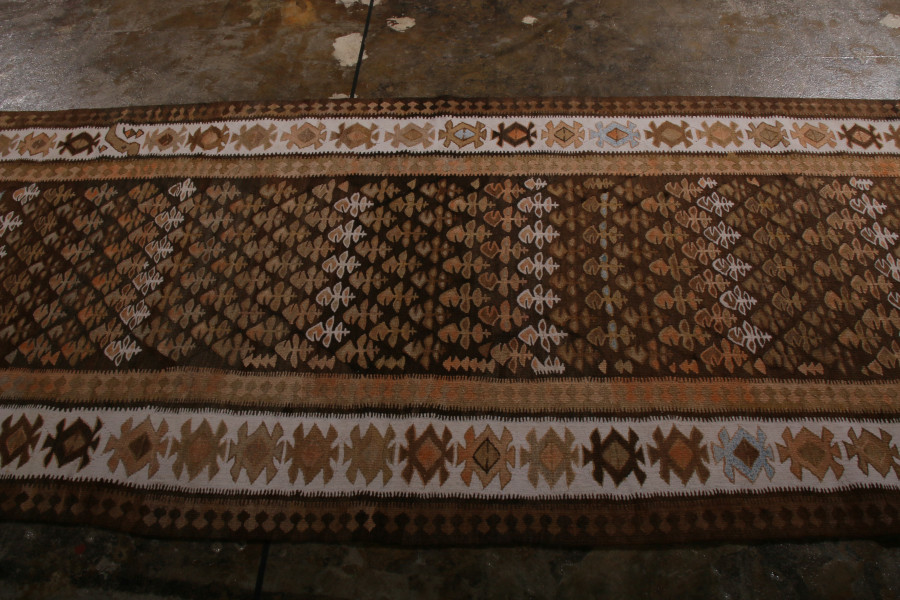
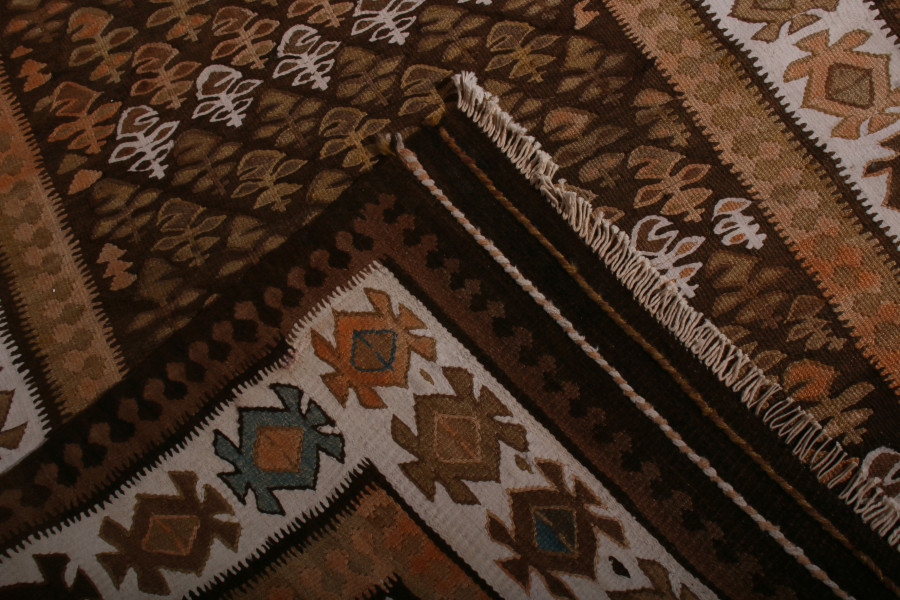
Vintage Mid-Century Geometric Beige Brown and White Wool Persian Qazvin Kilim 23313
"Josh has been able to dredge up some of the rarest and most beautiful carpets for our nerdy and stringent requirements. And we have had a grand time together assembling collections for clients."
— Ralph Harvard, Ralph Harvard Inc.
A standard since our inception upheld across every acquisition,
transaction, and delivery.
45+ Year Old Institution
More than four decades of expertise and stewardship, under the leadership of our Principal, Jahanshah "Josh" Nazmiyal.
Favorable Return Policy
Our return policy is 48 hours upon receipt allowing you to confirm the purchase in your space with confidence.
Product Warranty
Each rug is hand selected or produced through the most reputable sources under the direct supervision of our Principal.
Trusted Global Delivery
Reliable worldwide delivery handled with care, precision and constant communication.
Exceptional Support
Attentive, knowledgeable guidance before and after purchase from our dedicated team of specialists.
Long Term Care
We stand behind every piece we place and remain a resource to our clients for the lifetime of their collection.
- Measurements: 4'2" x 11'5" ( 1.27 m x 3.48 m )
- Categories: Default
- Classification: Classic/Traditional, Geometric, Kilim/Flat Weave
- SKU: 23313

Specifications:
Stories from the Default Collection
Essays, artist dialogues, and provenance notes drawn from Rug & Kilim’s editorial desk.
Inside the Colorist’s Mind: Commissioning a Rug to a Palette
There is a figure in the making of a great custom rug whom the finished object never names and the client rarely meets, and yet whose judgment determines whether the whole enterprise sings or falls flat. Not the designer who draws the pattern. Not the weaver who ties the knots. The colorist: the eye that decides, among a near-infinite field of possibility, exactly which blues, which greens, which single warm note of coral will live together in a room for the next fifty years. If the pattern is the core of a rug, color is its music, and the colorist is the composer. Most people have never considered that such a person exists. The ones who have commissioned a rug properly never forget them.
Read the Feature
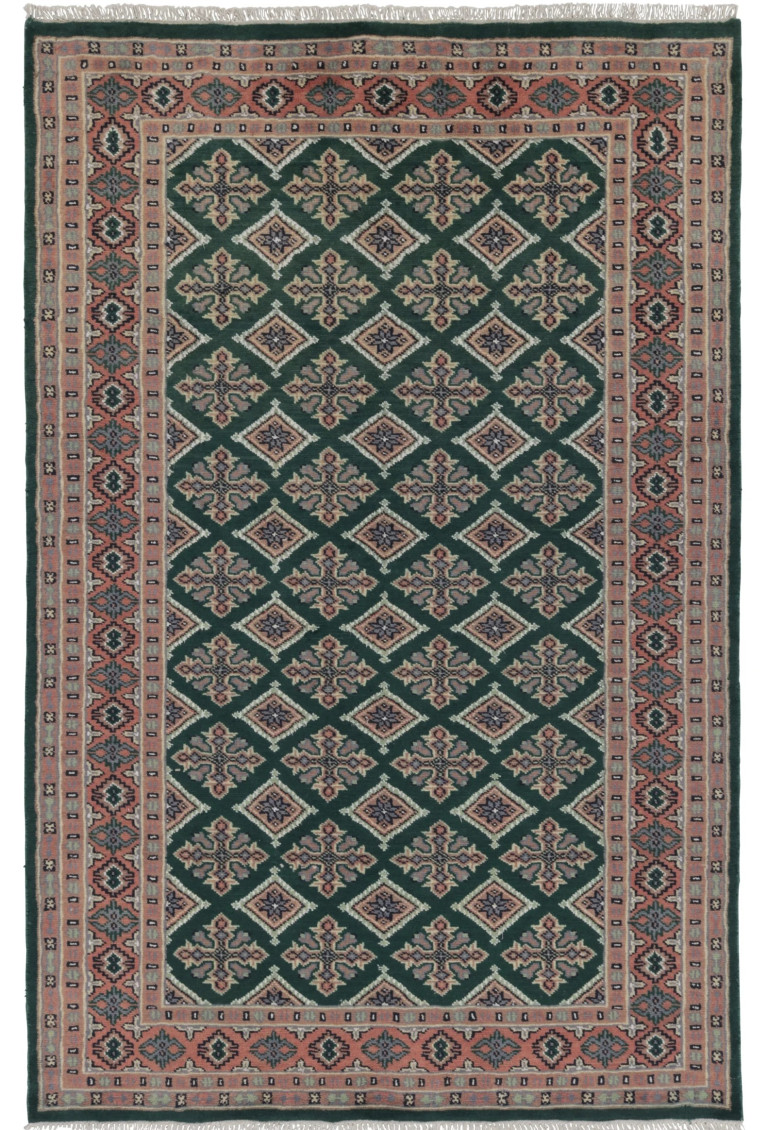
Bokhara Rugs: Traditional Weaving and Global Influence
Among the most recognizable and influential traditions in the history of oriental carpets, Bokhara rugs represent a remarkable fusion of tribal heritage, geometric precision, and centuries-old weaving expertise. Known worldwide for their iconic repeating motifs, deep colors, and refined craftsmanship, Bokhara rugs have become enduring symbols of Central Asian textile artistry. Although the name “Bokhara” is commonly associated with the historic city of Bukhara in present-day Uzbekistan, many rugs classified as Bokhara originate from Turkmen weaving communities across regions including Turkmenistan, Afghanistan, and surrounding areas. The name reflects the historical trade routes through which these carpets traveled and became known internationally.
Read the Feature
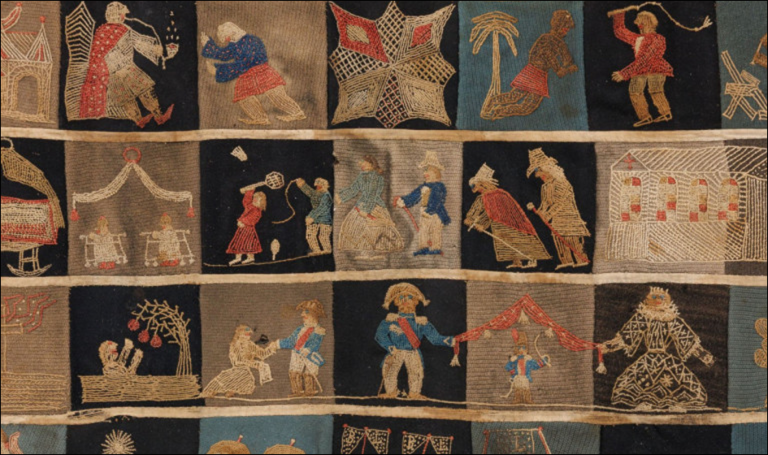
Tapestry of the Week: François Damiens, 475 Panels, and the Whole of a World in Pater Noster Embroidery of Arras
Some objects you appraise. This one you simply stand before, for a long time, and let it undo your sense of what a single human being can do. Hand-worked in wool and natural silk in Arras, France, in 1826, and signed four times over by its maker, the Pater Noster embroidery of François Damiens is composed of four hundred and seventy-five individual pictorial panels, each one a tiny woven scene, arranged in a vast grid that reads, from across a room, like the pixelated memory of an entire world. Biblical narratives. Processions. The labours of the seasons. Animals, trees, houses, saints, ordinary people doing ordinary things. Four hundred and seventy-five times, one small square at a time, a man sat down and embroidered a fragment of everything he knew.
Read the Feature
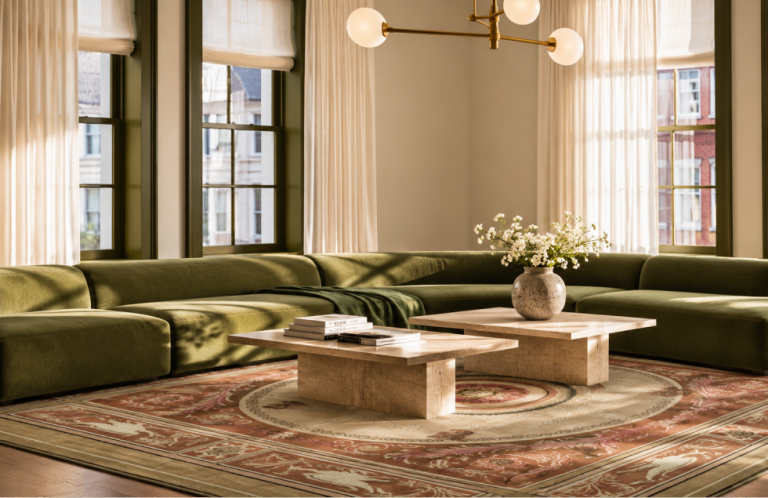
Rug of the Week: The Neoclassical 19th Century Oversized Savonnerie as a French Masterpiece
Every civilization that has reached a certain confidence has wanted to put its worldview on the floor. The Persians wove paradise gardens; the Chinese, the cosmos in miniature. France, under the Sun King, wove order itself. The Savonnerie, the royal carpet manufactory brought to its height under Louis XIV, the symmetry of the formal garden, the architecture of Versailles, the neoclassical grammar of acanthus and rosette and laurel that announced a culture certain of its own supremacy. A Savonnerie is a political philosophy you can stand on. All of which makes the four small creatures hidden in this particular example so delightfully subversive.
Read the Feature
History and Significance of Safavid Court Weaving and their Persian Antique Rugs
The Safavid dynasty (1501-1739) marked the pinnacle of Persian carpet design and production. Royal patronage played a crucial role, with court designers influencing production across various levels. Additionally, the widespread availability of locally sourced and imported materials and dyes contributed to the quality and diversity of carpets. These factors, coupled with commercial acceptance, especially in foreign markets, further propelled the success of Safavid carpets. Surviving Safavid carpets showcase both court production, adhering to court standards but not necessarily woven at the court itself, and commercial production reflecting courtly tastes. Carpets were woven in palace workshops as well as on urban and village looms, highlighting the widespread influence and craftsmanship of Safavid carpet weaving.
Read the Feature
A Glossary of Handmade Rugs and Kilims: Understanding Terms, Types and Techniques Past and Present
Referring to the art style characterized by using shape and color withdrawn from traditional repetition or realism. Abstract rugs — sometimes referred to as art rugs — capture an expressive nature that reads as a very modern style, though many abstract rugs draw inspiration from works of the same art style in the mid-century. One of the more widely known mid-century lineages of this style is abstract expressionism, named for the literal "expressionists" of the 1950s. Some of the most notable names behind this style include Jackson Pollock and Mark Rothko. Referring to a lineage of nomadic Persian rugs (sometimes referred to as “Avsar” in the alternate spelling). Afshar rugs hail from the eponymous tribe in the region of Northeastern Iran.
Read the Feature


R&K Image Studio
NEWThe R&K Image Studio is a new visual workspace designed to present the Rug & Kilim collection with clarity, restraint, and precision — in your space or any space you imagine.
This tool allows you to view, refine, and prepare imagery drawn directly from the pieces in our archive. They can be visualized cleanly, isolated thoughtfully, and adjusted for presentations, proposals, and private viewings, without altering the integrity of the original work.
Default
4'2" X 11'5" (1.27 m x 3.48 m)
Out of Stock (Inquire for Custom)
Vintage Mid-Century Geometric Beige Brown and White Wool Persian Qazvin Kilim 23313
"Josh has been able to dredge up some of the rarest and most beautiful carpets for our nerdy and stringent requirements. And we have had a grand time together assembling collections for clients."
— Ralph Harvard, Ralph Harvard Inc.
- Measurements: 4'2" x 11'5" ( 1.27 m x 3.48 m )
- Categories: Default
- Classification: Classic/Traditional, Geometric, Kilim/Flat Weave
- SKU: 23313

