


Fabric
Morocco
6'8" X 9'4" (2.03 m x 2.84 m)
Available: Shipping As Soon As Tomorrow
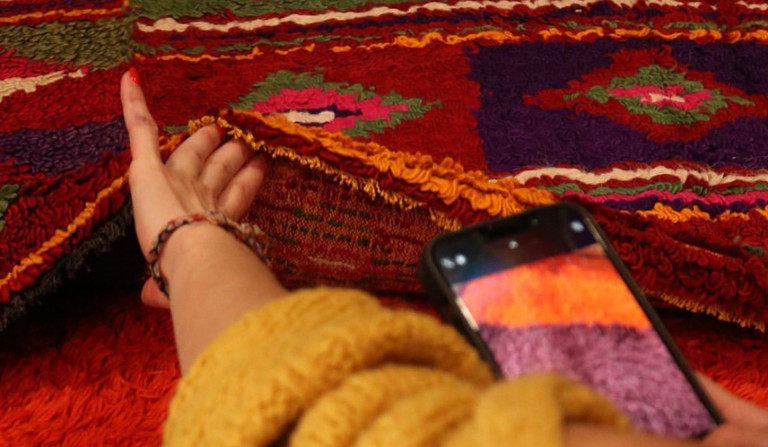
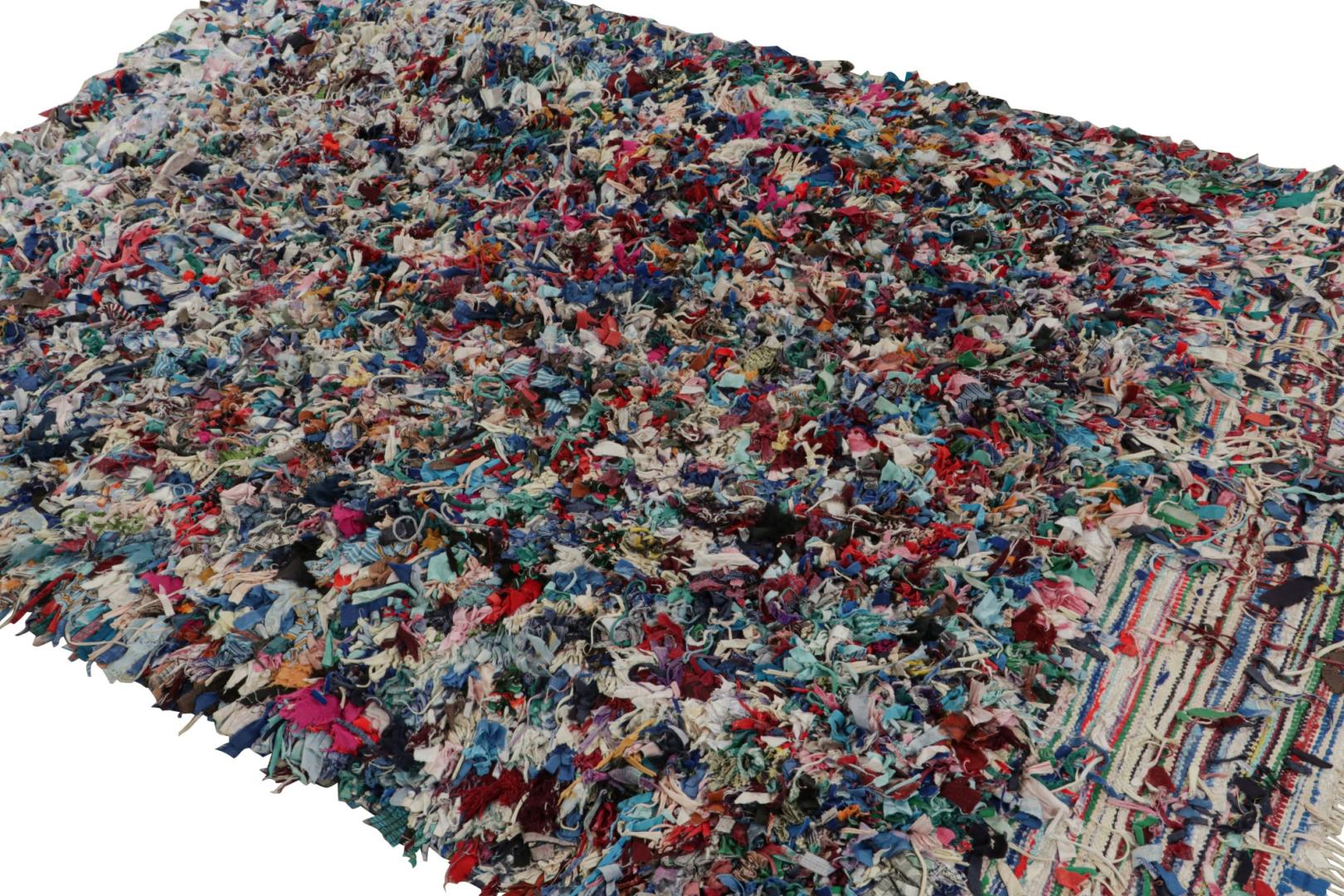
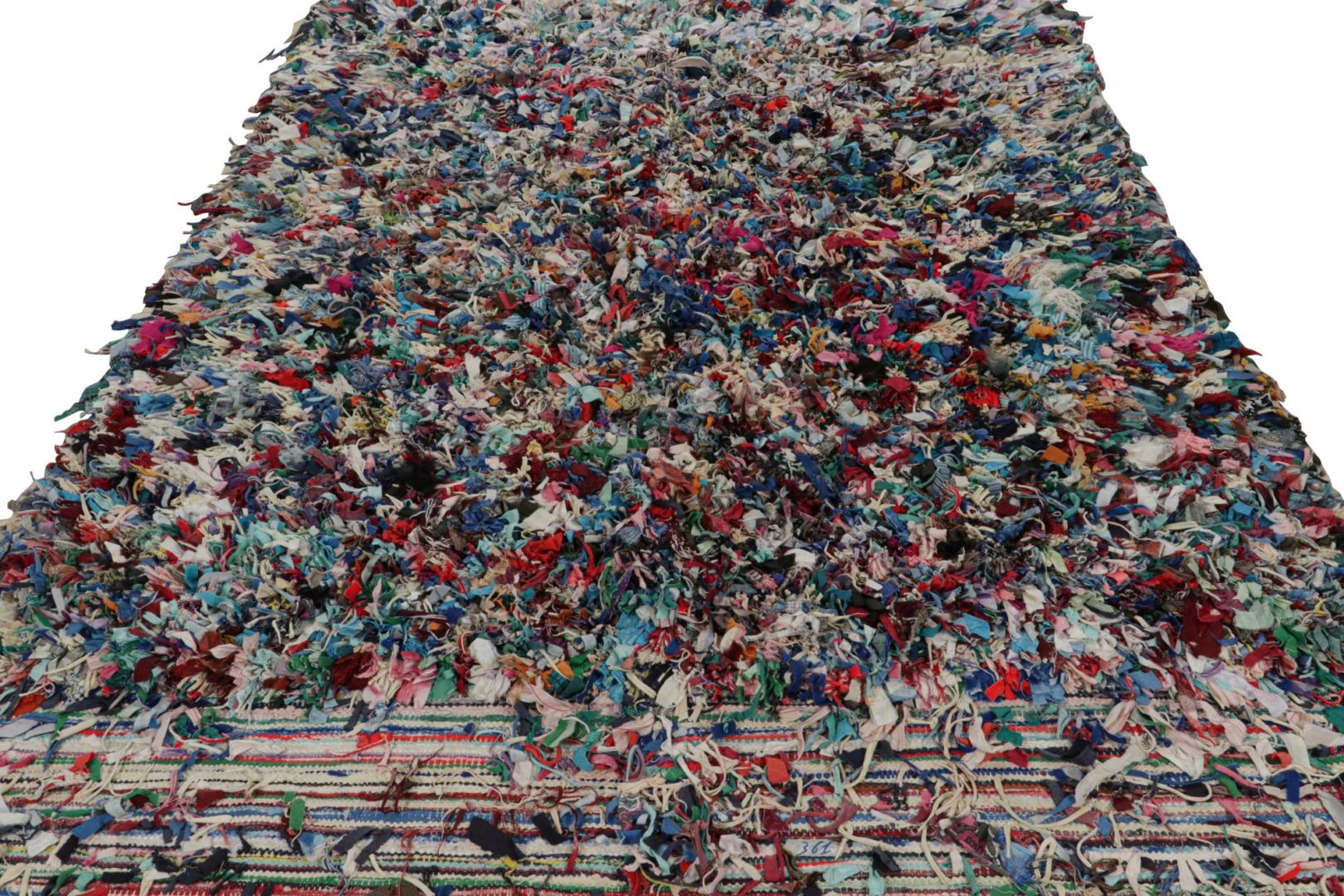
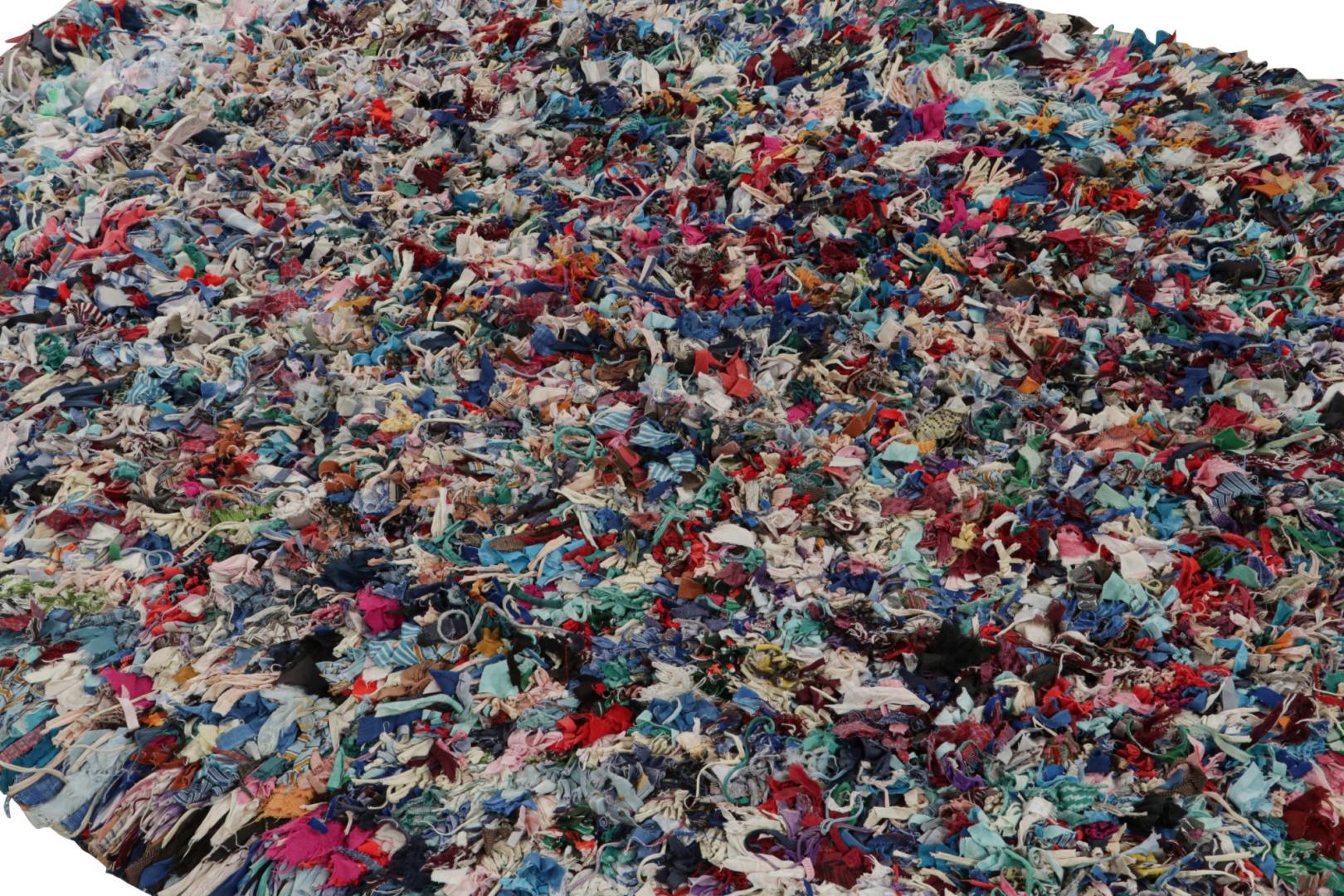
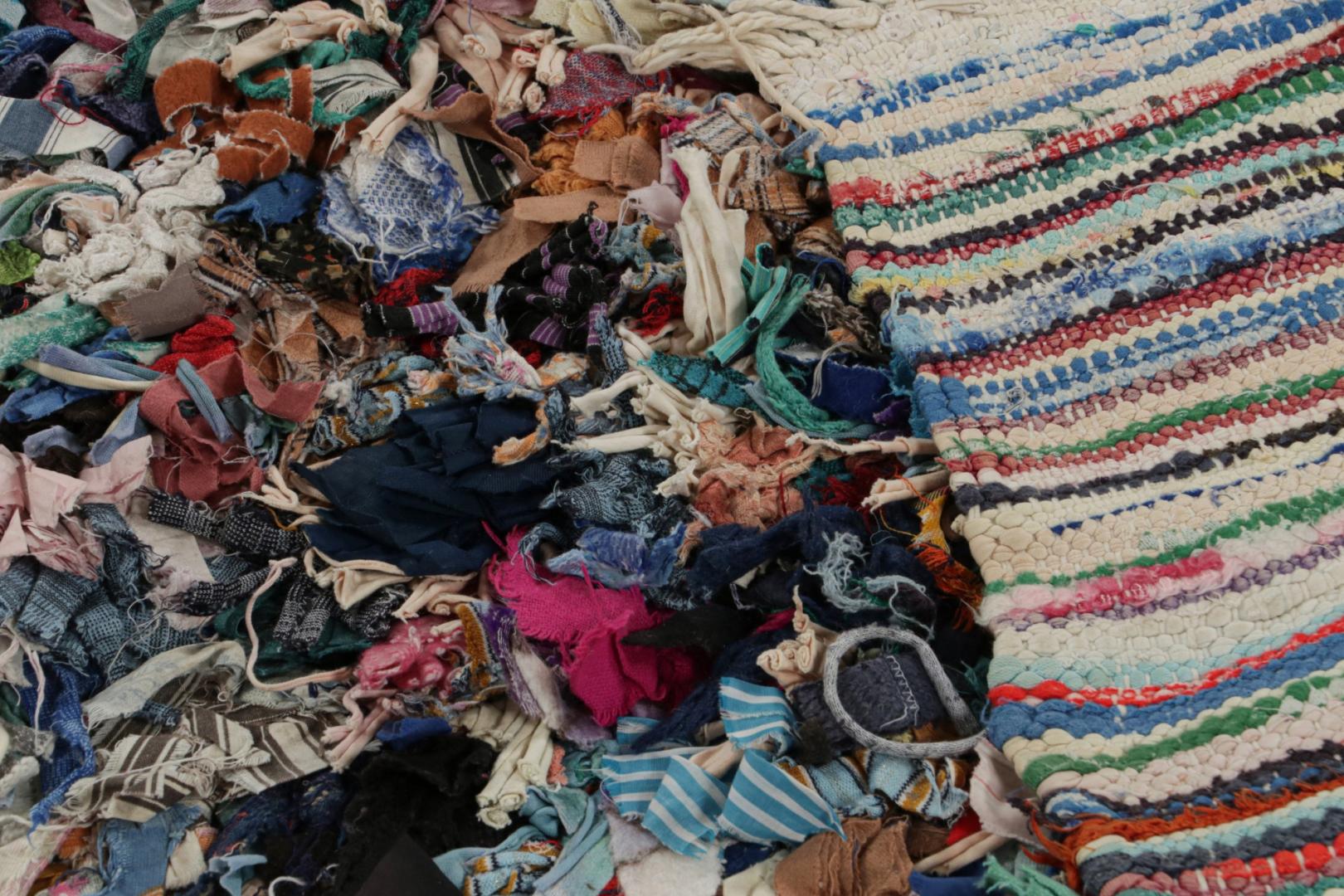
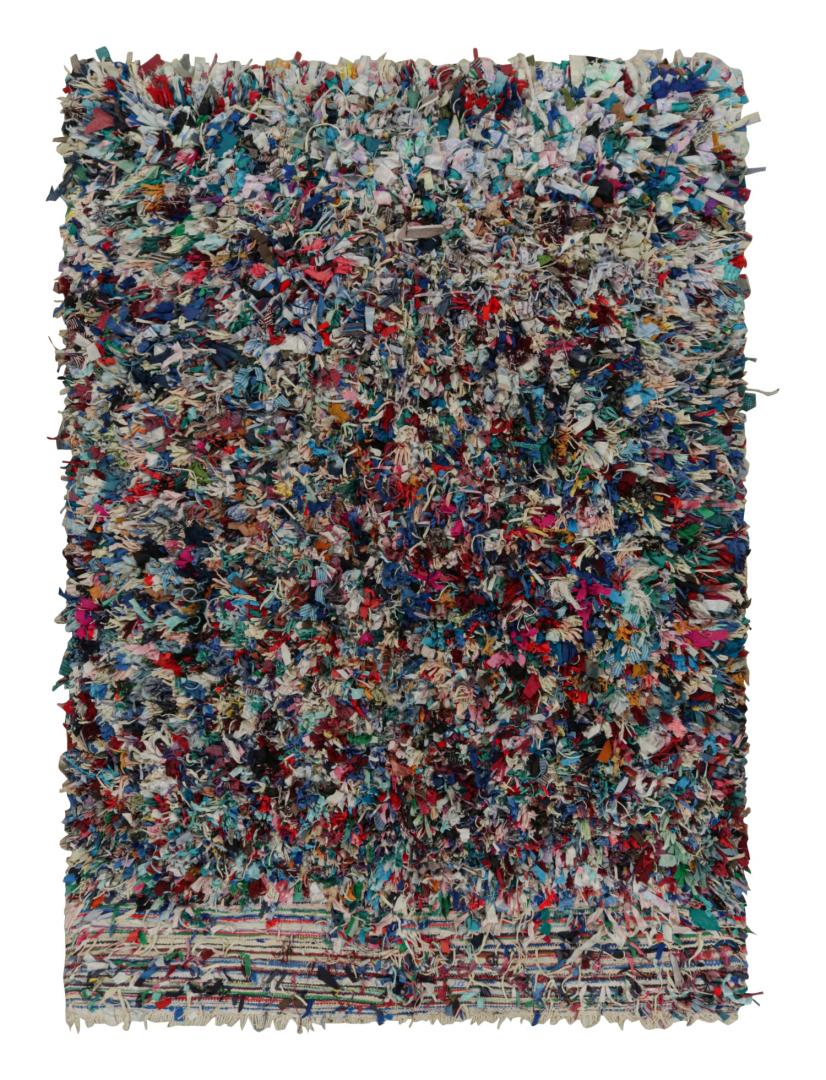
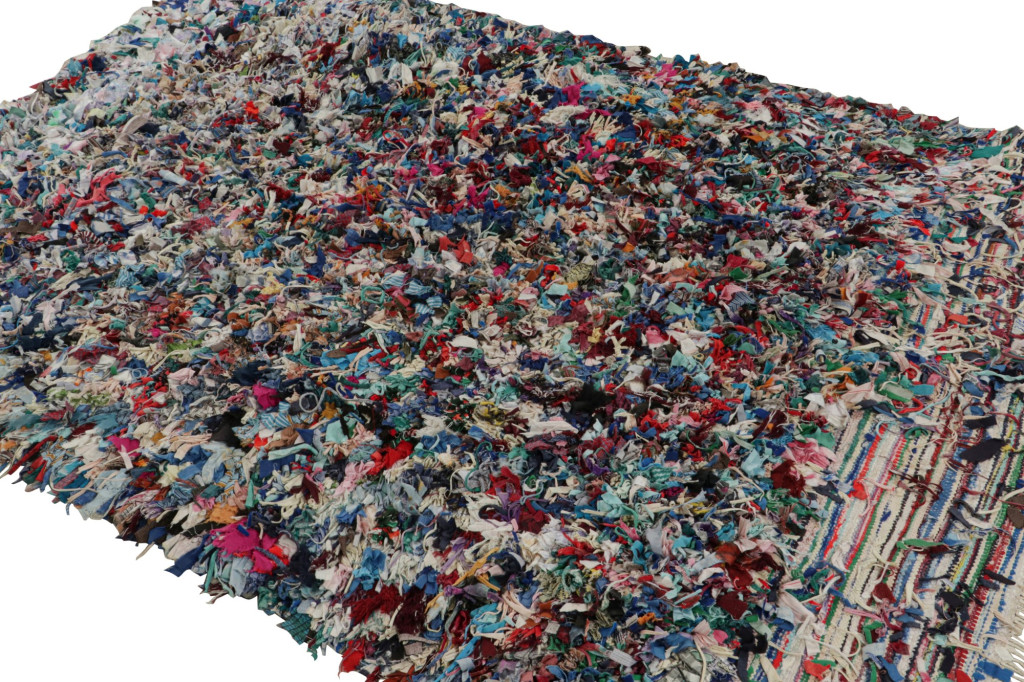
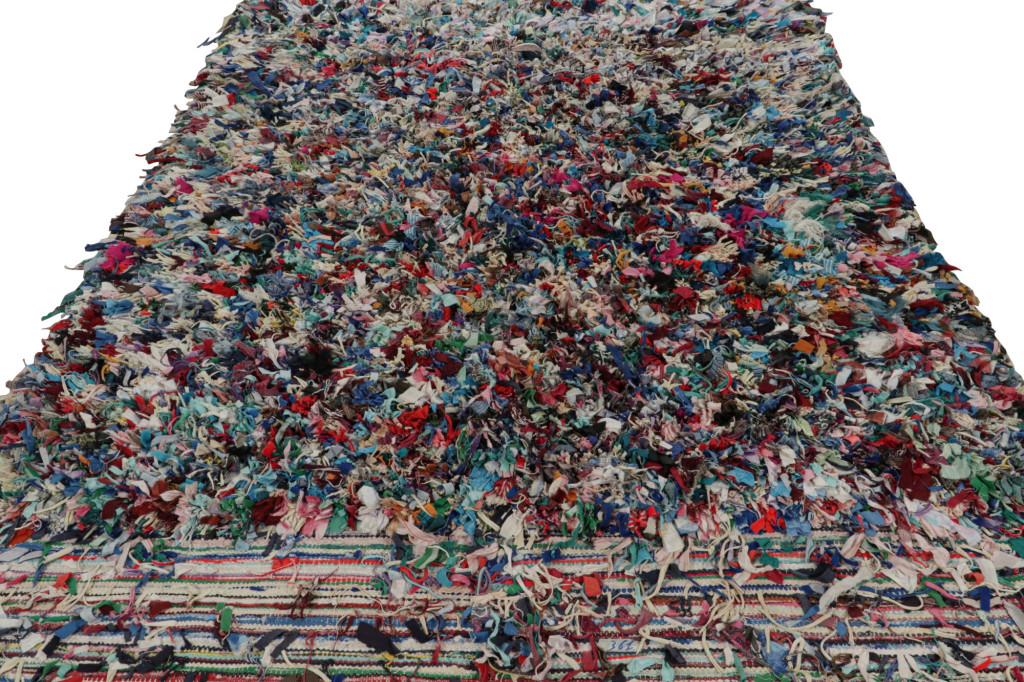
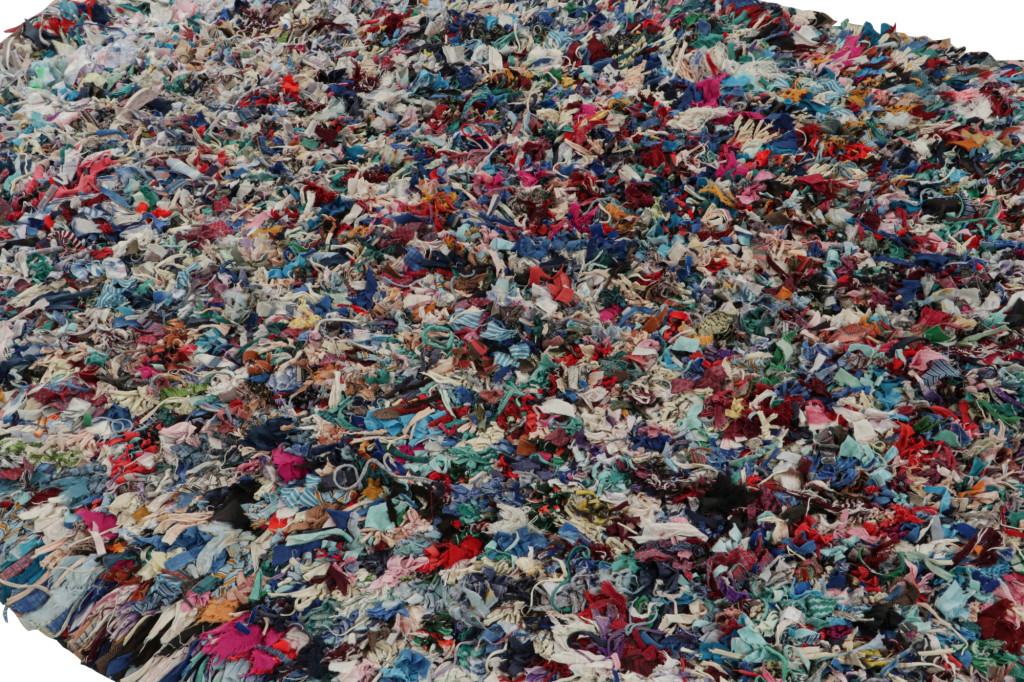
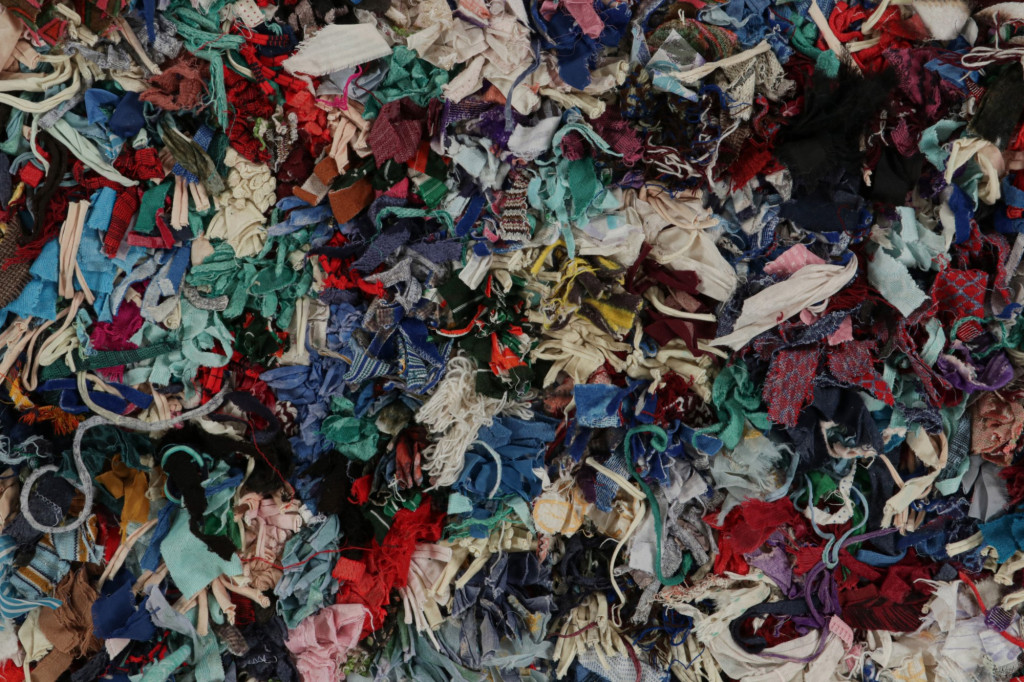
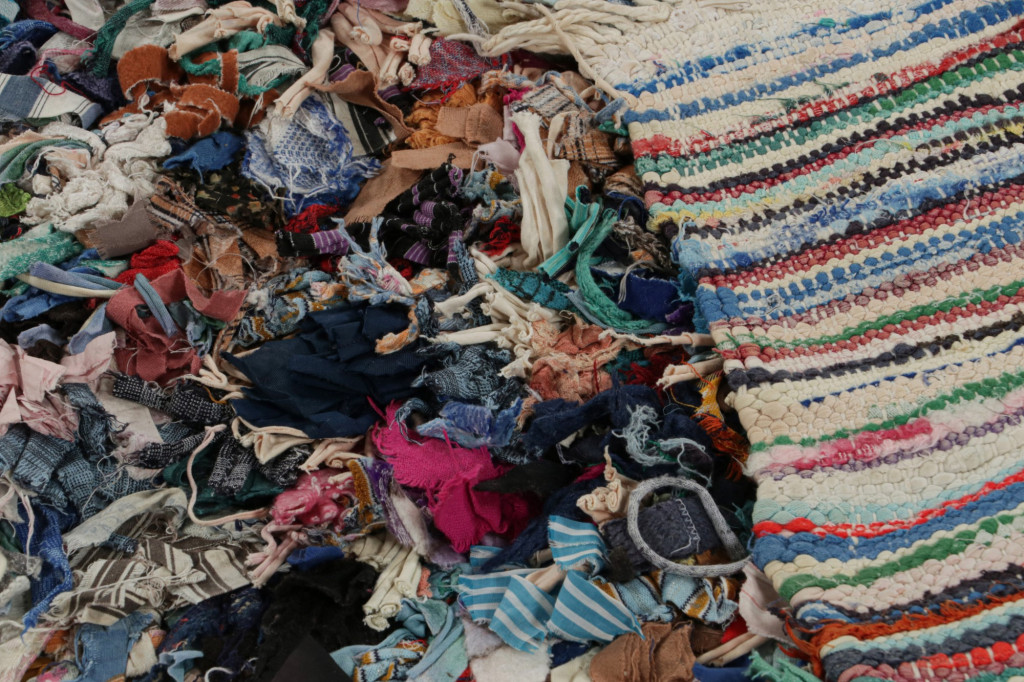
Vintage Azilal Moroccan Boucherouite Rug with High Pile by Rug & Kilim
"Rug & Kilim has been a pleasure to work with from the very start of our relationship. Not only is their service outstanding, their inventory of one of a kind vintage rugs is unparalleled."
— Alan Eckstein and Margaret Goddard, Somerset House
A standard since our inception upheld across every acquisition,
transaction, and delivery.
45+ Year Old Institution
More than four decades of expertise and stewardship, under the leadership of our Principal, Jahanshah "Josh" Nazmiyal.
Favorable Return Policy
Our return policy is 48 hours upon receipt allowing you to confirm the purchase in your space with confidence.
Product Warranty
Each rug is hand selected or produced through the most reputable sources under the direct supervision of our Principal.
Trusted Global Delivery
Reliable worldwide delivery handled with care, precision and constant communication.
Exceptional Support
Attentive, knowledgeable guidance before and after purchase from our dedicated team of specialists.
Long Term Care
We stand behind every piece we place and remain a resource to our clients for the lifetime of their collection.
- Measurements: 6'8" x 9'4" ( 2.03 m x 2.84 m )
- Categories: Moroccan, Vintage
- Classification: Classic/Traditional, Moroccan, Shag/High Pile, Solid/Stripes, Textural/High Low, Tribal
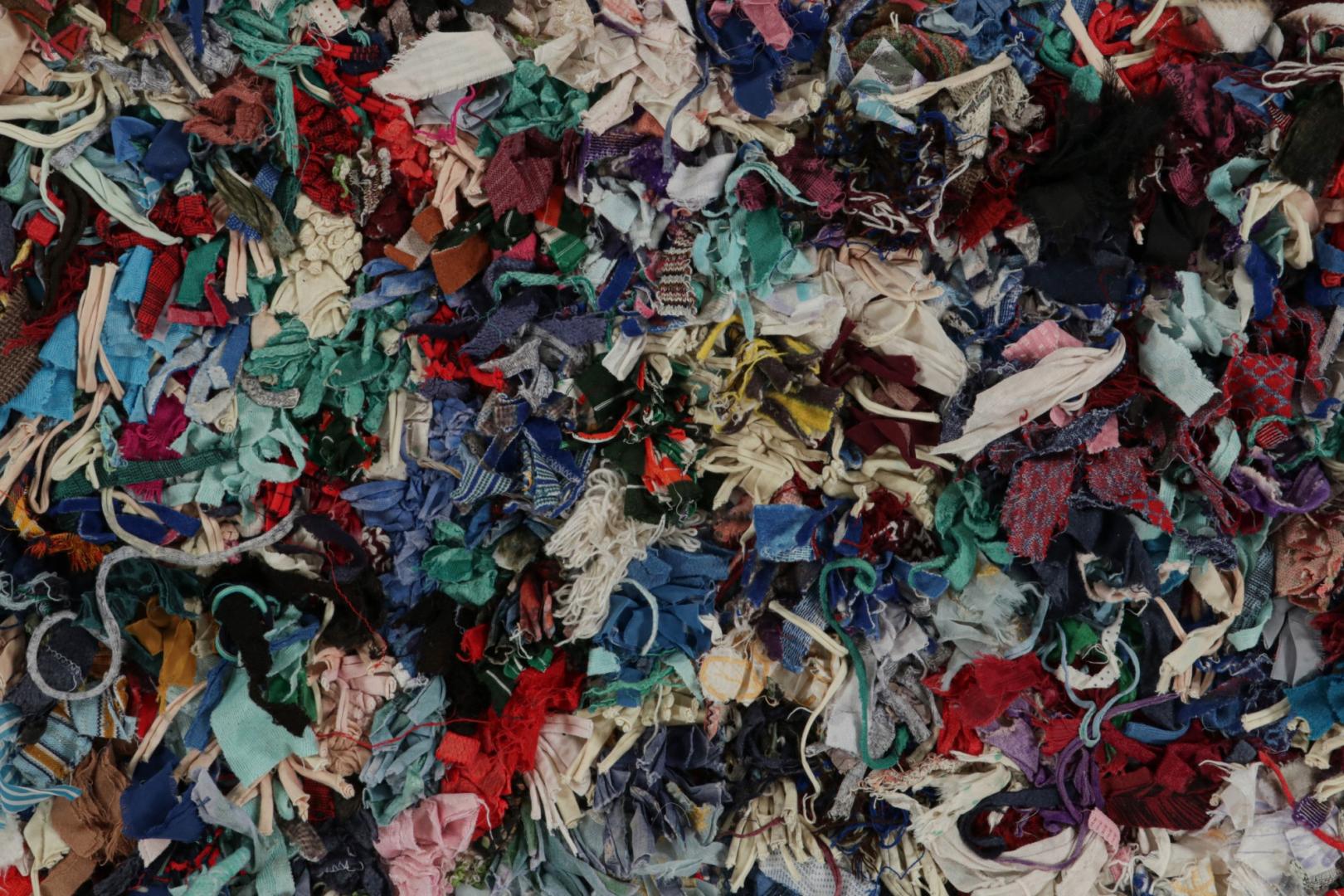
- Material: Fabric
- Origin: Morocco
- SKU: 29071

Specifications:
Stories from the Moroccan Collection
Essays, artist dialogues, and provenance notes drawn from Rug & Kilim’s editorial desk.
Tulu Rugs as Icons of Raw Luxury: Folk Art Meets Modern Fashion
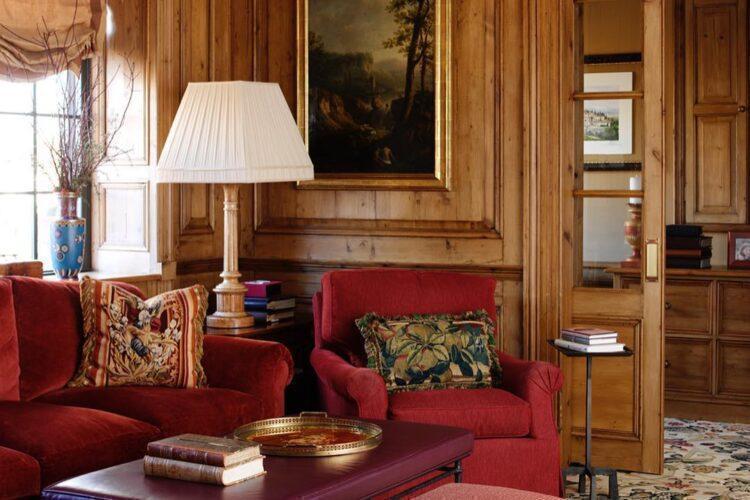
A Tulu rug emerges as a textile heirloom reimagined for royalty. The Evolution of the Tulu Rug Once woven to shield nomadic families from the brutal Anatolian winters, Tulu rugs were never meant to be seen — they were meant to be felt. Thick, long-pile, and spun from the softest Angora wool, these rugs served as primitive insulation, hand-crafted by Turkish tribes whose artistry was born from necessity. But in today’s most discerning interiors, what was once survival is now sovereignty. Tulu — from the Turkish word tüylü, meaning "hairy" or "shaggy" — has found its place in contemporary design. From Parisian ateliers to Brooklyn brownstones, from Brutalist galleries to Baroque revivalist townhouses, Tulu rugs are now the grounding force of aesthetic storytelling. No longer relegated to ethnographic obscurity, they’ve been recontextualized as objets d’art — the missing link between primal craftsmanship and couture design.
Read the Feature
A Day in the Life: Inside the Venerable House of Rug & Kilim
The foundations of a great institution are laid not with brick and mortar, but with passion, knowledge, and unwavering commitment to craft. For over four decades, Rug & Kilim has strove for excellence—a family dynasty of textile connoisseurship built upon Jahanshah Nazmiyal's pioneering vision and now continued through the stewardship of his sons, Cyrus and Sina Nazmiyal. To understand textile is to understand human civilization itself. Every knot, every weft, every fiber tells us something profound about culture, commerce, and art expression. This is not merely our business—it is our obsession.
Read the Feature
A Guide to Folklore and Cultural Memory in Rugs and Kilims
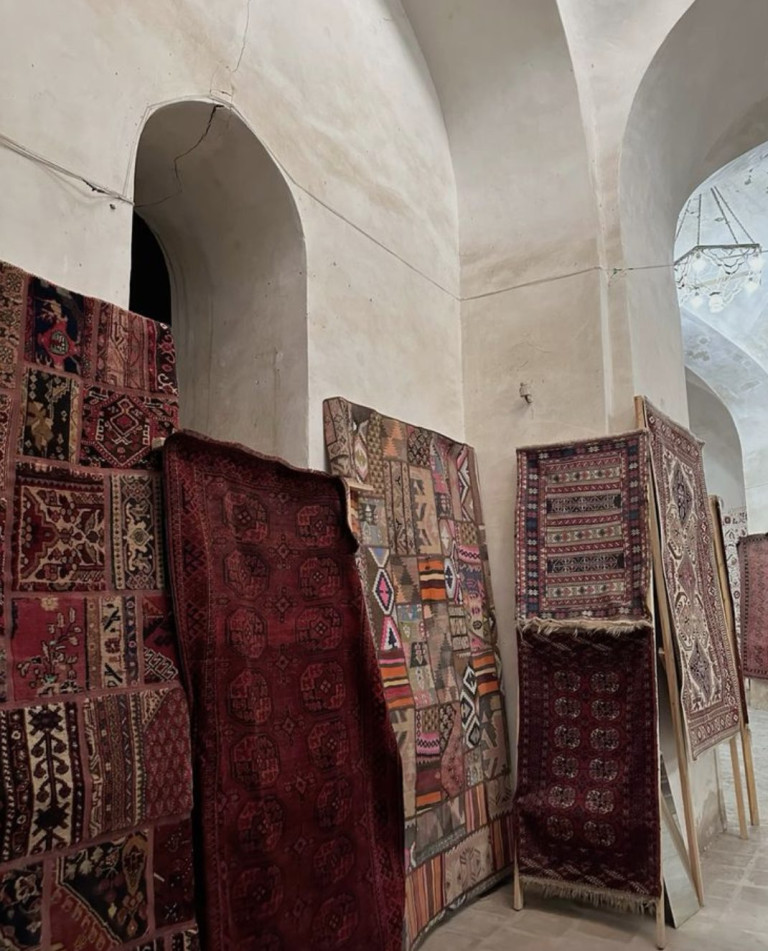
In collecting rugs and kilims, we encounter not just objects, but vessels of generational memory, where each design reveals itself as a complex cultural manuscript. What emerges from this study of traditional rug-making is not merely a catalog of styles or techniques, but rather an atlas of human cultural memory. These textiles - whether prayer rugs from Anatolia, dowry pieces from Isfahan, or war rugs from Afghanistan - serve as sophisticated vehicles for cultural transmission, preserving what might otherwise be lost to time. The Afghan war rugs present the most profound example of textile resistance in modern history.
Read the Feature
Ege Rya Rugs & Verner Panton’s Abstract Modernist Style
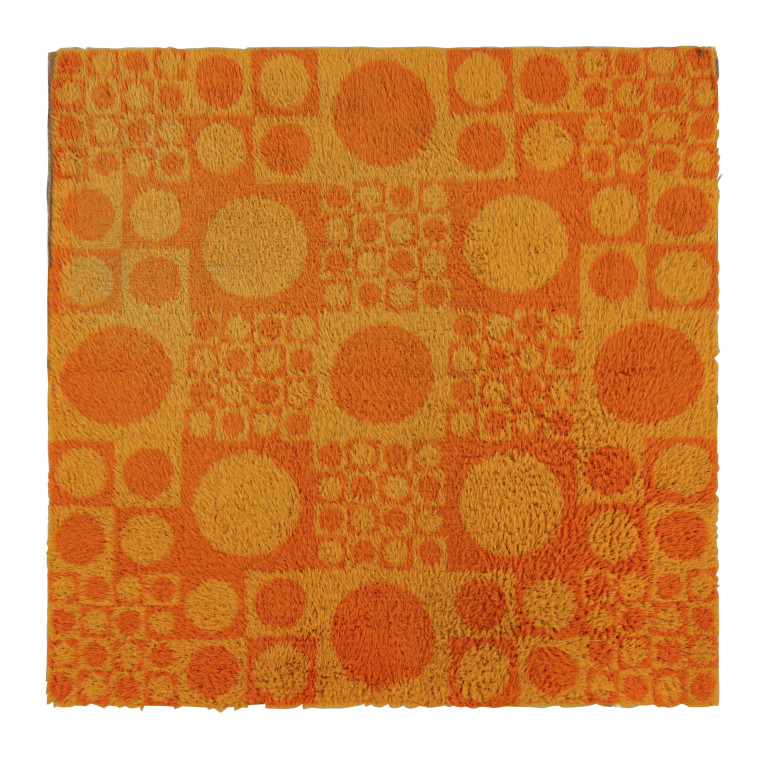
Ege Ryas are an important part of Scandinavian design. Like the Rya rugs of the 15th century, Ege ryas carry a high pile. This was mainly to keep people warm during the hostile cold weather. These rugs were usually small in size and machine made. While the vintage ege ryas were quite similar to other Nordic rugs in their shag/high pile texture, it’s interesting to note that their patterns were funky - unlike the clean, soothing, refreshing vibe that most Scandinavian rugs feature. This union of traditional texture and bold patterns redefined Swedish aesthetics in the mid 20th century and became a driving force behind most modern sense of abstract that we know today.
Read the Feature
A Love Letter to High-Pile Rugs: Shag, Shabby-Chic and Everything In-Between
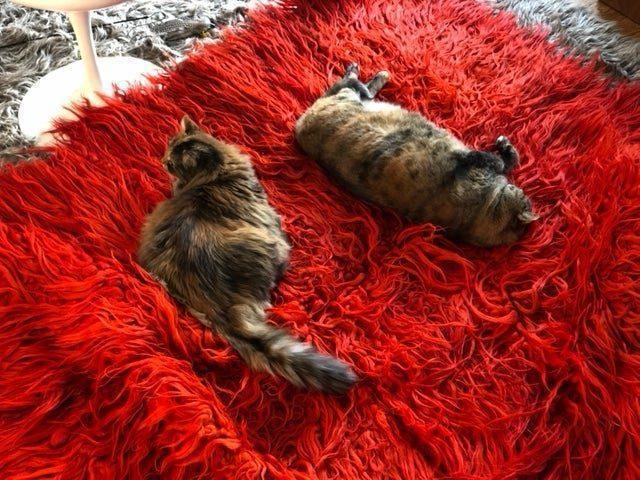
A Shag/High Pile rug is easy to recognize. That's one of many beauties in both styles; their distinction from other rugs. There's a subtle difference between the terms, though, and the many gorgeous styles they comprise. High-pile rugs include any rug with a 1/2"-3/4" pile height (which measures the fibers on the rug's surface, or "nap"). Shag rugs, meanwhile, have similar or longer fibers, and in some cases their pile goes beyond the borders. It's much easier to see the difference and admire it, though, as it's more about the feeling and presence that dictates the difference. Many in our field believe shag rugs are the oldest hand-knotted rugs and carpets. Thick rugs were a notable source of bedding and comfort in tribal cultures all over the world, after all. Greek Flokati rugs are the oldest shag rug known (as early as 700 B.C.), and were made from goat hair for warmth. Moroccan rugs are a younger provenance since the Berber matriarchs began the practice circa 622 A.D., but they're one of the most widely recognized high-pile rug styles today.
Read the Feature
A Glossary of Handmade Rugs and Kilims: Understanding Terms, Types and Techniques Past and Present
Referring to the art style characterized by using shape and color withdrawn from traditional repetition or realism. Abstract rugs — sometimes referred to as art rugs — capture an expressive nature that reads as a very modern style, though many abstract rugs draw inspiration from works of the same art style in the mid-century. One of the more widely known mid-century lineages of this style is abstract expressionism, named for the literal "expressionists" of the 1950s. Some of the most notable names behind this style include Jackson Pollock and Mark Rothko. Referring to a lineage of nomadic Persian rugs (sometimes referred to as “Avsar” in the alternate spelling). Afshar rugs hail from the eponymous tribe in the region of Northeastern Iran.
Read the Feature


R&K Image Studio
NEWThe R&K Image Studio is a new visual workspace designed to present the Rug & Kilim collection with clarity, restraint, and precision — in your space or any space you imagine.
This tool allows you to view, refine, and prepare imagery drawn directly from the pieces in our archive. They can be visualized cleanly, isolated thoughtfully, and adjusted for presentations, proposals, and private viewings, without altering the integrity of the original work.
Moroccan
Fabric
Morocco
6'8" X 9'4" (2.03 m x 2.84 m)
$5,000
Available: Shipping as Soon as Tomorrow
Vintage Azilal Moroccan Boucherouite Rug with High Pile by Rug & Kilim
"For years, R&K has been a favorite source for Kemble Interiors when we need antique, vintage, and custom designed rugs. Their inventory is deep and well displayed online and working in person is always such a pleasure too!"
— Celerie Kemble, Kemble Interiors
- Measurements: 6'8" x 9'4" ( 2.03 m x 2.84 m )
- Categories: Moroccan, Vintage
- Classification: Classic/Traditional, Moroccan, Shag/High Pile, Solid/Stripes, Textural/High Low, Tribal
- Material: Fabric
- Origin: Morocco
- SKU: 29071