
Why the Rothschilds’ 17th-Century Persian Carpet Became a Record-Breaking Auction?
March 31, 2025
Antique Rugs and Tapestries as Heart of Storied Interiors: The Timeless Heirlooms
April 4, 2025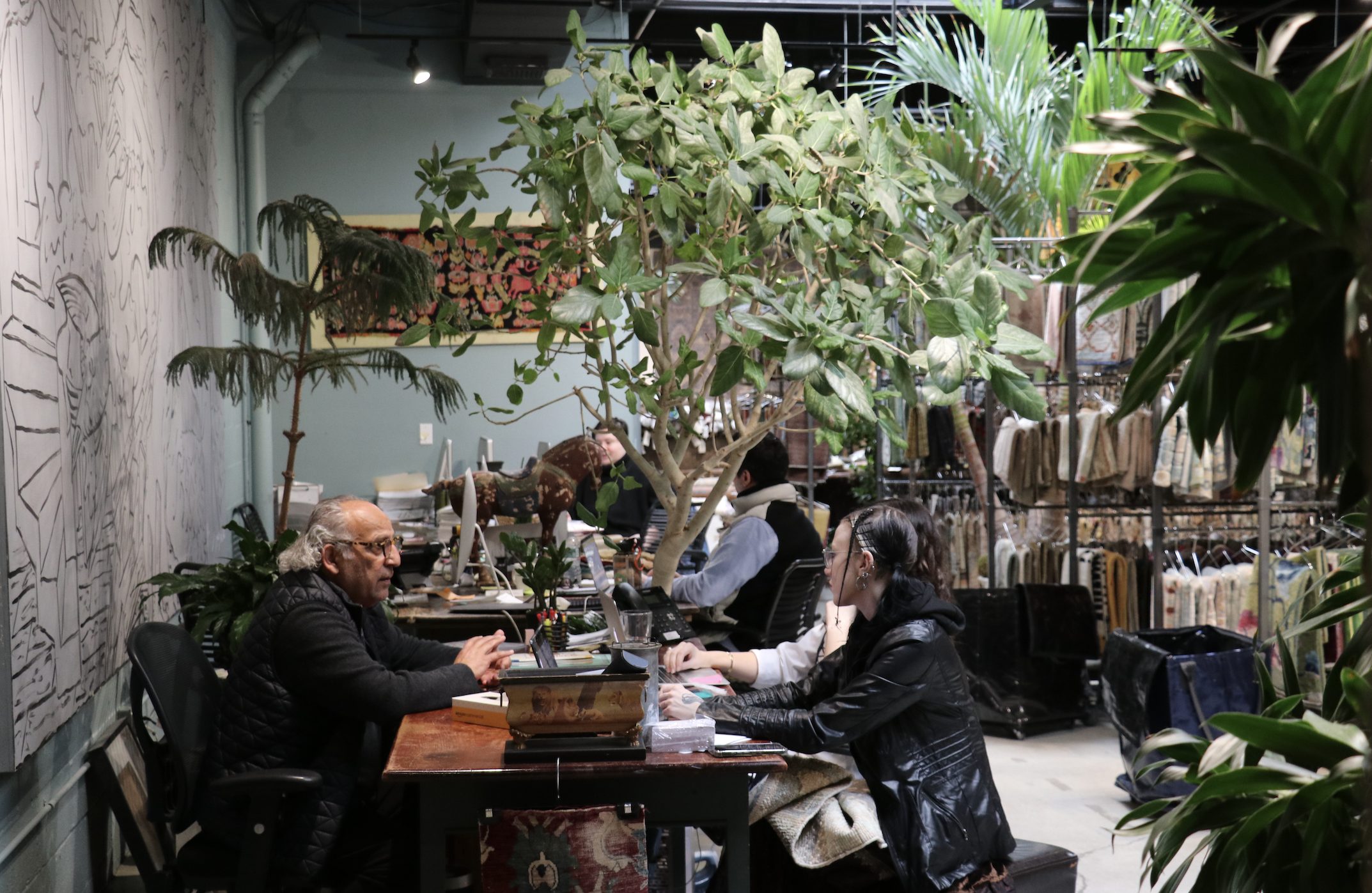
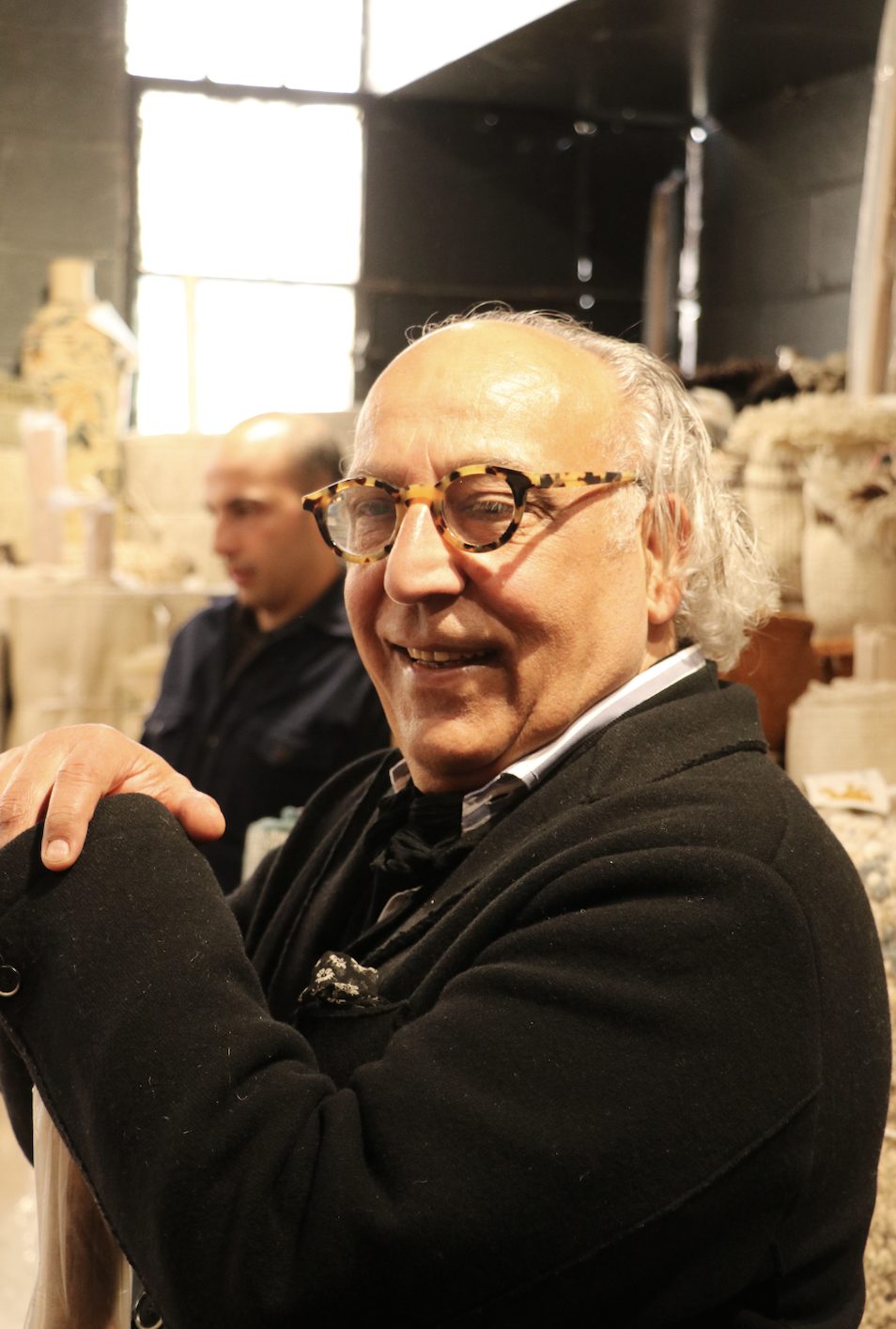
The foundations of a great institution are laid not with brick and mortar, but with passion, knowledge, and unwavering commitment to craft. For over four decades, Rug & Kilim has strove for excellence—a family dynasty of textile connoisseurship built upon Jahanshah Nazmiyal’s pioneering vision and now continued through the stewardship of his sons, Cyrus and Sina Nazmiyal.
To understand textile is to understand human civilization itself.
Every knot, every weft, every fiber tells us something profound about culture, commerce, and art expression. This is not merely our business—it is our obsession.


The House of Rug & Kilim: Four Decades of Textile Authority
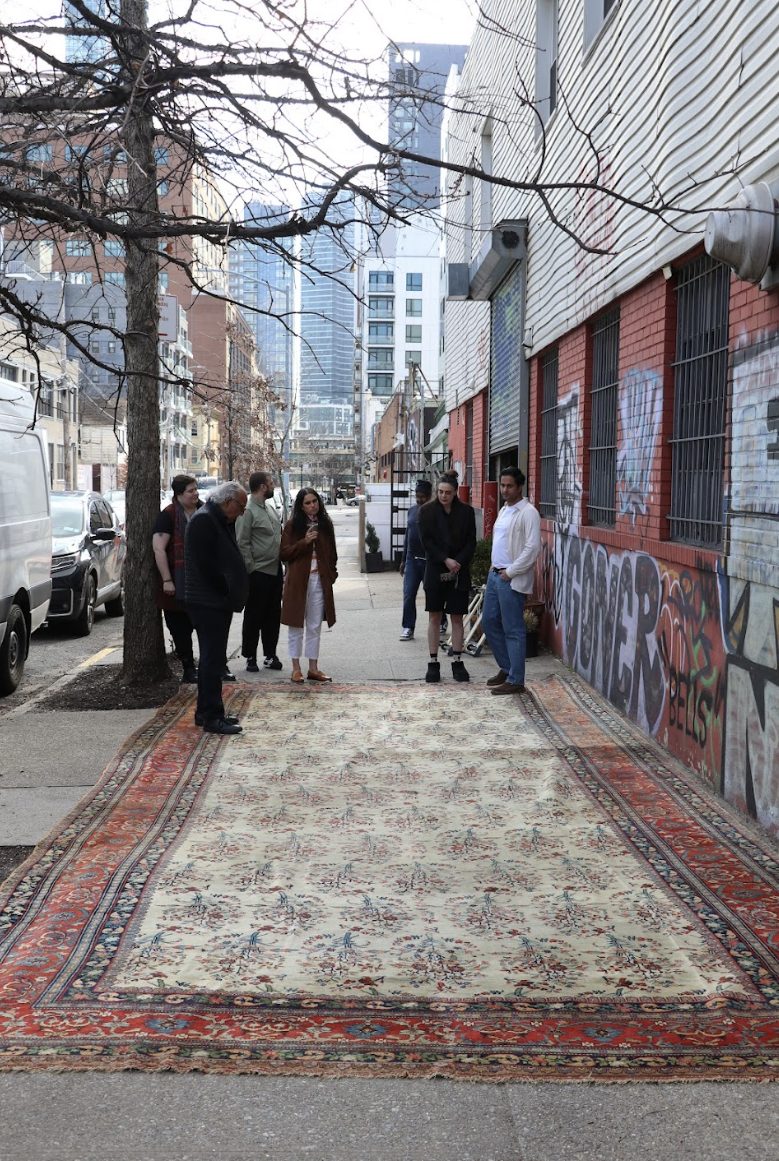
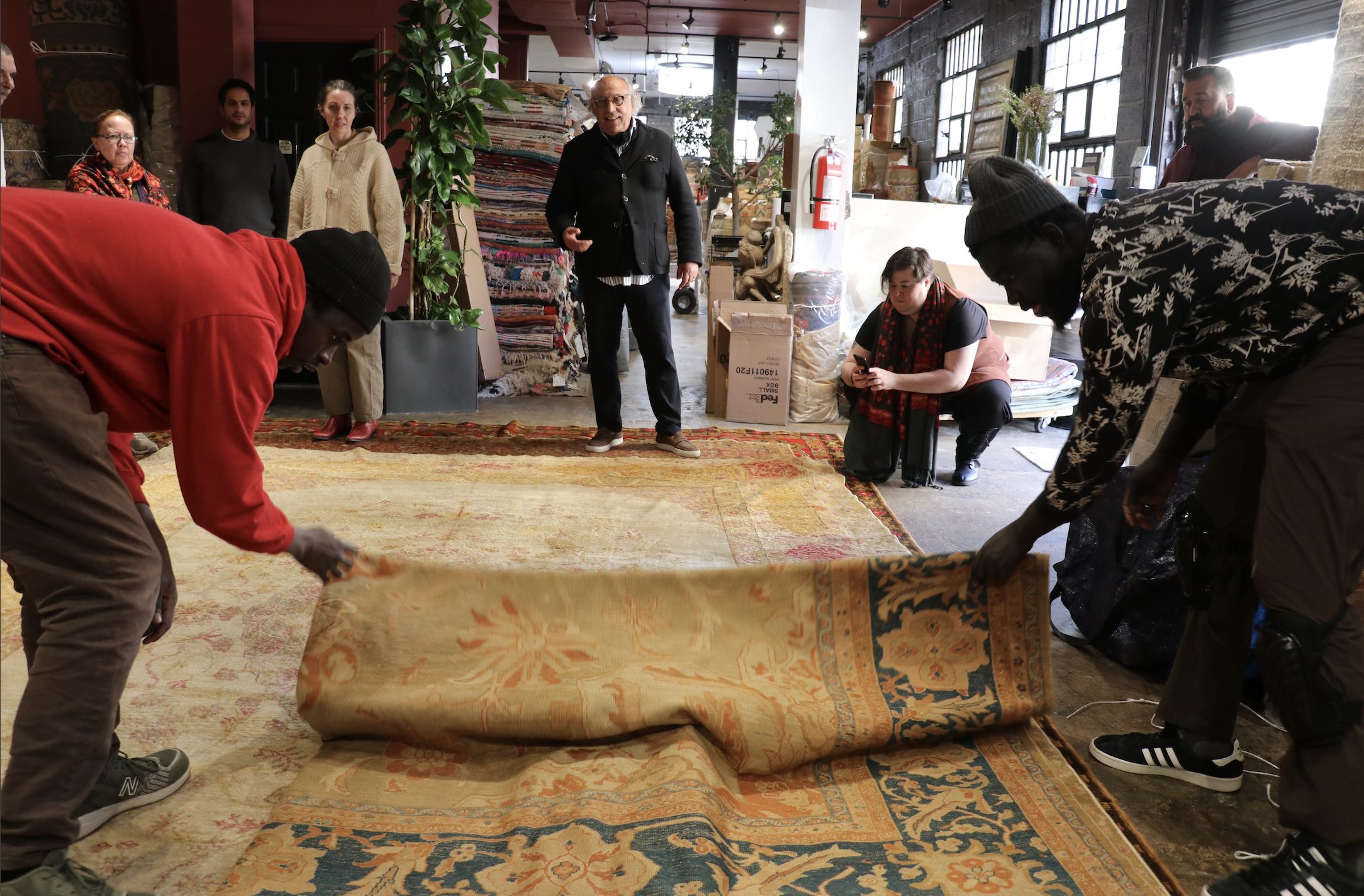
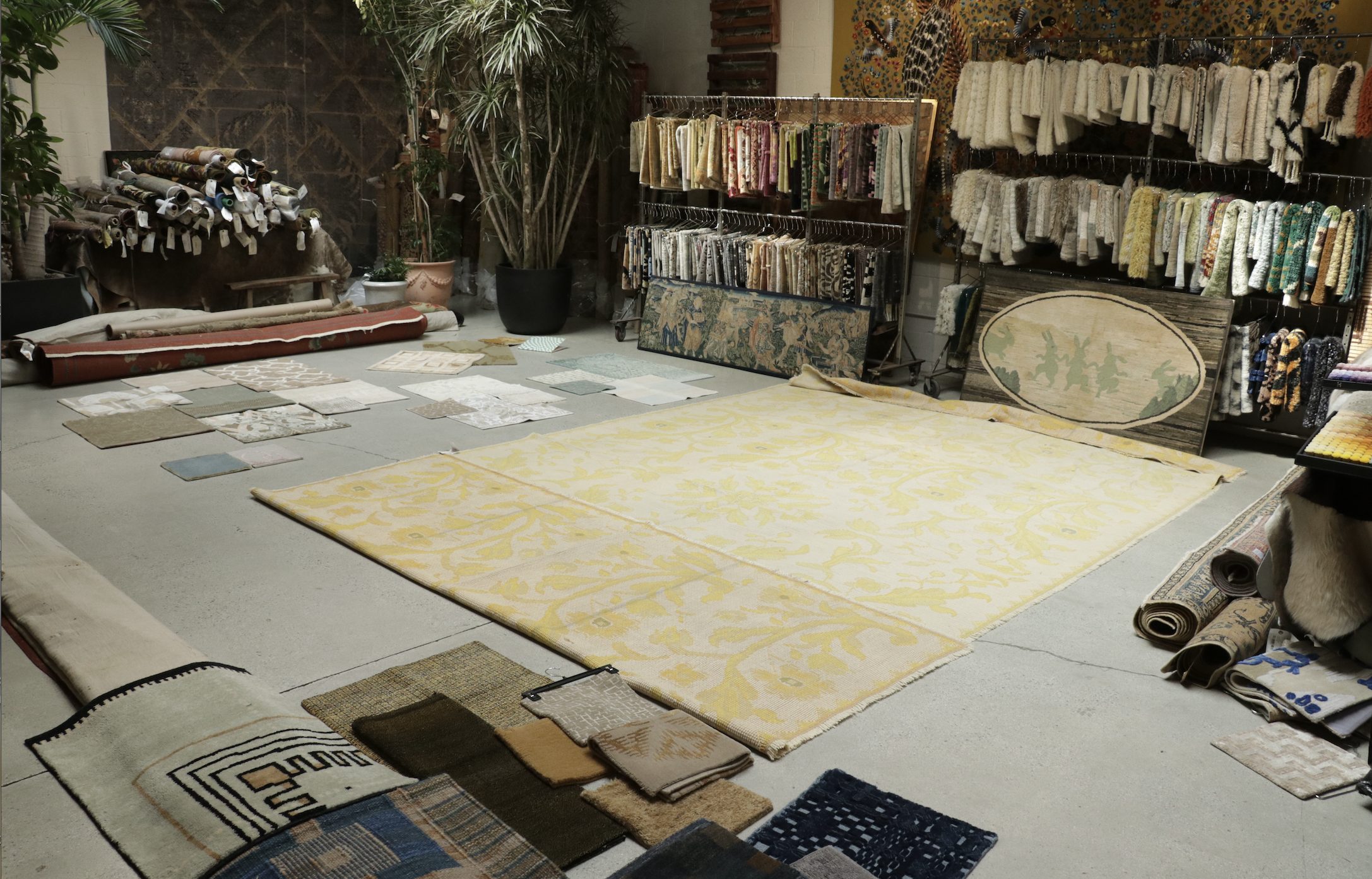
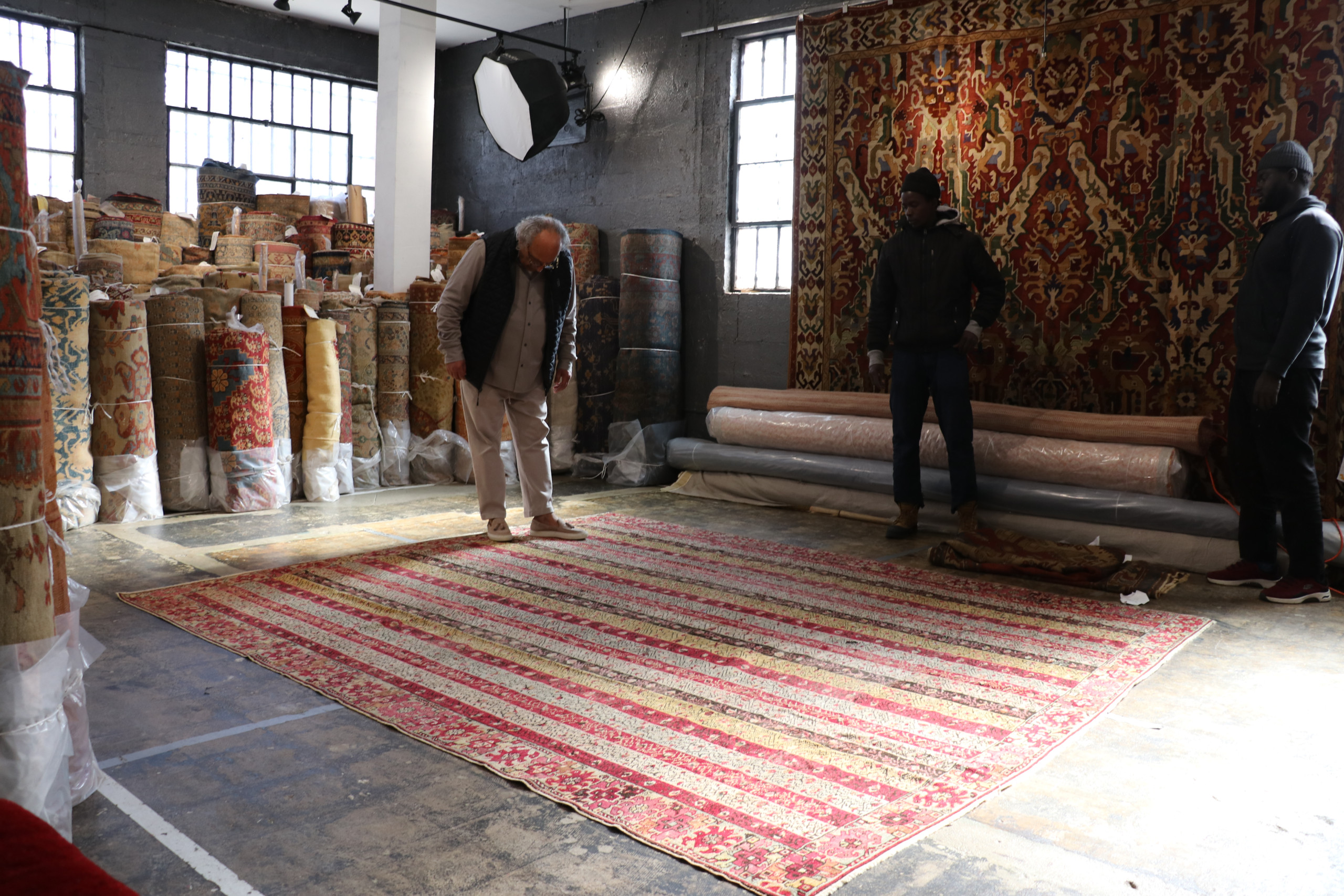
As the day begins in Long Island City, our 19,000-square-foot sanctuary awakens. The morning ritual begins with our archivists carefully unfurling recent acquisitions. Sometimes, they are more of a trip down the history lane, for example, an extraordinary Afghan war rug depicting Soviet helicopters and tanks woven directly into traditional patterns. These remarkable textiles, born from conflict yet expressing resilience, represent the living history that flows through our collections. Each piece reveals how weavers incorporate contemporary events into ancient techniques, creating documents of their lived experience. In the hands of our specialists, even the most battle-worn pieces surrender their secrets.
Each section of our archive tells a different story of human ingenuity.
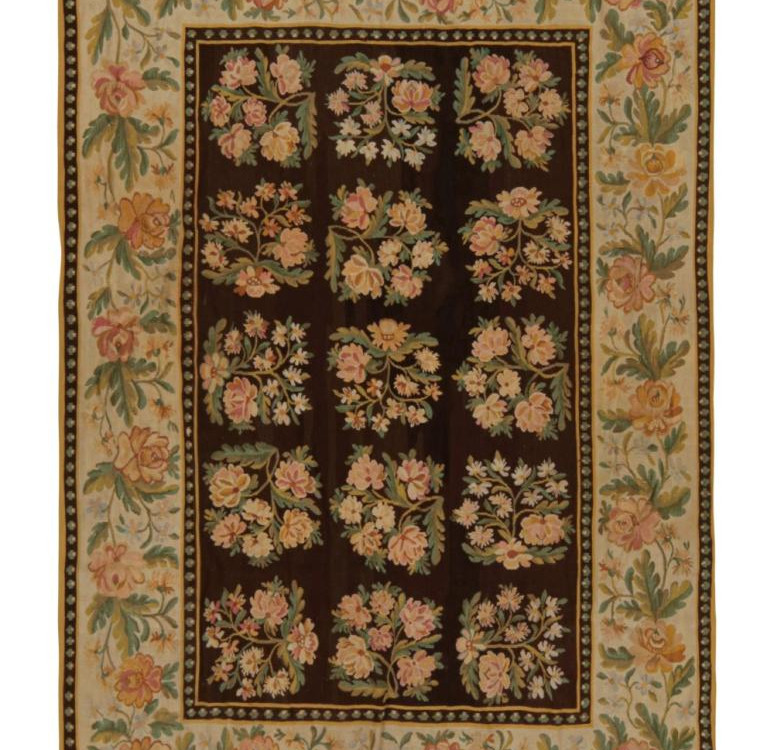
The revolutionary geometric simplicity of Scandinavian design speaks with the same eloquence as the narrative complexity of an 18th-century Aubusson tapestry. Our role is to preserve and interpret these diverse voices.
We often smile when designers ask where the “good rugs” are kept—as if we maintain secret chambers of exceptional pieces like crown jewels in the Tower of London. In truth, excellence surrounds us in every corner, each piece having earned its place through rigorous selection. Though perhaps the comparison to royal treasuries isn’t entirely misplaced—many of our finest pieces once graced palaces and grand estates, bearing witness to the rise and fall of dynasties before finding their way to our Long Island City haven.
Cross-Cultural Dialogues
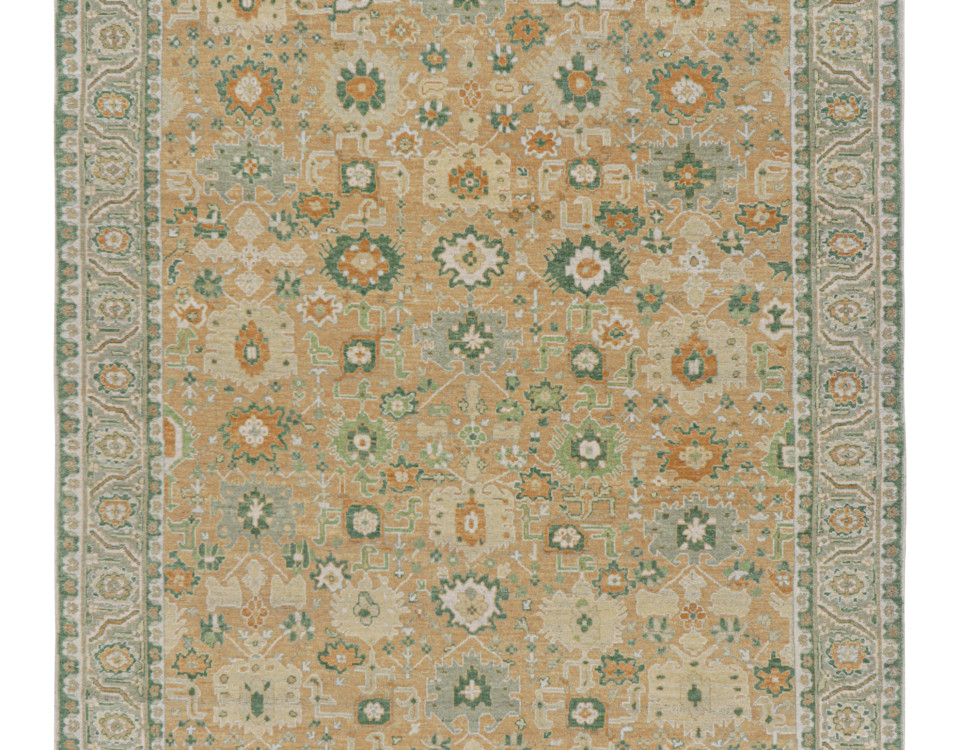
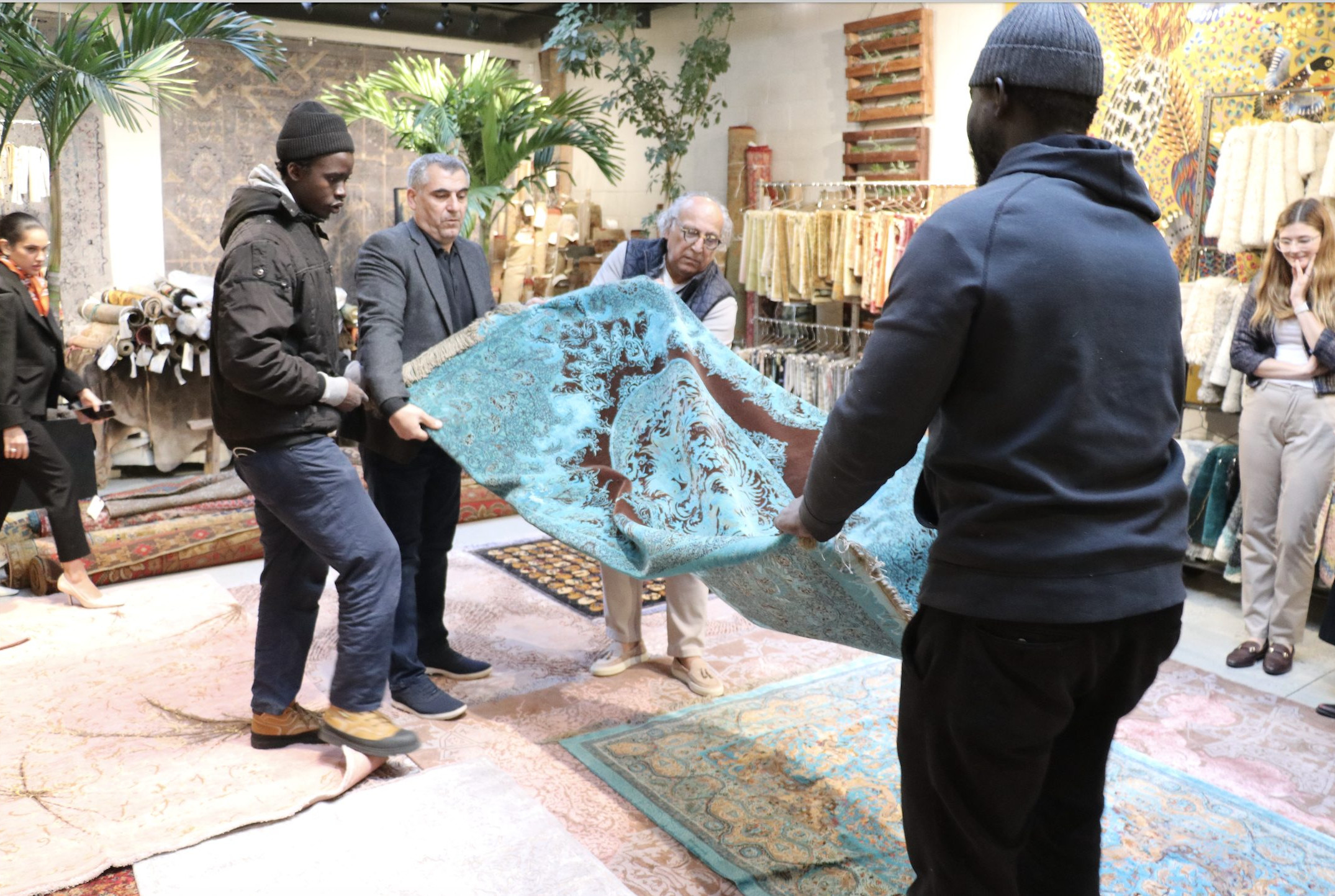
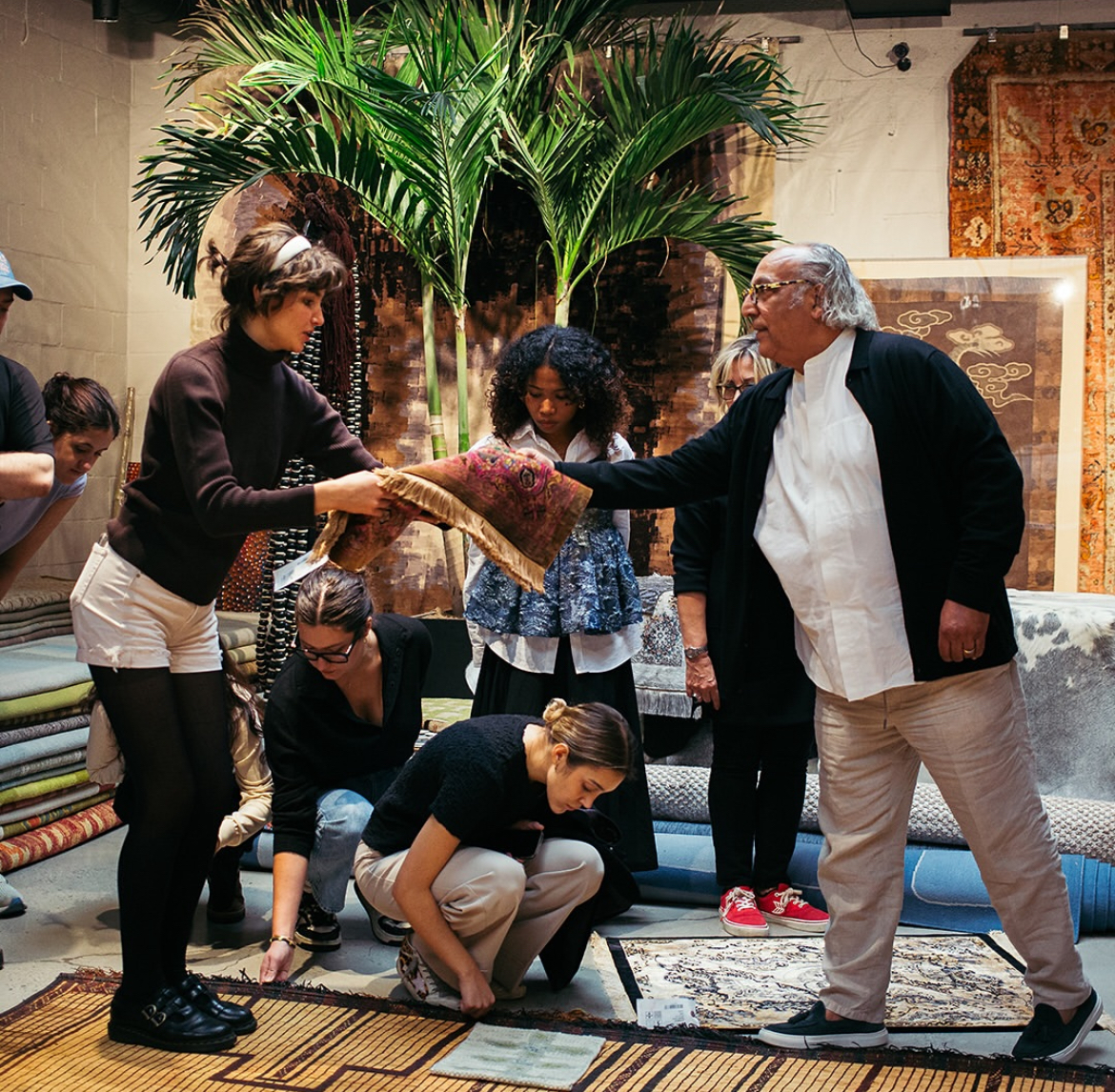
By mid-morning, our showroom comes alive with the arrival of designers and architects seeking inspiration among our beautiful collections. Each consultation unfolds as a journey through textile history, with our specialists guiding visitors through centuries of craftsmanship and art evolution. Whether examining the botanical design of a 17th-century Safavid or a Mughal carpet or discussing the revolutionary geometric simplicity of an 18th-century Anatolian kilim, these interactions transcend mere commerce to become educational exchanges.
The drama of an antique carpet often lies in its misunderstanding—dismissed as merely decorative when it actually functions as a historical anchor in contemporary design. These pieces forge connections to craft traditions that add profound depth to even the most austere modern environment.
One might say a truly exceptional antique rug doesn’t complement a space—it completes it. The rug, after all, has traditionally been called “the king of furnishings” for good reason.
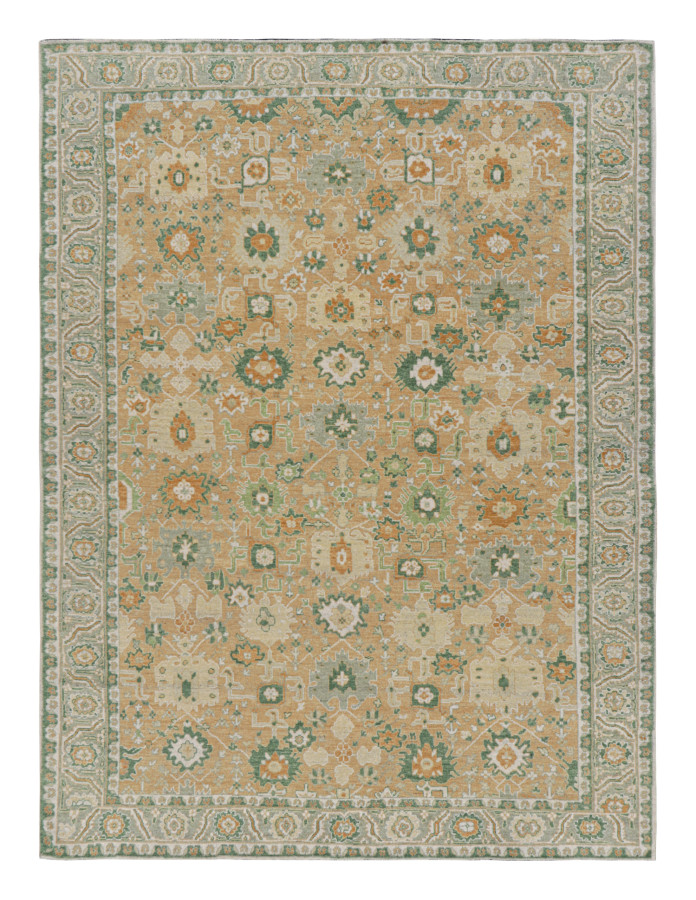
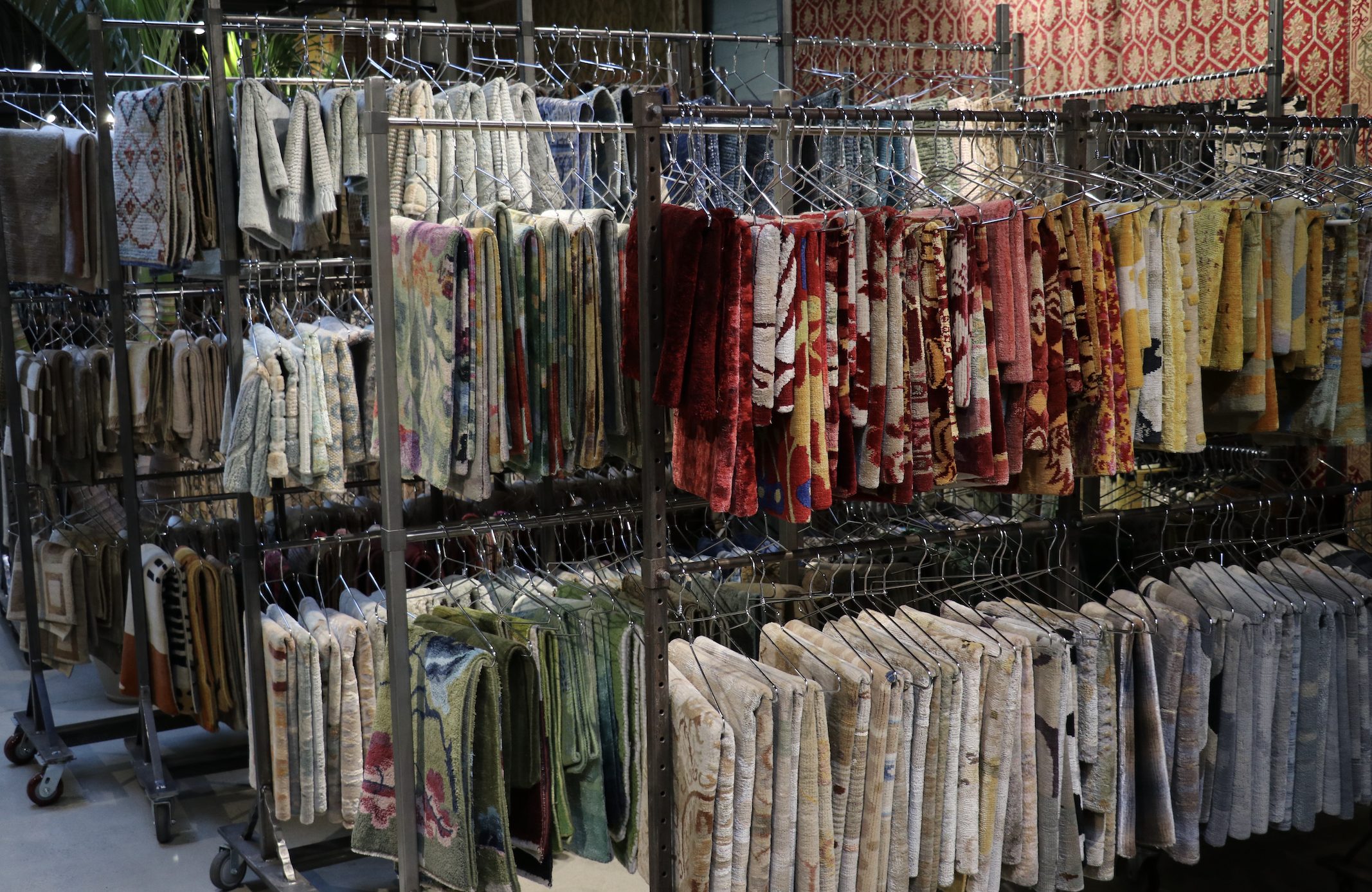
Our vast inventory—spanning from rare European tapestries and royal court carpets to tribal treasures from Central Asia—offers designers an exceptional resource for discovering the perfect anchoring element for their projects. The patina of age, the subtle variations in natural dyes, the evidence of human hands at work—these qualities imbue antique pieces with a depth and character impossible to replicate in contemporary productions.
The Narrative Value of Historical Textiles
The afternoons usually brings distinguished collectors seeking additions to their already impressive textile collections. Our specialists present a carefully curated selection of pieces—each representing the highest achievements of its particular tradition. A Savonnerie carpet whose baroque exuberance once graced a French château is displayed alongside a minimalist Tuareg mat whose reed-and-leather construction represents an entirely different approach to textile art. When we need to ensure that a rug needs to “get along well” with Picasso’s artwork, we assure that we would find a textile with sufficient self-confidence to hold its own in such distinguished company.
They might seek textiles that will dialogue meaningfully with their Rothko and Kline paintings. We guide them through our mid-century modern holdings, including rare examples by recognized textile artists whose work parallels developments in abstract expressionism.
Each client at Rug & Kilim receives personalized attention from specialists who understand not just the technical aspects of textile production but the historical and cultural contexts that shaped different traditions. This depth of knowledge allows us to match clients with pieces that resonate with their aesthetic sensibilities while meeting their practical needs.
We approach each consultation as an opportunity to deepen appreciation for textile art. Even clients who arrive seeking merely a decorative element often leave with a newfound understanding of how these objects embody cultural histories and art achievements.
The Continuing Legacy of Rug & Kilim
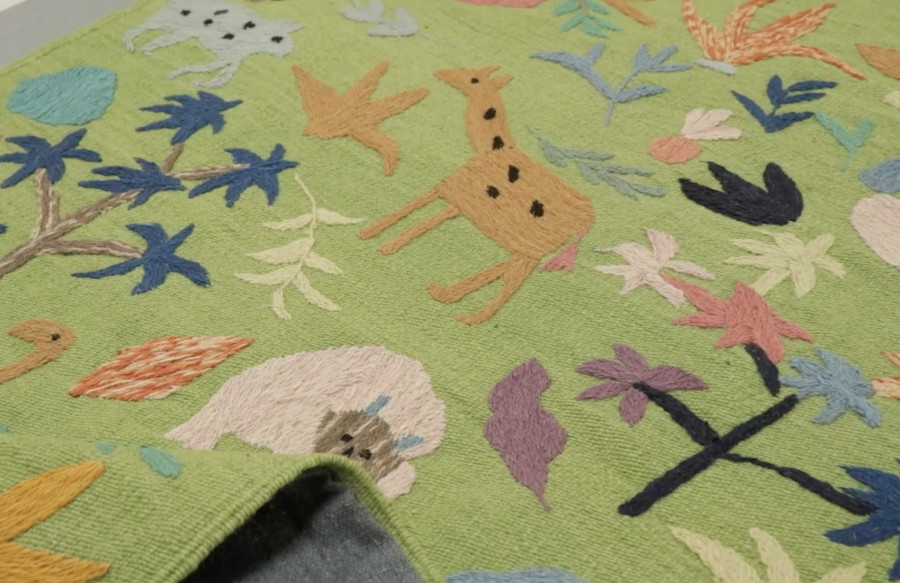
This relationship between fine art movements and textile design is a particular passion at Rug & Kilim. Our team is as conversant in art history as they are in weaving techniques, allowing them to make connections across disciplines and suggest unexpected pairings that enhance both the textiles and the artwork they accompany. A rare hooked rug from the United States shows how vernacular craftspeople interpreted folklore narratives through local materials and sensibilities, while a Zeki Müren creation from 1960s Turkey—the Turkish David Bowie who designed carpets with the same creative verve as his music—demonstrates how traditional motifs transform through a modernist imagination.
The best design relationships evolve over years, even decades. Designers return to us throughout their careers because they know we approach each project with fresh eyes while building on our shared history of successful collaborations.
We approach each designer relationship as a long-term dialogue about textile possibilities. Today’s consultation about an antique Persian might evolve into tomorrow’s discussion of a Scandinavian flatweave or a mid-century Moroccan. Our role is to expand the designer’s palette of textile possibilities.
Four Centuries Under One Roof
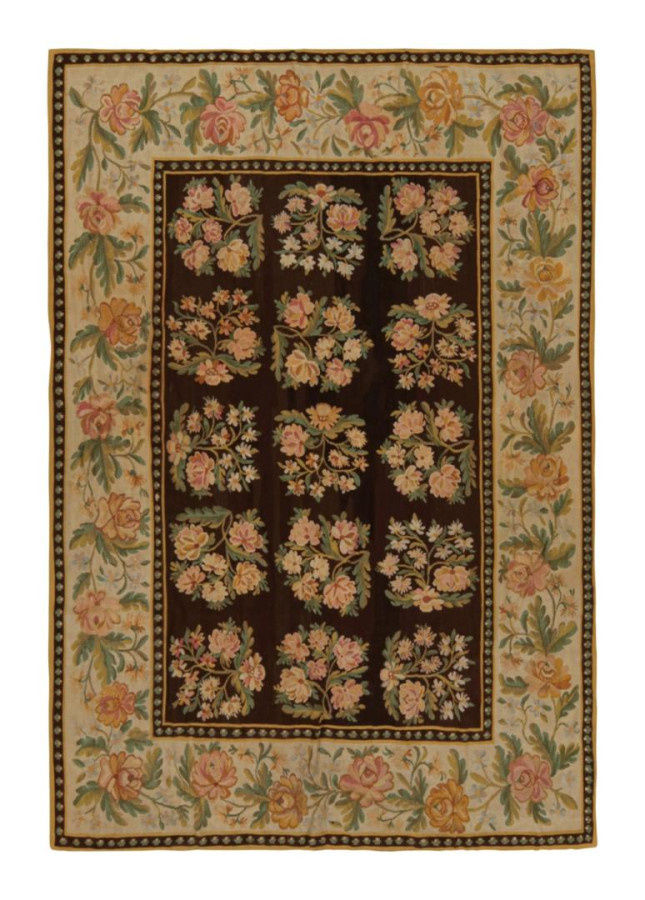
As the day progresses, our team guides visitors through the extraordinary breadth of our holdings. Jahanshah’s passionate pursuit of European masterworks has resulted in a collection of Aubusson rugs, Savonneries, Axminsters, and Donegals that rivals institutional holdings. Equally impressive is our archive of Mid-Century Modern designs, Moroccan tribal pieces, and our particularly significant collection of flatweaves—widely recognized as one of the most comprehensive in the world.
The relationship between textile traditions and broader artistic movements becomes a frequent topic of discussion. We reveal how Art Deco carpets embody the same aesthetic principles as the period’s architecture and industrial design, how Swedish flatweaves anticipated minimalist art by decades, or how tribal weavers achieved sophisticated color harmonies that parallel developments in abstract expressionism long before Western art “discovered” abstraction.
This often leads to our favorite observation: that the history of modern art might need to be rewritten with weavers, not painters, as the true pioneers of abstraction.
The Royal Culture
The best design emerges from knowledge. Understanding the historical evolution of textile traditions allows contemporary designers to make informed choices—whether honoring those traditions directly or reinterpreting them for modern contexts.
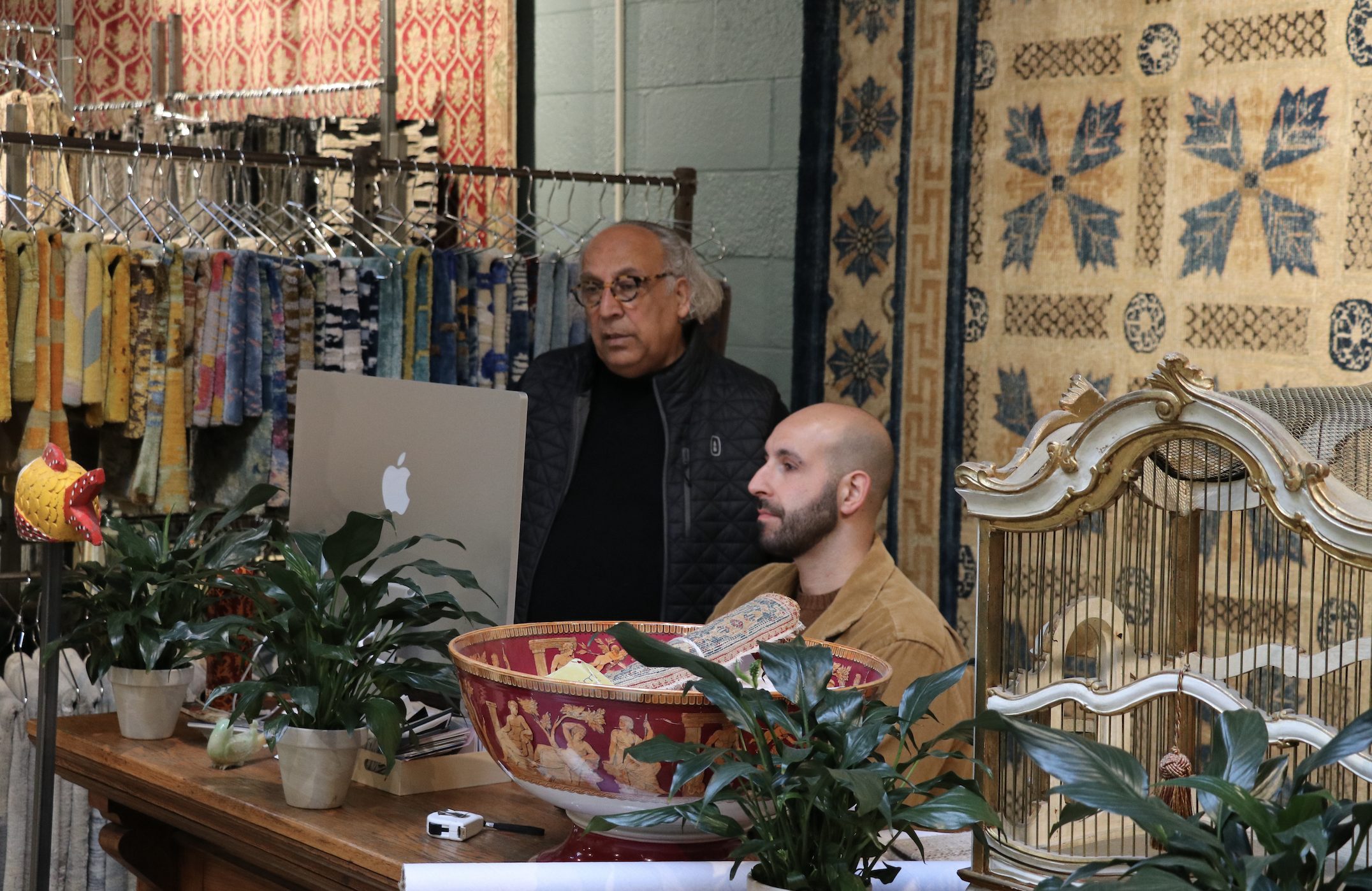
By the evening, our Long Island City showroom—both a museum of rare designs and an inviting second home for creative minds—prepares to close for the day, the textiles continue their silent conversation across centuries. Tomorrow will bring new visitors, new discoveries, and new opportunities to share our love for these most intimate artistic expressions of human civilization.
At Rug & Kilim, we don’t merely curate textiles. We preserve legacies, cultivate knowledge, and build bridges between ancient traditions and contemporary expression. And perhaps most importantly, we remember that every great textile, like every great story, contains at least a touch of magic. Our emphasis on loyalty, warm hospitality, and a relentless pursuit of knowledge has shaped the venerable house we proudly call home—a sanctuary for all who share our passion for the world’s most enduring art form.