
A Day in the Life: Inside the Venerable House of Rug & Kilim
April 1, 2025
Art Deco and De Stijl: When Jacques-Émile Ruhlmann Meets Theo van Doesburg
April 7, 2025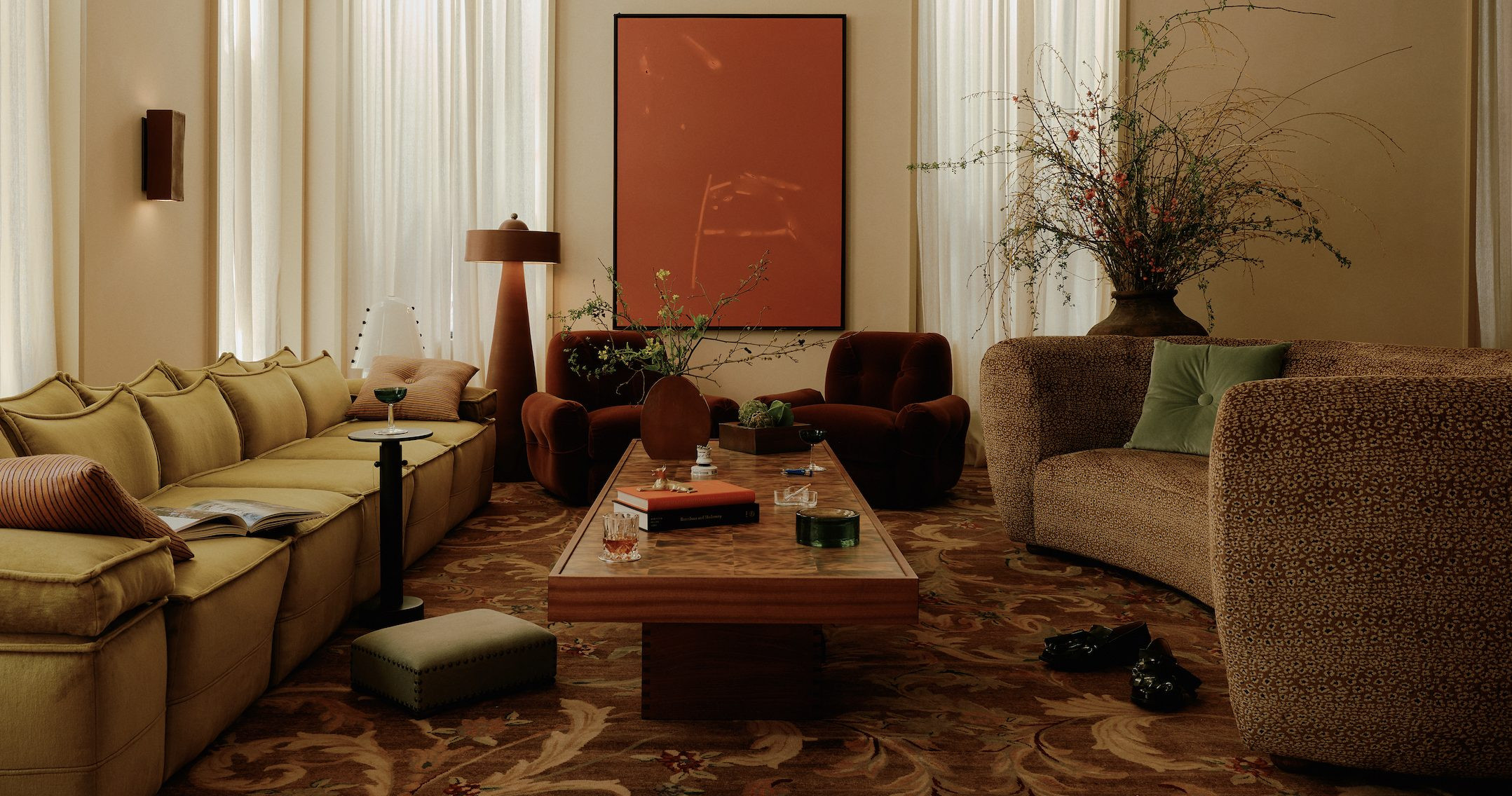
There are rooms that impress, and then there are rooms that remember.
The latter begin not with blueprints or swatches, but with an artifact — often humble, quietly powerful — that holds the gravity of time. Among these, few objects possess the mnemonic richness of a 17th-century rug. Not merely a textile, but a handwoven epic, it anchors the room not by mass, but by meaning.
To design around such a rug is to yield to its rhythm, to let its knots and dyes dictate the architecture of atmosphere. It is not the backdrop, but the beginning — the first heartbeat of a space that aspires not just to be seen, but to be felt.
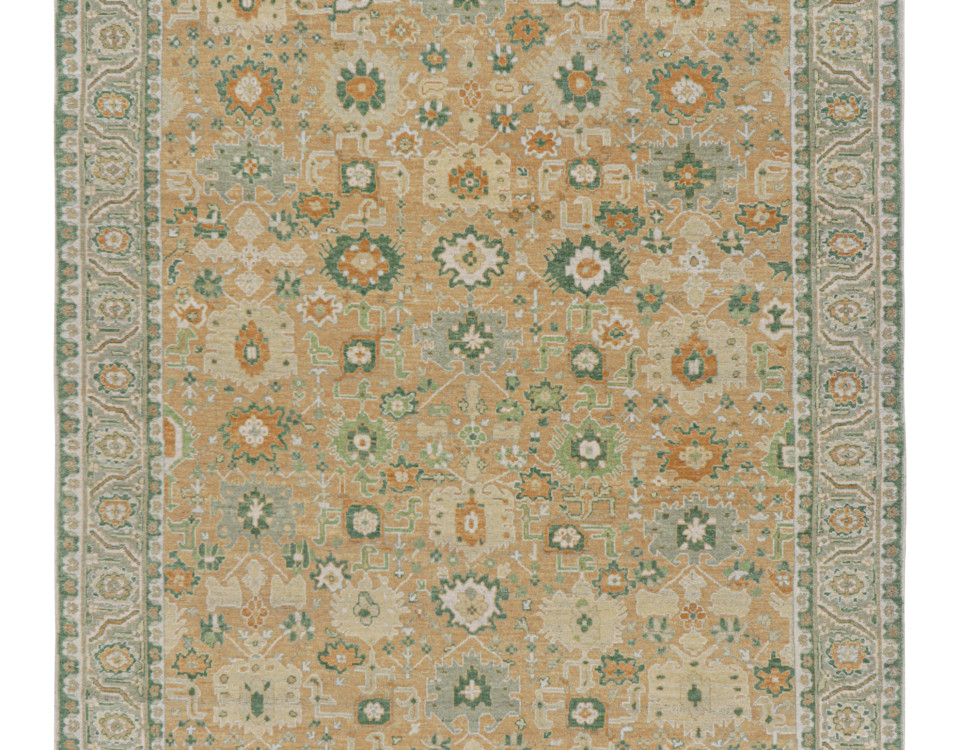
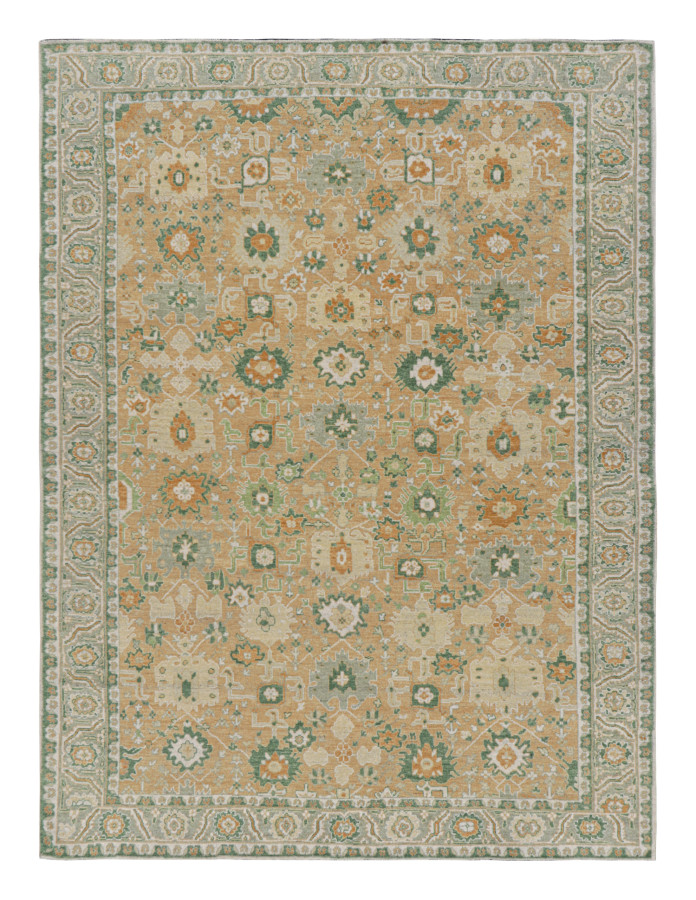
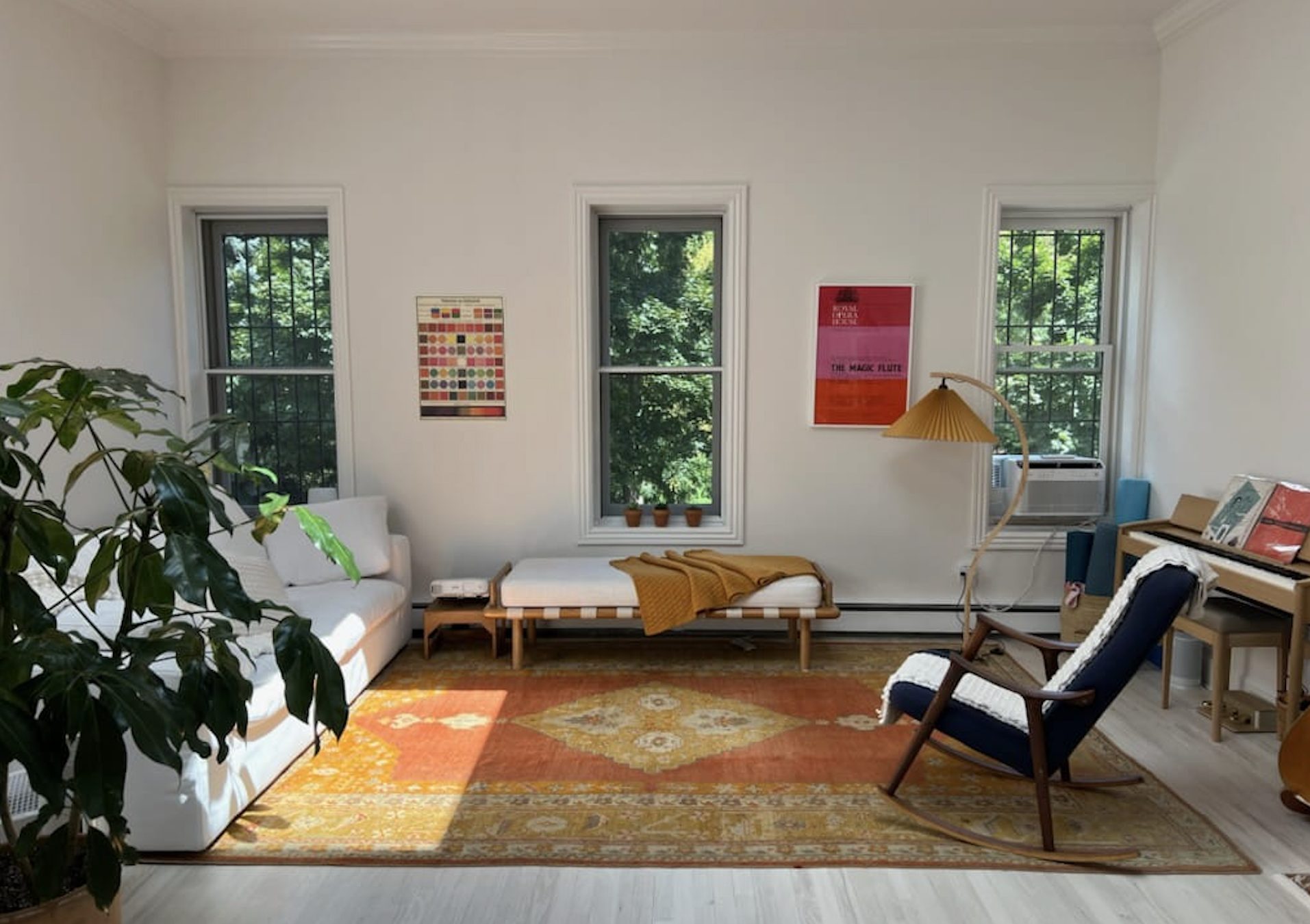
To design a space around a 18th-19th-century antique rug — a Bakshaish from the northwestern mountains of Persia, a silk-drenched Kerman of Safavid heritage, or a burnished Heriz echoing the geometric strength of tribal geometry — is to enter into a dialogue with history. It is to allow rug provenance in design to dictate not just tone, but soul.
The Antique Rug as Prologue
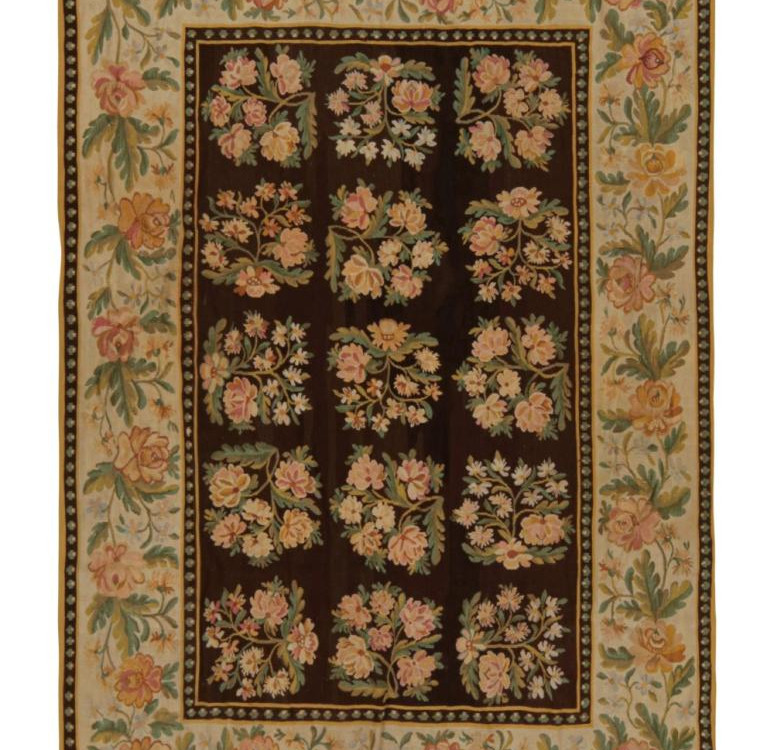
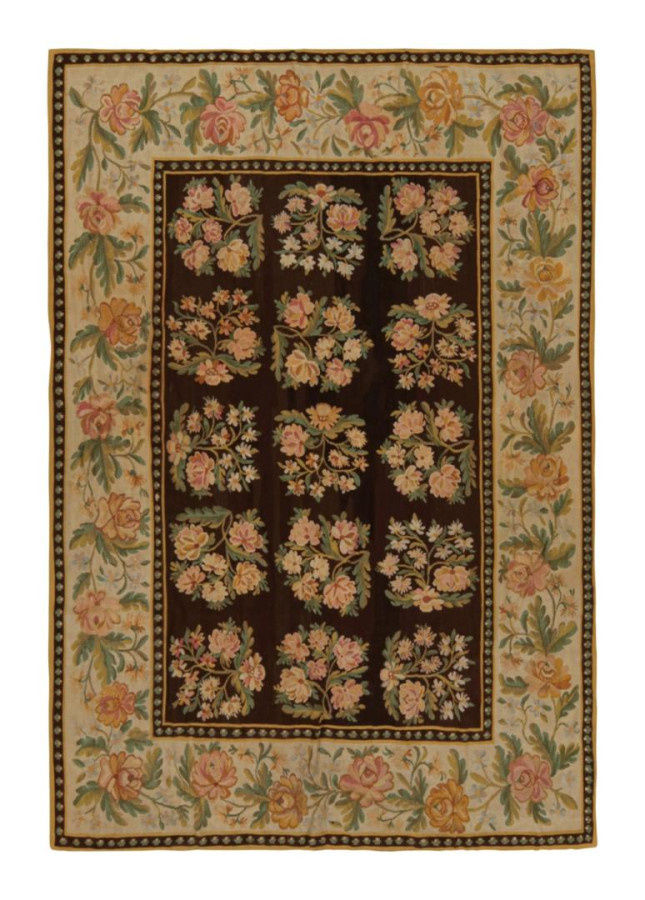
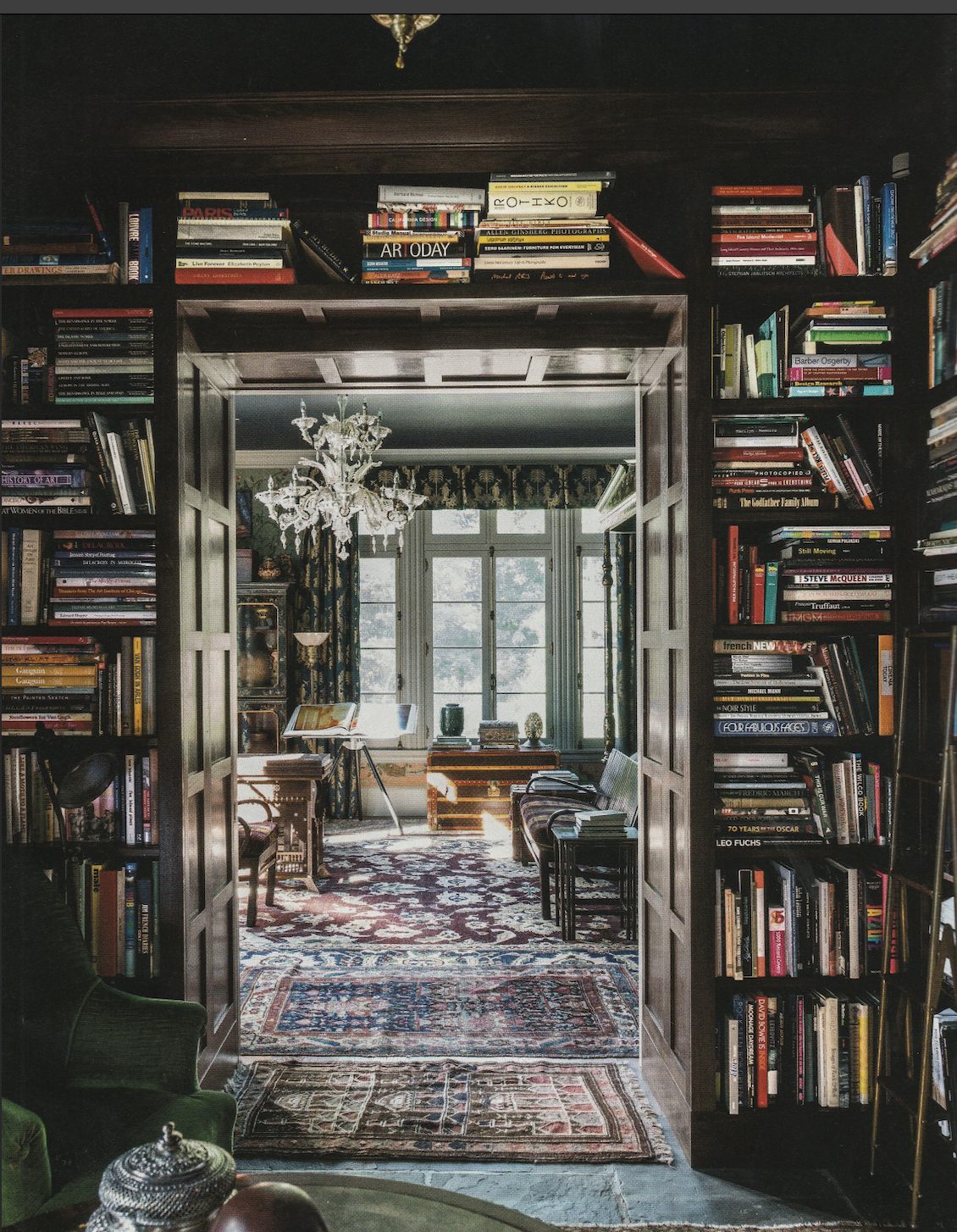
In exceptional interiors, the rug is not the afterthought — it is the origin. It is the first sentence in the story of the space. A 19th century Bakshaish rug, for instance, with its lyrical asymmetry and vegetable-dyed palette softened by time, invites a palette of raw umber, garnet, and oxidized indigo. Its abrash — the natural variegation in wool — does more than whisper authenticity; it sets the emotional cadence for everything that follows.
When designing with antique rugs, provenance becomes narrative. Where was it woven? By whom? Was it created for dowry, for devotion, or for the courts of Persia? This lineage becomes the axis around which a room spins. The knot count matters, yes, but so does the cultural fingerprint embedded in every motif — the stylized boteh, the archaic palmette, the serpentine vine. These motifs are not mere decoration; they are the lexicon of a now-vanished worldview.
Curating Tone, Palette, and Story
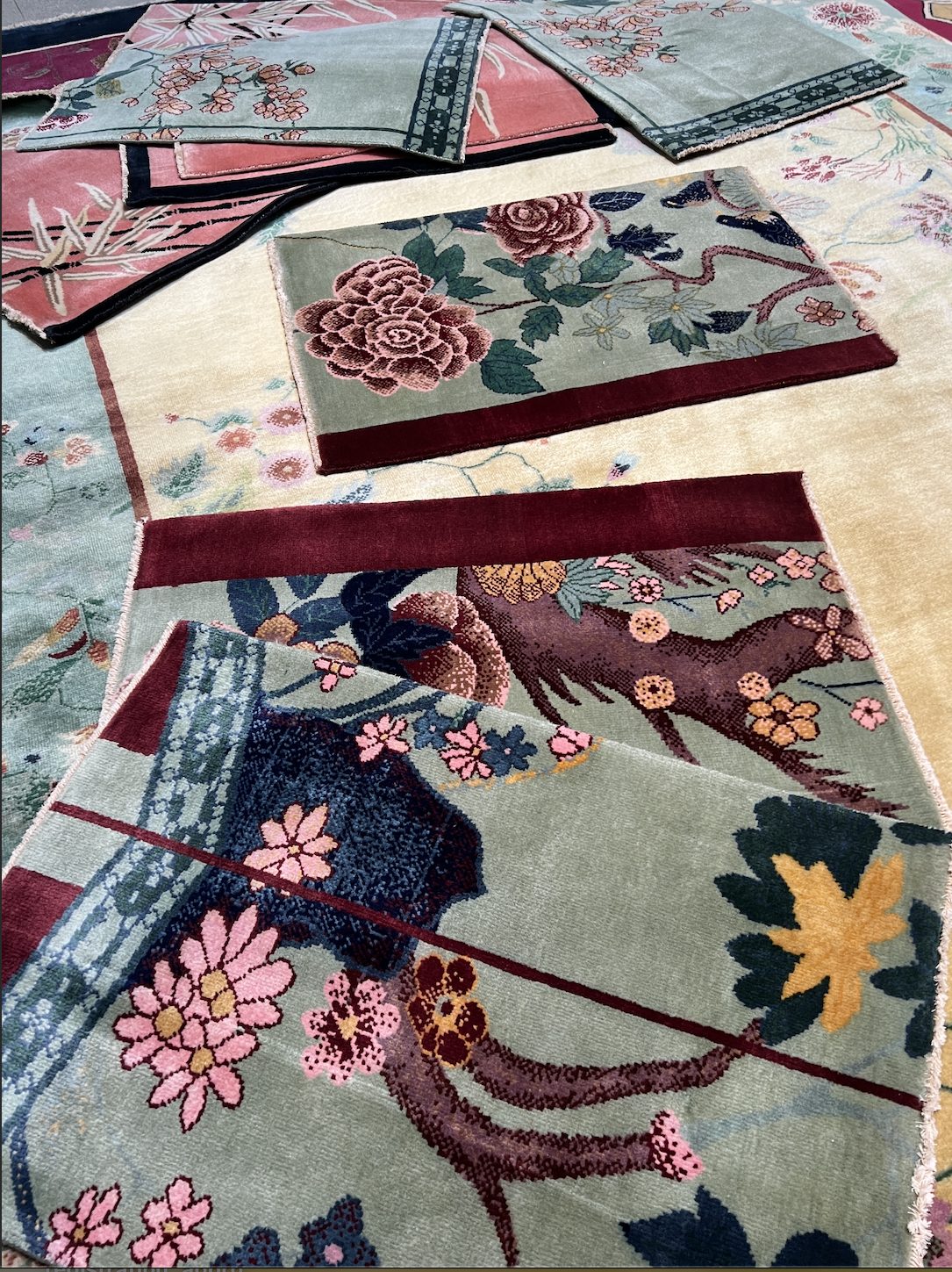
A great room does not impose itself on a rug; it listens. From the muted blushes of a faded Kerman to the brazen ochres of a tribal Heriz, the rug’s palette becomes the chromatic skeleton of the space. The designer’s role is not to overwhelm, but to translate — to draw out the nuances of hue and form, to build around the silence as much as the sound.
This is why designing with antique rugs is an act of reverence. The rug becomes both artifact and muse. Its abrash guides wall finishes — perhaps a Roman limewash that echoes the tonal shifts of aged wool. Its wear patterns invite contrast: the smoothness of honed marble against the wild tactility of hand-knotted pile; the tension of polished bronze beside the patina of age.
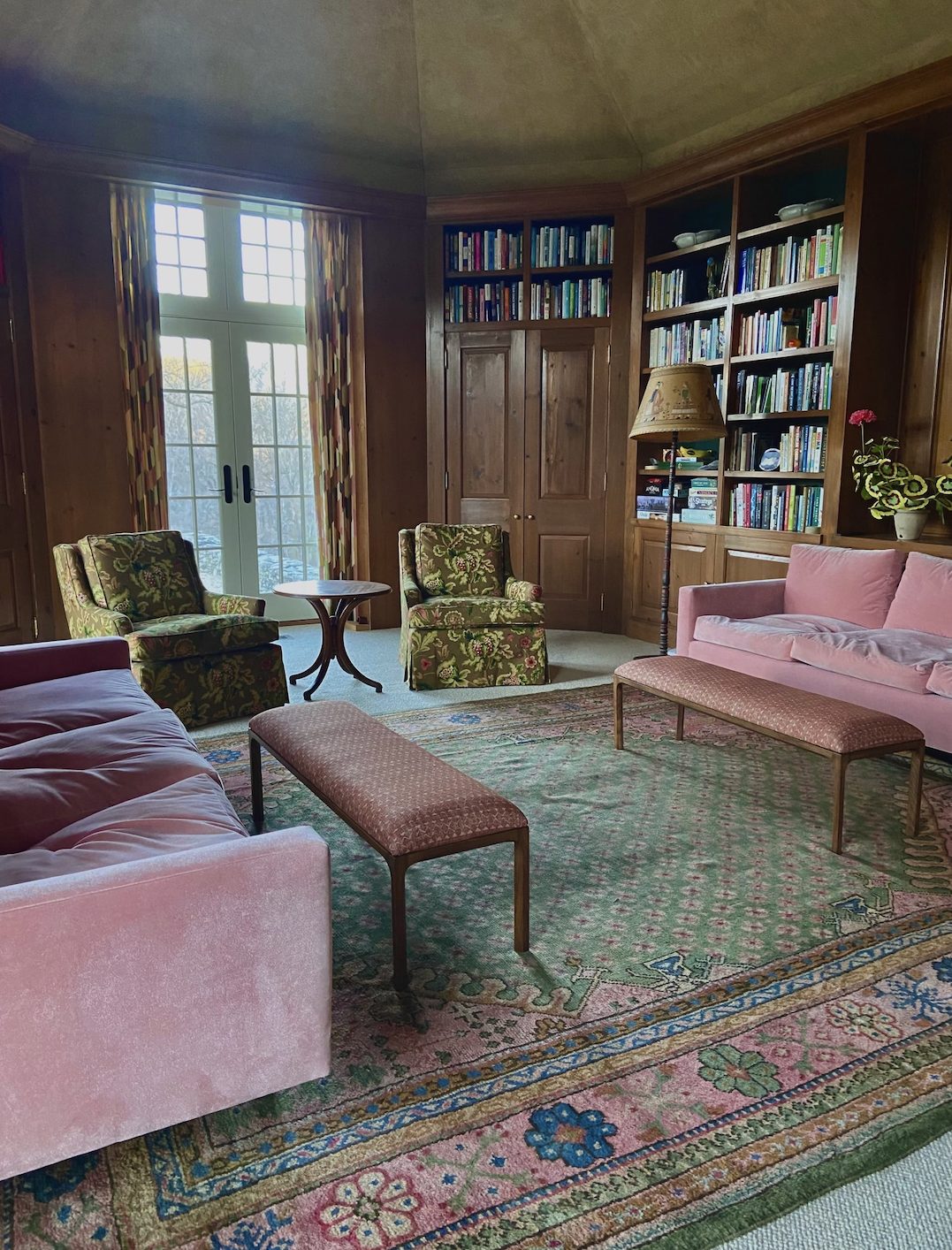
Interiors That Begin With the Thread
Renowned collector and designer Axel Vervoordt has long championed the philosophy that objects with spirit should be the genesis of a room. In his Belgian castle, the rooms are not staged — they are composed, like symphonies, with antique rugs as anchoring notes. Similarly, Sheila Bridges, in her layered Harlem townhouse, designed a salon around a 19th-century Caucasian rug, allowing its chromatic density and narrative flair to guide her selection of art, lighting, and even scent.
These are not rooms that simply include a rug — they honor it. They understand that antique rug interiors are not static compositions but dynamic dialogues between past and present, East and West, hand and eye.
The Antique Rug as Memoir
To live with an antique rug is to live with a piece of human continuity. It softens not just acoustics but memory. It contains, beneath its pile, the ghosts of other lives — other rooms, other conversations, other climates. It is a spatial memoir, a ground beneath one’s feet that speaks of hands long vanished.
When a homeowner or collector chooses to build a space around such a textile, it is not simply a design gesture — it is an act of cultural stewardship. They are not just curating a look; they are preserving a lineage.
This is the essence of rug provenance in design: it roots the ephemeral world of interior styling in something enduring. The rug does not follow fashion. It follows time, with a patience that transcends it.
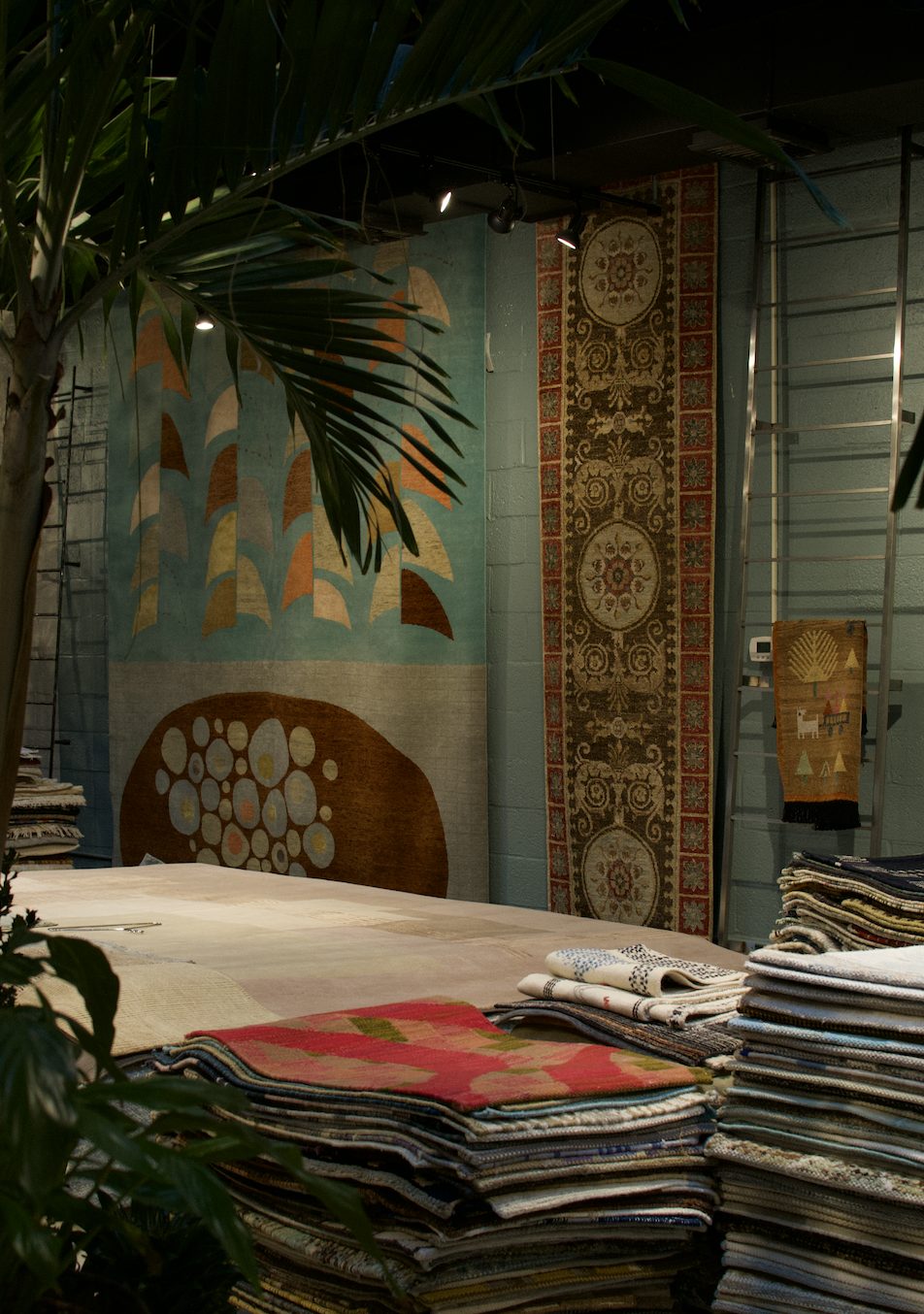
And so, in high end interior architecture, the antique rug remains the quiet protagonist — never loud, but always essential. It speaks in tones of fiber and dye, of craft and story. And those who design around it — with discernment, with knowledge, with humility — do not merely decorate.
They compose spaces that breathe.
~~~