
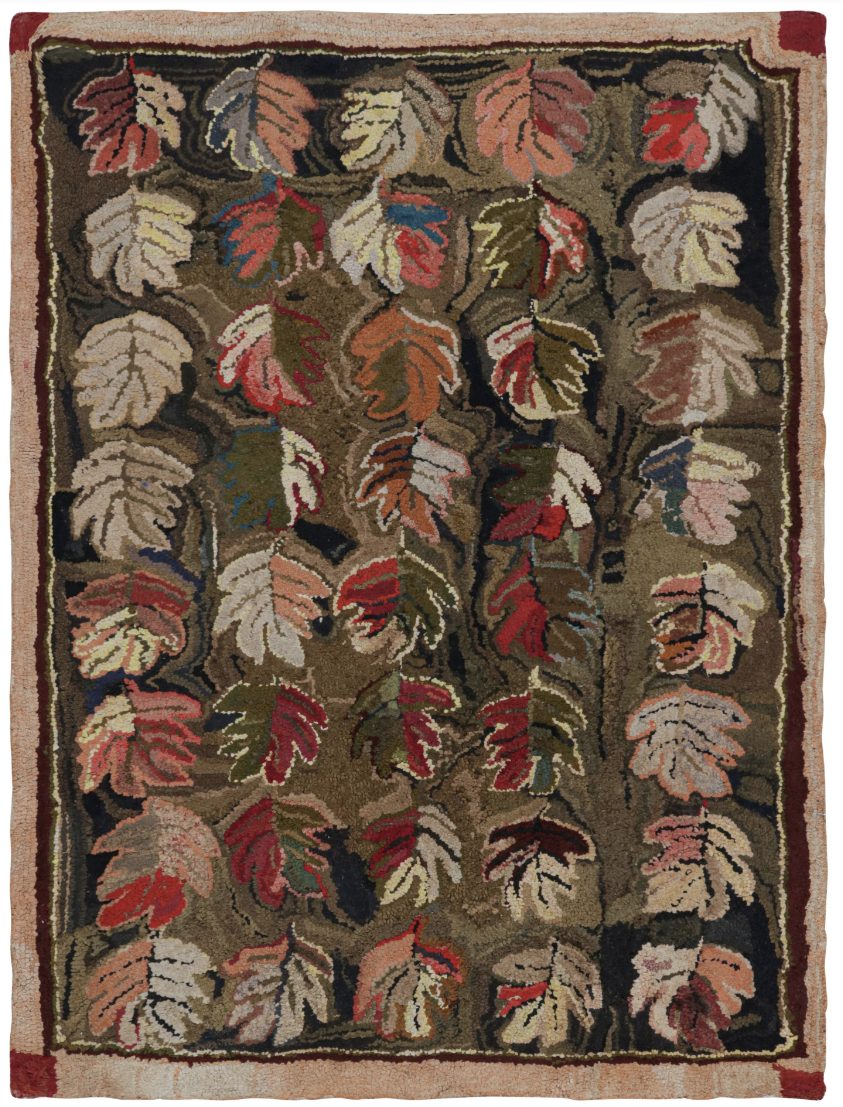
A Guide to Hooked Rugs: Tributes to Americana Folk Art
May 3, 2024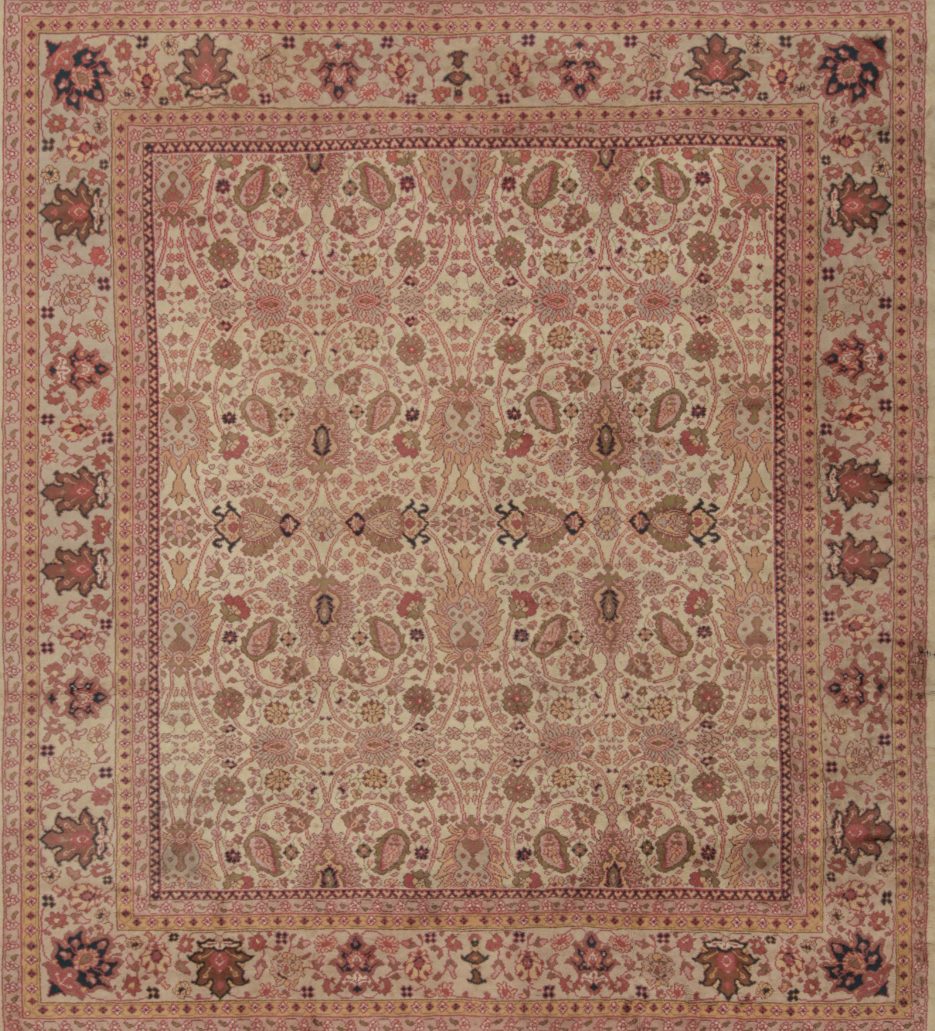
A Guide to Art Needlework of the Arts and Crafts Movement
May 8, 2024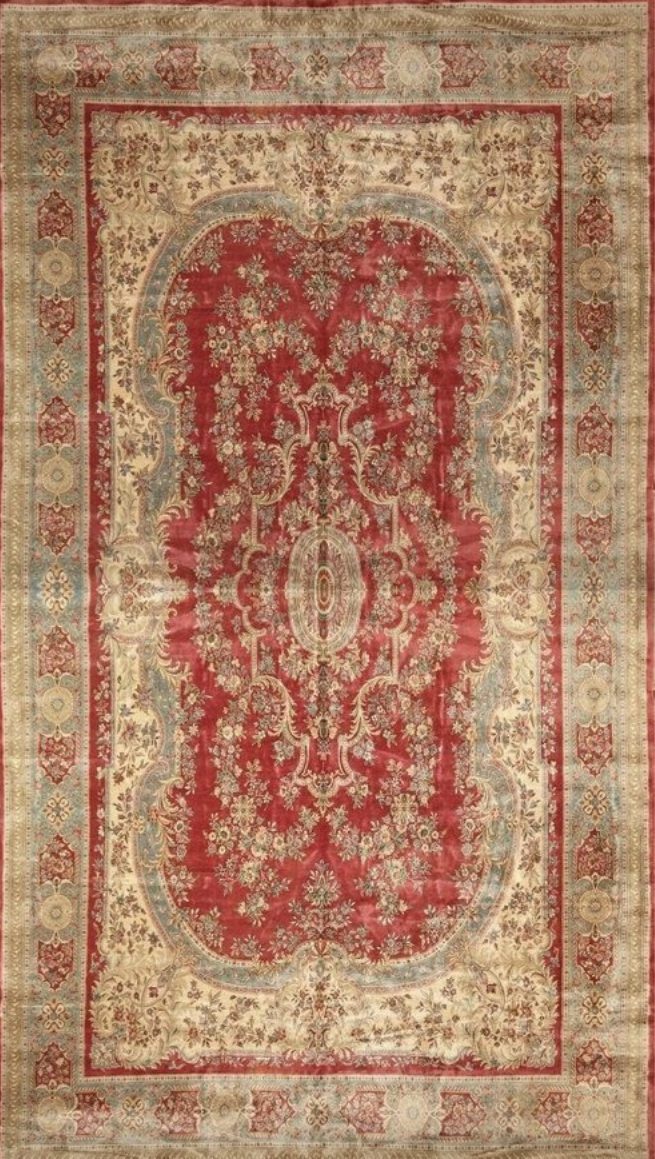
Kerman rugs, originating from the culturally rich city of Kerman in central south-eastern Iran, are celebrated for their exceptional craftsmanship, intricate designs, and premium materials. Dating back to the 15th century, Kerman has emerged as a prominent hub for crafting exquisite Persian rugs, revered by designers, collectors and admirers of the craft alike for their enduring elegance and resilience. Across generations, the skilled artisans of Kerman have perfected their craft, weaving rugs that not only captivate with their visual allure but also boast unparalleled durability. Renowned for their unique designs and unparalleled quality, Kerman rugs have garnered international acclaim, solidifying their status as coveted treasures in the world of rug craftsmanship.
Kerman rugs are distinguished by their ornate, curvilinear designs and meticulous patterns, showcasing a harmonious fusion of floral and geometric motifs. Characterized by a captivating color palette that includes soft pastels, deep blues, and rich reds, these rugs create a captivating tapestry of hues. Central medallions, elaborate borders, and intricate corner elements are prominent features, reflecting Kerman’s rich cultural heritage and the artisans’ artistic prowess. Of particular note are Kerman Ravar (also known as Lavar) rugs, crafted in the neighboring town of Ravar. These rugs boast an exceptionally fine weave and intricate patterns, surpassing even their Kerman counterparts in detail and complexity, making them highly coveted among discerning collectors.
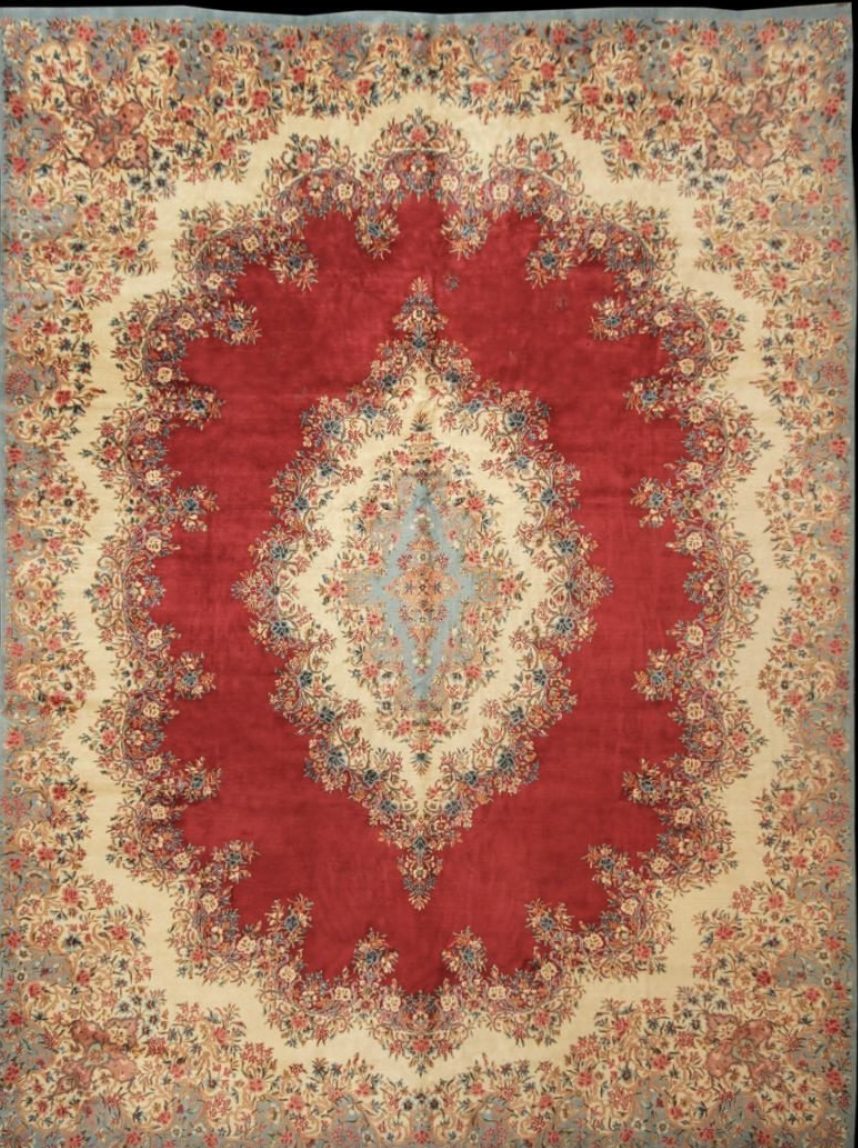
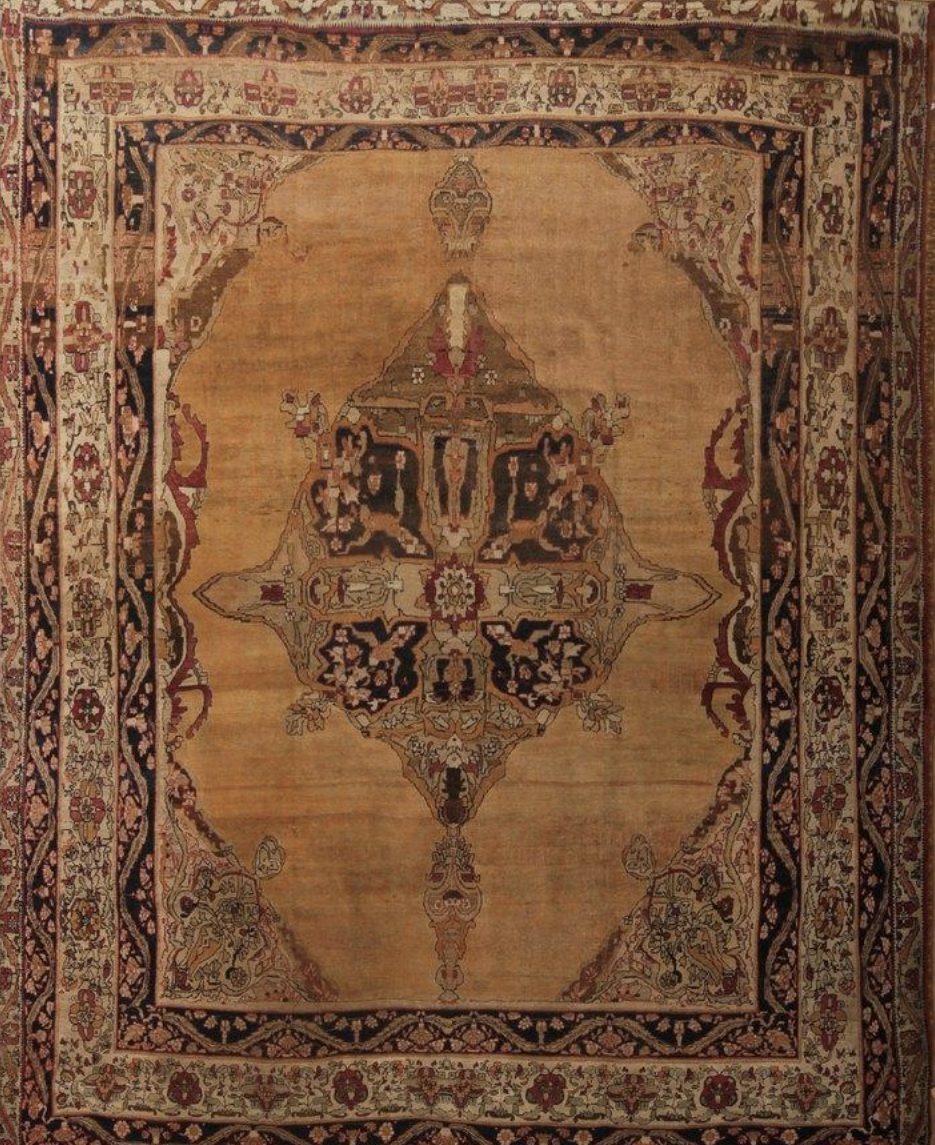
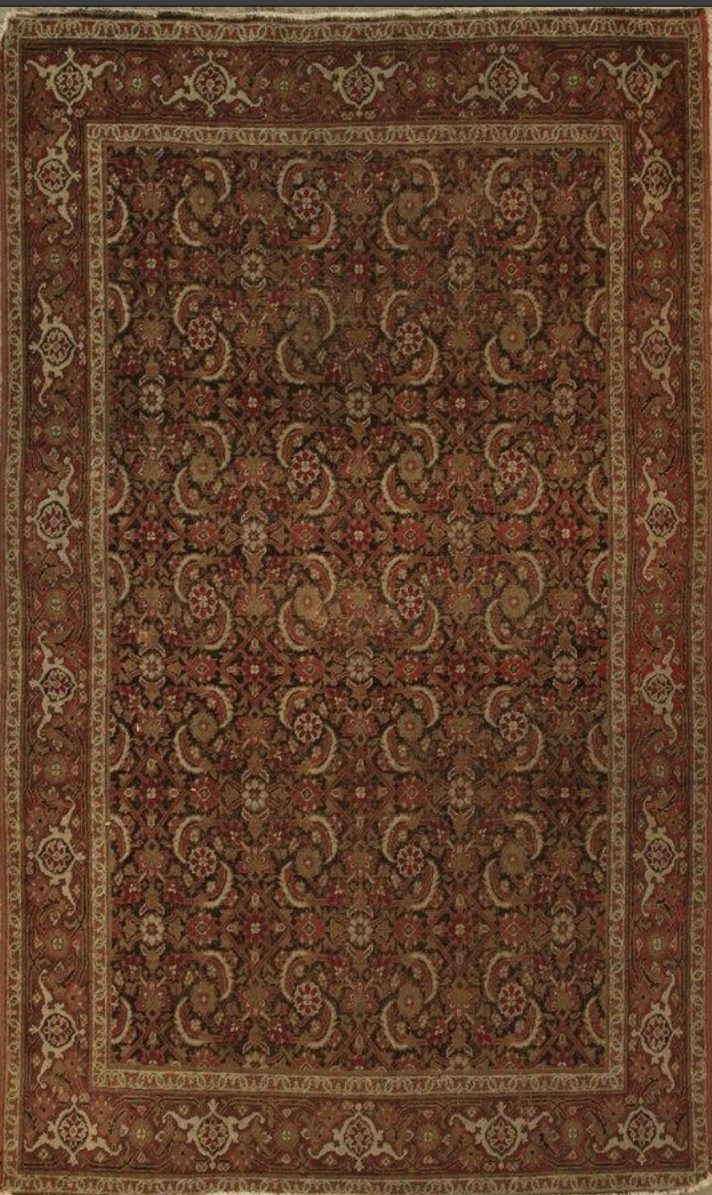
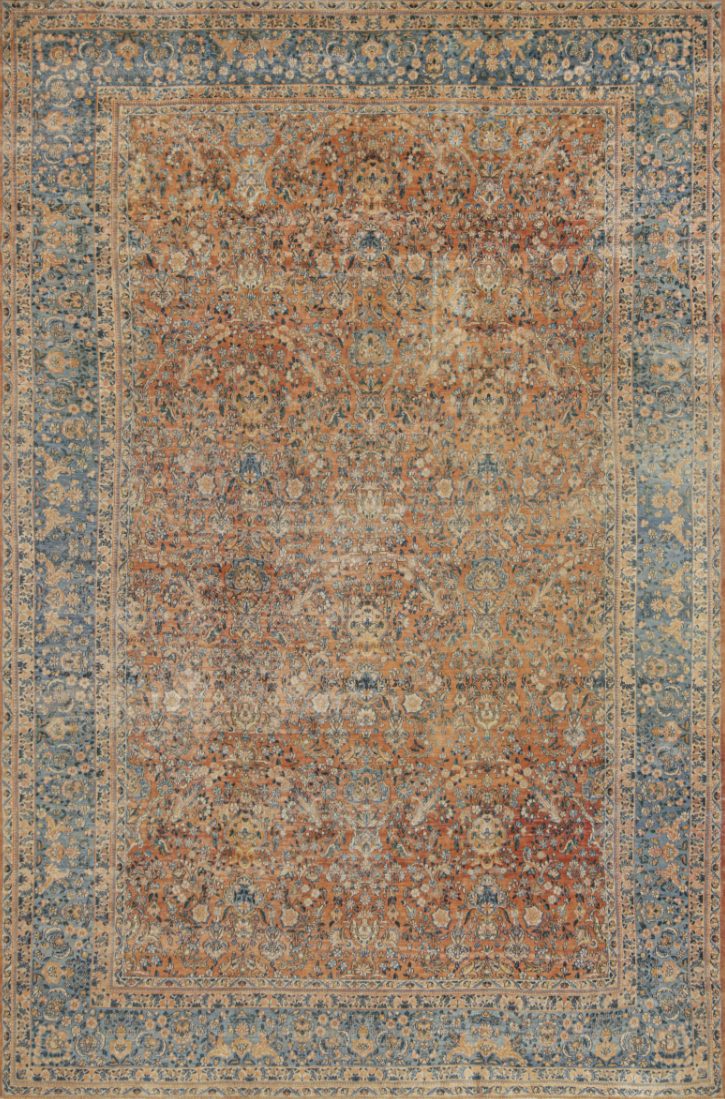
The finest antique Kerman rugs boast a drawing of designs that is fluid and lyrical, characterized by intricate floral motifs that exude timeless elegance. These carpets often feature patterns comprising all-over botanical motifs or a central medallion enveloped by dense foliage, showcasing a pattern language of remarkable complexity. Thanks to their fine weave and the exceptional quality of wool used, these rugs exhibit small-scale patterns and soft flowing lines of flowerheads and vinery, enabling a level of detail that is truly mesmerizing. In particular, the pile of Laver antique carpets was meticulously cut very thin to highlight the exquisite workmanship, resulting in the finest antique Kerman rugs possessing a fabric-like handle that adds to their allure and tactile appeal.
Since the seventeenth century, Kerman has stood as a prominent center for weaving some of the finest Persian carpets, with its legacy traced back to the Safavid period. Notably, the Vase Carpets from this era are hailed as masterpieces of Persian weaving, showcasing exquisite craftsmanship and intricate designs. As Persian rug production surged in the nineteenth century, Kerman reemerged as a leading producer of exceptional carpets, particularly the Lavar type renowned for its fine weave and classical-inspired designs. Kerman rugs boast a diverse palette, ranging from ivory, blue, and magenta tones to golden and saffron hues, with dyers showcasing remarkable skill in producing light shades. The distinctive ‘vase carpets’ of late sixteenth to mid-seventeenth centuries, featuring stylized flowers and oversized palmettes with interspersed vases, further highlight Kerman’s artistic heritage. These carpets, woven in various sizes, often have a cotton foundation, with the neighboring village of Ravar producing the esteemed Lavar Kerman rugs, renowned for their exceptional quality and rarity.
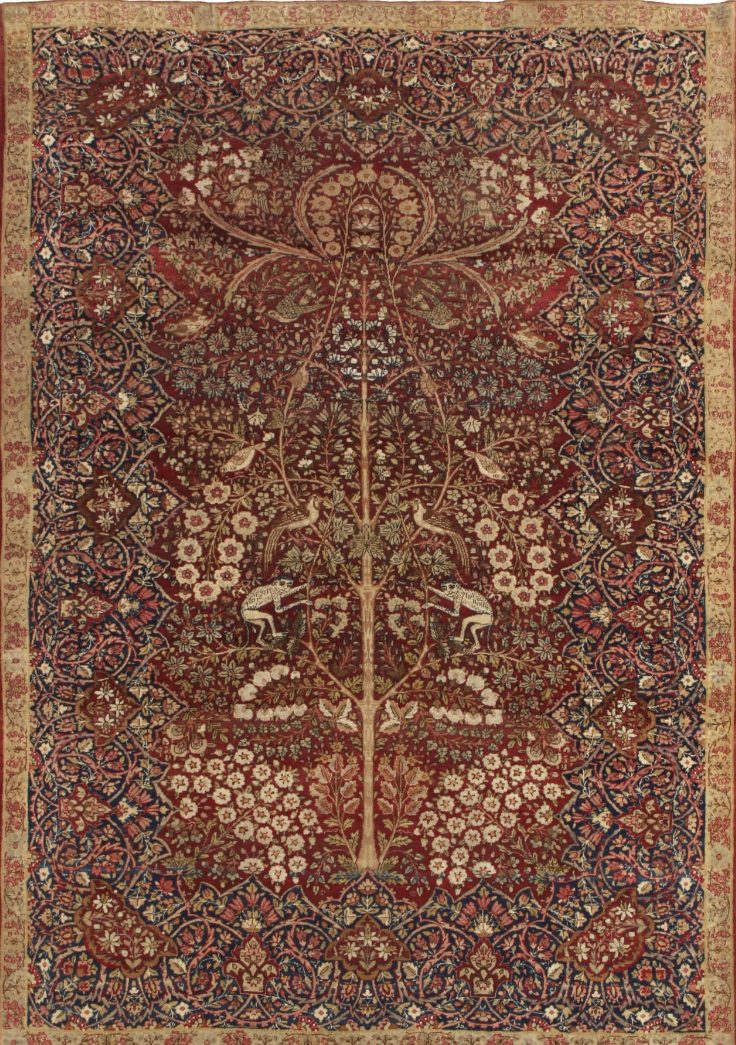
A special Rug & Kilim’s Kerman Lavar feature – Featuring an atypically fine single guard border wrapping its grand portrait, the highly stylized, mirrored field pattern hosts a variety of storied, tasteful animal depictions against the richest burgundy background, accented by a regal, tasteful array of white flowers, inviting pink islimi vine scroll patterns, and a luminous blue frame able to center any space.
Kerman played a pivotal role in the rug renaissance of the late nineteenth century, renowned for its extensive array of dyes that endowed its rugs with stunning color effects. Following the Safavid tradition, Kerman rugs were crafted with exceptional finesse, boasting knot counts ranging from the hundreds to the low four hundreds. However, after 1920, there was a shift towards simpler designs, characterized by a subdued, pastel palette, thicker pile, and lower knot count, driven largely by the preferences of the American market. In recent decades, there has been a resurgence of interest in the classic Kerman rugs from around 1900 and earlier, all over America and Europe, characterized by a richer, more diverse color range, traditional Safavid designs, and the finer weaving technique suited to the intricate detailing of these timeless carpets.
View our collection here – https://rugandkilim.com/shop/?s=kerman%20lavar