
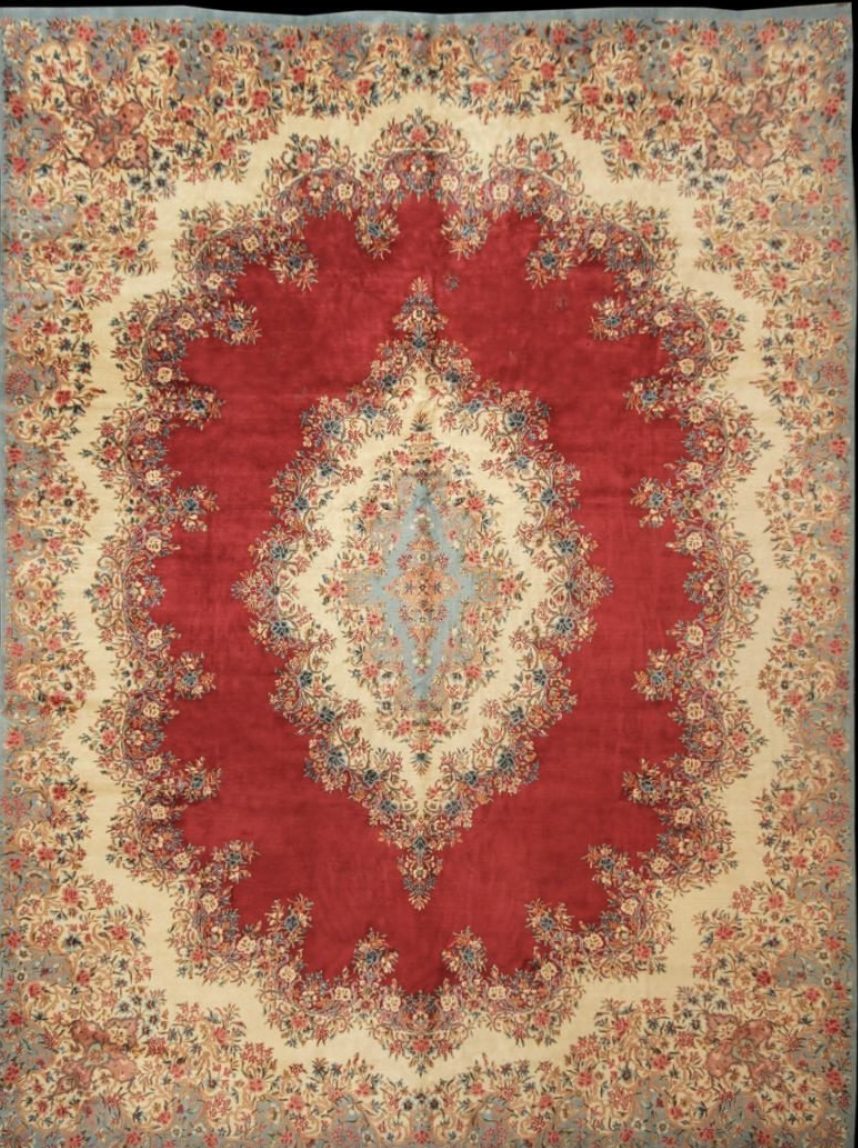
An Abbreviated Guide to Kerman Lavar Rugs
May 3, 2024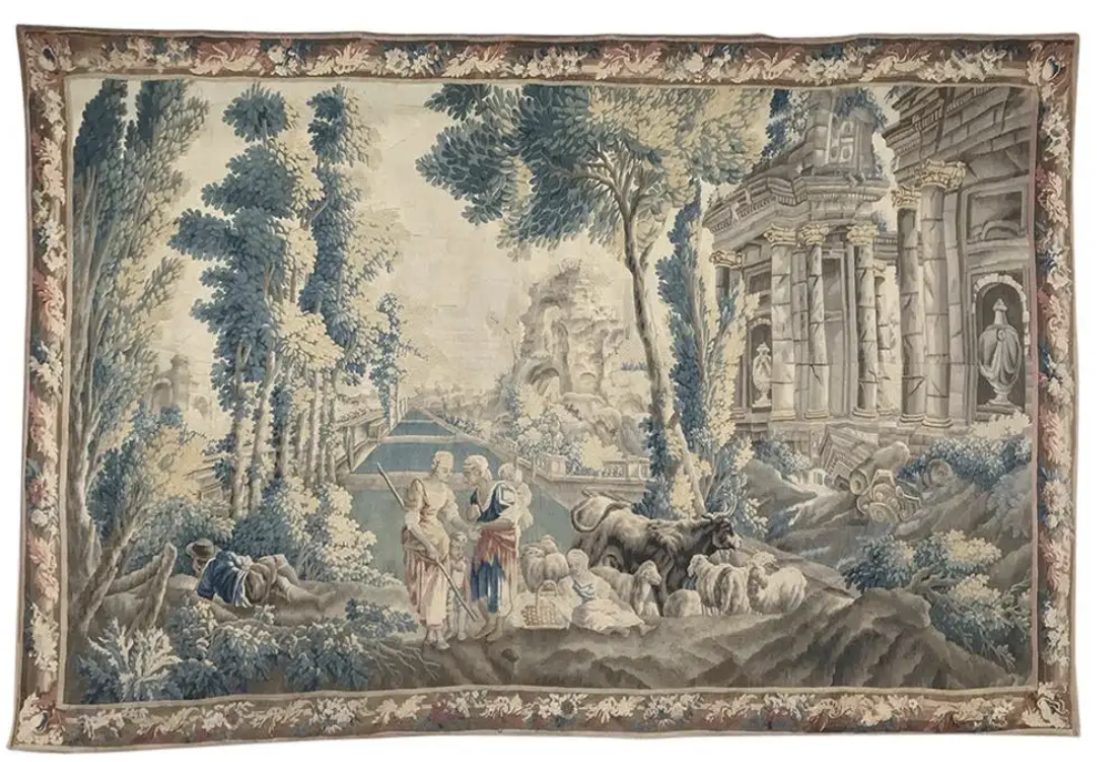
A Profile on Oudenaarde Tapestries
May 8, 2024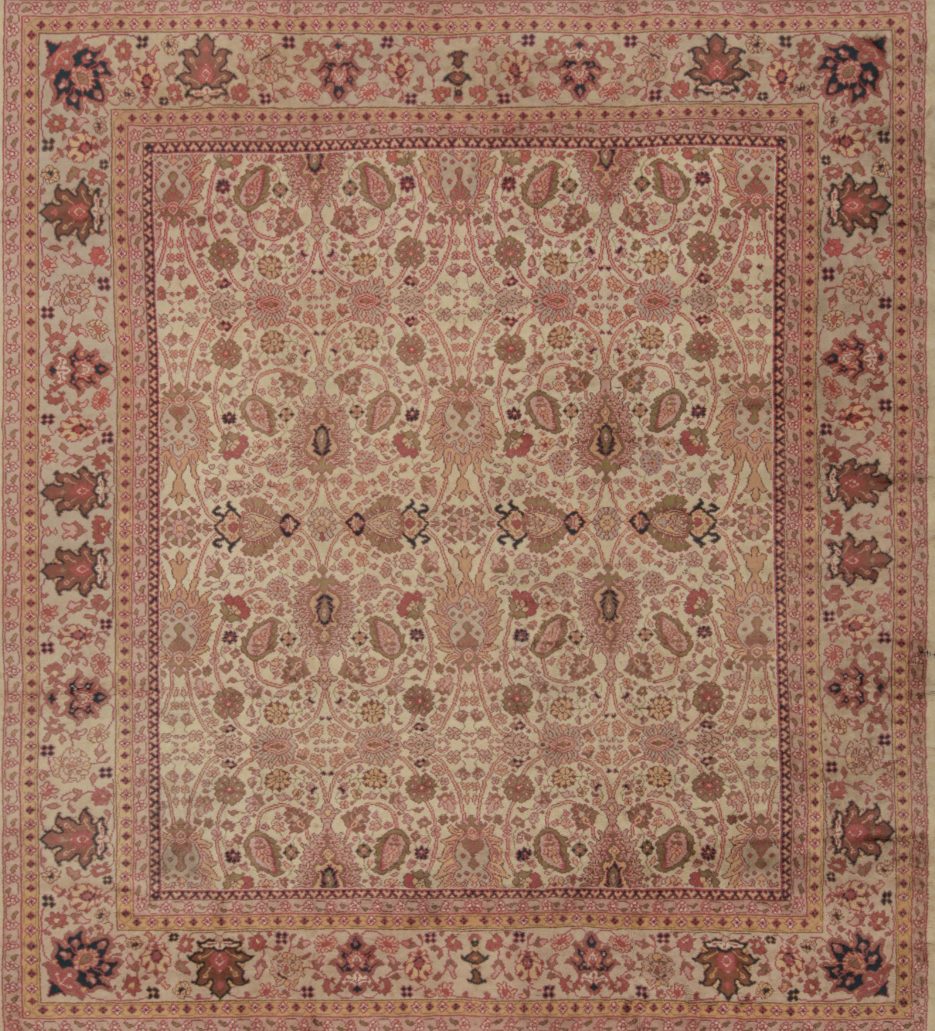
Our European Collection includes the richest selection of antique rugs, vintage rugs, flatweaves, tapestries and contemporary rugs inspired by an encyclopedia of transitional, Neoclassical, impressionist and period piece designs, and Needlepoint design is one of most significant aesthetic of our ever-growing collection. Today, our classic archive continues to grow with rare, unique European rugs from exclusive workshops accumulated over decades, which have witnessed a resurgence in the 21st century and continue to inspire our modern rugs with new approaches to these sensibilities.
The birth of the Arts and Crafts movement in late 19th century Britain heralded a transformative shift in societal attitudes towards craftsmanship and design. Emerging as a response to the adverse effects of industrialization and the undervaluation of decorative arts, this movement sought to reform the creation of everything from architectural structures to intricate jewelry pieces. Although William Morris joined the Arts and Crafts Exhibition Society after its establishment, his ideas profoundly influenced the subsequent generation of decorative artists.
Morris fervently advocated for the production of beautifully crafted objects that seamlessly integrated into everyday life while fostering a profound connection between artisans and their creations. Drawing inspiration from medieval aesthetics, he championed a return to small-scale workshop-based manufacturing processes. A distinctive aspect of the Arts and Crafts movement was the significant number of leading figures who had architectural training, fostering a shared belief in designing cohesive interiors where architecture, furniture, and decor harmonized seamlessly. Consequently, Arts and Crafts designers often ventured into various disciplines, contributing to the creation of integrated living spaces that epitomized the movement’s ethos.

Art needlework emerged as a prominent form of surface embroidery in the latter half of the nineteenth century, influenced by the ideals of the Pre-Raphaelite Brotherhood and the burgeoning Arts and Crafts Movement. Renowned artist and designer William Morris played a pivotal role in revitalizing traditional English embroidery techniques dating back to the Middle Ages through the eighteenth century, thereby spearheading the retro-style known as art needlework. This approach to embroidery emphasized intricate shading in satin stitch using silk thread, complemented by a variety of novelty stitches, diverging sharply from the prevailing counted-thread technique typified by the Berlin wool work needlepoint craze of the mid-nineteenth century.
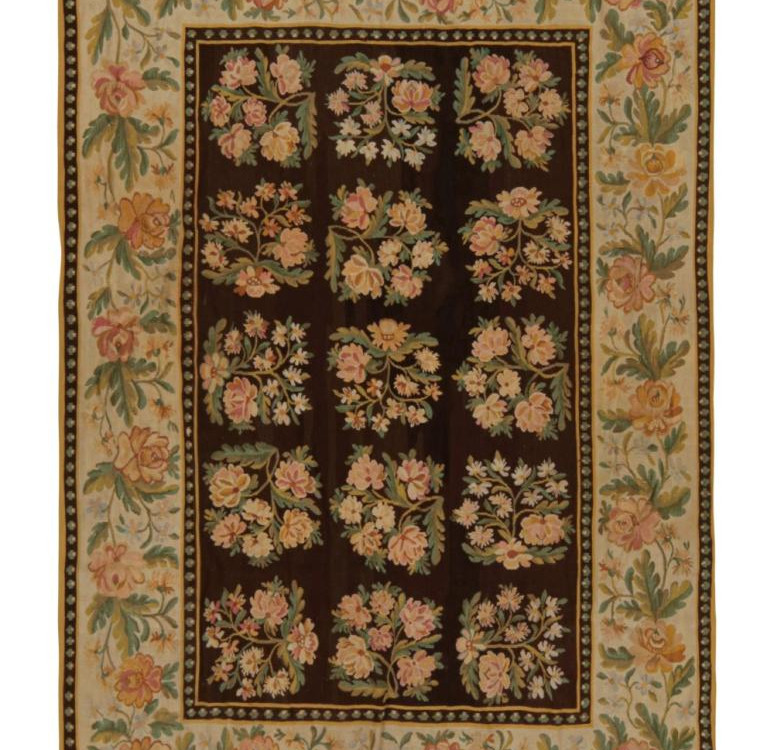
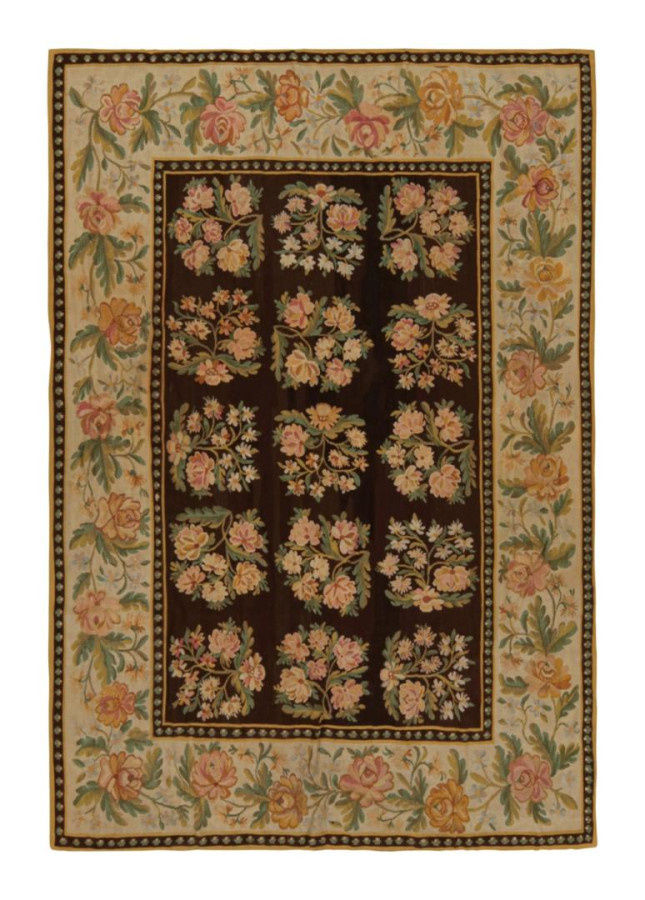
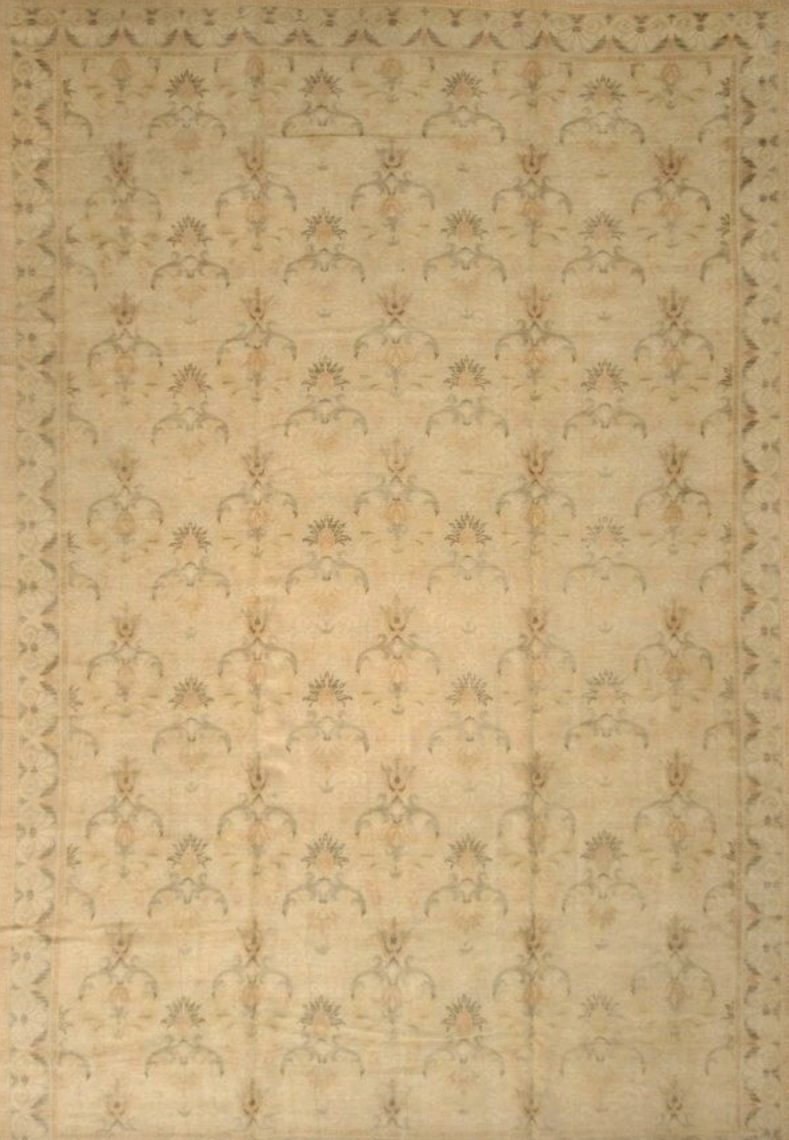
View some of our favorite Art Needlepoint designs by Rug & Kilim –
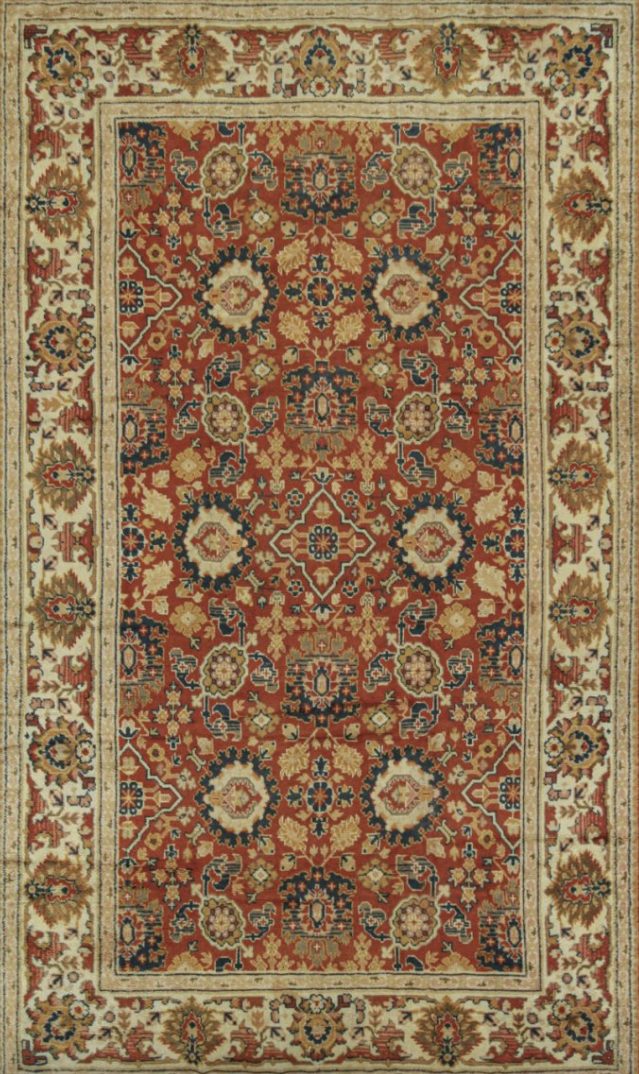
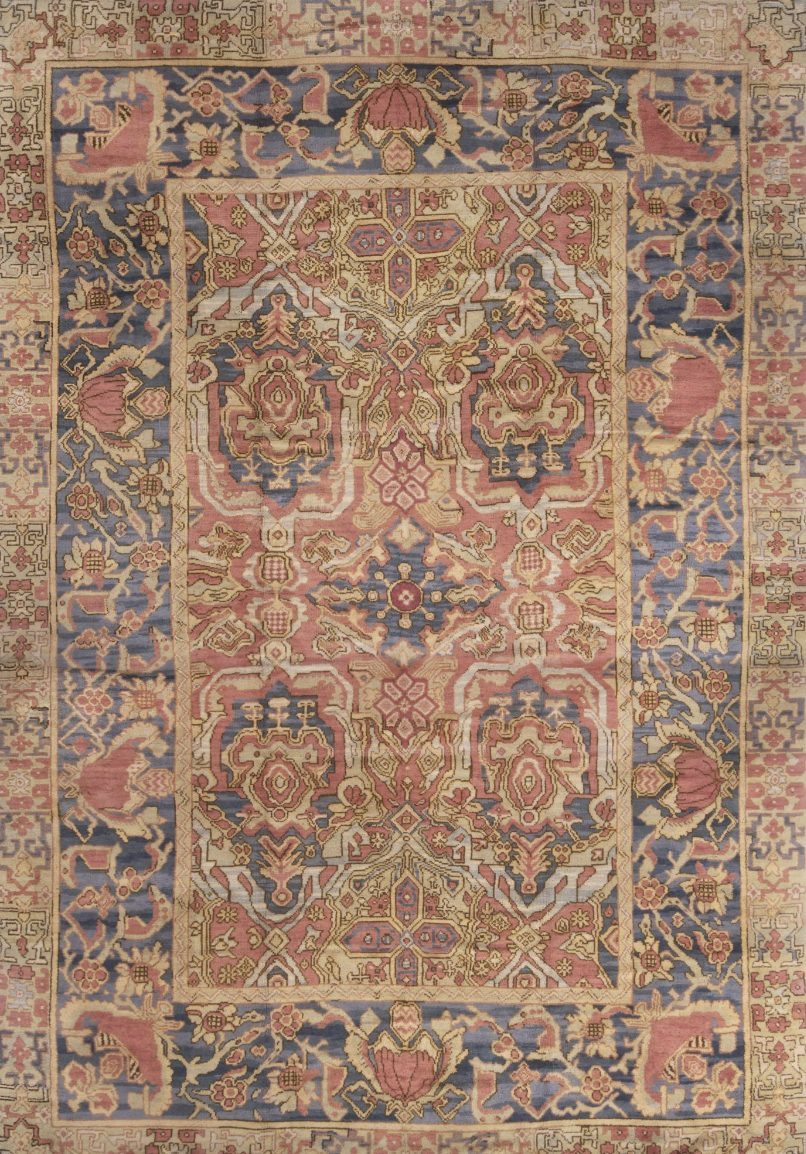
Morris, a staunch advocate for self-expression through handicrafts, promoted art needlework through his establishment, Morris & Co. The shop offered both finished custom embroideries and kits in the new style, along with naturally dyed silks for embroidery work. Art needlework found favor as a fitting style for adorning artistic attire, aligning with the broader aesthetic sensibilities of the era. To further propagate this revivalist movement, the Royal School of Art Needlework (now Royal School of Needlework) was founded in 1872 as a charitable institution under the patronage of Princess Helena. The school aimed to provide apprenticeships in the art of embroidery, drawing notable involvement from Morris’s daughter, May Morris, an accomplished needlewoman and designer. Meanwhile, across the Atlantic, art needlework made its debut in America at the 1876 Centennial Exposition in Philadelphia, marking its entry onto the international stage. Additionally, in England, the Leek Embroidery Society and the Leek School of Art Embroidery, established by embroideress Elizabeth Wardle in 1879 and around 1881, respectively, further contributed to the flourishing of art needlework as a cherished craft tradition
Embroidery held a special place in William Morris’s heart as the inaugural textile technique he adapted for commercial purposes. His early endeavors in stitching fabric, albeit rudimentary, were inspired by his lifelong admiration for medieval wall hangings. These initial experiments laid the groundwork for more refined embroidered creations, including wall hangings and curtains, crafted by Morris, his wife Jane, and their circle of friends for Red House, their first family abode in Kent. Despite their historical grandeur, these embroidered fabrics faced skepticism from critics regarding their appeal to middle-class households. However, one such fabric, skillfully stitched by Jane Morris, earned Morris’s fledgling company recognition at the 1862 International Exhibition.
Despite its limitations, embroidery remained the primary method for adorning textiles in the early years of Morris’s enterprise. It adorned a limited range of domestic objects and was commissioned for embellishing the interiors of newly constructed churches across England. Collaborating with the esteemed artist Edward Burne-Jones, Morris ventured into creating embroidered panels for affluent clients, blending decorative detail with figuration. Together with teams of skilled embroiderers, they embarked on commissions, offering both off-the-shelf options and bespoke schemes, catering to varied tastes and preferences.
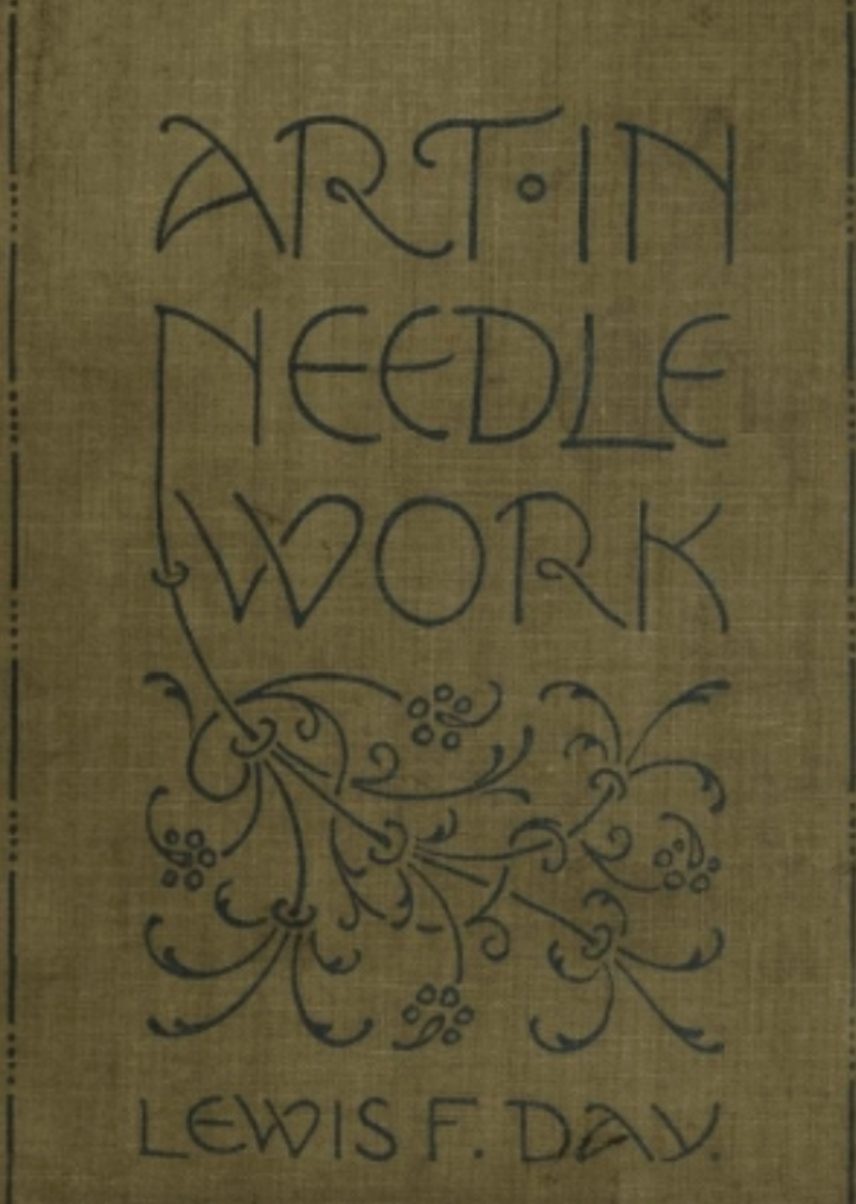
A seminal work on the topic, “Art in Needlework” by Lewis F. Day and Mary Buckle, published in London in 1900, stands as a cornerstone in the realm of embroidery literature. This comprehensive book delves into various facets of the craft, offering insights into stitches, embroidery techniques, and suitable designs, thereby serving as a definitive guide for practitioners. Its culmination lies in a poignant chapter titled “A Word to the Worker” which imparts invaluable advice on the essence of needlework and how to execute it with utmost finesse. Through meticulous instruction and thoughtful guidance, Day and Buckle encapsulate the essence of needlework as both an art form and a means of personal expression, inspiring generations of artisans to pursue excellence in their craft.