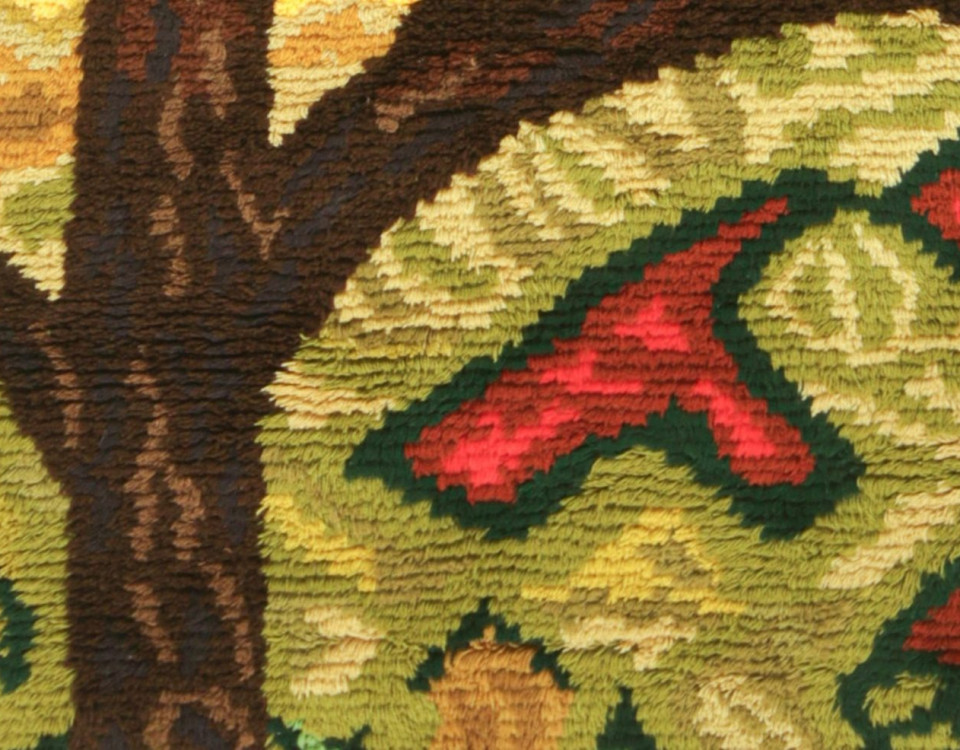

René Perrot’s Tapestries and the Post-War Revival of French Decorative Arts
March 28, 2025
A Day in the Life: Inside the Venerable House of Rug & Kilim
April 1, 2025
Behnaz Atighi Moghaddam’s Collection of Persian Islamic Miniatures
Among the world’s most exclusive art and antique acquisitions, Persian carpets have long been revered as more than just textiles—they are woven history, cultural relics, and symbols of wealth. When the hammer fell at Christie’s London in March 2022, the price of £2.32 million for a single carpet silenced the room.
This wasn’t just any floor covering—it was a Safavid silk and metal-thread ‘Polonaise’ carpet from early 17th-century Persia that had once graced the collection of Baron Adolphe Carl von Rothschild. This particular masterpiece had been owned by the Rothschild family, one of history’s most powerful banking dynasties, known for their exquisite taste in fine art and antiquities.
But what made this carpet so valuable?
Why would a single rug command the price of a Renaissance painting?
Its journey from the workshops of Isfahan to the auction houses of London reveals much about the intersection of art, wealth, and cultural power across four centuries. In the highest echelons of collecting, certain objects transcend their material value to become ambassadors of entire civilizations. This sentiment perfectly captures why such textiles command prices comparable to masterpiece paintings.
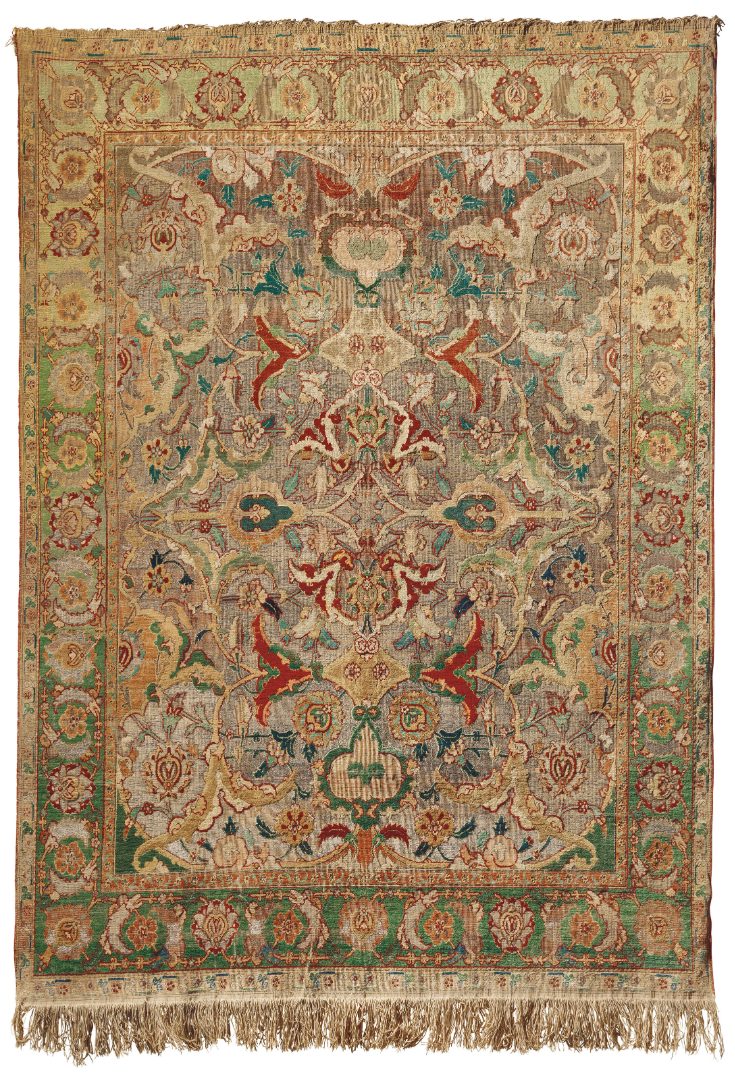
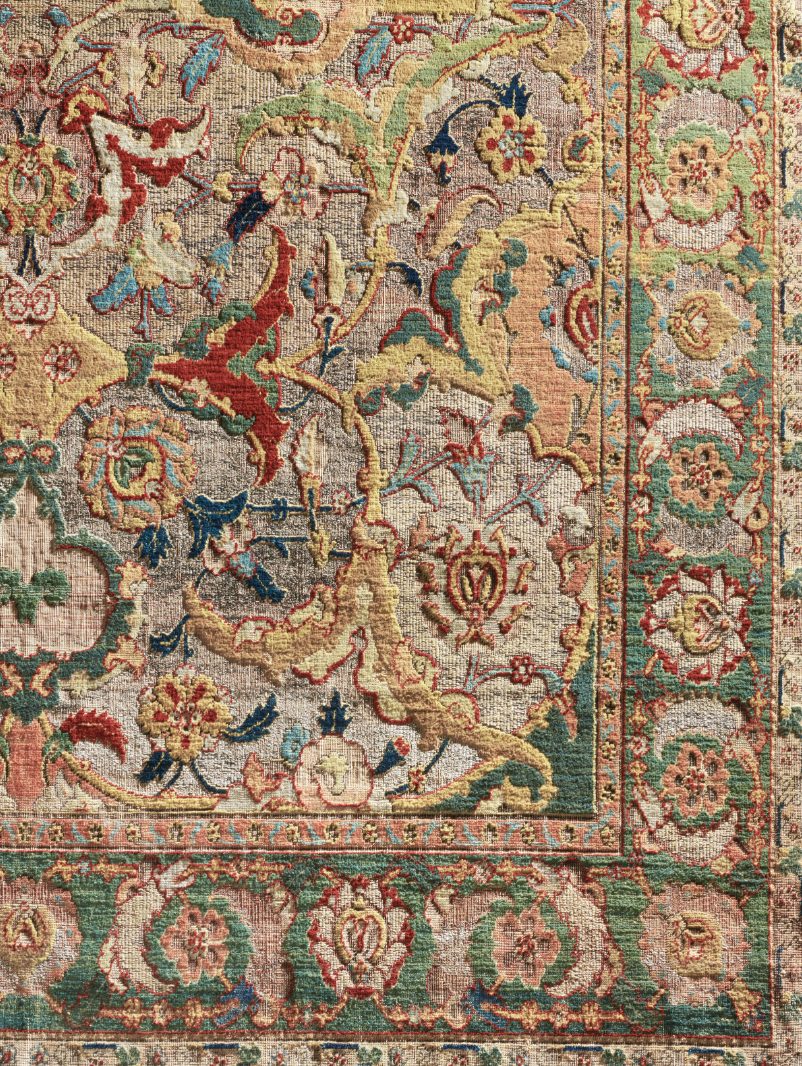
SILK AND METAL-THREAD ‘POLONAISE’ CARPET PROBABLY ISFAHAN, CENTRAL PERSIA, EARLY 17TH CENTURY
THE BARON ADOLPHE CARL VON ROTHSCHILD ‘POLONAISE’ ISFAHAN CARPET
The Persian Carpet That Stunned the World
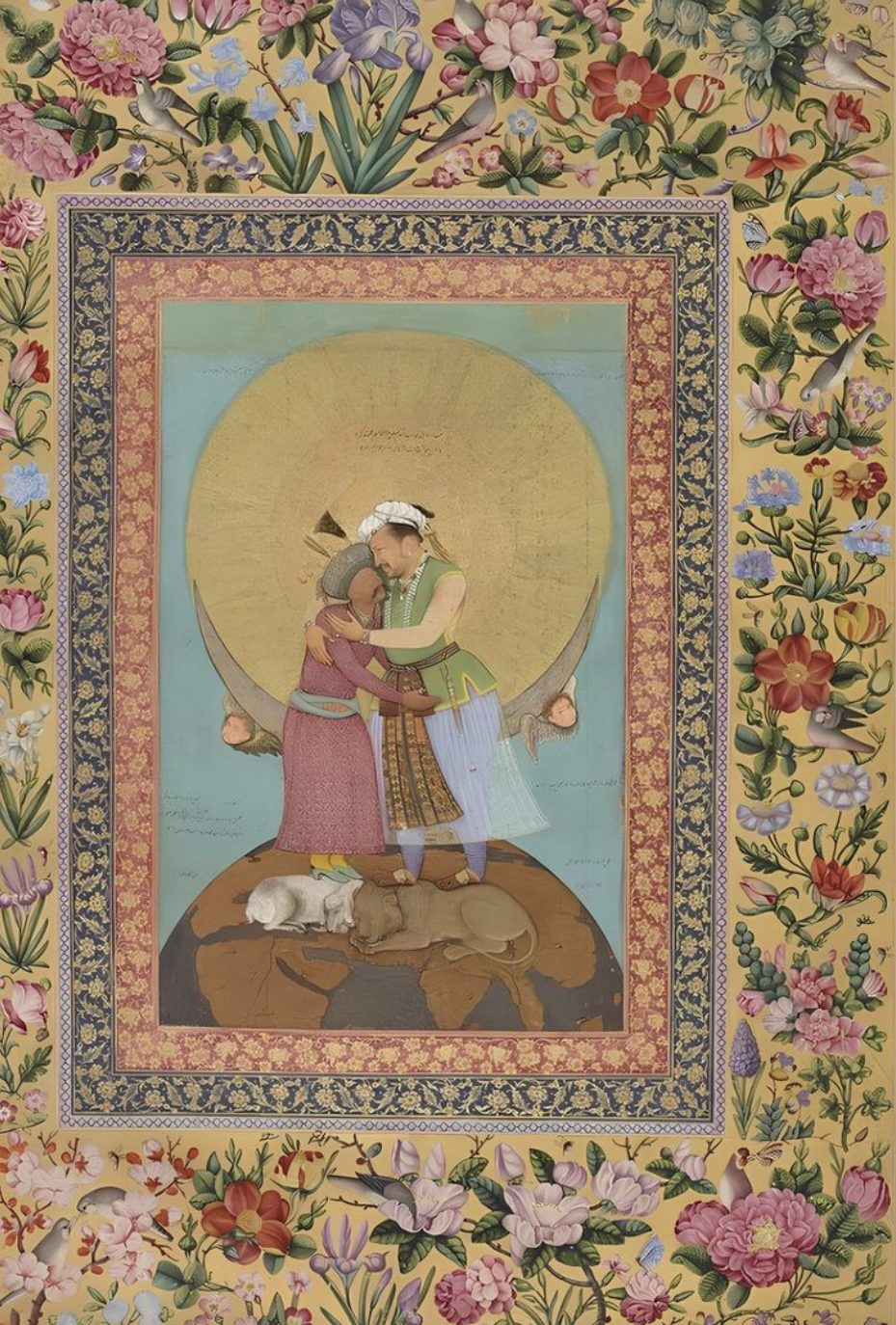
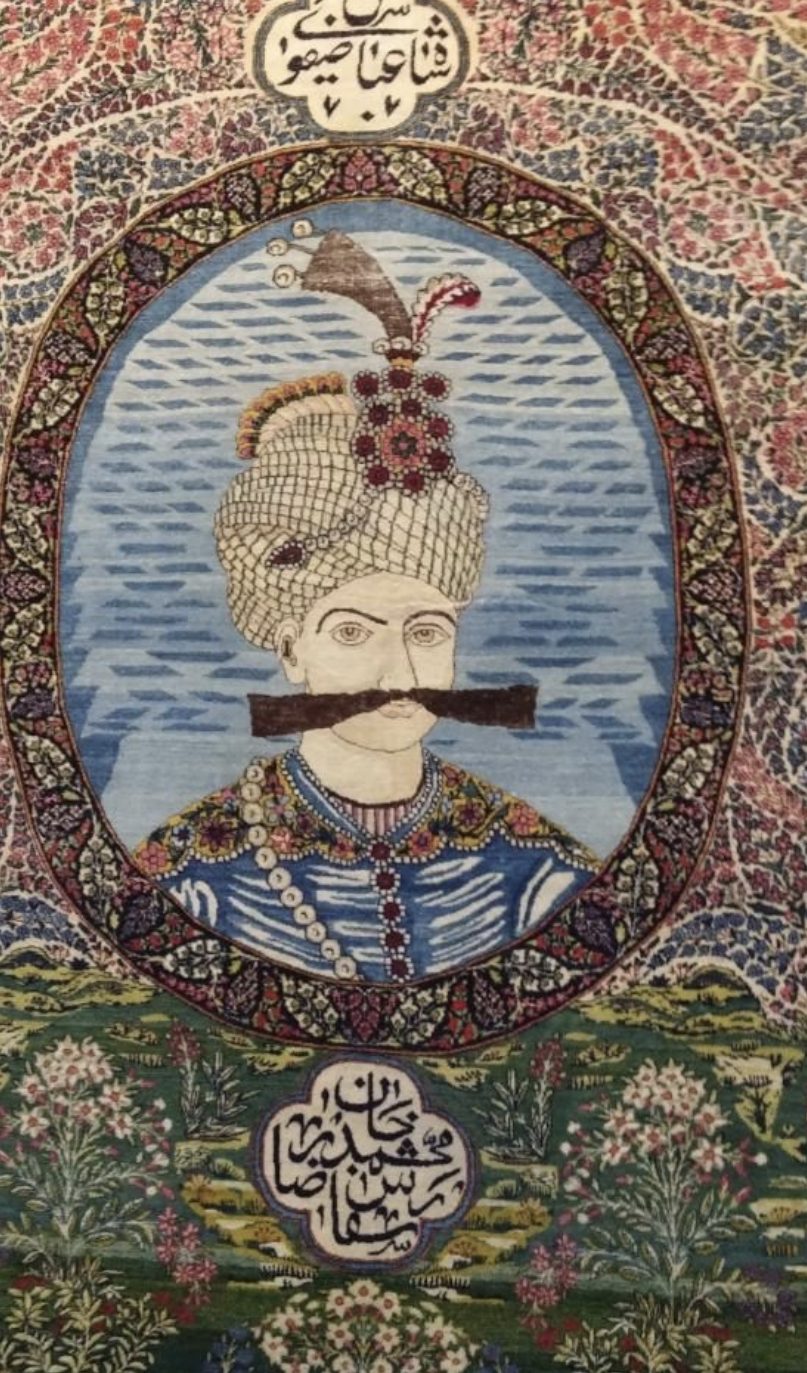
The antique carpet emerged during a pivotal moment in Persian history. Shah Abbas I (1571-1629) had transformed Isfahan into a magnificent capital, inviting European ambassadors to witness Persian splendor while simultaneously sending his own envoys westward bearing gifts of unprecedented refinement. These weren’t mere decorative objects but calculated instruments of soft power.
The Safavid dynasty understood that textiles could communicate sophistication more effectively than words. Each carpet required months of labor by master weavers whose skills were honed through generations. The intricate patterns—featuring symmetrical floral motifs, graceful arabesques, and a central medallion—demonstrated precision that European courts found mesmerizing. Some Safavid carpets incorporated gold or silver threads, significantly increasing their value and prestige.
These carpets were the ultimate status symbols of their age—the equivalent of commissioning a Rembrandt or building a private chapel adorned by Michelangelo. Their rarity guaranteed exclusivity, while their craftsmanship spoke a universal language of excellence.
Shah Abbas I Portrait
THE BARON ADOLPHE CARL VON ROTHSCHILD ‘POLONAISE’ ISFAHAN CARPET
The Origins: A Masterpiece of the Safavid Dynasty
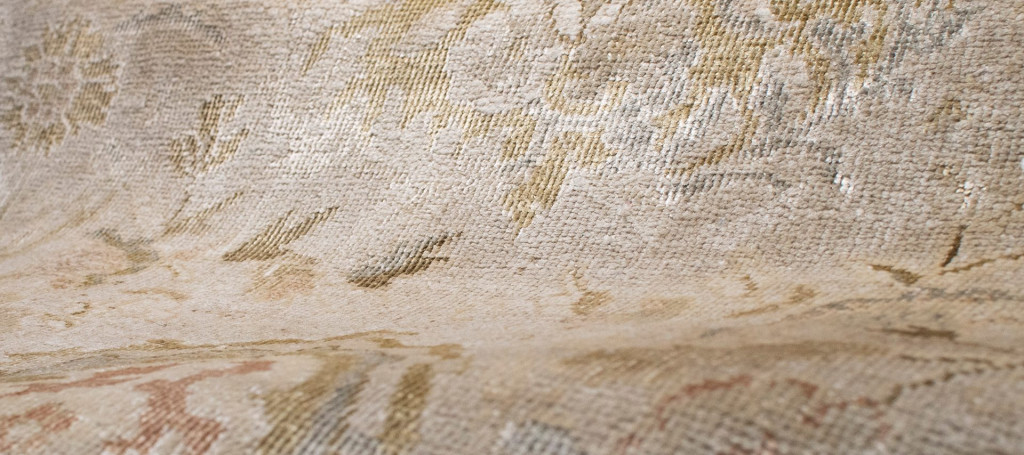
What distinguishes this particular ‘Polonaise’ is both its preservation and its technical virtuosity. Of the estimated 250 such carpets that survive, most have deteriorated significantly due to the fragility of silk fibers and metal thread. The Rothschild example, however, retains an extraordinary palette and structural integrity that defies its 400-year journey.
One has never seen a silk and metal-thread carpet with such a variety of colours. The carpet’s surface shimmers with intensity—indigo blues, ruby reds, emerald greens, and gold thread catching light from different angles, creating an almost kinetic effect as viewers move around it.
The metal threads themselves represent a technical feat, with gold or silver wrapped around a silk core in a painstaking process. When new, these carpets would have glittered like jewelry underfoot—a literal and figurative statement about treading on wealth.
Shah Abbas I Portrait
The Rothschilds’ Passion for Rare Art & Textiles
The carpet’s association with Baron Adolphe Carl von Rothschild (1823-1900) adds another dimension to its mystique. The Rothschild name, synonymous with financial power and discriminating taste, confers what auction houses call “bulletproof provenance.”
The Baron’s residence at 47 rue de Monceau in Paris was no ordinary home but a carefully orchestrated environment for displaying treasures. He commissioned architect Félix Langlais to create a top-lit gallery specifically designed to showcase his collection under optimal natural light—evidence of how seriously these textiles were taken as artistic works.
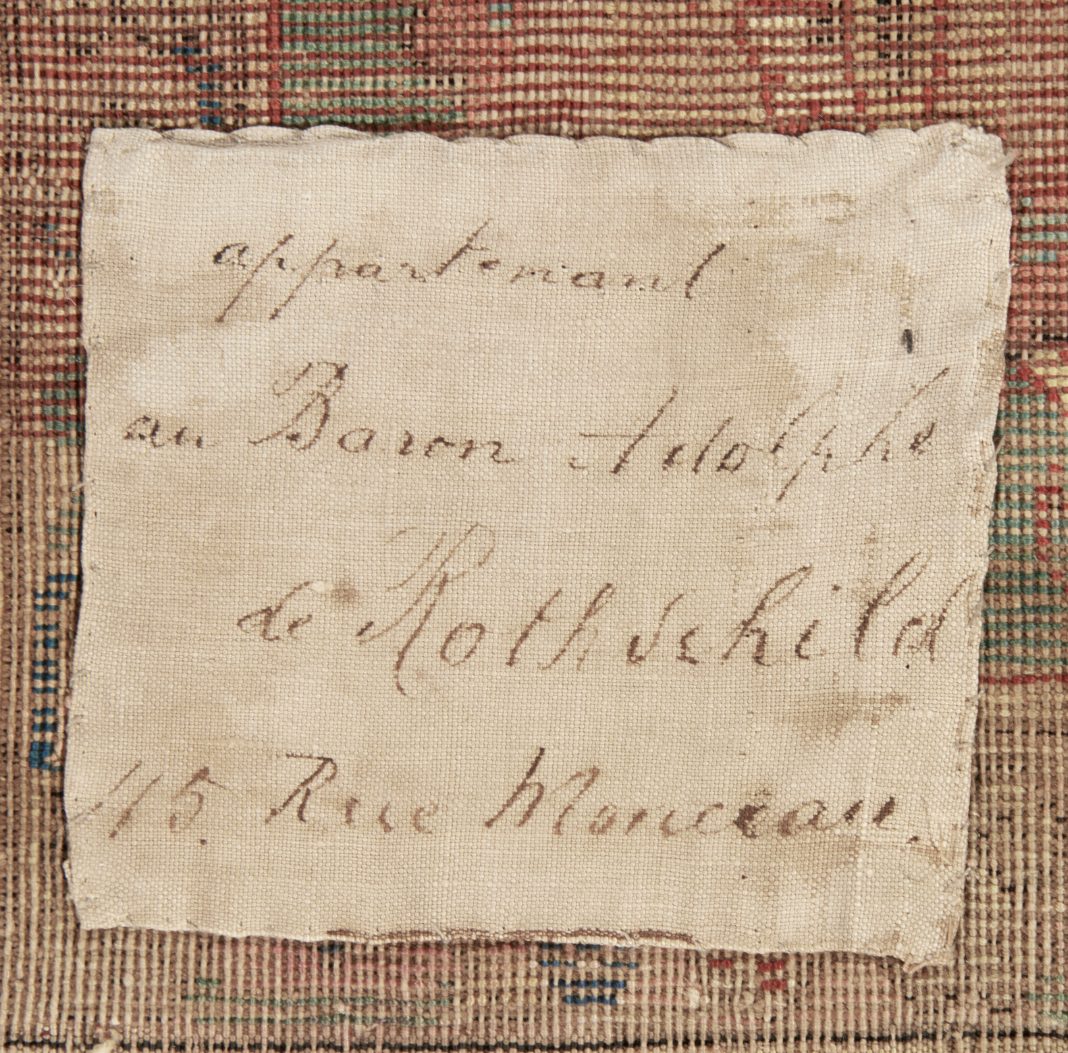
The space was filled with classical sculptures, allegorical paintings, and Persian carpets hanging alongside other masterpieces. This visual record reveals how integral these textiles were to the sophisticated collecting practices of Europe’s financial aristocracy. The Rothschilds didn’t merely own objects; they created contexts that elevated everything within them. The carpet still bears its original cloth label identifying it as belonging to Adolphe Carl von Rothschild—a tangible connection to this illustrious past.
It was not just about luxury—it was about preserving a piece of history. The carpet’s provenance suggested it may have once adorned the halls of a Persian royal palace or an aristocratic European estate, further elevating its status.
The Auction That Made History
Ironically, the term “Polonaise” represents a historical misunderstanding that has become permanently attached to these carpets. The designation originated at the 1878 Paris Universal Exhibition when carpets belonging to Polish Prince Czartoryski were mistakenly attributed to Polish manufacture, when in fact they were Persian creations that had been personalized with the prince’s coat of arms. Nomenclature often preserves the misunderstandings of earlier generations. Despite scholarly correction, the name has stuck—a reminder that even our classifications of art objects carry their own complex histories.
The exceptional condition of this carpet stands in stark contrast to its known twin, which once belonged to American financier Charles Yerkes (1837-1905). The Yerkes carpet appeared at auction in severely deteriorated condition—a cautionary tale about the consequences of inadequate conservation.
This comparison highlights the crucial role of stewardship in preserving cultural patrimony. Textiles remain among the most vulnerable art forms, susceptible to light damage, moisture, and physical stress. The Rothschild carpet’s survival in such pristine condition speaks to generations of careful handling.
Conservation isn’t merely about preservation—it’s about respect for the artistic achievement these objects represent. Each carpet embodies thousands of hours of human creativity that can be irretrievably lost without proper care.
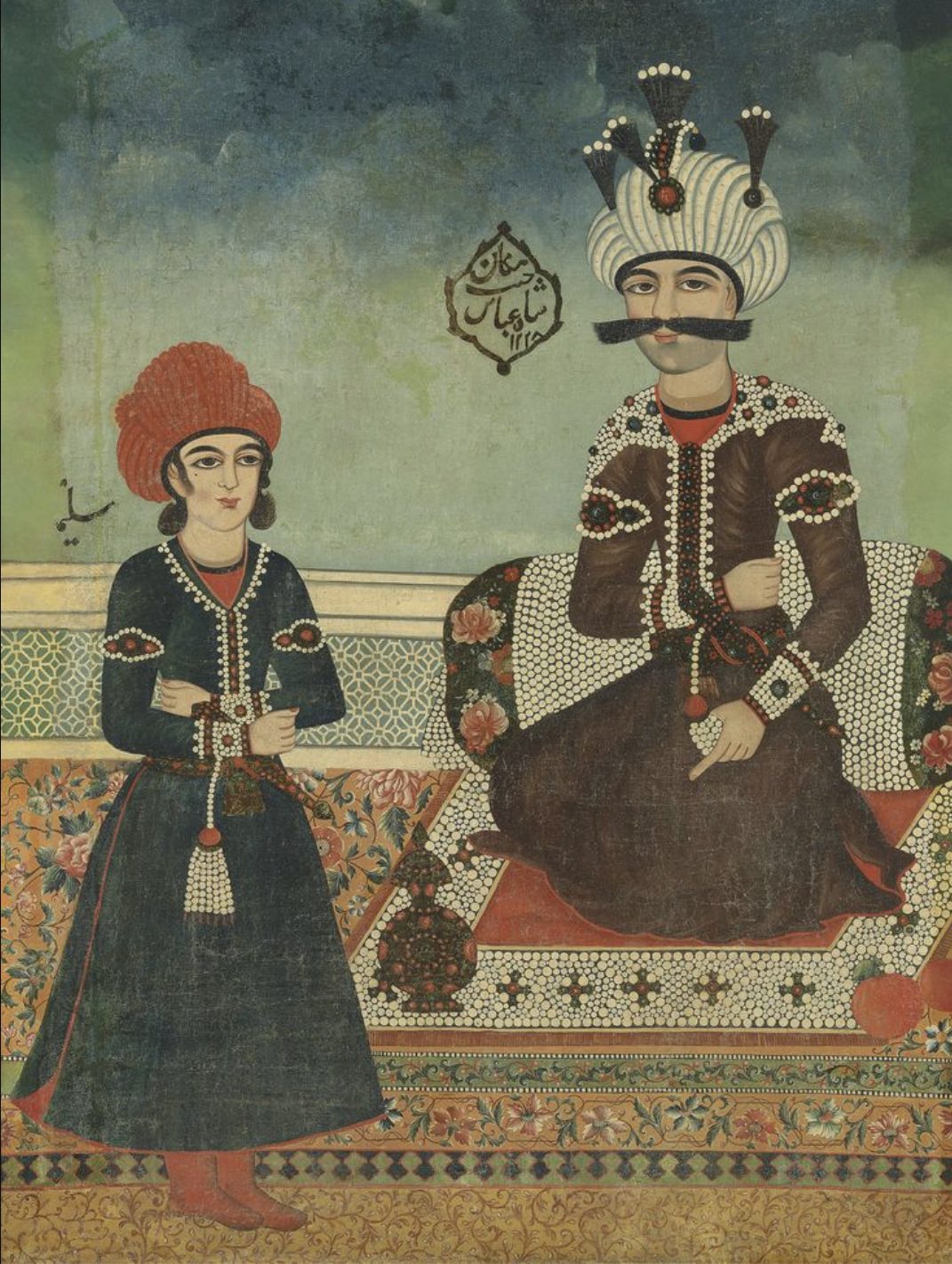
Shah Abbas I Portrait
Why Did It Fetch Such an Astronomical Price?
What elevates these carpets from mere luxury goods to artistic masterpieces is their cultural complexity. They emerged from a tradition where patterns carried symbolic meaning and reflected cosmological principles. The garden motifs reference the Persian concept of paradise as an enclosed garden—a metaphor that influenced everything from poetry to architecture throughout the Islamic world.
The symmetrical designs reflect theological principles about divine harmony, while the border patterns create visual rhythms akin to poetry. These carpets are philosophical propositions rendered in silk. They represent a world view where beauty and spirituality converge—a sophisticated art statement that transcends decorative function.
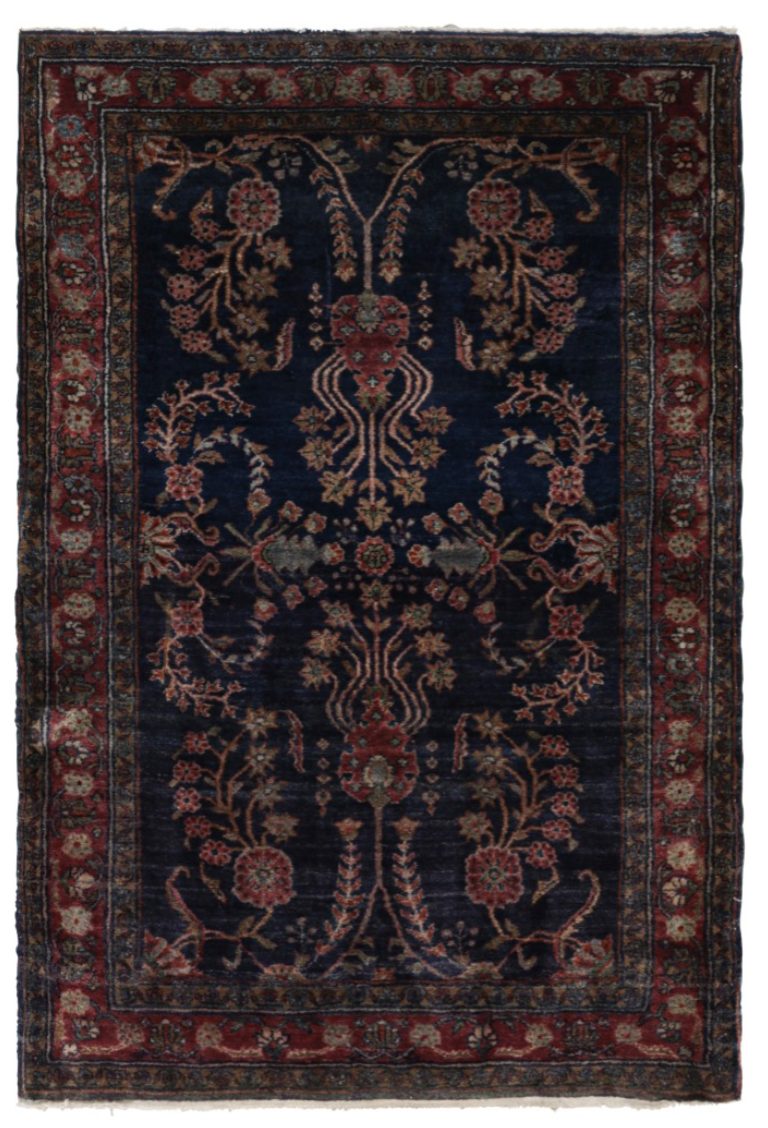
Persian Carpet as Cultural Artifacts
The Persian carpet’s record price reflects more than historical significance; it demonstrates continuing relevance to contemporary aesthetics. Fashion designers from Alexander McQueen to Dries Van Noten have drawn inspiration from Persian carpet patterns. Architects and interior designers reference their proportional systems and color harmonies.
What makes these carpets eternally contemporary is their perfect balance between order and organic expression. They solved problems of design that continue to challenge artists today—how to create unified fields that reward both immediate impression and prolonged contemplation.
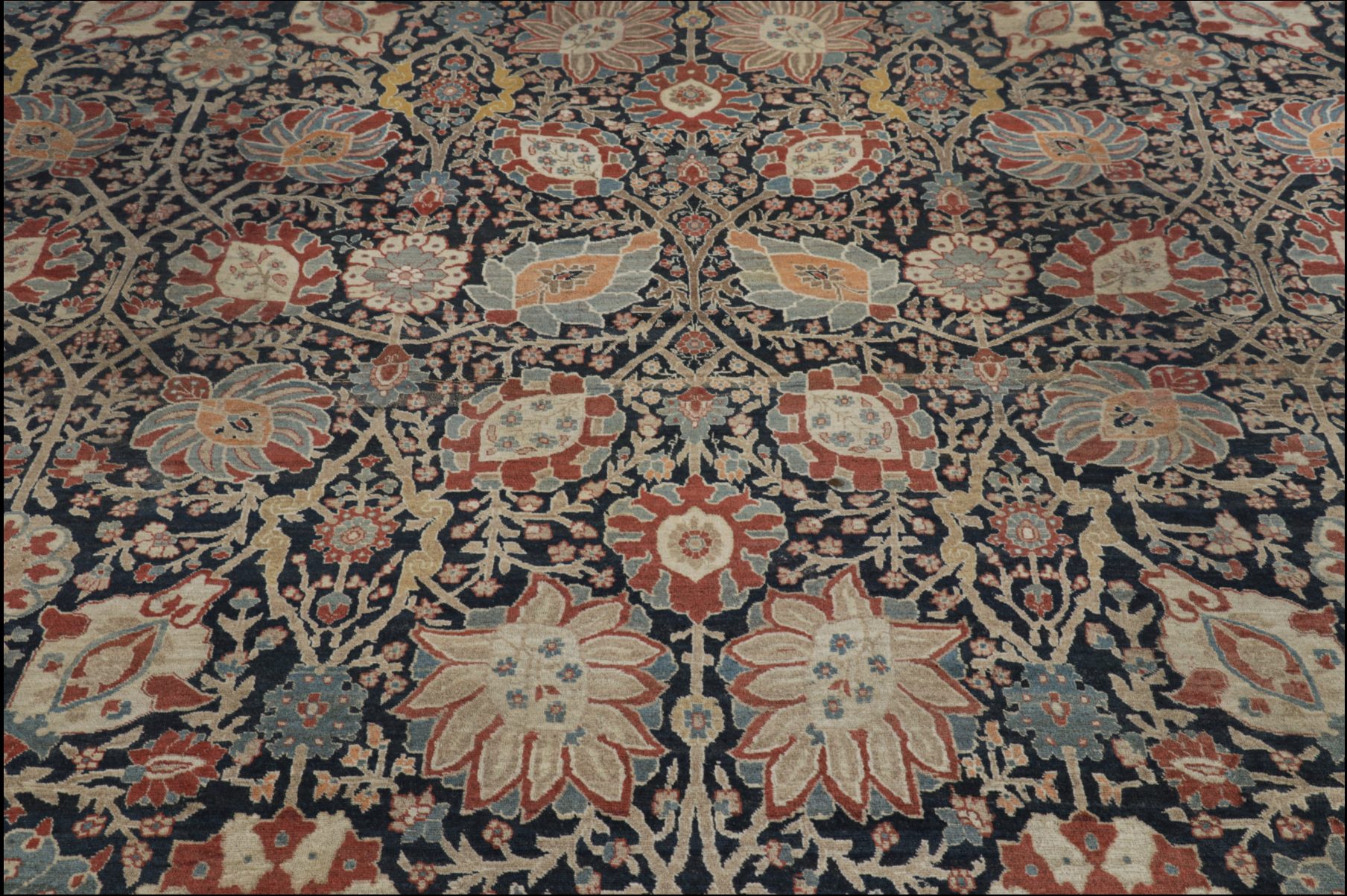
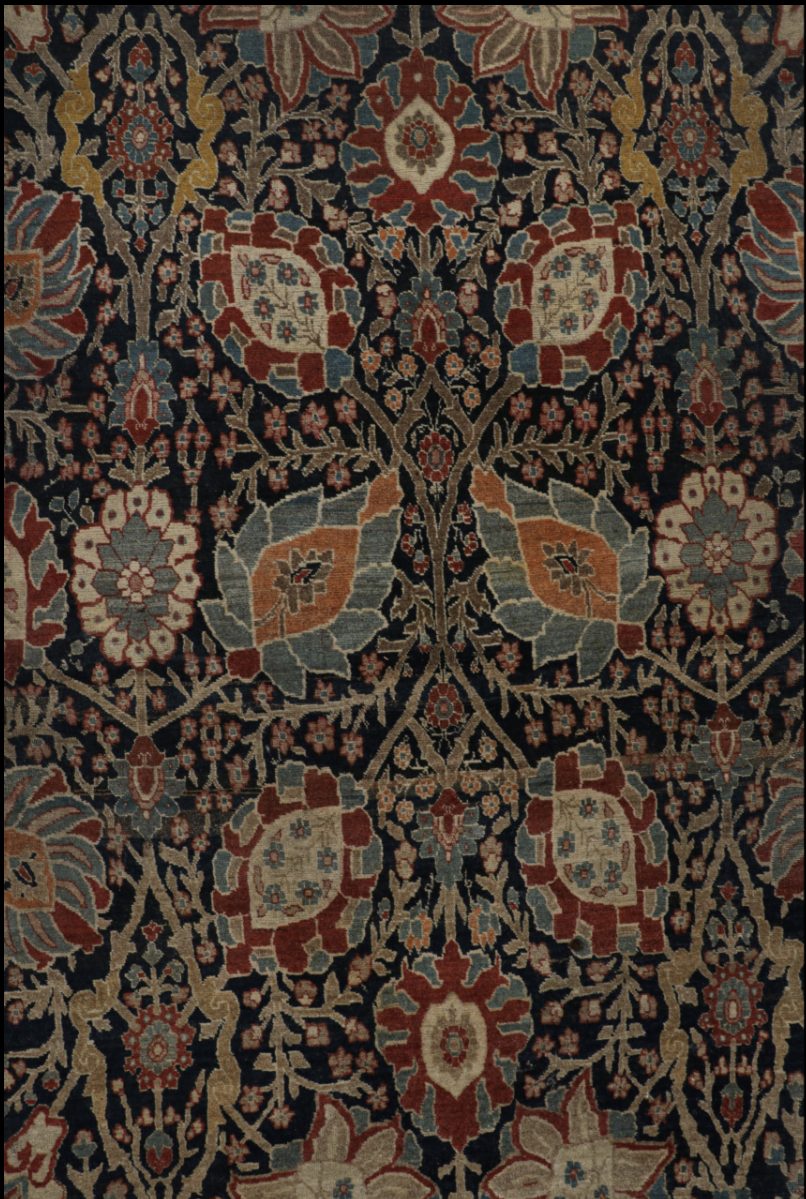
More Than Just a Rug, A Piece of History
Why would anyone pay millions for a carpet?
The answer lies not in function but in recognition of human achievement at its highest level. Persian carpets represent perfect convergence of material mastery, artistic vision, historical significance, and cultural exchange.
As markets increasingly distinguish between the merely luxurious and the truly exceptional, objects like the Rothschild Polonaise occupy a category of their own—artifacts whose value transcends conventional metrics.
In the end, we don’t collect objects; we collect moments of human excellence.
The price represents acknowledgment that certain creations deserve preservation regardless of cost—they belong not just to their owners but to humanity’s cultural heritage. It serves as a reminder that some of the most extraordinary works of art are not just paintings or sculptures but the very textiles we walk upon.
As this extraordinary carpet passes to new stewardship, it carries forward a conversation between civilizations that has continued for four centuries and shows no sign of ending. In an age obsessed with the new, such enduring objects remind us that true innovation often involves recognizing the timeless when we see it.