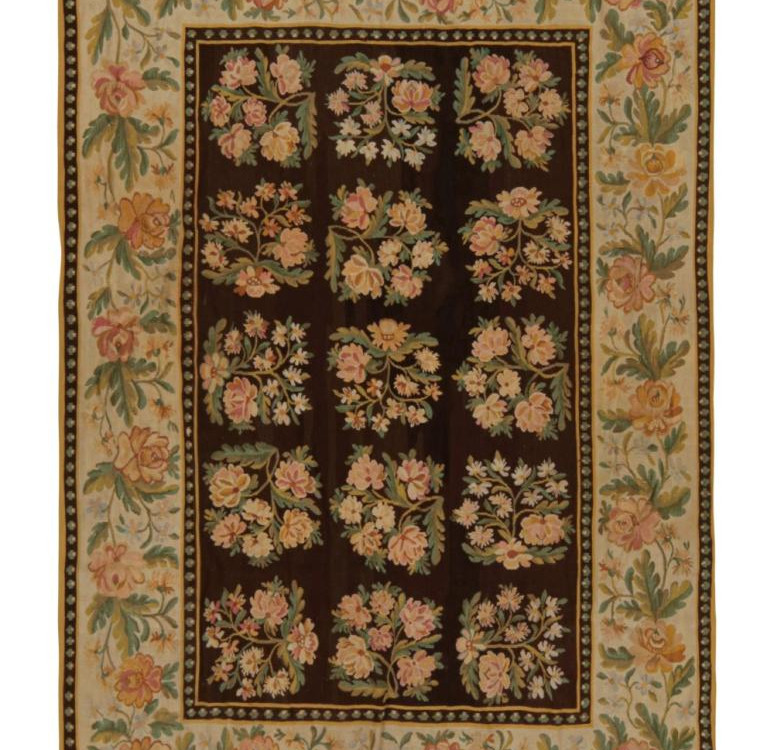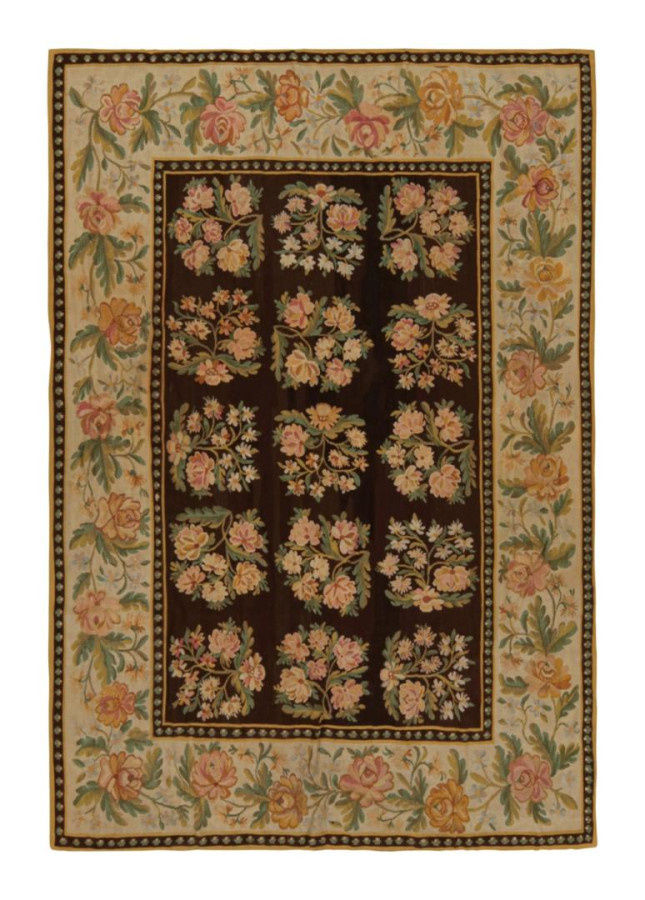

A Guide to Needlepoint Rugs: Aristocratic Art of European Textiles
February 17, 2025
Modern Abstract Rugs: The Future of Design?
February 26, 2025
In collecting rugs and kilims, we encounter not just objects, but vessels of generational memory, where each design reveals itself as a complex cultural manuscript.
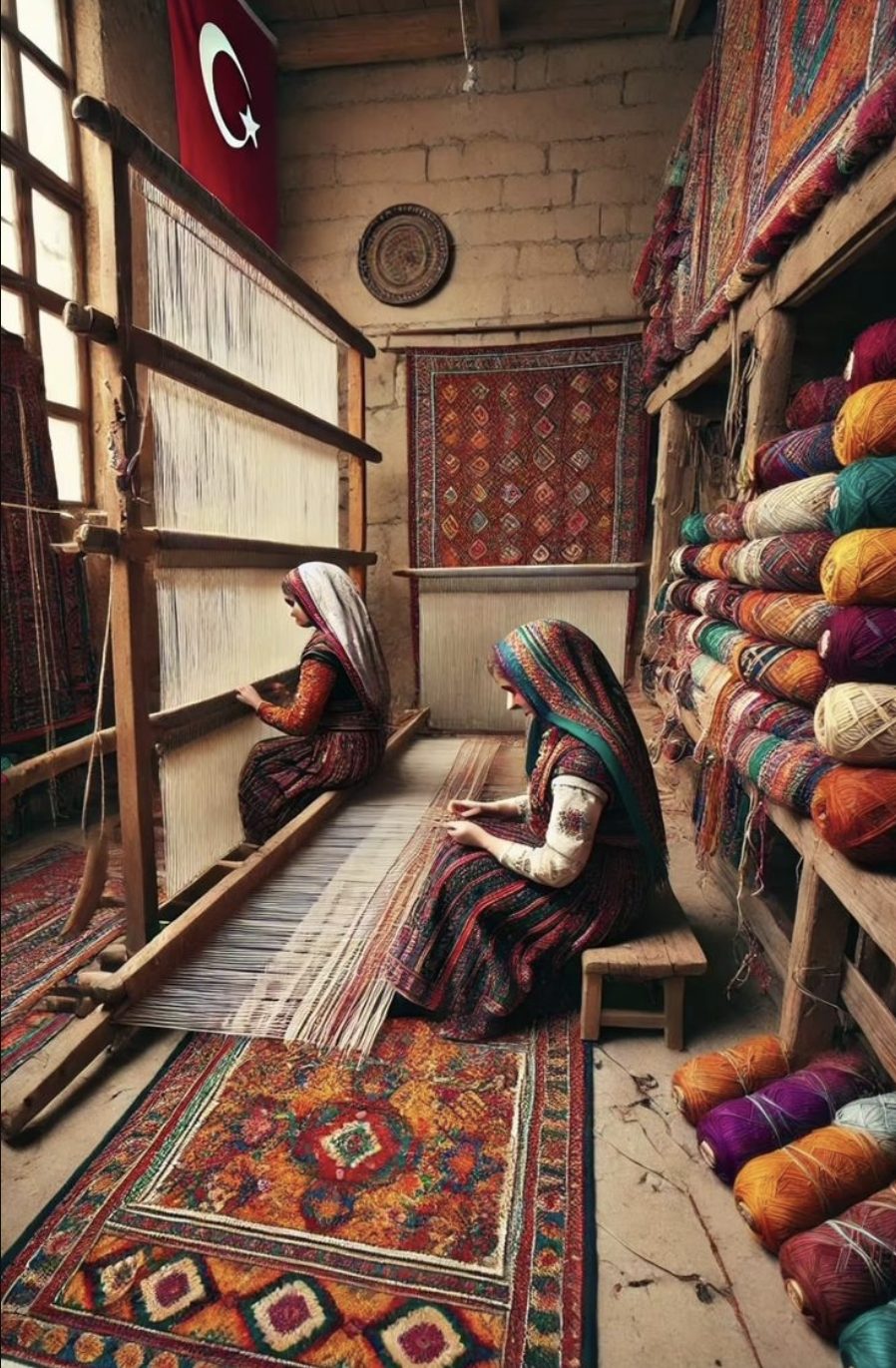
What emerges from this study of traditional rug-making is not merely a catalog of styles or techniques, but rather an atlas of human cultural memory.
These textiles – whether prayer rugs from Anatolia, dowry pieces from Isfahan, or war rugs from Afghanistan – serve as sophisticated vehicles for cultural transmission, preserving what might otherwise be lost to time.
Afghan War Rugs and Tribal Kilims
The Afghan war rugs present the most profound example of textile resistance in modern history.
Their intricate narratives, woven during periods of intense conflict, demonstrate that carpet weaving serves as an unwritten language of cultural preservation.
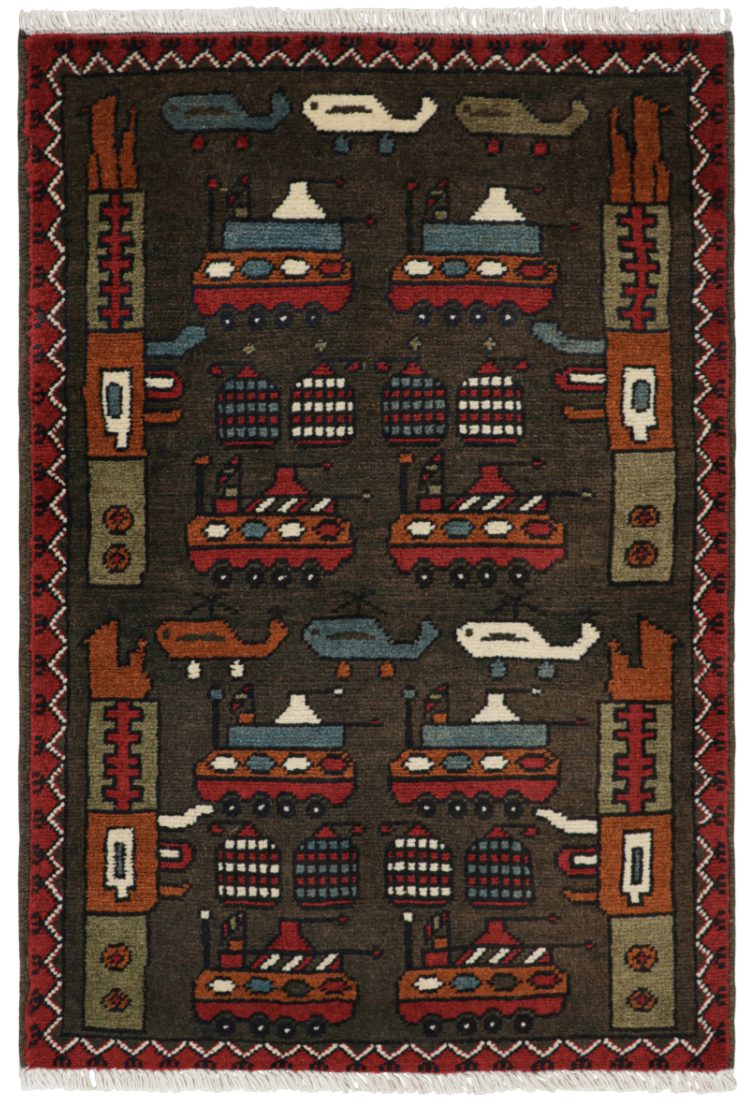
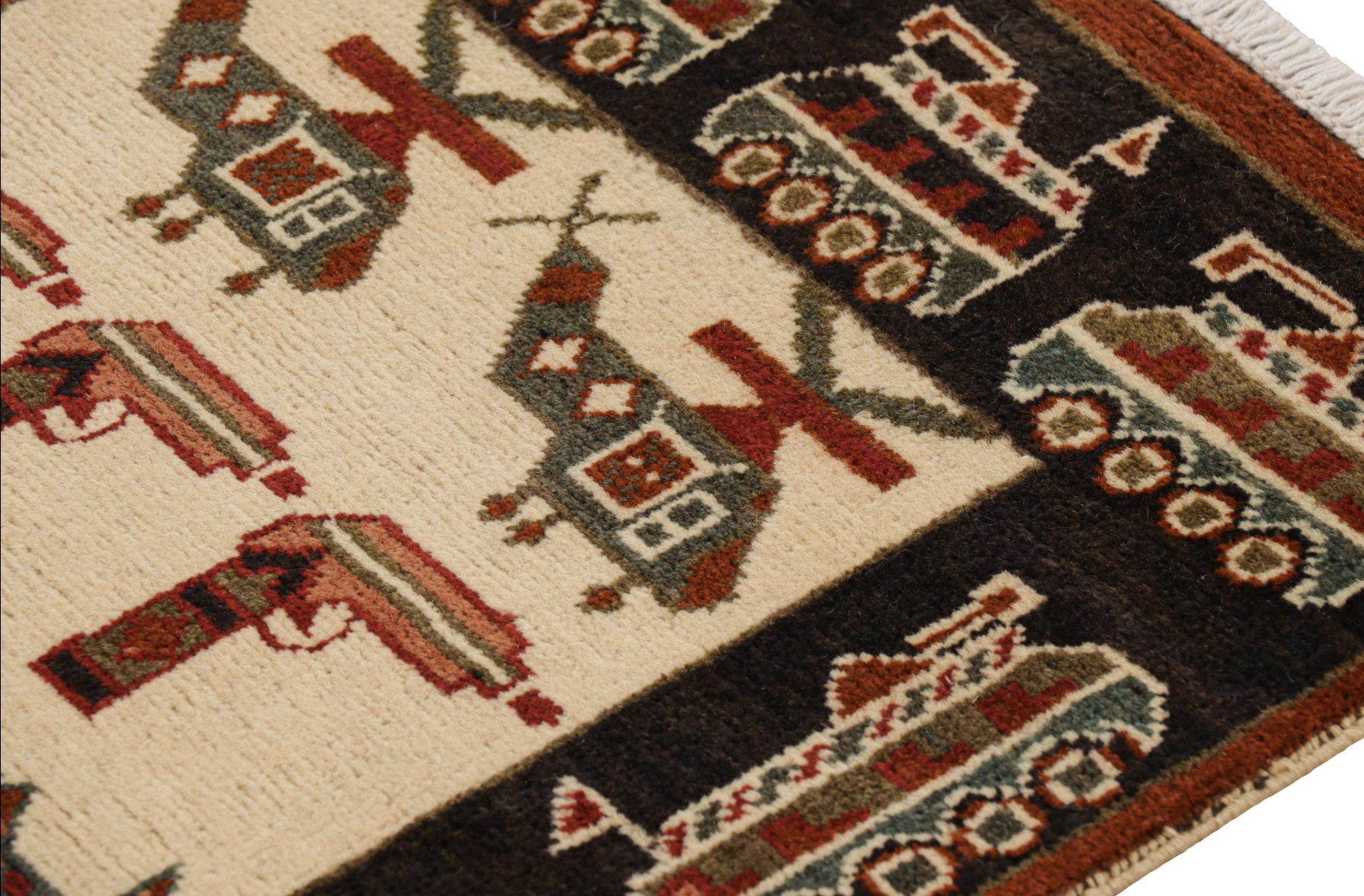
War rugs emerged during Soviet occupation, incorporating weapons and military vehicles into traditional patterns. Women’s weaving circles maintain oral histories through shared songs and stories during creation. Each tribal group (Turkmen, Baluch, Hazara) maintains distinct pattern languages and color preferences.
The intentional asymmetry in tribal rugs isn’t imperfection – it’s punctuation in a textile grammar.
These ‘deliberate mistakes,’ as we call them, often mark deeply personal narratives within collective tradition.
Moroccan Berber Rugs
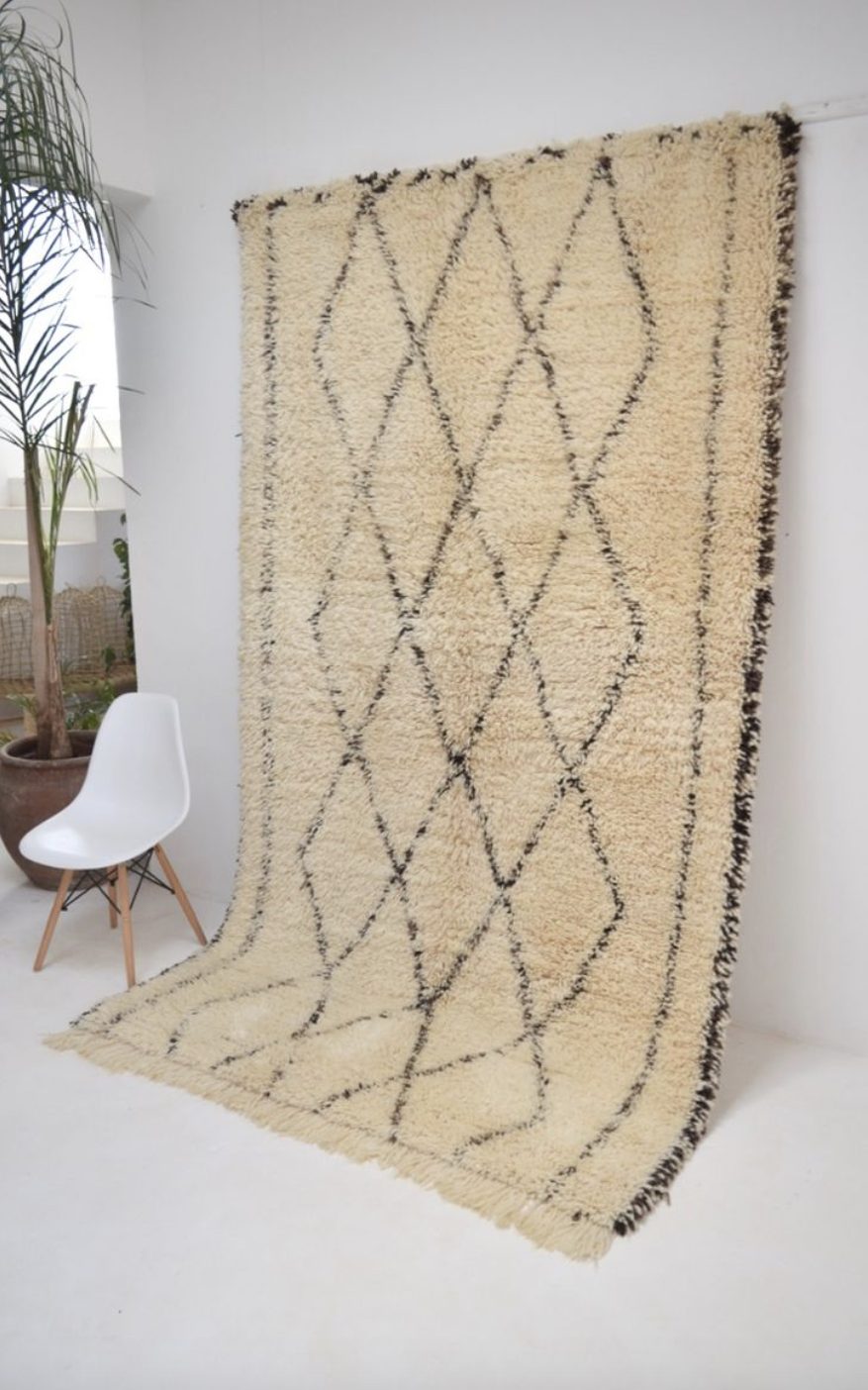
In Morocco’s Middle Atlas, Each knot carries the weight of tribal ancestors’ dreams. The Berber weaving traditions reveal poetry written in wool. There is a growing recognition of these pieces as historical documents.
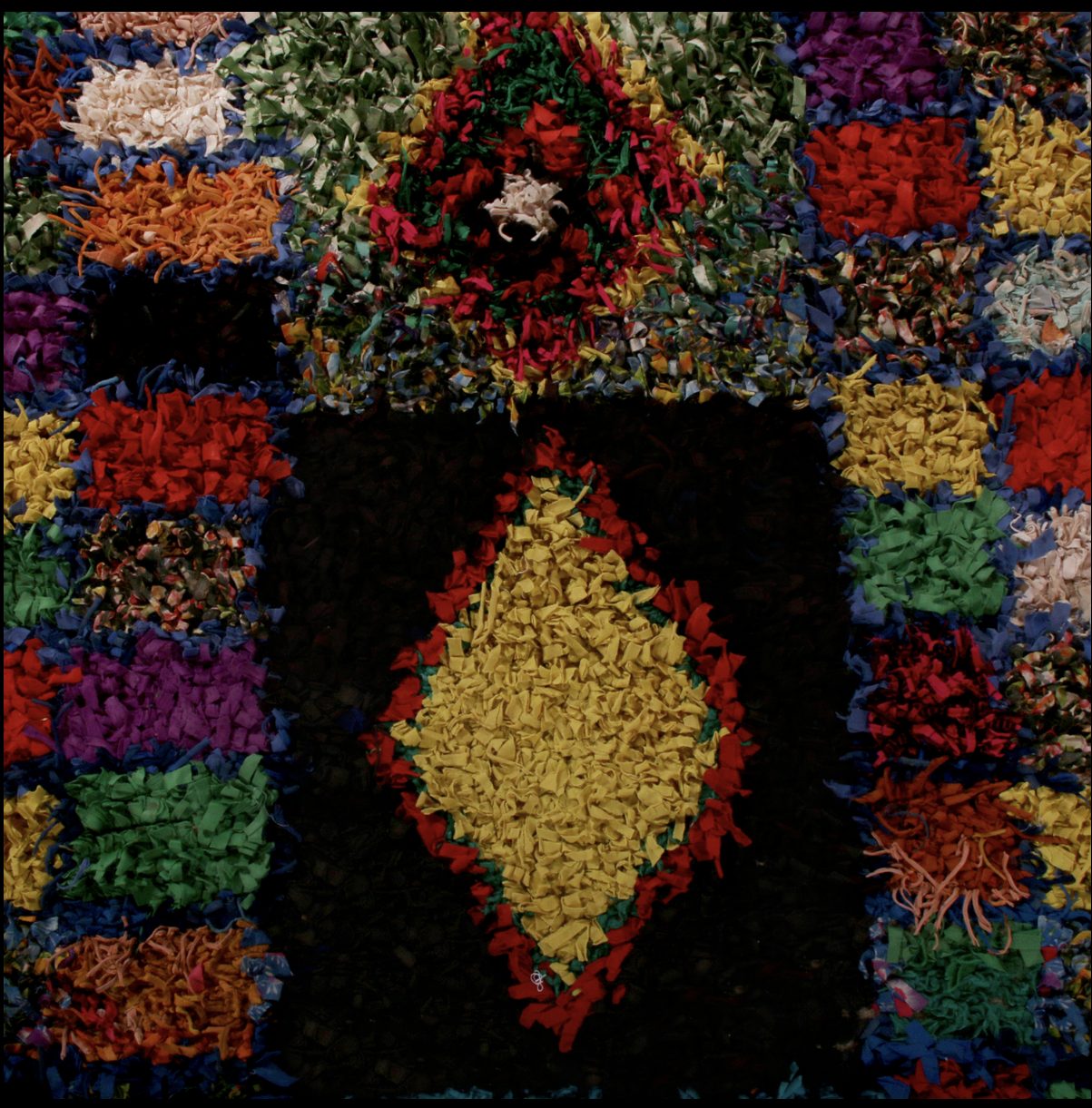
Marriage rugs feature fertility symbols and protective talismans. Abstract diamond patterns often represent feminine energy, while zigzag lines may indicate paths of nomadic movement or river flows.
Modern Beni Ourain pieces maintain remarkable connection to these ancestral designs.
Persian Dowry Rugs
Persian dowry rugs represent the highest form of textile storytelling
These pieces function as physical manifestations of intergenerational knowledge transfer. Every motif is a lesson, every pattern a story.
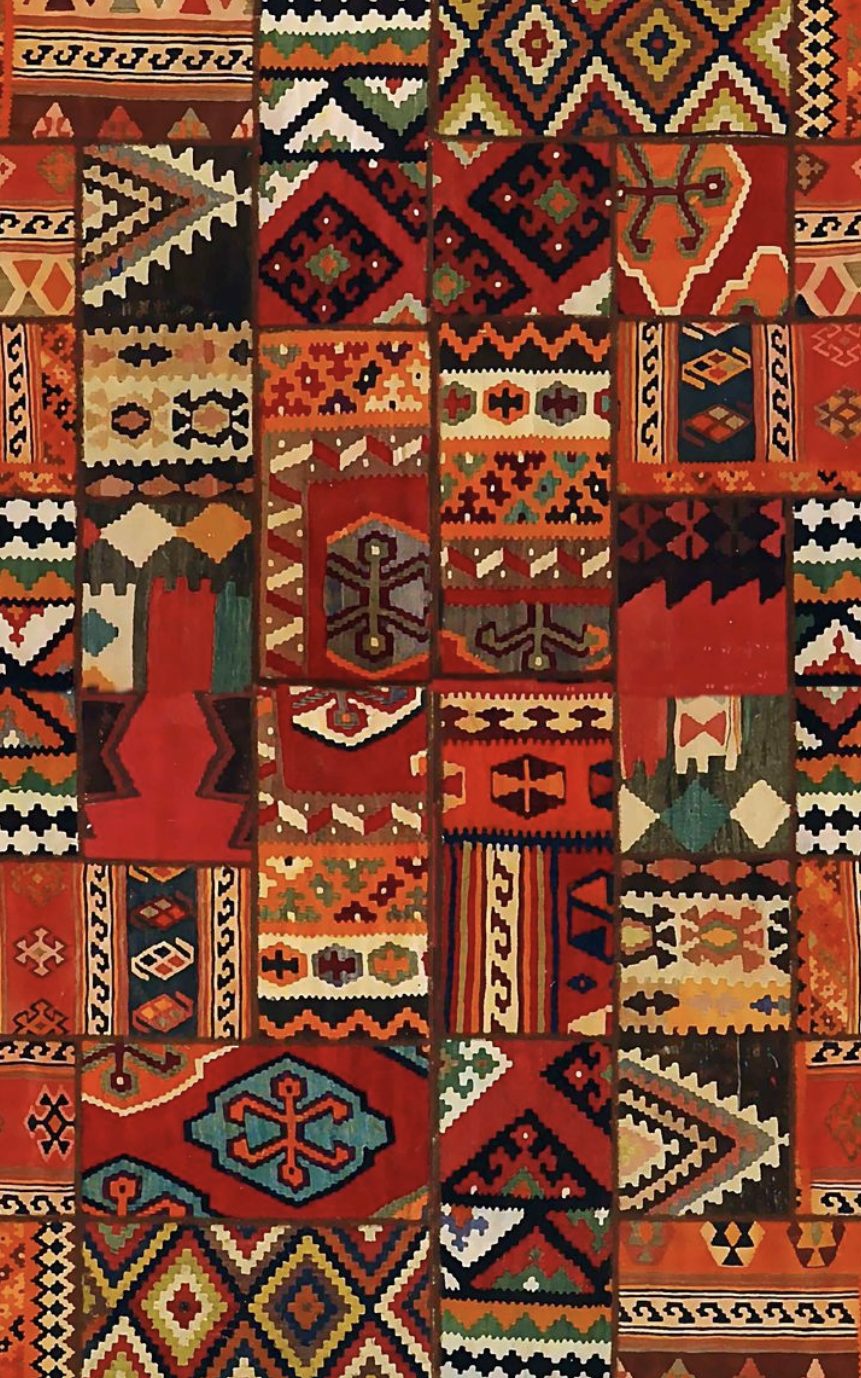
Created as part of marriage preparations throughout Persian and Turkish cultures. Young women work alongside female relatives, learning cultural knowledge through pattern creation.
Specific motifs convey blessings, protection, and fertility wishes. These pieces often incorporate family-specific patterns passed through generations.
Turkish Prayer Rugs and Kilims
The Turkish prayer rug tradition demonstrates the sublime intersection of devotion and cultural memory.
Prayer rugs represent an extraordinary fusion of religious function and regional artistry. These pieces incorporate directional designs (mihrab) pointing toward Mecca, transforming carpets into portable sacred spaces.
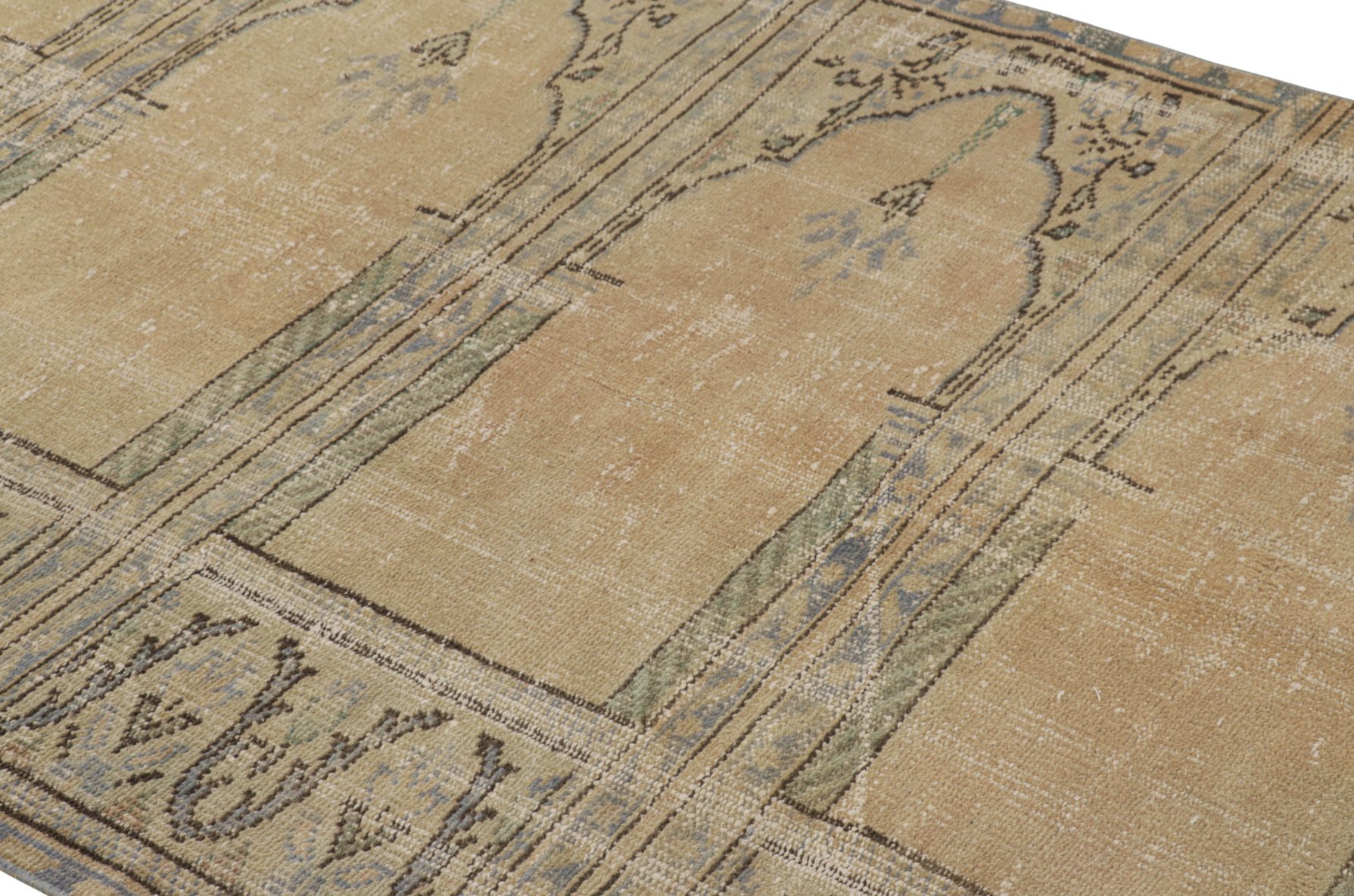
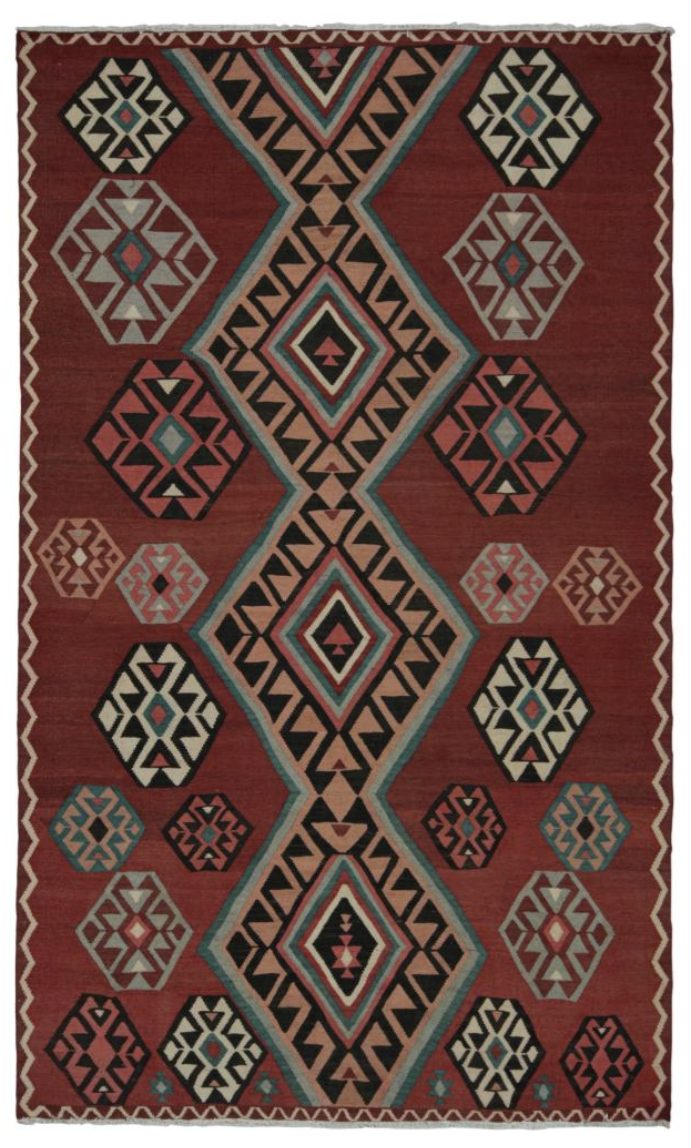
Beyond religious symbolism, regional variations demonstrate distinct cultural interpretations – Anatolian examples often incorporate pre-Islamic protective symbols, while Persian pieces might feature elaborate floral borders representing paradise gardens.
Each tribal rug and kilim group maintains distinct pattern languages reflecting migration histories and cultural beliefs. Yörük nomadic rugs feature highly geometric designs with significant empty space, while settled communities often create more elaborate patterns. Colors and motifs often indicate specific tribal affiliations and geographic origins.
Workshop traditions maintained through generations created unique “house styles.”
Patterns often incorporate local folklore despite their courtly origins. Color choices reflect both available natural dyes and regional preferences.
Village Rugs and Kilims
Distinguished from both tribal and urban workshop productions, village rugs represent unique hybrid traditions. These pieces often combine formal patterns from urban centers with local interpretive elements.
Each village might maintain specific pattern variations passed through generations of weavers.
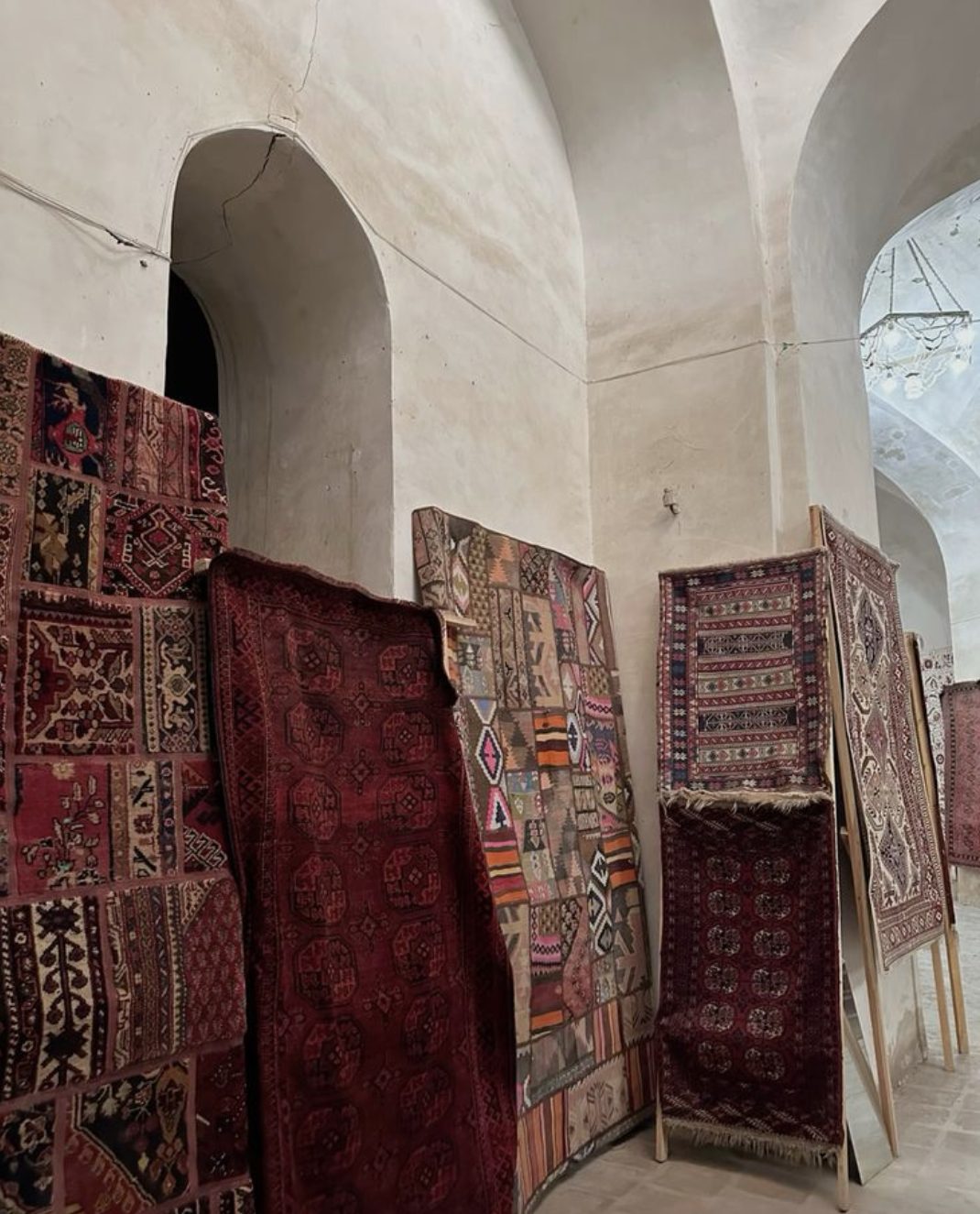
For collectors, understanding these pieces requires an “archaeological vision” – the ability to read cultural layers within technical execution.
As we witness rapid global change, these rugs and kilims assume even greater significance.
Each authenticated tribal or village rug, represents not just a decorative object, but a living document of cultural resilience.
The market’s growing recognition of this depth – evidenced by recent record-breaking sales at major auction houses – reflects a broader understanding of these textiles as repositories of intangible cultural heritage.