
A Guide to Folklore and Cultural Memory in Rugs and Kilims
February 21, 2025
German Tetex Rugs: The Complete Collector’s Guide
February 28, 2025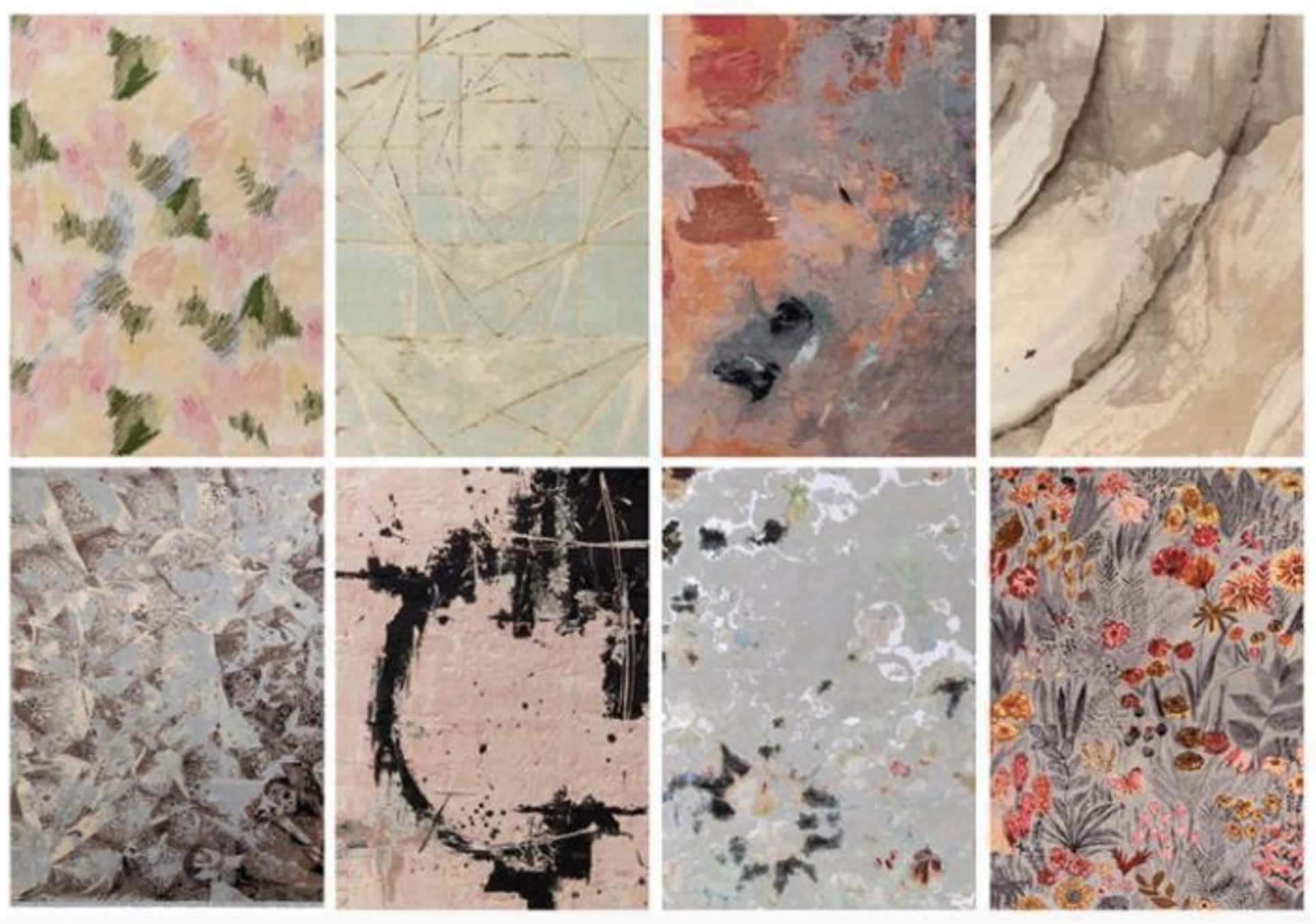
Modern Abstract Rugs are becoming the New Neutrals.
The power of negative space in modern rug design presents the ultimate luxury – the courage to leave space unfilled.
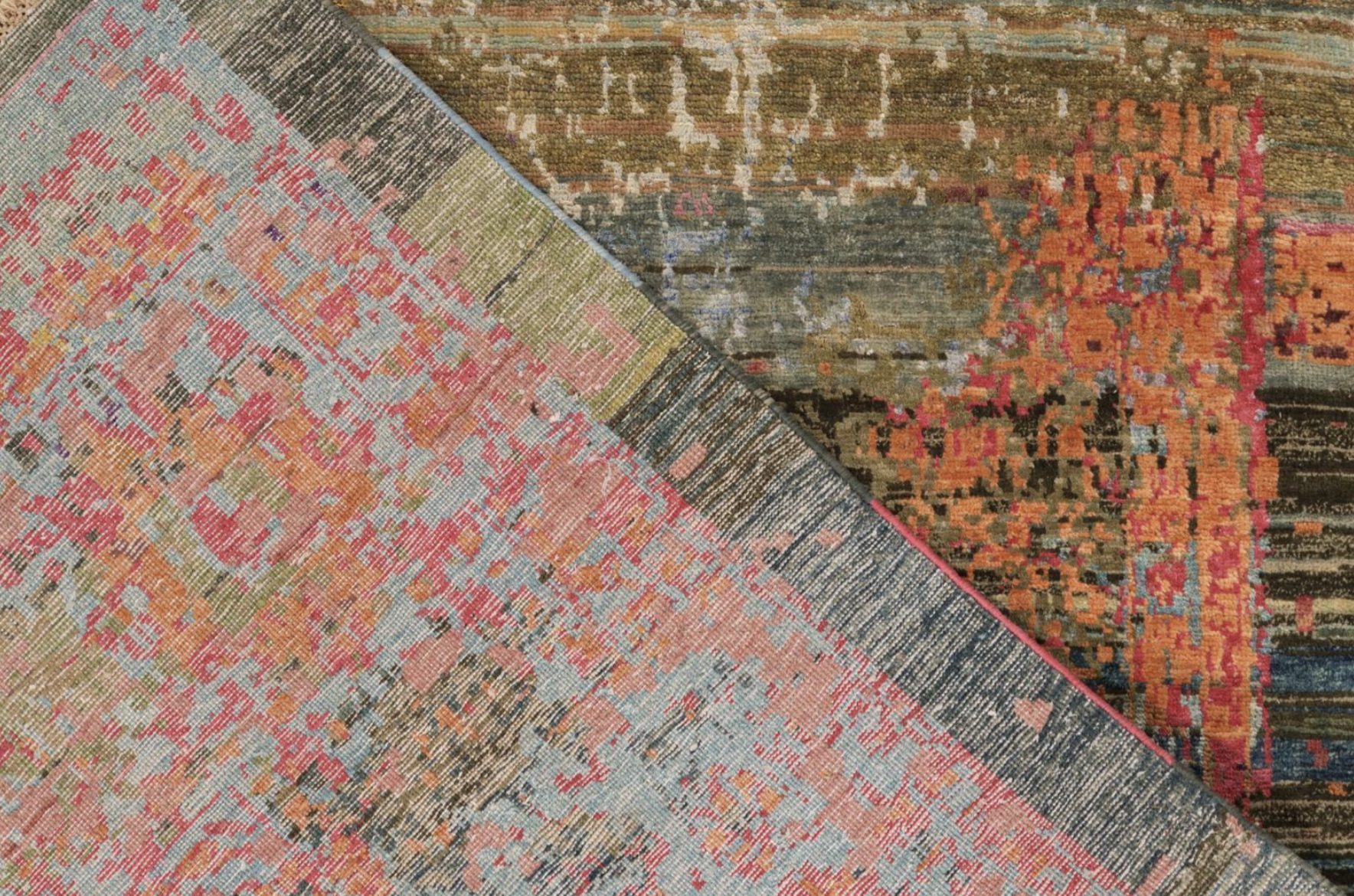
The evolution of abstract rugs in contemporary spaces represents a fundamental shift in how textiles function within modern interiors.
These pieces have transcended their traditional role as mere floor coverings to become architectural elements that define and divide space through strategic use of pattern, void, and chromatic tension.
Contemporary abstract rugs operate on multiple spatial levels. At their most basic, they serve as foundational pieces that ground furniture arrangements.
More sophisticatedly, they function as architectural tools, creating invisible boundaries and defining circulation patterns through careful manipulation of geometric forms.
The most successful pieces use pattern interruption and chromatic discord to activate otherwise static environments.
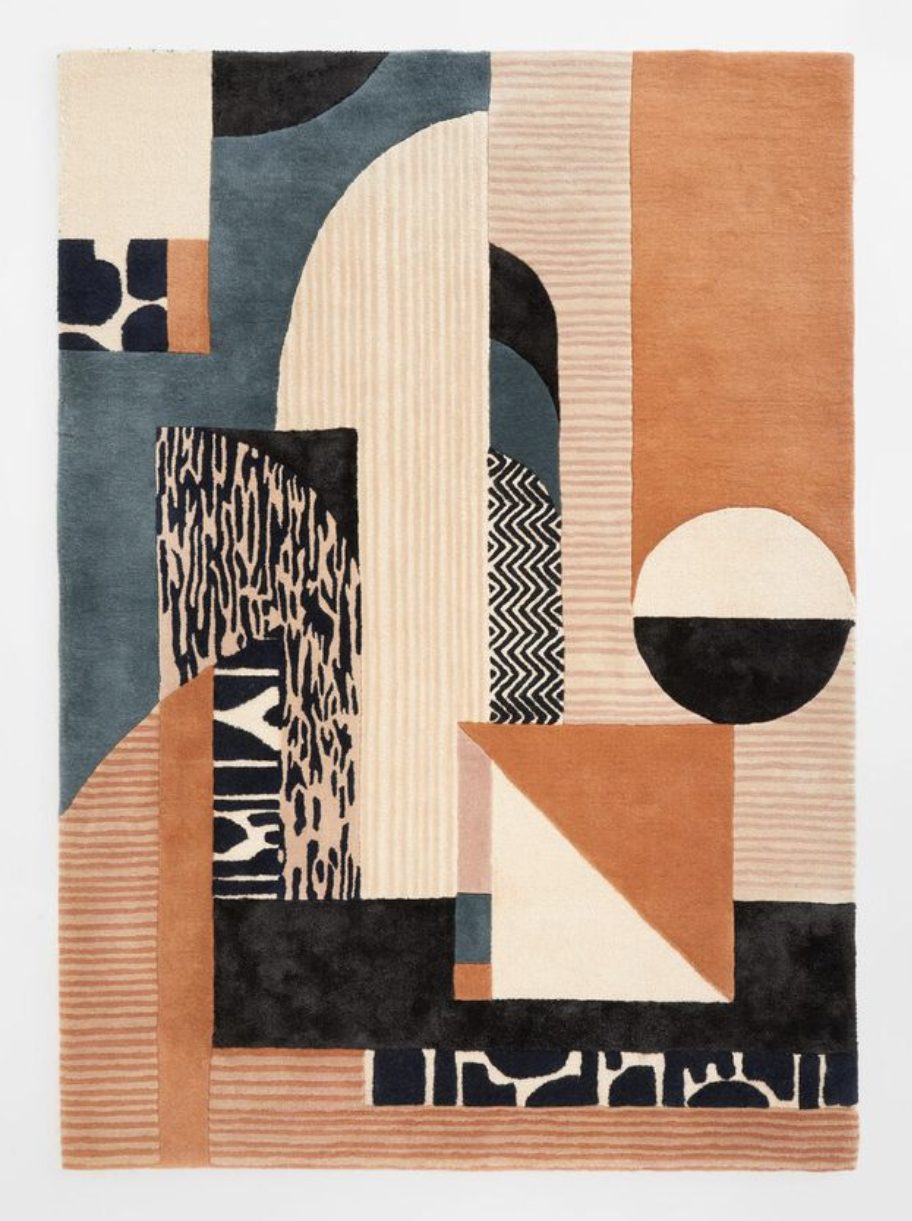
Distinctive Characteristics of Modern Rugs
The power of negative space emerges as a crucial element in modern rug design. Strategic use of void areas creates dynamic tension within ordered spaces, particularly in minimal interiors where every design element must justify its presence.
The market reflects this evolution in function and form.
Auction results demonstrate growing appreciation for pieces that successfully bridge the gap between art and design.
Contemporary abstract rugs that show sophisticated use of negative space and geometric abstraction consistently achieve premium prices.
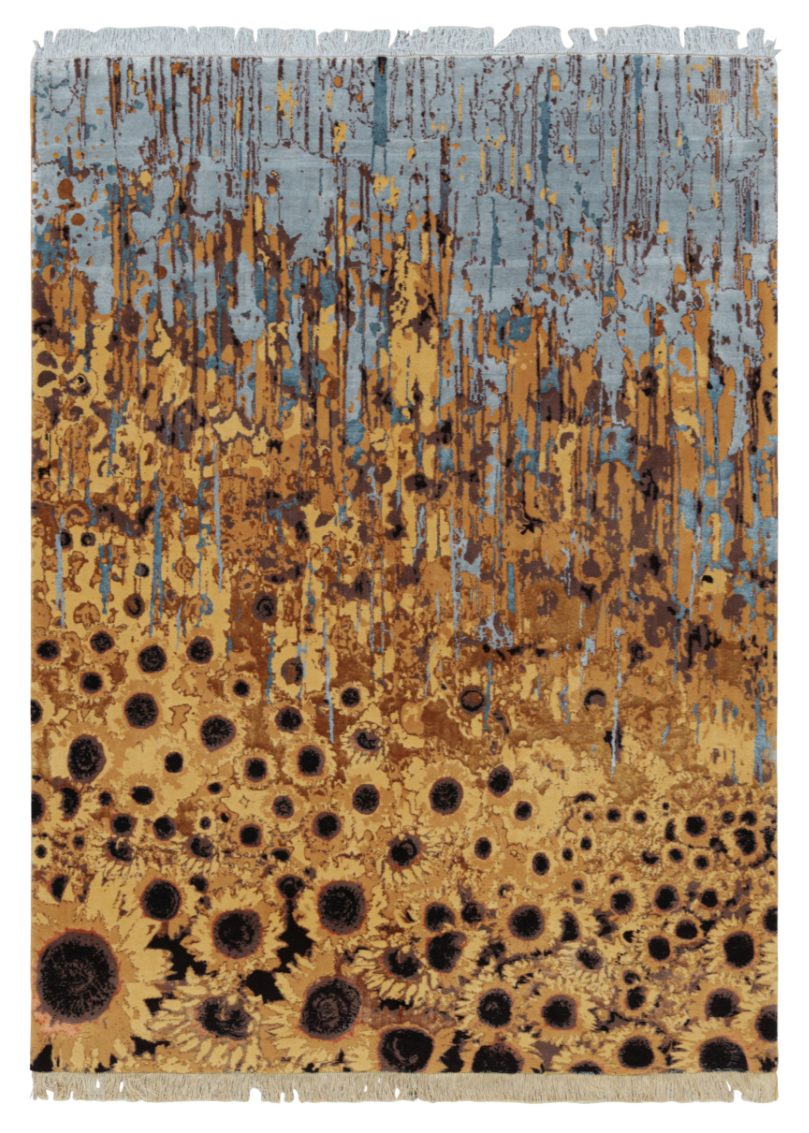
Color theory in modern rug design has moved beyond traditional harmonies toward intentional discord. Contemporary pieces often employ unexpected color combinations to energize spaces, creating chromatic tension that activates entire rooms.
This approach represents a departure from historical precedent, where rugs typically worked to harmonize rather than challenge their environments.
Contemporary Design and Market Trends
The most successful contemporary pieces work in concert with architecture, enhancing spatial perception through strategic pattern placement.
This represents the future of modern rug design – pieces that engage actively with their environment rather than simply occupying floor space.
The intentional disruption of traditional geometric patterns creates dynamic tension within otherwise ordered spaces.
What emerges is a new paradigm in rug design and placement – one where abstraction and minimalism create designed emptiness. These pieces represent not just a market trend but a fundamental shift in how we conceive the relationship between textiles and space in contemporary design.
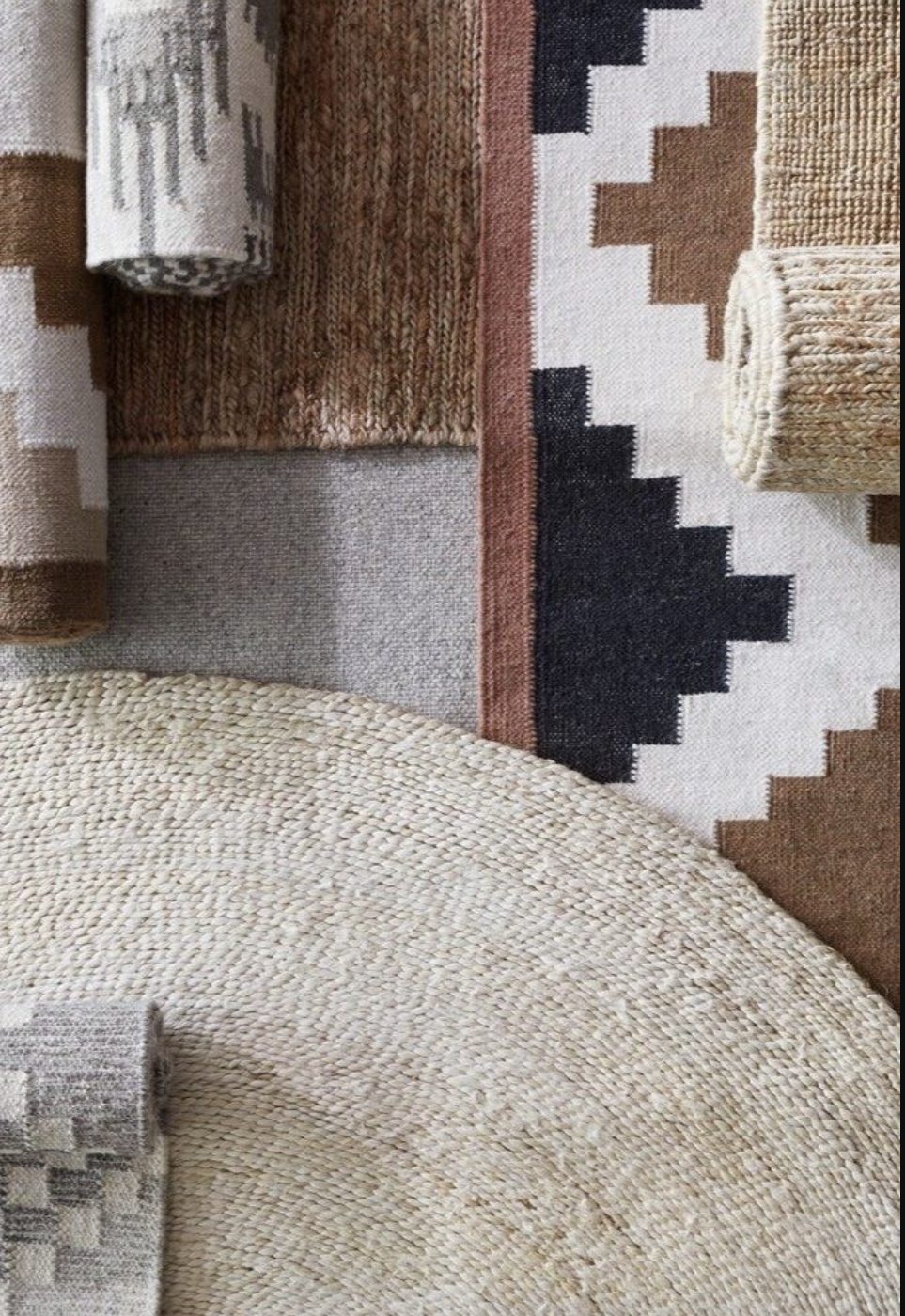
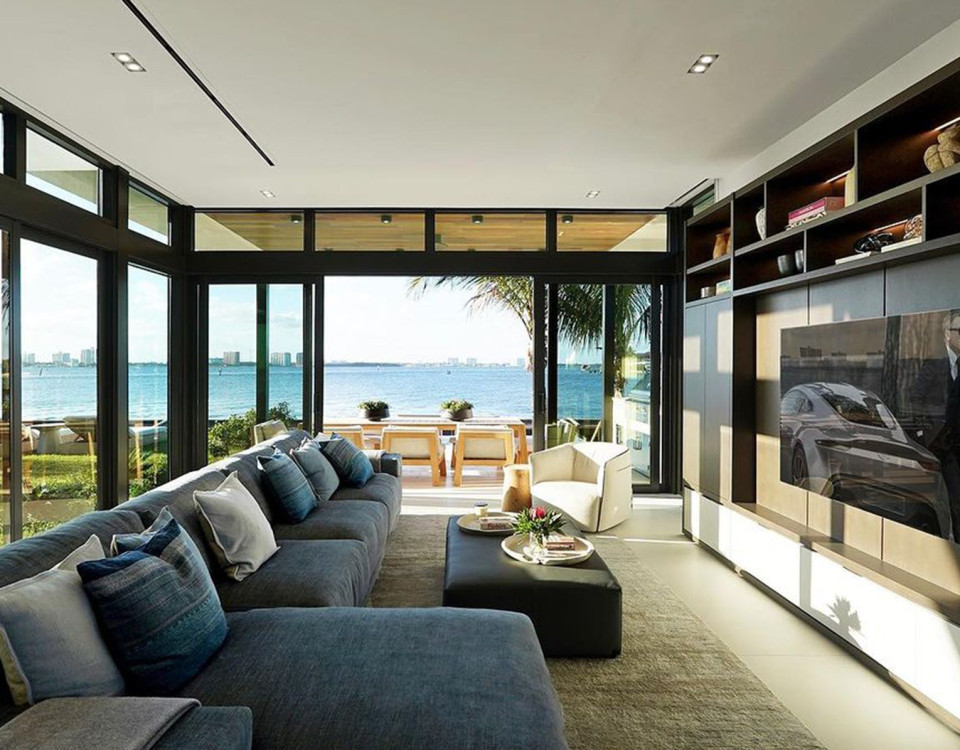
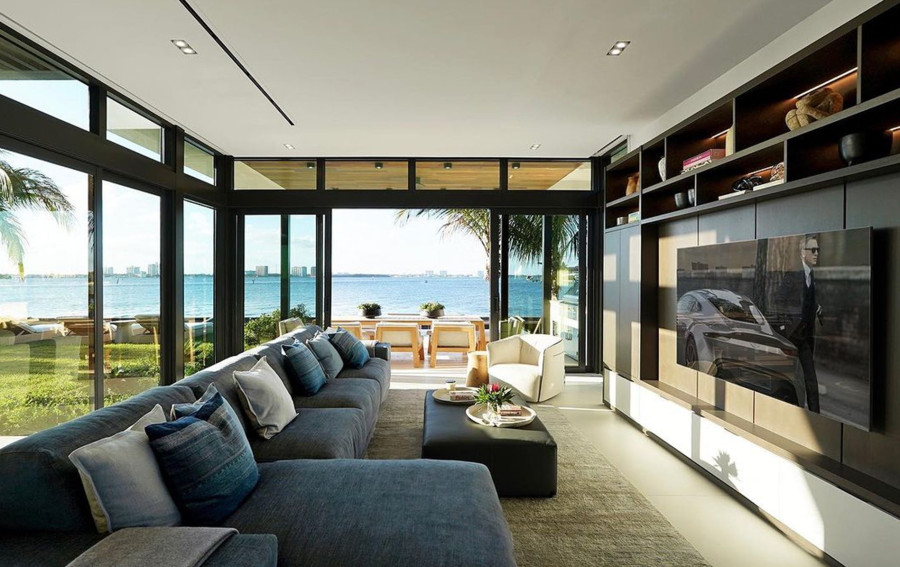
In open-plan spaces, abstract rugs serve as subtle space definers. When positioned beneath seating arrangements, asymmetrical patterns can extend beyond furniture boundaries, creating dynamic tension that activates the entire space.
The traditional rules of rug placement – where all furniture legs must rest on the carpet – become fluid when working with abstract designs.
Oversized abstract rugs that extend wall to wall can unify disparate elements within a space, while smaller pieces create focused areas of visual interest.
In minimalist environments, abstract rugs often function as primary artistic elements. Their placement should acknowledge sight lines from multiple viewpoints, treating the floor as a curated gallery space.
This approach requires consideration of how patterns read from different angles and distances.
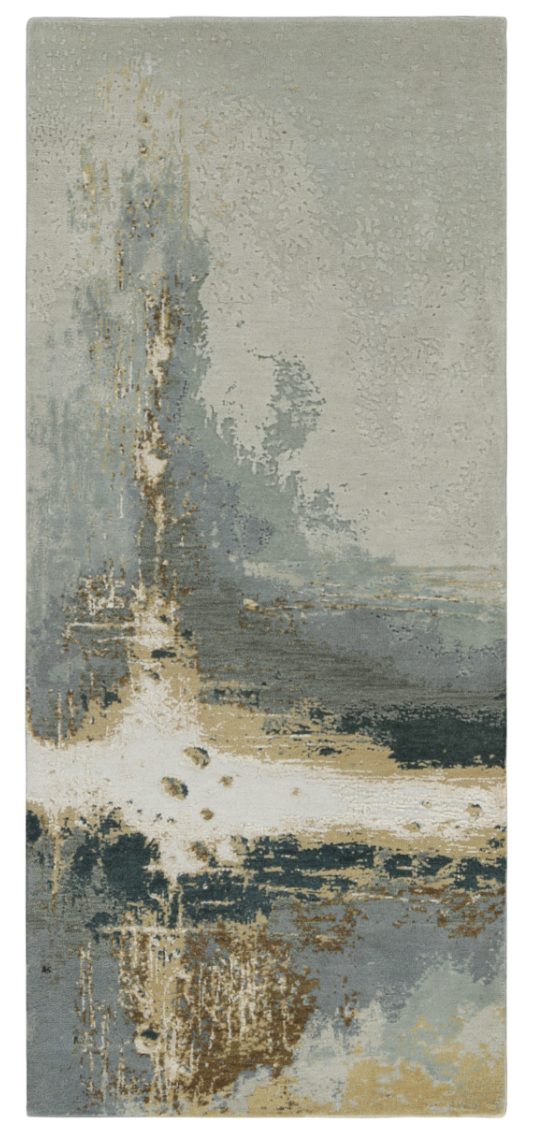
Modern interior architecture often features material transitions between spaces. Abstract rugs can bridge these transitions, using pattern and texture to create coherent pathways through different flooring materials.
This technique proves particularly effective in contemporary homes where interior boundaries are increasingly fluid.
The evolution of modern rug design increasingly reflects broader art movements toward sustainability and biophilic design.
Contemporary pieces now function not merely as aesthetic elements but as integral components of holistic interior environments.
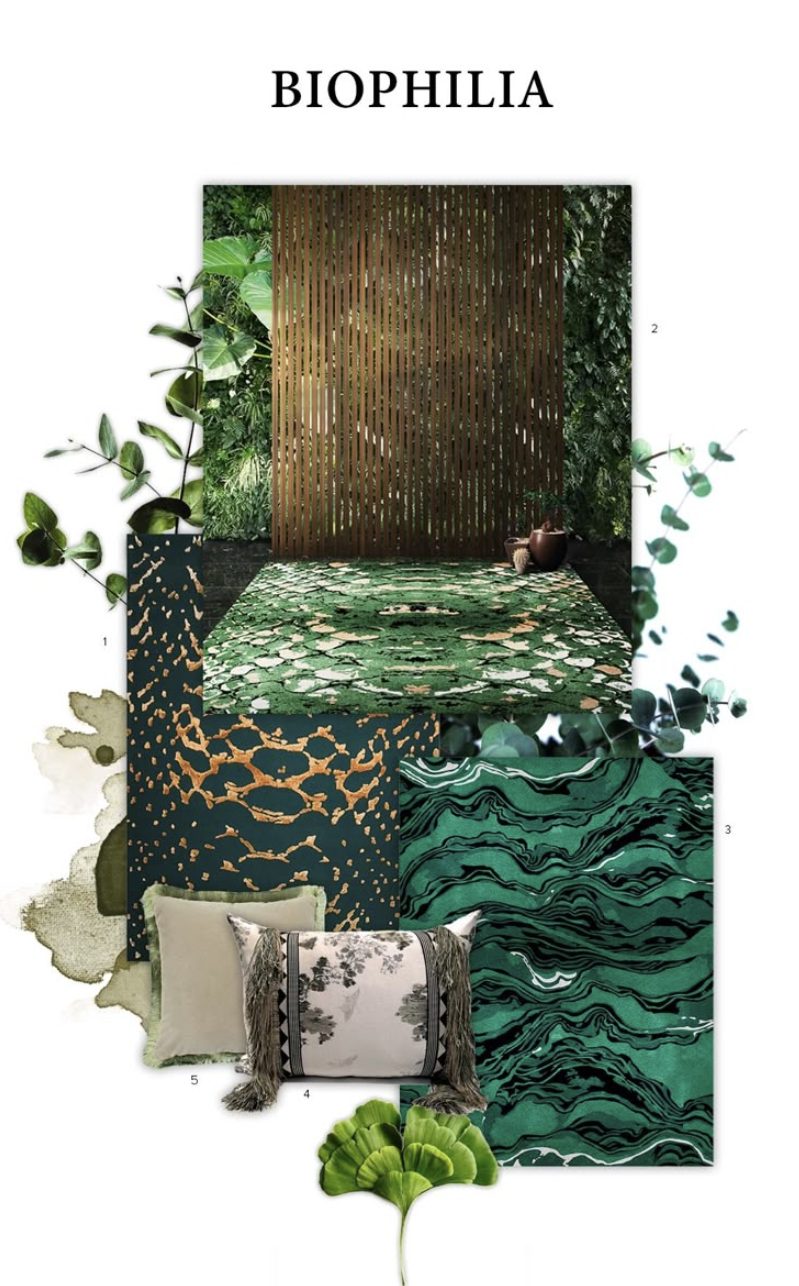
Biophilic Design
Modern abstract rugs increasingly draw inspiration from natural patterns and textures. Organic geometries echo natural formations. These pieces contribute to what environmental psychologists identify as crucial biophilic elements in interior spaces.
Sustainability and Modern Rugs
Contemporary production demonstrates remarkable advancement in sustainable practices. Recycled fibers, once considered inferior, now achieve unprecedented sophistication in texture and durability. Natural dying processes, revived from historical techniques, create complex color variations that synthetic processes cannot replicate.
These innovations extend beyond mere material choices to encompass entire production cycles.
The movement toward flexible, multi-functional spaces demands new approaches to rug design. Contemporary pieces often feature reversible patterns or modular components that can be reconfigured as spatial needs change.
This adaptability reflects broader architectural trends toward responsive environments.
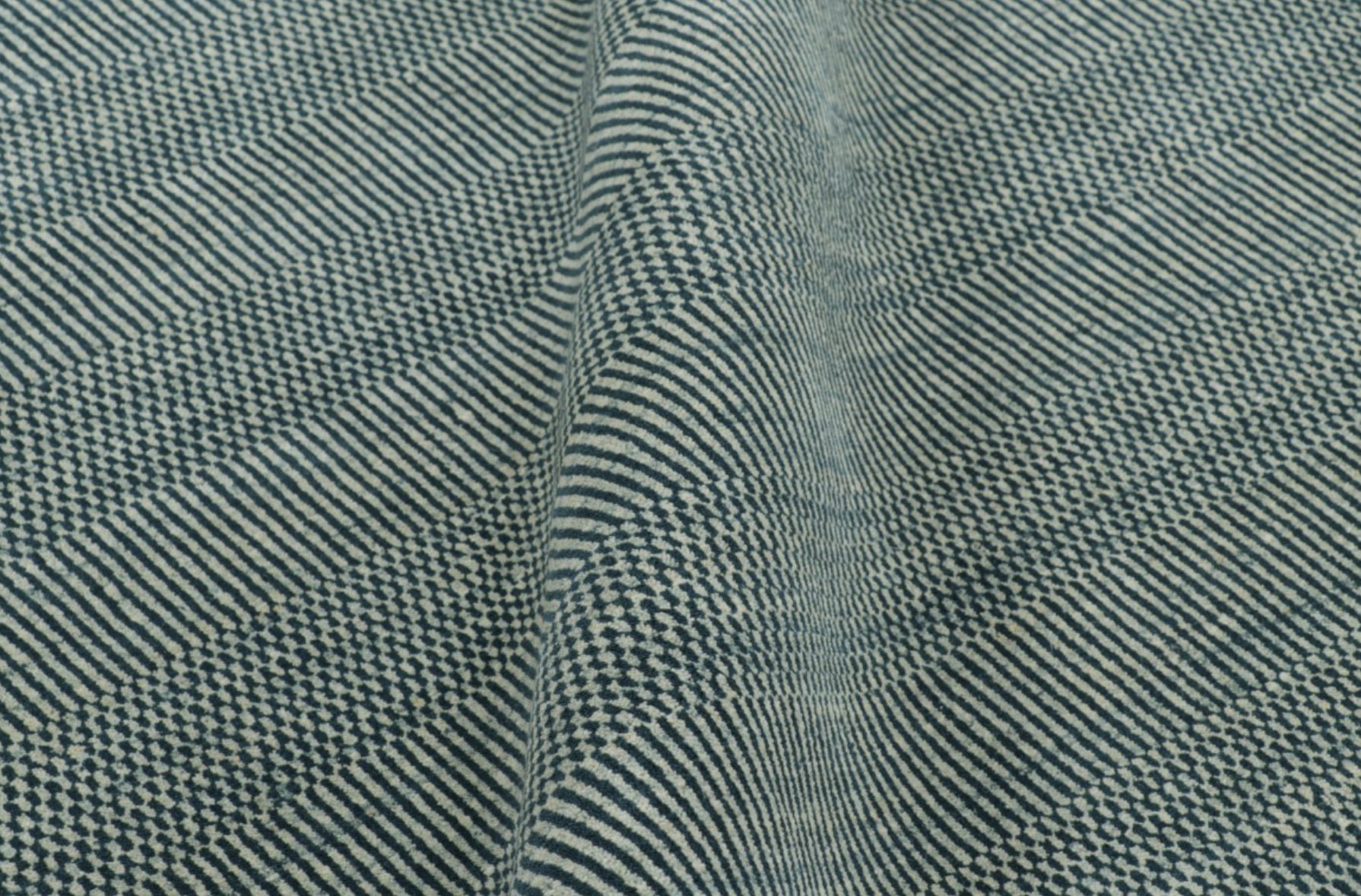
Wellbeing-Centric Interior Lifestyle
Recent developments in rug design acknowledge growing emphasis on interior environmental quality. Non-toxic materials and production methods now rank equally with aesthetic considerations. Some contemporary pieces incorporate antimicrobial properties through innovative fiber treatments, while others feature texture variations that provide subtle tactile stimulation – a principle drawn from neuroscience-informed design.
Modern rugs increasingly function as integral elements of holistic interior environments, contributing to both aesthetic and functional aspects of contemporary space.
New Styling Paradigms
In a scale of 9×12, modern abstract rugs demonstrate remarkable versatility in contemporary living spaces. This format allows complete seating arrangements while maintaining crucial negative space at perimeters – a balance essential in modern interiors where spatial flow takes precedence over traditional room delineation.
Pattern scale at this dimension demands particular attention; successful pieces maintain visual interest across their entire surface while creating subtle directional cues that guide movement through space.
Contemporary styling increasingly treats rugs as vertical elements rather than purely horizontal surfaces.
Abstract pieces mounted on walls create dialogue with floor-bound counterparts.
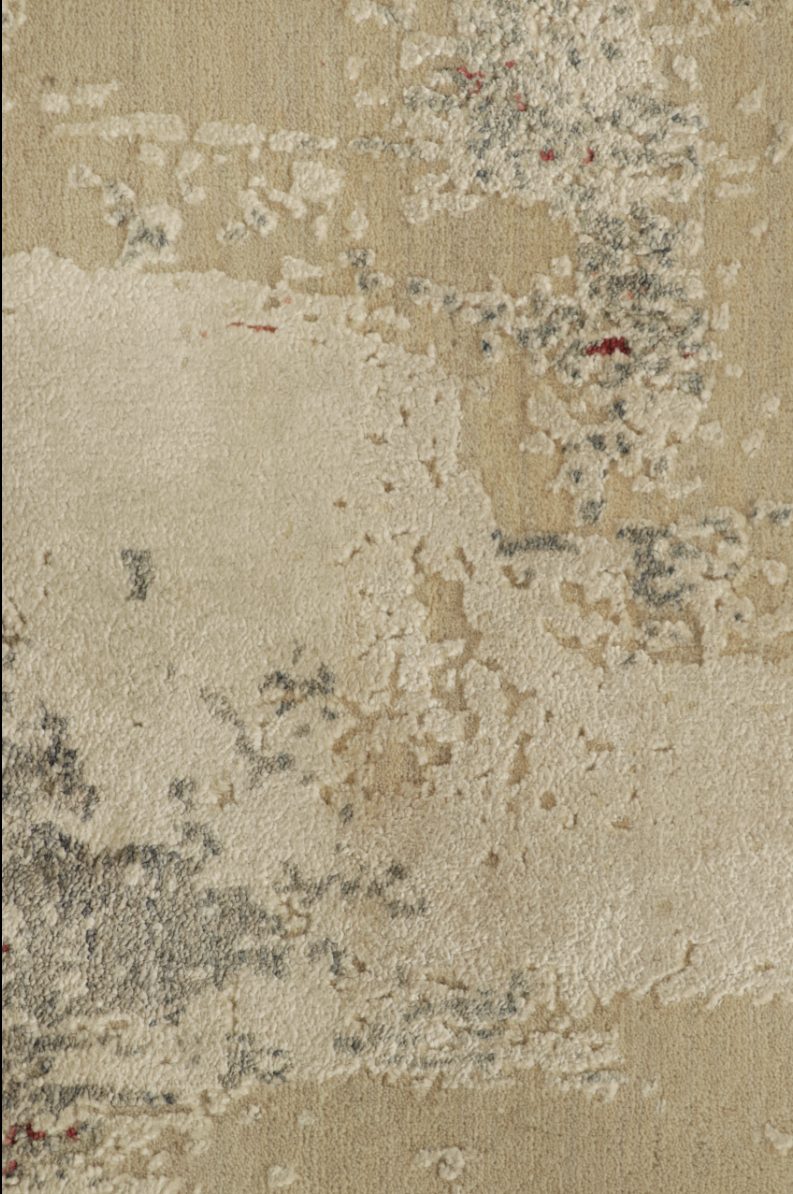
This “vertical landscape” approach transforms traditional styling principles, creating textile architecture within interior volumes.
Modern styling has moved beyond single-rug arrangements to sophisticated layering techniques. Thin flatweaves combined with textured abstracts create complex spatial compositions. This layering principle extends traditional boundaries, with rugs functioning as compositional elements rather than singular statements.
This evolution in styling approaches reflects broader changes in how we conceive and inhabit contemporary space.
Modern rugs, when thoughtfully positioned, contribute to sophisticated spatial narratives that extend well beyond traditional decorative functions.