
Modern Abstract Rugs: The Future of Design?
February 26, 2025
A Collector’s Guide to Antique Swedish Rollakan Tapestries
March 3, 2025German Tetex rugs are among the most fascinating yet underappreciated textile developments of the post-war era.
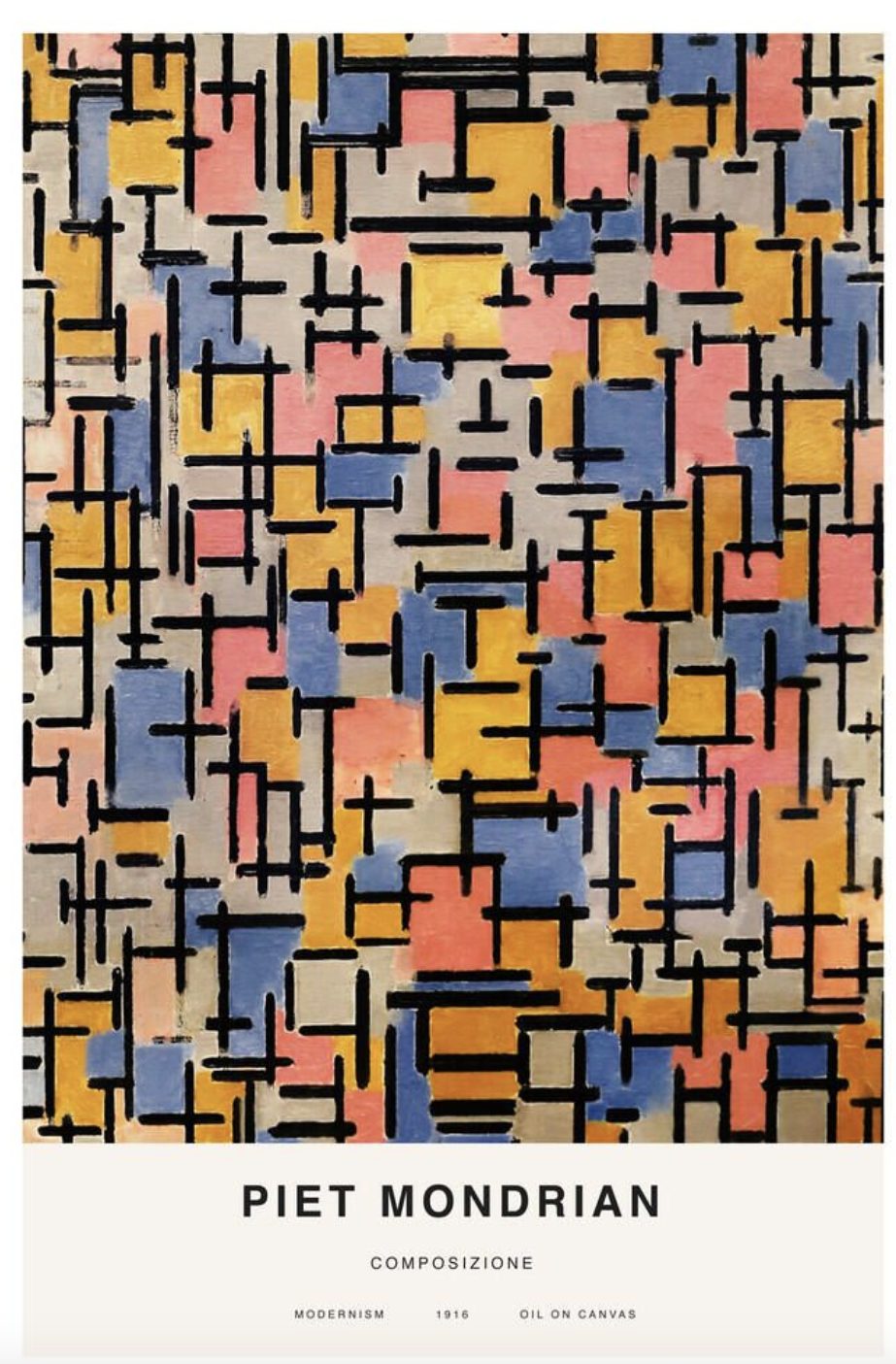
These textiles exemplify that rug design could speak the same revolutionary language as Mondrian’s canvases or Gropius’s buildings.
They pose a question we couldn’t stop pursuing: how did a German factory, rising from the literal ashes of war, create textiles that could hold their own against any modern canvas hanging on the wall above them?

Origins and Historical Context
The story of Tetex rugs begins in the aftermath of World War II, when Germany’s devastated economy sought new pathways to industrial revival.
The Tetex company, established in the textile heartland of Saxony, emerged as a pioneering force in the late 1940s and early 1950s.
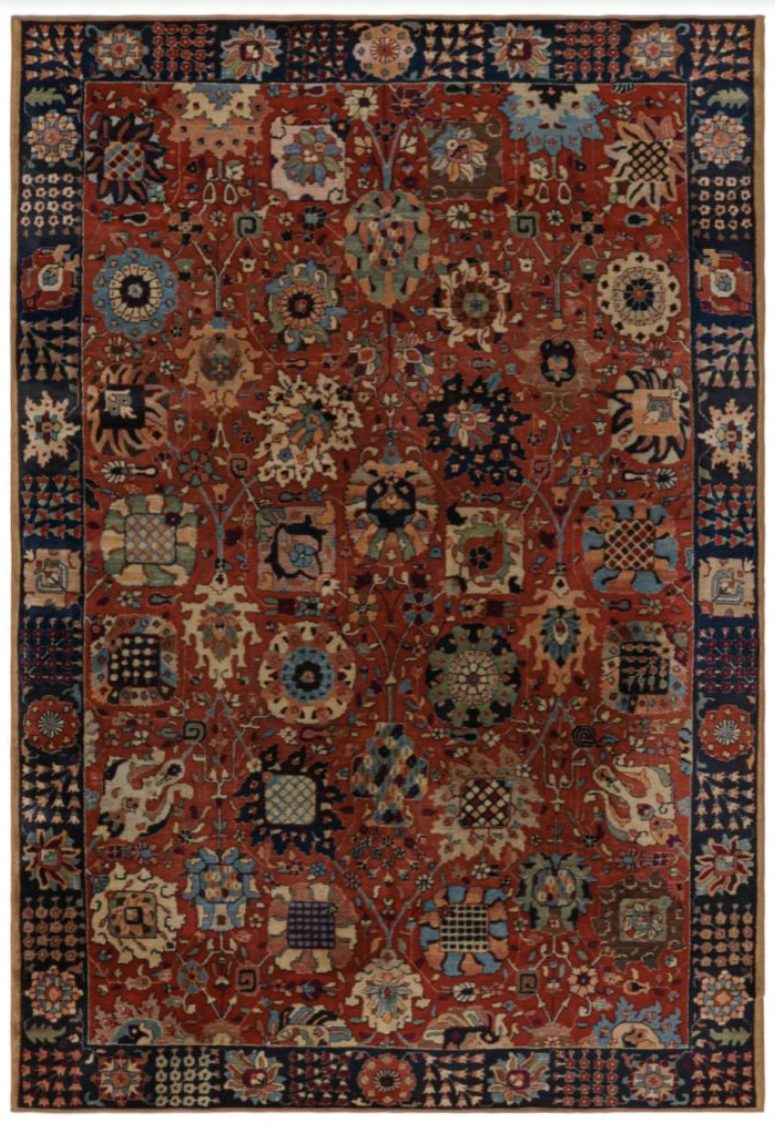
Unlike the hand-knotted masterpieces of Persia or the tribal weavings of Central Asia, Tetex rugs represented something entirely different: the marriage of industrial efficiency with aesthetic ambition.
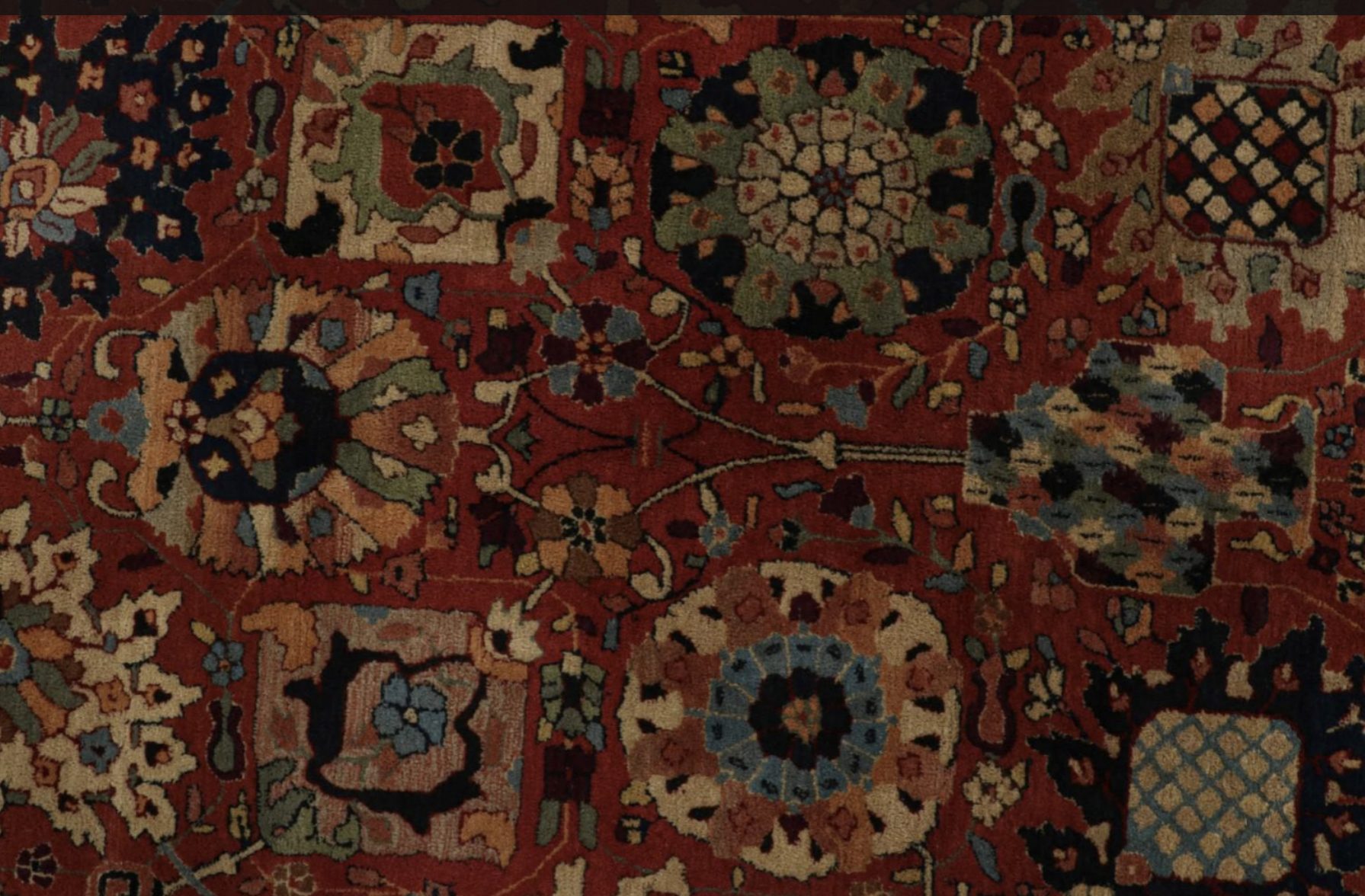
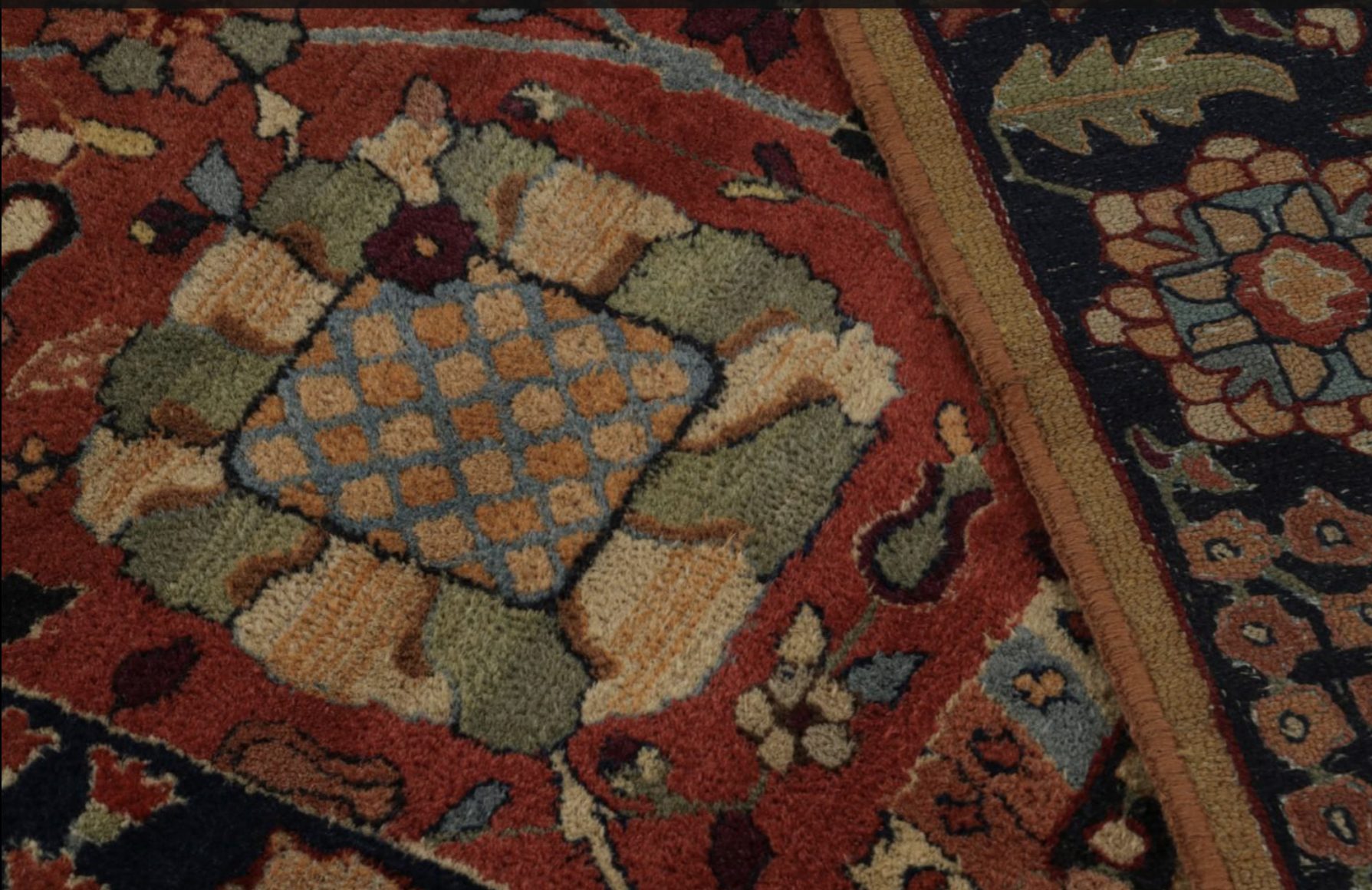
These rugs utilized innovative synthetic fibers and mechanical production methods that dramatically reduced manufacturing time while maintaining surprising design complexity.
The company’s technical innovations allowed for previously impossible color combinations and pattern variations. It created a new visual language that captured the zeitgeist of post-war reconstruction and optimism
Bauhaus Influences
Perhaps most intriguing is how Tetex rugs embodied the continuing influence of Bauhaus principles in post-war German design.
Many of the designers who created patterns for Tetex had either trained at the Bauhaus or studied under its disciples. It brings with them the movement’s commitment to unifying art, craft, and mass production.
The geometric patterns, block colors, and rhythmic compositions that characterize the finest Tetex examples bear unmistakable connections to the work of Bauhaus luminaries like Anni Albers and Gunta Stölzl.
Yet they also incorporate distinctly mid-century motifs—angular abstractions, atomic-age patterns, and optical illusions that situate them firmly in the aesthetic vanguard of the 1950s and 1960s.

Tetex Rugs in Conversation with Modern Art
What elevates certain Tetex rugs from mere floor coverings to significant cultural artifacts is their dynamic relationship with concurrent movements in fine art.
The bold geometric designs of premier Tetex examples engage in clear dialogue with Constructivism, while others show the influence of Color Field painting and Op Art.
In particular, the work of designer Klaus Werner for Tetex in the late 1950s demonstrates remarkable affinities with the paintings of Josef Albers and Victor Vasarely.
This cross-medium conversation positions certain Tetex rugs not merely as decorative objects but as significant expressions of modernist visual theory. They deserve consideration alongside other art forms of the period.
For decades, these innovative German rugs languished in relative obscurity, overshadowed by more traditionally prestigious textile categories.
However, the past fifteen years have witnessed a remarkable reappraisal of mid-century modern design, bringing Tetex rugs into focus for discerning collectors.
Collecting Tetex in Contemporary Times
What was once dismissed as “commercial” or “industrial” is now recognized for its historical importance and distinctive aesthetic contribution.
The finest examples—particularly those with documented designer attributions—have seen their market values increase tenfold since 2010.
German Tetex rugs occupy a fascinating position in the broader history of textile arts—neither fully traditional nor completely industrial. They represent a distinctive moment when ancient craft traditions confronted and embraced modern technology and aesthetics.
Their legacy offers a compelling reminder that innovation in textile arts has never been limited to traditional centers of rug production.
As we continue to reassess the hierarchies and categories that have structured our understanding of textile history, Tetex rugs serve as important examples of how industrial production can achieve aesthetic distinction.
These German textiles, emerging from the ruins of war, demonstrate remarkable human creativity in reimagining what a rug could be.