
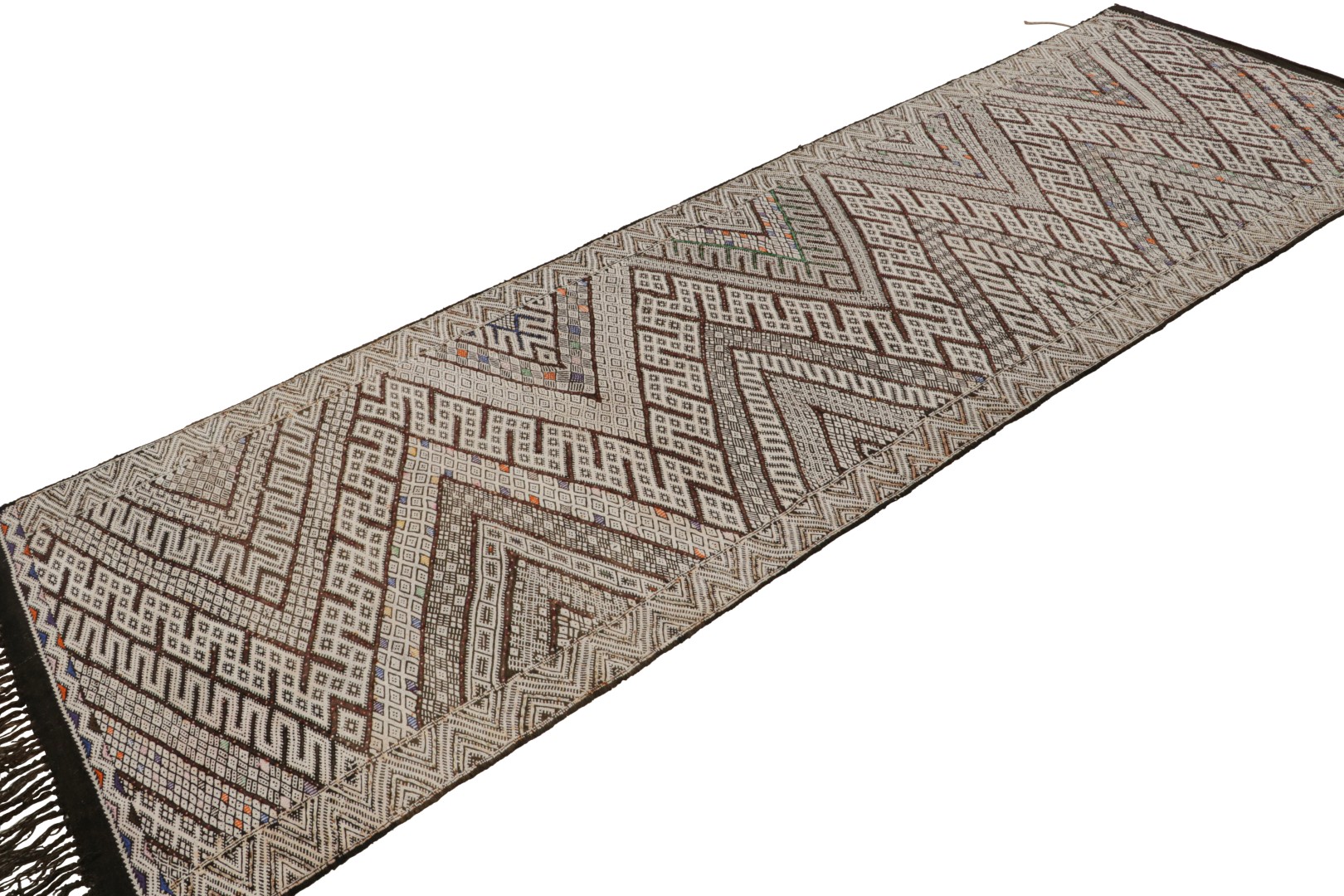
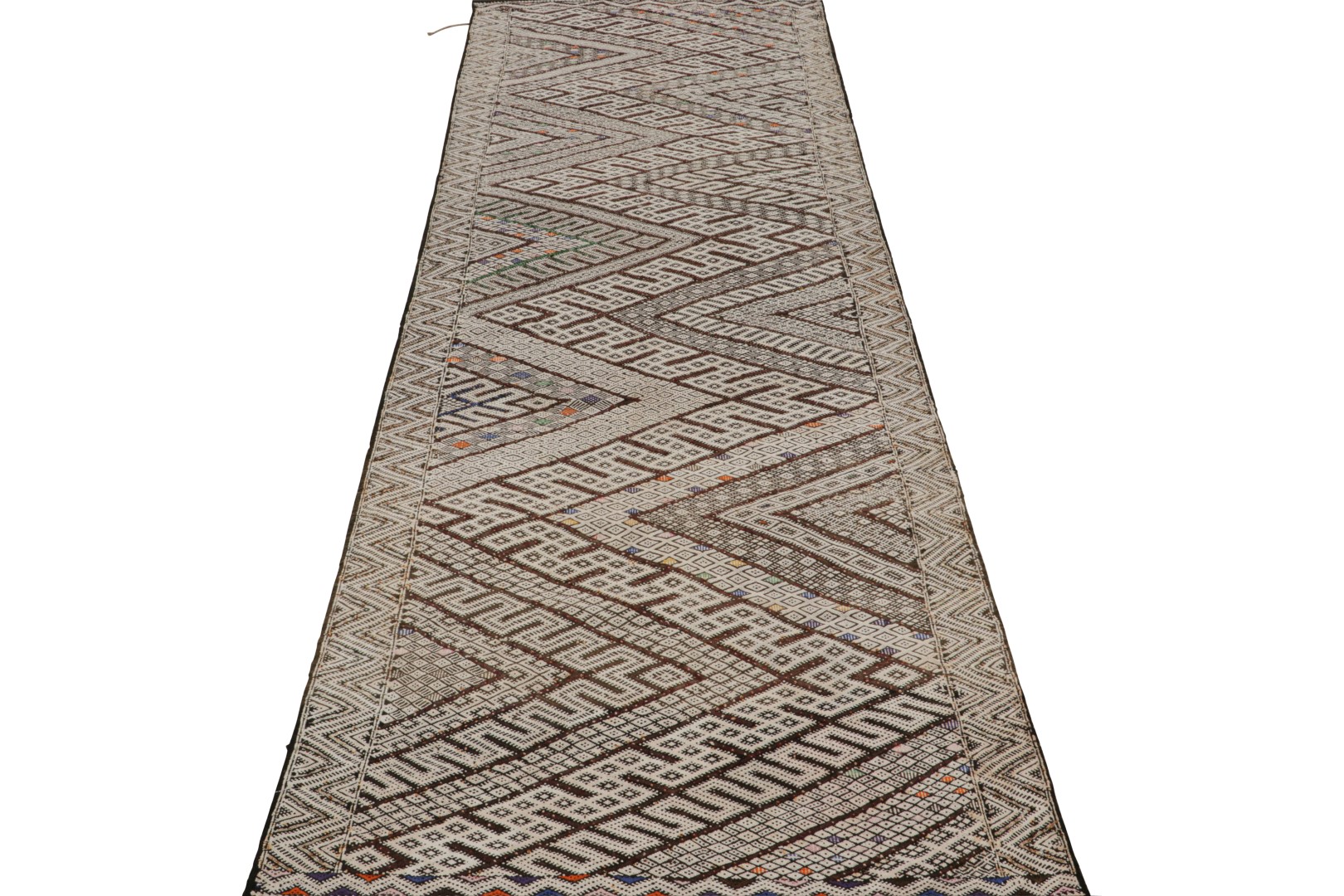
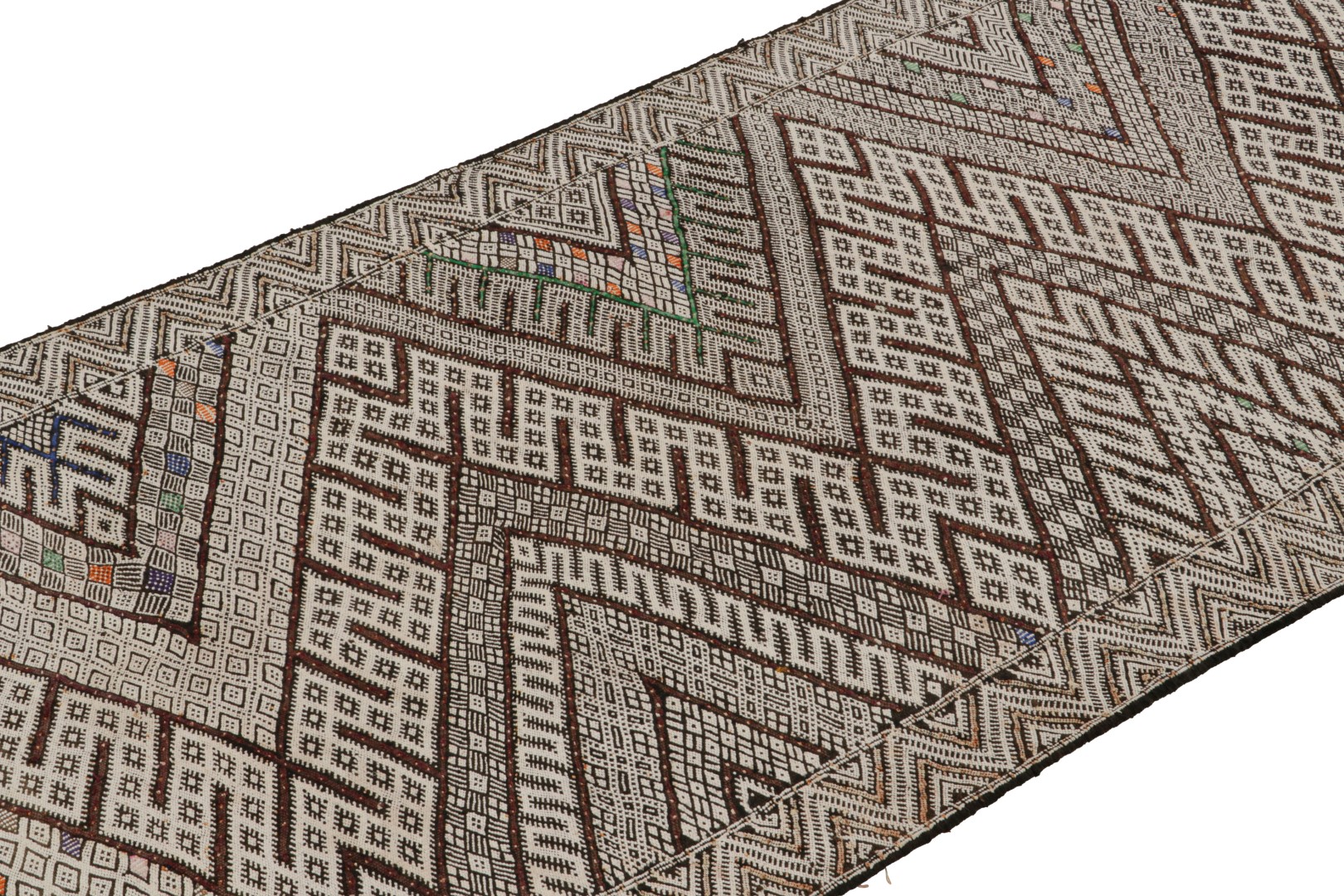
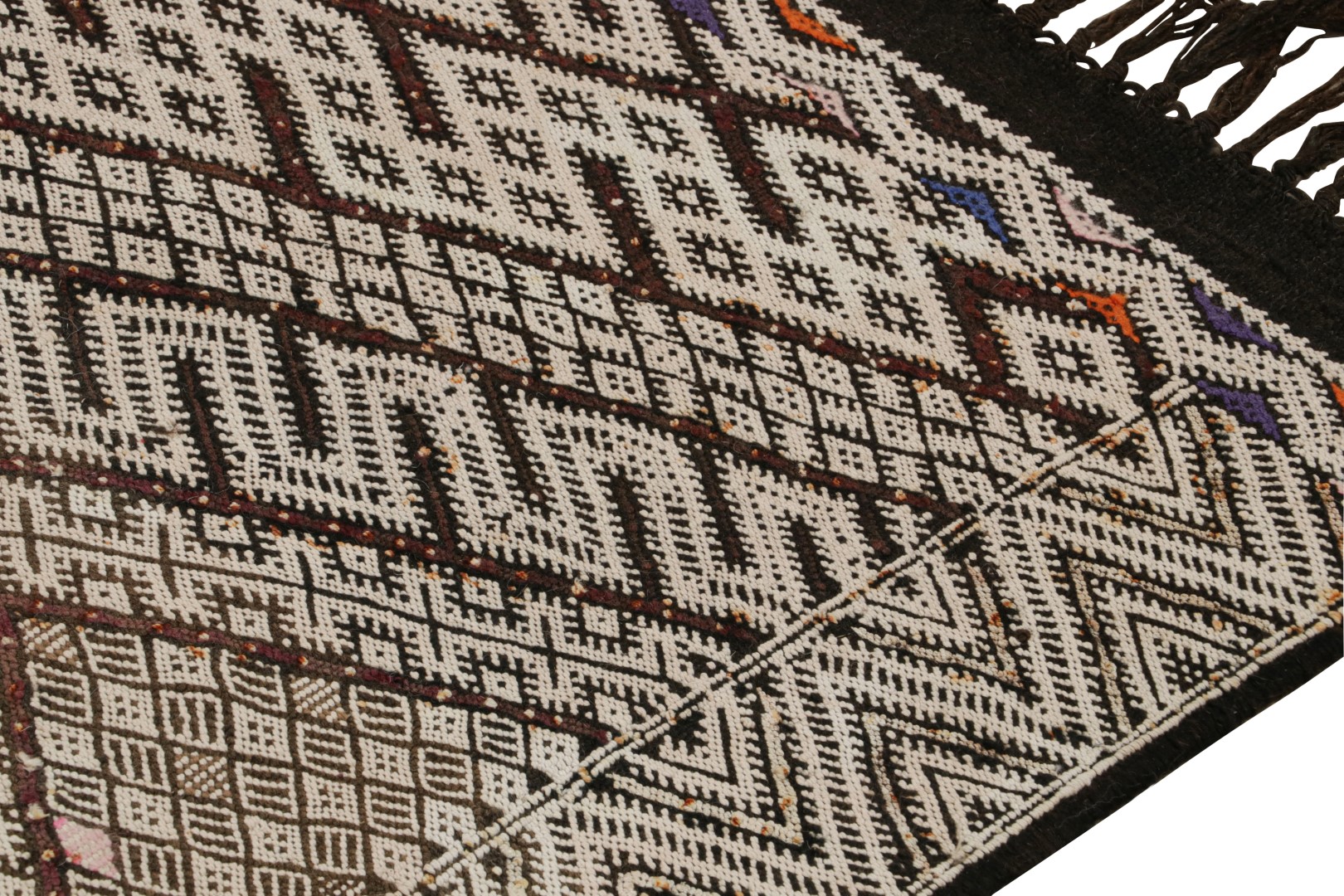
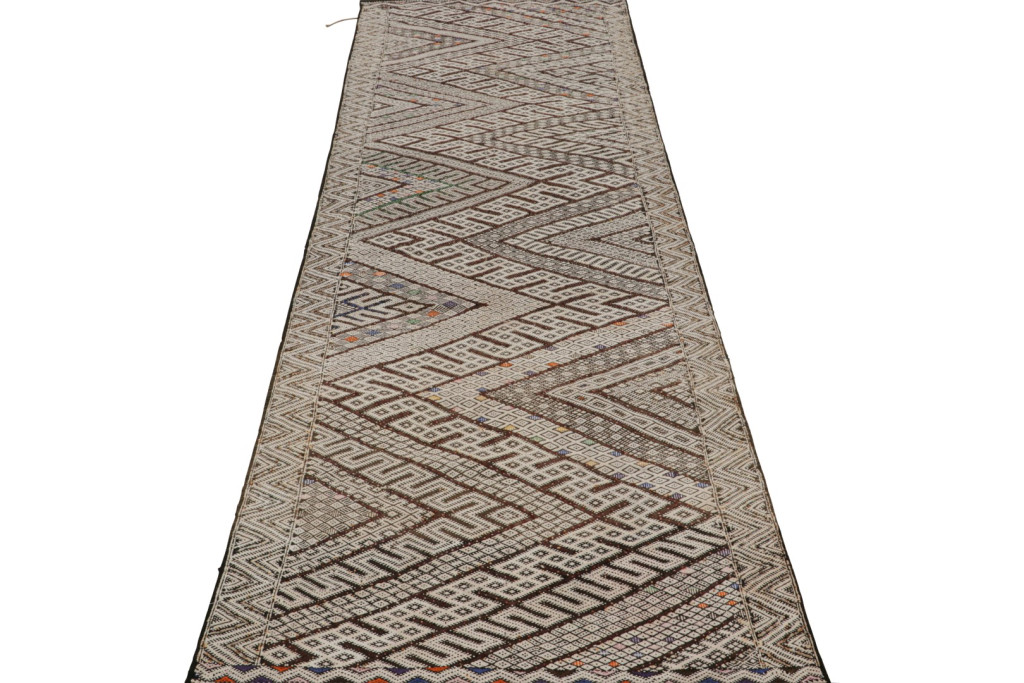
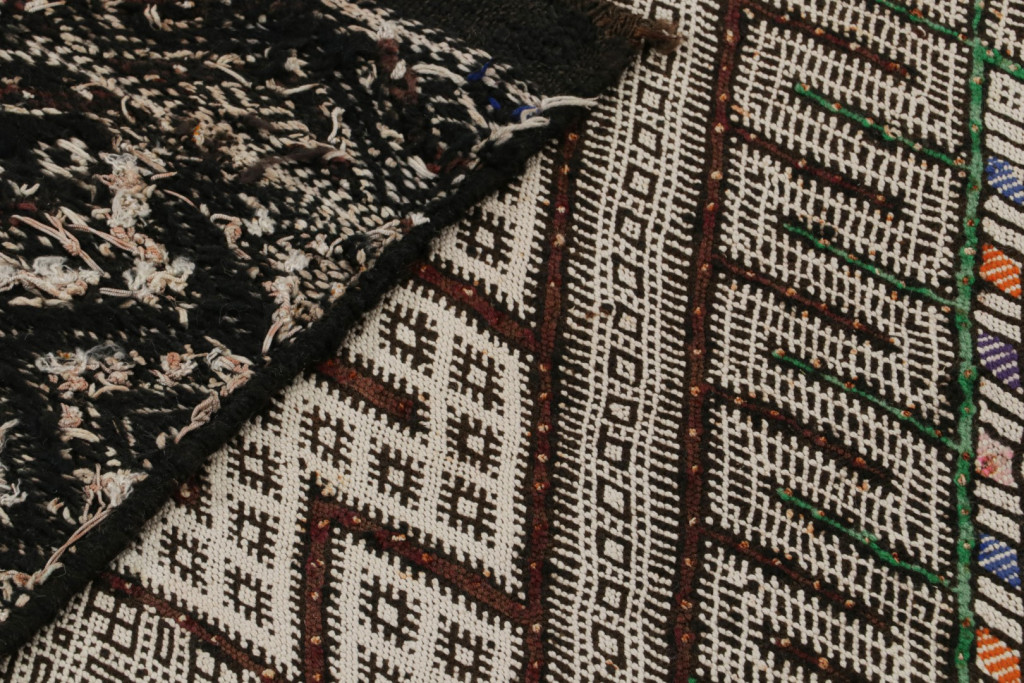
Wool
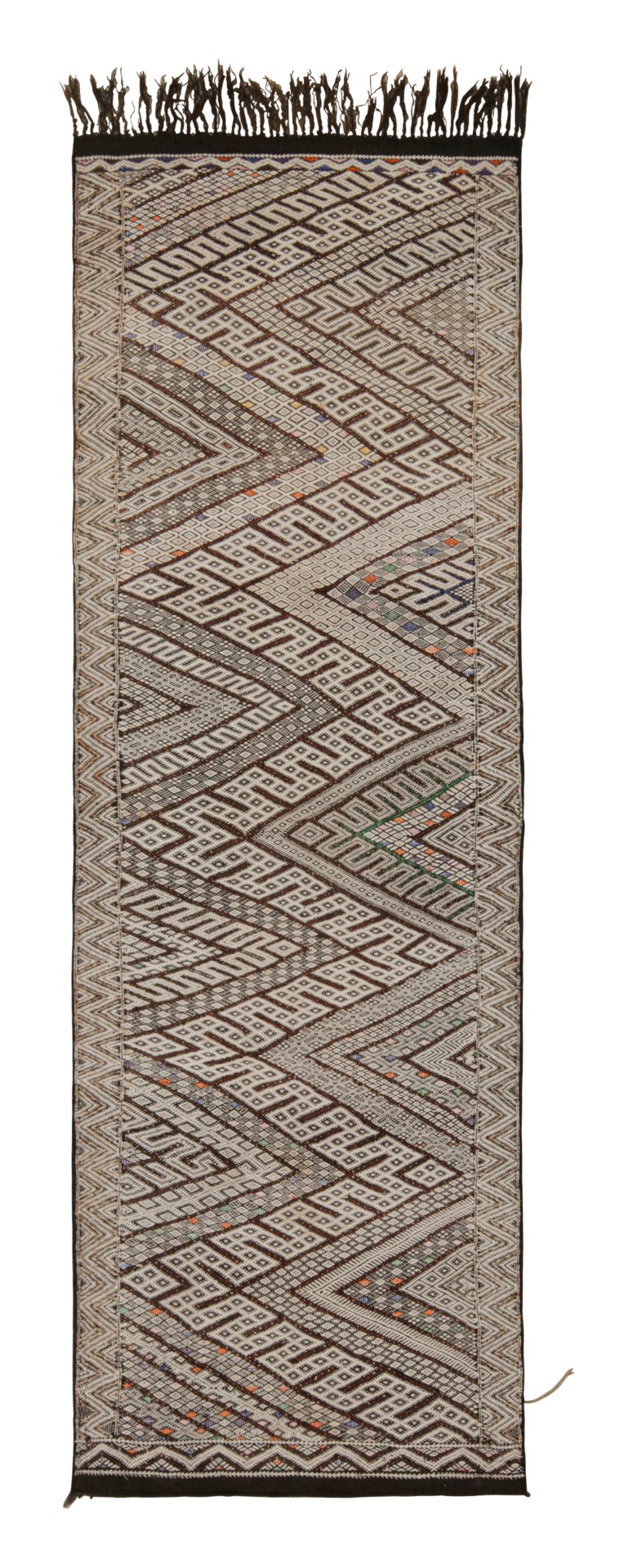
Morocco, c. 1940-1949
3'5" X 11'0" (1.04 m x 3.35 m)
Available: Shipping As Soon As Tomorrow
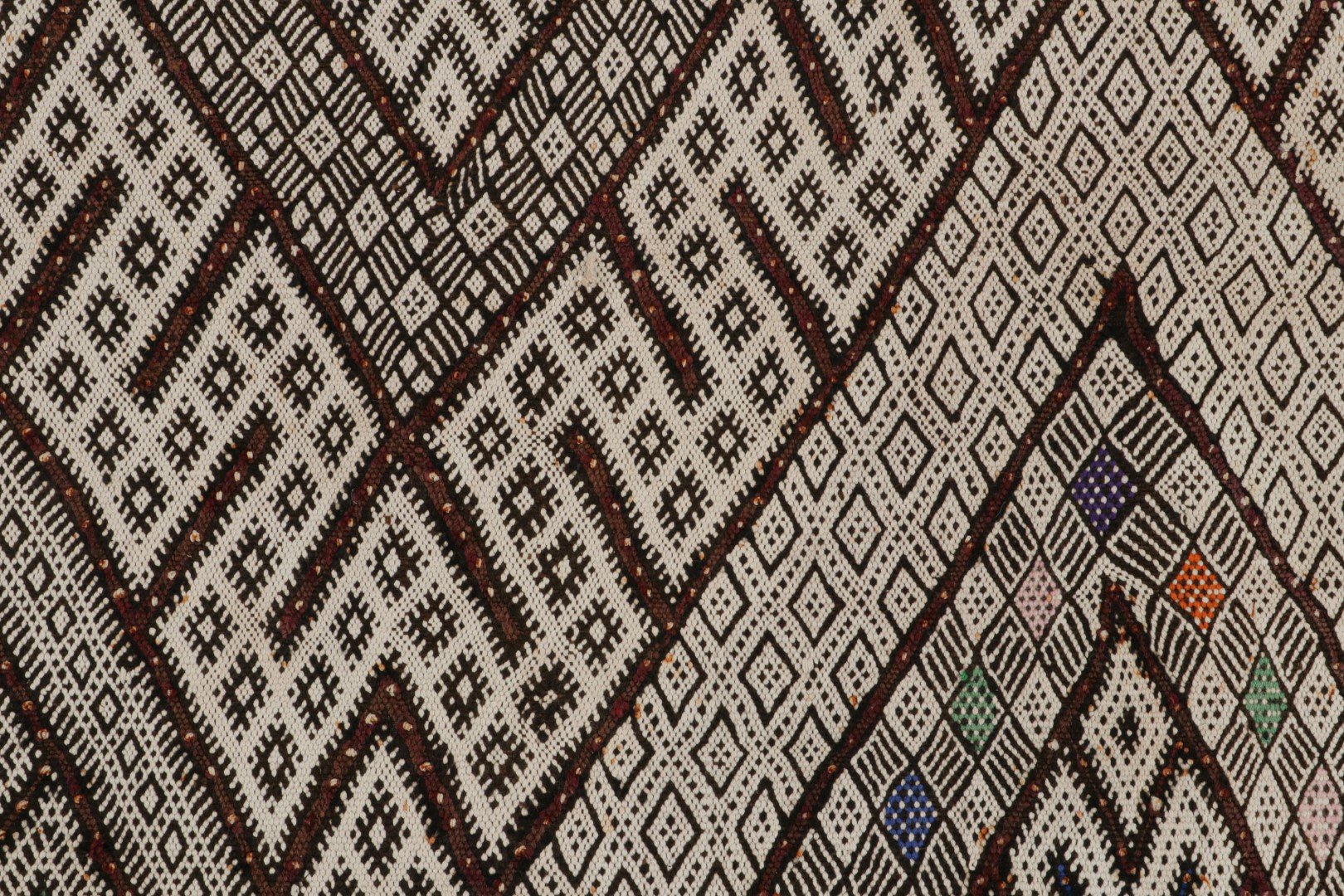
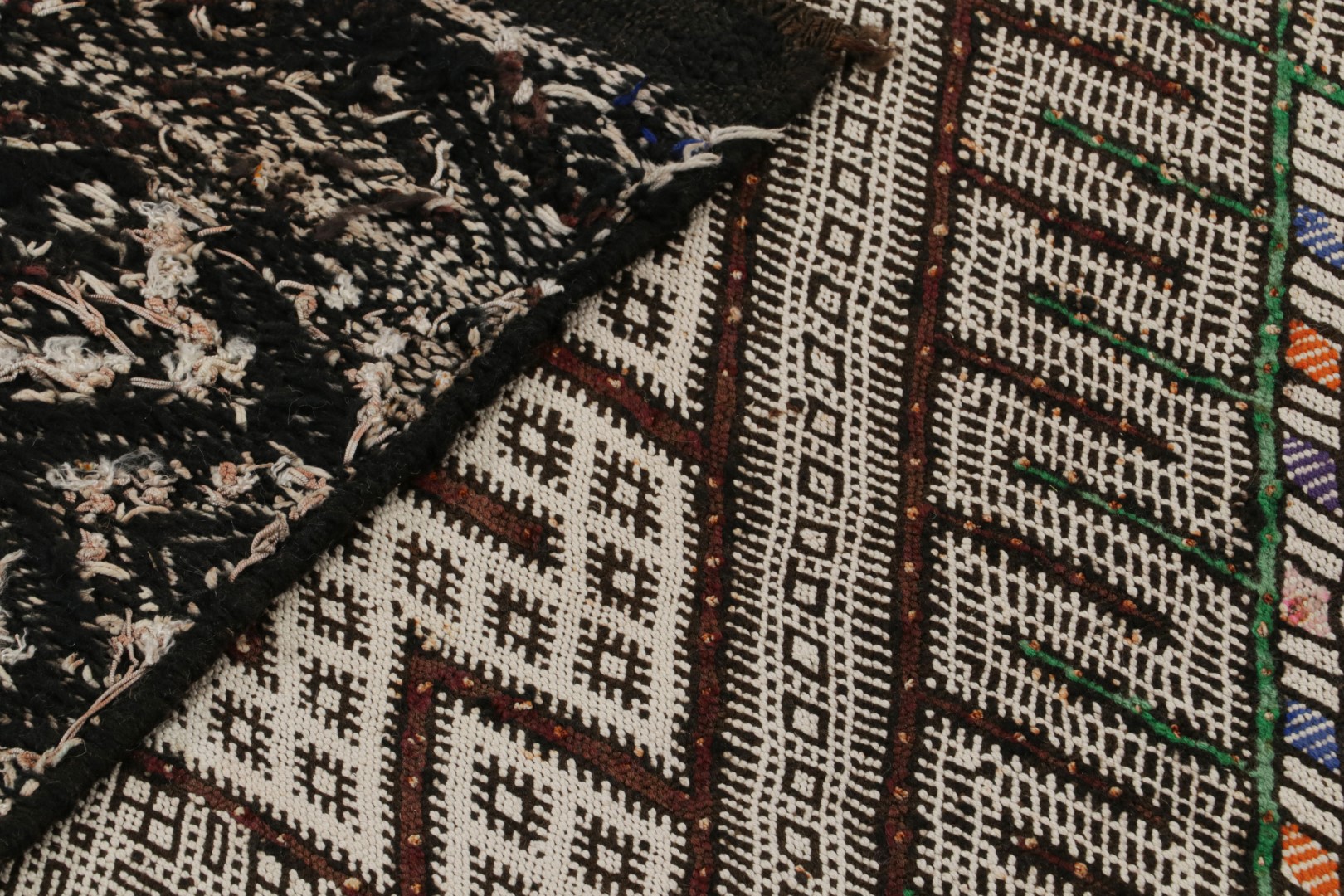
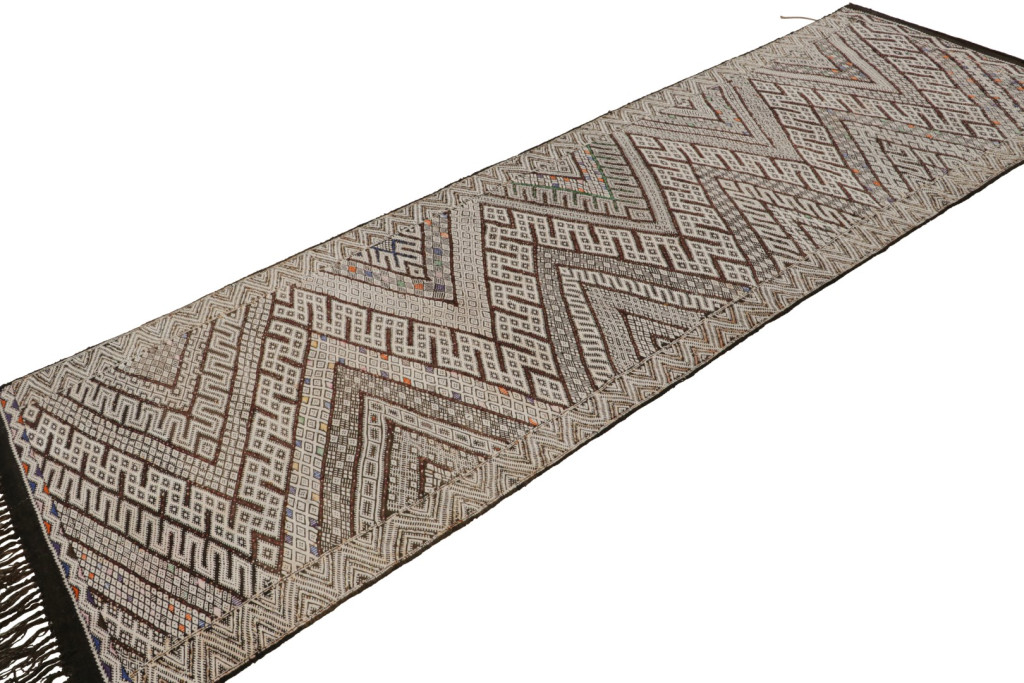
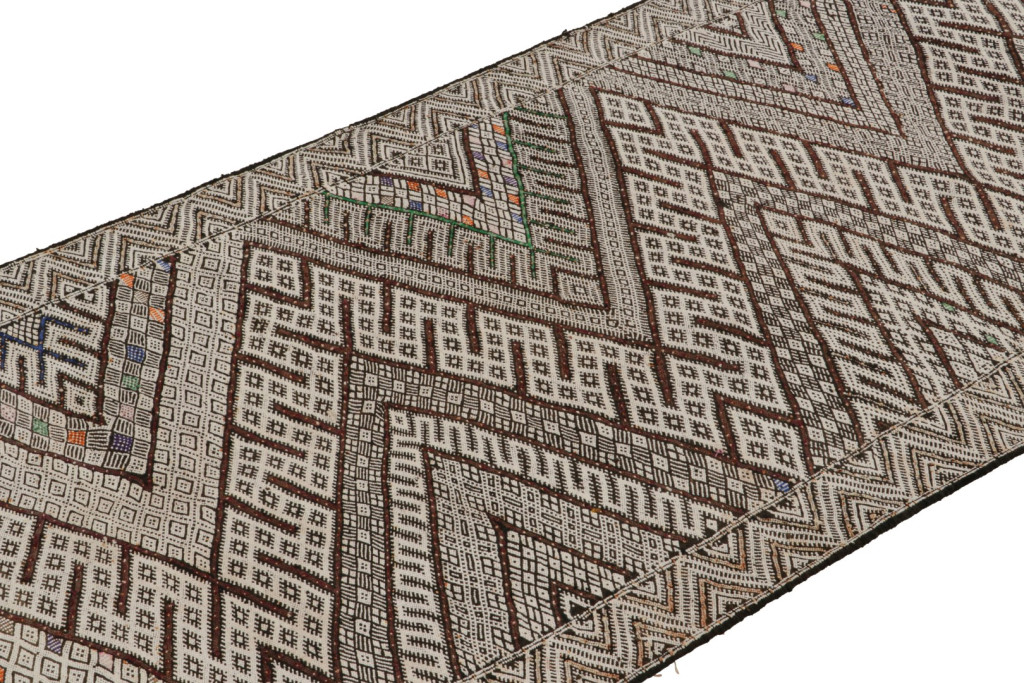
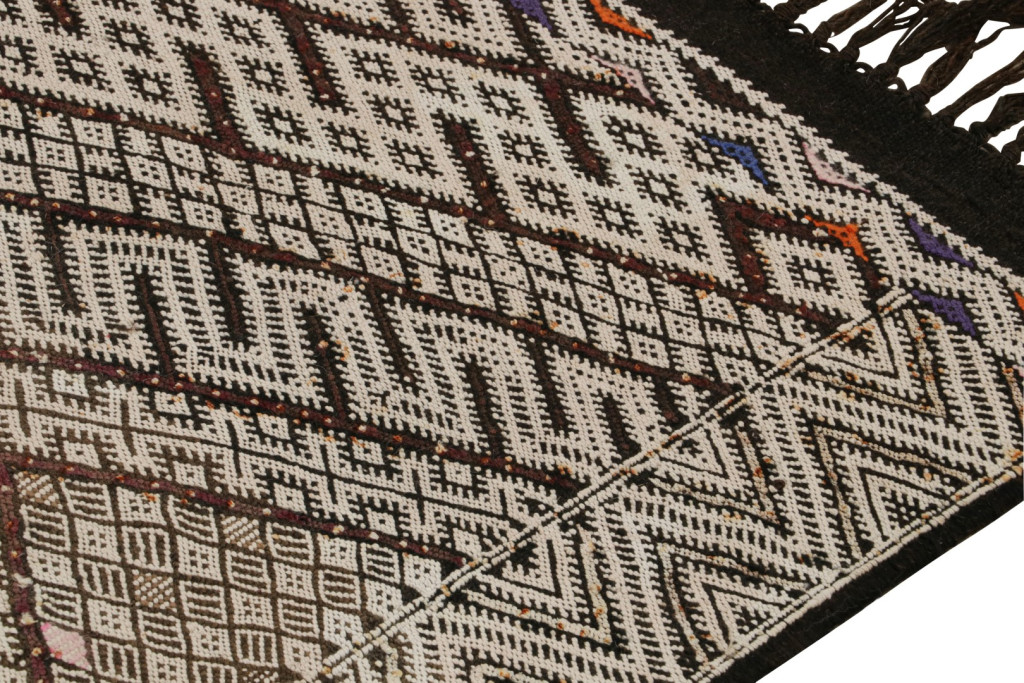
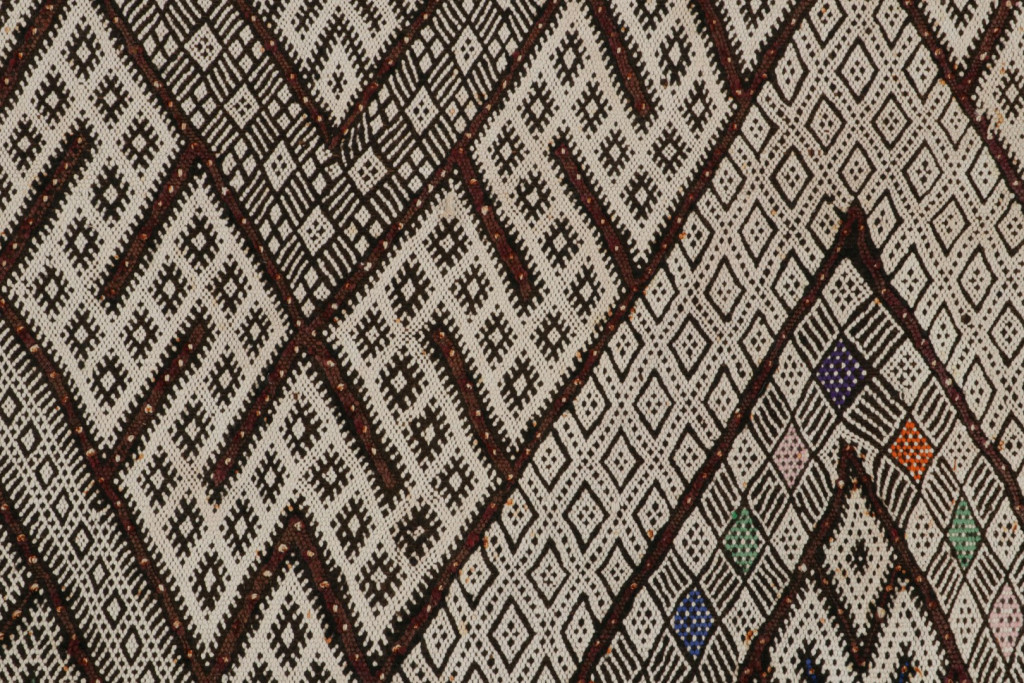
Vintage Moroccan Zayane Kilim in Berber Style with Intricate Designs - Rug & Kilim
"Rug & Kilim's inventory spans the past four centuries and includes everything from ethnic and tribal patterns to European designs, as well as a host of Art Deco, abstract and understated tone-on-tone offerings, all in a vast array of materials, weaves and sizes."
— Tony Freund, 1stDibs Editorial Director
A standard since our inception upheld across every acquisition,
transaction, and delivery.
45+ Year Old Institution
More than four decades of expertise and stewardship, under the leadership of our Principal, Jahanshah "Josh" Nazmiyal.
Favorable Return Policy
Our return policy is 48 hours upon receipt allowing you to confirm the purchase in your space with confidence.
Product Warranty
Each rug is hand selected or produced through the most reputable sources under the direct supervision of our Principal.
Trusted Global Delivery
Reliable worldwide delivery handled with care, precision and constant communication.
Exceptional Support
Attentive, knowledgeable guidance before and after purchase from our dedicated team of specialists.
Long Term Care
We stand behind every piece we place and remain a resource to our clients for the lifetime of their collection.
- Measurements: 3'5" x 11'0" ( 1.04 m x 3.35 m )
- Categories: Moroccan
- Classification: Kilim/Flat Weave, Moroccan
- Material: Wool
- Origin: Morocco
- SKU: 28912
Specifications:
Stories from the Moroccan Collection
Essays, artist dialogues, and provenance notes drawn from Rug & Kilim’s editorial desk.
The Future of High-End Interior Design in the Age of Global Tariffs: Rugs, Trade Routes, and Regulation
As seen in Galerie Magazine, the 2026 Kips Bay Decorator Show House Palm Beach features a rare and exceptional curation from the antique rugs in Rug & Kilim’s European Collection. Read More >> Design, at its highest level, has always preferred to appear untouched by politics. A room in the Hamptons. An apartment overlooking Central Park. A villa along the French Riviera. These spaces present themselves as resolved worlds; self-contained, insulated from the volatility of markets, policy, and power. And yet, over the past year, something unusual occurred. Tariffs, as abstract instruments of economic policy, began to leave visible traces within interiors. Not dramatically, not theatrically, but with the quiet persistence of something structural. Lead times shifted. sourcing recalibrated. Materials reconsidered. Conversations that were once aesthetic became quietly strategic.
Read the Feature
Tulu Rugs as Icons of Raw Luxury: Folk Art Meets Modern Fashion
A Tulu rug emerges as a textile heirloom reimagined for royalty. The Evolution of the Tulu Rug Once woven to shield nomadic families from the brutal Anatolian winters, Tulu rugs were never meant to be seen — they were meant to be felt. Thick, long-pile, and spun from the softest Angora wool, these rugs served as primitive insulation, hand-crafted by Turkish tribes whose artistry was born from necessity. But in today’s most discerning interiors, what was once survival is now sovereignty. Tulu — from the Turkish word tüylü, meaning "hairy" or "shaggy" — has found its place in contemporary design. From Parisian ateliers to Brooklyn brownstones, from Brutalist galleries to Baroque revivalist townhouses, Tulu rugs are now the grounding force of aesthetic storytelling. No longer relegated to ethnographic obscurity, they’ve been recontextualized as objets d’art — the missing link between primal craftsmanship and couture design.
Read the Feature
How Tariffs Are Shaping the Future of Modern and Antique Rugs in the United States
A rug is rarely just a rug in the quiet luxury of a gallery showroom or the curated intimacy of a collector’s salon. It is a world unfurled — created with centuries of ritual, memory, and meaning. Yet, beyond the weaving process lies a less visible thread that increasingly shapes what reaches the American floor: policy. As U.S. tariff regulations grow more complex and geopolitically charged, the fate of both modern and antique rugs has become entangled in a matrix of international trade, cultural diplomacy, and economic strategy. Evolving trade tariffs are reweaving the global rug market — influencing not only pricing and availability but also sourcing decisions, artisan livelihoods, and the long-term legacy of one of the world's most enduring forms of cultural expression. For interior designers, collectors, curators, and cultural economists, the conversation is no longer just about taste — it’s also about trade.
Read the Feature
A Guide to Folklore and Cultural Memory in Rugs and Kilims
In collecting rugs and kilims, we encounter not just objects, but vessels of generational memory, where each design reveals itself as a complex cultural manuscript. What emerges from this study of traditional rug-making is not merely a catalog of styles or techniques, but rather an atlas of human cultural memory. These textiles - whether prayer rugs from Anatolia, dowry pieces from Isfahan, or war rugs from Afghanistan - serve as sophisticated vehicles for cultural transmission, preserving what might otherwise be lost to time. The Afghan war rugs present the most profound example of textile resistance in modern history.
Read the Feature
Our Top 10 Scandinavian Kilims: All-Time Favorites from the First-Ever Program by Rug & Kilim
The significance of a ‘program’ collection is often taken for granted in home furnishings. That’s been the overarching theme of home furnishings since the pandemic, though. Suddenly the world had a whole lot more time inside when the market seemed saturated and static, even stagnant. The home became the home office, and the little things, quite fittingly, took on a whole new meaning. The upside? We and many like us learned a greater appreciation for ‘little’ things, ever since. This boom we’ve enjoyed since couldn’t be more antithetical, whatever jaundice glance was cast on the ‘common’ things before.
Read the Feature
A Glossary of Handmade Rugs and Kilims: Understanding Terms, Types and Techniques Past and Present
Referring to the art style characterized by using shape and color withdrawn from traditional repetition or realism. Abstract rugs — sometimes referred to as art rugs — capture an expressive nature that reads as a very modern style, though many abstract rugs draw inspiration from works of the same art style in the mid-century. One of the more widely known mid-century lineages of this style is abstract expressionism, named for the literal "expressionists" of the 1950s. Some of the most notable names behind this style include Jackson Pollock and Mark Rothko. Referring to a lineage of nomadic Persian rugs (sometimes referred to as “Avsar” in the alternate spelling). Afshar rugs hail from the eponymous tribe in the region of Northeastern Iran.
Read the Feature


R&K Image Studio
NEWThe R&K Image Studio is a new visual workspace designed to present the Rug & Kilim collection with clarity, restraint, and precision — in your space or any space you imagine.
This tool allows you to view, refine, and prepare imagery drawn directly from the pieces in our archive. They can be visualized cleanly, isolated thoughtfully, and adjusted for presentations, proposals, and private viewings, without altering the integrity of the original work.
Moroccan
Wool
Morocco, c. 1940-1949
3'5" X 11'0" (1.04 m x 3.35 m)
$9,500
Available: Shipping as Soon as Tomorrow
Vintage Moroccan Zayane Kilim in Berber Style with Intricate Designs - Rug & Kilim
"Rug & Kilim is my go to resource for rugs. Their selection is wide and deep, and Josh’s eye for antique pieces is extraordinary. I always walk away with great pieces, and they are a pleasure to collaborate with. They’ve been my trusted partner on projects for years."
— Ann Wolf, Wolf Holden Design Studio
- Measurements: 3'5" x 11'0" ( 1.04 m x 3.35 m )
- Categories: Moroccan
- Classification: Kilim/Flat Weave, Moroccan
- Material: Wool
- Origin: Morocco
- SKU: 28912