Style
Herati
Every piece in this style, across all of our collections. Narrow them down by size and price.
- Under 6 x 9
- Runners
- 6 x 9
- 8 x 10
- 9 x 12
- 10 x 14
- 12 x 15
- Over 12 x 15
Origin ▼
Style ▼
Material ▼
Width
Length
To connect with a specialist, click here
Stories from the Herati Archive
Essays, artist dialogues, and provenance notes drawn from Rug & Kilim’s editorial desk.
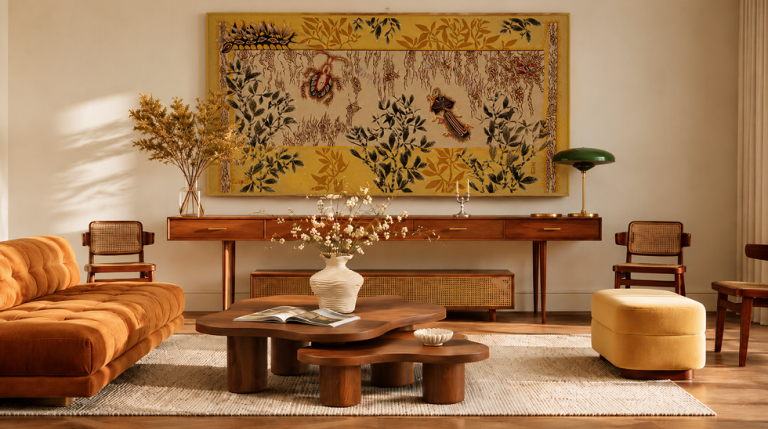
Signatures, Editions, and the Bolduc on Modern and Rare Tapestries: The Mark of the Masters and Artists
There is a particular pleasure, known to every serious collector, in turning an object over. The front of a great tapestry or carpet is what seduces; the back, and the edges, are what tell the truth. And on the finest modern tapestries, that truth is written in a specific and often misunderstood language, a language of signatures, edition numbers, and a small woven label the French call the bolduc. To read it fluently is to hold the difference between a decorative object and a documented work of art. It is the same literacy that governs the print room and the rare book library, where a collector learns to read a plate mark, a watermark, a colophon. The modern tapestry, elevated to the status of fine art by Jean Lurçat and his circle in the mid-twentieth century, borrowed the apparatus of the fine art edition precisely because it wished to be understood as fine art. To understand the apparatus is to understand the ambition.
Read the Feature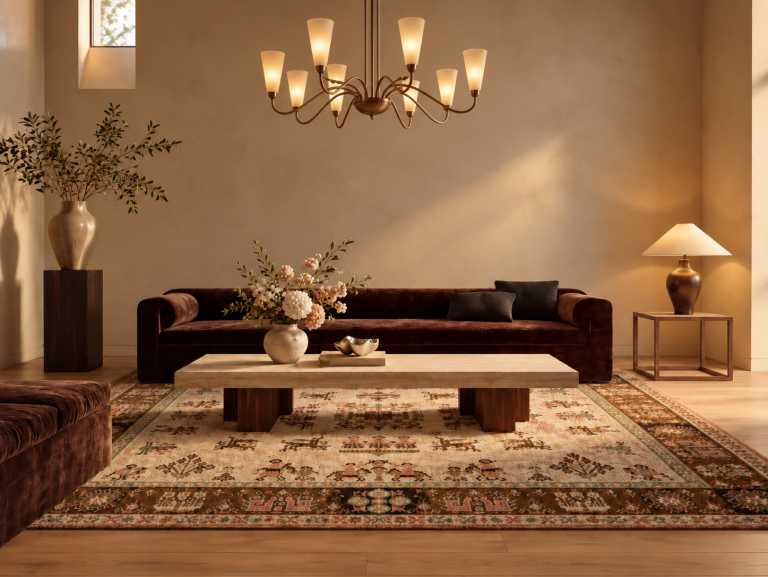
A Guide to Axminster Rugs: History, Craftsmanship, and British Design Heritage
Among the most influential carpet traditions to emerge from Europe, Axminster rugs occupy a distinguished position within the history of decorative arts, architecture, and interior design. Renowned for their exceptional craftsmanship, technical innovation, and artistic sophistication, Axminster carpets represent one of Britain's most important contributions to the global history of textile design. Originating in the historic market town of Axminster in Devon, England, these carpets became synonymous with luxury, refinement, and excellence from the eighteenth century onward. Their influence extended far beyond Britain, shaping carpet production, interior decoration, and architectural furnishing throughout Europe, North America, and the wider world.
Read the Feature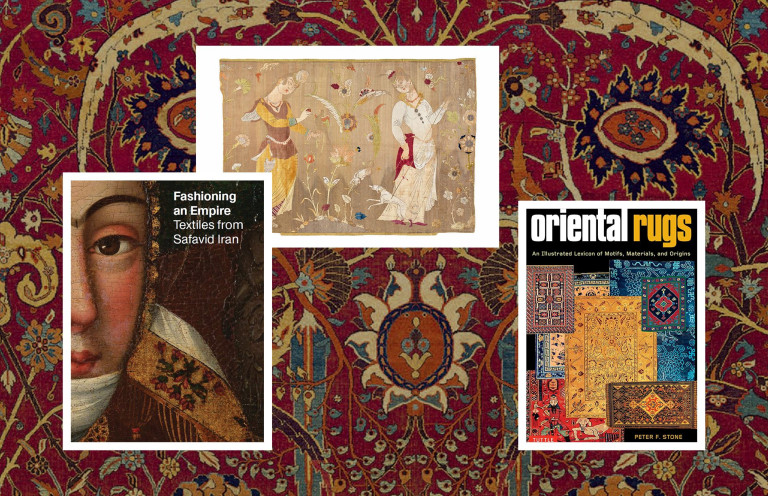
The Persian Carpet and the Making of Modern Interior: Power, Trade and Redefining Cultural Prestige
Materials from our Books on Persian Rugs. Available at Volumes by Rug & Kilim >> By the late nineteenth century, the Persian carpet had become an essential component of the European interior. Not decorative. Structural. As Qajar Persia expanded trade relationships with Britain, France, and the United States, carpets from Tabriz, Isfahan, Kashan, Kerman, and Sultanabad entered Western markets in unprecedented numbers. This was organized production responding to foreign demand. Workshops adapted scale, palette, and composition for European rooms while maintaining Persian essence. Architecture, Empire, and the Rise of the Cultivated Room The European salon — particularly in Paris and London — required more than furniture and painting. It required cohesion, and Persian carpets provided it.
Read the Feature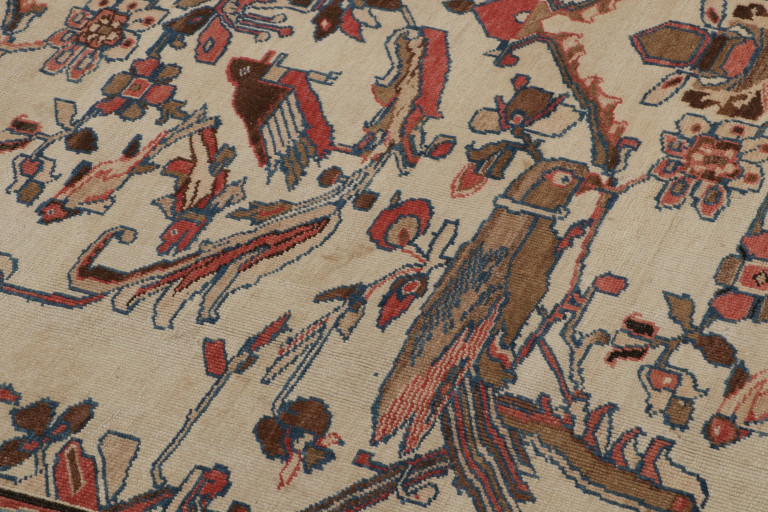
Antique Bakshaish Rugs: A Profile on Generational Heirlooms
At prestigious auction houses like Sotheby's and Christie's, exceptional Bakshaish rugs have been known to sell for six, even seven-figure sums. The 2019 sale of a particularly fine example for $1.5 million at a New York auction sent ripples through the collectibles' market, cementing the Bakshaish's status as a blue-chip investment. Bakshaish rug tradition dates back to the 1830s, a period of renaissance in Persian rug weaving. Unlike the formal, court-commissioned carpets of urban workshops, Bakshaish rugs emerged from a robust village weaving tradition. The remote location of Bakshaish, far from the influence of city ateliers, allowed for a unique fusion of ancestral designs and individual expression.
Read the Feature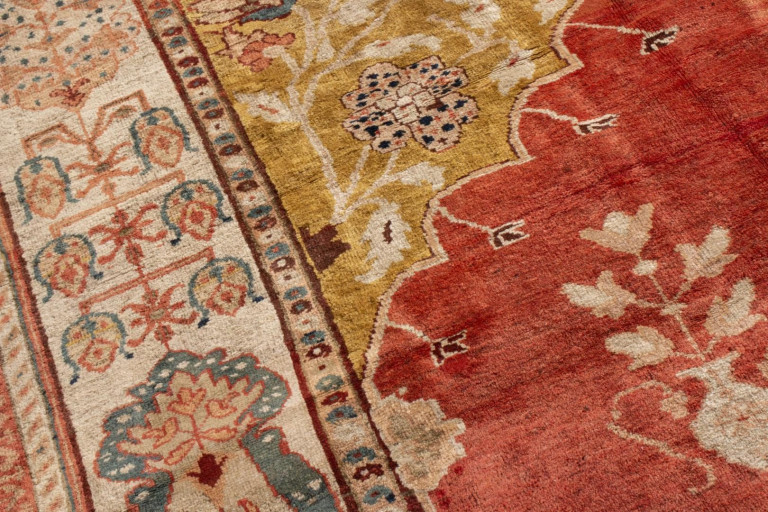
History and Significance of 19th-Century Persian Sultanabad Rugs
A beautifully crafted Oriental rug never goes out of style and can be surprisingly versatile in all kinds of homes. Rug & Kilim's Sultanabad Collection With thousands of options in terms of color, fabric, scale, and style, there’s an Oriental rug out there for every space, whether you’re looking to accent an opulent English-inspired library or a sleek modern living room. Antique Sultanabad carpets are some of the most coveted Persian rugs. Examples from the late 19th and early 20th centuries often feature subtle color palettes and beautiful trellis designs, making them an ideal foundation for any room. The design and color combination and the condition of these carpets make it one of a kind.
Read the Feature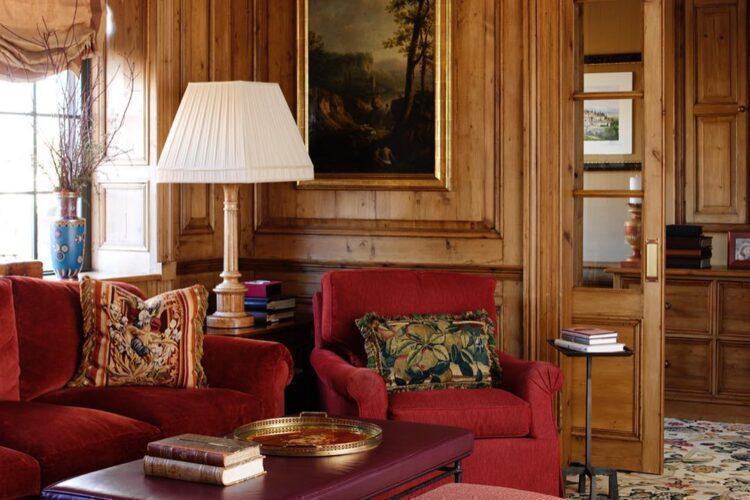
A Glossary of Handmade Rugs and Kilims: Understanding Terms, Types and Techniques Past and Present
Referring to the art style characterized by using shape and color withdrawn from traditional repetition or realism. Abstract rugs — sometimes referred to as art rugs — capture an expressive nature that reads as a very modern style, though many abstract rugs draw inspiration from works of the same art style in the mid-century. One of the more widely known mid-century lineages of this style is abstract expressionism, named for the literal "expressionists" of the 1950s. Some of the most notable names behind this style include Jackson Pollock and Mark Rothko. Referring to a lineage of nomadic Persian rugs (sometimes referred to as “Avsar” in the alternate spelling). Afshar rugs hail from the eponymous tribe in the region of Northeastern Iran.
Read the Feature