Style
Hereke
Every piece in this style, across all of our collections. Narrow them down by size and price.
- Under 6 x 9
- Runners
- 6 x 9
- 8 x 10
- 9 x 12
- 10 x 14
- 12 x 15
- Over 12 x 15
Origin ▼
Style ▼
Material ▼
Width
Length
To connect with a specialist, click here
Stories from the Hereke Archive
Essays, artist dialogues, and provenance notes drawn from Rug & Kilim’s editorial desk.
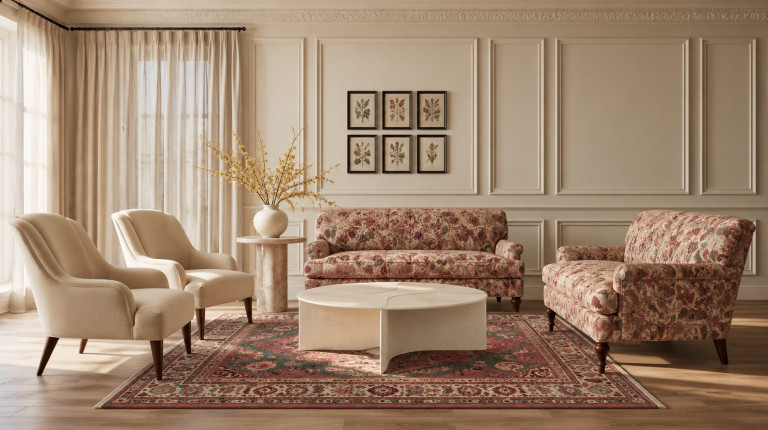
Anatolian Rugs: From Seljuk Origins to Contemporary Luxury Spaces
Among the world's most influential textile traditions, Anatolian rugs occupy a singular position in the history of decorative arts. Emerging from the vast cultural landscape of Anatolia—modern-day Turkey—these carpets represent centuries of artistic exchange between Asia, Europe, the Middle East, and the Mediterranean world. Few weaving traditions have exercised a greater influence on the evolution of carpet design. From Ottoman palaces and Seljuk courts to Renaissance paintings and contemporary luxury interiors, Anatolian rugs have continuously shaped the visual language of textile art. Unlike carpets associated with a single tribe, city, or dynasty, Anatolian rugs encompass an extraordinary range of regional traditions. The result is a diverse yet interconnected weaving culture characterized by bold geometry, symbolic motifs, sophisticated color palettes, and remarkable craftsmanship.
Read the Feature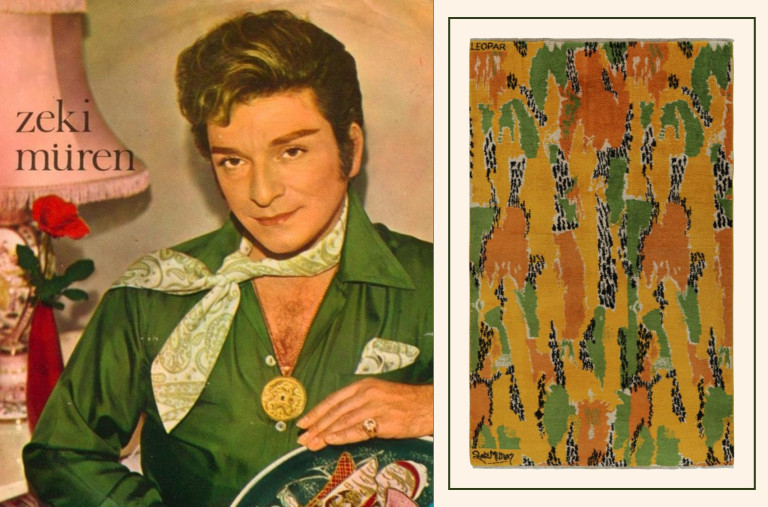
Zeki Müren and the Carpet as Self-Portrait: The Pasha Who Designed His Own Floor
In the showroom of Hüseyin Kaplan, in the Sultanahmet quarter of Istanbul beneath the minarets of the old city, there are more than five hundred carpets that belong to no classical category. They are not Hereke, not Oushak, not the courtly Ottoman medallion weavings that the connoisseur expects from this geography. They are jewel-toned and abstract, shot through with an abstract confidence, and they bear, some of them, the signed ones, a name woven into the border that any Turk and most serious collectors would recognise instantly. They are the work of Zeki Müren, and they constitute one of the most singular bodies of design the twentieth-century carpet has produced.
Read the Feature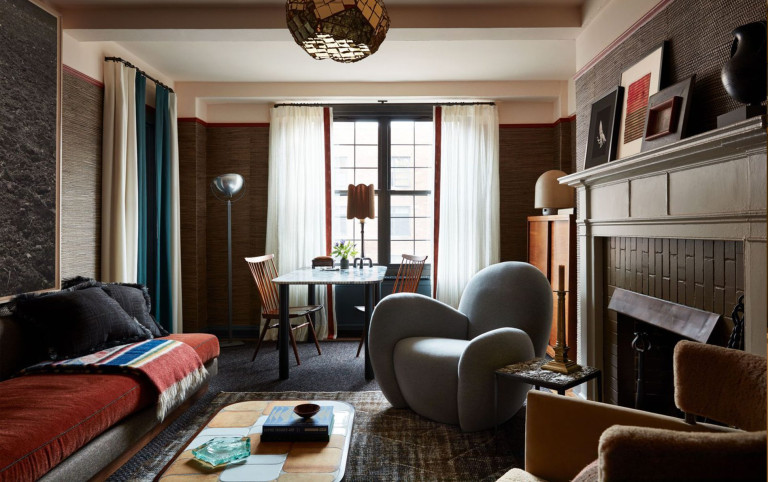
Zeki Müren, Da Silva Bruhns, and Leleu: How These Artists Transformed Rugs into the Language of Modernism
The story of modernism in textiles is often told through architecture, painting, and furniture. Yet, some of the most radical ideas of the 20th century were not framed on walls or set on pedestals—they were laid underfoot. Rugs, once treated as either anonymous craft or as inherited luxury, became a medium for modernist expression. Few figures embody this transformation more than Zeki Müren, Da Silva Bruhns, and Leleu. Each worked in distinct cultural contexts—Müren in postwar Turkey, Da Silva Bruhns in interwar France, and the Leleu firm across early- to mid-century Paris—but together they reframed rugs not as decoration but as a language: one capable of abstraction, geometry, rhythm, and modern life.
Read the Feature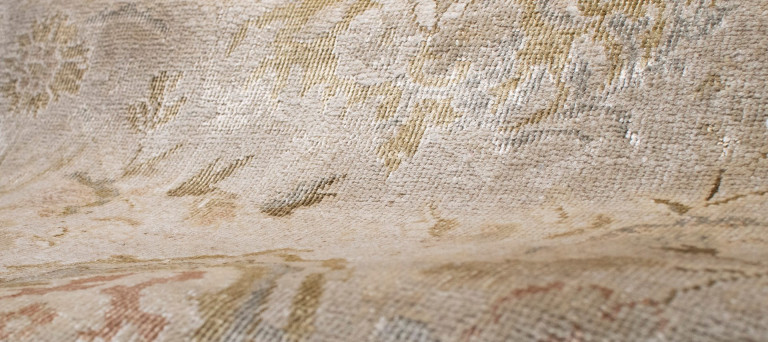
Metallic Threads of Empires: Weaving Light, Legacy, and Reverence
~ To weave in gold is to speak in the language of light. Not all threads are meant to hold — some are meant to shine. In the quiet, glinting presence of metallic-thread rugs, we do not merely find decorative excess — we encounter intention. Gilt and silver threads, spun into the warp and weft of masterful rugs, were never just aesthetic gestures. They were declarations of reverence. Of power. Of the sacred. In every glimmer of light cast by these ancient fibers, a message was — and still is — delivered: this is not ordinary ground. Woven for the Divine: The Sacred Origins of Metallic Thread In the palaces of Isfahan and the courts of Constantinople, rugs were not furnishings — they were ceremonies made visible.
Read the Feature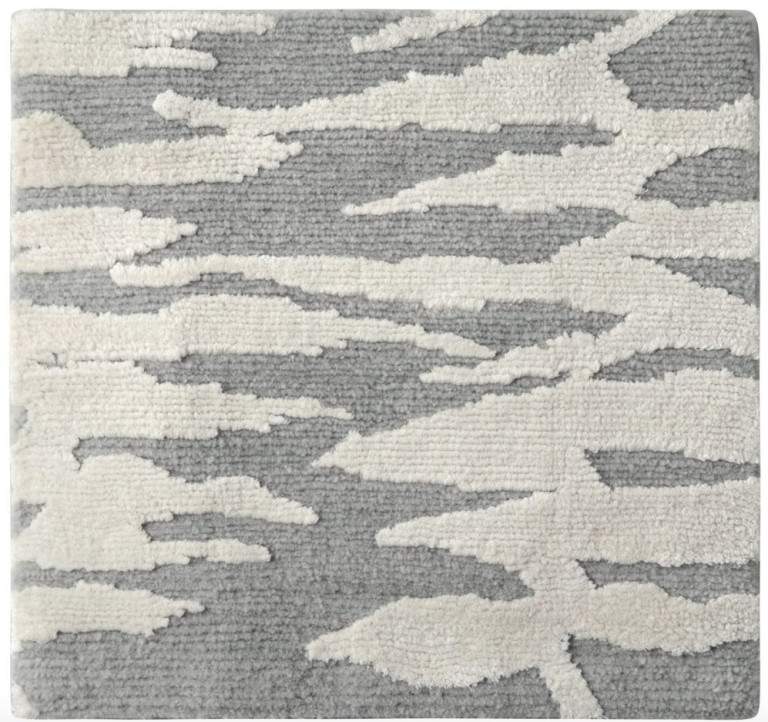
A Complete Guide to Silk Material for Rugs
Owning silk is not merely a possession; it is a statement of sophistication, a declaration of discerning taste and elevated living. The natural sheen of the silk serves to both bring out the brilliance of these palettes below—as well as to emphasize the tactile finesse, texture, and subtle variations of color between the geometric patterns; themselves enjoying a graceful design sensibility and soothing sense of repetition and movement suitable to a variety of interiors. Silk rugs, steeped in a rich history dating back to Persian royalty, have long epitomized luxury and elegance. Today, they remain cherished possessions for collectors and esteemed symbols of antiquity in contemporary homes. What sets silk rugs apart is their unparalleled beauty, attributed to the natural luster of silk and the exquisite intricacy of the patterns meticulously woven with finely tied knots. So captivating is their allure that many opt to display these masterpieces on walls, where their stunning craftsmanship can be admired as art rather than being tread upon.
Read the Feature10 Questions to Ask Before Buying an Antique Rug
An antique rug is a big investment. Be an informed buyer. Yet, antique rugs are so much more than just an investment — they're gorgeous symbols of status and taste, among many things. The fact is, your antique buyer — especially a connoisseur of handmade rugs — is not a static being. A hundred-year-old Hereke may find a handful of chances to find a home as its appeal rises and falls with the times. How well kept, how appealing, how appropriate to the project, or even just who's careful enough to hunt one down in their search. Every piece has the capability to be a perfect choice, but an antique lover has access to so much more information today than ever — so service is more important than ever.
Read the Feature