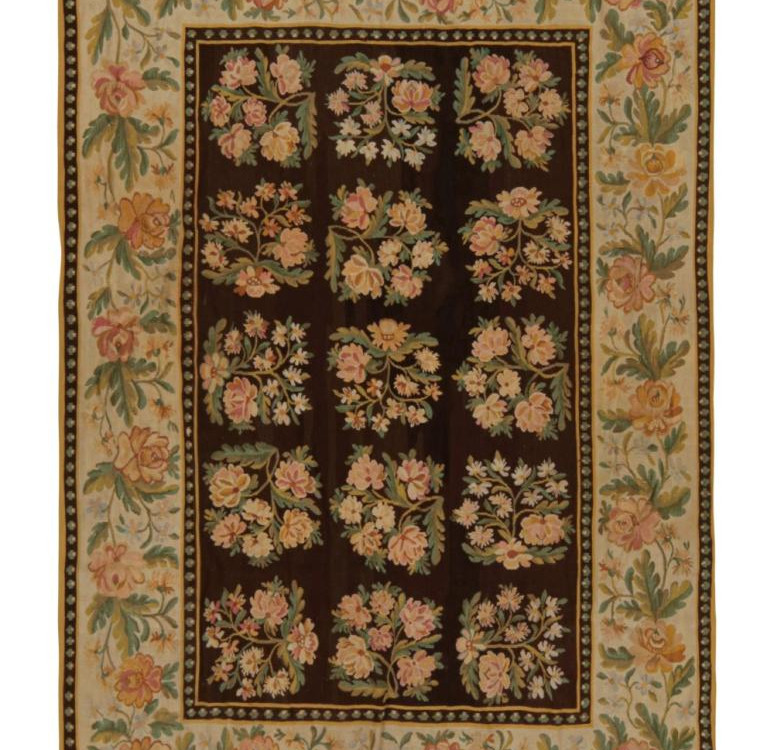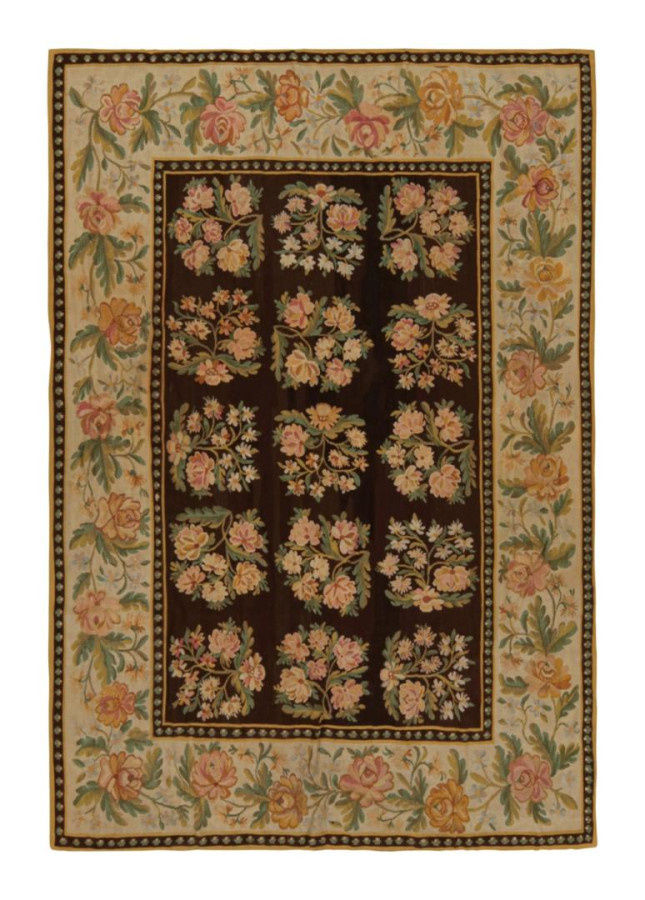

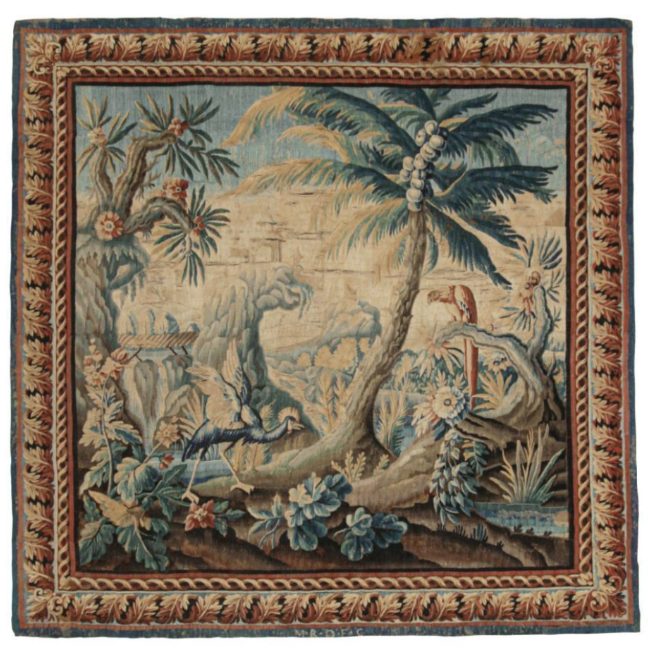
A Brief Guide to Aubusson Tapestries
April 8, 2024
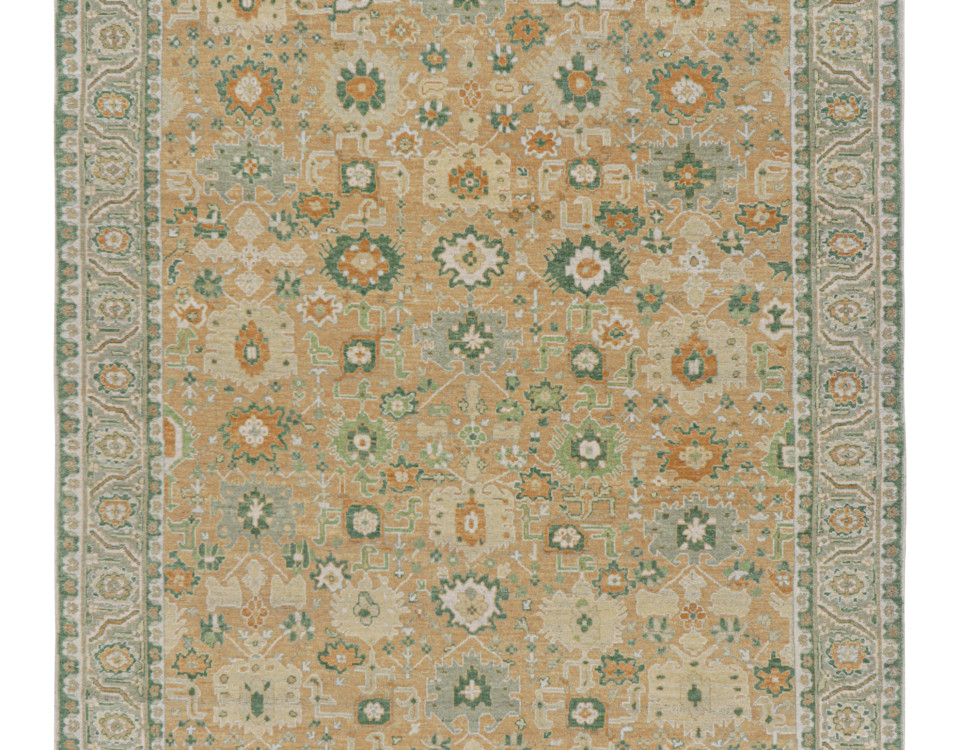
An Introduction to Varied Art Deco Patterns
April 23, 2024Owning silk is not merely a possession; it is a statement of sophistication, a declaration of discerning taste and elevated living.
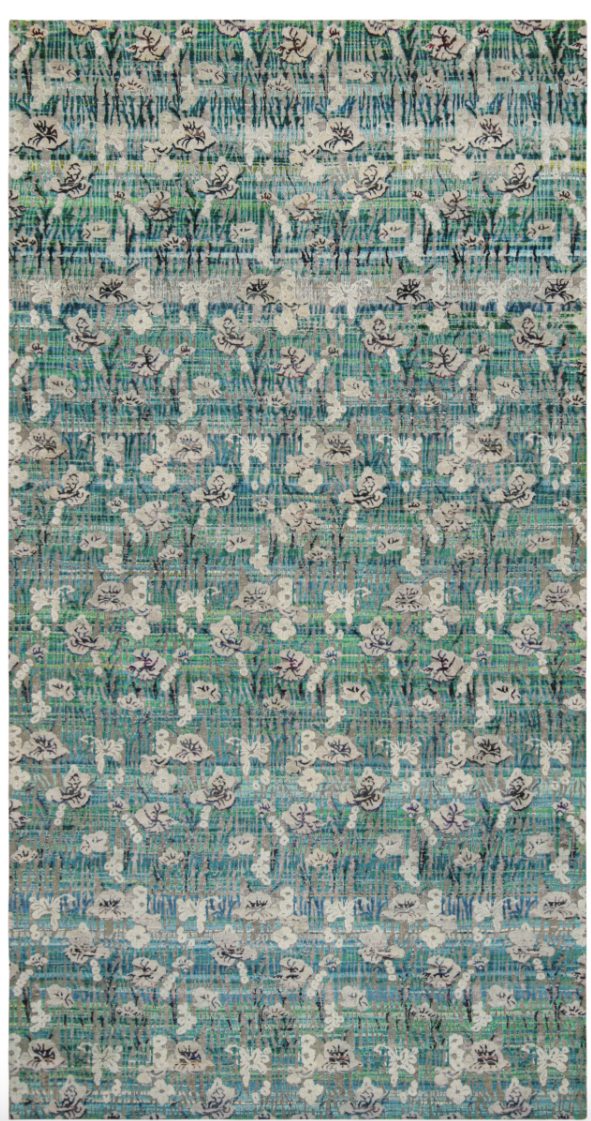
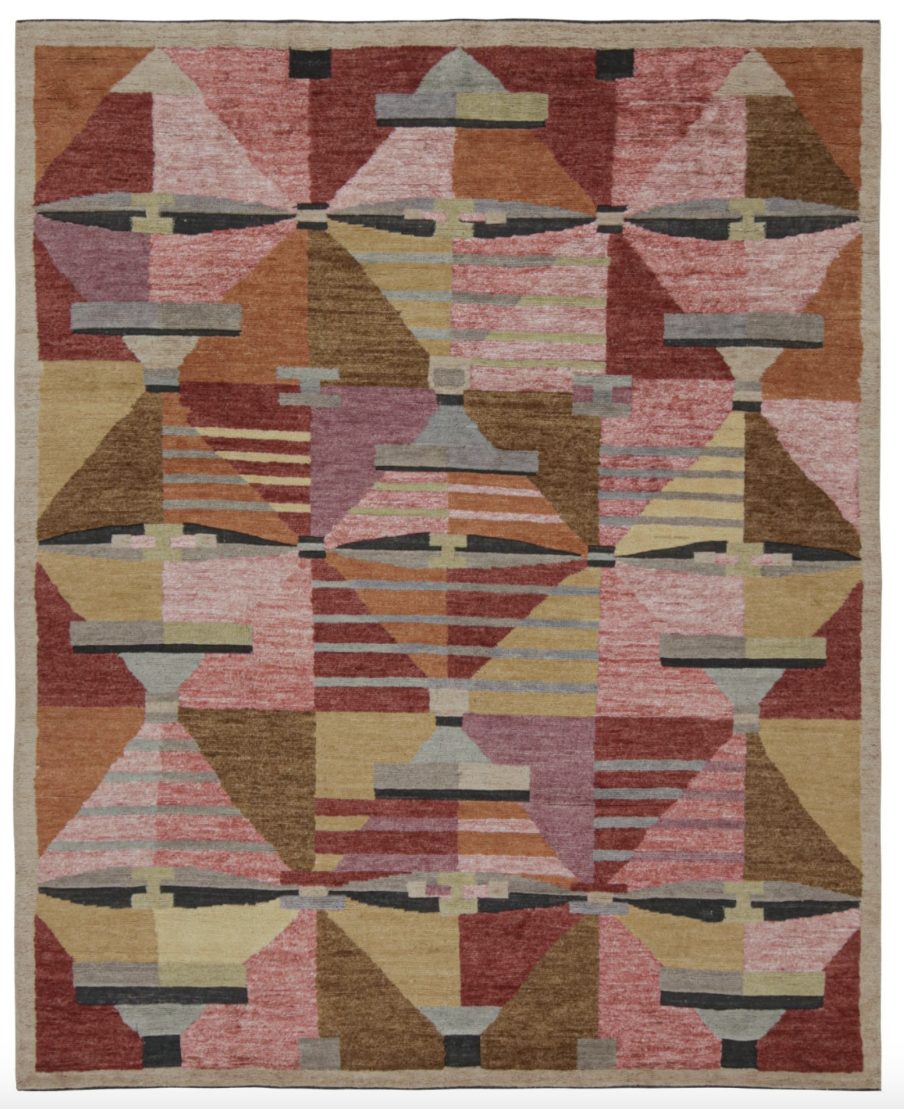
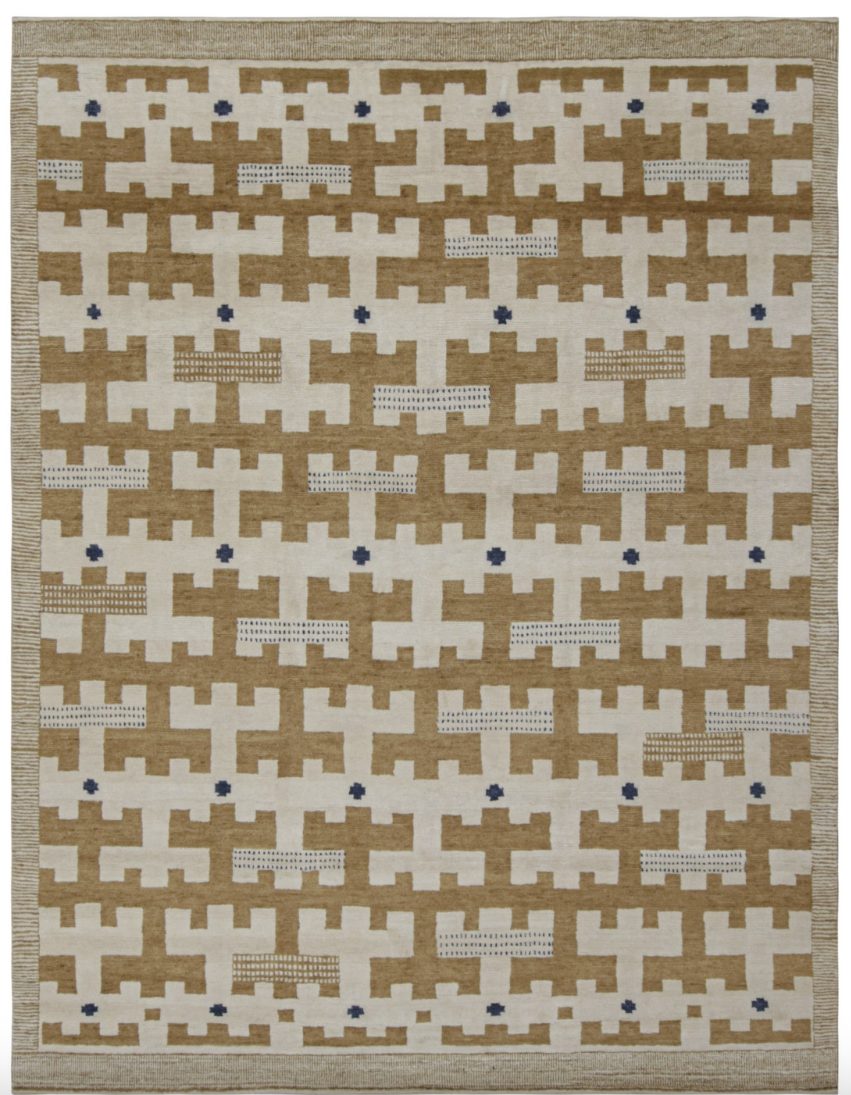
The natural sheen of the silk serves to both bring out the brilliance of these palettes below—as well as to emphasize the tactile finesse, texture, and subtle variations of color between the geometric patterns; themselves enjoying a graceful design sensibility and soothing sense of repetition and movement suitable to a variety of interiors.
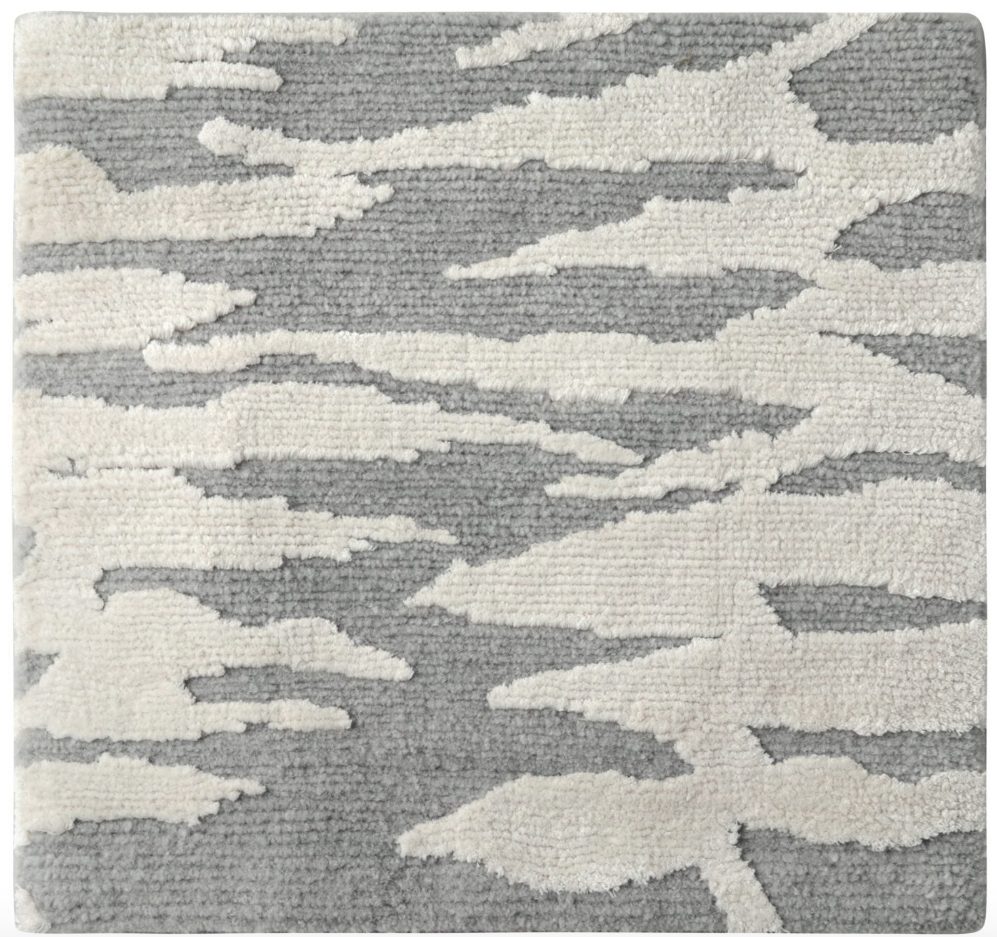
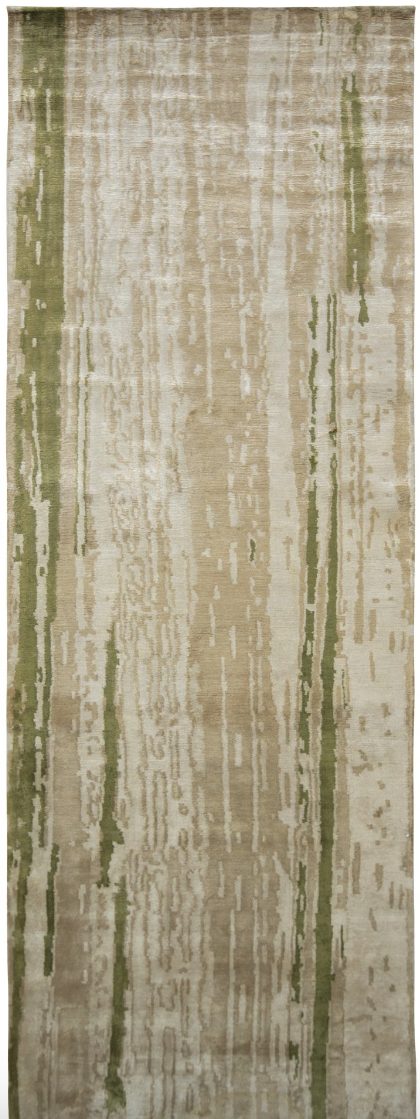
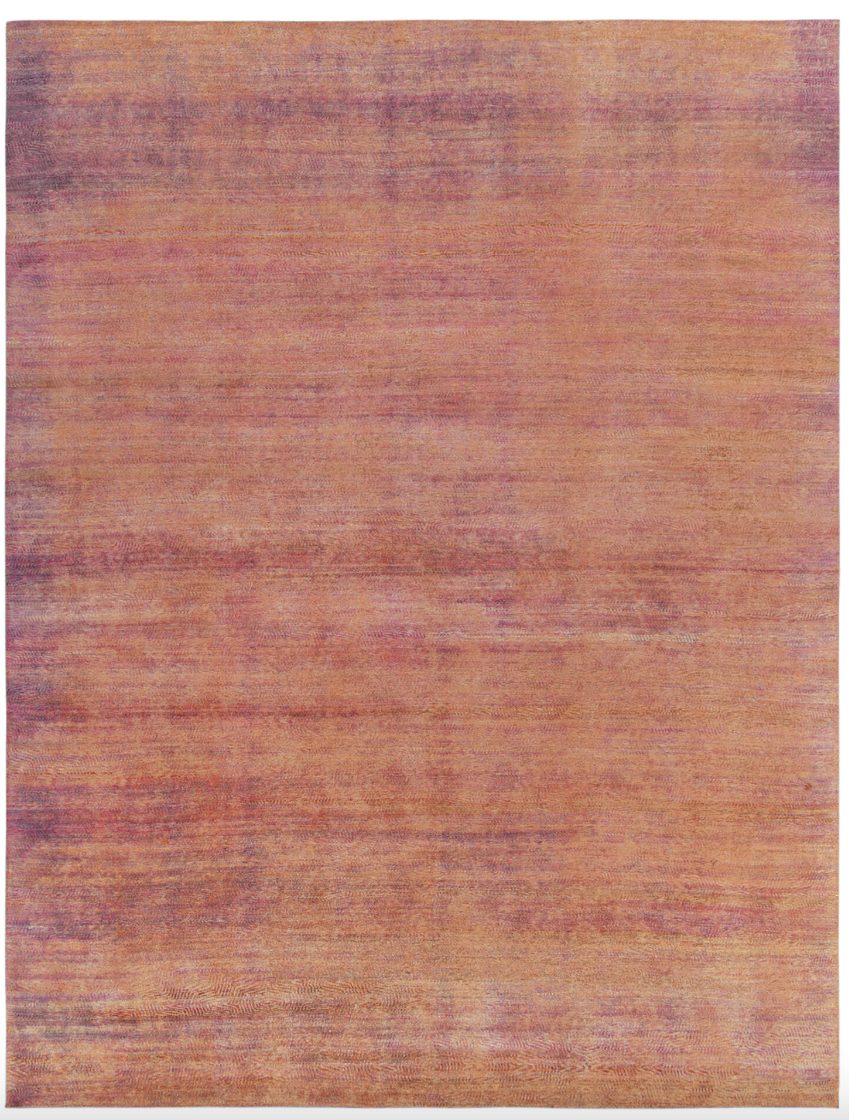
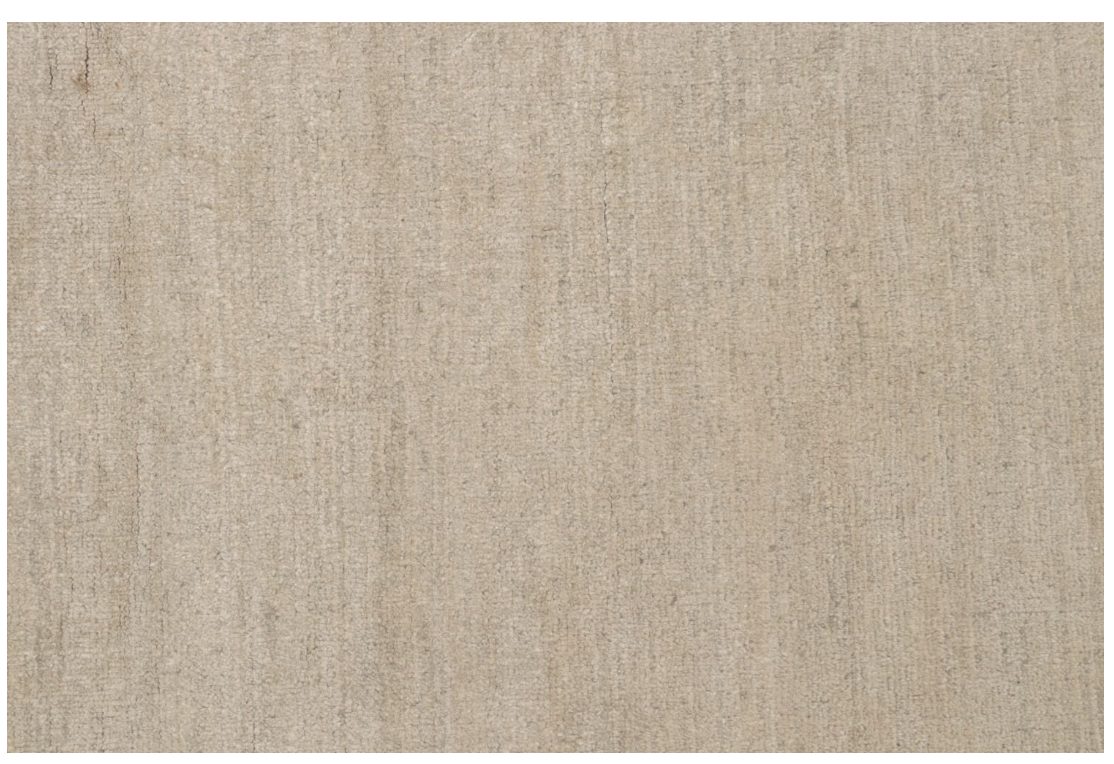
Silk rugs, steeped in a rich history dating back to Persian royalty, have long epitomized luxury and elegance. Today, they remain cherished possessions for collectors and esteemed symbols of antiquity in contemporary homes. What sets silk rugs apart is their unparalleled beauty, attributed to the natural luster of silk and the exquisite intricacy of the patterns meticulously woven with finely tied knots. So captivating is their allure that many opt to display these masterpieces on walls, where their stunning craftsmanship can be admired as art rather than being tread upon.
Why are the benefits of Silk for Rugs ?
Silk rugs are renowned for their unmistakable brilliance, owing to the inherent luster of silk fibers that are further accentuated by meticulous dyeing processes. While silk may be a pricier material compared to wool, artisans who craft silk rugs spare no effort in ensuring each creation exudes magnificence. Opting for a silk rug isn’t just a purchase—it’s a statement, a testament to your appreciation for exquisite craftsmanship and timeless elegance.
Moreover, pure silk rugs are not just beautiful; they’re also enduring investments for your home. Handcrafted with care, these rugs can grace your living space for nearly three decades without losing their allure. Unlike artificial silk counterparts that may deteriorate over time, authentic silk rugs boast remarkable durability, surpassing even nylon in tensile strength. As they age gracefully, genuine silk rugs become even more valuable, provided they receive proper maintenance and care.
Beyond their aesthetic and longevity, silk rugs also contribute to sustainable practices. Silk, derived naturally from the cocoons of silkworms, is an environmentally friendly fabric that is entirely biodegradable. The production of silk rugs involves no harmful chemicals, and the meticulous sourcing and manufacturing processes prioritize eco-conscious practices. While natural silk rugs may come at a higher cost compared to viscose or rayon alternatives, their inherent beauty, durability, and eco-friendly nature make them a worthwhile investment in both luxury and sustainability.
In addition to their aesthetic appeal and eco-friendly nature, silk rugs offer practical benefits that enhance the comfort and durability of your living space. One notable advantage is their exceptional noise absorption properties. Handmade silk rugs, renowned for their density and seamlessness, effectively absorb sound frequencies, creating a serene environment free from external disturbances. Whether placed in living rooms or office spaces, silk rugs serve as a sophisticated solution for soundproofing, ensuring tranquility amidst bustling surroundings.
Moreover, silk rugs boast remarkable strength and durability, owing to the composition of their fibers. Composed of protein and amino acids, silk fibers exhibit a strength comparable to that of steel. Available in both handcrafted and manufactured varieties, silk rugs offer longevity and resilience. Handcrafted silk rugs, in particular, have an impressive lifespan of approximately 30 years, surpassing other types of rugs in durability. Additionally, silk rugs are inherently stain-resistant, further prolonging their lifespan and simplifying maintenance. With their ability to elevate the ambiance of any space through a variety of hues and designs, silk rugs not only withstand the test of time but also enhance the aesthetic appeal of your home or office with ease and sophistication.
Rug & Kilim hosts a collection of authentic natural silk and bamboo silk rugs.
Natural Silk
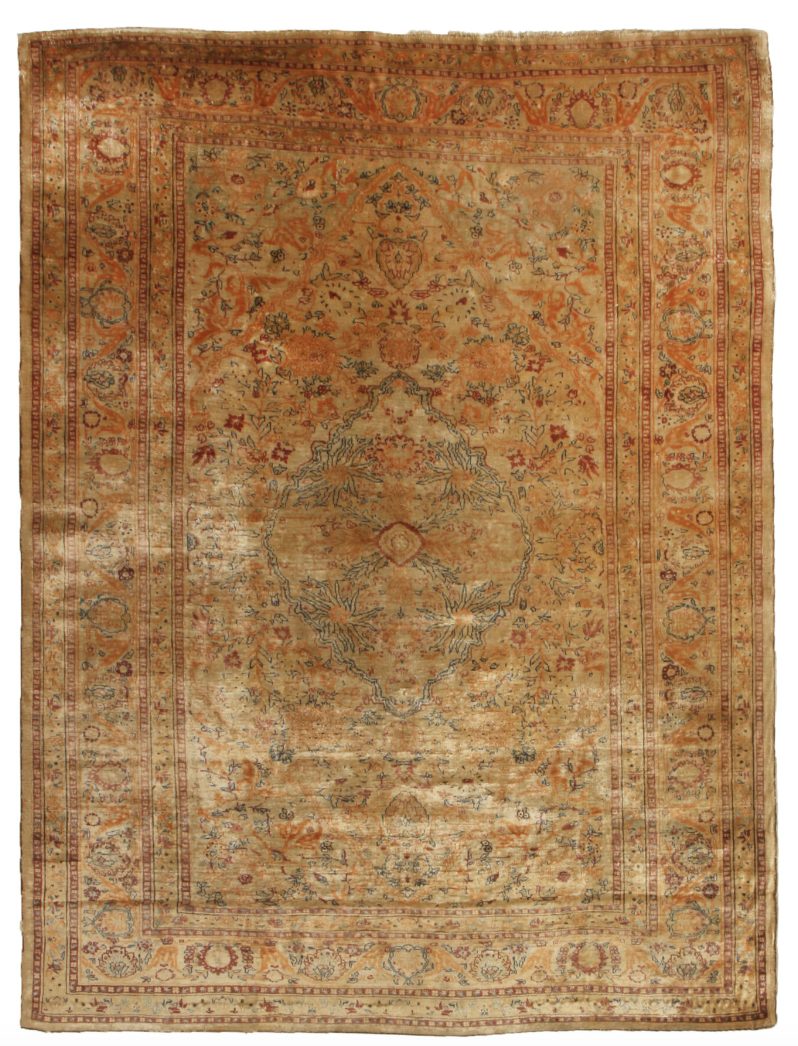
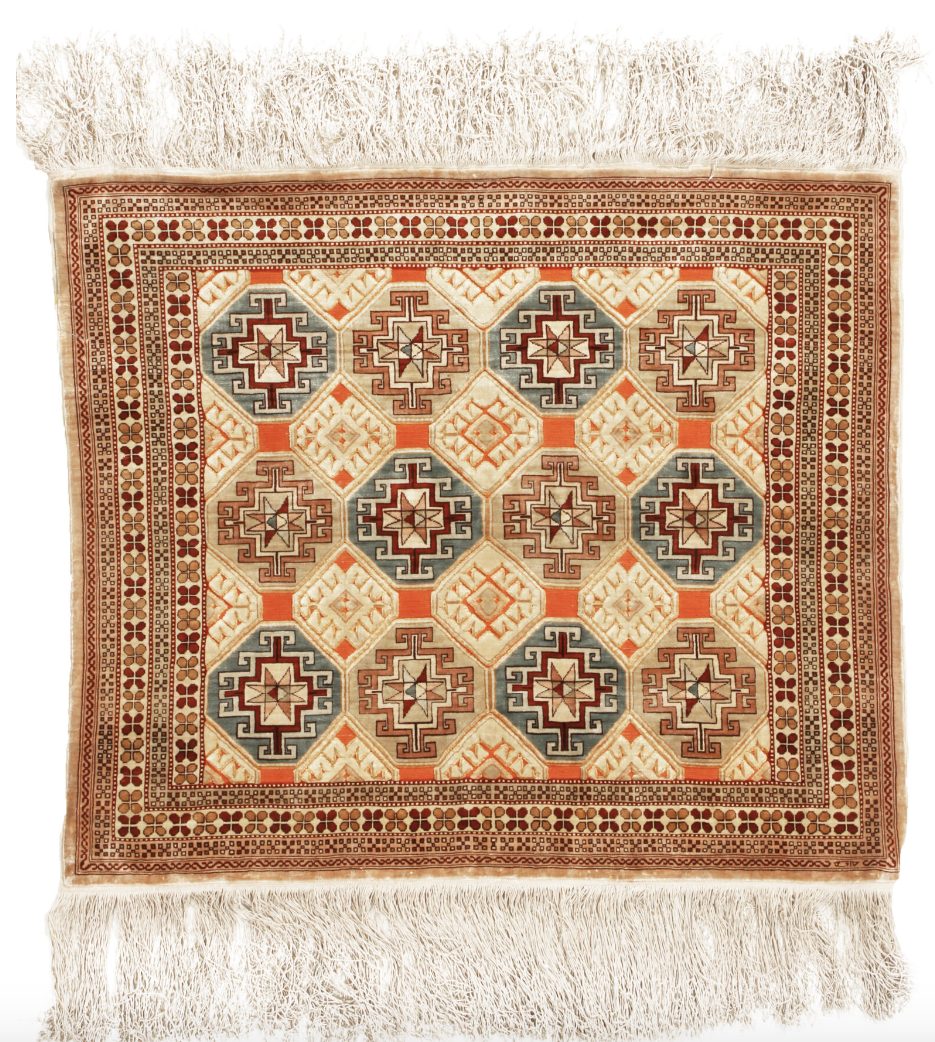
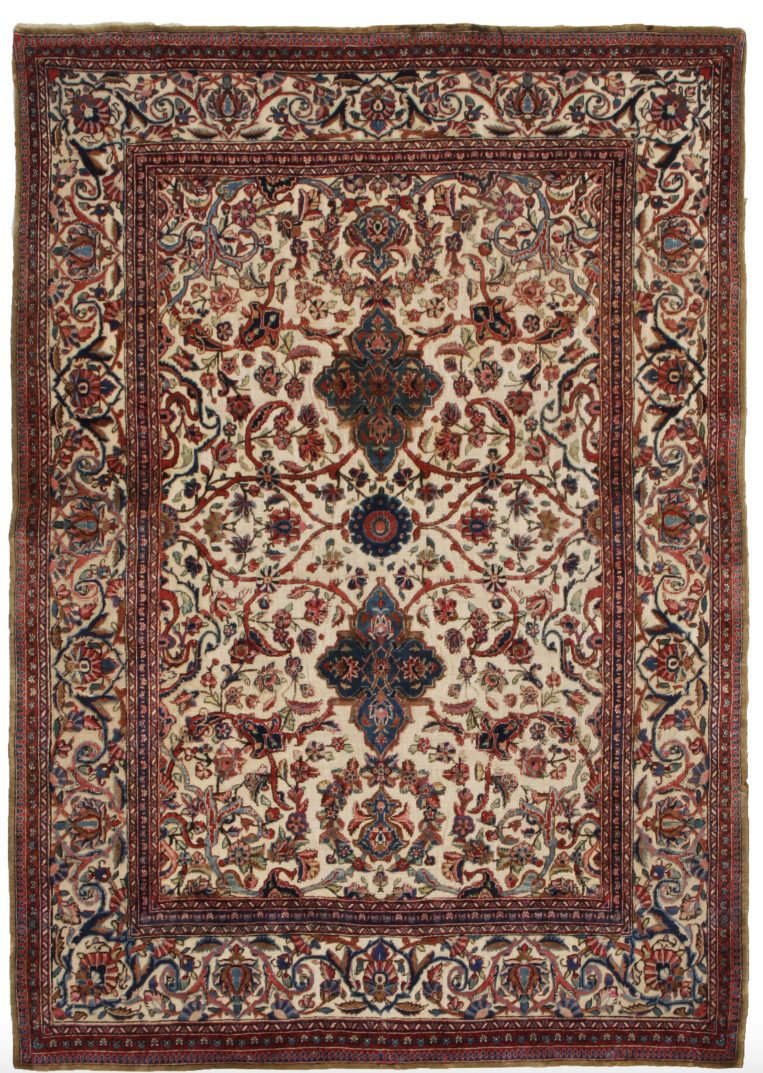
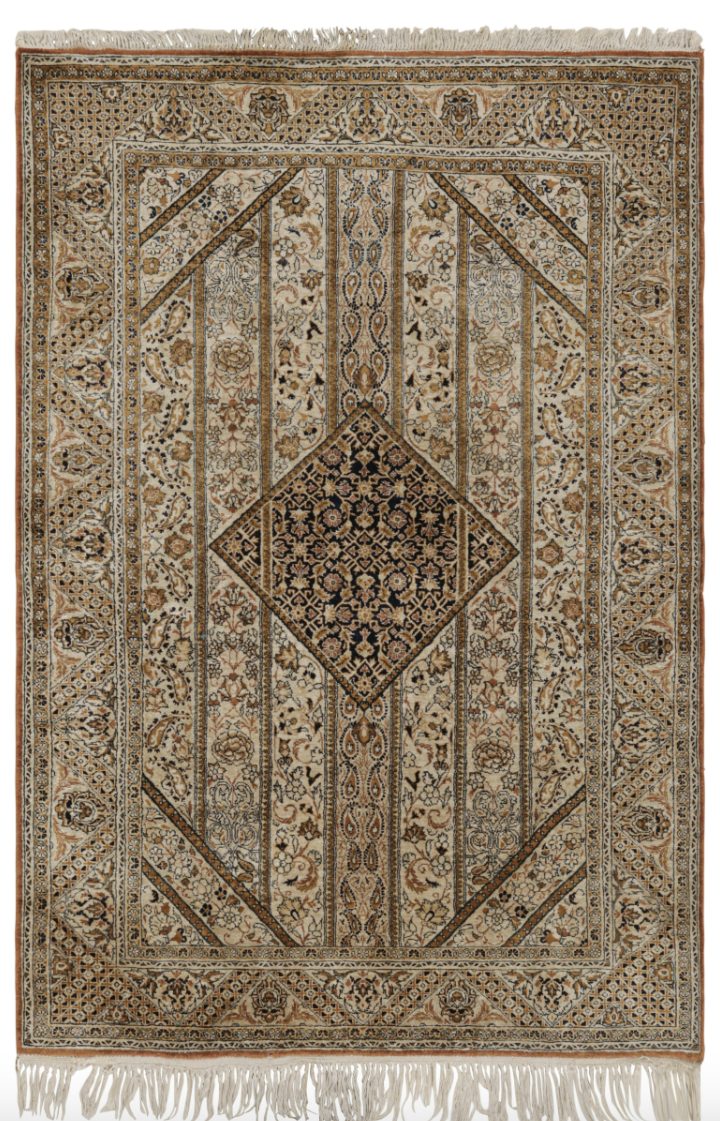
Natural silk, often referred to as “China’s white gold,” is renowned for its luxurious softness and distinctive sheen. Renowned for its resilience and durability, pure silk possesses all the exceptional qualities necessary for crafting high-quality carpets. Handmade silk rugs are highly coveted by both enthusiasts of luxurious home decor and discerning connoisseurs. The soft fibers of pure silk are skillfully woven into a wool or cotton foundation fabric, ensuring a stable grip and enduring beauty.
Bamboo Silk
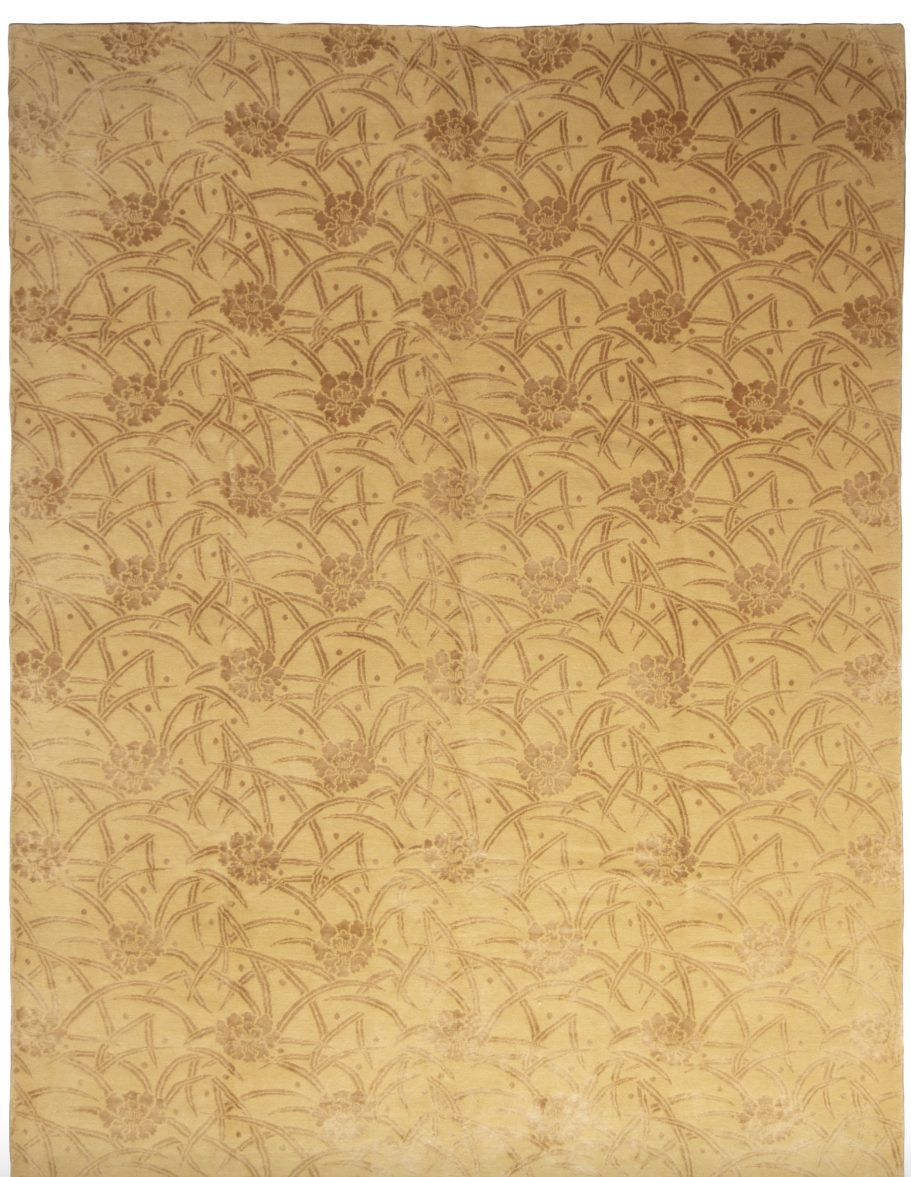
Rugs crafted from bamboo silk are exquisitely beautiful and decorative, adding warmth and elegance to any space. Derived from bamboo fibers rather than wood or other materials, bamboo silk represents a superior type of viscose. Notably, bamboo silk is antibacterial and hypoallergenic, making it a favorable choice for health-conscious individuals. Furthermore, bamboo silk rugs contribute to environmental sustainability and exhibit excellent color retention properties, ensuring long-lasting vibrancy and allure.
Frequently Asked Questions (FAQs):
What are the benefits of silk rugs?
Silk rugs offer impressive appeal, sturdiness, strength, noise absorption, and sustainability, bringing a luxurious feel to any space. Silk is always resilient and strong enough to survive the test of time, unlike synthetic silk rugs which may become worn out with time.
Why are silk rugs expensive?
Silk rugs are expensive due to their incredibly shiny texture and handmade designs, which exude luxury at every point.
What are the cons of silk rugs?
They are expensive due to labor-intensive manufacturing processes.
How can you distinguish a good silk rug?
A good silk rug will have higher knot counts, typically at least 200 KPSI (Knots Per Square Inch) and a maximum of 500 KPSI. Additionally, authentic silk rugs will feature intricate and detailed designs and patterns due to their higher knot counts.
What is the difference between wool and silk rugs?
Silk rugs are thinner than wool and have a very high knot density, resulting in more intricate and precise patterns. Wool, on the other hand, is more durable and resistant to being trodden on and discolored.
How do you distinguish between natural silk and artificial silk?