
A Profile on William Morris—-Arts and Crafts Movement and Tapestries
April 8, 2024
A Complete Guide to Silk Material for Rugs
April 23, 2024The exceptional craftsmanship and art of weaving Aubusson tapestry received international recognition when it was added to the list of Intangible Cultural Heritage of Humanity by UNESCO in 2009. In response to this prestigious recognition, the project for the Cité internationale de la tapisserie et de l’art tissé, translated as the International House of Tapestry and Woven Art, was initiated in 2010. This endeavor aimed to establish a dedicated institution that would serve as a cultural center, celebrating the art of tapestry and woven art, particularly the Aubusson tradition.
The Cité internationale de la tapisserie et de l’art tissé serves as a testament to the enduring legacy of Aubusson tapestry and its cultural importance. It provides a space for exhibitions, education, and the preservation of the rich heritage associated with this exceptional craft. Through such initiatives, the art of Aubusson tapestry continues to be valued and promoted on a global scale.
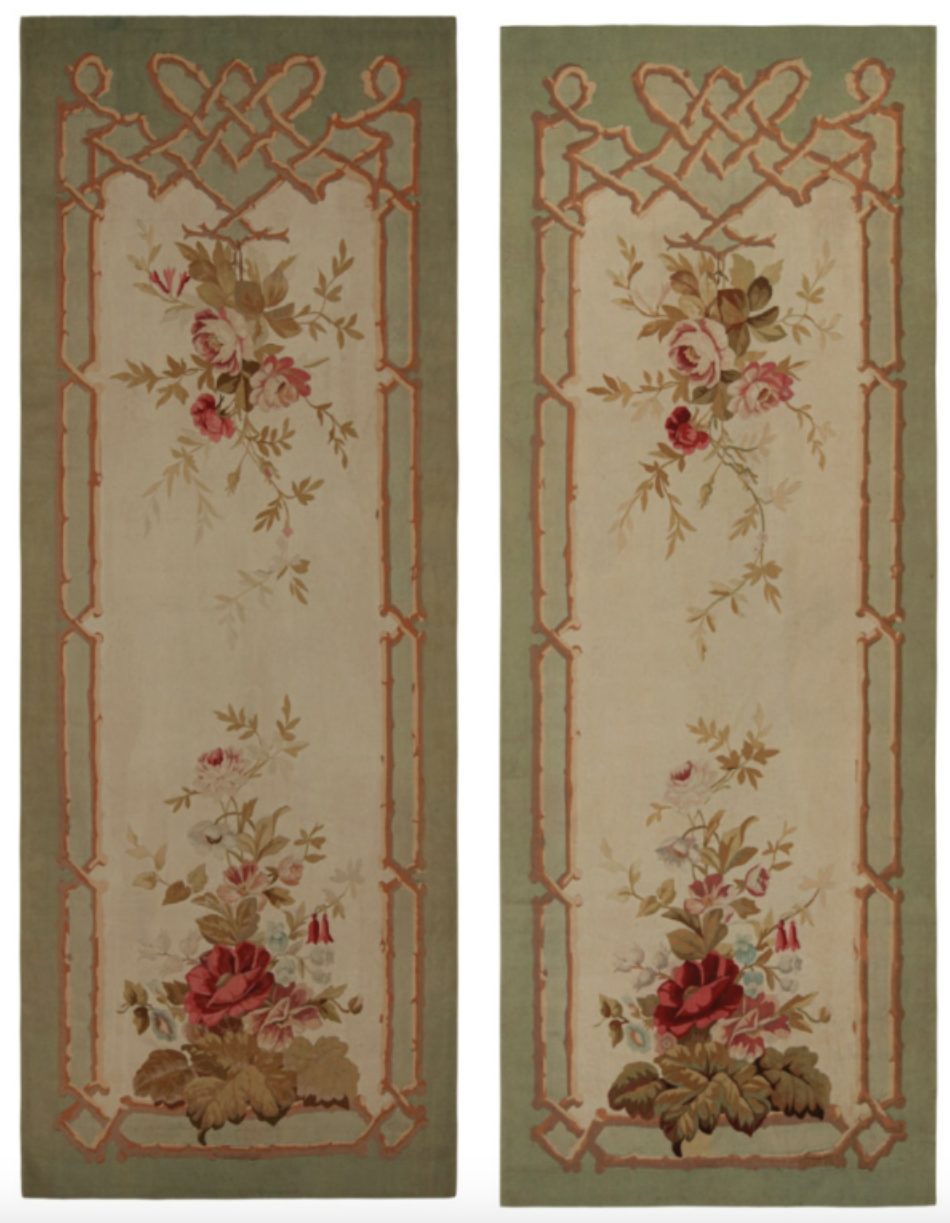
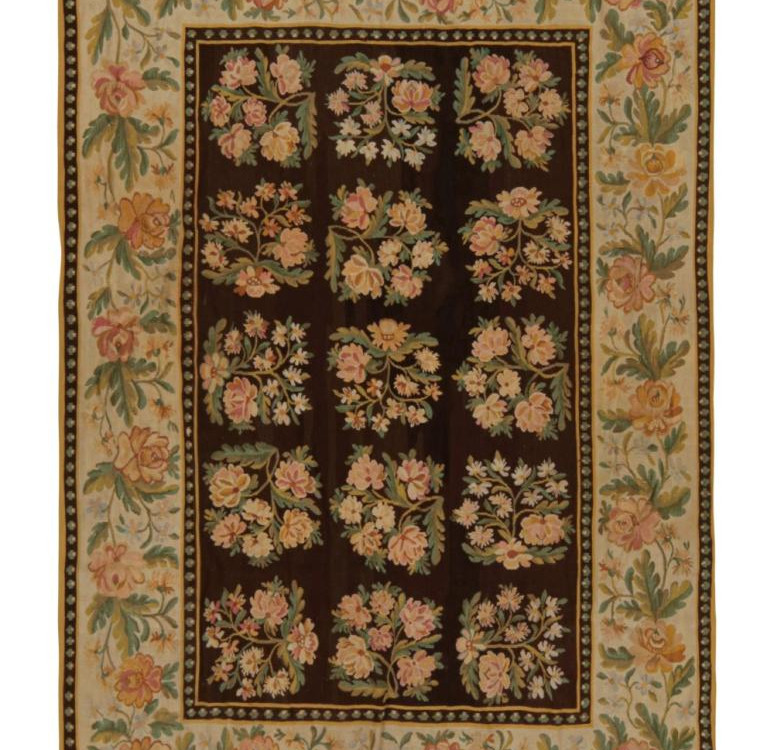
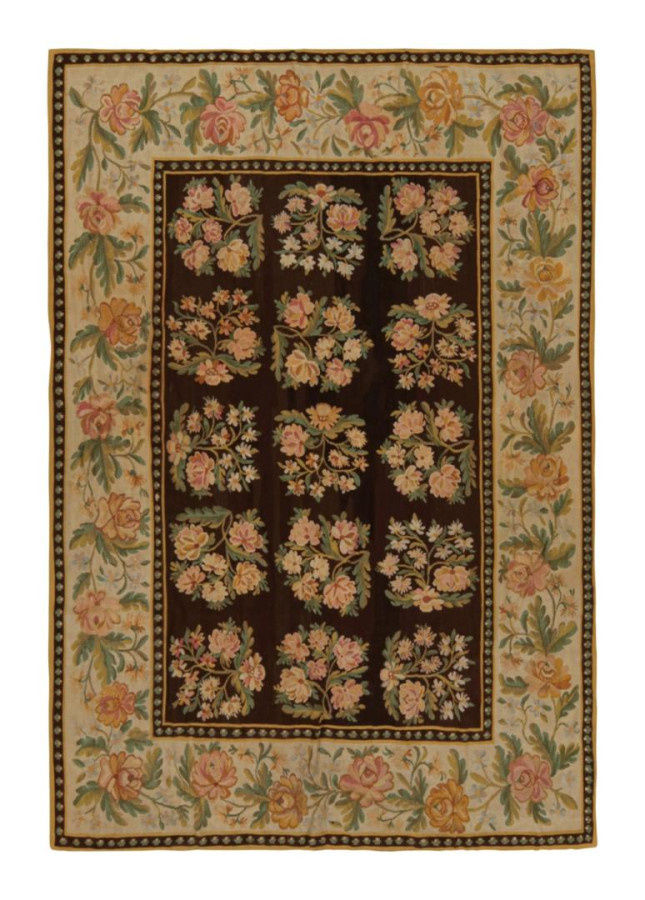
This 4×11 antique Aubusson tapestry runner rug from Rug & Kilim featured above is one of a rare set of twin flatweaves from turn-of-the-century France. Both hand woven in wool circa 1890-1900, their design features green and brown borders around a cream field with colorful, finely detailed impressionist floral patterns. This piece enjoys several distinctions from European rugs and tapestries of its period—particularly its open field and architectural borders. Whereas many Aubussons favor grand, elaborate medallions and borders with dense patterns, here is a humble palette and more simple, yet warm presence that seems to draw on country sensibilities. It has a more subtle, reserved sensibility that’s both collectible and one-of-a-kind among transitional rugs of its period. Its long, narrow orientation is especially versatile, too—well-suited for hallways, entryways and other such particular spaces where runners thrive.
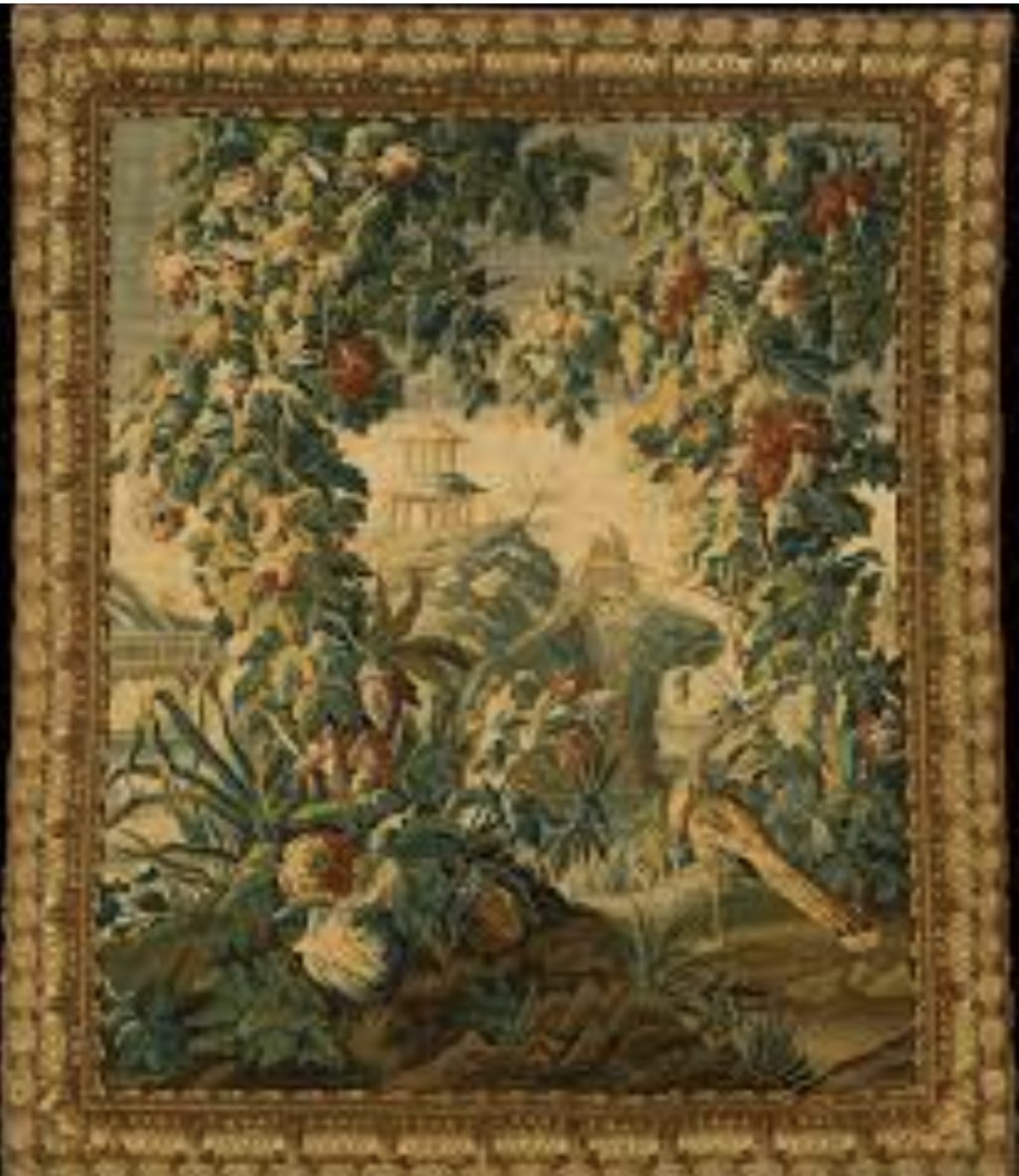
www.aubusson-tapisseries.fr
The craft of Aubusson tapestry, rooted in a centuries-old tradition, involves the intricate process of weaving images, primarily large decorative wall hangings, rugs, and pieces of furniture. This art form is practiced not only in Aubusson but also in various localities in the Creuse region of France. The creation of an Aubusson tapestry typically begins with a paper “cartoon” or template designed by an artist. This cartoon serves as the basis for the image that will be woven into the tapestry. The weaving process is carried out manually by a skilled artisan known as a lissier or weaver. The loom used for Aubusson tapestry is positioned horizontally, and the weaver works on the reverse side of the tapestry, meticulously bringing the design to life.
One distinctive aspect of Aubusson tapestry is the use of hand-dyed yarns. The yarns are dyed in-house, allowing for a customized and nuanced color palette. This attention to detail and craftsmanship contributes to the unique and high-quality nature of Aubusson tapestries. The entire weaving process is known for its time-consuming and labor-intensive nature, making Aubusson tapestries a testament to the dedication and skill of the artisans involved. Despite the challenges, Aubusson tapestries have earned a reputation as a gold standard in the world of tapestry art. The term “Aubusson” has become so synonymous with excellence that it is often used as a common noun in various languages. This recognition highlights the global impact and prestige of Aubusson tapestries.
History of Aubusson Tapestries
Aubusson, a town in central France, gained renown for its carpets and tapestries, particularly during the 16th century. The artistry of Aubusson tapestries became highly esteemed, finding a place in royal residences. The distinctive style of weaving developed in Aubusson involved a meticulous process that contributed to the visual impact of the final textile. The artistic process typically started with the creation of a painted design on paper. This design was then cut into pieces and meticulously assembled to form the intricate tapestry. This technique allowed for a level of depth perception and detail that set Aubusson tapestries apart. The demanding nature of this weaving style limited its replication, and only a few European houses adopted a similar approach.
In its early stages, Aubusson tapestries often resembled patterns seen in Oushak Medallion and Turkish rugs, which were popular among European royalty. However, the local artisans in Aubusson later shifted their focus to Italian Renaissance-inspired designs, incorporating intricate florals and architectural patterns. This shift allowed Aubusson weavers to capture nature and landscapes with a high degree of realism, contributing to the unique and detailed style that characterizes Aubusson tapestries.
Growth of Aubusson Tapestries
Aubusson’s prominence as a market town grew in the 1740s as workshops were established to meet the demand for tapestries from nobility and the royal family. These workshops played a significant role in establishing Aubusson as a center for the creation of exquisite tapestries. In 1869, a national school of decorative arts was established in Aubusson. This institution has contributed to the preservation and continuation of the town’s rich tradition of tapestry-making. The school continues to produce impressive works of art, ensuring that the craft remains vibrant and relevant to this day.
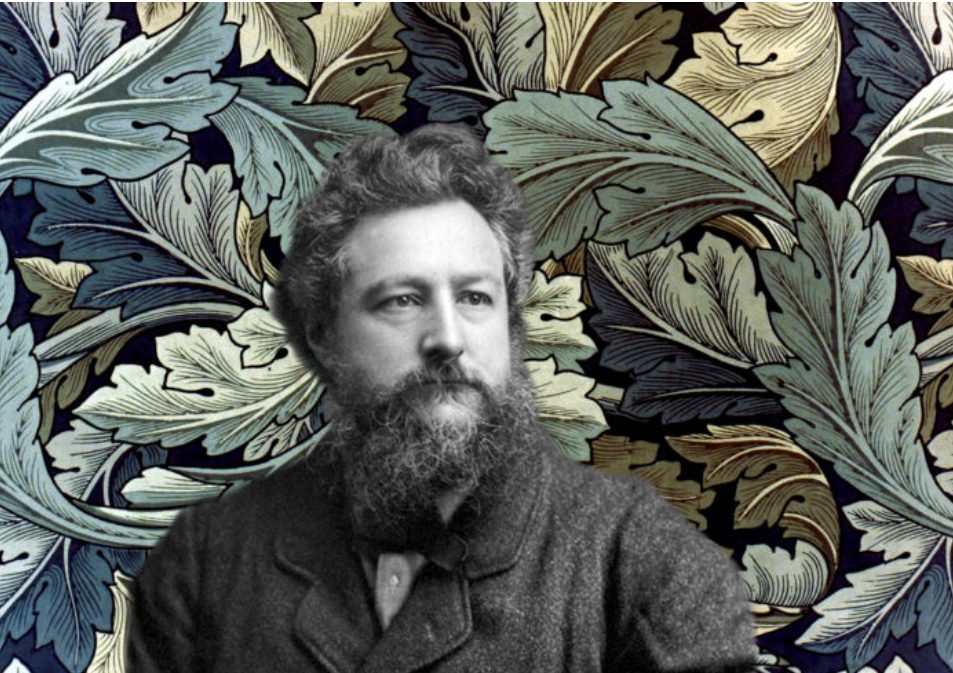
A notable connection between Aubusson and the broader European artistic scene is exemplified by William Morris, a key figure in the British Arts & Crafts movement. In 1881, Morris brought some of the town’s finest talent to England to form the Old Windsor Tapestry Manufactory. This venture gained recognition and patronage, including from Queen Victoria and her youngest son, Prince Leopold, who were enthusiastic supporters of the tapestries produced by the Old Windsor Tapestry Manufactory. This collaboration further showcased the international influence and appeal of Aubusson’s tapestry craftsmanship.
The decline in demand for Aubusson tapestries in the late 19th and early 20th centuries, attributed in part to the popularity of wallpaper, prompted artisans in Aubusson to adapt to changing tastes. Modernist-style works became more prevalent as artisans sought to align their creations with the evolving preferences of the time. However, a significant revival occurred when renowned artists, such as Pablo Picasso and Henri Matisse, began commissioning artworks to be translated into tapestries by Aubusson’s skilled craftsmen. This collaboration with Surrealist artists injected new life into the craft, showcasing the adaptability and timelessness of Aubusson tapestries.
View some of Rug & Kilim’s favourite Aubusson Rugs and Tapestries –