Style
Karabagh
Every piece in this style, across all of our collections. Narrow them down by size and price.
- Under 6 x 9
- Runners
- 6 x 9
- 8 x 10
- 9 x 12
- 10 x 14
- 12 x 15
- Over 12 x 15
Origin ▼
Style ▼
Material ▼
Width
Length
To connect with a specialist, click here
Stories from the Karabagh Archive
Essays, artist dialogues, and provenance notes drawn from Rug & Kilim’s editorial desk.
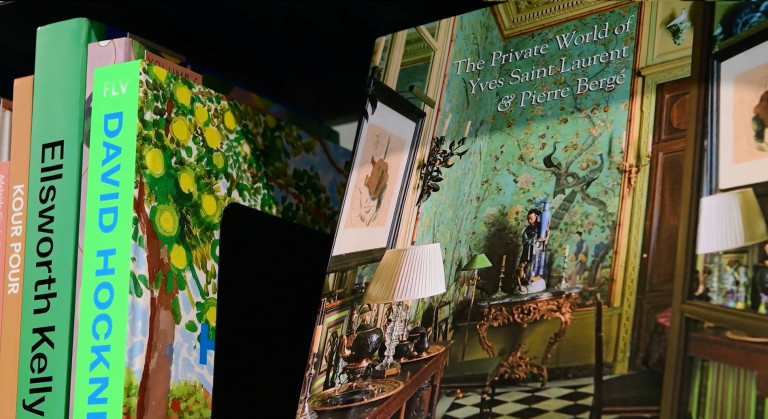
Rugs, Books, and the Fine Art of Living with Intention: Rug & Kilim’s Dialogue with Art and Literature
A great house is measured not only by what lies underfoot, but by what rests within reach. At Rug & Kilim, The Royal Collection and Volumes are not parallel endeavors—they are twin expressions of the same language: that art, design, and intellect belong in continuous dialogue. Both are products of patronage, atelier discipline, and an unwavering belief that beauty must be structured. A serious interior does not begin with furniture. It begins with a position. For centuries, the rug has been the most intellectually charged plane in a room—the only surface that holds architecture, painting, mythology, and diplomacy in a single field. Likewise, the book is not décor; it is declaration. It reveals the mind that inhabits the space.
Read the Feature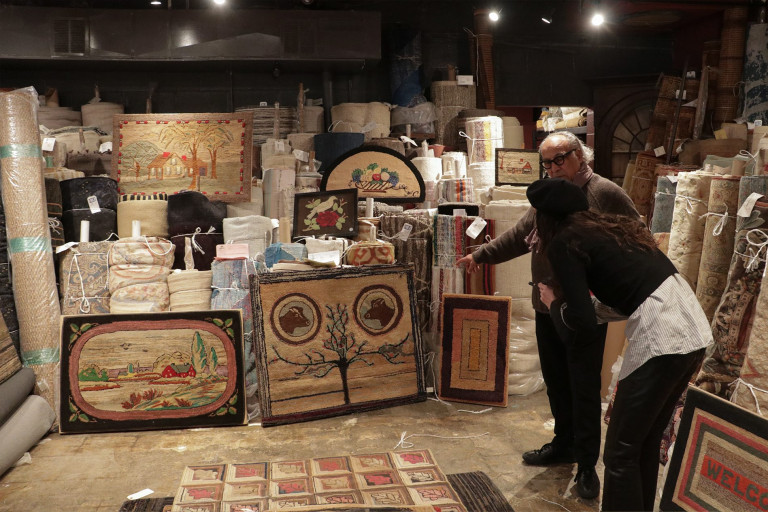
The Art of Appraisal: Inside Rug & Kilim’s Culture of Connoisseurship
Rug & Kilim Showroom — a house of woven gems, collected with intention. There is a difference between owning a rug and stewarding one. At Rug & Kilim, appraisal exists at the intersection of scholarship, diplomacy, and design history. To evaluate a textile at the highest level is to understand not only fiber and knot count but courts and ateliers, fashion houses and museums, auction rostrums and private salons. Because in truth, the greatest rugs and tapestries have always belonged to the same cultural tier as painting and architecture. A carpet signed by Jules Leleu does not simply carry a market price; it carries the intellectual weight of Paris between the wars. A tapestry attributed to Jean Lurcat is not merely woven wool; it is postwar Europe reasserting itself through myth and modernism. To appraise such works requires fluency not only in textile technique, but in art history, fashion, architecture, diplomacy—and the subtle codes of elite taste.
Read the Feature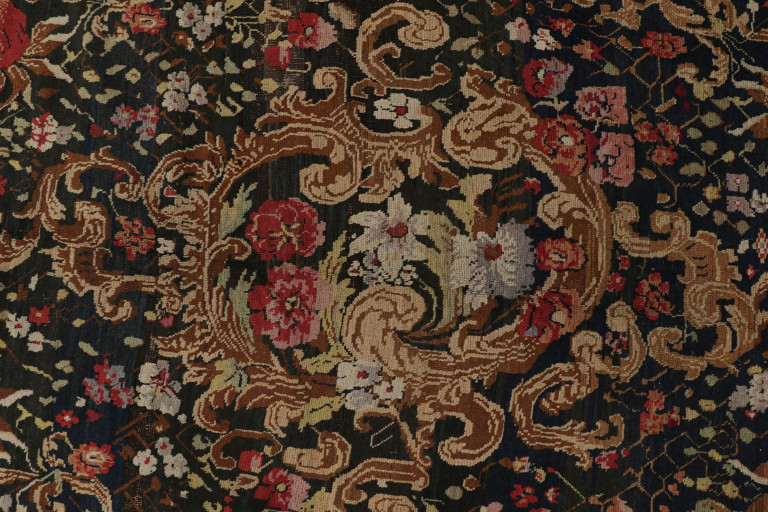
An Abbreviated Guide to Antique and Vintage Karabagh Rugs
NO. 34126 Made with hand-knotted wool and originating in Russia circa 1850-1860, this 8x19 antique Karabagh rug and is a rare extra-long runner and oversized addition to Rug & Kilim’s coveted European collection. For centuries, the Karabagh region—poetically called the “Black Garden”—has been a crossroads of empire, craftsmanship, and cultural memory. Its rugs shimmer with expressive geometry, lyrical florals, and natural dyes that have captivated collectors for generations. Today, designers and connoisseurs seek out these pieces not only for their visual presence, but for the emotional resonance they bring into a room. Karabagh rugs are textiles with pulse— woven memoirs whose artistry continues to evolve in dialogue with contemporary interiors. This guide explores their history, structure, symbolism, and enduring relevance, offering a lens on one of the most intriguing Caucasian weaving traditions.
Read the Feature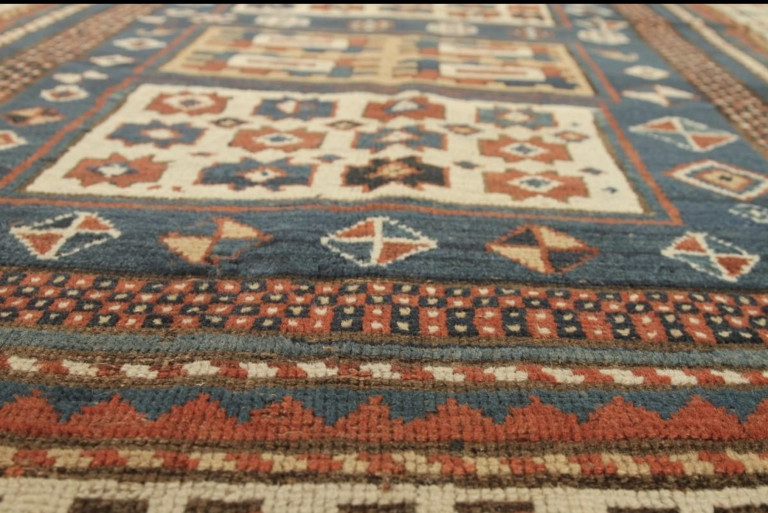
A Brief Guide to Antique and Vintage Kazak Rugs
The resurgence of Kazak rugs in contemporary interiors isn't surprising to those of us who've spent years studying these masterpieces. These distinctive carpets, originating from the Caucasus Mountains, continue to command attention in both high-end residential projects and prestigious auction houses. What sets authentic Kazaks apart is their bold geometric patterns and rich, saturated colors - particularly their signature reds derived from madder root and deep blues from natural indigo. The wool, sourced from highland sheep, provides an unmistakable luster that machine-made replicas simply cannot match.
Read the Feature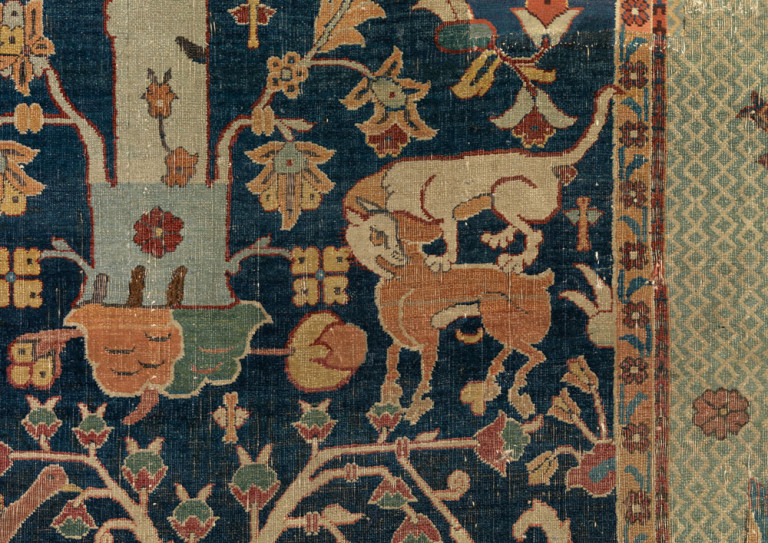
A Guide to Horse Pictorials in Persian and Caucasian Rugs
Pictorial rugs with animals are extremely collectible, as few remain today and each is a one-of-a-kind treasure. This Persian-style design depicting horses in a gallop is inspired by Gabbeh tribal rugs and similar, rare forms of Persian folk art. Its pictorials depict triplets of running horses in beige and brown, orange and pink tones on a beige field. Keen eyes will further admire the striae of yarns that achieves an abrashed, textural look in the field and pattern colorway. https://rugandkilim.com/product/modern-classics/persian-style-rug-in-beige-with-brown-and-orange-horse-pictorials/?objectID=233169-0&queryID=23e2ef8df7aa9e9adc59d00b052e4fe5
Read the Feature
Renting Rugs and Kilims for Special Events and More
Above, the New York City Climate Change Museum enjoys an antique Persian Tabriz rug from Rug & Kilim, rented for its first exhibition in October 2022. The Museum is a floating pop-up experience, which collaborates with artists and installations in different spaces throughout NYC. This first installation in Brooklyn needed to borrow a large rug for its main space on short notice — a work of regal, yet smart sensibility to bring the design together with a comfortable presence, but also complement the air of intelligent discussion, institution and passion a space like this needs. The result was a special experience for the Museum, though the situation is more frequent than many might think, where time is limited a high-end interior design calls for a flexible option.
Read the Feature